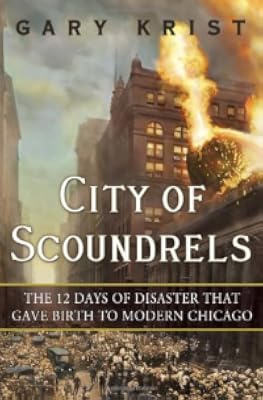
City of Scoundrels: The Twelve Days of Disaster That Gave Birth to Modern Chicago
by Gary Krist
On This Page
Description
The masterfully told story of twelve volatile days in the life of Chicago, when an aviation disaster, a race riot, a crippling transit strike, and a sensational child murder transfixed and roiled a city already on the brink of collapse.When 1919 began, the city of Chicago seemed on the verge of transformation. Modernizers had an audacious, expensive plan to turn the city from a brawling, unglamorous place into "the Metropolis of the World." But just as the dream seemed within reach, show more pandemonium broke loose and the city's highest ambitions were suddenly under attack by the same unbridled energies that had given birth to them in the first place.
It began on a balmy Monday afternoon when a blimp in flames crashed through the roof of a busy downtown bank, incinerating those inside. Within days, a racial incident at a hot, crowded South Side beach spiraled into one of the worst urban riots in American history, followed by a transit strike that paralyzed the city. Then, when it seemed as if things could get no worse, police searching for a six-year-old girl discovered her body in a dark North Side basement.
Meticulously researched and expertly paced, City of Scoundrels captures the tumultuous birth of the modern American city, with all of its light and dark aspects in vivid relief.
. show less
Tags
Recommendations




Member Reviews
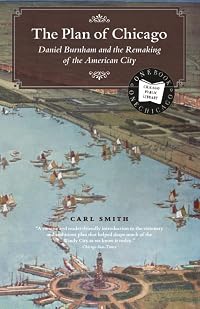
In 1919, Chicago seemed on the verge of transforming itself from a provincial Midwest city to one of the first cities of the world. It's flamboyant mayor "Big Bill" Thompson was poised to implement Daniel Burnham's architectural plan for the city, which would not only improve thew city's looks, but also provide thousands of patronage construction jobs for his constituents.
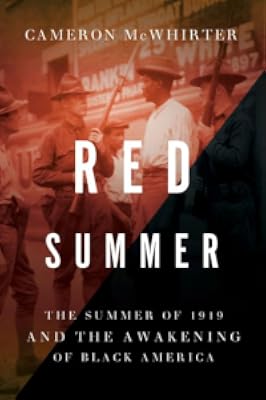
But then, between July 21 to July 31 a series of disasters befell the city: a prototype of the Goodyear blimp crashed and burned through the roof of a downtown bank, a six-year old girl disappeared and was found dead in a north side basement, a racial incident on of the city's beaches ignited one of the worst race riots the country had ever seen, and a transit strike show more paralyzed the city.
The outcome of these events, transformed not only Chicago, but also played into the machinations in the infamous "smoke-filled room" at the 1920 Republican Presidential convention.
Meticulously researched and written in vivid prose, this book is an essential primer for anyone who wants to understand how Chicago politics became Chicago politics. show less
But then, between July 21 to July 31 a series of disasters befell the city: a prototype of the Goodyear blimp crashed and burned through the roof of a downtown bank, a six-year old girl disappeared and was found dead in a north side basement, a racial incident on of the city's beaches ignited one of the worst race riots the country had ever seen, and a transit strike show more paralyzed the city.
The outcome of these events, transformed not only Chicago, but also played into the machinations in the infamous "smoke-filled room" at the 1920 Republican Presidential convention.
Meticulously researched and written in vivid prose, this book is an essential primer for anyone who wants to understand how Chicago politics became Chicago politics. show less
The subtitle of City of Scoundrels is rather misleading: while several of the figures involved in the "12 Days of Disaster" that took place in Chicago in the summer of 1919 certainly helped to shape that city in profound ways, Gary Krist doesn't really prove that those twelve days in particular were some sort of formative moment or systemic break. Really, the events described here are a kind of microcosm that bring together several different aspects of the history of early twentieth-century America. From blimp crashes in the Loop to race riots, child abductions to bare-faced political corruption, Krist documents moments that reveal a lot about the history of power, race, and technology in Chicago that stood on the verge of the Roaring show more Twenties. Read City of Scoundrels for that "snapshot in time" feel, but not for something bigger than that. show less
Blatant machine politics, racial, ethnic and labor unrest. Murder and gang warfare. Epic battles between Springfield and City Hall. Accusations of buying of political appointments and a showdown over public transit. Big dreams and even bigger plans to transform the face of the city. A blustery, compelling, charismatic mayor fond of making great pronuncements not always based in fact. Chicago in the 21st century? Nope. Chicago, 1919. It's refreshing and disturbing that some things never change. The only major difference I can see is that no one really flies dirigibles around the city anymore. Nice little side stories of Carl Sandburg and Ring Lardner, too. I had no idea Sandburg lived in Maywood for a time. Totally worth reading.
This audio book was selected on a whim, as I have no particular interest in Chicago. But I do love history and was glad to learn some Chicago history. There were numerous dramatic threads that maintained my lively interest, such as the dirigible collision and the missing girl. Though some parts dragged a bit, it was still worth reading (or listening to). And now, with this background of Chicago history of 1919 to 1920, I can move on to the gangster era of the 1920's.
This is the first book that I have read by Krist and I am definitely a fan. I picked up "City of Scoundrels" as it was about Chicago, a city that I visited for the first time in 2013. I wanted to find out more about the city and its history. The action in this book centres on the years 1919 to 1920. And what tumultuous years they were!
Krist grabbed my attention right away with his account of the Wingfoot, a blimp that caught fire over the city and crashed into a bank causing death and injuries in the building. From there he led into the politicking and larger than life characters who had their fingers in the pie as they tried to gain control of the city. His account finished up with the race riots that raged for over a week which were show more exacerbated by a transit strike.
I never knew that Chicago had such a tumultuous past. The only notorious history I had heard was about the years that the gangs held sway. Krist concentrated on the years before Capone and his ilk came into power. What an enthralling history. It read like the best fiction. I will definitely look for more books by Gary Krist. show less
Krist grabbed my attention right away with his account of the Wingfoot, a blimp that caught fire over the city and crashed into a bank causing death and injuries in the building. From there he led into the politicking and larger than life characters who had their fingers in the pie as they tried to gain control of the city. His account finished up with the race riots that raged for over a week which were show more exacerbated by a transit strike.
I never knew that Chicago had such a tumultuous past. The only notorious history I had heard was about the years that the gangs held sway. Krist concentrated on the years before Capone and his ilk came into power. What an enthralling history. It read like the best fiction. I will definitely look for more books by Gary Krist. show less
From July 21st through August 1st, 1919 Chicago was a city of turmoil. This non-fiction account of that time reads like a good historical fiction novel, but as the author states in the forward all the events are factual and no dialogue is invented. Mr. Krist draws from public record, newspaper accounts and personal diaries to piece together what happened during those 12 days. On a calm and comfortable Monday afternoon the Wingfoot Express blimp exploded over the city sending burning debris (and bodies) crashing into a bank. While the city mourns the 13 tragic deaths from the explosion a 6-year-old girl goes missing starting the hunt for a dangerous pedophile. Already reeling, Chicagoans also witness the very public suicide of a judge, show more suffer through a transit strike and endure the infamous race riots.
Mr. Krist chronicles these events in order and intersperses the narrative with excerpts from political documents outlining the conflict between mayor “Big Bill” Thompson and Governor Lowden, readings from the diary of a debutante in love with an unsuitable young man and various other personal and public documents. This allows the reader a glimpse into the gritty politics and racial tensions of the city and the feelings of citizens affected by what was going on around them.
Mr. Krist’s writing is never dry and the book moves along without a hitch to make it an enjoyable read. If textbooks were written in this manner, students would be lining up to take history classes. While it may be a positive for other readers, if I had to make a negative comment I would be that, for this reader, the narrative was a little heavy on the politics. show less
Mr. Krist chronicles these events in order and intersperses the narrative with excerpts from political documents outlining the conflict between mayor “Big Bill” Thompson and Governor Lowden, readings from the diary of a debutante in love with an unsuitable young man and various other personal and public documents. This allows the reader a glimpse into the gritty politics and racial tensions of the city and the feelings of citizens affected by what was going on around them.
Mr. Krist’s writing is never dry and the book moves along without a hitch to make it an enjoyable read. If textbooks were written in this manner, students would be lining up to take history classes. While it may be a positive for other readers, if I had to make a negative comment I would be that, for this reader, the narrative was a little heavy on the politics. show less
I had not at all heard about the accident that is one of the major threads in this book -- the crash of the Wingfoot Express (hydrogen fueled) airship in the middle of Downtown Chicago in the summer of 1919, which kicked off a fortnight of hell for the city. I found the book to be quite interesting, especially in that it covers the race riots that followed (and were unconnected) quite well. Recommended.
Members
- Recently Added By
Lists

Accidents, Disasters, and Tragedies
175 works; 7 members

Books Set in Chicago
19 works; 7 members

Chicago Books
87 works; 4 members
Author Information

12+ Works 2,088 Members
Gary Krist was born in Jersey City, New Jersey in 1957. He graduated from Princeton University and studied literature at the Universitaet Konstanz on a Fulbright Scholarship. He is an author and journalist. His first collection of short stories, The Garden State, was published in 1988 and won the Sue Kaufman Prize for First Fiction. His other show more works of fiction include Bone by Bone, Bad Chemistry, Chaos Theory, and Extravagance. His non-fiction works include The White Cascade: The Great Northern Railway Disaster and America's Deadliest Avalanche and City of Scoundrels: The 12 Days of Disaster that Gave Birth to Modern Chicago. He is a regular book reviewer for the New York Times Book Review, Salon, and the Washington Post Book World. He has won numerous awards including the Stephen Crane Award and a Lowell Thomas Gold Medal for Travel Journalism. (Bowker Author Biography) show less
Common Knowledge
- Canonical title
- City of Scoundrels: The Twelve Days of Disaster That Gave Birth to Modern Chicago
- Original publication date
- 2012
- Important places
- Chicago, Illinois, USA
- Epigraph
- Great wars have been followed by an unually large number of killings between private citizens and individuals.- Clarence Darrow
It came to me then that I had been fighting the wrong war. The Germans weren't the enemy. The enemy was right here at home.- Harry Haywood
Chicago ain't no Sunday school.- "Bathhouse John" Coughlin - Dedication
- for Anna, my favorite Chicagoan
- First words
- (Prologue) The Spanish influenza had nearly killed Carl Otto that summer, but now the young bank telegrapher, clearly on the mend, was eager to return to work.
Wet snow pelted the city all evening, glazing the traffic-choked streets and wrapping every arc light in a gauzy halo of mist. - Last words
- (Click to show. Warning: May contain spoilers.)Then he and the reporters burst into laughter and passed around a bottle of bourbon.
(Click to show. Warning: May contain spoilers.)(Epilogue) And when it was all over, the results were hard to dismiss, for Thompson left behind him a city as vigorous, as deeply flawed, and as improbably magnificent as himself. - Blurbers
- Turow, Scott; Abbott, Karen
Classifications
Statistics
- Members
- 410
- Popularity
- 75,729
- Reviews
- 18
- Rating
- (3.66)
- Languages
- English
- Media
- Paper, Audiobook, Ebook
- ISBNs
- 6
- ASINs
- 4