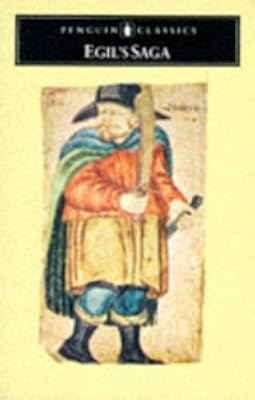
Egil's Saga
by Snorri Sturluson
On This Page
Description
Egil's Saga tells the story of the long and brutal life of tenth-century warrior-poet and farmer Egil Skallagrimsson- a morally ambiguous character who was at once the composer of intricately beautiful poetry, and a physical grotesque capable of staggering brutality. The saga recounts Egil's progression from youthful savagery to mature wisdom as he struggles to avenge his father's exile from Norway, defend his honour against the Norwegian King Erik Bloodaxe, and fight for the English King show more Athelstan in his battles against Scotland. Exploring issues as diverse as the question of loyalty, the power of poetry, and the relationship between two brothers who love the same woman, Egil's Saga is a fascinating depiction of a deeply human character. show lessTags
Recommendations


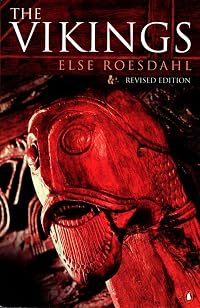





Member Recommendations
Member Reviews
Ha a skandináv krimik Erlendur felügyelője vissza tudna röppenni a X. századi Izlandra, meglehetősen leegyszerűsödne a nyomozati munkája – találomra rábökhetne bármelyik helybelire, és bingó, ő tutira egy gyilkos. Ezek a pacákok továbbra is a sör-balta tengelyben képzelik el a problémakezelést, a hentelések szünetében meg verseket költenek egymás pajzsáról (eszembe is jutott, hogy biztos a KMTG mentorálta őket). Pedig az Egils Saga a sagák többségéhez képest elég visszafogottan indul, sokáig csak a sok északi nevet* látjuk, ahogy ide mennek, oda mennek, családot alapítanak**. Aztán belép a cselekménybe Egil, aki még viking mércével mérve is túlmozgásos kissé, és onnantól kezdve show more dübörög a heavy metal. A címszereplő ugyanis viking módra összeveszik mindenkivel (lásd még: „balta”), köztük királyokkal is, falvakat és mezővárosokat éget, gyermekeket nemz, embereket hány le és csonkít meg, szóval gondoskodik a sűrű cselekményről. Ja, el ne felejtsem: verseket is ír (méghozzá jókat), úgyhogy el vagyok bizonytalanodva, hogy őkelme az irodalomtudomány, vagy a kriminalisztika tárgykörébe tartozik-e.
A gond csak az, hogy ezekkel a vikingekkel én nem nagyon tudok azonosulni, és ez biztos elvesz egy picit a könyv élvezeti értékéből. Sokkal inkább együtt érzek mondjuk szegény kurlandi földművesekkel, akiknek egyszer csak a nyakába szakad két tucat fejszével hadonászó tajparaszt, és rájuk gyújtja a tanyát. Az, hogy a tajparasztok egyike-másika jobb verset ír, mint a kurlandiak… hát igen, ez tagadhatatlan. De attól még nagyon szorítottam a megtámadottaknak, hogy legalább az egyik bersekert sikerüljön kapával hókon csapniuk. (Nem sikerült.) Ettől függetlenül az Egils Saga páratlan irodalmi jelenség, ami meglepően informatív és reális képet rajzol a X. századi észak-európai viszonyokról. A fiát elvesztő Egil gyászának leírása pedig egyszerűen parádés – nem egy XX. századi író összetehetné a két kezét, ha ilyen elegánsan (és némi finom humorral) tudná ábrázolni egy apa fájdalmát.
* A kötet élvezetéhez elengedhetetlen, hogy ne akarjuk megjegyezni az összes nevet. Ez ugyanis teljességgel lehetetlen, ráadásul felesleges is, a megnevezettek zöme két mondat múlva úgyis meghal. Vikingek és kész. Ennyi pont elég.
** Korabeli viking szakkifejezéssel: „nőrablás”. show less
A gond csak az, hogy ezekkel a vikingekkel én nem nagyon tudok azonosulni, és ez biztos elvesz egy picit a könyv élvezeti értékéből. Sokkal inkább együtt érzek mondjuk szegény kurlandi földművesekkel, akiknek egyszer csak a nyakába szakad két tucat fejszével hadonászó tajparaszt, és rájuk gyújtja a tanyát. Az, hogy a tajparasztok egyike-másika jobb verset ír, mint a kurlandiak… hát igen, ez tagadhatatlan. De attól még nagyon szorítottam a megtámadottaknak, hogy legalább az egyik bersekert sikerüljön kapával hókon csapniuk. (Nem sikerült.) Ettől függetlenül az Egils Saga páratlan irodalmi jelenség, ami meglepően informatív és reális képet rajzol a X. századi észak-európai viszonyokról. A fiát elvesztő Egil gyászának leírása pedig egyszerűen parádés – nem egy XX. századi író összetehetné a két kezét, ha ilyen elegánsan (és némi finom humorral) tudná ábrázolni egy apa fájdalmát.
* A kötet élvezetéhez elengedhetetlen, hogy ne akarjuk megjegyezni az összes nevet. Ez ugyanis teljességgel lehetetlen, ráadásul felesleges is, a megnevezettek zöme két mondat múlva úgyis meghal. Vikingek és kész. Ennyi pont elég.
** Korabeli viking szakkifejezéssel: „nőrablás”. show less
Egil's Saga is not just Egil's story, as it begins with his grandfather Kveldulf. Although the chronology is a bit skewed, this is a saga that includes historical characters (such as the kings of Norway & England) and the events that happen are realistic. The Norsemen are not just violent and barbaric Viking raiders; the same men who spend some summers on Viking raids across Europe, spend other summers on respectable trading expeditions and yet others as mercenaries for foreign kings, whose territories they may well have raided previously. Viking raids and trading expeditions are summer activities, with winters being spent at home on their farms, or staying with friends.
Egil is also a poet and his poems occur throughout the saga. His show more war poetry is extremely gory, full of the clash of weapons and the wolves, eagles and ravens that prowl the battlefield feasting on the carrion.
There are not many overtly supernatural happenings in this saga, but some especially strong, violent men are suspected of being shapechangers. Egil's grandfather is nicknamed Kveldulf (Evening Wolf) because although sunny tempered during the day, he becomes bad-tempered, violent and unnaturally strong as evening falls. There is also some use of spells; for example Egil set a horse head on a pole as an insult to the spirits of the land to force them to drive Eirik and Gunnhild out of Norway.
Interestingly, when the pagan Thorulf and Egil go to England as mercenaries for the Christian King Athelstan, they are given preliminary baptism. The saga says that this allows them to mix with both Christians and heathens, but that they can still follow whatever beliefs they like. I have never heard of this practice before, but it's a very pragmatic way of going about things. Apparently it was common for viking merchants and mercenaries to undergo this preliminary baptism, as it allowed the Christians to salve their consciences about trading with heathens.
---
It occurred to me while reading Egil's Saga, that Queen Gunnhild would make a fantastic Evil Overlord. If she had James Bond in her clutches she wouldn't make any of the classic mistakes that allow him to escape every time.
When Egil is shipwrecked in Northumberland, only to find that his enemies King Eirik Bloodaxe and Queen Gunnhild (the former rulers of Norway) are now in charge there, his blood-brother Arinbjorn (a close friend of the king's) takes him to the court to plead for his life. Queen Gunnhild's reaction to Arinbjorn's suggestion that Egil be allowed to compose a poem in honour of the king is to the point: "We don't want to hear his words of praise. Have him taken out and killed, Eirik. I don't want to hear him or see him". If only all Evil Overlords were so decisive!
Unfortunately, in order to succeed as an Evil Overlord, the first thing she would have to do is get rid of her husband. King Eirik agrees with Arinbjorn that killing Egil at night would be murder (?) so he tells him to come back the next day for judgment. Overnight Egil composes a long poem in honour of the king, and when he recites it the king is won over and lets Egil go (while reserving the right to take revenge if he ever sets eyes on him again), which must have infuriated the queen. I'm with Gunnhild on this; if someone had killed my son, foster-son and brother-in-law as well as many of my courtiers and servants, I wouldn't let him go just because he wrote a flattering poem about me! show less
Egil is also a poet and his poems occur throughout the saga. His show more war poetry is extremely gory, full of the clash of weapons and the wolves, eagles and ravens that prowl the battlefield feasting on the carrion.
There are not many overtly supernatural happenings in this saga, but some especially strong, violent men are suspected of being shapechangers. Egil's grandfather is nicknamed Kveldulf (Evening Wolf) because although sunny tempered during the day, he becomes bad-tempered, violent and unnaturally strong as evening falls. There is also some use of spells; for example Egil set a horse head on a pole as an insult to the spirits of the land to force them to drive Eirik and Gunnhild out of Norway.
Interestingly, when the pagan Thorulf and Egil go to England as mercenaries for the Christian King Athelstan, they are given preliminary baptism. The saga says that this allows them to mix with both Christians and heathens, but that they can still follow whatever beliefs they like. I have never heard of this practice before, but it's a very pragmatic way of going about things. Apparently it was common for viking merchants and mercenaries to undergo this preliminary baptism, as it allowed the Christians to salve their consciences about trading with heathens.
---
It occurred to me while reading Egil's Saga, that Queen Gunnhild would make a fantastic Evil Overlord. If she had James Bond in her clutches she wouldn't make any of the classic mistakes that allow him to escape every time.
When Egil is shipwrecked in Northumberland, only to find that his enemies King Eirik Bloodaxe and Queen Gunnhild (the former rulers of Norway) are now in charge there, his blood-brother Arinbjorn (a close friend of the king's) takes him to the court to plead for his life. Queen Gunnhild's reaction to Arinbjorn's suggestion that Egil be allowed to compose a poem in honour of the king is to the point: "We don't want to hear his words of praise. Have him taken out and killed, Eirik. I don't want to hear him or see him". If only all Evil Overlords were so decisive!
Unfortunately, in order to succeed as an Evil Overlord, the first thing she would have to do is get rid of her husband. King Eirik agrees with Arinbjorn that killing Egil at night would be murder (?) so he tells him to come back the next day for judgment. Overnight Egil composes a long poem in honour of the king, and when he recites it the king is won over and lets Egil go (while reserving the right to take revenge if he ever sets eyes on him again), which must have infuriated the queen. I'm with Gunnhild on this; if someone had killed my son, foster-son and brother-in-law as well as many of my courtiers and servants, I wouldn't let him go just because he wrote a flattering poem about me! show less
Egil Skallagrimsson was an Icelandic Poet, whose biography sets the adventurous side of Viking life, firmly in our minds. From his adolescent homicides to his death Egil seems to wring every last ounce of fun from what was a difficult life. He was an outlaw, and a confidant (in his opinion) of kings. It is a setting for his poetry, and unlike the "Autobiography of Benvenuto Cellini", the reader is left liking the subject. Sturlsson was a good biographer, and Palsson an excellent translator of the work. The date of the original work has been placed at the 1230's. Forty-two years later, the work stands up well. though now Egil seems to be more greedy than canny, and very prone to violence.
I was quite excited to find this volume at my a local used book sale - I've been trying to read more of the myths and sagas written before the introduction of Christianity. While this set of stories is written some years after Egil, this saga certainly fits the bill.
By the time Snorri Sturluson wrote them, he was using stories that have been passed down through the centuries, so while Egil is a real person, and he was an important historical figure, what we know about him is a mix of truth, hyperbole, and completely false. This doesn't detract from the story.
These stories are both brutal and beautiful. This is a time of brutality. Where death is both casual and done at at a whim. Egil spends part of his time raiding in other places, show more often killing people just because they were in his way. However, he had his moments. He is regarded as a great poet, and his poetry is renowned across Iceland and Sweden.
Highly recommended. Its a great read, full of adventure, but also sheds light into the Viking world. show less
By the time Snorri Sturluson wrote them, he was using stories that have been passed down through the centuries, so while Egil is a real person, and he was an important historical figure, what we know about him is a mix of truth, hyperbole, and completely false. This doesn't detract from the story.
These stories are both brutal and beautiful. This is a time of brutality. Where death is both casual and done at at a whim. Egil spends part of his time raiding in other places, show more often killing people just because they were in his way. However, he had his moments. He is regarded as a great poet, and his poetry is renowned across Iceland and Sweden.
Highly recommended. Its a great read, full of adventure, but also sheds light into the Viking world. show less
Egil's Saga is similar to the "Saga of Grettir the Strong": they both deal with extremely difficult, courageous and violent men who are outlawed by early Icelandic society. Egil was presumably written around 1230 by Snorri Sturluson, up to 300 years before the Saga of Grettir, but the men are remarkably similar. The main difference between the two accounts is that we get a glimpse into Egil's thoughts and feelings through his poetry, especially the poetry written near the end of his life. Egil's Saga contains much humor. Egil himself, whose despicability is abundant, ultimately finds marginal redemption.
The introduction describes Egil well:
"The hero of the Saga is killer, drunkard, miser, poet, wanderer, farmer, and can be any of these show more at any moment from his first killing at the age of six...We see him change from the viking his mother predicts after his first killing... the enemy of kings and berserks, the man of cunning, the sorcerer... to the settled farmer at Borg... to the ingenious lawyer aiding his son Thorstein, and finally to the senile, blind and deaf old man warming himself by the fire...apparently helpless, but proving himself still a troublemaker, still a poet, and still a killer."
Toward the end of his life Egil made a poem to honor his long-time friend Chieftan Arinbjorn of Norway. It ends this way:
So I rise up early
To erect my rhyme,
My tongue toils,
A servant at his task:
I pile the praise-stones,
The poem rises,
My labour is not lost,
Long may my words live. show less
The introduction describes Egil well:
"The hero of the Saga is killer, drunkard, miser, poet, wanderer, farmer, and can be any of these show more at any moment from his first killing at the age of six...We see him change from the viking his mother predicts after his first killing... the enemy of kings and berserks, the man of cunning, the sorcerer... to the settled farmer at Borg... to the ingenious lawyer aiding his son Thorstein, and finally to the senile, blind and deaf old man warming himself by the fire...apparently helpless, but proving himself still a troublemaker, still a poet, and still a killer."
Toward the end of his life Egil made a poem to honor his long-time friend Chieftan Arinbjorn of Norway. It ends this way:
So I rise up early
To erect my rhyme,
My tongue toils,
A servant at his task:
I pile the praise-stones,
The poem rises,
My labour is not lost,
Long may my words live. show less
Excellent translation of one of the better known Icelandic sagas. Very readable and enjoyable.
Egil's Saga is one of the most popular and well known of the Icelandic Sagas. It is also one of the longer sagas. This is a fairly good translation and I do enjoy this saga, being in my top five favorite sagas, but probably not my absolute favorite.
Members
- Recently Added By
Lists

Favourite Medieval Books
49 works; 17 members

100 Books to Read in a Lifetime (That Are Older Than 200 Years)
415 works; 174 members
r/History Recommended Reading List
603 works; 12 members
Author Information

Snorri Sturluson's fame as a historian---his main work is the 16 sagas included in Heimskringla (c.1230), a monumental history of Norway from its beginning until 1177---lies both in his critical approach to sources and in his fine, realistic exposition of event and motivation. A similar combination of scholarly and imaginative talent is seen in show more The Prose Edda (c.1220). Intended to be a handbook in skaldic poetry, it preserves invaluable mythological tales that were on the verge of being forgotten even in Sturluson's time. A large part of what we know about Nordic mythology stems from his Edda. The bibliography that follows also lists the anonymous Egil's Saga (1200--30), which many expert Scandinavian medievalists (e.g., Sigurdur Nordal and Bjorn M. Olsen) attribute to Sturluson. It is a fascinating account of life in Norway, England, and Iceland and of the poet-warrior Egil, whose skaldic verse is renowned for its unusual emotional and personal qualities. Snorri Sturluson's own life was as eventful as those about whom he wrote. Returning to Iceland from exile in 1239, he again became deeply involved in serious power struggles and was murdered in 1241. (Bowker Author Biography) show less
Some Editions
Awards and Honors
Series
Belongs to Publisher Series
Work Relationships
Is contained in
Has the (non-series) sequel
Common Knowledge
- Canonical title
- Egil's Saga
- Original title
- Egils saga Skallagríssonar; Egla
- Original publication date
- 1240; 1997 (English: Scudder) (English: Scudder)
- People/Characters
- Egill Skallagrímsson; Gunnlaugr Ormstunga
- Important places
- Norway; Iceland
- First words
- There was a man named Ulf, the son of Bjalfi and of Hallbera, the daughter of Ulf the Fearless.
(translated by Bernard Scudder, 1997)
There was a man named Wolf, the son of Bialfi and of Hallbera, daughter of Wolf the Fearless; she was a sister to Hallbiorn Half-troll in Hrafnista, the father of Ketil Haeng.
There was a man named Ulf Bjalfason.
(translated by Hermann Pálsson and Paul Edwards, 1976) - Last words
- (Click to show. Warning: May contain spoilers.)Skuli fought seven battles during his viking career, and was forecastleman for Earl Eirik on the Iron-Prow when King Olaf Tryggvason fell.
(translated by Hermann Pálsson and Paul Edwards, 1976) - Original language
- Old Norse
Classifications
- Genre
- Fiction and Literature
- DDC/MDS
- 839.61 — Literature & rhetoric German & related literatures Other Germanic literatures Old Norse, Old Icelandic, Icelandic, Faroese literatures Old Norse poetry
- LCC
- PT7269 .E3 .E57 — Language and Literature German, Dutch and Scandinavian literatures Old Norse literature: Old Icelandic and Old Norwegian Individual sagas and historical works
- BISAC
Statistics
- Members
- 1,245
- Popularity
- 19,818
- Reviews
- 13
- Rating
- (4.02)
- Languages
- 16 — Danish, Dutch, English, Finnish, Germanic (Other), German, Hungarian, Icelandic, Italian, Norwegian (Nynorsk), Norwegian (Bokmål), Old Norse, Norwegian, Russian, Spanish, Swedish
- Media
- Paper, Audiobook, Ebook
- ISBNs
- 46
- ASINs
- 9