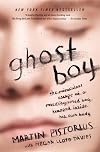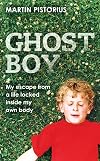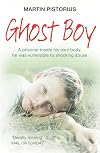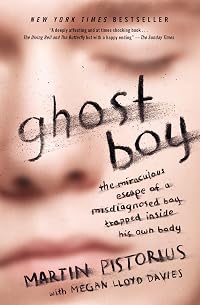
Ghost Boy: The Miraculous Escape of a Misdiagnosed Boy Trapped Inside His Own Body
by Martin Pistorius, Megan Lloyd Davies (Author)
On This Page
Description
January 1988. Martin Pistorius, aged twelve, fell inexplicably sick. First he lost his voice and stopped eating. Then he slept constantly and shunned human contact. Doctors were mystified. Within eighteen months he was mute and wheelchair-bound. Martin's parents were told an unknown degenerative disease left him with the mind of a baby and less than two years to live. Martin was moved to care centers for severely disabled children. The stress and heartache shook his parents' marriage and show more their family to the core. Their boy was gone. Or so they thought. "Ghost Boy "is the heart-wrenching story of one boy's return to life through the power of love and faith. In these pages, readers see a parent's resilience, the consequences of misdiagnosis, abuse at the hands of cruel caretakers, and the unthinkable duration of Martin's mental alertness betrayed by his lifeless body. We also see a life reclaimed, a business created, and a new love kindled. show lessTags
Recommendations











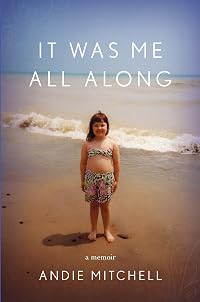
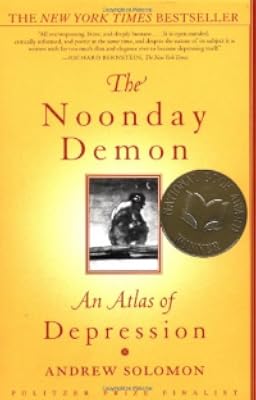







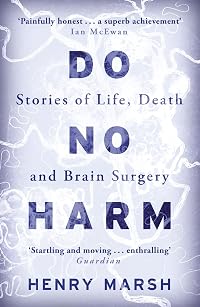
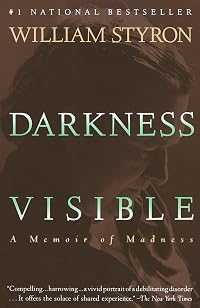







Member Reviews
This is a wonderfully moving account of a man's struggle to be heard again. After suffering from an unknown neurological condition which left him unable to speak or control his body, Martin slowly began to regain awareness. The story follows him as he talks about his experiences of first realising who he was and understanding what had happened to him. It includes frank descriptions of the depression he felt when he struggled to communicate and he recounts some of the horrifying abuse he suffered at the hands of those supposed to be caring for him. I was moved to tears at several points, but also inspired by the incredible courage he manages to find, to keep going even after so many years of terrible isolation.
At the heart of the story of the Ghost Boy lies a fear that lives within many people: being conscious but trapped, paralyzed in your own body. For Martin Pistorius, that fear was a reality for over ten years until caring people and his enormously devoted parents gave him the power to communicate again. The writing style in this book is simple but with an easy flow that keeps the reader emotionally engaged every step of the way. Martin's story isn't filled with long medical diagnoses or the step by step 'recovery' tale; it's how, given the opportunities and resources, a disabled person was able to live the life he'd always dreamed-- and then some.
The part that drew me in was getting to see the perspective of someone who has to suffer in show more silence, like many people in our world still do. When someone can't speak, loved ones can spend hours wondering what's going on in their heads, and this book gives a glimpse of what it's like to be utterly at the mercy of those around you. The story highlights the best of humanity through those who loved and cared for Martin, and also touches on the dark sides only briefly, but with enough intensity to realize the importance of those good people. It is so easy, especially in overworked and underfunded medical and mental health services, for people like Martin to be forgotten. But when you face that possibility through Martin's eyes, the emotional impact is an intense blow. The narrative isn't preachy or depressing, it simply expresses a very real fear of getting left behind, and the hope for something more.
The short chapters makes for an easy read. Though the story does leap around within the timeline, each chapter does well at establishing time a place, as well as Martin's level of functioning. The story progresses smoothly and doesn't linger on too much negativity. It is also interesting to see the perspective on communication from Martin as well. How he goes from ecstatic being able to communicate, to realizing that not everyone has the patience to wait while he spells things out using his devices, to finding those who don't care about that at all.
All in all, the insights and perspectives this book has makes this a wonderful and engrossing read. For anyone working with those with disabilities, it is a definite keeper. show less
The part that drew me in was getting to see the perspective of someone who has to suffer in show more silence, like many people in our world still do. When someone can't speak, loved ones can spend hours wondering what's going on in their heads, and this book gives a glimpse of what it's like to be utterly at the mercy of those around you. The story highlights the best of humanity through those who loved and cared for Martin, and also touches on the dark sides only briefly, but with enough intensity to realize the importance of those good people. It is so easy, especially in overworked and underfunded medical and mental health services, for people like Martin to be forgotten. But when you face that possibility through Martin's eyes, the emotional impact is an intense blow. The narrative isn't preachy or depressing, it simply expresses a very real fear of getting left behind, and the hope for something more.
The short chapters makes for an easy read. Though the story does leap around within the timeline, each chapter does well at establishing time a place, as well as Martin's level of functioning. The story progresses smoothly and doesn't linger on too much negativity. It is also interesting to see the perspective on communication from Martin as well. How he goes from ecstatic being able to communicate, to realizing that not everyone has the patience to wait while he spells things out using his devices, to finding those who don't care about that at all.
All in all, the insights and perspectives this book has makes this a wonderful and engrossing read. For anyone working with those with disabilities, it is a definite keeper. show less
I found the story and writing very engaging.
I knew the ending but I was horrified by what was happening to this poor boy and kept reading to find out what happened next. I am very glad he wrote this bio, as this gives very interesting insight to what happens to the mind when someone falls into a coma. I highly recommend this book.
I knew the ending but I was horrified by what was happening to this poor boy and kept reading to find out what happened next. I am very glad he wrote this bio, as this gives very interesting insight to what happens to the mind when someone falls into a coma. I highly recommend this book.
"Have you ever seen one of those movies in which someone wakes up as a ghost but they don't know they've died? That's how it was..." - Martin Pistorius
I remember the first time I heard about Martin. A friend had read an early copy of Ghost Boy and highly recommended it to our book club. We put the title on our book club's future read list and I set out to find an advance copy of my own. I was so fortunate to receive a free advance copy from NetGalley.com in exchange for my honest review.
Without question, Ghost Boy is one of the most inspirational and engaging books I have ever read. It is almost impossible to believe that this gifted human being was kept from us because he had no method of communicating with the world. This riveting show more story is told with candor and poise revealing what it was like to be trapped inside his own unresponsive body and the changes in everyone's lives as he makes his slow entry back into the world of the living.
Martin, a native of South Africa, tells his story from his point of view. The book opens in the day care center where he is strapped upright in a chair and pushed in front of a television for hours and hours mentally tortured as he is force-fed Barney and Teletubby reruns.
When he was 16 years old he began to have spurts of "daylight" and it scared him to learn that he was no longer a little boy but now a half-grown man. Over time he regains full cognitive abilities but has no way to tell the world he had come out of the darkness. Unaware of his ability to see and hear everything around him, he hears intimate conversations never meant to be shared with him. He is physically abused and sexually violated by insensitive and abusive day care workers. He sees the hardships and strain his care places on his family and has no way to express his appreciation and love.
Hope flutters to life when a day care aid first realizes that he understands what is going on around him. You feel the frustration as he struggles to find the best way to communicate. And you feel the deep love of his family that surrounded him in his darkness and while rejoicing in his "rebirth" struggles to forge a new relationship with Martin.
Please, pick up a copy of this book. It will enrich your own life and will open your eyes to the lives of others in your community. You will never disability in the same light again. show less
I remember the first time I heard about Martin. A friend had read an early copy of Ghost Boy and highly recommended it to our book club. We put the title on our book club's future read list and I set out to find an advance copy of my own. I was so fortunate to receive a free advance copy from NetGalley.com in exchange for my honest review.
Without question, Ghost Boy is one of the most inspirational and engaging books I have ever read. It is almost impossible to believe that this gifted human being was kept from us because he had no method of communicating with the world. This riveting show more story is told with candor and poise revealing what it was like to be trapped inside his own unresponsive body and the changes in everyone's lives as he makes his slow entry back into the world of the living.
Martin, a native of South Africa, tells his story from his point of view. The book opens in the day care center where he is strapped upright in a chair and pushed in front of a television for hours and hours mentally tortured as he is force-fed Barney and Teletubby reruns.
When he was 16 years old he began to have spurts of "daylight" and it scared him to learn that he was no longer a little boy but now a half-grown man. Over time he regains full cognitive abilities but has no way to tell the world he had come out of the darkness. Unaware of his ability to see and hear everything around him, he hears intimate conversations never meant to be shared with him. He is physically abused and sexually violated by insensitive and abusive day care workers. He sees the hardships and strain his care places on his family and has no way to express his appreciation and love.
Hope flutters to life when a day care aid first realizes that he understands what is going on around him. You feel the frustration as he struggles to find the best way to communicate. And you feel the deep love of his family that surrounded him in his darkness and while rejoicing in his "rebirth" struggles to forge a new relationship with Martin.
Please, pick up a copy of this book. It will enrich your own life and will open your eyes to the lives of others in your community. You will never disability in the same light again. show less
This is one of those books I feel I will never forget! The writing is good, the story is wonderful and compelling, the truths about humanity revealed are both beautiful and awful but mostly beautiful.
I registered a book at BookCrossing.com!
http://www.BookCrossing.com/journal/13124383
I ordered this book after hearing about it, probably on the radio. It sounded unreal: the story of a boy in South Africa who contracted a strange illness and was left unable to talk, walk, or do anything else on his own. He was taken to a day care every day and left there to be abused by his caretakers. Many of them thought him brain-dead; some even abused him sexually. His family had chosen to keep him at home and did not give up on him, although his case seemed hopeless.
Martin says that his mind gradually awakened and that he was fully conscious by the time he was about sixteen. But he was still trapped. But then one of his caregivers saw the light in show more his eyes and knew he was in there. She learned to comprehend his limited moves and smiles, asking questions until she landed on the right answers. From there she encouraged others to talk to him, and she suggested to Martin's parents that they look into getting an assessment to find out whether new computer programs might help him communicate.
Turns out they could. Not only that, but Martin showed an aptitude for computers in general and soon took over making decisions about software and modifications himself. He even became good enough to be employed.
The story is a remarkable one, about a boy who now has a fully functioning life in spite of severe disability. I feel that the subtitle misrepresents it, however. A "misdiagnosed boy". I thought the story would be about finding the right diagnosis but it isn't. It also ultimately is a bit too Christian for me as well. I liked it, found Martin to be a decent writer. I like a well-written heartwarming true story yet somehow it seemed to be missing something. show less
http://www.BookCrossing.com/journal/13124383
I ordered this book after hearing about it, probably on the radio. It sounded unreal: the story of a boy in South Africa who contracted a strange illness and was left unable to talk, walk, or do anything else on his own. He was taken to a day care every day and left there to be abused by his caretakers. Many of them thought him brain-dead; some even abused him sexually. His family had chosen to keep him at home and did not give up on him, although his case seemed hopeless.
Martin says that his mind gradually awakened and that he was fully conscious by the time he was about sixteen. But he was still trapped. But then one of his caregivers saw the light in show more his eyes and knew he was in there. She learned to comprehend his limited moves and smiles, asking questions until she landed on the right answers. From there she encouraged others to talk to him, and she suggested to Martin's parents that they look into getting an assessment to find out whether new computer programs might help him communicate.
Turns out they could. Not only that, but Martin showed an aptitude for computers in general and soon took over making decisions about software and modifications himself. He even became good enough to be employed.
The story is a remarkable one, about a boy who now has a fully functioning life in spite of severe disability. I feel that the subtitle misrepresents it, however. A "misdiagnosed boy". I thought the story would be about finding the right diagnosis but it isn't. It also ultimately is a bit too Christian for me as well. I liked it, found Martin to be a decent writer. I like a well-written heartwarming true story yet somehow it seemed to be missing something. show less
I had heard about Martin Pistorius before via podcast - not sure which, maybe Invisibilia or one of the Radiotopia podcasts - but I found his autobiography to be sweet, touching, and fascinating. I'd say 4.5 stars because about 1/2 - 2/3rds of the way through, some of the time-jumping felt strange. It made sense thematically, but it didn't quite work, even though the topics needed to be discussed, the pacing felt off there. But otherwise, great story, told well with real feeling and the audiobook is fantastic. Much recommended.
Members
- Recently Added By
Author Information

4 Works 864 Members
All Editions
Awards and Honors
Awards
Common Knowledge
- Canonical title*
- Il ragazzo che si risvegliò uomo. L'incredibile ritorno alla vita da uno stato di paralisi totale
- Original title
- Ghost Boy: The Miraculous Escape of a Misdiagnosed Boy Trapped Inside His Own Body
- Original publication date
- 2013-11-12
- People/Characters
- Martin; Rodney; David; Kim; Joan; Yasmin (show all 7); Shakila
- Important places
- Center for Augmentative and Alternative Communications - University of Pretoria
- First words
- Barney the Dinosaur is on TV again.
- Blurbers
- Hingson, Michael
- Original language
- English
*Some information comes from Common Knowledge in other languages. Click "Edit" for more information.
Classifications
- Genres
- Biography & Memoir, Nonfiction, General Nonfiction
- DDC/MDS
- 362.19685 — Society, government, & culture Social problems and social services Social Welfare People with physical illnesses Services to people with specific conditions Diseases Diseases of nervous system and mental disorders Miscellaneous diseases of nervous system and mental disorders
- LCC
- RJ496 .C67 .P57 — Medicine Pediatrics Pediatrics Diseases of children and adolescents
- BISAC
Statistics
- Members
- 860
- Popularity
- 31,603
- Reviews
- 31
- Rating
- (3.90)
- Languages
- 8 — Dutch, English, Estonian, French, German, Hungarian, Italian, Swedish
- Media
- Paper, Audiobook, Ebook
- ISBNs
- 23
- ASINs
- 8