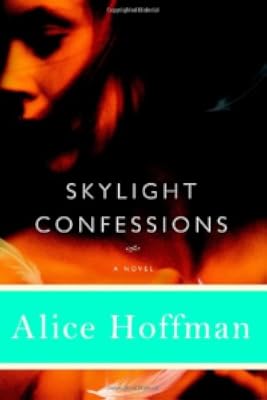
Skylight Confessions
by Alice Hoffman
On This Page
Description
Writing at the height of her powers, Alice Hoffman conjures three generations of a family haunted by love.Cool, practical, and deliberate, John is dreamy Arlyn's polar opposite. Yet the two are drawn powerfully together even when it is clear they are bound to bring each other grief. Their difficult marriage leads them and their children to a house made of glass in the Connecticutcountryside, to the avenues ofManhattan, and to the blue waters of Long Island Sound. Glass breaks, love hurts, show more and families make their own rules. Ultimately, it falls to their grandson, Will, to solve the emotional puzzle of his family and of his own identity. show less
Tags
Recommendations

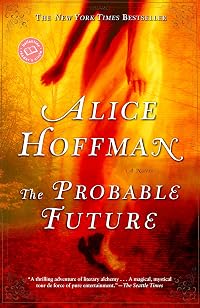
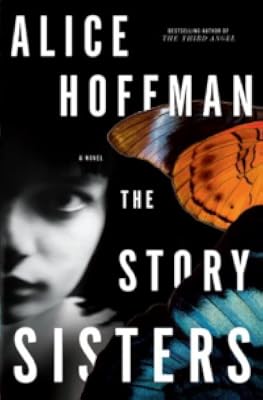
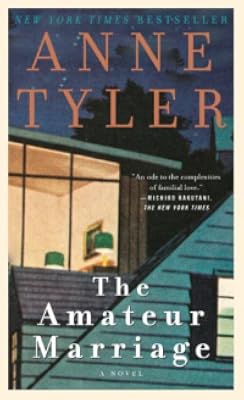
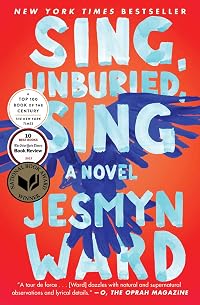
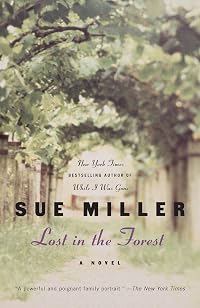
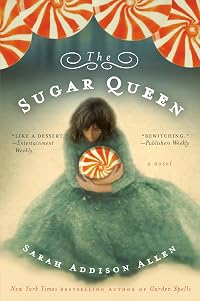
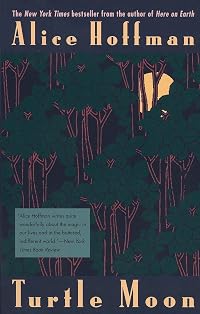
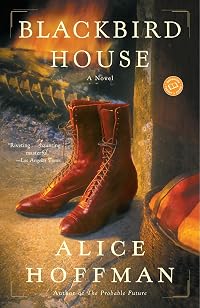
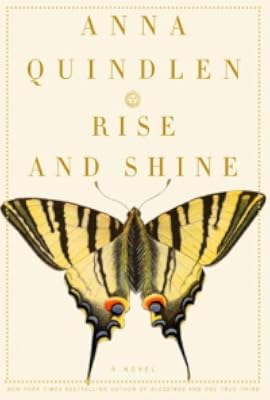
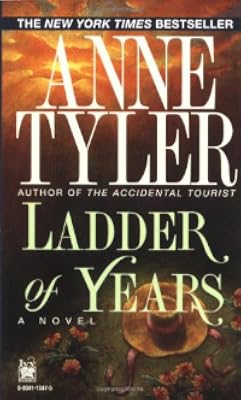
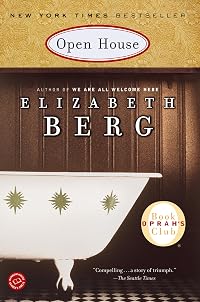
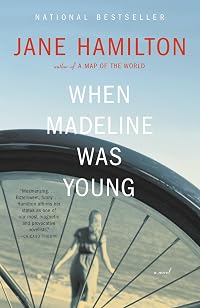
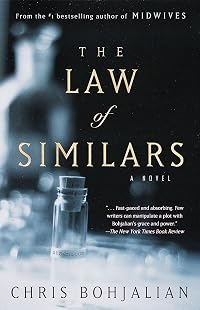
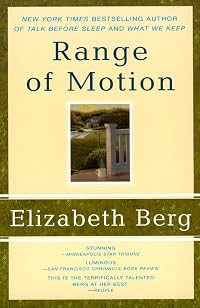
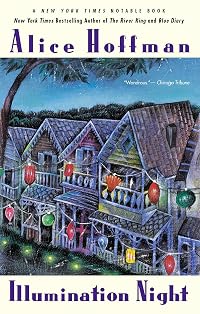
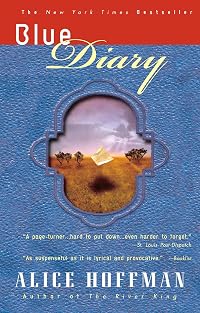
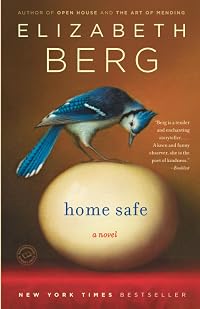
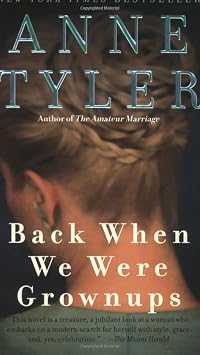

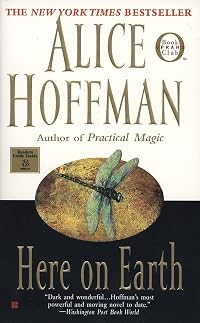
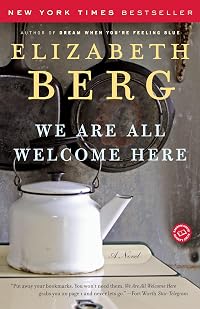
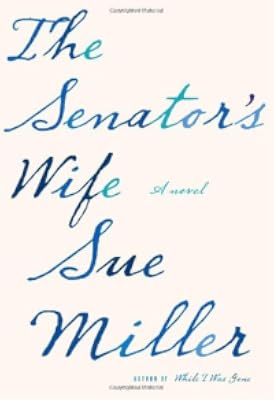
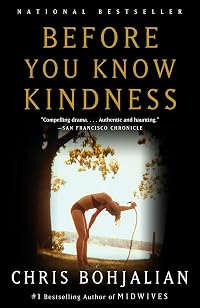
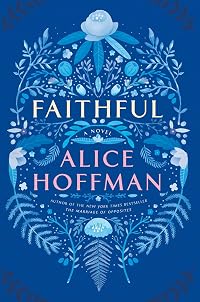
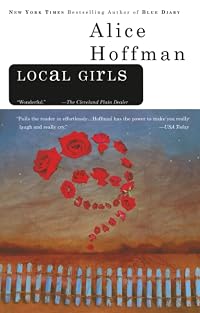
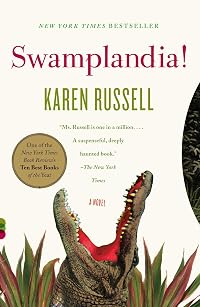

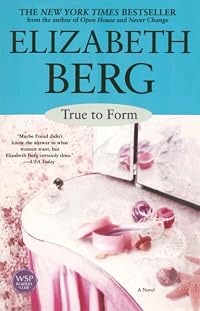
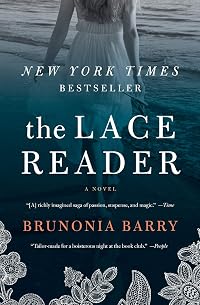
Member Recommendations

Member Reviews
The first book I read by Hoffman was such an exciting find...she wrote about connections with forces not seen, which I enjoy reading about.
There is some of that in this book, but the tale is much more disjointed. It feels like she was tossing in as many unusual events as she could think of, without care for how disconnected they were from the story. Yes, I can kind of see how she wanted to weave a tale of what happens when you just follow thru on spur-of-the moment impulses, but it's not a clear read. It actually took over a year to read it, & the only reason I finished is that I had it stored in my car as an emergency book for times when I had to wait & didn't bring a preferred book. At no time did the story get me involved to the show more point where I wanted to bring it into the house & get it finished. I just feel a sense of relief that it's done. show less
There is some of that in this book, but the tale is much more disjointed. It feels like she was tossing in as many unusual events as she could think of, without care for how disconnected they were from the story. Yes, I can kind of see how she wanted to weave a tale of what happens when you just follow thru on spur-of-the moment impulses, but it's not a clear read. It actually took over a year to read it, & the only reason I finished is that I had it stored in my car as an emergency book for times when I had to wait & didn't bring a preferred book. At no time did the story get me involved to the show more point where I wanted to bring it into the house & get it finished. I just feel a sense of relief that it's done. show less
This book's title comes from the spectacular glass house which is almost like a separate character with a pull on its occupants. I feel this novel is a fairy-tale for adults. It even has the evil stepmother in its cast of characters! It's about family relationships through three generations. There is plenty of grief and many heartbreaking scenes. The characters are well-developed as we read about life's complications as family members try to connect.
It held my interest throughout even though it was a downer at times. Reading about a teenage boy who is addicted to drugs made me so sad. Alice Hoffman has a way of magically pulling you in and making you intrigued with her characters even when you don't particularly like them. It's evident show more that Ms. Hoffman is a distinguished writer and I plan to read more of her work. show less
It held my interest throughout even though it was a downer at times. Reading about a teenage boy who is addicted to drugs made me so sad. Alice Hoffman has a way of magically pulling you in and making you intrigued with her characters even when you don't particularly like them. It's evident show more that Ms. Hoffman is a distinguished writer and I plan to read more of her work. show less
Hoffman crafts a mystical story of the Moody family, haunted by its matriarch, Arlyn, who determines to marry the first man to pass by her front porch on the night of her father's death. Young architect-in-training John Moody is the first to encounter Arlyn on this fateful night, and Arlyn, true to her word, remains faithful to him, despite his desire to be rid of her. The two marry and begin a life together, but John is haunted by dreams of the destruction of the glass house in which they live, an architectural marvel designed by John's father called the "Glass Slipper." Ironically, while the glass house remains intact, it is the family that gradually falls apart. Arlyn dies young after a battle with cancer, but her presence remains, show more haunting her husband throughout the story. John leaves something to be desired as a father, and his son Sam, a complex character who had an intense bond with his mother, is set adrift by her loss, becoming a depressed and drug-addicted teen. His sister, Blanca, is deeply attached to him and refuses to abandon him to what seems to be his inevitable fate. Skylight Confessions is a profound story of a family of damaged characters who desperately need love but cannot seem to overcome the barriers that keep them from being able to love and save each other. However, John's death offers the family an unexpected chance at redemption. show less
On the night her father dies, Arlyn Singer does something drastic out of desperation to just leave the fate she believes will be hers if something doesn't change. She decides that the next man she meets will be her one true love and the person to whom she will tie her life and her destiny. That man turns out to be John Moody, and little does Arlyn know at the time that she has made a deal with the devil and very little will turn out well for her or the family she will eventually leave behind. Moody is a good family name for these people, because that is essentially what they all turn out to be, especially Sam, the son who is brilliant but very troubled.
Alice Hoffman is one of the greatest writers working today. Brilliant does not begin show more to describe her. The best word I can use to describe her work is luminous. From Practical Magic to The Probable Future her work is breathtaking in its depth and clarity. Few people writing today portray such complicated multidimensional characters, especially women, as well as Hoffman does. In this latest outing, however, I feel that she falls somewhat short of her previous achievements. This book is good, but she has set such a high standard for herself in previous work that I don't think it deserves a place among her best books.
The biggest problem for me is that ultimately the characterizations, usually her strong point, just don't seem to totally hang together. Also, while she has written some unlikeable characters in the past, I found Sam to be so thoroughly unredeemable as a person that it was distracting. (Spoiler alert!) Sam is the most self-pitying, selfish, cynical, annoying character to come along in a long time. It never makes sense to me how so many people come to love him, for I could find nothing loveable about him. He constantly rails against his father's coldness and selfishness and yet he is exactly like his father. Sam is boorish and snide, cold to his own son and completely unreliable in everyway to everyone who ever cares about him. So I just could not wrap my head around how all of these women in his life found him to be so mesmerizing and special. To me he's not special at all. He's just a typical drug-addict who blames everyone else in the world for his problems, never lifts a finger to help himself or anyone else and constantly imperils those around him, either emotionally or physically or both. I wasn't sad at all when he died. Usually Hoffman is so good at making her characters emotional logic for their actions clear. Here, and of course it could just be me, I couldn't see it. What some of the characters did and felt just never made sense to me given who they are.
Even with this disappointment, this book is still worth reading, because Hoffman continues to shine with her use of language and metaphor and there are some lovely, moving moments that transcend the problems I had with the characters. And as usual there is that bit of magic that suffuses all of her books--the ghost of Arlyn, who brings together some unlikely people, which changes the direction of their lives. And there is love in this story as there is in all of her books. To me, that is in some ways what all of her books are about--the transformative power of love, whether for good or bad, and what happens to people when they are without love. Even though Sam is a waste, his sister and son go on to do something with their lives, and at the end there is the hope for something better. show less
Alice Hoffman is one of the greatest writers working today. Brilliant does not begin show more to describe her. The best word I can use to describe her work is luminous. From Practical Magic to The Probable Future her work is breathtaking in its depth and clarity. Few people writing today portray such complicated multidimensional characters, especially women, as well as Hoffman does. In this latest outing, however, I feel that she falls somewhat short of her previous achievements. This book is good, but she has set such a high standard for herself in previous work that I don't think it deserves a place among her best books.
The biggest problem for me is that ultimately the characterizations, usually her strong point, just don't seem to totally hang together. Also, while she has written some unlikeable characters in the past, I found Sam to be so thoroughly unredeemable as a person that it was distracting. (Spoiler alert!) Sam is the most self-pitying, selfish, cynical, annoying character to come along in a long time. It never makes sense to me how so many people come to love him, for I could find nothing loveable about him. He constantly rails against his father's coldness and selfishness and yet he is exactly like his father. Sam is boorish and snide, cold to his own son and completely unreliable in everyway to everyone who ever cares about him. So I just could not wrap my head around how all of these women in his life found him to be so mesmerizing and special. To me he's not special at all. He's just a typical drug-addict who blames everyone else in the world for his problems, never lifts a finger to help himself or anyone else and constantly imperils those around him, either emotionally or physically or both. I wasn't sad at all when he died. Usually Hoffman is so good at making her characters emotional logic for their actions clear. Here, and of course it could just be me, I couldn't see it. What some of the characters did and felt just never made sense to me given who they are.
Even with this disappointment, this book is still worth reading, because Hoffman continues to shine with her use of language and metaphor and there are some lovely, moving moments that transcend the problems I had with the characters. And as usual there is that bit of magic that suffuses all of her books--the ghost of Arlyn, who brings together some unlikely people, which changes the direction of their lives. And there is love in this story as there is in all of her books. To me, that is in some ways what all of her books are about--the transformative power of love, whether for good or bad, and what happens to people when they are without love. Even though Sam is a waste, his sister and son go on to do something with their lives, and at the end there is the hope for something better. show less
I am not sure what I think about this book. On the one hand, it kept me reading. But it felt overloaded with magical realism, I like that in smaller portions. There are parts of the book that I could not stomach like Aryln vowing to marry the next man she saw soon after her father's death. She seemed so irrational that I could not believe it. She does marry a rich man in a glass house, the man that she saw. I didn't like how she forced him to marry her by being there constantly and chasing after him after she settles her father's estate.
Aryln has two children, the first was a son with the man she married and she had a daughter from another later relationship. I did not like Aryln or her husband. I understand why her son was damaged but show more it was so painful to read about his change from very bad to much worse.
It kept my interest but I didn't feel I learned anything from it, it was so dark and strange. show less
Aryln has two children, the first was a son with the man she married and she had a daughter from another later relationship. I did not like Aryln or her husband. I understand why her son was damaged but show more it was so painful to read about his change from very bad to much worse.
It kept my interest but I didn't feel I learned anything from it, it was so dark and strange. show less
Every time I pick up an unread Hoffman novel I am amazed by her skill with the written word. The way she can form a sentence, twist it into something ethereal and beautiful, it always leaves me breathless. I always feel cleansed and well-read after a Hoffman novel, as though the books I finished leading up to her works were trivial and here is something of worth to spend my time on.
Following four generations of the Moody family who live in the Glass Slipper in suburban Connecticut, Skylight Confessions begins with Arlyn Singer and John Moody as they meet under strange circumstances and form a bond that will affect their children and their grandchildren to come. Under the glass roof and clear walls of their house, secrets are kept and show more hidden. Mysterious occurrences are swept under the rug, and lives are forever changed by the decisions of others. Following the Moody children into their separate lives as they’re drawn back to the Glass Slipper, Hoffman tells a truly character driven story, so intent are we upon Arlyn and John, and the residents of the glass house that we easily forget there’s a world beyond them.
Skylight Confessions contains the usual hint of magic that Hoffman is known for, but the writing is a little less sad than the previous works I’ve read by her. Or maybe I’m just accustomed to her tone now. The story of the Moody children is beautiful and touching, and in such a short book it’s amazing that we come to know them as well as we do.
Another remarkable Hoffman with all my favorite trademarks, empathetic with a hint of magical realism. All in all, a fabulous book and another great addition to my library. Highly recommended to those who have not read an Alice Hoffman novel yet. show less
Following four generations of the Moody family who live in the Glass Slipper in suburban Connecticut, Skylight Confessions begins with Arlyn Singer and John Moody as they meet under strange circumstances and form a bond that will affect their children and their grandchildren to come. Under the glass roof and clear walls of their house, secrets are kept and show more hidden. Mysterious occurrences are swept under the rug, and lives are forever changed by the decisions of others. Following the Moody children into their separate lives as they’re drawn back to the Glass Slipper, Hoffman tells a truly character driven story, so intent are we upon Arlyn and John, and the residents of the glass house that we easily forget there’s a world beyond them.
Skylight Confessions contains the usual hint of magic that Hoffman is known for, but the writing is a little less sad than the previous works I’ve read by her. Or maybe I’m just accustomed to her tone now. The story of the Moody children is beautiful and touching, and in such a short book it’s amazing that we come to know them as well as we do.
Another remarkable Hoffman with all my favorite trademarks, empathetic with a hint of magical realism. All in all, a fabulous book and another great addition to my library. Highly recommended to those who have not read an Alice Hoffman novel yet. show less
Alice Hoffman sure has her niche - magic, New England-based, destined love - but how does she manage to make it so compelling each time? This is one of her more realistic novels (the only magic here is a half-hearted haunting), and it describes the family in such clarity that I can't forget about them. John Moody's change is unexpected, Sam is tragic and vividly real, Cynthia has a fascinating motivation. Hoffman again manages to make one feel saddened at this particular fate while also feeling satisfied that fate will have its way. Lovely.
Members
- Recently Added By
Lists

Books by Jewish Authors
68 works; 5 members
Author Information

74+ Works 61,272 Members
Alice Hoffman, an American novelist and screenwriter, was born in New York City on March 16, 1952. She earned a B.A. from Adelphi University in 1973 and an M.A. in creative writing from Stanford University in 1975 before publishing her first novel, Property Of, in 1977. Known for blending realism and fantasy in her fiction, she often creates show more richly detailed characters who live on society's margins and places them in extraordinary situations as she did with At Risk, her 1988 novel about the AIDS crisis. Her other works include The Drowning Season, Seventh Heaven, The River King, Blue Diary, The Probable Future, The Ice Queen, and The Dovekeepers. Her book, The Third Angel, won the 2008 New England Booksellers' Award for fiction. Two of her novels, Practical Magic and Aquamarine, were made into films. She has also written numerous screenplays, including adaptations of her own novels and the original screenplay, Independence Day. Her title's The Museum of Exteaordinary Things, The Marriage of Opposites, Seventh Heaven, and The Rules of Magic made The New York Times Best Seller List. (Bowker Author Biography) show less
Common Knowledge
- Canonical title
- Skylight Confessions
- Original publication date
- 2007-01
- People/Characters
- Arlyn Singer; John Moody; Sam Moody; Blanca; Will; Meredith
- First words
- She was his first wife, but at the moment when he first saw her she was a seventeen-year-old girl named Arlyn Singer who stood out on the front porch on an evening that seemed suspended in time.
- Last words
- (Click to show. Warning: May contain spoilers.)All the same, she rang the bell, and then she waited for whatever would happen next.
- Blurbers
- Waldman, Amy; Smith, Wendy; Smiley, Jane; Mabe, Chauncey; Papinchak, Robert Allen
Classifications
Statistics
- Members
- 1,277
- Popularity
- 19,134
- Reviews
- 41
- Rating
- (3.65)
- Languages
- English, German, Portuguese, Spanish
- Media
- Paper, Audiobook, Ebook
- ISBNs
- 21
- ASINs
- 11