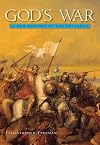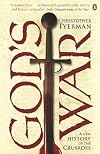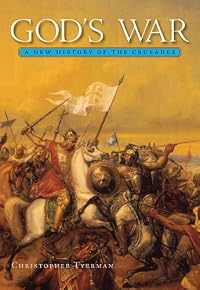
God's War : A New History of the Crusades
by Christopher Tyerman
On This Page
Description
From 1096 to 1500, European Christians fought to recreate the Middle East, Muslim Spain, and the pagan Baltic in the image of their God. The Crusades are perhaps both the most familiar and most misunderstood phenomena of the medieval world, and here Christopher Tyerman seeks to recreate, from the ground up, the centuries of violence committed as an act of religious devotion.Tags
Recommendations



Member Recommendations
kkunker Tyerman's introduction is very good for a quick overview. To those who want an in-depth and detailed read I'd suggest God's War.
Member Reviews
Basically a very sad story of misplaced religious zeal and what St. Paul calls "a certain fearful looking for of judgment". (The role of indulgences is astonishing.) It must be quite a task to write a long (over 900 pages) synthetic and chronological account such as this, of a truly depressing series of events, depressing not so much because they happened as because they were countenanced and encouraged by the representatives of the Christian religion--these wars seem not to have been fought in spite of the Church, but because of it.. I think the author should get due credit for accomplishing this task. I also think it would be impossible for any writer to tell this story without having his presentation determined to a considerable show more extent by acknowledged or unconscious religious/philosophical commitments. This book is quite evidently written from a bias, but I have had great difficulty figuring out just what the bias is. Throughout the whole book one is reminded of the presence of highly critical observers, who are presented in the text as (generally nameless) contemporaries of the events described, but I wondered at many points whether these were just stand-ins for the author's own (and our) contemporaries. The horrifying viewpoints of the crusade enthusiasts are expressed by quotations with, names and citations. The critics seems suspiciously anonymous. It's not that I don't agree with the critical standpoint. It is difficult to understand how some, including writers and thinkers of ability, have praised and glorified the crusades and the crusading spirit. Still, even granting that the Bible was honored a great deal more than it was read, could this whole episode in the history of the West, surely one of the greatest follies that has ever occupied the mind and strength of Europe, been successfully carried out if there had been such a consistent opposition as seems to appear in these pages?.
Worth reading but not uplifting. show less
Worth reading but not uplifting. show less
I must admit I got lost amidst the details of names and places of the Near East, the Baltics, Iberia, North Africa and Anatolia. But one comes away with the realization that the Middle Ages was a time of constant turmoil and war; did they do anything else? And the *massive* waste of lives and treasure is overwhelming.
One insight: the Teutonic Knights conquered and ruled Prussia as an independent state. This explains why the tradition of the military was so strong in that region, reflected in modern times.
This book is a necessary adjunct to any general history of the 12th-15th centuries for a balanced view of all that was going on. One of the reasons everything is so confusing is that society in Europe was coalescing into nation-states show more and here we see the beginning of that process as the nobility competed for power, treasure and land. It also shows the dominance the Church had -- not just political or "religious" -- but embedded in the culture, values and identity of every person, small or great. show less
One insight: the Teutonic Knights conquered and ruled Prussia as an independent state. This explains why the tradition of the military was so strong in that region, reflected in modern times.
This book is a necessary adjunct to any general history of the 12th-15th centuries for a balanced view of all that was going on. One of the reasons everything is so confusing is that society in Europe was coalescing into nation-states show more and here we see the beginning of that process as the nobility competed for power, treasure and land. It also shows the dominance the Church had -- not just political or "religious" -- but embedded in the culture, values and identity of every person, small or great. show less
An excellent, fresh history of the crusades. This book covers both the broad ideas of the crusades, from the origins of the movement and a general overview of the events, to the very specific, going into great depth about specific rulers and minute details. Even if you have access to no other sources on the crusades, you can get a clear picture of the movement though this book. For any student of the crusades or medieval history, this is a must read, and a must own.
A very large book which encompasses all the crusades.
Duidelijk uiteengezet en compleet overzicht over de kruistochten die door de geschiedenis heen zijn gehouden. Door de beschrijving van de gebeurtenissen vanaf verschillende kanten te belichten (politiek, sociaal en economisch) is het een uitgebreid verhaal.
Sep 3, 2010Dutch
GUERRAS DE DIOS, LAS UNA NUEVA HISTORIA DE LAS CRUZADAS
«Este maravilloso libro es la mejor historia de las Cruzadas que
jamás se haya escrito. Una visión a gran escala, con detalles llenos
de vida, argumentos claros y juicios contundentes, que nos muestra
cómo el aparato de las Cruzadas se imbricó en la vida, la sociedad
y la conciencia europeas. Es, en suma, una historia de las Cruzadas
para el siglo XxI. Y llega justo a tiempo.
EDWARD M. PETERS, Universidad de Pennsylvania
Una obra magistral, que va a convertirse en la historia
definitiva de las Cruzadas para esta generación.
RON GROSSMAN, Chicago Tribune
PREFACIO
«El Señor es un guerrero» (Exodo, 15:3)
La violencia, aprobada por la sociedad y sostenida por la religión,
ha demostrado ser show more un lugar común de las comunidades civilizadas.
Lo que ahora se conoce con el nombre de cruzadas representa
una manifestación de este fenómeno y constituye, desde finales
del siglo xI de la era cristiana, una característica de la cultura de
Europa occidental que persistió más de 500 años. Las cruzadas
fueron guerras justificadas por la fe, conducidas contra enemigos
reales o imaginarios y definidos por las élites religiosas y políticas,
a los que se percibía como una amenaza a los fieles cristianos
Las creencias religiosas, cruciales para este tipo de guerras,
otorgaban una gran significación a unas prodigiosas y formidables
aunque tranquilizadoras, fuerzas sobrenaturales, de poder y
proximidad abrumadoras que, no obstante, se expresaban mediante
actos físicos muy concretos: oración, penitencia, limosnas,
asistencia a la iglesia, peregrinación y violencia. La cruzada reflejaba
una concepción social fundamentada en la guerra como la fuerza
principal de protección, arbitraje, disciplina social, expresión política y
ganancias materiales. Las cruzadas reafirmaron una identidad
común que incluía la agresión, la paranoia, la nostalgia, las
ilusiones y la historia inventada. Las «guerras de la cruz»,
comprendidas por sus participantes como la manifestación de la
caridad cristiana, la devoción religiosa y la ferocidad divina, ayudaron
a modelar en sus adeptos el sentimiento compartido de pertenen
cia a una sociedad cristiana, societas christiana, la Cristiandad, v
contribuyeron a configurar sus fronteras humanas y geográficas... show less
«Este maravilloso libro es la mejor historia de las Cruzadas que
jamás se haya escrito. Una visión a gran escala, con detalles llenos
de vida, argumentos claros y juicios contundentes, que nos muestra
cómo el aparato de las Cruzadas se imbricó en la vida, la sociedad
y la conciencia europeas. Es, en suma, una historia de las Cruzadas
para el siglo XxI. Y llega justo a tiempo.
EDWARD M. PETERS, Universidad de Pennsylvania
Una obra magistral, que va a convertirse en la historia
definitiva de las Cruzadas para esta generación.
RON GROSSMAN, Chicago Tribune
PREFACIO
«El Señor es un guerrero» (Exodo, 15:3)
La violencia, aprobada por la sociedad y sostenida por la religión,
ha demostrado ser show more un lugar común de las comunidades civilizadas.
Lo que ahora se conoce con el nombre de cruzadas representa
una manifestación de este fenómeno y constituye, desde finales
del siglo xI de la era cristiana, una característica de la cultura de
Europa occidental que persistió más de 500 años. Las cruzadas
fueron guerras justificadas por la fe, conducidas contra enemigos
reales o imaginarios y definidos por las élites religiosas y políticas,
a los que se percibía como una amenaza a los fieles cristianos
Las creencias religiosas, cruciales para este tipo de guerras,
otorgaban una gran significación a unas prodigiosas y formidables
aunque tranquilizadoras, fuerzas sobrenaturales, de poder y
proximidad abrumadoras que, no obstante, se expresaban mediante
actos físicos muy concretos: oración, penitencia, limosnas,
asistencia a la iglesia, peregrinación y violencia. La cruzada reflejaba
una concepción social fundamentada en la guerra como la fuerza
principal de protección, arbitraje, disciplina social, expresión política y
ganancias materiales. Las cruzadas reafirmaron una identidad
común que incluía la agresión, la paranoia, la nostalgia, las
ilusiones y la historia inventada. Las «guerras de la cruz»,
comprendidas por sus participantes como la manifestación de la
caridad cristiana, la devoción religiosa y la ferocidad divina, ayudaron
a modelar en sus adeptos el sentimiento compartido de pertenen
cia a una sociedad cristiana, societas christiana, la Cristiandad, v
contribuyeron a configurar sus fronteras humanas y geográficas... show less
Apr 15, 2024Spanish
Ratings
Members
- Recently Added By
Published Reviews
ThingScore 75
added by doomjesse
Lists

Non-Fiction Worth Reading
1,015 works; 261 members

The Emergence of the Modern Middle East
289 works; 13 members
Author Information

26+ Works 2,363 Members
Christopher Tyerman is Lecturer in Medieval History at Hertford College and New College, Oxford.
Common Knowledge
- Canonical title
- God's War : A New History of the Crusades
- Original title
- God's War : A New History of the Crusades
- Original publication date
- 2006
- People/Characters
- Urban II; Richard I, King of England; Saladin
- Important places
- Jerusalem; Constantinople, Byzantine Empire; Antioch; Rome, Italy
- Important events
- Crusades
- Epigraph
- "The Lord is a man of war" Exodus15:3
Classifications
Statistics
- Members
- 844
- Popularity
- 32,289
- Reviews
- 6
- Rating
- (3.89)
- Languages
- 5 — English, Estonian, Italian, Portuguese, Spanish
- Media
- Paper, Ebook
- ISBNs
- 11
- ASINs
- 5