On This Page
Description
Lark Ainsley has yearned to become an adult by having her magical energy harvested, but when she is finally chosen a special talent is revealed and, rather than become a human battery powering the dome that protects humanity, she escapes hoping to find the Iron Wood, a wilderness rumored to be inhabited by others like herself.Tags
Recommendations
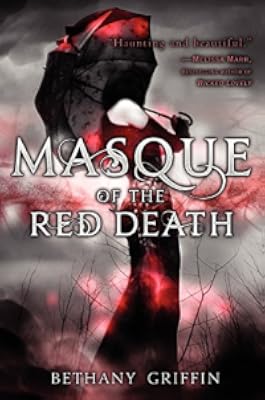
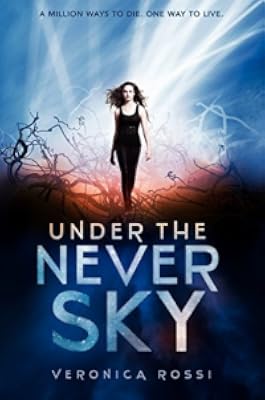
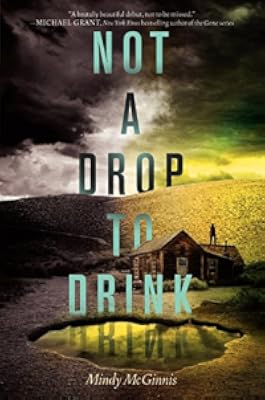
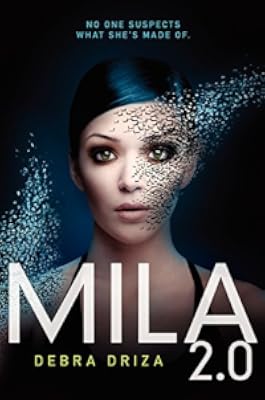
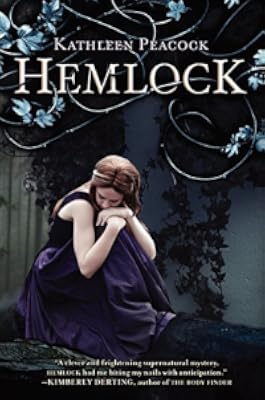
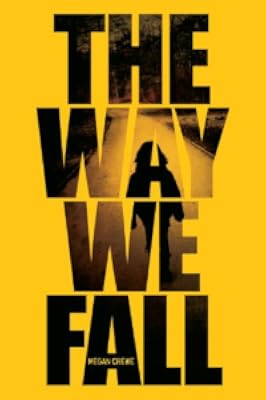

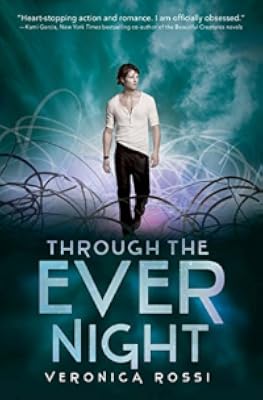
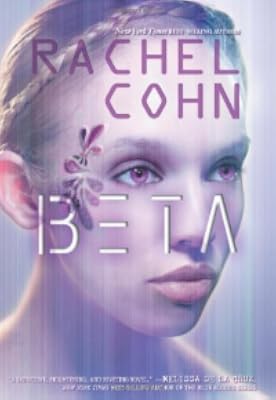
Member Recommendations
reconditereader The opening of Skylark reminds me of some of the scenes with the Dauntless in Divergent. Both are YA dystopia stories.
Member Reviews
Read This Review & More Like It At Ageless Pages Reviews
Won from http://thebooksmugglers.com/
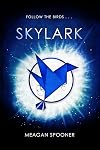
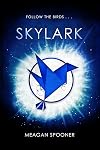
I’ll admit, I’d heard nothing, seen nothing, and had no knowledge of Skylark until someone retweeted Meagan Spooner’s “Sky’s the Limit” contest, in which every entrant would win a prize. I, being a sucker for free stuff, entered and the author herself tweeted me a list of other contests she was running to promote the novel. I entered those too and won a prize pack from thebooksmugglers.com, a signed hardcover, bookmark, postcard, tattoos, pin… I swear the swag multiplied. But it’s not the gift of free stuff that earns Skylark a 5 star review, nor is it its drop-dead gorgeous cover. Skylark is practically engineered to be show more everything I love about YA fantasy, and it does it very, very well.
Lark Ainsley is 16. In her city, the last city left after the wars, young teens are taken to a rite of passage. Their innate magic is harvested at a banquet before they are given their grown-up job assignments. Lark has never been chosen and is therefore stuck between childhood and adulthood, a dud with no magic. That is, until harvest day when she accidentally uses a large amount of “the Resource,” first to free herself from being stuck in a tunnel and then to destroy a pixie, clockwork creations designed to sense magic use and bring the user to the authorities. For those keeping score at home, that’s an older female teen protagonist in a steampunk/dystopian society discovering the power within her. If we had a “Danielle’s Faves” checklist, we’d be going for the full monty. (Additionally, someone going full monty concludes that checklist, and therefore keeps Skylark from being perfect. Much the pity.)
This display changes The Institute’s plans for the year, abandoning the other harvests and picking Lark as the sole lucky citizen. If you smell a trap, you too have read a book this century. As the book blurb says, Lark can regenerate magic, making her the first Renewable in the city and the greatest source of power ever. The first third of the book, which is so well plotted that it could be its own novel, details Lark’s journey though the Academy: their experiments, her torture, and, finally, her escape. It’s tense and emotional, with imagery that is utterly horrifying.
From there we embark on a journey outside the city. Spooner does a fantastic job of creating realistic emotions in her characters. Lark’s agoraphobia when faced for the first time with the sky is a genius move that most authors would have missed. Her loneliness and isolation seem palpable and explain her headlong rush to join up with the few side characters met. Of the side characters, Oren the wild boy and Nix the reprogrammed pixie, I fell in particular love with Nix. I want whole novellas of Nix flying around, learning new words, commanding armies of other pixies... Nix rocked. (We can now check off the snarky sidekick box.)
Lark is searching for other Renewables like her, crossing forests and plains to find a place she learned of during her time at the Institute. She gets dirty, battered, goes hungry, and fights to survive. What first seems like a blessing, there is no magic outside the city, is a curse that drives non-Renewables mad. Luckily there are pockets of magic to hide from the shadow-creatures in. Unluckily, those are filled with perils of their own. The entire second third of the novel is Lark struggling, and often failing, to adapt to a new life in the wilderness and find where she belongs.
The last section is, of course, the climax. It won’t surprise anyone that Lark does, in fact, find the Renewable’s city. From there surprises and twists came pretty fast and furious. Some I saw. Several, surprised me. (Check.) The final confrontation was exciting, although Lark does mysteriously get a new power in the 11th hour that feels a bit deus ex machina. The end managed to satisfy while still leaving room open for the sequel.
The first 95 pages of Skylark are my favorite, of the novel and of the year to date. I loved the glimpses of the world we got, from the mechanical sun to the lack of strong family units. Lark is incredibly likable. She’s resourceful and brave, but also frightened in a real and appropriate way. She doesn’t make perfect decisions and is entirely too trusting. She’s tenacious, but thinks about taking the easy way out. In short, she’s, again, a realistic heroine with flaws beyond “clumsy”. (Checky check.) And in a refreshing change of pace, I’m not sure she’s ever physically described, except for things like “dirty” or “blood-soaked”. If she was, her looks don’t define her. Lark’s not graceful like a gazelle, with eyes that burn like emeralds. She’s just a girl, which made her struggles at the hands of the Institute so much more affecting. Her rush to escape kept me up well past my bedtime.
I was left with some questions that unfortunately were never answered, mostly with regards to the world and society. I’m a big proponent of show, don’t tell, (check,) but there is a balance required. We really have no insight into daily life in the city, how the class system works, or how roles change after harvest. Questions like “how do the pockets effect time,” or “how are the shadow-people made,” those I can see answered in the next books. I can’t imagine we’ll ever get back to “what DOES happen to duds,” or “wait, is there even a central government?”
In all, I thought Skylark was practically perfect. It’s imaginative and well written. It avoids so many YA tropes, (no insta-love here, folks,) without seeming try-hard. I fell in love with the characters and their struggles. While I have seen negative reviews that it didn’t live up to it’s promise, and I can respect that, I’ll be over here, waiting with bated breath for Shadowlark. show less
Won from http://thebooksmugglers.com/
I’ll admit, I’d heard nothing, seen nothing, and had no knowledge of Skylark until someone retweeted Meagan Spooner’s “Sky’s the Limit” contest, in which every entrant would win a prize. I, being a sucker for free stuff, entered and the author herself tweeted me a list of other contests she was running to promote the novel. I entered those too and won a prize pack from thebooksmugglers.com, a signed hardcover, bookmark, postcard, tattoos, pin… I swear the swag multiplied. But it’s not the gift of free stuff that earns Skylark a 5 star review, nor is it its drop-dead gorgeous cover. Skylark is practically engineered to be show more everything I love about YA fantasy, and it does it very, very well.
Lark Ainsley is 16. In her city, the last city left after the wars, young teens are taken to a rite of passage. Their innate magic is harvested at a banquet before they are given their grown-up job assignments. Lark has never been chosen and is therefore stuck between childhood and adulthood, a dud with no magic. That is, until harvest day when she accidentally uses a large amount of “the Resource,” first to free herself from being stuck in a tunnel and then to destroy a pixie, clockwork creations designed to sense magic use and bring the user to the authorities. For those keeping score at home, that’s an older female teen protagonist in a steampunk/dystopian society discovering the power within her. If we had a “Danielle’s Faves” checklist, we’d be going for the full monty. (Additionally, someone going full monty concludes that checklist, and therefore keeps Skylark from being perfect. Much the pity.)
This display changes The Institute’s plans for the year, abandoning the other harvests and picking Lark as the sole lucky citizen. If you smell a trap, you too have read a book this century. As the book blurb says, Lark can regenerate magic, making her the first Renewable in the city and the greatest source of power ever. The first third of the book, which is so well plotted that it could be its own novel, details Lark’s journey though the Academy: their experiments, her torture, and, finally, her escape. It’s tense and emotional, with imagery that is utterly horrifying.
From there we embark on a journey outside the city. Spooner does a fantastic job of creating realistic emotions in her characters. Lark’s agoraphobia when faced for the first time with the sky is a genius move that most authors would have missed. Her loneliness and isolation seem palpable and explain her headlong rush to join up with the few side characters met. Of the side characters, Oren the wild boy and Nix the reprogrammed pixie, I fell in particular love with Nix. I want whole novellas of Nix flying around, learning new words, commanding armies of other pixies... Nix rocked. (We can now check off the snarky sidekick box.)
Lark is searching for other Renewables like her, crossing forests and plains to find a place she learned of during her time at the Institute. She gets dirty, battered, goes hungry, and fights to survive. What first seems like a blessing, there is no magic outside the city, is a curse that drives non-Renewables mad. Luckily there are pockets of magic to hide from the shadow-creatures in. Unluckily, those are filled with perils of their own. The entire second third of the novel is Lark struggling, and often failing, to adapt to a new life in the wilderness and find where she belongs.
The last section is, of course, the climax. It won’t surprise anyone that Lark does, in fact, find the Renewable’s city. From there surprises and twists came pretty fast and furious. Some I saw. Several, surprised me. (Check.) The final confrontation was exciting, although Lark does mysteriously get a new power in the 11th hour that feels a bit deus ex machina. The end managed to satisfy while still leaving room open for the sequel.
The first 95 pages of Skylark are my favorite, of the novel and of the year to date. I loved the glimpses of the world we got, from the mechanical sun to the lack of strong family units. Lark is incredibly likable. She’s resourceful and brave, but also frightened in a real and appropriate way. She doesn’t make perfect decisions and is entirely too trusting. She’s tenacious, but thinks about taking the easy way out. In short, she’s, again, a realistic heroine with flaws beyond “clumsy”. (Checky check.) And in a refreshing change of pace, I’m not sure she’s ever physically described, except for things like “dirty” or “blood-soaked”. If she was, her looks don’t define her. Lark’s not graceful like a gazelle, with eyes that burn like emeralds. She’s just a girl, which made her struggles at the hands of the Institute so much more affecting. Her rush to escape kept me up well past my bedtime.
I was left with some questions that unfortunately were never answered, mostly with regards to the world and society. I’m a big proponent of show, don’t tell, (check,) but there is a balance required. We really have no insight into daily life in the city, how the class system works, or how roles change after harvest. Questions like “how do the pockets effect time,” or “how are the shadow-people made,” those I can see answered in the next books. I can’t imagine we’ll ever get back to “what DOES happen to duds,” or “wait, is there even a central government?”
In all, I thought Skylark was practically perfect. It’s imaginative and well written. It avoids so many YA tropes, (no insta-love here, folks,) without seeming try-hard. I fell in love with the characters and their struggles. While I have seen negative reviews that it didn’t live up to it’s promise, and I can respect that, I’ll be over here, waiting with bated breath for Shadowlark. show less
I read the book first to last without putting it down. Lark, our 16 year old hero discovers when her city is ready to "harvest" her magic that she is different. Her world is run by machines that run on magic. And the magic is harvested from it's citizens when they are young. It's a coming of age rite within the culture. But something is wrong with Lark and this leads her away from everything she was ever raised to believe.
Skylark is written in the first person. Spooner gives our innocent heroine a natural voice that reflects the wonder, the fear, the curiosity and the revulsion of innocence turned loose in a savage world where she has no skills for survival.
It is at once a coming of age and stripping of illusions about the true nature show more of the world.
When the book ended I was sad to leave Lark and her adventures. I hope we see more of her in the future. show less
Skylark is written in the first person. Spooner gives our innocent heroine a natural voice that reflects the wonder, the fear, the curiosity and the revulsion of innocence turned loose in a savage world where she has no skills for survival.
It is at once a coming of age and stripping of illusions about the true nature show more of the world.
When the book ended I was sad to leave Lark and her adventures. I hope we see more of her in the future. show less
I have been enjoying The Starbound Trilogy co-written by Meagan and Spooner and Amie Kaufman, so I thought I would try this series by Spooner alone (albeit dedicated to Kaufman).
This is a sort of steampunk-ish dystopia featuring a post-apocalyptic world in which survivors live inside a wall. When they are deemed ready to be “adults,” they are selected for “harvesting” by the governing power. Harvesting means that the magic, inherent in children, is tapped by the rulers to keep the city going, to preserve the remaining technology. After harvesting, the chosen children are tested for aptitude, and assigned roles in the city based on the results.
With Lark, however, the process is different. She is 16 before she is harvested, a show more relatively late age. Furthermore, she is not harvested once, but repeatedly, and discovers that her treatment is not the only sinister thing going on behind the scenes. Her only hope is to escape, but there are rumors of what lies beyond the wall, and none of them are encouraging.
Evaluation: Unfortunately, I did not like this book nearly as much as the collaborated books. The story, while it had potential, seemed to drag in spite of the tension in the premise, and I found myself wanting to skim. At the end, I didn’t feel much desire to continue with the series. show less
This is a sort of steampunk-ish dystopia featuring a post-apocalyptic world in which survivors live inside a wall. When they are deemed ready to be “adults,” they are selected for “harvesting” by the governing power. Harvesting means that the magic, inherent in children, is tapped by the rulers to keep the city going, to preserve the remaining technology. After harvesting, the chosen children are tested for aptitude, and assigned roles in the city based on the results.
With Lark, however, the process is different. She is 16 before she is harvested, a show more relatively late age. Furthermore, she is not harvested once, but repeatedly, and discovers that her treatment is not the only sinister thing going on behind the scenes. Her only hope is to escape, but there are rumors of what lies beyond the wall, and none of them are encouraging.
Evaluation: Unfortunately, I did not like this book nearly as much as the collaborated books. The story, while it had potential, seemed to drag in spite of the tension in the premise, and I found myself wanting to skim. At the end, I didn’t feel much desire to continue with the series. show less
I honestly enjoyed this read. There were a few things that niggled a little, hence the 4 and not higher but overall it was an enjoyable read.
Lark Ainsley lives behind a wall, she has never seen the sky, the wall protects her city inside and out from the aftermath of wars outside. She's waiting impatiently to give her Resource or Magic to the city to help power it and become a productive member of society. She's older than most and when she goes in it's not all straightforward, she's heard how it's supposed to be but there's something wrong and it appears that she's going to become a power source for the city.
She escapes and finds others like her and some very scary other people, some rumours about outside are true and some are false but show more can she trust anyone?
I liked the story and Lark, a great character, Nix was excellent too and entertaining. This is a series I want to read more of. show less
Lark Ainsley lives behind a wall, she has never seen the sky, the wall protects her city inside and out from the aftermath of wars outside. She's waiting impatiently to give her Resource or Magic to the city to help power it and become a productive member of society. She's older than most and when she goes in it's not all straightforward, she's heard how it's supposed to be but there's something wrong and it appears that she's going to become a power source for the city.
She escapes and finds others like her and some very scary other people, some rumours about outside are true and some are false but show more can she trust anyone?
I liked the story and Lark, a great character, Nix was excellent too and entertaining. This is a series I want to read more of. show less
Originally reviews on A Reader of Fictions.
Meagan Spooner's debut novel Skylark creates a fantastical steampunk world where magic has a physical presence, and people are varying degrees of monster. While many dystopias focus on action and drama, Skylark moves along at a slower pace, a bit more contemplative. Thankfully, the personality-filled writing and gorgeous world building kept my interest level high.
Lark feels constant shame. She is the oldest person to not yet have been harvested. People years her juniors have been chosen before her. The other kids call her 'the dud,' 'the freak,' and she can't help but wonder if it's true. Nor can she find comfort at home. Her closest family member, Basil, a brother, left on a mission outside show more the wall and never returned, presumed dead. We never even see her parents. The only family member who seems to be around is her oldest brother Caesar, whose name is particularly apt, considering that he would do just about anything to advance his career.
Finally, though, Lark's name has been called and she is to be harvested. Excited does not even begin to describe how she feels, anticipating finally being normal and valuable. Despite having very little idea what her harvesting entails, she quickly comes to suspect that something weird may be going on. Why do they keep taking her to be harvested? Isn't that just supposed to happen once? Her answer, of course, lies in the secret room she discovered: she's a Renewable and they're going to plug her into the city until she becomes nothing but a husk.
The City, you see, runs on magic. Cool, right? In this world, magic exists in just about everything, including people. At the Harvest, they're using a machine to drain the magic (or, as they
call it, The Resource, from the children of the population. There used to be Renewables, people who could create more Resource, but there haven't been any born in a long time and the City's magic is depleting. They need Lark's Resource, but she refuses to be a pawn and escapes into the eerie woods.
What's especially neat about Skylark is how many different societies you can explore in this world. At the beginning, we're in the City with Lark, which is full of clockwork and magic. It's got a sort of industrial feel to it. Then, outside the wall, we get to see a bunch of different environments. Basically, the magic out there is all unbalanced, so some areas have to much and others none, which means that pretty much anything can happen. I just loved this world building, especially the changes that the magic bubbles wrought.
If you love reading about creepy monsters, Spooner cooked up some of those for you in her writer's cauldron too. The Dark Ones. I'm not entirely certain what happened to them, whether there was some sort of event or chemical, or if it was just a change out of necessity. Either way, they're cannibals, humans turned dark and twisted and hungry for other humans. This adds some fun spice to an otherwise fairly pleasant journey. I definitely would like to know how they came about, though!
Lark makes a great heroine. Her voice is clear and direct. Her narration kept me totally involved in the story. Despite being a complete newbie to pretty much everying, Lark tries really hard. She's not a complainer, and learns and grows from every experience. Otherwise, though, I would say characterization was probably the weakest point in the book. None of the other humans really manifested strongly to me. There are two possible love interests so far, but, thankfully, Spooner has so far resisted the urge to make this into a melodramatic love triangle.
My very favorite character, though, the one that totally stole the show in my opinion is not human. I freaking loved Nix. He's so adorable and cool and I don't even know. Basically, I want him to come hang out with me. Also, the way the scene where he learned things was just fantastic. He also raises some thought-provoking questions about sentience.
For stellar world building and some serious clockwork awesomeness, go get yourself a copy of Skylark. I really enjoyed it and will be keeping my eye out for the next book! show less
Meagan Spooner's debut novel Skylark creates a fantastical steampunk world where magic has a physical presence, and people are varying degrees of monster. While many dystopias focus on action and drama, Skylark moves along at a slower pace, a bit more contemplative. Thankfully, the personality-filled writing and gorgeous world building kept my interest level high.
Lark feels constant shame. She is the oldest person to not yet have been harvested. People years her juniors have been chosen before her. The other kids call her 'the dud,' 'the freak,' and she can't help but wonder if it's true. Nor can she find comfort at home. Her closest family member, Basil, a brother, left on a mission outside show more the wall and never returned, presumed dead. We never even see her parents. The only family member who seems to be around is her oldest brother Caesar, whose name is particularly apt, considering that he would do just about anything to advance his career.
Finally, though, Lark's name has been called and she is to be harvested. Excited does not even begin to describe how she feels, anticipating finally being normal and valuable. Despite having very little idea what her harvesting entails, she quickly comes to suspect that something weird may be going on. Why do they keep taking her to be harvested? Isn't that just supposed to happen once? Her answer, of course, lies in the secret room she discovered: she's a Renewable and they're going to plug her into the city until she becomes nothing but a husk.
The City, you see, runs on magic. Cool, right? In this world, magic exists in just about everything, including people. At the Harvest, they're using a machine to drain the magic (or, as they
call it, The Resource, from the children of the population. There used to be Renewables, people who could create more Resource, but there haven't been any born in a long time and the City's magic is depleting. They need Lark's Resource, but she refuses to be a pawn and escapes into the eerie woods.
What's especially neat about Skylark is how many different societies you can explore in this world. At the beginning, we're in the City with Lark, which is full of clockwork and magic. It's got a sort of industrial feel to it. Then, outside the wall, we get to see a bunch of different environments. Basically, the magic out there is all unbalanced, so some areas have to much and others none, which means that pretty much anything can happen. I just loved this world building, especially the changes that the magic bubbles wrought.
If you love reading about creepy monsters, Spooner cooked up some of those for you in her writer's cauldron too. The Dark Ones. I'm not entirely certain what happened to them, whether there was some sort of event or chemical, or if it was just a change out of necessity. Either way, they're cannibals, humans turned dark and twisted and hungry for other humans. This adds some fun spice to an otherwise fairly pleasant journey. I definitely would like to know how they came about, though!
Lark makes a great heroine. Her voice is clear and direct. Her narration kept me totally involved in the story. Despite being a complete newbie to pretty much everying, Lark tries really hard. She's not a complainer, and learns and grows from every experience. Otherwise, though, I would say characterization was probably the weakest point in the book. None of the other humans really manifested strongly to me. There are two possible love interests so far, but, thankfully, Spooner has so far resisted the urge to make this into a melodramatic love triangle.
My very favorite character, though, the one that totally stole the show in my opinion is not human. I freaking loved Nix. He's so adorable and cool and I don't even know. Basically, I want him to come hang out with me. Also, the way the scene where he learned things was just fantastic. He also raises some thought-provoking questions about sentience.
For stellar world building and some serious clockwork awesomeness, go get yourself a copy of Skylark. I really enjoyed it and will be keeping my eye out for the next book! show less
Pros: very unique dystopian situation, very good opening, terrifying potential fate for Lark, end reveal of Lark's abilities was interesting
Cons: protagonist is conflicted, middle dragged, it became tiresome watching Lark get saved over and over again
For Parents: one swear word, some violence (killing), no sex
At sixteen Lark is older than the other kids at school, but she won't become a full adult until she's harvested for her magic and assigned her place. Magic runs the city and keeps up the wall that protects them from the ravaged outside world. When she's finally called, she's apprehensive about the procedure no one talks about and curious why they waited so long to harvest her.
An unescorted jaunt around the famicility shows her show more someone's horrific fate, a fate she soon realizes she might share. She's able to regenerate her magic, a lost skill and valuable - for harvesting. Fleeing for her life and her sanity, she breaches the wall and discovers how bad things outside really have become. She knows she will be hunted. She also knows there are other people outside the wall who are like her.
Kudos to Spooner for creating a dystopian setting that was substantially different from the rest. It has touches of steampunk and a truly terrifying fate for Lark should she remain in the city. After Lark leaves the city however, the setting becomes commonplace, post-apocalyptic (even if the apocalypse was caused by magic).
While I liked Lark, she waffled between competent and needing to be saved too often. I understand that she didn't know how to survive in the wild, and I was ok with Oren helping her, but having him leave and come back to rescue her over and over again became tiresome. This repetition made the middle section feel too long and drawn out. She also waffled between altruism and necessity when it came to violence and dealing with those she met outside the wall.
The ending picked up the pace again and returned to the high tension, and high stakes, of the opening. While I wasn't keen on Lark's choices at the end of the book, it was an exciting ending.
A good book for those who want a different dystopian setting. show less
Cons: protagonist is conflicted, middle dragged, it became tiresome watching Lark get saved over and over again
For Parents: one swear word, some violence (killing), no sex
At sixteen Lark is older than the other kids at school, but she won't become a full adult until she's harvested for her magic and assigned her place. Magic runs the city and keeps up the wall that protects them from the ravaged outside world. When she's finally called, she's apprehensive about the procedure no one talks about and curious why they waited so long to harvest her.
An unescorted jaunt around the famicility shows her show more someone's horrific fate, a fate she soon realizes she might share. She's able to regenerate her magic, a lost skill and valuable - for harvesting. Fleeing for her life and her sanity, she breaches the wall and discovers how bad things outside really have become. She knows she will be hunted. She also knows there are other people outside the wall who are like her.
Kudos to Spooner for creating a dystopian setting that was substantially different from the rest. It has touches of steampunk and a truly terrifying fate for Lark should she remain in the city. After Lark leaves the city however, the setting becomes commonplace, post-apocalyptic (even if the apocalypse was caused by magic).
While I liked Lark, she waffled between competent and needing to be saved too often. I understand that she didn't know how to survive in the wild, and I was ok with Oren helping her, but having him leave and come back to rescue her over and over again became tiresome. This repetition made the middle section feel too long and drawn out. She also waffled between altruism and necessity when it came to violence and dealing with those she met outside the wall.
The ending picked up the pace again and returned to the high tension, and high stakes, of the opening. While I wasn't keen on Lark's choices at the end of the book, it was an exciting ending.
A good book for those who want a different dystopian setting. show less
Remember when you saw Danny Boyle's Sunshine, and for the first two thirds of it, you were like, "Holy shit, this is the most perfect science fiction movie ever made?" and then the last third happened and you felt stunned and betrayed and...lost? This book is the reverse of that. The first two thirds are boooooring and typical and just nearly impossible to slog through. But then the last third of the book hits, and something starts to click, and it keeps clicking, and before you know it, you're just utterly enchanted and pleasantly surprised, and... I don't know.
The characters and love story are pretty typical of any YA dystopian whatever you've read, until, again, the last third of the book. I saw every twist that occurred at the end show more well before it happened, but it didn't matter because there is one moment between our heroine and her boy that...I don't know how to say this without spoiling anything. But it felt right. And it felt real. And it was really heartbreaking.I'm talking about when she kisses him and he tastes like blood and she is complete grossed out by his monsterness And for that moment alone, I think everyone who likes this sort of thing should read this novel.
Actually, I take that back. If you're a slower reader, wait for the second book to come out and see what people say about it. THEN, if THAT feedback is good, read book one. Because the beginning really is such a slog. I read at least one novel per day, and I forget sometimes what an undertaking a book of this length might be for a person, so again, if reading time is rare for you, hold off. Read [b:Angelfall|11500217|Angelfall (Penryn & the End of Days, #1)|Susan Ee|http://photo.goodreads.com/books/1319887835s/11500217.jpg|16435765] instead. Ain't no shame. show less
The characters and love story are pretty typical of any YA dystopian whatever you've read, until, again, the last third of the book. I saw every twist that occurred at the end show more well before it happened, but it didn't matter because there is one moment between our heroine and her boy that...I don't know how to say this without spoiling anything. But it felt right. And it felt real. And it was really heartbreaking.
Actually, I take that back. If you're a slower reader, wait for the second book to come out and see what people say about it. THEN, if THAT feedback is good, read book one. Because the beginning really is such a slog. I read at least one novel per day, and I forget sometimes what an undertaking a book of this length might be for a person, so again, if reading time is rare for you, hold off. Read [b:Angelfall|11500217|Angelfall (Penryn & the End of Days, #1)|Susan Ee|http://photo.goodreads.com/books/1319887835s/11500217.jpg|16435765] instead. Ain't no shame. show less
Members
- Recently Added By
Lists

For me to read
20 works; 1 member

Best Library Reads of 2013
114 works; 1 member
Author Information

19 Works 6,593 Members
Meagan Spooner is an American writer who was born in Washington, D. C. She graduated from Hamilton College in New York with a degree in playwriting. She is the co-author of The Starbound Trilogy which includes These Broken Stars, This Shattered World, and Their Fractured Light, along with Amie Kaufman. Her other titles include Skylark, Shadowlark show more and Lark Ascending which make up The Skylark Trilogy. (Bowker Author Biography) show less
Some Editions
Series

Common Knowledge
- Canonical title
- Skylark
- Original publication date
- 2012
Classifications
- Genres
- Fiction and Literature, Teen, Young Adult
- DDC/MDS
- 813.54 — Literature & rhetoric American literature in English American fiction in English 1900-1999 1945-1999
- LCC
- PZ7 .S7642 .S — Language and Literature Fiction and juvenile belles lettres Fiction and juvenile belles lettres Juvenile belles lettres
- BISAC
Statistics
- Members
- 370
- Popularity
- 84,838
- Reviews
- 19
- Rating
- (3.65)
- Languages
- English, French, German
- Media
- Paper, Audiobook, Ebook
- ISBNs
- 20
- ASINs
- 1