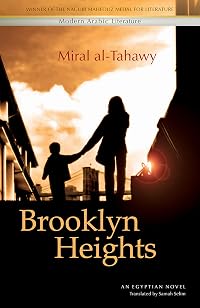
Brooklyn Heights
by Miral al-Tahawy
On This Page
Description
Brooklyn Heights, the fourth novel by award-winning Egyptian author Miral El-Tahawy, revolves around the character of Hend, an Arabic teacher and would-be writer in her late thirties, who emigrates to the United States from Cairo with her eight year old son after the painful break-up of her marriage.Tags
Recommendations





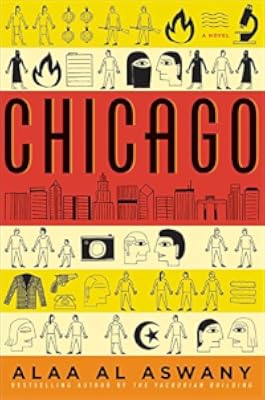

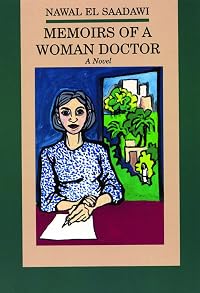
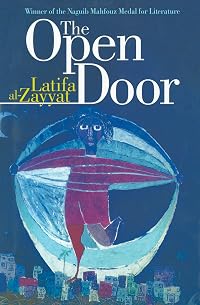
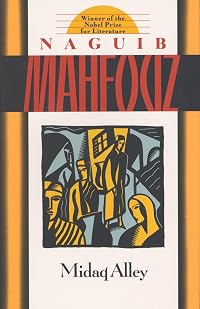
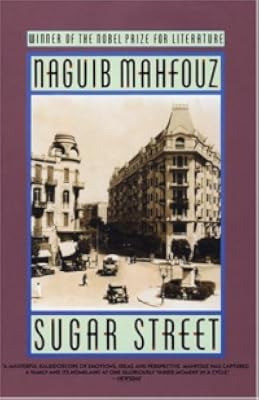
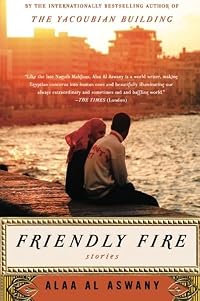
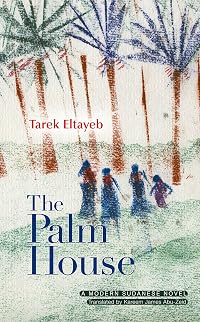
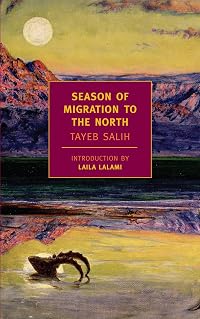



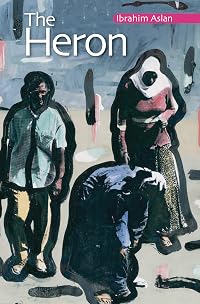

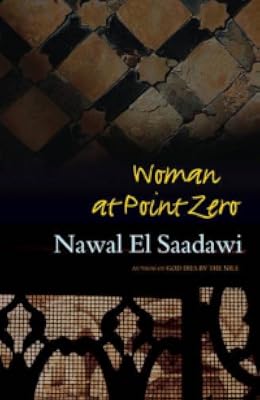
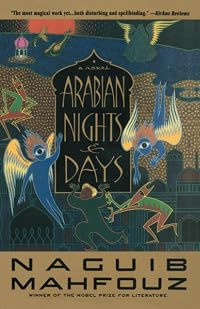
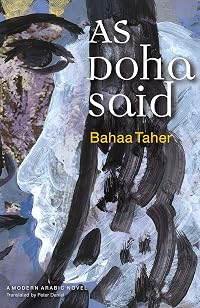


Member Recommendations
Member Reviews
Hend grew up in one of the villages around Cairo as the only daughter and youngest child of a Bedouin family. When we meet her at the start of this novel, she had just immigrated to USA with her 8 years old son, sans her husband and with very little English and had rented a small apartment in a Muslim neighborhood in Brooklyn, some time in the autumn of 2008 (Obama winning the election is one of the first times we see her communicating with her son). But this is not the typical immigration story of perseverance and success against all odds. Or not entirely anyway.
Instead we walk the streets of Brooklyn with Hend and see her reactions to the city and its inhabitants. Most of the Brooklynites we meet are immigrants like her, mostly from show more the Muslim Arabian world but there are a few others as well - the Orthodox Jews, the dancing teacher neighbor. And while she walks the streets of this new city, she often thinks about her life before she moved - from her childhood to the end of her marriage. As the novel progresses, we start also hearing the stories of other inhabitants of her world - both in the new and in the old worlds.
And somewhere in all that jumble of stories, memories and new experiences emerges the longing for a home - the home some of the characters can never return to, the home another character is slowly forgetting, a place one can call home. Is your home where you were born? Or can you make your home elsewhere, away from the culture you are used to and belong to? Hend never figures these questions although she ends up pondering a lot of them when things happen around her. She is almost always a passive observer - it feels like she was always an observer of her own life, even in the passages about her past.
It works beautifully to a point. I appreciated that the new immigrant felt displaced and looking for her place in the new life and did not find friends even before arriving (while I know that some people are like that, my experience was closer to that of Hend when I moved). I wish the novel was longer - it is too short to support all the backstories and all the stories in the now and here - and because of that a lot of them feel incomplete. I am not sure if that was intentional - after all, all of these stories still continue after the end of the book but the novel felt incomplete.
The novel won the 2010 Naguib Mahfouz Medal for Literature (given to an Arabic novel which had not been translated into English yet) and was shortlisted for the International Prize for Arabic Fiction (aka the Arabic Booker) in 2011. The author's personal story parallels her heroines to a certain extent - al-Tahawy is from a Bedouin family and her childhood was probably very similar to Hend's (writer's license notwithstanding). She also moved to USA around the same time as her character (although I am not sure if it is to Brooklyn initially).
This was the author's 4th novel and the other 3 are also translated into English so I plan to check them as well - despite my misgivings, it is a novel worth reading - if for nothing else, for the details of modern Bedouin lives. But the immigration part of the story also works, as banal and tired as this genre had become in recent years. show less
Instead we walk the streets of Brooklyn with Hend and see her reactions to the city and its inhabitants. Most of the Brooklynites we meet are immigrants like her, mostly from show more the Muslim Arabian world but there are a few others as well - the Orthodox Jews, the dancing teacher neighbor. And while she walks the streets of this new city, she often thinks about her life before she moved - from her childhood to the end of her marriage. As the novel progresses, we start also hearing the stories of other inhabitants of her world - both in the new and in the old worlds.
And somewhere in all that jumble of stories, memories and new experiences emerges the longing for a home - the home some of the characters can never return to, the home another character is slowly forgetting, a place one can call home. Is your home where you were born? Or can you make your home elsewhere, away from the culture you are used to and belong to? Hend never figures these questions although she ends up pondering a lot of them when things happen around her. She is almost always a passive observer - it feels like she was always an observer of her own life, even in the passages about her past.
It works beautifully to a point. I appreciated that the new immigrant felt displaced and looking for her place in the new life and did not find friends even before arriving (while I know that some people are like that, my experience was closer to that of Hend when I moved). I wish the novel was longer - it is too short to support all the backstories and all the stories in the now and here - and because of that a lot of them feel incomplete. I am not sure if that was intentional - after all, all of these stories still continue after the end of the book but the novel felt incomplete.
The novel won the 2010 Naguib Mahfouz Medal for Literature (given to an Arabic novel which had not been translated into English yet) and was shortlisted for the International Prize for Arabic Fiction (aka the Arabic Booker) in 2011. The author's personal story parallels her heroines to a certain extent - al-Tahawy is from a Bedouin family and her childhood was probably very similar to Hend's (writer's license notwithstanding). She also moved to USA around the same time as her character (although I am not sure if it is to Brooklyn initially).
This was the author's 4th novel and the other 3 are also translated into English so I plan to check them as well - despite my misgivings, it is a novel worth reading - if for nothing else, for the details of modern Bedouin lives. But the immigration part of the story also works, as banal and tired as this genre had become in recent years. show less
The immigrant experience is, typically, Janus like, looking forward and backward at the same time. In this beautifully rendered portrait of Hend, a woman from Egypt with a young son living amidst the Muslim immigrant community in Brooklyn, the concentration is upon the past, the life she knew as a young girl growing up in a village outside Cairo. Sights and smells and tastes of the homeland are as important as who did what when. In fact we never learn precisely how or why it is that Hend has migrated to America without her husband. We are simply asked to accept an underlying threat and a sense that she is still somehow fleeing.
There are lovely passages here evoking a place and time with which many readers of this translation may be show more unfamiliar. That is no bar to enjoyment. What comes across is just how rich and complex and, of course at times, troubling the earlier portion of the lives of these immigrants has been. Although their American aspect may reduce them to a oneness (one character even remarks that all of the Arab immigrants look alike to her), there is much that lies beneath the surface that distinguishes them.
What is missing here is an equally rooted experience of life in America. It’s almost as though, having made it to Brooklyn, these immigrants are still not quite fully in America. There is still that Brooklyn Bridge to cross. And for the time being they are still on the Brooklyn side. But that is merely a cavil and not a substantive criticism. Indeed very little could diminish the wonderful writing in this portrait of a woman estranged from her past and perhaps from herself. Recommended. show less
There are lovely passages here evoking a place and time with which many readers of this translation may be show more unfamiliar. That is no bar to enjoyment. What comes across is just how rich and complex and, of course at times, troubling the earlier portion of the lives of these immigrants has been. Although their American aspect may reduce them to a oneness (one character even remarks that all of the Arab immigrants look alike to her), there is much that lies beneath the surface that distinguishes them.
What is missing here is an equally rooted experience of life in America. It’s almost as though, having made it to Brooklyn, these immigrants are still not quite fully in America. There is still that Brooklyn Bridge to cross. And for the time being they are still on the Brooklyn side. But that is merely a cavil and not a substantive criticism. Indeed very little could diminish the wonderful writing in this portrait of a woman estranged from her past and perhaps from herself. Recommended. show less
I don't like to read Paulo Coelho's books. I have tried but the words just don't pull me in. I hear the stories are beautiful and full of emotions but something about them don't work for me.
Why am I saying this here? Because that is exactly what happened between me and Brooklyn Heights. The story in itself was great one about a struggling writer in a foreign country with a son who is ashamed of his heritage and his mother. It was a raw, beautiful story. One that I tried so much to love. But I just couldn't get into it.
And I know the reason why.
This book has been translated from its original language and translated books always lose the charm of words for me. Every author has a magical blend of words when they tell the story - a sort show more of a quirk of the person who came of with the idea that took its form as a story. Translated books lose that touch of originality.
So while I loved the story - the storytelling was a bit too bland for me. I tried to get into it but failed - miserably.
An overall okay read - with a potential to be so much more.
This ebook was provided to me by the publishers via NetGalley in exchange of an honest review. show less
Why am I saying this here? Because that is exactly what happened between me and Brooklyn Heights. The story in itself was great one about a struggling writer in a foreign country with a son who is ashamed of his heritage and his mother. It was a raw, beautiful story. One that I tried so much to love. But I just couldn't get into it.
And I know the reason why.
This book has been translated from its original language and translated books always lose the charm of words for me. Every author has a magical blend of words when they tell the story - a sort show more of a quirk of the person who came of with the idea that took its form as a story. Translated books lose that touch of originality.
So while I loved the story - the storytelling was a bit too bland for me. I tried to get into it but failed - miserably.
An overall okay read - with a potential to be so much more.
This ebook was provided to me by the publishers via NetGalley in exchange of an honest review. show less
I am fascinated by this writer after reading The Tent earlier in the spring. This had many of the same themes though it is set in Brooklyn, not Egypt. The juxtaposition of New York street life with the main character's memories of her Bedouin childhood is fascinating. I wish she would get picked up by a mainstream publisher. A unique voice.
Ratings
Members
- Recently Added By
Lists

egypt novels
16 works; 2 members

Arab and Arab Diaspora Literature We Recommend
112 works; 53 members
Author Information

5+ Works 166 Members
Some Editions
Awards and Honors
Common Knowledge
- Original title
- بروكلين هايتس
- Original publication date
- 2010
- Important places
- Brooklyn, New York, New York, USA
- Original language
- Arabic
Classifications
- Genres
- Fiction and Literature, General Fiction
- DDC/MDS
- 892.737 — Literature & rhetoric Literatures of other languages Afro-Asiatic literatures Arabic (Egypt, Lebanon, Palestine, Saudi Arabia, Sudan) Arabic fiction 2000–
- LCC
- PJ7864 .A3568 .B7613 — Language and Literature Oriental languages and literatures Oriental philology and literature Arabic Arabic literature Individual authors or works
- BISAC
Statistics
- Members
- 49
- Popularity
- 614,066
- Reviews
- 4
- Rating
- (2.89)
- Languages
- Arabic, English
- Media
- Paper, Ebook
- ISBNs
- 6