On This Page
Description
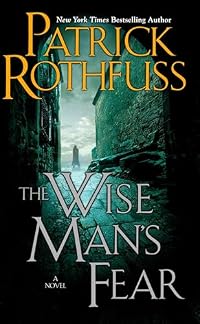
Kvothe takes his first steps on the path of the hero as he attempts to uncover the truth about the mysterious Amyr, the Chandrian, and the death of his parents. Along the way, Kvothe is put on trial by the legendary Adem mercenaries, forced to reclaim the honor of the Edema Ruh, and travels into the Fae realm where he meets Felurian, the faerie woman no man can resist.Tags
Recommendations
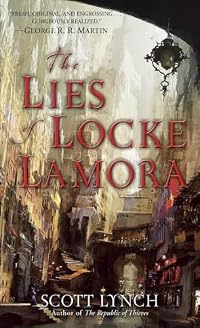
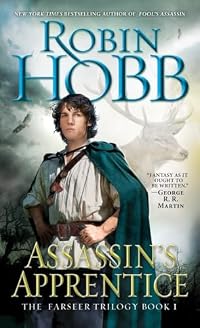
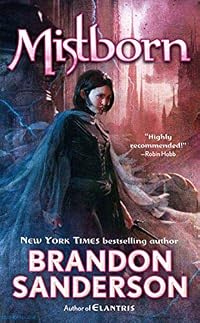
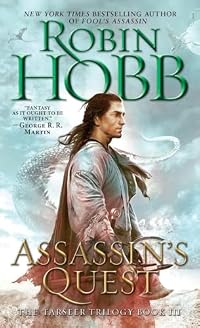
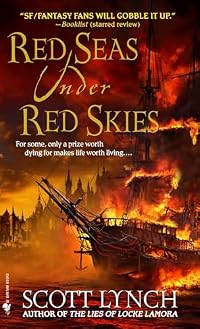
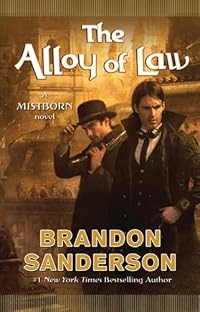
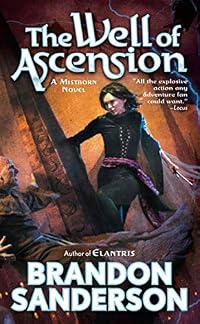
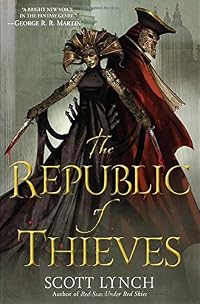



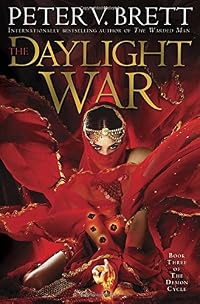
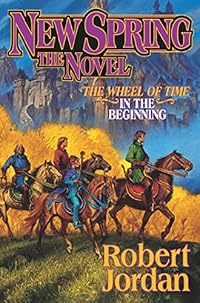
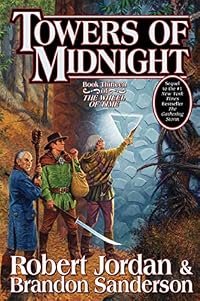
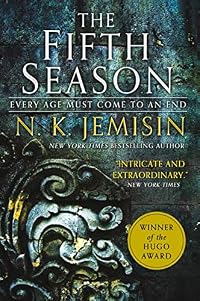

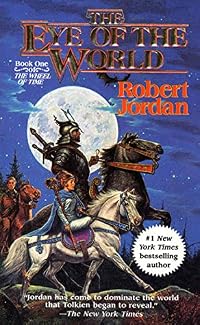
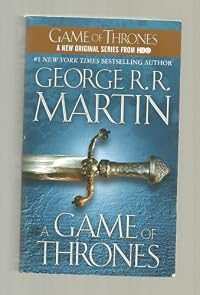
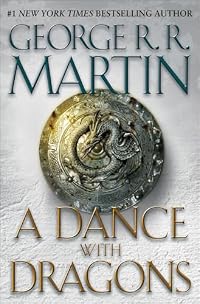
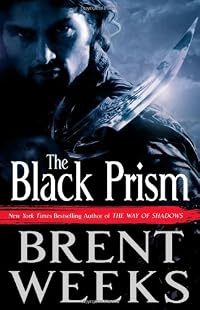



Member Recommendations

Cloverlimes A young powerful magic user learns and grows in a system that fails them.
There is a strong theme of music in both Magic's Pawn and The Wise Man's Fear.

Member Reviews
"It had flaws, but what does that matter when it comes to matters of the heart? We love what we love. Reason does not enter into it. In many ways, unwise love is the truest love. Anyone can love a thing because. That's as easy as putting a penny in your pocket. But to love something despite. To know the flaws and love them too. That is rare and pure and perfect."
Thoughts upon my first read:
I am honestly a little at a loss for words. I finished the book about an hour ago and I'm still struggling to come back to reality. Again, Patrick has amazed me with his writing. I love that we learn all these new things in this book about the different cultures of Temerant. As a writer myself (an amateur one), I envy how beautifully he describes the show more world he's created and I marvel at the world itself. His writing is poetic and lyrical but not exaggeratingly so, and most of the time it feels like the pages absorb you and take you inside this amazing world. Sometimes it truly feels like you're in there, standing next to Kvothe, breathing the same air as him, learning as he does and hurting when he does.
This book made me go through several different emotions, such as happiness, anxiousness, worry, second-hand embarrassment, stress and confusion, and probably many others that I can't remember now (honestly, this book was a roller coaster of emotions for me). I have to admit that this book could have been a bit shorter, not much, since a lot of things happen, but I feel like several things could have been simplified a little bit.
Any way, this book, just like The Name of The Wind, is now part of my favorite books. I'm just in love with Pat's writing. I can only wish to be able to write like him someday.
Sadly, now I have to wait for the third book like the rest, which will probably be torture, but I know it'll be a book worth waiting for.
Thoughts upon my second read (this might be long):
I'm gonna say this again because it still amazes me like you wouldn't believe: this book absorbed me completely from page 1 and kept me there until page 1107. I could not be freed from it until I had no other choice but to let go because I had run out of pages. And when that moment arrived, it was like I had been shaken violently awake from a long sleep and had no idea where I was or what was real. I've felt like this for the last hour; I can't shake the feeling off. I was sitting with my parents just after finishing it and they kept talking to me and I kept feeling like they weren't real, like this wasn't the right reality for me to be in, like they were fiction and the book was reality. I know, I sound insane, but that's how I felt... mmm, maybe I am insane, but I don't really mind; I feel like this is the good kind of insane. Both books of this trilogy have made me feel this way, but since this is the first time I was with other people when I finished it, the effect was much stronger. There's something indescribably captivating about the reality of these books; the vividness of it is striking. No other book has ever felt as real as these for me, not like this. I mean, some books manage to get close to this: they hook me, they are very well created and shown, they are believable worlds and I enjoy them greatly and appreciate them. But this is different. This is like going inside the book and actually being there: smelling the air, feeling the ground underneath my feet, hearing people's voices, their laughs, the music. I can't describe it and I don't know how Pat does it, but it's just so vivid it's almost scary. It's the most mind-blowing thing about these books for me.
I enjoyed this book much more the second time round (read it in 11 days instead of 13), much like it happened when I re-read The Name of The Wind. In some ways, this sequel is better than the first book and, in other ways, not so much. The Wise Man's Fear wins in plot and action. The Name of The Wind wins in the writing and the overall flow of the story. Like the first time round, I feel like WMF was rushed, published too soon without enough revisions and polishes, and it is clear that Pat did not enjoy writing this book as much as he did NOTW. I can't pinpoint to something specific that made me think this; it's just the overall feel I got from the writing and the development of the plot. This didn't flow nearly as smoothly as the first book, especially when Kvothe starts travelling. The plot starts feeling less natural and more forced then. Not too forced, but even a little forced is enough. The things that happen are the right ones, the plot itself is good and right, necessary for character development, but some of it wasn't approached as subtly as I had come to expect from these books. It didn't keep me from enjoying the book at all, but it was a noticable change from NOTW. I know Pat struggled with this book because he felt the pressure of the readers, didn't want to keep them waiting for the second book longer than they were already waiting; he put the pressure on himself and ended up suffering through the whole thing. And that struggle is palpable when you read it. Still, all things considered, this book is fucking fantastic and I wouldn't lower my 5 star rating even if I got paid a million dollars. It deserves every bit of those stars. And I'm glad Pat's been taking it easy on himself these days, enjoying his time with his children and pursuing other small projects related to his books (really wish I didn't live in Argentina so I could get the game of tak or the deck of cards, but well, at least I was able to buy the Anniversary Edition of NOTW), and hasn't been rushing himself to finish the third book just because people are impatient. I know that, because of this, Doors of Stone will be the best book of the trilogy and damn well worth waiting for.
But back to WMF, I was very surprised to find myself liking Denna for the most part and disliking Kvothe in many other parts, although I did mention that about Kvothe in my original review above, but I felt it slightly more this second time, maybe because I'm a more attentive reader than I was 3 years ago.
On a different note, I still love Simmon with every fiber of my being. He is a wonderful man and I want to protect him with my life. And I desperately wish he was real (I'm actually only going to add this book to my "fictional boyfriends" shelf just because of him). And the University feels so much like home that it hurts me merely because I can't actually be there in person. And Fela is every bit the woman I wish I was, and I love her. Auri is the most wonderful thing and I'd read a million books about her, even if it's only a million pages of her making soap.
“I have an apple that thinks its a pear. And a bun that thinks it’s a cat. And a lettuce that thinks its a lettuce."
"It’s a clever lettuce, then."
"Hardly," she said with a delicate snort. "Why would anything clever think it’s a lettuce?"
"Even if it is a lettuce?" I asked.
"Especially then," she said. "Bad enough to be a lettuce. How awful to think you are a lettuce too.”
And, honestly, Devi is so intoxicating that it makes me doubt my sexuality. Basically, wonderful women and some wonderful men as well.
Well, in summary, I fucking love these books, I love Pat's gorgeous, marvelous, musical writing, and I love Simmon. Here ends this second review. show less
Maybe unfair--my reading experience was slightly soured by learning all the drama about the unfinished trilogy.
It's impressive to write a 15-year-old genius and hero with unbelievable abilities who pretty much always comes out on top without making him completely insufferable. In fact, he's very compelling, maybe because he's randomly an idiot.
The writing and worldbuilding are excellent. I was going to say even a great book can be too long, but I was almost always very invested in all the different settings and stakes. It made the University feel like a home base. Love Elodin btw.
I did start to get annoyed with the threads I knew wouldn't be be resolved. The entire Felurian section--and the following mentions of Kvothe's sexual show more prowess--was a little self indulgent. And I got sick of hearing about the Chaethe. Denna's reappearances are increasingly unlikely (maybe the point?) but her plotline/mysteries are fascinating.
I havent read the minibooks of this series because I suspect it'll be disappointing. I would read another 1000 page book about Kvothe...but who knows if that will ever exist. show less
It's impressive to write a 15-year-old genius and hero with unbelievable abilities who pretty much always comes out on top without making him completely insufferable. In fact, he's very compelling, maybe because he's randomly an idiot.
The writing and worldbuilding are excellent. I was going to say even a great book can be too long, but I was almost always very invested in all the different settings and stakes. It made the University feel like a home base. Love Elodin btw.
I did start to get annoyed with the threads I knew wouldn't be be resolved. The entire Felurian section--and the following mentions of Kvothe's sexual show more prowess--was a little self indulgent. And I got sick of hearing about the Chaethe. Denna's reappearances are increasingly unlikely (maybe the point?) but her plotline/mysteries are fascinating.
I havent read the minibooks of this series because I suspect it'll be disappointing. I would read another 1000 page book about Kvothe...but who knows if that will ever exist. show less
Rothfuss's follow-up to the near-perfect The Name of the Wind is slightly less perfect, but I really liked it. It's the story of Kvothe, a legendary hero who all but vanished, recounting his life's story. While The Name of the Wind covered Kvothe's earliest years, The Wise Man's Fear looks at his first steps into becoming a legend. What's interesting about this book in particular is how Kvothe's narration inadvertently (and increasingly) paints him as a grand jerk. He might seem like the ultimate Renaissance Man (and he certainly seems himself as such), but the facade crumbles a bit. The book didn't flow nearly as well as Rothfuss's debut, but oh well. This might be one of the few times that I finished a 1000 page book and wanted more.
Bigger, bolder, and somehow still not enough.
Yes. Five stars. Without hesitation. But let me be honest: this book is messy. It's sprawling. It has sections that make me cringe and sections that make me weep. And I love it exactly as much as the first one. Maybe more.
The Wise Man's Fear picks up right where The Name of the Wind left off. Kvothe is still at the University. He's still broke, still brilliant, still insufferably proud, and still pining after Denna. Then things go wrong (as they always do), and he flees. What follows is a road novel, a martial arts training arc, a fairy sex odyssey, a heist, a political intrigue, and a meditation on storytelling itself. It's too long. It tries too many things. And somehow, it works.
What I show more love (and there's a lot):
The Ademre section. This is where the book slows down to a crawl, and some readers hate it. I adore it. Kvothe learns a martial art (the Lethani), lives with a culture that has no concept of fatherhood, and communicates in hand gestures. Rothfuss builds an entire society from nothing, and it's fascinating. The sword training, the philosophy, the silent communication—it's unlike any fantasy culture I've read.
Felurian. Yes, the long section in the fae realm. Yes, there is explicit content. But beneath the surface, it's about Kvothe confronting desire, mortality, and his own ego. And he comes out of it changed. Also, the language during Felurian's scenes is some of Rothfuss's most beautiful prose.
The University continues to shine. The early chapters with Elodin, Auri, and the ever-present tuition anxiety are comfort reading. Elodin remains the best chaotic-neutral wizard in fiction.
Denna gets depth. She's still frustrating, but we see more of her scars, her secrets, and her own version of the story. Their fight in Severen is heartbreaking because both are right and both are wrong.
The prose is still breathtaking. Rothfuss can write a sentence that stops me mid-page. Little moments—a candle in a window, a broken lute string, a silence in the inn—land harder than most books' climaxes.
What I side-eye (lovingly):
The Felurian section is long. And the sexual content feels adolescent at times. Kvothe, the virgin, becomes a master lover in a few days. It's wish-fulfillment. I roll my eyes and keep reading because the prose carries it.
The pacing is all over the place. The book jumps from slow philosophy to sudden violence to meandering travelogue. It's not a tight plot; it's a collection of episodes. You have to surrender to the journey.
Where is the frame story? We barely see Bast and the present-day Waystone Inn. After the wait between books, I wanted more of that mystery. Instead, we get... a lot of forest walking.
Kvothe is still too good at everything. He learns martial arts faster than anyone. He seduces a fae goddess. He plays music that moves the room. I know he's an unreliable narrator, but sometimes I wish he'd just fail at something small.
The wait: This book came out in 2011. It's now been over a decade. The third book, Doors of Stone, is still not here. That hurts. Reading Wise Man's Fear again is like visiting an old friend who lives far away—joyful and painful at once.
Final verdict:
The Wise Man's Fear is not a better book than The Name of the Wind. It's too bloated, too uneven, too willing to wander. But it's also more. More world, more magic, more heartbreak. If you loved the first one, you'll love this one—even when you're frustrated with it. It's a five-star mess, and I wouldn't change a page.
Bottom line: Read it slowly. Don't rush. The journey is the point. And then join the rest of us in waiting, hoping, and rereading. show less
Yes. Five stars. Without hesitation. But let me be honest: this book is messy. It's sprawling. It has sections that make me cringe and sections that make me weep. And I love it exactly as much as the first one. Maybe more.
The Wise Man's Fear picks up right where The Name of the Wind left off. Kvothe is still at the University. He's still broke, still brilliant, still insufferably proud, and still pining after Denna. Then things go wrong (as they always do), and he flees. What follows is a road novel, a martial arts training arc, a fairy sex odyssey, a heist, a political intrigue, and a meditation on storytelling itself. It's too long. It tries too many things. And somehow, it works.
What I show more love (and there's a lot):
The Ademre section. This is where the book slows down to a crawl, and some readers hate it. I adore it. Kvothe learns a martial art (the Lethani), lives with a culture that has no concept of fatherhood, and communicates in hand gestures. Rothfuss builds an entire society from nothing, and it's fascinating. The sword training, the philosophy, the silent communication—it's unlike any fantasy culture I've read.
Felurian. Yes, the long section in the fae realm. Yes, there is explicit content. But beneath the surface, it's about Kvothe confronting desire, mortality, and his own ego. And he comes out of it changed. Also, the language during Felurian's scenes is some of Rothfuss's most beautiful prose.
The University continues to shine. The early chapters with Elodin, Auri, and the ever-present tuition anxiety are comfort reading. Elodin remains the best chaotic-neutral wizard in fiction.
Denna gets depth. She's still frustrating, but we see more of her scars, her secrets, and her own version of the story. Their fight in Severen is heartbreaking because both are right and both are wrong.
The prose is still breathtaking. Rothfuss can write a sentence that stops me mid-page. Little moments—a candle in a window, a broken lute string, a silence in the inn—land harder than most books' climaxes.
What I side-eye (lovingly):
The Felurian section is long. And the sexual content feels adolescent at times. Kvothe, the virgin, becomes a master lover in a few days. It's wish-fulfillment. I roll my eyes and keep reading because the prose carries it.
The pacing is all over the place. The book jumps from slow philosophy to sudden violence to meandering travelogue. It's not a tight plot; it's a collection of episodes. You have to surrender to the journey.
Where is the frame story? We barely see Bast and the present-day Waystone Inn. After the wait between books, I wanted more of that mystery. Instead, we get... a lot of forest walking.
Kvothe is still too good at everything. He learns martial arts faster than anyone. He seduces a fae goddess. He plays music that moves the room. I know he's an unreliable narrator, but sometimes I wish he'd just fail at something small.
The wait: This book came out in 2011. It's now been over a decade. The third book, Doors of Stone, is still not here. That hurts. Reading Wise Man's Fear again is like visiting an old friend who lives far away—joyful and painful at once.
Final verdict:
The Wise Man's Fear is not a better book than The Name of the Wind. It's too bloated, too uneven, too willing to wander. But it's also more. More world, more magic, more heartbreak. If you loved the first one, you'll love this one—even when you're frustrated with it. It's a five-star mess, and I wouldn't change a page.
Bottom line: Read it slowly. Don't rush. The journey is the point. And then join the rest of us in waiting, hoping, and rereading. show less
Book 2 of the Kingkiller Chronicles continues immediately after the close of book 1. Kvothe is telling his story to Bast and Chronicler, and rejoins the story of his university education.
The story takes a turn, though, and Kvothe has another run in at the university with Ambrose, and learns he needs to take some time off. So he heads east under the patronage of a wealthy nobleman, the Maer. We read of his life at court, where he is assigned the task of writing love poems to woo a bride for his patron. Along the way he saves the Maer from a plot to kill him and then is sent north with a small band to hunt for highwaymen who have been stealing tax collections.
There's also time for a frolic with Felurian, a Fae who traps men with her show more unparalleled beauty and lovemaking, and a lengthy time in Adem learning their secrets of combat/life.
I find these books wonderful in one sense- Rothfuss' writing is really good, and the story is compelling. But I'm frustrated by some aspects:
-The book is almost 1000 pages- he needs a good editor. I think here of the Wheel of Time series, which similarly has so many interesting ideas and world-building that it struggles to get them all in. I'd rather see a tighter focus on the central aspect of this world- the magic, which seems really well thought-out. We don't need to know everything about the culture of the mercenaries who live in the far northeast corner of the world, and we definitely don't need 70 pages with the Faerie Goddess of Sex.
-It seems that the story is headed toward an eventual explanation of what happened to Kvothe, as he is telling the story in the future and no longer seems to have his magical powers or much of his fire. But I think it would have worked better to tell it in a normal third-person way. The bragging in telling this story is not flattering to the character, and the implausibility of dictating a 1000 page story in one day, including exact reproductions of every conversation, annoys me.
-In the middle of this very long, very detailed story, Kvothe skips over a wild journey involving a shipwreck and bandits, saying "nobody needs to hear that part". He did the same thing with a court trial in book 1. I guess I'm relieved that the book isn't 1200 pages, but if you're not going to tell the story, then why not just say the trip was uneventful?
-Other reviewers have noted that Kvothe seems to treat women as objects for him to rescue. I don't think that's quite fair, as the Ademite women are quite strong. But a damsels in distress rescue near the end of the book could have been a little less of a cliche.
All that said, I'm still in for book 3 if he ever puts it out- as of this writing it's been 13 years since book 2 was released so I won't hold my breath. show less
The story takes a turn, though, and Kvothe has another run in at the university with Ambrose, and learns he needs to take some time off. So he heads east under the patronage of a wealthy nobleman, the Maer. We read of his life at court, where he is assigned the task of writing love poems to woo a bride for his patron. Along the way he saves the Maer from a plot to kill him and then is sent north with a small band to hunt for highwaymen who have been stealing tax collections.
There's also time for a frolic with Felurian, a Fae who traps men with her show more unparalleled beauty and lovemaking, and a lengthy time in Adem learning their secrets of combat/life.
I find these books wonderful in one sense- Rothfuss' writing is really good, and the story is compelling. But I'm frustrated by some aspects:
-The book is almost 1000 pages- he needs a good editor. I think here of the Wheel of Time series, which similarly has so many interesting ideas and world-building that it struggles to get them all in. I'd rather see a tighter focus on the central aspect of this world- the magic, which seems really well thought-out. We don't need to know everything about the culture of the mercenaries who live in the far northeast corner of the world, and we definitely don't need 70 pages with the Faerie Goddess of Sex.
-It seems that the story is headed toward an eventual explanation of what happened to Kvothe, as he is telling the story in the future and no longer seems to have his magical powers or much of his fire. But I think it would have worked better to tell it in a normal third-person way. The bragging in telling this story is not flattering to the character, and the implausibility of dictating a 1000 page story in one day, including exact reproductions of every conversation, annoys me.
-In the middle of this very long, very detailed story, Kvothe skips over a wild journey involving a shipwreck and bandits, saying "nobody needs to hear that part". He did the same thing with a court trial in book 1. I guess I'm relieved that the book isn't 1200 pages, but if you're not going to tell the story, then why not just say the trip was uneventful?
-Other reviewers have noted that Kvothe seems to treat women as objects for him to rescue. I don't think that's quite fair, as the Ademite women are quite strong. But a damsels in distress rescue near the end of the book could have been a little less of a cliche.
All that said, I'm still in for book 3 if he ever puts it out- as of this writing it's been 13 years since book 2 was released so I won't hold my breath. show less
Ok, Mr Rothfuss. I have now read the first two of your promised Kingkiller Chronicle trilogy, beginning with The Name of the Wind. In fact, I was enough taken with the first both to have read all 1007 pages of the sequel, and to have placed both books on my annual Favorite Reads list. The first book graced my 2018 list. Your protagonist Kvothe has burnished a reputation as a larger-than-life master of magic and force of nature. He hides from his many enemies in a remote town as Kote the tavern keeper, dictating his memoirs. The second book takes off where the first ended, and I will stipulate that the world building is excellent, and the telling satisfying.
But now we need to have a talk. Can we admit that this little venture of yours is show more not a trilogy? That given that Book One came out in 2007, Book Two in 2011, and that your readership has waited 8 years without the promised concluding volume, there is good reason to suspect you are having problems? That your second book, while enjoyable and admirable, didn’t advance your central unfinished task one iota, ie. telling the story of how Kvothe comes to find himself the tavern owner-in-hiding, after a monumental and unrivaled career having achieved a reputation for actions of world-altering significance?
For you to conclude this tale would be an impressive - and after 8 years - surprising achievement. And in a single volume? Almost inconceivable. I don’t see how we avoid drawing the natural parallel to
George R R Martin’s well-known difficulties in concluding his more famous fantasy series. You have taken on more than you knew when you began. Your story has expanded beyond what you once expected. Maybe yours is the fate of recent ambitious fantasy. The story sprawls in many directions; it begins to direct the story with you hitching along for the ride. Your creation has become your master. Where are you, Mr. Rothfuss? I plead with you: make me eat my words! show less
But now we need to have a talk. Can we admit that this little venture of yours is show more not a trilogy? That given that Book One came out in 2007, Book Two in 2011, and that your readership has waited 8 years without the promised concluding volume, there is good reason to suspect you are having problems? That your second book, while enjoyable and admirable, didn’t advance your central unfinished task one iota, ie. telling the story of how Kvothe comes to find himself the tavern owner-in-hiding, after a monumental and unrivaled career having achieved a reputation for actions of world-altering significance?
For you to conclude this tale would be an impressive - and after 8 years - surprising achievement. And in a single volume? Almost inconceivable. I don’t see how we avoid drawing the natural parallel to
George R R Martin’s well-known difficulties in concluding his more famous fantasy series. You have taken on more than you knew when you began. Your story has expanded beyond what you once expected. Maybe yours is the fate of recent ambitious fantasy. The story sprawls in many directions; it begins to direct the story with you hitching along for the ride. Your creation has become your master. Where are you, Mr. Rothfuss? I plead with you: make me eat my words! show less
Holy buckets, this series is good. The characters are fantastic, the scope of the world and the story
epic and amazing, and the backstory mythologies phenomenal. Kvothe (despite being just a smidge too precocious for his years *Adem hand sign for huge understatement*) is one of those characters who, once introduced into your mind and heart, will take up fond residence for all and good. I both can't wait and also sadly dread the third installment of the trilogy: I need to know how this all ends, but so very much don't want it to ever.
epic and amazing, and the backstory mythologies phenomenal. Kvothe (despite being just a smidge too precocious for his years *Adem hand sign for huge understatement*) is one of those characters who, once introduced into your mind and heart, will take up fond residence for all and good. I both can't wait and also sadly dread the third installment of the trilogy: I need to know how this all ends, but so very much don't want it to ever.
Members
- Recently Added By
Published Reviews
ThingScore 63
Rothfuss takes to the Hero’s Journey with a passion and depth that routinely turns the trite into the transcendent.
added by Aerrin99
Rothfuss works all the well-worn conventions of the genre, with a shadow cloak here and a stinging sword there and lots of wizardry throughout, blending a thoroughly prosaic prose style with the heft-of-tome ambitions of a William T. Vollmann. This is a great big book indeed, but not much happens—which, to judge by the success of its predecessor, will faze readers not a whit.
added by Shortride
Lists

Best Fantasy Novels
821 works; 361 members

NPRs your picks: top 100 Sci-Fi/Fantasy books
297 works; 78 members

Top Five Books of 2013
1,564 works; 722 members

ALA The Reading List
490 works; 28 members

Mind Expanding Books by hackerkid
581 works; 8 members

PASTE magazine The 50 Best Fantasy Books of the 21st Century (So Far)
15 works; 1 member
Teen Sci-Fi Fantasy Male Lead
47 works; 1 member

Top Five Books of 2018
802 works; 265 members

Plan to Listen Audiobooks
63 works; 1 member

Books to buy
8 works; 1 member

You Couldn't Pay Me to Read That (Take 2)
203 works; 82 members

Wishlist
99 works; 1 member

Requests
19 works; 1 member

To read
9 works; 1 member

Epic Fantasy
4 works; 2 members

Books Read in 2013
1,629 works; 51 members

Bustle: 10 Addictive Book Trilogies To Read This Year
10 works; 1 member

Books Read in 2016
4,666 works; 199 members

Top Five Books of 2015
811 works; 241 members
Books Read in 2015
3,298 works; 126 members

Books Read in 2014
2,341 works; 89 members

Elaina's
183 works; 1 member
Talk Discussions
Past Discussions
Wise Mans Fer in FantasyFans (January 2015)
Author Information

31+ Works 45,164 Members
Patrick Rothfuss was born in Madison, Wisconsin on June 6, 1973. He received a B.A. in English from the University of Wisconsin, Stevens Point and M. A. from Washington State University. He teaches at the University of Wisconsin, Stevens Point. In 2002, his short story, The Road to Levinshir, won first place in the Writers of the Future contest. show more He writes The Kingkiller Chronicles. The first book in the series, The Name of the Wind, won the 2007 Quill Award for best sci-fi/fantasy. The third book in the series, The Slow Regard of Silent Things, made the New York Times bestseller list in 2014. (Bowker Author Biography) show less

Patrick Rothfuss is a LibraryThing Author, an author who lists their personal library on LibraryThing.
Some Editions
Awards and Honors
Awards
Distinctions
Notable Lists
Series
Belongs to Publisher Series
Work Relationships
Is contained in
Common Knowledge
- Canonical title
- The Wise Man's Fear
- Original title
- The Wise Man's Fear
- Original publication date
- 2011-03-01
- People/Characters
- Kvothe; Bast; Wilem; Simmon; Fela; Denna (show all 37); Elodin; Kilvin; Elxa Dal; Ambrose; Chronicler; Maer Alveron; Tempi; Dedan; Hespe; Marten; Anker; Arwyl; Auri; Brandeur; Bredon; Carceret; Cinder; Deoch; Devi; Ellie Anwater; Felurian; Fenton; Jasom Hemme; Kellin Vantenier; Lorren; Meluan Lackless; Mola; Penthe; Shehyn; Stapes; Threpe
- Important places
- The University; Imre; Ademre; Vintas; The Underthing
- Dedication
- To my patient fans, for reading the blog and telling me what they really want is an excellent book, even if it takes a little longer.
To my clever beta readers, for their invaluable help and toleration of my paranoid s... (show all)ecrecy.
To my fabulous agent, for keeping the wolves from the door in more ways than one.
To my wise editor, for giving me the time and space to write a book that fills me with pride.
To my loving family, for supporting me and reminding me that leaving the house every once in a while is a good thing.
To my understanding girlfriend, for not leaving me when the stress of endless revision made me frothy and monstrous.
To my sweet baby, for loving his daddy even though I have to go away and write all the time. Even when we're having a really great time. Even when we're talking about ducks. - First words
- Dawn was coming. The Waystone Inn lay in silence, and it was a silence of three parts.
- Last words
- (Click to show. Warning: May contain spoilers.)It was the patient, cut-flower sound of a man who is waiting to die.
- Blurbers
- Le Guin, Ursula K.
- Original language
- English
- Disambiguation notice*
- Deutsche Ausgabe wurde in 2 Teile geteilt
*Some information comes from Common Knowledge in other languages. Click "Edit" for more information.
Classifications
Statistics
- Members
- 12,877
- Popularity
- 619
- Reviews
- 458
- Rating
- (4.33)
- Languages
- 19 — Catalan, Chinese, Czech, Dutch, English, Estonian, Finnish, French, German, Greek, Hungarian, Italian, Korean, Norwegian (Bokmål), Portuguese, Slovak, Spanish, Swedish, Turkish
- Media
- Paper, Audiobook, Ebook
- ISBNs
- 79
- UPCs
- 2
- ASINs
- 41