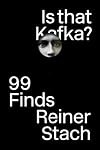
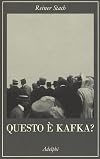
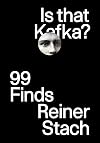
Is that Kafka?: 99 Finds
by Reiner Stach
On This Page
Description
This book, '¿Éste es Kafka? 99 Hallazgos' by Reiner Stach, offers a comprehensive exploration of the life and works of Franz Kafka, a pivotal figure in modern literature. Through 99 findings, the author delves into various aspects of Kafka's personal and professional life, shedding light on his complex personality, writing process, and the cultural and social environment that influenced his work. The book is intended for readers interested in Kafka's literary contributions and those show more seeking to understand the enigmatic nature of his narratives. Stach's work provides a nuanced portrayal of Kafka, challenging the simplistic view of him as merely a troubled artist. The book combines biographical insights with literary analysis, offering readers a deeper appreciation of Kafka's unique style and thematic preoccupations. show lessTags
Recommendations













Member Reviews
This remarkable little book is an outgrowth of Reiner Stach's magisterial, 3 volume biography of Franz Kafka. It present a more accurate picture of the man that one would ever imagine existed from his fiction, much less from the endless volumes of literary analyses. The Kafka that emerges turns out to be a real person, though a very odd one, and very far from the Kafka-esque version in the public imagination.
Stach has assembled 99 “Finds” – tidbits that collectively humanize Franz Kafka by offering glimpses into his life, his personality, his experiences. Each of the short pieces takes up 1 to 5 pages, and most are accompanied by photographs, excerpts from his sketches and handwriting. Many are extracts from his diaries, letters, show more or other writings, and from memoirs of those who knew him. Each is accompanied by Stach’s brief explanations of their context, significance, and meaning.
The tidbits are organized into 8 major categories, listed below with examples. The first is “Idiosyncrasies” (Kafka’s Diploma; Kafka Cheats on his Exams; Kafka’s Exercise Routine; Kafka Cannot Tell a Lie; Kafka’s Favorite Song; Kafka’s Only Enemy”). Next is “Emotions” (What Makes Kafka Cry; Kafka’s No Prude; Gone Whoring; Three Letters to his Father; Kafka Doesn’t Believe the Doctors), followed by “Reading and Writing” (Kafka’s Desk; The First Postcard; Kafka Writes a Poem and Likes it; Kafka Writes in Hebrew) and then “Slapstick” (Kafka Laughs at the President; Kafka is Afraid of Mice; An Attempt to Throw Kafka in the River). Next comes “Illusions” (Kafka Falls for an April Fool’s Joke; How Kafka Almost Won a Literary Prize; How Kafka and Brod Almost Became Millionaires), and Elsewhere (“A Cat Accident in Paris; Kafka Takes the Subway; Kafka Rides the Carousel) and “Reflections” (Kafka Gets Mail from a Reader; Frank and Milena; A Love Poem for Kafka). And finally, “The End” (The Final Letter; Kafka’s Wills; The Epitaph, Milena’s Obituary).
This book’s title is reprised in two of the tidbits – photographs of crowd scenes that include a figure that might be Franz Kafka. (In both cases, I am skeptical, and cannot see much resemblance; but who knows). But in reference to the book’s contents, Stach notes in the introduction: ” It would be trivial to say that all this was Kafka. Rather, the key thing… is that that we really can recognize him in all of these unassuming fragments. What, that’s Kafka? Yes, that’s him.” show less
Stach has assembled 99 “Finds” – tidbits that collectively humanize Franz Kafka by offering glimpses into his life, his personality, his experiences. Each of the short pieces takes up 1 to 5 pages, and most are accompanied by photographs, excerpts from his sketches and handwriting. Many are extracts from his diaries, letters, show more or other writings, and from memoirs of those who knew him. Each is accompanied by Stach’s brief explanations of their context, significance, and meaning.
The tidbits are organized into 8 major categories, listed below with examples. The first is “Idiosyncrasies” (Kafka’s Diploma; Kafka Cheats on his Exams; Kafka’s Exercise Routine; Kafka Cannot Tell a Lie; Kafka’s Favorite Song; Kafka’s Only Enemy”). Next is “Emotions” (What Makes Kafka Cry; Kafka’s No Prude; Gone Whoring; Three Letters to his Father; Kafka Doesn’t Believe the Doctors), followed by “Reading and Writing” (Kafka’s Desk; The First Postcard; Kafka Writes a Poem and Likes it; Kafka Writes in Hebrew) and then “Slapstick” (Kafka Laughs at the President; Kafka is Afraid of Mice; An Attempt to Throw Kafka in the River). Next comes “Illusions” (Kafka Falls for an April Fool’s Joke; How Kafka Almost Won a Literary Prize; How Kafka and Brod Almost Became Millionaires), and Elsewhere (“A Cat Accident in Paris; Kafka Takes the Subway; Kafka Rides the Carousel) and “Reflections” (Kafka Gets Mail from a Reader; Frank and Milena; A Love Poem for Kafka). And finally, “The End” (The Final Letter; Kafka’s Wills; The Epitaph, Milena’s Obituary).
This book’s title is reprised in two of the tidbits – photographs of crowd scenes that include a figure that might be Franz Kafka. (In both cases, I am skeptical, and cannot see much resemblance; but who knows). But in reference to the book’s contents, Stach notes in the introduction: ” It would be trivial to say that all this was Kafka. Rather, the key thing… is that that we really can recognize him in all of these unassuming fragments. What, that’s Kafka? Yes, that’s him.” show less
I really hope that coffee-table-books-about-modernist-writers becomes a profitable sub-genre, so I can go on reading pleasant books like this one. It's funny, touching, and wonderfully fanboyish; luckily, Stach knows everything (he wrote a three volume biography of Kafka, for goodness sake), so it's also informative and responsible. My only complaint is that quoted texts are presented in a sans-serif bold font. What the hell, typesetters?
Ninety-nine amusing and surprising stories about Kafka makes this collection a wonderful gift for Kafka enthusiasts who will, however, have heard a lot of them before. A German triumvirate has been mining all things Kafka for years, publishing every surviving scrap of paper, and every image remotely connected to the shy insurance clerk from Prague.
Quali lacci di scarpe usava Franzili? Quale tipo di carta preferiva?Portava anelli? E gli orologi? Di quale tipo, di quale marca? ... Dormiva sul fianco? Sulla schiena? [Sulla pancia non credo] .... Preferiva i cani o i gatti? Il latte lo beveva? La lana gli prudeva? Il suo sapone preferito? Il suo profumo? .... Come baciava? Era bravo a letto? ... Aveva un metabolismo lento o veloce? Che musica ascoltava? Quali film ha visto? ...Dove andava a passeggiare? Quanto spesso? E in bagno? Quante volte al giorno?.... Il 13 ottobre 1920 alle ore 12 dov'era? Che faceva?!?
99 weetjes, fragmenten (uit dagboeken, brieven, verhalen), anekdotes, 'tidbits' over en herinneringen aan leven en werk van Franz Kafka. Bevat veel, zoniet uitsluitend, informatie die ook elders te vinden is.
Aug 23, 2019Dutch
Ratings
Members
- Recently Added By
Lists

Non-fiction
55 works; 1 member

Books Cited in Wasteland by W. Scott Poole
120 works; 1 member
Author Information

17+ Works 796 Members
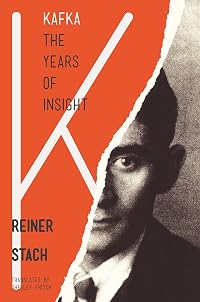
Reiner Stach worked extensively on the definitive edition of Kafka's collected works before embarking on this three-volume biography. The third volume, Kafka: The Years of Insight (Princeton), covering Kafka's final years, is also available. The first volume, covering Kafka's childhood and youth, is forthcoming.
Some Editions
Awards and Honors
Notable Lists
Common Knowledge
- Original title
- Ist das Kafka?
- Original publication date
- 2016 (English translation) (English translation); 2012
- People/Characters
- Franz Kafka
Classifications
- Genres
- Literature Studies and Criticism, Biography & Memoir, Nonfiction, Fiction and Literature
- DDC/MDS
- 833.912 — Literature & rhetoric German & related literatures German fiction 1900- 1900-1990 1900-1945
- LCC
- PT2621 .A26 .Z88313 — Language and Literature German, Dutch and Scandinavian literatures German literature Individual authors or works 1860/70-1960
- BISAC
Statistics
- Members
- 110
- Popularity
- 295,446
- Reviews
- 5
- Rating
- (4.16)
- Languages
- English, German, Italian, Spanish
- Media
- Paper, Ebook
- ISBNs
- 9
- ASINs
- 5