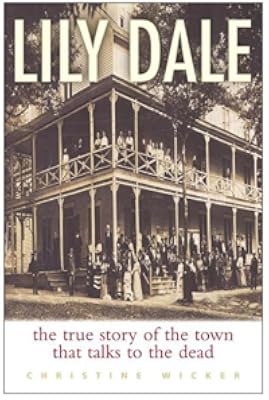
Lily Dale: The True Story of the Town that Talks to the Dead
by Christine Wicker
On This Page
Description
In Lily Dale, New York, the dead don't die. Instead, they flit among the elms and stroll along the streets. According to spiritualists who have ruled this community for five generations, the spirits never go away--and they stay anything but quiet. Every summer twenty thousand guests come to consult the town's mediums in hopes of communicating with dead relatives or catching a glimpse of the future. Weaving past with present, the living with the dead, award-winning journalist and bestselling show more author Christine Wicker investigates the longings for love and connection that draw visitors to "the Dale," introducing us to a colorful cast of characters along the way--including such famous visitors as Susan B. Anthony, Harry Houdini, and Mae West. Laugh-out-loud funny at times, this honest portrayal shows us that ultimately it doesn't matter what we believe; it is belief itself that can transform us all. show lessTags
Recommendations



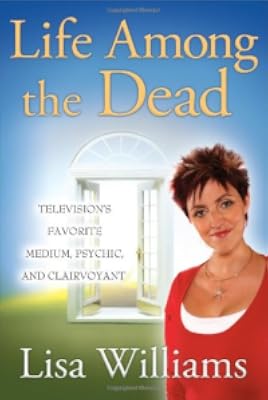
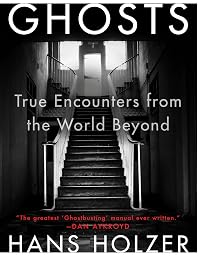


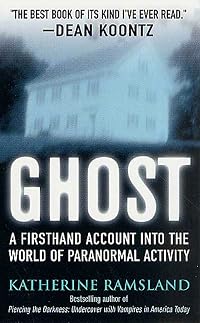

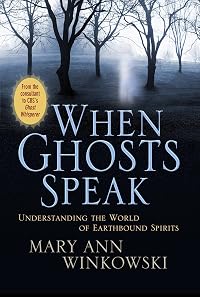


Member Recommendations

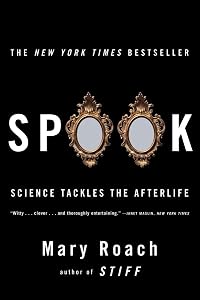
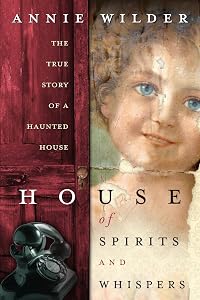
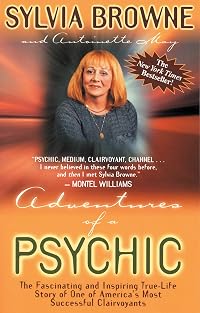
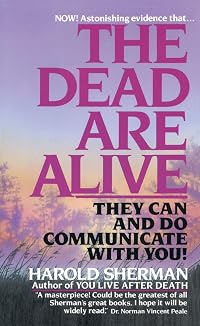
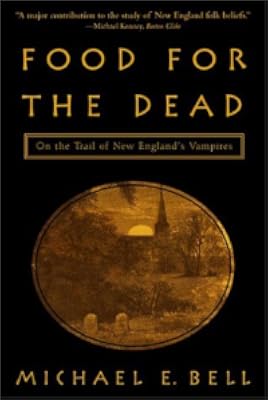
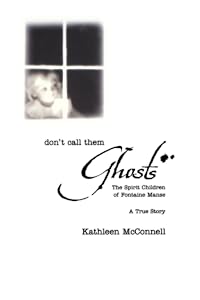
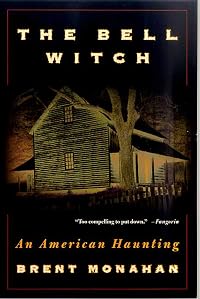
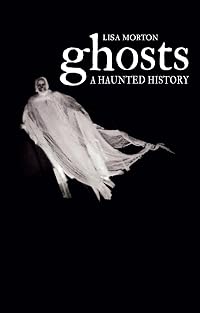
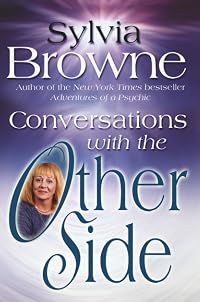
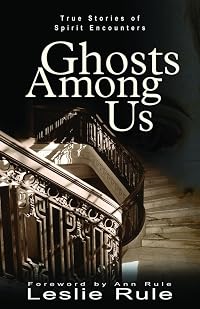
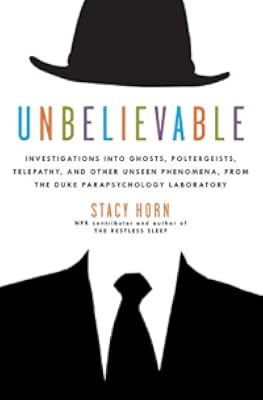
PuddinTame Wendy Corsi Staub wrote two mystery series set in Lily Dale, beginning with Lily Dale: Awakening, a young adult, and Nine Lives, and adult cosy. Christine Wicker's book Lily Dale is a non-fiction account of her trip there.
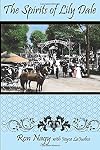
PuddinTame Christine Wicker's book is an account of her trip to the town. The Spirits of Lily Dale is a collection of photographs assembled by a historian and museum curator living in Lily Dale.
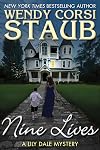
PuddinTame Wendy Corsi Staub wrote two mystery series set in Lily Dale, beginning with Lily Dale: Awakening, a young adult, and Nine Lives, and adult cosy. Christine Wicker's book Lily Dale is a non-fiction account of her trip there.
Member Reviews
There is a small town in western New York where spiritualists gather each summer to communicate with the dead. They have been doing this for well over a century. Just driving through the town, as I once did, can be a bit spooky, although that may have been my imagination.
Christine Wicker was a religion reporter for the Dallas Morning News when she first visited Lily Dale. She ended up returning summer after summer, getting to know many of the spiritualists who live there or visit there. The result was her 2003 book “Lily Dale: The True Story of the Town that Talks to the Dead.”
Many well-known people have visited Lily Dale over the years, from Mae West (a believer) to Harry Houdini (a doubter). Wicker first went to Lily Dale as a show more doubter, then found herself shifting back and forth from one camp to the other. She calls it "the Lily Dale bounce." Something strange happens that makes you think spirits may actually be communicating with living people, but then something happens (or doesn't happen) that makes you think the whole thing is hooey.
Wicker bounces back and forth throughout her book. Training to become a medium herself, she discovers she has a gift for reading the pasts of other people, a gift that leaves her when she leaves Lily Dale. She sees tables dance and mediums say amazing things that have no logical explanation, while she finds that so much of what these mediums say is utter foolishness.
Even the mediums themselves doubt much of what they hear in Lily Dale. They themselves are skeptics, she finds, and they take swift action against obvious frauds.
Wicker comes to like these people. She believes that they believe. And sometimes, she admits, she does, too.
Reading Wicker's book makes me wish I had stopped on my way through Lily Dale and had a conversation or two — preferably with the living. show less
Christine Wicker was a religion reporter for the Dallas Morning News when she first visited Lily Dale. She ended up returning summer after summer, getting to know many of the spiritualists who live there or visit there. The result was her 2003 book “Lily Dale: The True Story of the Town that Talks to the Dead.”
Many well-known people have visited Lily Dale over the years, from Mae West (a believer) to Harry Houdini (a doubter). Wicker first went to Lily Dale as a show more doubter, then found herself shifting back and forth from one camp to the other. She calls it "the Lily Dale bounce." Something strange happens that makes you think spirits may actually be communicating with living people, but then something happens (or doesn't happen) that makes you think the whole thing is hooey.
Wicker bounces back and forth throughout her book. Training to become a medium herself, she discovers she has a gift for reading the pasts of other people, a gift that leaves her when she leaves Lily Dale. She sees tables dance and mediums say amazing things that have no logical explanation, while she finds that so much of what these mediums say is utter foolishness.
Even the mediums themselves doubt much of what they hear in Lily Dale. They themselves are skeptics, she finds, and they take swift action against obvious frauds.
Wicker comes to like these people. She believes that they believe. And sometimes, she admits, she does, too.
Reading Wicker's book makes me wish I had stopped on my way through Lily Dale and had a conversation or two — preferably with the living. show less
If ever there was a religion or belief system that I really wanted to believe was real, it's Spiritualism. When your loved ones die, they stick around and help you out. If not your loved ones, then spiritual beings from another dimension or something can help you. They leave you presents and help you get parking spaces.
In this book, the author travels to Lily Dale, New York, several times and gets to know the mediums and other residents who live and work there. She participates in the touristy activities--getting readings, going to group meetings--but she also goes behind the scenes and gets to know the characters in the town. She starts the book as a skeptic, and she basically ends as a skeptic too. But in between, she questions both show more her pre-conceived ideas and what she learns from the mediums.
The author presents the characters as real people that you could imagine knowing, or maybe you do know. And you really want them to be right. They even admit to faking experiences some times to play to their paying crowd, and you still want them to be right. Because what happy and magical lives they lead! What confidence they have in themselves and their own lives! How wonderful life would be if this was all true!
As I mentioned, the author stays a skeptic, but she comes away with more questions than answers. I found this refreshing. The mediums seem to live in a grey zone between the cold hard facts of reality and the magical world of "well, maybe." And it's not hurting anyone--in fact, a case could be made for this kind of thinking improving a lot of lives, I think--so why not go for it? If you get a good parking spot, you acknowledge and appreciate it and thank some spiritual being for picking it out for you. And if you don’t get the good parking spot, you shrug and determine that your spiritual guide wanted you to walk farther that day for some reason that's not yet clear to you. What's the downside of this, especially in terms of mental and emotional health?
Probably, there are some, and the author certainly struggles with the idea that people should just do what they want to do all the time, knowing that the universe will keep everything on track. But by the end of the book, even if you don't believe, you're left wanting to. show less
In this book, the author travels to Lily Dale, New York, several times and gets to know the mediums and other residents who live and work there. She participates in the touristy activities--getting readings, going to group meetings--but she also goes behind the scenes and gets to know the characters in the town. She starts the book as a skeptic, and she basically ends as a skeptic too. But in between, she questions both show more her pre-conceived ideas and what she learns from the mediums.
The author presents the characters as real people that you could imagine knowing, or maybe you do know. And you really want them to be right. They even admit to faking experiences some times to play to their paying crowd, and you still want them to be right. Because what happy and magical lives they lead! What confidence they have in themselves and their own lives! How wonderful life would be if this was all true!
As I mentioned, the author stays a skeptic, but she comes away with more questions than answers. I found this refreshing. The mediums seem to live in a grey zone between the cold hard facts of reality and the magical world of "well, maybe." And it's not hurting anyone--in fact, a case could be made for this kind of thinking improving a lot of lives, I think--so why not go for it? If you get a good parking spot, you acknowledge and appreciate it and thank some spiritual being for picking it out for you. And if you don’t get the good parking spot, you shrug and determine that your spiritual guide wanted you to walk farther that day for some reason that's not yet clear to you. What's the downside of this, especially in terms of mental and emotional health?
Probably, there are some, and the author certainly struggles with the idea that people should just do what they want to do all the time, knowing that the universe will keep everything on track. But by the end of the book, even if you don't believe, you're left wanting to. show less
Lily Dale: The Town that Talks to the Dead wasn't quite what I expected (which isn't necessarily a bad thing). As the author is a former journalist, I expected heaping loads of skepticism.There was a fair amount but there were also fleeting moments of unchecked belief. More questions were raised than actually answered which I believe is the point. Spiritualism (the main topic of this book besides the town itself) can not be definitively proven (what religion can beyond a shadow of a doubt? that's why faith exists...) and yet the people in this town have an unshakable belief. While immersing herself in their customs, Wicker observed and participated in events that she could not explain through rational means. Was this spirits show more communicating beyond the grave? Were these people really capable of reading a person's future? Is it all a big crock of bull? Or is there something else going on here? If you're intrigued by the supernatural and/or want to learn more about a religion that has been popular since the 1800s then this is probably the book for you. show less
Towards the end of this book, it becomes less a series of character sketches and more of a memoir, which I enjoyed more than the earlier, dry and impartial, segments.
I could relate to the author's back-and-forth self-talk as her intellect struggled to interpret some of her observations and experiences. She never comes down hard one way or another; she does an excellent job of leaving nearly everything open for the reader's own intellect to grapple with the stories she's told. Reading about her experiences invited me to go back and ponder some experiences of my own. I like it when books do that.
I got this book as a gift for a friend who likes ghostie things. Now having read it, I really can't say for sure whether or not it will appeal show more to her. It really isn't about ghostie things at all; but I am rather glad to have read it, myself. show less
I could relate to the author's back-and-forth self-talk as her intellect struggled to interpret some of her observations and experiences. She never comes down hard one way or another; she does an excellent job of leaving nearly everything open for the reader's own intellect to grapple with the stories she's told. Reading about her experiences invited me to go back and ponder some experiences of my own. I like it when books do that.
I got this book as a gift for a friend who likes ghostie things. Now having read it, I really can't say for sure whether or not it will appeal show more to her. It really isn't about ghostie things at all; but I am rather glad to have read it, myself. show less
Towards the end of this book, it becomes less a series of character sketches and more of a memoir, which I enjoyed more than the earlier, dry and impartial, segments.
I could relate to the author's back-and-forth self-talk as her intellect struggled to interpret some of her observations and experiences. She never comes down hard one way or another; she does an excellent job of leaving nearly everything open for the reader's own intellect to grapple with the stories she's told. Reading about her experiences invited me to go back and ponder some experiences of my own. I like it when books do that.
I got this book as a gift for a friend who likes ghostie things. Now having read it, I really can't say for sure whether or not it will appeal show more to her. It really isn't about ghostie things at all; but I am rather glad to have read it, myself. show less
I could relate to the author's back-and-forth self-talk as her intellect struggled to interpret some of her observations and experiences. She never comes down hard one way or another; she does an excellent job of leaving nearly everything open for the reader's own intellect to grapple with the stories she's told. Reading about her experiences invited me to go back and ponder some experiences of my own. I like it when books do that.
I got this book as a gift for a friend who likes ghostie things. Now having read it, I really can't say for sure whether or not it will appeal show more to her. It really isn't about ghostie things at all; but I am rather glad to have read it, myself. show less
I actually heard of Lily Dale through an old episode of the television show “Supernatural.” A psychics and mediums-themed town sounded quirky and interesting – sort of like Colonial Williamsburg or Gatlinburg, but …. Different! Also, I have books on the supernatural-related investigations of William James and the Spiritualist beliefs of Arthur Conan Doyle in my TBR stacks, and Lily Dale, founded during the same period in which these men were actively working in the Spiritualist movement, seemed like it might offer another angle into the subject.
There was a community near the town where I went to college in Florida called Cassadaga which was known for psychics, and I was never curious enough about it to visit, but now that I’m show more older (much older) I’ve developed more of an interest in the variety of things people believe and why they believe them. (Incidentally, I was interested to learn that the Florida “Cassadaga” takes its name from a lake in Lily Dale. Apparently George P. Colby, a New York medium, spent time at spiritualist meetings in Lily Dale and was instructed by his spirit guide to go to Florida and start a new spiritualist camp, which he actually did in 1895.) Raised an atheist, I'd have scoffed at spiritualist claims in my college days, and even having converted to Christianity (though many in the corner of the Appalachians where I currently live would argue the distinction between Episcopalians and atheists) I don't find them plausible, but I'm curious anyway. Christine Wicker, a journalist for the Dallas Morning News at the time she wrote this book, seemed to me a promising author for a critical but open-minded book on the subject.
While Wicker does consider the claims of Lily Dale with a reasonable objective attitude, I was disappointed with the book. My two major complaints are the book's disjointed organization and its emphasis on the warm and encouraging women Wicker spends time with rather than on “the true story of the town that talks to the dead,” which is the book's subtitle. The book's structure is a needless series of starts and abrupt stops – reading it feels like driving a car with a failing transmission. Descriptive passages, personal narrative, snippets of human interest stories, a little historical bit, then repeat. She has several women whose stories she tells over the course of the book, but they are so chopped up (the stories, not the women) that I never came to care about them. The same thing went for the residents of the town – there were too many of them, and they were either “loving earth mothers” or “cryptic teachers,” and they tended to run together for me. I enjoyed the historical sections, but they are short and scarce. There is a great deal about the ways women empower each other, through positive affirmations (“you are amazing and are doing everything right” sort of thing) and through descriptions of the way spirits are visiting and supporting the living (“your dead loved one is happy” and “you have ___ and ___ spirits with you, guiding and protecting you”). Wicker spends a disconcerting amount of time on her own personal history, issues, and feelings, and the ways that the women of Lily Dale make her feel strengthened and so on. She repeatedly claims to be skeptical, and at the same time talks about how imagining that the spirits really are with her, in a good way, is helping her. This would be fine – if she gave no credence to the claims of the Lily Dale practitioners, after all, the story would be merely a dull expose – but there is just too little about Lily Dale, or at least, about the aspects I would find interesting, and too much warm and fuzziness.
One other thing that disappointed me was the scarcity of material on the “theology” of spiritualism. She does explain that it's a fairly freewheeling system, but a little more information than she provides about typical beliefs within the movement would have been nice. Finally, I'd have liked more on the history of the town and how it fit in with the rest of the Chautauqua movement, with its focus on freethinking ideas, lectures, and entertainment.
I was also reading Doris Kearns Goodwin's The Bully Pulpit, about the Progressive movement during the presidencies of Theodore Roosevelt and William Howard Taft, at the time I read Lily Dale, and I was struck by the optimism shown in both movements, Progressivism and Spiritualism, about the possibility of human improvement. In that period, at the very end of the 19th and the beginning of the 20th century, the willingness of many people to explore new ways of believing and organizing society seems to me rather brave and endearing, despite the fact that this openness often led to fraud and failure. This positive attitude, and the willingness to accept a large portion of error and fakery, is what, in the end, also seems to impress Wicker about the community of Lily Dale. I appreciated her conclusion, in which she notes that the essence of Lily Dale is people finding meaning in their lives in a way that works for them.
This earns 2 ½ stars, and I would recommend it for readers with an interest in the subject and a very high tolerance for rambling narrations and anecdotes about female empowerment. show less
There was a community near the town where I went to college in Florida called Cassadaga which was known for psychics, and I was never curious enough about it to visit, but now that I’m show more older (much older) I’ve developed more of an interest in the variety of things people believe and why they believe them. (Incidentally, I was interested to learn that the Florida “Cassadaga” takes its name from a lake in Lily Dale. Apparently George P. Colby, a New York medium, spent time at spiritualist meetings in Lily Dale and was instructed by his spirit guide to go to Florida and start a new spiritualist camp, which he actually did in 1895.) Raised an atheist, I'd have scoffed at spiritualist claims in my college days, and even having converted to Christianity (though many in the corner of the Appalachians where I currently live would argue the distinction between Episcopalians and atheists) I don't find them plausible, but I'm curious anyway. Christine Wicker, a journalist for the Dallas Morning News at the time she wrote this book, seemed to me a promising author for a critical but open-minded book on the subject.
While Wicker does consider the claims of Lily Dale with a reasonable objective attitude, I was disappointed with the book. My two major complaints are the book's disjointed organization and its emphasis on the warm and encouraging women Wicker spends time with rather than on “the true story of the town that talks to the dead,” which is the book's subtitle. The book's structure is a needless series of starts and abrupt stops – reading it feels like driving a car with a failing transmission. Descriptive passages, personal narrative, snippets of human interest stories, a little historical bit, then repeat. She has several women whose stories she tells over the course of the book, but they are so chopped up (the stories, not the women) that I never came to care about them. The same thing went for the residents of the town – there were too many of them, and they were either “loving earth mothers” or “cryptic teachers,” and they tended to run together for me. I enjoyed the historical sections, but they are short and scarce. There is a great deal about the ways women empower each other, through positive affirmations (“you are amazing and are doing everything right” sort of thing) and through descriptions of the way spirits are visiting and supporting the living (“your dead loved one is happy” and “you have ___ and ___ spirits with you, guiding and protecting you”). Wicker spends a disconcerting amount of time on her own personal history, issues, and feelings, and the ways that the women of Lily Dale make her feel strengthened and so on. She repeatedly claims to be skeptical, and at the same time talks about how imagining that the spirits really are with her, in a good way, is helping her. This would be fine – if she gave no credence to the claims of the Lily Dale practitioners, after all, the story would be merely a dull expose – but there is just too little about Lily Dale, or at least, about the aspects I would find interesting, and too much warm and fuzziness.
One other thing that disappointed me was the scarcity of material on the “theology” of spiritualism. She does explain that it's a fairly freewheeling system, but a little more information than she provides about typical beliefs within the movement would have been nice. Finally, I'd have liked more on the history of the town and how it fit in with the rest of the Chautauqua movement, with its focus on freethinking ideas, lectures, and entertainment.
I was also reading Doris Kearns Goodwin's The Bully Pulpit, about the Progressive movement during the presidencies of Theodore Roosevelt and William Howard Taft, at the time I read Lily Dale, and I was struck by the optimism shown in both movements, Progressivism and Spiritualism, about the possibility of human improvement. In that period, at the very end of the 19th and the beginning of the 20th century, the willingness of many people to explore new ways of believing and organizing society seems to me rather brave and endearing, despite the fact that this openness often led to fraud and failure. This positive attitude, and the willingness to accept a large portion of error and fakery, is what, in the end, also seems to impress Wicker about the community of Lily Dale. I appreciated her conclusion, in which she notes that the essence of Lily Dale is people finding meaning in their lives in a way that works for them.
”The mediums and their clients work together. They may or may not bring in spirit helpers. I'm not sure it matters whether we agree on that. What does matter is that human beings make meaning out of their experiences. They pull purpose and direction out of their lives. Maybe that universal human tendency is based on delusion; maybe it's based on a deeper wisdom than our conscious minds understand. Maybe other people tap into those unconscious streams to help. Maybe a host of spirits and extrasensory perceptions help too....
I learned long ago that spiritual growth is about walking into mystery. It's about confronting the paradox at the heart of every answer. Are the mediums right? Yes. Are the mediums wrong? Yes. After Chapman didn't show up in the psychomanteum, Shelley recommitted herself to living with doubt. She began to say that everything was explainable except 2 percent, and even that fraction wasn't necessarily transcendent. It just held out the possibility. Living between belief and disbelief was a comfortable place to her. Maybe that tension gives us the best place for understanding the true nature of reality, the best place for new surprises and discoveries, even the best place for spiritual growth.”
This earns 2 ½ stars, and I would recommend it for readers with an interest in the subject and a very high tolerance for rambling narrations and anecdotes about female empowerment. show less
I love this book! It is a story of the town of Lily Dale, its history, its inhabitants and even some of its visitors. It is compelling and honest. Each character is explained and discussed in such a way, that one feels that they could walk into the town, and simply walk up to folks and know them!
I have wanted to visit Lily Dale for many years, but have so far not had the opportunity, After reading this book, I feel that I have managed a visit . I know for certain that I have learned much more than I ever could on my own about the mediums and townsfolk. I strongly recommend Lily Dale to any one who is interested in Spiritualism, psychic mediums, or what we find when we cross over.
I have wanted to visit Lily Dale for many years, but have so far not had the opportunity, After reading this book, I feel that I have managed a visit . I know for certain that I have learned much more than I ever could on my own about the mediums and townsfolk. I strongly recommend Lily Dale to any one who is interested in Spiritualism, psychic mediums, or what we find when we cross over.
Members
- Recently Added By
Author Information
7 Works 836 Members
Some Editions
Common Knowledge
- Original publication date
- 2003
- People/Characters
- Christine Wicker; Shelley Takai; Lynn Mahaffey; Martie Hughes; Shirley Lee Calkins; Gretchen Clark Lazarony (show all 10); Patricia Price; Anne Gehman; Greg Kehn; Jack Kelly
- Important places
- Lily Dale, New York, USA
- Dedication
- To Philip, my own blithe spirit
- First words
- Lily Dale is sixty miles south of Buffalo, tucked off the side road of a side road to Interstate 90.
- Last words
- (Click to show. Warning: May contain spoilers.)"Angels have charge over you," they chorused. "Angels, angels, angels go with you."
- Publisher's editor
- Perle, Liz; Weil, Gideon
Classifications
Statistics
- Members
- 414
- Popularity
- 74,750
- Reviews
- 11
- Rating
- (3.72)
- Languages
- English
- Media
- Paper, Ebook
- ISBNs
- 5
- ASINs
- 3