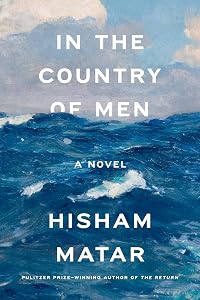
In the Country of Men
by Hisham Matar
On This Page
Description
Libya, 1979. Nine-year-old Suleiman's days are circumscribed by the narrow rituals of childhood: outings to the ruins surrounding Tripoli, games with friends played under the burning sun, exotic gifts from his father's constant business trips abroad. But his nights have come to revolve around his mother's increasingly disturbing bedside stories full of old family bitterness. And then one day Suleiman sees his father across the square of a busy marketplace, his face wrapped in a pair of dark show more sunglasses. Wasn't he supposed to be away on business yet again? Why is he going into that strange building with the green shutters? Why did he lie? Suleiman is soon caught up in a world he cannot hope to understand-where the sound of the telephone ringing becomes a portent of grave danger; where his mother frantically burns his father's cherished books; where a stranger full of sinister questions sits outside in a parked car all day; where his best friend's father can disappear overnight, next to be seen publicly interrogated on state television. In the Country of Men is a stunning depiction of a child confronted with the private fallout of a public nightmare. But above all, it is a debut of rare insight and literary grace. show lessTags
Recommendations



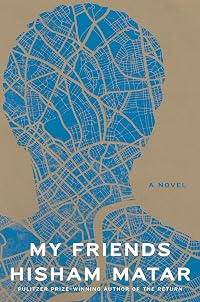
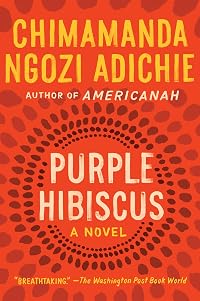
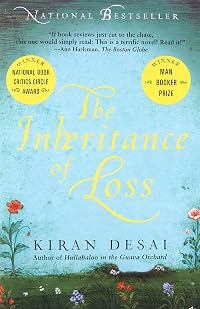
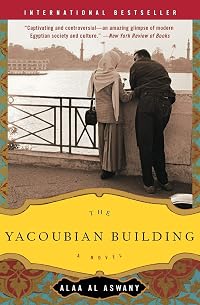





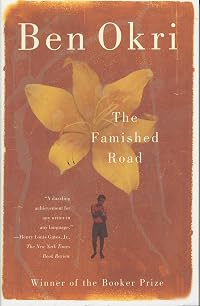
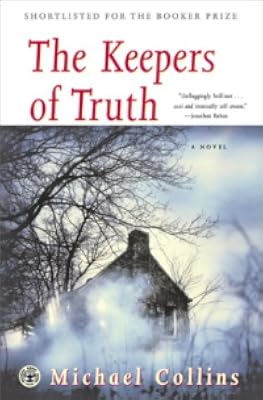

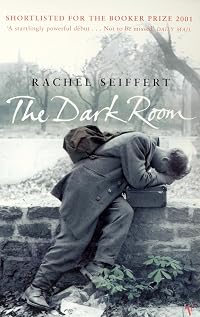
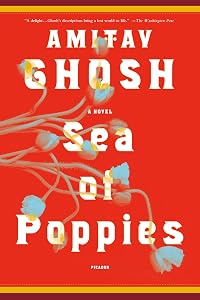


Member Recommendations
Member Reviews
Suleiman, a nine-year-old boy in Libya is ignorant of the threat brought about by the new regime of Muammar Gaddafi. He unwittingly supplies information to the secret police who are watching his home for the father they suspect of being a subversive. Matar has created an outstanding story from a difficult, brutal era in Libya, an era to which he was personally exposed. His writing is beautiful, as is apparent in the scene where the boy is feasting on mulberries, as well as the execution scene that is televised and with every minute detail noticed by the audience. This is a profound story that the reader will remember long after closing the book.
"Children aren't supposed to know these things", 2 Aug. 2015
This review is from: In the Country of Men by Matar, Hisham (2006) Hardcover (Hardcover)
Tense and gripping narrative by a Libyan man as he recalls his nine-year old self in Tripoli, 1979, "that last summer before I was sent away." He vividly conjures up a sense of place: the heat, the Mediterranean, the street he lives in. But this is the era of repression under Gadaafi, and young Suleiman's wealthy businessman father is involved in the resistance.
He is aware - but not fully comprehending - of people being 'taken away', tapped phone calls, televised interrogations and hangings, the home being under constant surveillance; and of the effect this is having on his mother, who show more mysteriously becomes 'ill' whenever his father is away (we soon learn this is thanks to alcohol which she procures illegally.)
The world around him, the half-truths with which adults try to shield him from the reality, starts to brutalize the child too...
A powerful read. show less
This review is from: In the Country of Men by Matar, Hisham (2006) Hardcover (Hardcover)
Tense and gripping narrative by a Libyan man as he recalls his nine-year old self in Tripoli, 1979, "that last summer before I was sent away." He vividly conjures up a sense of place: the heat, the Mediterranean, the street he lives in. But this is the era of repression under Gadaafi, and young Suleiman's wealthy businessman father is involved in the resistance.
He is aware - but not fully comprehending - of people being 'taken away', tapped phone calls, televised interrogations and hangings, the home being under constant surveillance; and of the effect this is having on his mother, who show more mysteriously becomes 'ill' whenever his father is away (we soon learn this is thanks to alcohol which she procures illegally.)
The world around him, the half-truths with which adults try to shield him from the reality, starts to brutalize the child too...
A powerful read. show less
In 1979, the protagonist of In the Country of Men, Suleiman, was nine years old. I had just turned ten. This colored my reading of this book because I remember Qaddafi, or at least the news reports and talk about him, and I couldn’t help but compare what I knew with what Suleiman experienced, and what neither of us really understood. Suleiman’s world is frightening and confusing. He navigates childhood with its ever-changing allegiances and hidden traps and he’s also forced to make his way through levels of adult worlds, the first, that of his mother’s “illness,” the second the political climate of Libya under Qaddafi.
From the moment we meet Suleiman we know nothing is okay. The first sentence of the book says this is a show more tale of the summer before he “was sent away” (1). Immediately things are tentative, sliding out of his reach and of ours. The next thing we find out is about his mother’s illness and how his father is unaware of it, “she only fell ill when he was away on business” (2). To a child, that’s a scary coincidence, but to an adult reader that’s deliberate, a sign of something his mother is hiding from his father but that she can’t hide from her child. Alcoholism was my first thought, and I was not wrong. This forces Suleiman to act as her caretaker during her illnesses, staying awake to make sure she doesn’t set a fire by falling asleep (passing out) while smoking, then, childlike, taking advantage of her guilt the next day and getting treats and a special lunch.
Suleiman describes his mother as dealing with “a world full of men and the greed of men” (4). In describing her youth, his mother says of the agreement between her father and her husband-to-be that word had been given and received, “men’s words that could never be taken back or exchanged” (174). This is the world in which they both live, where the words and the power belong only to men and Suleiman and his mother are dragged along as if caught in the currents of those words. It’s no wonder that his mother clings to the story of Scheherezade even as she hates it. Scheherezade is a woman who used her own words to survive in man’s world and at the end of the stories used what little power she had gained to ask to live for her sons’ sake. Part of that, I think, is self-hatred, because she feels trapped in her own marriage because of the son she never wanted to have, the one she now cares for more than almost anything.
Suleiman’s father is a bit of a mystery in the book, as fathers so often are to their young children. He is “Baba” and that is his role and his name. Suleiman sees him as powerful, a man in a man’s world, typing out and reading his words, words that tie him to the other men in power. What Suleiman can’t see, and what his mother seems to, is that other men depend on his father’s words also, or at least his willingness to write them, and that his father’s words are not always his own. “Your father feels nothing when he’s reading,” she says, “He loves his books more than anything else. One day they’ll come to burn them and us with them” (98). When Mama and Moosa burn Baba’s books to hide them from the Revolutionary Committee, Suleiman is angry and saves one, thinking his father would want it. He doesn’t yet understand that not all man’s words are welcome in man’s world. Only those that are approved.
Their neighbor, and Baba’s close friend, Ustath Rashid is arrested. Suleiman sees him on television being asked to confess, the screen goes dark at a time when it is hinted that Rashid is being tortured. Much later in the book we see a televised “trial” ending in the hanging of Rashid. It takes place at a sports arena and is cheered on by “fans.” Mama says the next morning that instead of begging, “he should have said something” (189). Her belief in men’s words seems intact, but how can it be with her own husband arrested and possibly facing this same sort of trial. It’s interesting that when she went to speak to the local party representative about freeing her husband it was she and his wife who did most of the talking, and it’s his wife who comes over not long after the trial to give her the good news that her husband can be released.
At the end of that summer, Suleiman is sent away, as he told us he would be on the first page. No one’s words are enough to save him in Libya, so he is sent to live with Moosa’s father in Cairo, where he grows and seems happy. Suleiman becomes a pharmacist and is “fully aware” that this choice is inspired by his mother and her “illness.” After years of not speaking to her, and after his father’s death, his mother is finally able to visit him in Cairo. One of the last things we hear him say is “Mama.” Though it is a country of men and it is men’s words that have the power, it is his mother, no more than a woman, who inspired him most. show less
From the moment we meet Suleiman we know nothing is okay. The first sentence of the book says this is a show more tale of the summer before he “was sent away” (1). Immediately things are tentative, sliding out of his reach and of ours. The next thing we find out is about his mother’s illness and how his father is unaware of it, “she only fell ill when he was away on business” (2). To a child, that’s a scary coincidence, but to an adult reader that’s deliberate, a sign of something his mother is hiding from his father but that she can’t hide from her child. Alcoholism was my first thought, and I was not wrong. This forces Suleiman to act as her caretaker during her illnesses, staying awake to make sure she doesn’t set a fire by falling asleep (passing out) while smoking, then, childlike, taking advantage of her guilt the next day and getting treats and a special lunch.
Suleiman describes his mother as dealing with “a world full of men and the greed of men” (4). In describing her youth, his mother says of the agreement between her father and her husband-to-be that word had been given and received, “men’s words that could never be taken back or exchanged” (174). This is the world in which they both live, where the words and the power belong only to men and Suleiman and his mother are dragged along as if caught in the currents of those words. It’s no wonder that his mother clings to the story of Scheherezade even as she hates it. Scheherezade is a woman who used her own words to survive in man’s world and at the end of the stories used what little power she had gained to ask to live for her sons’ sake. Part of that, I think, is self-hatred, because she feels trapped in her own marriage because of the son she never wanted to have, the one she now cares for more than almost anything.
Suleiman’s father is a bit of a mystery in the book, as fathers so often are to their young children. He is “Baba” and that is his role and his name. Suleiman sees him as powerful, a man in a man’s world, typing out and reading his words, words that tie him to the other men in power. What Suleiman can’t see, and what his mother seems to, is that other men depend on his father’s words also, or at least his willingness to write them, and that his father’s words are not always his own. “Your father feels nothing when he’s reading,” she says, “He loves his books more than anything else. One day they’ll come to burn them and us with them” (98). When Mama and Moosa burn Baba’s books to hide them from the Revolutionary Committee, Suleiman is angry and saves one, thinking his father would want it. He doesn’t yet understand that not all man’s words are welcome in man’s world. Only those that are approved.
Their neighbor, and Baba’s close friend, Ustath Rashid is arrested. Suleiman sees him on television being asked to confess, the screen goes dark at a time when it is hinted that Rashid is being tortured. Much later in the book we see a televised “trial” ending in the hanging of Rashid. It takes place at a sports arena and is cheered on by “fans.” Mama says the next morning that instead of begging, “he should have said something” (189). Her belief in men’s words seems intact, but how can it be with her own husband arrested and possibly facing this same sort of trial. It’s interesting that when she went to speak to the local party representative about freeing her husband it was she and his wife who did most of the talking, and it’s his wife who comes over not long after the trial to give her the good news that her husband can be released.
At the end of that summer, Suleiman is sent away, as he told us he would be on the first page. No one’s words are enough to save him in Libya, so he is sent to live with Moosa’s father in Cairo, where he grows and seems happy. Suleiman becomes a pharmacist and is “fully aware” that this choice is inspired by his mother and her “illness.” After years of not speaking to her, and after his father’s death, his mother is finally able to visit him in Cairo. One of the last things we hear him say is “Mama.” Though it is a country of men and it is men’s words that have the power, it is his mother, no more than a woman, who inspired him most. show less
Suleiman, an only child, remembers the events from the summer of 1979 in Libya when everything changed for his family. Suleiman, affectionately known as Slooma, was nine years old that summer – old enough to know that something was wrong, but not old enough to understand what was happening. Slooma's father held the wrong political views, which didn't bode well for his health or longevity under the Qaddafi regime. Slooma's mother was often “ill” when his father was away. While “ill”, she would confide her resentment of her early forced marriage to her son, adding a weight of responsibility too heavy for a 9-year-old to bear. When the adults in his life fail to explain what is happening to Slooma, he draws his own conclusions, show more some of which have disastrous consequences.
While the culture and setting will be unfamiliar to many readers, Slooma's dysfunctional family situation will be all too familiar for some. Slooma's fears, the responsibility he feels for taking care of his mother during her bouts of “illness”, and his exposure to violence eventually affect his behavior. I alternated between sympathy and revulsion as Slooma began to act cruelly toward those who were weaker than he was. I think the fact that he manages to portray Slooma as both a victim and, more subtly, as an abuser says something about Matar's skill as a writer. show less
While the culture and setting will be unfamiliar to many readers, Slooma's dysfunctional family situation will be all too familiar for some. Slooma's fears, the responsibility he feels for taking care of his mother during her bouts of “illness”, and his exposure to violence eventually affect his behavior. I alternated between sympathy and revulsion as Slooma began to act cruelly toward those who were weaker than he was. I think the fact that he manages to portray Slooma as both a victim and, more subtly, as an abuser says something about Matar's skill as a writer. show less
That visit has remained with me ever since. Whenever I am faced with someone who holds the strings of my fate – an immigration officer, a professor – I can feel the distant reverberations from that day, my inauguration into the dark art of submission. Perhaps this is why I often find a shameful pleasure in submitting to authority. … And this is also why, when I finally think I have gained the pleasure of authority, a sense of self-loathing rises to clasp me by the throat. I have always been able to imagine being unjustifiably hated. (p. 159)
When his father disappears one day in 1979, nine-year-old Suleiman’s life is forever changed. Just a short time before, the same thing happened to his best friend Kareem’s father. Instead show more of spending long happy summer days playing with neighborhood boys, Suleiman tries to make sense of his world. He acts out his emotions and uncertainty, turning on Kareem instead of offering support.
Under the Qaddafi regime, Libya had become a place where dissent was dangerous. Counter-revolutionaries were rounded up for interrogation; some never returned. Suleiman’s mother Najwa tells him Baba is on a business trip, and consoles herself with “medicine” (alcohol, obtained illegally). She has her own demons, having been forced by her family to marry when she was just 14. To protect Baba from investigators, Najwa and a family friend Moosa burn his books and papers. But Suleiman nearly gets caught in the web when a strange man begins asking him questions about Baba and his associates. In one of the more horrifying scenes Suleiman, Najwa, and Moosa watch a public execution on television. At the end, the TV broadcast returned to images of flowers and nationalistic music. And life went on.
Suleiman grew into a man, but one with emotional scars that would never heal. Hisham Matar writes convincingly, and from direct experience: his own father disappeared many years ago, and to this day Matar doesn’t know what happened to him. When he describes the televised execution’s impact on Suleiman, you know he’s also talking about himself:
Something was absent in the stadium, something that could no longer be relied on. Apart from making me lose trust in the assumption that “good things happen to good people,” the televised execution … would leave another, more lasting impression on me, one that has survived well into my manhood, a kind of quiet panic, as if at any moment the rug could be pulled from beneath my feet. … I had no illusions that I or Baba or Mama were immune from being burned by the madness that overtook the National Basketball Stadium. (p. 198)
This book started slowly and quietly, but the tension steadily grew. I was drawn into the family's story, and felt quite emotional reading about how the events of 1979 affected Suleiman for the rest of his life. This is a very powerful book deserving of its 2006 Booker Prize nomination. show less
When his father disappears one day in 1979, nine-year-old Suleiman’s life is forever changed. Just a short time before, the same thing happened to his best friend Kareem’s father. Instead show more of spending long happy summer days playing with neighborhood boys, Suleiman tries to make sense of his world. He acts out his emotions and uncertainty, turning on Kareem instead of offering support.
Under the Qaddafi regime, Libya had become a place where dissent was dangerous. Counter-revolutionaries were rounded up for interrogation; some never returned. Suleiman’s mother Najwa tells him Baba is on a business trip, and consoles herself with “medicine” (alcohol, obtained illegally). She has her own demons, having been forced by her family to marry when she was just 14. To protect Baba from investigators, Najwa and a family friend Moosa burn his books and papers. But Suleiman nearly gets caught in the web when a strange man begins asking him questions about Baba and his associates. In one of the more horrifying scenes Suleiman, Najwa, and Moosa watch a public execution on television. At the end, the TV broadcast returned to images of flowers and nationalistic music. And life went on.
Suleiman grew into a man, but one with emotional scars that would never heal. Hisham Matar writes convincingly, and from direct experience: his own father disappeared many years ago, and to this day Matar doesn’t know what happened to him. When he describes the televised execution’s impact on Suleiman, you know he’s also talking about himself:
Something was absent in the stadium, something that could no longer be relied on. Apart from making me lose trust in the assumption that “good things happen to good people,” the televised execution … would leave another, more lasting impression on me, one that has survived well into my manhood, a kind of quiet panic, as if at any moment the rug could be pulled from beneath my feet. … I had no illusions that I or Baba or Mama were immune from being burned by the madness that overtook the National Basketball Stadium. (p. 198)
This book started slowly and quietly, but the tension steadily grew. I was drawn into the family's story, and felt quite emotional reading about how the events of 1979 affected Suleiman for the rest of his life. This is a very powerful book deserving of its 2006 Booker Prize nomination. show less
This is a fascinating glimpse at the turbulence of Libyan society in the late 1970s, seen through the eyes of a young boy and mirrored in the turbulence of his own family.
Suleiman's mother feels as if she is the victim of her own family, forcibly married off at the age of 14 after being spotted having a coffee with a boy her age in public. Now Suleiman's father has become the victim of the Khadaffi regime, as has the father of his closest friend, Kareem. Suleiman himself struggles with truth that is withheld by his mother and his fathers' friends to protect him, and the truth that is shoved in front of his face by the television and the secret policeman who hopes to enlist him to damn his father.
It's a classic story of a loss of show more innocence and the collapse of a family in the midst of oppression, but Matar's knack for characterization and his impeccable prose lift it well above average and ensured it read as more than just another coming-of-age-in-turbulent-times-and-oppressive-society saga. Suleiman muses about the nature of vindication after watching a televised hanging: "Where were the heroes, the bullets, the scurrying mob, the happy endings that used to send us out of the dark cinema halls rosy-cheeked with joy, slapping one another’s backs, rejoicing that our man had won, that God was with him, that God didn’t leave him alone in his hour of need, that the world worked in the ways we expected it to work and didn’t falter?" But the author grabbed me with his prose much earlier on, when Suleiman describes his visit to the site of Lepcis Magna with Kareem and the latter's father: "Absence was everywhere. Arches stood without the walls and roofs of the shops they had once belonged to and seemed, in the empty square under the open sky, like old men trying to remember where they were going. White-stone-cobbled streets—some heading toward the sea, others into the surrounding green desert—marched bravely into the rising sand that erased them." This goes onto my "top books of the year" list; 4.7 stars. show less
Suleiman's mother feels as if she is the victim of her own family, forcibly married off at the age of 14 after being spotted having a coffee with a boy her age in public. Now Suleiman's father has become the victim of the Khadaffi regime, as has the father of his closest friend, Kareem. Suleiman himself struggles with truth that is withheld by his mother and his fathers' friends to protect him, and the truth that is shoved in front of his face by the television and the secret policeman who hopes to enlist him to damn his father.
It's a classic story of a loss of show more innocence and the collapse of a family in the midst of oppression, but Matar's knack for characterization and his impeccable prose lift it well above average and ensured it read as more than just another coming-of-age-in-turbulent-times-and-oppressive-society saga. Suleiman muses about the nature of vindication after watching a televised hanging: "Where were the heroes, the bullets, the scurrying mob, the happy endings that used to send us out of the dark cinema halls rosy-cheeked with joy, slapping one another’s backs, rejoicing that our man had won, that God was with him, that God didn’t leave him alone in his hour of need, that the world worked in the ways we expected it to work and didn’t falter?" But the author grabbed me with his prose much earlier on, when Suleiman describes his visit to the site of Lepcis Magna with Kareem and the latter's father: "Absence was everywhere. Arches stood without the walls and roofs of the shops they had once belonged to and seemed, in the empty square under the open sky, like old men trying to remember where they were going. White-stone-cobbled streets—some heading toward the sea, others into the surrounding green desert—marched bravely into the rising sand that erased them." This goes onto my "top books of the year" list; 4.7 stars. show less
This is particularly good. He's obviously taken a lot of care over it and has ornamented the prose, especially at the beginning. It's not a particularly nice book. I googled the author and his father has been abducted by the old Libyan government so I didn't think it was going to be lambs and flowers.
The protagonist has no moral fibre - he's too young for that - and behaves with the mania of childhood, making stupid choices without thinking and betraying everyone. Cleverly, he symbolises Libya.
The ending is somewhat fragmented. This may be intentional as it might symbolise what the Libyan state does to people but I think it's a tactical error as it denies the book a final meaning. A small complaint though against a superb first novel.
The protagonist has no moral fibre - he's too young for that - and behaves with the mania of childhood, making stupid choices without thinking and betraying everyone. Cleverly, he symbolises Libya.
The ending is somewhat fragmented. This may be intentional as it might symbolise what the Libyan state does to people but I think it's a tactical error as it denies the book a final meaning. A small complaint though against a superb first novel.
Members
- Recently Added By
Lists

1001 Books You Must Read Before You Die
1,448 works; 1,137 members

Best African Books
126 works; 46 members

Favourite Booker Prize contenders
73 works; 21 members

Recommend the 20 best books you've read in the last five years
2,168 works; 609 members
Booker Prize
491 works; 62 members
Booker Prize Shortlist: Titles Read
103 works; 10 members

Middle East Fiction
179 works; 16 members

Childhood: Books for or about children in different cultures around the wor
345 works; 18 members

BBC Radio 4 Bookclub
341 works; 13 members

Man Booker Prize Longlist 2006
19 works; 2 members

Africa
109 works; 8 members

A Novel Cure
742 works; 23 members

Books Set In Africa
81 works; 4 members

First Novels
373 works; 17 members

BBC World Book Club
267 works; 5 members

World Book Club (BBC World Service)
212 works; 1 member
Author Information

16+ Works 3,475 Members
Hisham Matar was born in New York City in 1970 to Libyan parents. He grew up in Tripoli, Libya, and Cairo, Egypt. His novels include In the Country of Men and Anatomy of a Disappearance. His memoir, The Return: Fathers, Sons and the Land In Between, won the Pulitzer Prize for biography/autobiography in 2017. He also won the 2017 PEN America show more Literary Awards/Jean Stein Award for The Return: Fathers, Sons and the Land In Between. (Bowker Author Biography) show less
Awards and Honors
Awards
Distinctions
Series
Belongs to Publisher Series
Common Knowledge
- Canonical title*
- Nessuno al mondo
- Original title
- In the Country of Men
- Original publication date
- 2006
- People/Characters
- Suleiman (narrator, Slooma); Baba (narrator's father, Faraj Bu Suleiman el-Dewani); Mama (Najwa, Um Suleiman, Naoma); Bahloul (the beggar); Nasser (Baba's office clerk); Usthat Rashid (university art history teacher) (show all 25); Kareem (Usthat Rashid's son, Suleiman's best friend); Muammar al-Gaddafi (Muammar Qaddafi, Colonel Moammar el-Qaddafi, the Guide); Sheik Mustafa (local imam); Osama (Suleiman's friend); Signor Il Calzoni (restaurant owner); Majdi (the baker); Auntie Salma (Usthat Rashid's wife); Moosa (Baba's closest friend); Masoud (Suleiman's friend); Ali (Masoud's younger brother); Um Masoud (mother of Masoud and Ali); Usthat Jafer (husband of Um Masoud, Mokhabarrat member); Sharief (Revolutionary Committee member); Judge Yaseen (Moosa's father, Baba's friend and lawyer); Adnan (Suleiman's friend with a bleeding disorder); Bu Nasser (Nasser's father); Uncle Khaled (Mama's brother); Cathy (Uncle Khaled's American wife); Siham (Nasser's younger sister)
- Important places
- Tripoli, Libya; Libya
- First words
- I am recalling now that last summer before I was sent away.
- Last words
- (Click to show. Warning: May contain spoilers.)When I reach her she kisses my hands, my forehead, my cheeks, combs my hair with her fingers, straightens my collar.
- Original language
- English
- Disambiguation notice
- "Publishing History:
Viking UK hardcover edition published 2006
Dial Press hardcover edition / February 2007" T.p. verso.
*Some information comes from Common Knowledge in other languages. Click "Edit" for more information.
Classifications
Statistics
- Members
- 1,403
- Popularity
- 16,953
- Reviews
- 64
- Rating
- (3.70)
- Languages
- 15 — Arabic, Danish, Dutch, English, French, German, Greek, Hungarian, Icelandic, Italian, Norwegian (Bokmål), Norwegian, Portuguese, Spanish, Swedish
- Media
- Paper, Audiobook, Ebook
- ISBNs
- 55
- ASINs
- 10