The Meaning of Wife: A Provocative Look at Women and Marriage in the Twenty-first Century
by Anne Kingston
On This Page
Description
A cultural study of the word "wife" delves into this complicated and sometimes controversial idea, presenting the humorous contradictions and complications of being a wife in the modern era.Tags
Recommendations
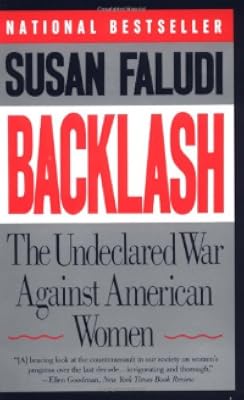
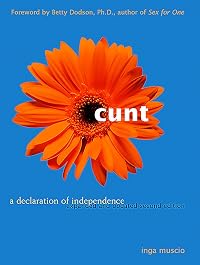
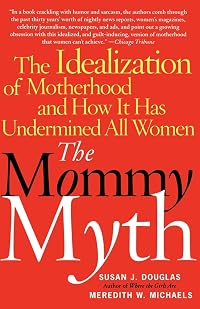
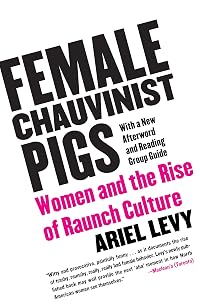
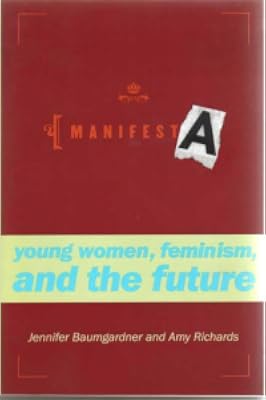
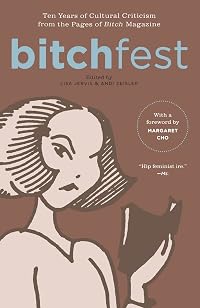
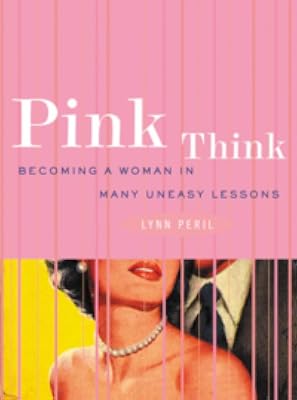
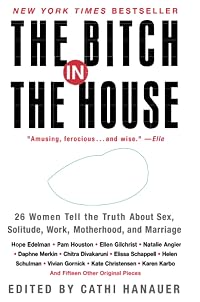
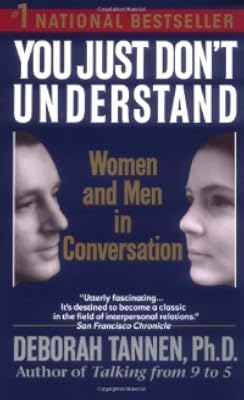
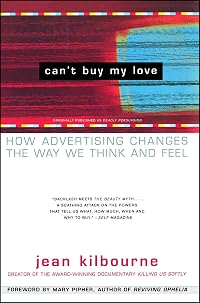
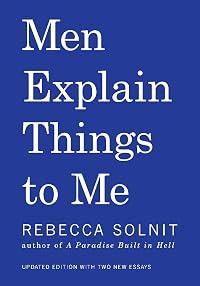
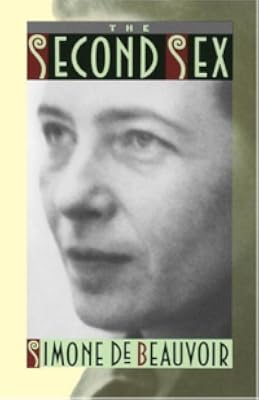
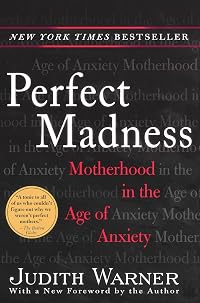
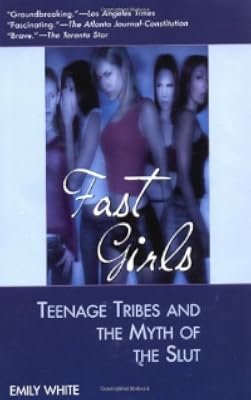
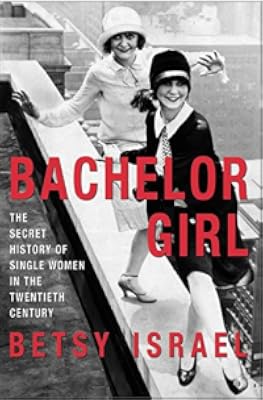
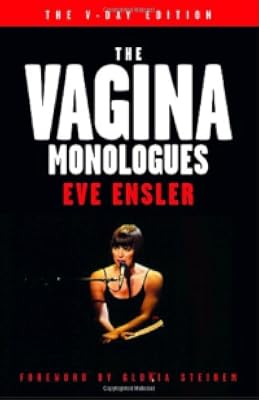
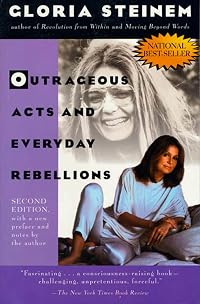
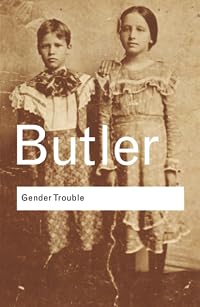
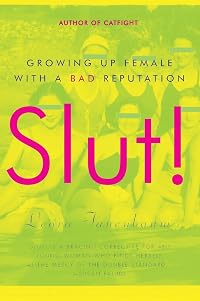
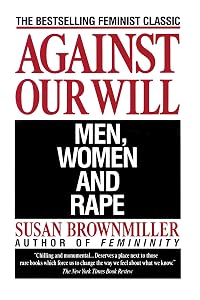

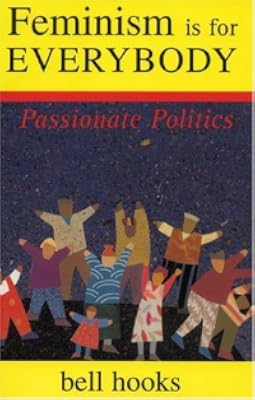
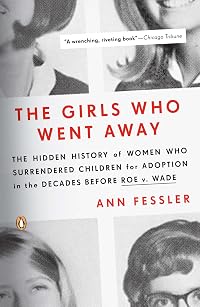
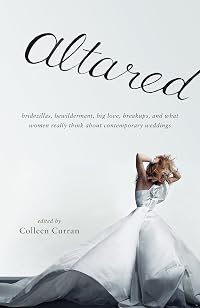
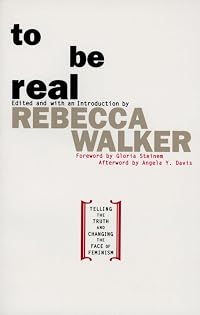
Member Recommendations
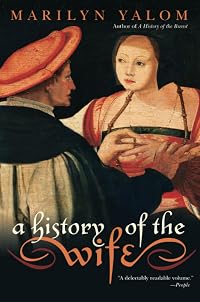
kaelirenee History of the Wife is the background you need to understand where wives are now. These are great books to read together.
Member Reviews
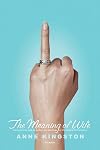
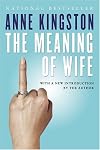
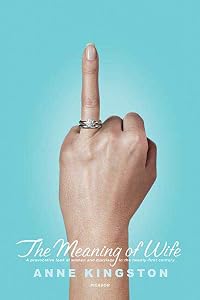
In her book The History of the Wife, Marilyn Yalom traces the history and changing roles women have had in marriage from early history through the women’s liberation movement. The Meaning of Wife picks up where that excellent book ends. It is clear from the cover of this book (a woman’s left hand, flipping off the reader-with a perfectly manicured and wedding band-clad ring finger) that this is a book for a generation of women who are both used to confrontation and longing for tradition. It is this dichotomy in their lives that fuels the book.
As women are working outside the home more, demanding more equitable treatment, and becoming market forces, they are also struggling to define what being a wife actually means to them. Kingston show more examines that many facets of wifeliness that seem to prevail: helpmeet, virgin, Cinderella (equally entranced by the wedding dress as she is of scented toilet bowl cleaner), victim of abuse, shrew, spinster (or unwife), or supporting actress.
The main struggle for women now isn’t whether or not to get married. Kingston is no Steinem and doesn’t suggest that a woman needs a man like a fish needs a bicycle (though she is unmarried). She acknowledges that women want to be wives and mothers. The problem is that they don’t have role models. They have seen their mothers struggle to get out of the kitchen and are in no great rush to get back into it. Their icons growing up on TV were single women, Superwomen who could do it all by themselves. Popular culture, in the form of advertising, movies, books, news media, and television, is the most common source of clues to how women seek to describe themselves.
Their icons now are very different. They see the brides, the yearning for marriage and a fairy tale wedding. Kingston excels and describing the marketing behind this notion (and I love that this industry now has an insidious name: the wedding industrial complex). But once the marriage happens, there are a few very different ideas of what a married woman is. They see the happy homemaker. Though most have absolutely no desire to be homemakers, they still feel the pressure to have a well-kept home. A certain amount of bliss is marketed along with cleaning products. Or they are seen as the victim of love-the battered wife (an excellent chapter on the presentation of domestic abuse is given, including how it both infantilizes women and takes them back to Victorian times when women were seen to only follow their wombs, rather than brains, in decision making).
The main theme of this book is that there is not and cannot be one script for how to be a wife, just as there is no one role for husband. This is a well-written, researched, and balanced look at what marriage means now, not just wife. It isn’t a reactionary or staunchly second-wave feminist look at marriage; Kingston respects marriage and the desire to be married.
Excellent to read alongside The History of the Wife, The Mommy Myth and Selling Anxiety. show less
As women are working outside the home more, demanding more equitable treatment, and becoming market forces, they are also struggling to define what being a wife actually means to them. Kingston show more examines that many facets of wifeliness that seem to prevail: helpmeet, virgin, Cinderella (equally entranced by the wedding dress as she is of scented toilet bowl cleaner), victim of abuse, shrew, spinster (or unwife), or supporting actress.
The main struggle for women now isn’t whether or not to get married. Kingston is no Steinem and doesn’t suggest that a woman needs a man like a fish needs a bicycle (though she is unmarried). She acknowledges that women want to be wives and mothers. The problem is that they don’t have role models. They have seen their mothers struggle to get out of the kitchen and are in no great rush to get back into it. Their icons growing up on TV were single women, Superwomen who could do it all by themselves. Popular culture, in the form of advertising, movies, books, news media, and television, is the most common source of clues to how women seek to describe themselves.
Their icons now are very different. They see the brides, the yearning for marriage and a fairy tale wedding. Kingston excels and describing the marketing behind this notion (and I love that this industry now has an insidious name: the wedding industrial complex). But once the marriage happens, there are a few very different ideas of what a married woman is. They see the happy homemaker. Though most have absolutely no desire to be homemakers, they still feel the pressure to have a well-kept home. A certain amount of bliss is marketed along with cleaning products. Or they are seen as the victim of love-the battered wife (an excellent chapter on the presentation of domestic abuse is given, including how it both infantilizes women and takes them back to Victorian times when women were seen to only follow their wombs, rather than brains, in decision making).
The main theme of this book is that there is not and cannot be one script for how to be a wife, just as there is no one role for husband. This is a well-written, researched, and balanced look at what marriage means now, not just wife. It isn’t a reactionary or staunchly second-wave feminist look at marriage; Kingston respects marriage and the desire to be married.
Excellent to read alongside The History of the Wife, The Mommy Myth and Selling Anxiety. show less
An astonishingly well-constructed cultural history of the term wife, ending with a hopeful, albeit less than plausible, call for change to our understanding of one of society's oldest roles. I recommend this book highly.
Deeply inspired by Friedan, Kingston takes the premises of the Feminine mystique to explain current trends, namely the "Cinderella Syndrome". A few good ideas but not a great deal of originality. Concludes by saying that men and women need to work together; a bit wishy-washy.
Kingston provides her reader with a very succinct history of the wife in the United States from the Victorian era until present day. She covers a wide variety of topics in a relatively short volume--from the allure of the fairy tale wedding to managing a marriage and career to the feminine mystique to domestic violence. I highly recommend this book for anyone interested in gender studies in the United States. Kingston does an excellent job of covering the last 100 or so years of marriage relations.
I'm getting married in 9 days and my friend gave this to me for my bridal shower. I have not been able to put it down it is so eye opening and informative.
Ratings
Members
- Recently Added By
Author Information
4+ Works 254 Members
Common Knowledge
- Original publication date
- 2004
- First words
- Wife.
Classifications
- Genres
- Nonfiction, Sexuality and Gender Studies, Sociology, General Nonfiction
- DDC/MDS
- 306.8723 — Society, government, & culture Social sciences, sociology & anthropology Social Behavior - Dating, Marriage, Divorce Marriage, partnerships, unions; family Intrafamily relationships Spousal relationship Wives
- LCC
- HQ759 .K548 — Social sciences The family. Marriage, Women and Sexuality The Family. Marriage. Women The family. Marriage. Home Parents. Parenthood
- BISAC
Statistics
- Members
- 241
- Popularity
- 134,970
- Reviews
- 5
- Rating
- (3.64)
- Languages
- English
- Media
- Paper, Ebook
- ISBNs
- 8
- ASINs
- 3