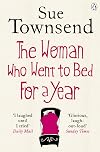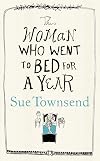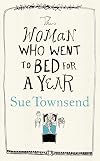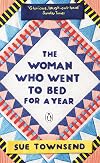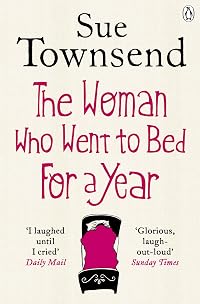
The Woman Who Went to Bed For a Year
by Sue Townsend
On This Page
Description
The day her children leave home, Eva climbs into bed and stays there. She's had enough - of her kids' carelessness, her husband's thoughtlessness and of the world's general indifference. Brian can't believe his wife is doing this. Who is going to make dinner? But Eva won't budge; and soon she realises to her horror that everyone has been taking her for granted - including herself. Sue Townsend, Britain's funniest writer for over three decades, has written a brilliant novel that hilariously show more deconstructs modern family life. show lessTags
Recommendations



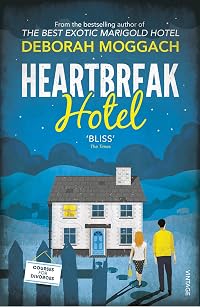
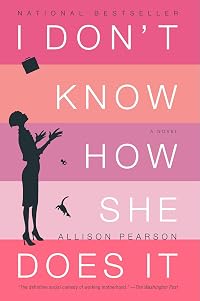
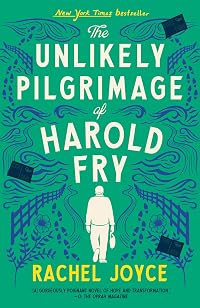

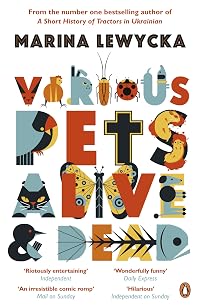















Member Recommendations
divinenanny Another person who decides something needs to change in life and amasses a great big following without him/her wanting to.

YolaNL Sue Townsend and Renate Dorrestein have a similar down to earth, humorous style of writing. The topic of these two books happens to be similar as well: a drastic point of change in the life of a middle aged woman.
Member Reviews
Awful.
Very rarely do I come across a book that makes me so angry and disappointed in it's author that I cannot finish it.
Townsend (who I was a fan of due to her brilliant Mole series) really dropped the ball with this one.
It is full of characters so horrific and unlike-able with no redeeming features whatsoever.
From the selfish, melodramatic and (cliché-ridden) doormat of the central character Eva Beaver who married a bigoted bully when they didn't even like each other, to her neurotic, pampered, almost incestuous prodigy twins (named after that father no less) this is a mess.
Don't be fooled by the reviews claiming it's "hysterical" either. Unless you find someone so obnoxious that she asks three people to deal with her waste (via show more funnels and carrier bags) rather than touch the floor on the way to her lavish en-suite, a real rib-tickler of a situation.
You wouldn't have these people as friends. Don't waste precious reading time inviting them into your lives. show less
Very rarely do I come across a book that makes me so angry and disappointed in it's author that I cannot finish it.
Townsend (who I was a fan of due to her brilliant Mole series) really dropped the ball with this one.
It is full of characters so horrific and unlike-able with no redeeming features whatsoever.
From the selfish, melodramatic and (cliché-ridden) doormat of the central character Eva Beaver who married a bigoted bully when they didn't even like each other, to her neurotic, pampered, almost incestuous prodigy twins (named after that father no less) this is a mess.
Don't be fooled by the reviews claiming it's "hysterical" either. Unless you find someone so obnoxious that she asks three people to deal with her waste (via show more funnels and carrier bags) rather than touch the floor on the way to her lavish en-suite, a real rib-tickler of a situation.
You wouldn't have these people as friends. Don't waste precious reading time inviting them into your lives. show less
The day her 17-year-old twins leave for college, Eva Beaver locks the door behind them, climbs the stairs to her bedroom, and gets under the covers, shoes and all.
She’s tired of being in charge of cooking and cleaning and laundry and bill-paying and everyone’s social life and making doctor appointments and entertaining people she dislikes and gardening and just generally adulting. So when she gets a telephone call, a few hours into her self-imposed exile, revealing that her husband has for years been carrying on an affair with a co-worker, it simply reinforces her plan to simply stay in bed and think about things.
The first half of the book is mostly funny. It’s obvious that Eva has spoiled both her husband and the twins to the show more point that they are incapable of navigating the quotidian details of life on their own. Brian Beaver’s attempts to prepare a traditional Thanksgiving dinner, via a split-second timetable and a computerized preparation / presentation schedule, goes hilariously awry as he attempts to juggle 17 courses, his mother, his mother-in-law, his lover, his twins, a narcissistic house guest, and assorted neighbors.
As the book, and Eva’s year, continue however, things get darker and one cannot help but wonder why her family continues to cater to her oddities even as they resent the disruption it’s causing. After asking, unsuccessfully, for assistance in managing the realities of her bodily waste, she indulges in a bit of magical thinking that allows her to walk The White Path (a folded sheet, tucked under the edge of the mattress) to the en suite toilet facilities, but still “can’t” get out of bed because she “knows” if she gets up, if she puts her feet on the floor, she will slowly be drawn back into the life she is trying to abandon. With that immediate problem resolved, Eva goes back to bed with the full expectation that someone will continue to prepare and deliver her meals, take away the dirty dishes, and otherwise meet her needs as she concentrates on mining her memories and thinking about things.
Eventually, word gets out about the strange happenings within the household, and Eva becomes a celebrity in spite of herself. This is the point at which things begin to really twist, and the friends and family who have – with varying degrees of enthusiasm – been serving her needs begin to lose their own lives in the service of The Woman in the Bed.
Eva’s connection to reality becomes more and more tenuous even as her husband’s affair collapses and he drifts into a more malignant one and her children’s narrowly-focused brilliance leads them away from normality. The question is not so much whether anyone can rescue Eva as whether anyone still wants to.
Enjoy the humor of the early book, relish the spot-on observations of hypocrisy and family dysfunction in the middle, but be ready for the darkness that seeps into the last third of the book. show less
She’s tired of being in charge of cooking and cleaning and laundry and bill-paying and everyone’s social life and making doctor appointments and entertaining people she dislikes and gardening and just generally adulting. So when she gets a telephone call, a few hours into her self-imposed exile, revealing that her husband has for years been carrying on an affair with a co-worker, it simply reinforces her plan to simply stay in bed and think about things.
The first half of the book is mostly funny. It’s obvious that Eva has spoiled both her husband and the twins to the show more point that they are incapable of navigating the quotidian details of life on their own. Brian Beaver’s attempts to prepare a traditional Thanksgiving dinner, via a split-second timetable and a computerized preparation / presentation schedule, goes hilariously awry as he attempts to juggle 17 courses, his mother, his mother-in-law, his lover, his twins, a narcissistic house guest, and assorted neighbors.
As the book, and Eva’s year, continue however, things get darker and one cannot help but wonder why her family continues to cater to her oddities even as they resent the disruption it’s causing. After asking, unsuccessfully, for assistance in managing the realities of her bodily waste, she indulges in a bit of magical thinking that allows her to walk The White Path (a folded sheet, tucked under the edge of the mattress) to the en suite toilet facilities, but still “can’t” get out of bed because she “knows” if she gets up, if she puts her feet on the floor, she will slowly be drawn back into the life she is trying to abandon. With that immediate problem resolved, Eva goes back to bed with the full expectation that someone will continue to prepare and deliver her meals, take away the dirty dishes, and otherwise meet her needs as she concentrates on mining her memories and thinking about things.
Eventually, word gets out about the strange happenings within the household, and Eva becomes a celebrity in spite of herself. This is the point at which things begin to really twist, and the friends and family who have – with varying degrees of enthusiasm – been serving her needs begin to lose their own lives in the service of The Woman in the Bed.
Eva’s connection to reality becomes more and more tenuous even as her husband’s affair collapses and he drifts into a more malignant one and her children’s narrowly-focused brilliance leads them away from normality. The question is not so much whether anyone can rescue Eva as whether anyone still wants to.
Enjoy the humor of the early book, relish the spot-on observations of hypocrisy and family dysfunction in the middle, but be ready for the darkness that seeps into the last third of the book. show less
Diese und weitere Rezensionen findet ihr auf meinem Blog Anima Libri - Buchseele
„Die Frau, die ein Jahr im Bett blieb“ ist das erste Buch, das ich bislang von der im vergangenen Jahr verstorbenen Autorin Sue Townsend gelesen habe, auch wenn mir ihr Name vom Hörensagen durchaus schon vorher etwas gesagt hat. Nach der Lektüre dieses Romans kann ich mir jedenfalls durchaus vorstellen, auch einmal andere Bücher der Autorin zu lesen, denn „Die Frau, die ein Jahr im Bett blieb“ hat mir ziemlich gut gefallen.
Ich denke, Sue Townsend ist eine dieser Autorinnen, bei deren Büchern es nur Lieben oder Hassen bzw. nur sehr wenige Stufen dazwischen gibt. Das liegt wohl vor allem am Humor der Britin, der wirklich nur als bitterböse und show more schonungslos zu bezeichnen ist.
Dazu kommen Charaktere, die allesamt… nun, irgendwie sind sie allesamt auf die gleiche Art sympathisch und unsympathisch in einem – mal mehr dieses, mal mehr jenes, aber endgültig festlegen kann man sich nur bei sehr wenigen von ihnen. Vor allem aber sind sie absolut skurril und völlig überzeichnet, sodass ihre Handlungen durchaus auch mal ins Absurde abdriften.
Genau das macht meiner Meinung nach aber auch den Charme dieses Romans aus: Geschichte und Charaktere sind absurd und schrill, gleichzeitig aber auch facettenreich und tiefgründig, Sue Townsend analysiert gekonnt zwischenmenschliche Beziehungen und gibt immer wieder interessante Denkanstöße.
An meinen Stellen ist es vielleicht wirklich etwas zu viel des Guten, insgesamt konnte mich „Die Frau, die ein Jahr im Bett blieb“ von Sue Townsend aber sehr überzeugen. Das Buch ist bitterböse und skurril, allerdings ist der Humor einer, an dem sich wohl die Geister scheiden werden – mir hat er ausgesprochen gut gefallen. show less
„Die Frau, die ein Jahr im Bett blieb“ ist das erste Buch, das ich bislang von der im vergangenen Jahr verstorbenen Autorin Sue Townsend gelesen habe, auch wenn mir ihr Name vom Hörensagen durchaus schon vorher etwas gesagt hat. Nach der Lektüre dieses Romans kann ich mir jedenfalls durchaus vorstellen, auch einmal andere Bücher der Autorin zu lesen, denn „Die Frau, die ein Jahr im Bett blieb“ hat mir ziemlich gut gefallen.
Ich denke, Sue Townsend ist eine dieser Autorinnen, bei deren Büchern es nur Lieben oder Hassen bzw. nur sehr wenige Stufen dazwischen gibt. Das liegt wohl vor allem am Humor der Britin, der wirklich nur als bitterböse und show more schonungslos zu bezeichnen ist.
Dazu kommen Charaktere, die allesamt… nun, irgendwie sind sie allesamt auf die gleiche Art sympathisch und unsympathisch in einem – mal mehr dieses, mal mehr jenes, aber endgültig festlegen kann man sich nur bei sehr wenigen von ihnen. Vor allem aber sind sie absolut skurril und völlig überzeichnet, sodass ihre Handlungen durchaus auch mal ins Absurde abdriften.
Genau das macht meiner Meinung nach aber auch den Charme dieses Romans aus: Geschichte und Charaktere sind absurd und schrill, gleichzeitig aber auch facettenreich und tiefgründig, Sue Townsend analysiert gekonnt zwischenmenschliche Beziehungen und gibt immer wieder interessante Denkanstöße.
An meinen Stellen ist es vielleicht wirklich etwas zu viel des Guten, insgesamt konnte mich „Die Frau, die ein Jahr im Bett blieb“ von Sue Townsend aber sehr überzeugen. Das Buch ist bitterböse und skurril, allerdings ist der Humor einer, an dem sich wohl die Geister scheiden werden – mir hat er ausgesprochen gut gefallen. show less
It's not often I completely give up on a book, but this one defeated me by a third of the way in. I didn't find it funny in the slightest, it was actually cringey and downright depressing sometimes. I couldn't fathom why Eva suddenly decided to take to her bed by way of protest - taking a break from wife and motherhood is one thing, but this was no Shirley Valentine, reviving her own needs and desires. It just smacked of first world problems, without any sense of responsibility to your own part in your life's path. For example, the flashbacks to dating and marrying Brian didn't make sense. She just came across as weak and insipid, so she only had herself to blame when life didn't turn out just fabulous. What exactly was it that she show more wanted anyway??
And why was everyone pandering to her extended lie-in? Even the supposedly horrible and controlling husband made a few moans about it but ultimately never challenged her. Why was a relative stranger suddenly in their house all the time cooking and cleaning for this selfish woman?? There was absolutely no one in the book I warmed to and I felt even more dread whenever I turned to another chapter about her children's lives at university. Why were both her kids named after the dad? Was that meant to be funny?? Here we meet an even more selfish and manipulative character, Poppy, who - inexplicably - also seems to have everyone running around tending to her every unbelievable whim. I met some shy and inassertive students in my own uni days but NO ONE would ever tolerate such demanding dramatics past Freshers week!
I didn't even get close to finishing this book. Hours of my life were getting sucked away by its pointless attempts at social commentary/humour/who can say what it was meant to be? The moment where Eva contemplated defecating into plastic bags with a view to getting her mother to deal with them made me feel quite bilious. This just further degraded an already unsympathetic character; it would probably have been for the best if she'd been left to wallow in her own excrement. I ended up moving on to a book about life in gulag camps, where real people had actual reasons to feel a tad aggrieved! It was infinitely more cheery and inspiring! show less
And why was everyone pandering to her extended lie-in? Even the supposedly horrible and controlling husband made a few moans about it but ultimately never challenged her. Why was a relative stranger suddenly in their house all the time cooking and cleaning for this selfish woman?? There was absolutely no one in the book I warmed to and I felt even more dread whenever I turned to another chapter about her children's lives at university. Why were both her kids named after the dad? Was that meant to be funny?? Here we meet an even more selfish and manipulative character, Poppy, who - inexplicably - also seems to have everyone running around tending to her every unbelievable whim. I met some shy and inassertive students in my own uni days but NO ONE would ever tolerate such demanding dramatics past Freshers week!
I didn't even get close to finishing this book. Hours of my life were getting sucked away by its pointless attempts at social commentary/humour/who can say what it was meant to be? The moment where Eva contemplated defecating into plastic bags with a view to getting her mother to deal with them made me feel quite bilious. This just further degraded an already unsympathetic character; it would probably have been for the best if she'd been left to wallow in her own excrement. I ended up moving on to a book about life in gulag camps, where real people had actual reasons to feel a tad aggrieved! It was infinitely more cheery and inspiring! show less
At first, I was slightly disappointed with this book, since I didn’t feel it lived up to the excellence and humour of the Adrian Mole books.
However, later on, I was laughing aloud just as much as in the previous books and realized it was equally good, if not better.
Eva is married to an emotionally cold Doctor of Astronomy and Planetary Science called Brian. They had twins, Brian Jr. and Brianne, who were equally gifted and who “belong somewhere on the autistic spectrum”.
Eva had been overwhelmed by an endless run of chores and duties until the day came when the 17-year-old twins left for university.
She was tired and went to bed with her clothes on, thinking she would get up again in half an hour, but realized she couldn't do so show more since the bed’s comfort was “exquisite”. She thought she would have to be mad to leave it.
The cast of the book includes Eva; Brian; Brian Jr.; Brianne; Yvonne, Brian’s mother; Ruby, Eva’s mother; Peter, the window cleaner, Alexander, the handsome black man, the “man with the van”, who does all sorts of practical tasks for Eva and finally falls in love with her; Alexander’s two small children, Thomas and Venus; Titania, Brian’s intellectual mistress, who ends up moving in with them; Poppy, an emotionally disturbed girl who mobs and bullies the twins under the guise that she is their best friend.
Eva only leaves her bed to go to the bathroom, and she does this by walking on hr sheet which she pulls down and makes into an extension of the bed. “She felt that if she stayed on the sheet she would be safe, though from what, she didn’t know.”
“Briane lets people walk all over her, and Brian Junior panics if he has to talk to another human.”
Brian asks Eva “--- how long do you intend to stay in bed?” “Where does the universe end?” replies Eva.
Eva doesn’t know how to live in the world, and can’t even work the remote. She can’t work the new oven either or can find out how much they’re paying per quarter on their electricity bill. (I understand her completely.)
“Eva couldn’t remember when Brian had turned into a middle-aged man. Perhaps it was when he had started to make a noise when he got up from a chair.”
She had met Brian while she was working in a library and he came in to explain why he had not returned Dr. Brady’s book “The Universe explained”. “I won’t be returning Brady’s book, --- because it was so full of theoretical errors and textual buffoonery that I threw it into the River Soar. I cannot take the risk of it falling into the hands of my students.”
Brian had constructed a large shed in their garden and there installed a king-sized bed and other furniture. This is where he secretly entertains his mistress, Titania. The twins and Eva knew never to disturb him when the red light went on and he was “working”.
Gradually, Eva establishes an international reputation as a woman with special powers, who is perhaps even a saint, and a crowd gathers and camps outside their house. A few manage to gain access to her and Eva gives them healing advice.
Doctors and others, however, diagnose her with a mental problem, and perhaps they are right?
This is a well-written, extremely funny book which, as with all Sue Townsend’s books, contains much covert social commentary. She writes in a very down-to-earth style; when her characters speak they show who they are, and we recognize ourselves, or parts of themselves, in them. She has a very distinctive style. I strongly recommend that you read this book and the author’s other books, Enjoy! show less
However, later on, I was laughing aloud just as much as in the previous books and realized it was equally good, if not better.
Eva is married to an emotionally cold Doctor of Astronomy and Planetary Science called Brian. They had twins, Brian Jr. and Brianne, who were equally gifted and who “belong somewhere on the autistic spectrum”.
Eva had been overwhelmed by an endless run of chores and duties until the day came when the 17-year-old twins left for university.
She was tired and went to bed with her clothes on, thinking she would get up again in half an hour, but realized she couldn't do so show more since the bed’s comfort was “exquisite”. She thought she would have to be mad to leave it.
The cast of the book includes Eva; Brian; Brian Jr.; Brianne; Yvonne, Brian’s mother; Ruby, Eva’s mother; Peter, the window cleaner, Alexander, the handsome black man, the “man with the van”, who does all sorts of practical tasks for Eva and finally falls in love with her; Alexander’s two small children, Thomas and Venus; Titania, Brian’s intellectual mistress, who ends up moving in with them; Poppy, an emotionally disturbed girl who mobs and bullies the twins under the guise that she is their best friend.
Eva only leaves her bed to go to the bathroom, and she does this by walking on hr sheet which she pulls down and makes into an extension of the bed. “She felt that if she stayed on the sheet she would be safe, though from what, she didn’t know.”
“Briane lets people walk all over her, and Brian Junior panics if he has to talk to another human.”
Brian asks Eva “--- how long do you intend to stay in bed?” “Where does the universe end?” replies Eva.
Eva doesn’t know how to live in the world, and can’t even work the remote. She can’t work the new oven either or can find out how much they’re paying per quarter on their electricity bill. (I understand her completely.)
“Eva couldn’t remember when Brian had turned into a middle-aged man. Perhaps it was when he had started to make a noise when he got up from a chair.”
She had met Brian while she was working in a library and he came in to explain why he had not returned Dr. Brady’s book “The Universe explained”. “I won’t be returning Brady’s book, --- because it was so full of theoretical errors and textual buffoonery that I threw it into the River Soar. I cannot take the risk of it falling into the hands of my students.”
Brian had constructed a large shed in their garden and there installed a king-sized bed and other furniture. This is where he secretly entertains his mistress, Titania. The twins and Eva knew never to disturb him when the red light went on and he was “working”.
Gradually, Eva establishes an international reputation as a woman with special powers, who is perhaps even a saint, and a crowd gathers and camps outside their house. A few manage to gain access to her and Eva gives them healing advice.
Doctors and others, however, diagnose her with a mental problem, and perhaps they are right?
This is a well-written, extremely funny book which, as with all Sue Townsend’s books, contains much covert social commentary. She writes in a very down-to-earth style; when her characters speak they show who they are, and we recognize ourselves, or parts of themselves, in them. She has a very distinctive style. I strongly recommend that you read this book and the author’s other books, Enjoy! show less
I've been a Sue Townsend fan ever since Adrian Mole painted his room black (except for the show-through Noddy hats) in The Diary of Adrian Mole, aged 13 3/4. She manages to weave humour and pathos through her books, making them eminently readable and slipping truths into them under the cover of odd characters and interesting situations.
In this book, Eva's twin children, autistic brilliants who never relate to anyone else, have left for university, and Eva decides to retire to her bed. Forever.
The idea appealed to me - the thought of opting out of life, just spending time lolling about, having others serve you, letting them know how much work you've put into making the world the way it was for your family. I remember having the same show more feeling when I left my husband - I'd done so much for him, from renewing his car license to organizing health care, that it wore me out.
Eva grows afraid to step out of her bed, and gradually things get odder and odder. She gives advice to a passing cabbie and he spreads the word of her wisdom, and soon she is surrounded by acolytes, begging for answers. Her husband is caught in a several-year-long affair. Her children are terrorized by a fellow undergraduate, who insinuates herself into every aspect of their lives. Eva's selfishness puts her at risk.
Somehow the world whirls around Eva, crises rising and falling, and through it all, Eva wonders what the world is about.
The last lines of the book made me break out weeping, suddenly.
I wept because of the simplicity of the answer, and because I knew I'd miss Eva. show less
In this book, Eva's twin children, autistic brilliants who never relate to anyone else, have left for university, and Eva decides to retire to her bed. Forever.
The idea appealed to me - the thought of opting out of life, just spending time lolling about, having others serve you, letting them know how much work you've put into making the world the way it was for your family. I remember having the same show more feeling when I left my husband - I'd done so much for him, from renewing his car license to organizing health care, that it wore me out.
Eva grows afraid to step out of her bed, and gradually things get odder and odder. She gives advice to a passing cabbie and he spreads the word of her wisdom, and soon she is surrounded by acolytes, begging for answers. Her husband is caught in a several-year-long affair. Her children are terrorized by a fellow undergraduate, who insinuates herself into every aspect of their lives. Eva's selfishness puts her at risk.
Somehow the world whirls around Eva, crises rising and falling, and through it all, Eva wonders what the world is about.
The last lines of the book made me break out weeping, suddenly.
I wept because of the simplicity of the answer, and because I knew I'd miss Eva. show less
I'm a great fan of Sue Townsend's best known work, the Adrian Mole series, and have only read a couple of her other non-Mole books. I was drawn to this one by the little fantasy of the title - who doesn't dream of just walking away from everything, or of having a long rest?
While she's in bed, Eva has plenty of time to reflect on her life, and this is interesting - Eva has far more to her than the apparently put upon wife and mother we meet in the opening pages, as a bright woman who missed out on a lot of educational opportunities.
Some of the other characters are well portrayed and multidimensional, but others never develop beyond their caricatures, like Eva's husband Brian and their twins, Brian and Brianne (who would name both twins show more after their dad?) While at first I felt sorry for them when the dreadful Poppy latched on to them, I started to really dislike these two as much as their selfish dad. Alexander and the two much older women, Eva's mum and Brian senior's mum, were the most realistic characters other than Eva herself.
The plot is weak - Townsend's exploration of the impact of Eva's decision on those around her is interesting but over 400 pages the story loses momentum and seems as if the author is unsure what to do with it.
This is far from being a perfect novel, but my star rating is based on my enjoyment of all the good bits, despite my many criticisms. show less
While she's in bed, Eva has plenty of time to reflect on her life, and this is interesting - Eva has far more to her than the apparently put upon wife and mother we meet in the opening pages, as a bright woman who missed out on a lot of educational opportunities.
Some of the other characters are well portrayed and multidimensional, but others never develop beyond their caricatures, like Eva's husband Brian and their twins, Brian and Brianne (who would name both twins show more after their dad?) While at first I felt sorry for them when the dreadful Poppy latched on to them, I started to really dislike these two as much as their selfish dad. Alexander and the two much older women, Eva's mum and Brian senior's mum, were the most realistic characters other than Eva herself.
The plot is weak - Townsend's exploration of the impact of Eva's decision on those around her is interesting but over 400 pages the story loses momentum and seems as if the author is unsure what to do with it.
This is far from being a perfect novel, but my star rating is based on my enjoyment of all the good bits, despite my many criticisms. show less
Members
- Recently Added By
Published Reviews
Unfortunately overall, the novel, like Eva, never really goes anywhere. As with all her other books, Townsend is brilliant at taking the temperature of society in general, and it's all in here -- domestic violence, loneliness, the NHS, mental illness, Viagra, people using text speak in actual speech (Brian's girlfriend feels moved to shout OMG while in bed with him), Alan Titchmarsh, missing show more children, cyber crime, computer hacking, Alzheimer's and eBay. While the plot might falter, Townsend's trademark humour is as sharp as ever, and no doubt fans will enjoy this book. show less
added by KayCliff
f a comic novel is to have a vaguely preposterous premise, it helps if it's one that seems immediately enticing to a high proportion of the readership. And which of us, in a moment of feeling insufficiently cherished, harassed by pedestrian responsibilities and bewildered by the world's demands, has not felt that the most sensible option would be to take to our bed?
added by KayCliff
Lists

A Novel Cure
742 works; 23 members
Author Information

49+ Works 16,522 Members
Sue Townsend was born in Leicester, England on April 2, 1946. She left school at fifteen and worked a series of jobs before becoming a full-time author. She was best known for her books about the neurotic diarist Adrian Mole including The Secret Diary of Adrian Mole Aged 13 ¾, The Growing Pains of Adrian Mole, Adrian Mole: The Wilderness Years, show more Adrian Mole and the Weapons of Mass Destruction, and Adrian Mole: The Prostrate Years. Her other works include The Queen and I, Number Ten, The Public Confessions of a Middle-Aged Woman Aged 55¾, and The Woman Who Went to Bed for a Year. She died after a stroke on April 10, 2014 at the age of 68. (Bowker Author Biography) show less
Some Editions
Awards and Honors
Series
Belongs to Publisher Series
Clàssica (977)
Common Knowledge
- Canonical title
- The Woman Who Went to Bed For a Year
- Original title
- The Woman Who Went to Bed For a Year
- Original publication date
- 2012
- People/Characters
- Eva Beaver; Brian Beaver
- Epigraph
- 'Be kind, for everybody you meet is fighting
a hard battle'
attributed to Plato, and many others - Dedication
- To my mother, Grace
- First words
- After they'd gone Eva slid the bolt across the door and disconnected the telephone.
- Quotations
- Brian took out of his pocket the little black notebook with moleskin covers that Eva had bought for him as compensation for failing his motorcycle exam.... He unclipped his fountainpen (a school prize) and waited.
Eva thought hard ... She was in a classroom, rain was battering the long windows. She was worried because she had forgotten her fountain pen again, and at any moment the class would be asked to write something down. - Last words
- (Click to show. Warning: May contain spoilers.)When Alexander carried her in and put her on the sofa in front of the fire, she said, 'It's kindness, isn't it? Simple kindness.'
- Original language*
- Anglès
*Some information comes from Common Knowledge in other languages. Click "Edit" for more information.
Classifications
Statistics
- Members
- 718
- Popularity
- 39,486
- Reviews
- 39
- Rating
- (3.11)
- Languages
- 10 — Catalan, Dutch, English, French, German, Hungarian, Polish, Portuguese, Spanish, Swedish
- Media
- Paper, Audiobook, Ebook
- ISBNs
- 38
- ASINs
- 14