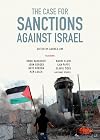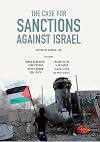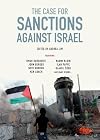
The Case for Sanctions Against Israel
by Audrea Lim
On This Page
Description
In July 2011, Israel passed legislation outlawing the public support of boycott activities against the state, corporations, and settlements, adding a crackdown on free speech to its continuing blockade of Gaza and the expansion of illegal settlements. Nonetheless, the campaign for boycott, divestment, and sanctions (BDS) continues to grow in strength within Israel and Palestine, as well as in Europe and the US. This essential intervention considers all sides of the movement -- including show more detailed comparisons with the South African experience -- and contains contributions from both sides of the separation wall, along with a stellar list of international commentators. -- Publisher description. show lessTags
Recommendations
























Member Reviews
--The aim of the Boycott, Divestment and Sanctions movement (BDS, established in July 2005) is freedom for Palestine and justice for the Palestinians.
The target is Israel’s illegal settler-colonialism, military occupation and 'apartheid
society'. It mirrors the successful BDS non-violent mobilisation in South Africa during
the rule of the apartheid and racist regime (1948 to 1990s CE). The BDS activists wish Israel to comply with international law and universal principles of human rights. Audrea Lim’s edited book The Case for Sanctions Against Israel (2012) explains the origins, aims, and growth of the BDS movement, which today is a global movement with many activists—including Israeli activists and radical dissidents.
--How does the show more BDS campaign function as a non-violent civil society activist
movement? Key to the BDS’s work is consciousness-raising about
Israel's injustice and racism towards the Palestinians—and pressure the Israeli leaders to transform their ways; the BDS movement promotes the boycott of Israeli products and services that originate from the Israeli settlements or those elsewhere that assist the settlements. The Palestinian Campaign for the Academic and Cultural Boycott of Israel (PACBI, established in 2004) is part of the BDS.
--However, it is important to note that the BDS focuses on the Israeli-owned institutions and corporations which support the occupation. The BDS is not directed against the Israeli people, individuals, nation, or culture (p. 218).
--The book contains four parts and twenty-six chapters, each written by a
separate author. Each author addresses an individual element of the BDS argument,
highlighting the nuances and complexity of Israel’s post-1967 fifty-seven-year brutal occupation of Palestine and how best to resist it peacefully.
--The book’s debate and analysis of contemporary Palestine is insightful and
wide-ranging. Barghouthi explains that non-violent collective resistance, Palestinian
self-determination and nation-state building within his lifetime are ideal. Barghouthi
says that ‘the strategic aim of the Palestinian struggle… must be to make the costs
of the Israeli occupation and its apartheid system so great as to be unsustainable’ (p.
10). This approach includes developing today’s Palestinian education system,
agriculture, health and culture; national unity and democratic, unified leadership;
enhancing the pro-Palestinian solidarity abroad and winning universal support.
Pollak compares Israel with apartheid-era South Africa, Barghouti speaks of the
successful cultural boycott of Israel, while Baum and Amir take a feminist
anti-occupation stance to monitor and highlight Israel’s economic dealings
domestically and in the illegal settlements involving the supply of goods to the latter
and their produce. They make a profound statement: ‘Injustice is a threat to justice
everywhere’ (p. 191).
--The book’s strength is its comprehensive coverage of the BDS campaign and
what this means for each author, the Palestinian people and broader humanity.
However, the conflict has escalated atrociously since the book’s publication in 2012, specifically in late 2023 and during 2024 in Israel, Gaza, the West Bank and on the Lebanon and Israeli border. Sadly, the dire warnings about the dynamic of Israeli settler colonialism made by some of the authors seem to have come to pass.
The Case for Sanctions Against Israel is recommended for all readers, human rights activists, journalists, and university students and scholars researching the conflict, particularly civil society's peaceful resistance to settler-colonialism and military occupation. show less
The target is Israel’s illegal settler-colonialism, military occupation and 'apartheid
society'. It mirrors the successful BDS non-violent mobilisation in South Africa during
the rule of the apartheid and racist regime (1948 to 1990s CE). The BDS activists wish Israel to comply with international law and universal principles of human rights. Audrea Lim’s edited book The Case for Sanctions Against Israel (2012) explains the origins, aims, and growth of the BDS movement, which today is a global movement with many activists—including Israeli activists and radical dissidents.
--How does the show more BDS campaign function as a non-violent civil society activist
movement? Key to the BDS’s work is consciousness-raising about
Israel's injustice and racism towards the Palestinians—and pressure the Israeli leaders to transform their ways; the BDS movement promotes the boycott of Israeli products and services that originate from the Israeli settlements or those elsewhere that assist the settlements. The Palestinian Campaign for the Academic and Cultural Boycott of Israel (PACBI, established in 2004) is part of the BDS.
--However, it is important to note that the BDS focuses on the Israeli-owned institutions and corporations which support the occupation. The BDS is not directed against the Israeli people, individuals, nation, or culture (p. 218).
--The book contains four parts and twenty-six chapters, each written by a
separate author. Each author addresses an individual element of the BDS argument,
highlighting the nuances and complexity of Israel’s post-1967 fifty-seven-year brutal occupation of Palestine and how best to resist it peacefully.
--The book’s debate and analysis of contemporary Palestine is insightful and
wide-ranging. Barghouthi explains that non-violent collective resistance, Palestinian
self-determination and nation-state building within his lifetime are ideal. Barghouthi
says that ‘the strategic aim of the Palestinian struggle… must be to make the costs
of the Israeli occupation and its apartheid system so great as to be unsustainable’ (p.
10). This approach includes developing today’s Palestinian education system,
agriculture, health and culture; national unity and democratic, unified leadership;
enhancing the pro-Palestinian solidarity abroad and winning universal support.
Pollak compares Israel with apartheid-era South Africa, Barghouti speaks of the
successful cultural boycott of Israel, while Baum and Amir take a feminist
anti-occupation stance to monitor and highlight Israel’s economic dealings
domestically and in the illegal settlements involving the supply of goods to the latter
and their produce. They make a profound statement: ‘Injustice is a threat to justice
everywhere’ (p. 191).
--The book’s strength is its comprehensive coverage of the BDS campaign and
what this means for each author, the Palestinian people and broader humanity.
However, the conflict has escalated atrociously since the book’s publication in 2012, specifically in late 2023 and during 2024 in Israel, Gaza, the West Bank and on the Lebanon and Israeli border. Sadly, the dire warnings about the dynamic of Israeli settler colonialism made by some of the authors seem to have come to pass.
The Case for Sanctions Against Israel is recommended for all readers, human rights activists, journalists, and university students and scholars researching the conflict, particularly civil society's peaceful resistance to settler-colonialism and military occupation. show less
Ratings
Members
- Recently Added By
Lists

Decolonize Palestine's Reading List
126 works; 3 members
Author Information
6 Works 417 Members
All Editions
Classifications
- Genres
- Politics and Government, Nonfiction, General Nonfiction, History, Sexuality and Gender Studies
- DDC/MDS
- 327.1 — Society, government, & culture Political science International Relations: Spies Foreign policy and specific topics in international relations
- LCC
- DS119.76 .C37 — History of Europe, Asia, Africa and Oceania Asia History of Asia Israel (Palestine). The Jews
- BISAC
Statistics
- Members
- 71
- Popularity
- 442,415
- Reviews
- 1
- Rating
- (4.20)
- Languages
- Danish, English
- Media
- Paper, Ebook
- ISBNs
- 4
- ASINs
- 2