On This Page
Description
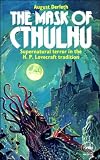
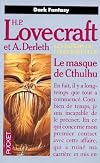
Beginning with The Return of Hastur, which Derleth completed posthumously from H.P. Lovecraft's notes, these stories masterfully expand the horrific cycle of the Cthulhu mythos and its monstrous pantheon.Tags
Recommendations



















Member Reviews
August Derleth saw himself as H.P. Lovecraft's natural heir, weaving his stories into the Cthulhu Mythos and incorporating the 'dreadful events in Innsmouth' and other incidents from the original corpus. At one moment, he suggests, in a fit of in-joke paranoia, that Lovecraft and others died young because they knew too much - a nice little conceit.
He has been much and rightly criticised on two grounds - for being derivative but, more seriously, for attenuating the raw cosmic horror of the original (as if he had failed to understand its essential bleakness).
He constructed a mythological fantasy of good and evil much closer to the religious tradition and to fantasy than true horror. A Sumerian would have understood his Elder Gods and show more Ancient Ones, whereas only a modern mind could have comprehended Lovecraft himself.
The Mask of Cthulhu, a collection of stories from Wierd Tales, stretching from 1939 to 1957, epitomises those failures and yet, perhaps, the reaction has gone too far because too much was expected of Mr. Derleth.
His early championship of his master helped to ensure that Lovecraft became a cultural phenomenon, heir to Poe in leading the American tradition of horror and influencer of popular culture. Although his writing is not great, by the standards of pulp fiction, Derleth is solid, clear and, at times, can write very well and suggestively. There is a minor and unexpected erotic charge in the final story - The Seal of R'lyeh - and the community threat to the 'hero' to The House in the Valley is well drawn.
The chief difference from Lovecraft is one of perspective. He is more likely to be 'simpatico' to the person drawn to the evil which he can treat more ambiguously as just the not-good of another - as if alien creatures have rights too. Lovecraft is determinedly judgemental. These evil forces are dominant but they are evil, or at least anti-human rather than just non-human, to Lovecraft. The alien is generally to be extirpated.
The American Government in Innsmouth would have had every right to slaughter the half-breeds whereas Derleth sometimes sees them as sentient 'others' to which he, like some of his heroes, are drawn. Abominations or just different? - Derleth's ambiguity shows a culture in change between judgementalism and relativism.
His weaknesses are intellectual and imaginative rather than purely literary and he still deserves to be remembered as the leading member of the 'School of Lovecraft'.
The stories themselves are like watching re-runs of favourite TV shows. They are comfort food for horror fans. The first stage in a process with all horror tropes that has a visceral original eventually end up with a child's cartoon or toy. From Dracula to Count Duckula and so from Innsmouth to cuddly Cthulhu knitted toys. Derleth is the first unfortunate stage in taming Lovecraft as Bela Lugosi's Count Dracula was in taming the Nosferatu.
His stories are the sort that remind you why you wish Lovecraft had lived longer and written more. As the years go by, it becomes ever clearer that the gap between Poe and Lovecraft is reflected in a gap between Lovecraft and whoever is to be the next great innovator in horror.
Sadly, it is not Stephen King (though he is another writer who is over-diminished by literary snobs) and it is not yet Thomas Ligotti who is too much in the shadow of his Master and whose corpus seems small and too out-of-the-way. Someone out there, in some American High School, is turning their Goth mind to dark matters that must be written down ... lest he go insane :-) show less
He has been much and rightly criticised on two grounds - for being derivative but, more seriously, for attenuating the raw cosmic horror of the original (as if he had failed to understand its essential bleakness).
He constructed a mythological fantasy of good and evil much closer to the religious tradition and to fantasy than true horror. A Sumerian would have understood his Elder Gods and show more Ancient Ones, whereas only a modern mind could have comprehended Lovecraft himself.
The Mask of Cthulhu, a collection of stories from Wierd Tales, stretching from 1939 to 1957, epitomises those failures and yet, perhaps, the reaction has gone too far because too much was expected of Mr. Derleth.
His early championship of his master helped to ensure that Lovecraft became a cultural phenomenon, heir to Poe in leading the American tradition of horror and influencer of popular culture. Although his writing is not great, by the standards of pulp fiction, Derleth is solid, clear and, at times, can write very well and suggestively. There is a minor and unexpected erotic charge in the final story - The Seal of R'lyeh - and the community threat to the 'hero' to The House in the Valley is well drawn.
The chief difference from Lovecraft is one of perspective. He is more likely to be 'simpatico' to the person drawn to the evil which he can treat more ambiguously as just the not-good of another - as if alien creatures have rights too. Lovecraft is determinedly judgemental. These evil forces are dominant but they are evil, or at least anti-human rather than just non-human, to Lovecraft. The alien is generally to be extirpated.
The American Government in Innsmouth would have had every right to slaughter the half-breeds whereas Derleth sometimes sees them as sentient 'others' to which he, like some of his heroes, are drawn. Abominations or just different? - Derleth's ambiguity shows a culture in change between judgementalism and relativism.
His weaknesses are intellectual and imaginative rather than purely literary and he still deserves to be remembered as the leading member of the 'School of Lovecraft'.
The stories themselves are like watching re-runs of favourite TV shows. They are comfort food for horror fans. The first stage in a process with all horror tropes that has a visceral original eventually end up with a child's cartoon or toy. From Dracula to Count Duckula and so from Innsmouth to cuddly Cthulhu knitted toys. Derleth is the first unfortunate stage in taming Lovecraft as Bela Lugosi's Count Dracula was in taming the Nosferatu.
His stories are the sort that remind you why you wish Lovecraft had lived longer and written more. As the years go by, it becomes ever clearer that the gap between Poe and Lovecraft is reflected in a gap between Lovecraft and whoever is to be the next great innovator in horror.
Sadly, it is not Stephen King (though he is another writer who is over-diminished by literary snobs) and it is not yet Thomas Ligotti who is too much in the shadow of his Master and whose corpus seems small and too out-of-the-way. Someone out there, in some American High School, is turning their Goth mind to dark matters that must be written down ... lest he go insane :-) show less
Me gusta August Derleth. Está claro que Derleth no es H.P. Lovecraft. Partiendo de ahí, los relatos de Derleth son muy disfrutables; pueden ser vistos como una ampliación al universo lovecraftiano, o simplemente como pastiches que abundan en esta temática. Muchos le achacan la explotación de la obra del Maestro de Providence, pero también hay que tener en cuenta que hizo todo lo posible, junto a Donald Wandrei, para que se publicase.
Derleth también acuñó el término de Mitos de Cthulhu y siguió promoviendo, como hacía Lovecraft en vida, que otros escritores contribuyesen son sus relatos a la riqueza de este universo. En cierta medida, desvirtuó la visión cósmica que tenía Lovecraft de su obra. Este escribía sobre unos show more seres que dominaron la Tierra hace millones de años, para desaparecer posteriormente de la mano de los Dioses Arquetípicos. Pero siguen ahí, pueden volver en cualquier momento; los seres humanos no significan nada para ellos, menos que nada; y todo aquél que intente entrar en contacto con ellos, acaba mal parado. Sin embargo, Derleth diferencia a estos seres en Buenos y Malos, como si realmente les importasen los pobres humanos. Y es aquí donde se entra en controversia. A mí personalmente, no me disgusta, y me parece interesante conocer más referencias sobre los Mitos.
En cuanto a cómo escribe Derleth, sus relatos no están tan sobrecargados en descripciones como los de Lovecraft. Su lenguaje es más llano, no es barroco como el del Maestro; están bien escritos y documentados, pero no llegan a crear esa atmósfera inquietante tan característica de Lovecraft.
Estos son los seis relatos incluidos en ‘La máscara de Cthulhu’ (The Mask of Cthulhu, 1958):
El regreso de Hastur. Haddon, el narrador, nos habla de cómo Amos Tuttle le encomendó la destrucción de su casa y todos sus libros, incluido el Necronomicón, para que no llegue a Paul, su único heredero.
Los whippoorwills de las colinas. Harrop nos narra cómo tomó posesión de la casa de su primo, que ha desaparecido en extrañas circunstancias. Poco a poco, irá descubriendo la bibliografía blasfema que leía su primo, y que le valió la animadversión de sus vecinos. Igualmente, empezará el ensordecedor piar de los pájaros, que le provocarán recurrentes pesadillas.
Una talla de madera. El protagonista le regala una estatuilla de madera, que representa a un extraño dios del mar, a su amigo Jason Wecker, músico y crítico. A partir de este momento, el comportamiento de Wecker cambiará radicalmente.
El pacto de Sandwin. Durante generaciones, los Sandwin han hecho un pacto con un Primigenio, pacto que Asa Sandwin desea romper para que no llegue a su nieto.
La casa del valle. Jefferson Bates, pintor, en busca de soledad y tranquilidad, decide alquilar una apartada casa. Al poco de llegar, se enterará del odio de los vecinos por esta propiedad, antes perteneciente a los Bishop.
El sello de R’lyeh. El protagonista, perteneciente a los Phillips, siempre ha sido alejado del mar por su familia, hasta que hereda una casa en Innsmouth. Una vez instalado, conocerá a Ada Marsh, lo que le llevará a interesarse por los escritos de Sylvan Phillips, y a descubrir de dónde procede realmente. show less
Derleth también acuñó el término de Mitos de Cthulhu y siguió promoviendo, como hacía Lovecraft en vida, que otros escritores contribuyesen son sus relatos a la riqueza de este universo. En cierta medida, desvirtuó la visión cósmica que tenía Lovecraft de su obra. Este escribía sobre unos show more seres que dominaron la Tierra hace millones de años, para desaparecer posteriormente de la mano de los Dioses Arquetípicos. Pero siguen ahí, pueden volver en cualquier momento; los seres humanos no significan nada para ellos, menos que nada; y todo aquél que intente entrar en contacto con ellos, acaba mal parado. Sin embargo, Derleth diferencia a estos seres en Buenos y Malos, como si realmente les importasen los pobres humanos. Y es aquí donde se entra en controversia. A mí personalmente, no me disgusta, y me parece interesante conocer más referencias sobre los Mitos.
En cuanto a cómo escribe Derleth, sus relatos no están tan sobrecargados en descripciones como los de Lovecraft. Su lenguaje es más llano, no es barroco como el del Maestro; están bien escritos y documentados, pero no llegan a crear esa atmósfera inquietante tan característica de Lovecraft.
Estos son los seis relatos incluidos en ‘La máscara de Cthulhu’ (The Mask of Cthulhu, 1958):
El regreso de Hastur. Haddon, el narrador, nos habla de cómo Amos Tuttle le encomendó la destrucción de su casa y todos sus libros, incluido el Necronomicón, para que no llegue a Paul, su único heredero.
Los whippoorwills de las colinas. Harrop nos narra cómo tomó posesión de la casa de su primo, que ha desaparecido en extrañas circunstancias. Poco a poco, irá descubriendo la bibliografía blasfema que leía su primo, y que le valió la animadversión de sus vecinos. Igualmente, empezará el ensordecedor piar de los pájaros, que le provocarán recurrentes pesadillas.
Una talla de madera. El protagonista le regala una estatuilla de madera, que representa a un extraño dios del mar, a su amigo Jason Wecker, músico y crítico. A partir de este momento, el comportamiento de Wecker cambiará radicalmente.
El pacto de Sandwin. Durante generaciones, los Sandwin han hecho un pacto con un Primigenio, pacto que Asa Sandwin desea romper para que no llegue a su nieto.
La casa del valle. Jefferson Bates, pintor, en busca de soledad y tranquilidad, decide alquilar una apartada casa. Al poco de llegar, se enterará del odio de los vecinos por esta propiedad, antes perteneciente a los Bishop.
El sello de R’lyeh. El protagonista, perteneciente a los Phillips, siempre ha sido alejado del mar por su familia, hasta que hereda una casa en Innsmouth. Una vez instalado, conocerá a Ada Marsh, lo que le llevará a interesarse por los escritos de Sylvan Phillips, y a descubrir de dónde procede realmente. show less
Not up to Lovecraft's standard, but entertaining enough and interesting to see the improvement in the handling of the themes between the first and last story in the anthology.
Everyone knows who is HP Lovecraft.Every one knows who is Edgar Allan Poe. Don't you? Poe and Lovecraft are the masters of horror. They are what other writers read and judge. I don't think that there aren't any like him. I enjoy reading Ligotti but he is too unknown. It's hard as hell to get a book by him. Of course Stephen King is the one who should sit nowadays at the throne vacant since Lovecraft removed Poe. But even Stephen King doesn't write the same way as Lovecraft. Even Derleth his protegé and most important the creator of Arkham printing company is way out of league of Lovecraft. Maybe Edward Wagner, Bloch or Brian Lumley tried to reach for the stars but they are not Lovecraft. I have yet to read every single story by him but show more I know a lot about Cthulhu Mythos.
Derleth changed a lot about what is called today Cthulhu Mythos. Damn, he created the term. Unfortunally he also created the Elder Gods who want to protect humankind. He also gave the Great Old Ones a counterpart of the Eldar Gods going further in the "Seal of R'lyeh" to compare Good and Evil, Christianity and Satanism duality. I don't think Lovecraft ever commented on that.
They are alien beings. They are incompreensible to us. No-one can discern what are their plans or ambitions. A mind would go blank or suffer a psychic attack if he tried to compreehend Their mind. That's why many of them go insane... isn't it?
Derleth also tried to explain a lot about the Mythos destroying (in my humble opinion) what Lovecraft expected to achieve. There are 6 stories... now look at the plots and characters.
-Every single story is told in the first person point of view;
-In the first story a man inherits a house full of occult books and his curiosity made him realize the full extend of Cthulhu mythos. The same happened in the second story, the fourth, the fifth and the sixth stories;
-It's always male characters. Besides the last story and the second where woman talk on the phone constantly there aren't any woman in it.
-In the first story our main character dies (not the one telling the narrative).
-The Second story our main character goes insane
-The Third disappears (again it's not the one telling the story)
-The Fourth disappears (again it's not the one telling the story)
~The Fifth our main character goes insane
-The Sixth disappears to serve Cthulhu alongside his wife and child
The references of the books are always the same. In each story we get the mention of the same books over and over again
- Necronomicon
- De Vermis Mysteriis
- Cultes de Ghoules
- Unaussprechlichen Kulten
- Book of Eibon
- Pnakotic Manuscripts
- R'lyeh Text
And of course each tale has the most famous phrase by HP Lovecraft
"Ph'nglui mglw'nafh Cthulhu R'lyeh wgah'nagl fhtagn..."
"In his house at R'lyeh, dead Cthulhu waits dreaming..."
I would advice to anyone who wants to dwell more on the Cthulhu mythos but only after reading HP Lovecraft stories.
There is also a comic reference that Lovecraft and two other writer friends dissappeared or were killed becasue they knew too much. show less
Derleth changed a lot about what is called today Cthulhu Mythos. Damn, he created the term. Unfortunally he also created the Elder Gods who want to protect humankind. He also gave the Great Old Ones a counterpart of the Eldar Gods going further in the "Seal of R'lyeh" to compare Good and Evil, Christianity and Satanism duality. I don't think Lovecraft ever commented on that.
They are alien beings. They are incompreensible to us. No-one can discern what are their plans or ambitions. A mind would go blank or suffer a psychic attack if he tried to compreehend Their mind. That's why many of them go insane... isn't it?
Derleth also tried to explain a lot about the Mythos destroying (in my humble opinion) what Lovecraft expected to achieve. There are 6 stories... now look at the plots and characters.
-Every single story is told in the first person point of view;
-In the first story a man inherits a house full of occult books and his curiosity made him realize the full extend of Cthulhu mythos. The same happened in the second story, the fourth, the fifth and the sixth stories;
-It's always male characters. Besides the last story and the second where woman talk on the phone constantly there aren't any woman in it.
-In the first story our main character dies (not the one telling the narrative).
-The Second story our main character goes insane
-The Third disappears (again it's not the one telling the story)
-The Fourth disappears (again it's not the one telling the story)
~The Fifth our main character goes insane
-The Sixth disappears to serve Cthulhu alongside his wife and child
The references of the books are always the same. In each story we get the mention of the same books over and over again
- Necronomicon
- De Vermis Mysteriis
- Cultes de Ghoules
- Unaussprechlichen Kulten
- Book of Eibon
- Pnakotic Manuscripts
- R'lyeh Text
And of course each tale has the most famous phrase by HP Lovecraft
"Ph'nglui mglw'nafh Cthulhu R'lyeh wgah'nagl fhtagn..."
"In his house at R'lyeh, dead Cthulhu waits dreaming..."
I would advice to anyone who wants to dwell more on the Cthulhu mythos but only after reading HP Lovecraft stories.
There is also a comic reference that Lovecraft and two other writer friends dissappeared or were killed becasue they knew too much. show less
A collection of minor entries in the Cthulhu Mythos. Not as captivating as Lovecraft but still entertaining.
not the most inspired cthulhu mythos collection i've read, but not bad. decent popcorn reading. good to have to fill a hole in the collection.
Des nouvelles presque trop similaires pour une fois. Comme si elles avaient toutes une impression de déjà vu. Après le style este beaucoup plus direct que du Lovecraft ce qui est plaisant.
Jul 22, 2010French
Members
- Recently Added By
Author Information

August Derleth was born on February 24, 1909 in Sauk City, Wisconsin. He sold his first story to Weird Tales at the age of 16. He received a Bachelor's of Arts degree from the University of Wisconsin. After college, he went to work for Fawcett Publications as an editor for Mystic Magazine. In 1932, the first of his Sac Prairie stories was show more published in various local papers. In 1935, his first book, a collection of related novellas entitled Place of Hawks, was published. In 1937, his first Sac Prairie novel, Still is the Summer Night, was published. He was awarded a Guggenheim fellowship in 1938 to help him continue the Sac Prairie saga. During his lifetime, he wrote more than 90 books including The Milwaukee Road, Still Small Voice, H.P.L.: A Memoir, Restless Is the River, The Hills Stand Watch, Sweet Genevieve, Evening in Spring, The Moon Tenders, The Captive Island, and Father Marquette and the Great River. He had upward of 3,000 works published in over 350 magazines including The Catholic World, The Yale Review, The New Republic, Redbook, The New Yorker, Good Housekeeping, and The American Mercury. He died on June 6, 1971. (Bowker Author Biography) show less
Some Editions
Series

Belongs to Publisher Series
Work Relationships
Is contained in
Common Knowledge
- Canonical title*
- Le masque de Cthulhu
- Original publication date
- 1958
- First words*
- En fait, il y a longtemps que tout a commencé.
- Last words*
- (Click to show. Warning: May contain spoilers.)On n'a retrouvé aucune trace des disparus...
- Original language
- English
- Canonical DDC/MDS
- 813.087340
*Some information comes from Common Knowledge in other languages. Click "Edit" for more information.
Classifications
- Genres
- Horror, Fiction and Literature
- DDC/MDS
- 813.087340 — Literature & rhetoric American literature in English American fiction in English By type Genre fiction Adventure fiction Horror fiction; Ghost fiction Weird fiction Cosmic horror
- LCC
- PZ3 .D445 — Language and Literature Fiction and juvenile belles lettres Fiction and juvenile belles lettres Fiction in English
- BISAC
Statistics
- Members
- 399
- Popularity
- 78,180
- Reviews
- 9
- Rating
- (3.15)
- Languages
- 5 — English, French, German, Polish, Spanish
- Media
- Paper
- ISBNs
- 14
- ASINs
- 12