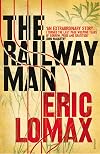
The Railway Man
by Eric Lomax
On This Page
Description
During the second world war Eric Lomax was forced to work on the notorious Burma-Siam Railway and was tortured by the Japanese for making a crude radio. Left emotionally scarred and unable to form normal relationships Lomax suffered for years until, with the help of his wife Patti and the Medical Foundation for the Care of Victims of Torture, he came to terms with what had happened and, fifty years after the terrible events, was able to meet one of his tormentors. The Railway Man is an show more incredible story of innocence betrayed, and of survival and courage in the face of horror. show lessTags
Recommendations

















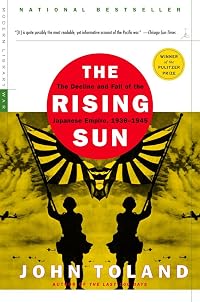

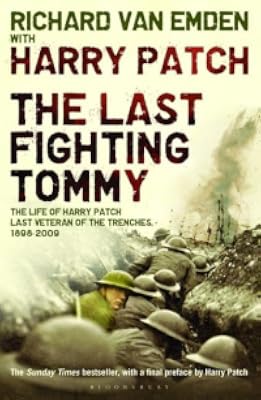


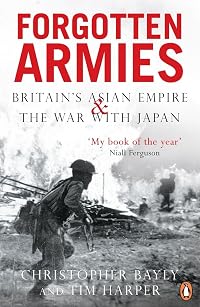
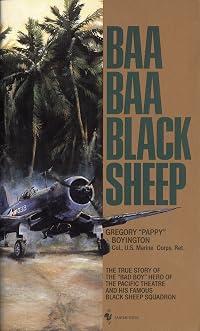
Member Reviews
A sublime piece of writing on a theme that has spawned many novels, but very few matching Lomax's deep sensitivity for the supreme heights of humanity & depravity at the core of experience of those involved in World War Two and the personal affects in its aftermath.
I started this book some time ago and had to stop when I got to the chapters covering the torture. This time I went back to the beginning and read the whole book in a couple of days. It is one of the most moving books I've ever read.
The style of writing is straightforward, unfussy which somehow makes the content even more shocking. I was so glad that Eric Lomax was able to reconcile with Nagase. Although I did feel that he wouldn't have been able to do the same with one of the men who actually committed the horrendous physical assaults.
The style of writing is straightforward, unfussy which somehow makes the content even more shocking. I was so glad that Eric Lomax was able to reconcile with Nagase. Although I did feel that he wouldn't have been able to do the same with one of the men who actually committed the horrendous physical assaults.
Sitting on my shelf for years I had never gotten around to reading this until the film came out and I thought I could not go and see it until I had read the words it was based on. It shows you the sheer endurance of the human spirit and, in the same way, the extent to which humans can be cruel and inhumane.
Eric Lomax shows us that the 'stiff upper lip' of times gone by can have long lasting effects and how some sort of salvation can be found in finding the capability to eventually forgive. In that, also the importance of not forgetting what has happened to prevent it happening in the future.
The bravery shown in both his actions during war time and sitting down and reliving it in this book astounds me. It is a book that should be read show more by all. show less
Eric Lomax shows us that the 'stiff upper lip' of times gone by can have long lasting effects and how some sort of salvation can be found in finding the capability to eventually forgive. In that, also the importance of not forgetting what has happened to prevent it happening in the future.
The bravery shown in both his actions during war time and sitting down and reliving it in this book astounds me. It is a book that should be read show more by all. show less
This is an account by a former Far Eastern Prisoner of War of: his early life; his wartime experiences working on the notorious Burma Siam railway, including savage beatings and other tortures; and his post war attempts to process his anger and desire for revenge, his nightmares and what we would now called PTSD affecting his life and relationships, until he was able to come to terms with it eventually by tracking down and meeting one of his Japanese interrogators (Takashi Nagase, an interpreter, in fact) and their being reconciled with each other, Nagase having spent decades of his post-war life trying to bring about reconciliation between the bitter war-time enemies. This encounter was the subject of an award-winning TV show more documentary.
Lomax was keen on trains from an early age but followed his father into the Post Office in Edinburgh when he finished his education. Born in 1919, he was of the generation that went straight into the war, and was taken prisoner when in February 1942 the Japanese stunningly captured Singapore, the centre of the British Empire in the Far East. He writes clearly and non-dramatically about the horrific deprivations, the near starvation, dirt, beatings, water torture that came with being a prisoner of war, especially after he was arrested for being one of a party in possession of a radio. More than these even, was the uncertainty even about the immediate future and the sense of sheer arbitrariness of knowing that your entire future life was out of your hands - so the complete depersonalisation and deprivation of personal agency was almost the hardest thing to deal with. In his post-war career, Lomax worked in the last colonial administration of Ghana. It was only later in his 50s and 60s that he started to be able to talk about his experiences, initially only to fellow ex-POWs, then later on to those campaigning to support the victims of torture. His personal wish to gain closure as to whether he and his fellow sufferers had been betrayed or whether the discovery of the radio was pure chance, led to discover Nagase in the end. The last couple of chapters of the book are a moving account of the transition between a desire for understanding and revenge through cycles of grief to acceptance, friendship and forgiveness. This was a great read. show less
Lomax was keen on trains from an early age but followed his father into the Post Office in Edinburgh when he finished his education. Born in 1919, he was of the generation that went straight into the war, and was taken prisoner when in February 1942 the Japanese stunningly captured Singapore, the centre of the British Empire in the Far East. He writes clearly and non-dramatically about the horrific deprivations, the near starvation, dirt, beatings, water torture that came with being a prisoner of war, especially after he was arrested for being one of a party in possession of a radio. More than these even, was the uncertainty even about the immediate future and the sense of sheer arbitrariness of knowing that your entire future life was out of your hands - so the complete depersonalisation and deprivation of personal agency was almost the hardest thing to deal with. In his post-war career, Lomax worked in the last colonial administration of Ghana. It was only later in his 50s and 60s that he started to be able to talk about his experiences, initially only to fellow ex-POWs, then later on to those campaigning to support the victims of torture. His personal wish to gain closure as to whether he and his fellow sufferers had been betrayed or whether the discovery of the radio was pure chance, led to discover Nagase in the end. The last couple of chapters of the book are a moving account of the transition between a desire for understanding and revenge through cycles of grief to acceptance, friendship and forgiveness. This was a great read. show less
Sitting on my shelf for years I had never gotten around to reading this until the film came out and I thought I could not go and see it until I had read the words it was based on. It shows you the sheer endurance of the human spirit and, in the same way, the extent to which humans can be cruel and inhumane.
Eric Lomax shows us that the 'stiff upper lip' of times gone by can have long lasting effects and how some sort of salvation can be found in finding the capability to eventually forgive. In that, also the importance of not forgetting what has happened to prevent it happening in the future.
The bravery shown in both his actions during war time and sitting down and reliving it in this book astounds me. It is a book that should be read show more by all. show less
Eric Lomax shows us that the 'stiff upper lip' of times gone by can have long lasting effects and how some sort of salvation can be found in finding the capability to eventually forgive. In that, also the importance of not forgetting what has happened to prevent it happening in the future.
The bravery shown in both his actions during war time and sitting down and reliving it in this book astounds me. It is a book that should be read show more by all. show less
[The Railway Man: A POW's Searing Account of War, Brutality and Forgiveness] by Eric Lomax
3.5★'s
What's It About?
It's a remarkable memoir of forgiveness―a tremendous testament to the courage that propels one toward remembrance, and finally, peace with the past. Eric Lomax, sent to Malaya in World War II, was taken prisoner by the Japanese and put to punishing work on the notorious Burma-Siam railway. After the radio he illicitly helped to build in order to follow war news was discovered, he was subjected to two years of starvation and torture. He would never forget the interpreter at these brutal sessions. Fifty years after returning home from the war, marrying, and gaining the strength from his wife Patti to fight his demons, he show more learned the interpreter was alive. Through letters and meeting with his former torturer, Lomax bravely moved beyond bitterness drawing on an extraordinary will to extend forgiveness.
What Did I Think?
Actually I never set out to read the book. I picked it up and started skimming through it and found myself stopping an reading whole passages which soon advanced to entire pages. So I said to myself..."self..why in the world don't you just start at the front and read this thing."
The book is told from a personal perspective. This is not fiction in any stretch of the imagination. This is the memories and nightmares of a man that faced the horrors and madness of war while a prisoner of a ruthless enemy and lived to tell of it. Ultimately it tells the message of forgiveness and reconciliation. In this day and age the author probably would have been said to have autism. The man is remarkable when you consider the huge suffering that being a prisoner of war would impose on anyone...but a person with that condition would find their situation unbearable at it's best. It is astonishing testimony to this man's spirit that he survived to be such a courageous and insightful man. This has been made into a film by the same title that is available on DVD. I haven't watched it but I understand that the film makers took a great deal of liberties with the facts. show less
3.5★'s
What's It About?
It's a remarkable memoir of forgiveness―a tremendous testament to the courage that propels one toward remembrance, and finally, peace with the past. Eric Lomax, sent to Malaya in World War II, was taken prisoner by the Japanese and put to punishing work on the notorious Burma-Siam railway. After the radio he illicitly helped to build in order to follow war news was discovered, he was subjected to two years of starvation and torture. He would never forget the interpreter at these brutal sessions. Fifty years after returning home from the war, marrying, and gaining the strength from his wife Patti to fight his demons, he show more learned the interpreter was alive. Through letters and meeting with his former torturer, Lomax bravely moved beyond bitterness drawing on an extraordinary will to extend forgiveness.
What Did I Think?
Actually I never set out to read the book. I picked it up and started skimming through it and found myself stopping an reading whole passages which soon advanced to entire pages. So I said to myself..."self..why in the world don't you just start at the front and read this thing."
The book is told from a personal perspective. This is not fiction in any stretch of the imagination. This is the memories and nightmares of a man that faced the horrors and madness of war while a prisoner of a ruthless enemy and lived to tell of it. Ultimately it tells the message of forgiveness and reconciliation. In this day and age the author probably would have been said to have autism. The man is remarkable when you consider the huge suffering that being a prisoner of war would impose on anyone...but a person with that condition would find their situation unbearable at it's best. It is astonishing testimony to this man's spirit that he survived to be such a courageous and insightful man. This has been made into a film by the same title that is available on DVD. I haven't watched it but I understand that the film makers took a great deal of liberties with the facts. show less
I thought this was quite good. It is one of the best. POW accounts I have read. I particularly like that is is the author’s life story and not just the story of his captivity. The details of his ordeal are amazing and well written, but I most liked the reflections on his life after. The violence inflected on him s a POW was still with him 60 years later. It affected his marriages, his jobs, friendships, and children. I think WWII had a much deeper psychological impact on the west than we realize. It was too big, and even 75 years later a little too close to see clearly. A lot of men came home psychologically wounded like Lorax and went on to shape the post war world through work and family. How much of that hurt is still with us, show more passed through two or three generations? show less
Members
- Recently Added By
Lists

Best War Stories
87 works; 16 members

Non-Fiction Worth Reading
1,025 works; 264 members

Best Book and Movie Combos
70 works; 11 members

A Good Read (Radio 4)
287 works; 1 member
Author Information

3+ Works 800 Members
Awards and Honors
Awards
Work Relationships
Has the adaptation
Common Knowledge
- Original publication date
- 1995
- Important places
- Burma
- Important events
- World War II
- Related movies
- The Railway Man (2013 | IMDb)
- Epigraph
- I am alive , and was dead ... Write therefore the things which thou has seen. Revelation, I vv. 18-19
- Dedication
- For Elizabeth Sutherland Lomax (1877-1942) and her grandchidren, Linda, Eric and Charmaine, who never knew the story.
- Last words
- (Click to show. Warning: May contain spoilers.)I said then: 'Sometime the hating has to stop.'
- Disambiguation notice
- This is the book; do not combine with the movie
Classifications
- Genres
- Biography & Memoir, Nonfiction, History, General Nonfiction
- DDC/MDS
- 940.547252 — History & geography History of Europe History of Europe 1918- Military history of World War II Prisoners of war; medical and social services Prisoner-of-War Camps
- LCC
- D805 .T5 .L66 — History of Europe, Asia, Africa and Oceania History (General) World War II (1939-1945)
- BISAC
Statistics
- Members
- 793
- Popularity
- 35,276
- Reviews
- 30
- Rating
- (4.09)
- Languages
- Dutch, English, French, Italian
- Media
- Paper, Audiobook, Ebook
- ISBNs
- 32
- ASINs
- 18