On This Page
Description
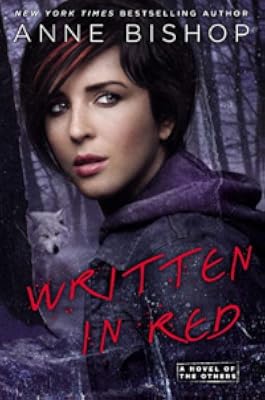
Fantasy. Fiction. No one creates realms like New York Times bestselling author Anne Bishop. Now in a thrilling new fantasy series, enter a world inhabited by the Others, unearthly entities-vampires and shape-shifters among them-who rule the Earth and whose prey are humans. As a cassandra sangue, or blood prophet, Meg Corbyn can see the future when her skin is cut-a gift that feels more like a curse. Meg's Controller keeps her enslaved so he can have full access to her visions. But when she show more escapes, the only safe place Meg can hide is at the Lakeside Courtyard-a business district operated by the Others. Shape-shifter Simon Wolfgard is reluctant to hire the stranger who inquires about the Human Liaison job. First, he senses she's keeping a secret, and second, she doesn't smell like human prey. Yet a stronger instinct propels him to give Meg the job. And when he learns the truth about Meg and that she's wanted by the government, he'll have to decide if she's worth the fight between humans and the Others that will surely follow. show lessTags
Recommendations
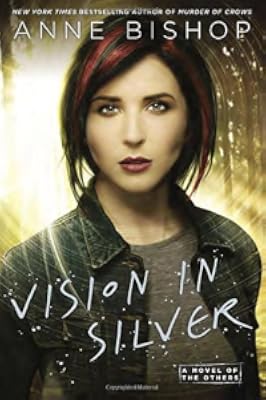
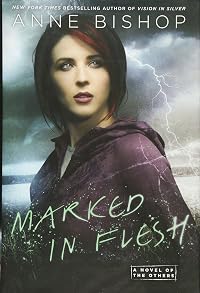
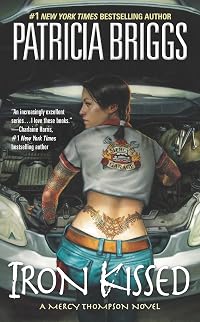
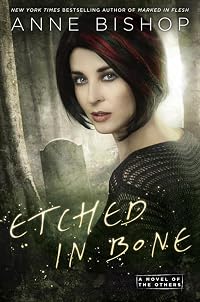
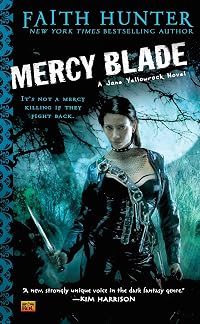
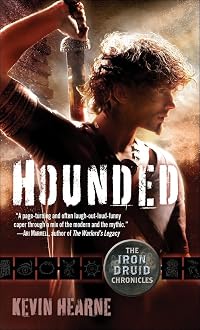
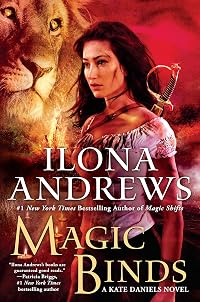
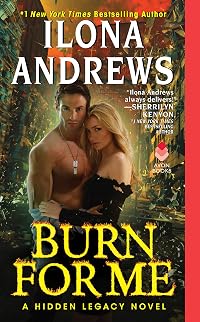
Member Recommendations
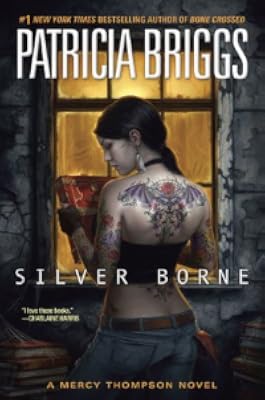
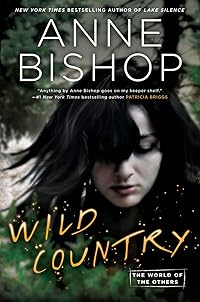
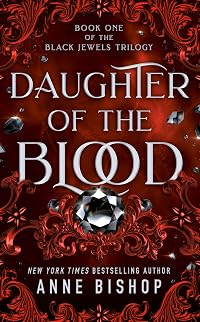
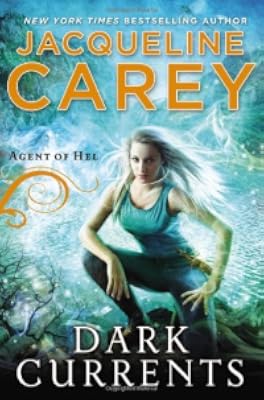
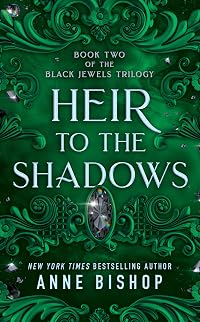
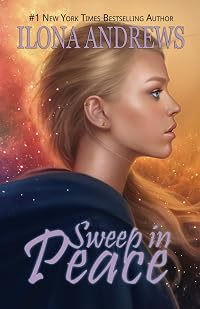
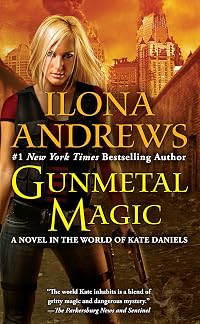
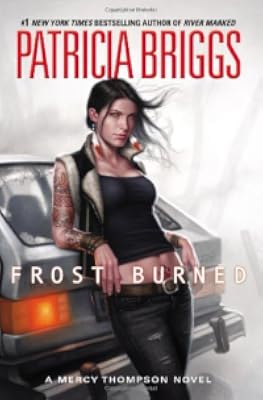
lottpoet In Ill Wind 'Mother Nature' is at war with humans (thus all the earthquakes, tornadoes, tsunamis, etc.) forcing the humans to augment their own power with djinn to help keep the earth from destroying all humans with its elemental destructive power.
Member Reviews
Written in Red is the first book in The Others series by Anne Bishop. The story is set on an alternate Earth where the world is populated by terra indigene, the earth natives, the Others, who consider humans to be their prey.
Meg Corbyn is on the run. Having fled the facility where she was being kept by her Controller, Meg is desperate to find a safe place where she can hide for a few days. Meg is a cassandra sangue, a blood prophet, a person who can see the future when her skin is cut. This makes her very valuable to those who are chasing her. Seeing a sign at the Lakeside Courtyard for a job as Human Liaison, Meg decides that maybe hiding with the Others is the safest place she can be for a few days. Simon Wolfgard knows there's show more something different about Meg, she doesn't smell right and she's obviously hiding something, so he reluctantly gives her the job to buy himself time to solve what ever mystery it is she's hiding. Besides, the Courtyard really does need someone who can interact with the humans in the area, even if only for a few days.
Slice of life meets paranormal fantasy! I don't know how Bishop managed it but she pulled it off. The story is one beautifully written slow burn that focuses on Meg's daily life of mail delivery as she adjust to her new role as Human Liaison for the Others and learns about the world outside the compound she escaped from. I can see how this could be frustrating for some readers as the plot moves at a glacial pace. I quite enjoyed spending my time with Meg going about her day and learning about both the world and the Others right along with her.
Meg is definitely not your typical heroine. Given that she's been sheltered her whole life, only learning through training videos and other imagery, Meg retains a childlike innocence about her. In some ways her lack of a typical upbringing is a benefit as it gives her a completely different perspective of the world and the Others, allowing her think of solutions to her unique situation that most people likely wouldn't have. It also turns laugh out loud funny at times with some of the odd reactions she has to basic things we take for granted. Meg's courageous, forthright, intelligent and genuinely cares about others no matter what their species. I liked her a lot.
The Others of the Courtyard were a genuine treat to get to know. Bishop has given the standard paranormal creatures a great twist as they identify much more with their beast and elemental natures. This lends an eerie atmosphere to most of the story as these beings are definitely NOT human and barely understand the basics of humanity. Simon, Sam, Tess, the ponies, Vlad and all the rest were a lot of fun to watch how they reacted to Meg-the-not-prey and learned to care about her in their way.
Most unique is there isn't any romance. I honestly have no idea when the last time I read a paranormal fantasy that didn't have romance in it. It was a refreshing choice even if I could see something happening between Meg and Simon in future books.
Even though this is a slow burn that does not mean there isn't any action. The violence of the Others is bloody and can be disconcerting when you realize that humans are their food of choice so nothing goes to... waste.
I quite enjoyed spending my time with the Others. I look forward to continuing along with Meg and her adventures in the next book. show less
Meg Corbyn is on the run. Having fled the facility where she was being kept by her Controller, Meg is desperate to find a safe place where she can hide for a few days. Meg is a cassandra sangue, a blood prophet, a person who can see the future when her skin is cut. This makes her very valuable to those who are chasing her. Seeing a sign at the Lakeside Courtyard for a job as Human Liaison, Meg decides that maybe hiding with the Others is the safest place she can be for a few days. Simon Wolfgard knows there's show more something different about Meg, she doesn't smell right and she's obviously hiding something, so he reluctantly gives her the job to buy himself time to solve what ever mystery it is she's hiding. Besides, the Courtyard really does need someone who can interact with the humans in the area, even if only for a few days.
Slice of life meets paranormal fantasy! I don't know how Bishop managed it but she pulled it off. The story is one beautifully written slow burn that focuses on Meg's daily life of mail delivery as she adjust to her new role as Human Liaison for the Others and learns about the world outside the compound she escaped from. I can see how this could be frustrating for some readers as the plot moves at a glacial pace. I quite enjoyed spending my time with Meg going about her day and learning about both the world and the Others right along with her.
Meg is definitely not your typical heroine. Given that she's been sheltered her whole life, only learning through training videos and other imagery, Meg retains a childlike innocence about her. In some ways her lack of a typical upbringing is a benefit as it gives her a completely different perspective of the world and the Others, allowing her think of solutions to her unique situation that most people likely wouldn't have. It also turns laugh out loud funny at times with some of the odd reactions she has to basic things we take for granted. Meg's courageous, forthright, intelligent and genuinely cares about others no matter what their species. I liked her a lot.
The Others of the Courtyard were a genuine treat to get to know. Bishop has given the standard paranormal creatures a great twist as they identify much more with their beast and elemental natures. This lends an eerie atmosphere to most of the story as these beings are definitely NOT human and barely understand the basics of humanity. Simon, Sam, Tess, the ponies, Vlad and all the rest were a lot of fun to watch how they reacted to Meg-the-not-prey and learned to care about her in their way.
Most unique is there isn't any romance. I honestly have no idea when the last time I read a paranormal fantasy that didn't have romance in it. It was a refreshing choice even if I could see something happening between Meg and Simon in future books.
Even though this is a slow burn that does not mean there isn't any action. The violence of the Others is bloody and can be disconcerting when you realize that humans are their food of choice so nothing goes to... waste.
I quite enjoyed spending my time with the Others. I look forward to continuing along with Meg and her adventures in the next book. show less
Okay, first, a warning: if you ever engaged in self-harm, if you have ever been tempted to engage in self-harm, don't read this book. Don't go near this book. Don't even finish this review. You'd be better off reading Moby Dick backwards while dangling upside-down by a toe.
Actually, everyone would be better off reading Moby Dick backwards while dangling upside-down by a toe. This isn't just a bad book, it's an actively awful one on virtually every level. I finished this book so mad I came back to GR for the first time in years to write this review.
And then I stared at the blank box for weeks, wondering how to encapsulate all that was terrible about this book in one review. My conclusion: I can't. So let's just hit the lowlights, show more discussed here in no particular order because you can't really rank disasters of this magnitude.
Hero Confusion
This book has no idea who its heroes are. The nominal good guys, the ones the narrative wants us to root for, are the "good" earth natives (supernatural entities of many varieties -- werewolves, vampires, elementals, etc.). Now. The earth natives have powers that far overwhelm any human's abilities. A single earth native of the weakest variety can kill many humans. The most powerful varieties could kill every human on a continent without much effort, and they have no weaknesses at all. Because might exclusively makes right in this world (yeah, we'll get to that), the earth natives own everything in the Americas. (And most things everywhere else, as far as I could tell, but the worldbuilding -- we'll get to that, too -- is super shaky, so I'm not sure.)
The earth natives control resources, transportation, food, water, everything. And they can take any of that away from the humans, any time they want to. (They can also, of course, just kill them. Just sometimes it's more fun to make them eat their loved ones first.) This is textbook oppression. The most powerful control everything and will kill you or take away what you need to live at the slightest hint of dissent. And we're expected by this book to actively root for the oppressors to continue to dominate and oppress. I couldn't manage it.
Oh, and I mentioned that there are good and bad earth natives, according to the narrative. What separates them? The good ones only kill and hurt some humans. The bad ones want to kill all the humans. When the good ones get angry, they only kill or hurt the people who pissed them off, plus a random selection of other humans who had nothing to do with it. When the bad ones get angry, they kill every human in a town or larger area. That's…like, it's an improvement not to kill everyone, sure, but. It doesn't make you good. It doesn't make you acceptable. I'm not going to like you just because you hurt innocent people less.
This Book Hates Women
WOW does this book hate women. The hatred oozes from every page. It's not just that Bishop relies on the same tired old misogynistic tropes -- the Evil Ex Who Has No Redeeming Features and Cruelly Manipulates a Man, the Terrible Woman Who Uses Her Body or Her Looks for Personal Gain and Thus Must Die Horribly, and of course that wonderful standby: the Only Good Woman Is a Victim. It's not even mostly that.
It's that Bishop has structured this world based on the following principles:
1. Might and only might makes right.
2. Humans are weak.
3. Women, even when powerful, are weak.
So you get a ruling class made up of earth natives, and who rules the earth natives? The dudes. The female earth natives may have phenomenal cosmic powers, and many of them do, but they don't make decisions. They serve. They cook. They clean. They care for children. They admire shiny objects. And that is all they get to do. And the human women, being in two despised classes (human and female) get even less.
The main female character, Meg, is a classic Good Woman Victim, having been raised in captivity, abuse, and total isolation (…and yet somehow she's able to function in society; sadly, I'm not going to have room here to cover the unrealistic pile of damaging crap that is this book's approach to trauma), with her actual life starting at the beginning of the book. She finds work as a clerk and gets adopted by the earth natives because she's -- well, nice to them? I guess? And also does her job better than her predecessors? It's never made clear. But her weakness is emphasized again and again, from her inability to get over a countertop (played for laughs) to her inability to make choices for her own body (repeatedly taken from her by many characters) to her helplessness and need for protection. She's the classic heroine who does not do but is done to. Her main ability is to hurt herself. (No, seriously, that's her gift: she cuts herself so she can issue prophecies.) It's frustrating as hell.
The male main character, meanwhile, is everything you ever hated about the dominant male werewolf stereotype multiplied by ten, with a heaping helping of oppression thrown in.
The only really interesting character is Asia, a woman who attempts to do things for herself, investigate, learn stuff -- except she's the buffoon bad guy, depicted as an over-the-top scheming moustache-twirling villain who should burn, burn, burn for her crimes (of…using what she has to attempt to get ahead in this oppressive society that limits her choices). Spoiler: she's killed horribly! As is the inevitable fate, in Bishop's world, of women who do stuff and make choices.
The Worldbuilding Is a Disaster. A Racist, Racist Disaster.
Okay, so, Native Americans. You remember them, right? Well, they…don't exist in this book. They never existed, as far as I can tell. And they aren't just erased, either. No. They are explicitly turned into monsters. The little legend at the front of the book describes the European colonists arriving in the New World and trading baubles and cloth for land rights. Um. That actually happened, except it was to actual people who were then horribly abused and killed. But no, here, they were all-powerful monsters! The heroes were the brave, noble, outmatched colonizers!
Yup. This story attempts to reclaim the colonizers as heroes myth, while apparently turning Native Americans into non-human monsters. I'll give you a second to settle your stomach.
But once you've swallowed that giant, choke-inducing, rotten pill, you have to swallow a whole bunch more tiny crap-flavored ones. Bishop has no explanation for anything in this book. Why did human society develop along such similar lines, with similar governmental systems, for example, when everything is so different? The earth natives were always there! The human government has been a sham from the start! Why would it look like ours? Why would the police system look like ours? Why would the entertainment industry be like ours? Why are the same inventions present when access to raw materials is tightly controlled by the earth natives and there are far, far fewer humans? Innovation should be stunted, but -- I guess it isn't. WHY? I could sit here all night coming up with these questions. None of them is ever answered, or answerable in a way that makes logical sense.
TL;DR
If you can ignore the misogyny, the racism, the utter senselessness, the hero confusion, and the other flaws of this book, it's a page-turning id romp. If you read it with your brain turned on for even a single second, the whole house of cards will collapse and you'll be left with absolute seething fury. At this book, at this author, at the people who published it, at the place that sold it to you, at the paper it's printed on.
Read something else. Almost anything else. Read Ilona Andrews' Burn for Me and discover what urban fantasy looks like when it doesn't hate women. Read The Martian and discover what page-turners are like when they don't leave you feeling dirty.
Or read this. In which case, I wish you strength. You'll need it. show less
Actually, everyone would be better off reading Moby Dick backwards while dangling upside-down by a toe. This isn't just a bad book, it's an actively awful one on virtually every level. I finished this book so mad I came back to GR for the first time in years to write this review.
And then I stared at the blank box for weeks, wondering how to encapsulate all that was terrible about this book in one review. My conclusion: I can't. So let's just hit the lowlights, show more discussed here in no particular order because you can't really rank disasters of this magnitude.
Hero Confusion
This book has no idea who its heroes are. The nominal good guys, the ones the narrative wants us to root for, are the "good" earth natives (supernatural entities of many varieties -- werewolves, vampires, elementals, etc.). Now. The earth natives have powers that far overwhelm any human's abilities. A single earth native of the weakest variety can kill many humans. The most powerful varieties could kill every human on a continent without much effort, and they have no weaknesses at all. Because might exclusively makes right in this world (yeah, we'll get to that), the earth natives own everything in the Americas. (And most things everywhere else, as far as I could tell, but the worldbuilding -- we'll get to that, too -- is super shaky, so I'm not sure.)
The earth natives control resources, transportation, food, water, everything. And they can take any of that away from the humans, any time they want to. (They can also, of course, just kill them. Just sometimes it's more fun to make them eat their loved ones first.) This is textbook oppression. The most powerful control everything and will kill you or take away what you need to live at the slightest hint of dissent. And we're expected by this book to actively root for the oppressors to continue to dominate and oppress. I couldn't manage it.
Oh, and I mentioned that there are good and bad earth natives, according to the narrative. What separates them? The good ones only kill and hurt some humans. The bad ones want to kill all the humans. When the good ones get angry, they only kill or hurt the people who pissed them off, plus a random selection of other humans who had nothing to do with it. When the bad ones get angry, they kill every human in a town or larger area. That's…like, it's an improvement not to kill everyone, sure, but. It doesn't make you good. It doesn't make you acceptable. I'm not going to like you just because you hurt innocent people less.
This Book Hates Women
WOW does this book hate women. The hatred oozes from every page. It's not just that Bishop relies on the same tired old misogynistic tropes -- the Evil Ex Who Has No Redeeming Features and Cruelly Manipulates a Man, the Terrible Woman Who Uses Her Body or Her Looks for Personal Gain and Thus Must Die Horribly, and of course that wonderful standby: the Only Good Woman Is a Victim. It's not even mostly that.
It's that Bishop has structured this world based on the following principles:
1. Might and only might makes right.
2. Humans are weak.
3. Women, even when powerful, are weak.
So you get a ruling class made up of earth natives, and who rules the earth natives? The dudes. The female earth natives may have phenomenal cosmic powers, and many of them do, but they don't make decisions. They serve. They cook. They clean. They care for children. They admire shiny objects. And that is all they get to do. And the human women, being in two despised classes (human and female) get even less.
The main female character, Meg, is a classic Good Woman Victim, having been raised in captivity, abuse, and total isolation (…and yet somehow she's able to function in society; sadly, I'm not going to have room here to cover the unrealistic pile of damaging crap that is this book's approach to trauma), with her actual life starting at the beginning of the book. She finds work as a clerk and gets adopted by the earth natives because she's -- well, nice to them? I guess? And also does her job better than her predecessors? It's never made clear. But her weakness is emphasized again and again, from her inability to get over a countertop (played for laughs) to her inability to make choices for her own body (repeatedly taken from her by many characters) to her helplessness and need for protection. She's the classic heroine who does not do but is done to. Her main ability is to hurt herself. (No, seriously, that's her gift: she cuts herself so she can issue prophecies.) It's frustrating as hell.
The male main character, meanwhile, is everything you ever hated about the dominant male werewolf stereotype multiplied by ten, with a heaping helping of oppression thrown in.
The only really interesting character is Asia, a woman who attempts to do things for herself, investigate, learn stuff -- except she's the buffoon bad guy, depicted as an over-the-top scheming moustache-twirling villain who should burn, burn, burn for her crimes (of…using what she has to attempt to get ahead in this oppressive society that limits her choices). Spoiler: she's killed horribly! As is the inevitable fate, in Bishop's world, of women who do stuff and make choices.
The Worldbuilding Is a Disaster. A Racist, Racist Disaster.
Okay, so, Native Americans. You remember them, right? Well, they…don't exist in this book. They never existed, as far as I can tell. And they aren't just erased, either. No. They are explicitly turned into monsters. The little legend at the front of the book describes the European colonists arriving in the New World and trading baubles and cloth for land rights. Um. That actually happened, except it was to actual people who were then horribly abused and killed. But no, here, they were all-powerful monsters! The heroes were the brave, noble, outmatched colonizers!
Yup. This story attempts to reclaim the colonizers as heroes myth, while apparently turning Native Americans into non-human monsters. I'll give you a second to settle your stomach.
But once you've swallowed that giant, choke-inducing, rotten pill, you have to swallow a whole bunch more tiny crap-flavored ones. Bishop has no explanation for anything in this book. Why did human society develop along such similar lines, with similar governmental systems, for example, when everything is so different? The earth natives were always there! The human government has been a sham from the start! Why would it look like ours? Why would the police system look like ours? Why would the entertainment industry be like ours? Why are the same inventions present when access to raw materials is tightly controlled by the earth natives and there are far, far fewer humans? Innovation should be stunted, but -- I guess it isn't. WHY? I could sit here all night coming up with these questions. None of them is ever answered, or answerable in a way that makes logical sense.
TL;DR
If you can ignore the misogyny, the racism, the utter senselessness, the hero confusion, and the other flaws of this book, it's a page-turning id romp. If you read it with your brain turned on for even a single second, the whole house of cards will collapse and you'll be left with absolute seething fury. At this book, at this author, at the people who published it, at the place that sold it to you, at the paper it's printed on.
Read something else. Almost anything else. Read Ilona Andrews' Burn for Me and discover what urban fantasy looks like when it doesn't hate women. Read The Martian and discover what page-turners are like when they don't leave you feeling dirty.
Or read this. In which case, I wish you strength. You'll need it. show less
No one creates realms like New York Times bestselling author Anne Bishop. Now in a thrilling new fantasy series, enter a world inhabited by the Others, unearthly entities—vampires and shape-shifters among them—who rule the Earth and whose prey are humans.show more
As a cassandra sangue, or blood prophet, Meg Corbyn can see the future when her skin is cut—a gift that feels more like a curse. Meg’s Controller keeps her enslaved so he can have full access to her visions. But when she escapes, the only safe place Meg can hide is at the Lakeside Courtyard—a business district operated by the Others.
Shape-shifter Simon Wolfgard is reluctant to hire the stranger who inquires about the Human Liaison job. First, he senses she’s keeping a
secret, and second, she doesn’t smell like human prey. Yet a stronger instinct propels him to give Meg the job. And when he learns the truth about Meg and that she’s wanted by the government, he’ll have to decide if she’s worth the fight between humans and the Others that will surely follow.
An incredibly original spin on a well trodden path, this book turns the idea of paranormal creatures and humans on its ear. In a world where humans are considered prey/meat/monkeys, and they know it, there is one group of the Others, known as the terra indigene that are slowly testing the waters of treating the humans slightly better.
The Lakeside Courtyard is home to numerous different types of terra indigene (means earth natives), including Wolves, Elementals, Coyotes, Corvines, Hawks, a Grizzly Bear, Sanguinati (vampires), and one that the rest know is a terra indigene but not what she is specifically. And frankly they're OK with not knowing, for she scares even the top of the predator food chain. Courtyards exist within cities for groups of the Others who have the task of keeping watch over the city’s residents to ensure that they stick to the original agreements and treaties.
Lakeside Courtyard is the only one in all of Thaisia that has a section with shops that both employees a small number of humans and has a few select shops that allows the humans to shop there. It is a rigidly controlled environment, and one where human laws do not apply; if and of the Others take offense from a human they have the freedom to do whatever they desire, from biting off the hand of a first time shoplifting offender, to killing and eating the offender. Regardless of how many times the humans have tried to expand the territory allowed them, they never seem to grasp that they will never prevail and so they continue to try. Each uprising usually ends with the loss of an entire town or city.
The day Meg Corbyn shows up in the Courtyard, wet, cold, and frightened, marks the beginning of changes for the Lakeside Courtyard community and possibly the human communities near it. On something of a whim Meg is hired by the community leader, Simon Wolfgard to fill the Human Liaison position, which equates to accepting deliveries, sorting mail, and delivering packages too large for the boxes in her office.
Right away Meg puts Simon on edge, and he soon figures out it is because she doesn't smell like prey. But as she settles into a tentative routine, so to do members of the Courtyard community. Eventually Simon and a few others discover that Meg is a cassandra sangue, or blood prophet. It is likely this is why she has survived the job as long as she has, and even begun to make friends. The problem is that Meg's former owner wants his property back. So the question is, does she mean enough to the terra indigene in Lakeside Courtyard that they will grant her their protection, or will they simply give her back?
This book is an incredible read, full of suspense, adventure, and rich characters that grow and change throughout the story. The pacing and arc of the story are spot on, eliciting unexpected emotional responses from the reader. Multiple threads of smaller stories are woven together to create a whole tapestry that provides enough material to ponder for days. The hint of a possible romance between predator and prey is by turns, amusing, confusing, tender, confounding, and vastly entertaining, made more so because it appears to be one-sided thus far. The book will leave you beyond anxious for the next installment in the series Murder of Crows. show less
Written in Red is a different kind of urban fantasy. Although it’s certainly not boring or slow, it has an almost slice-of-life feel. There’s a strong theme of community running though the entire novel, like a small-town mystery except with supernatural creatures.
The protagonist, Meg, possesses a childlike innocence that makes her different from other UF heroines. She's inherently trusting of people she doesn't know; she takes great pride in a job that’s relatively simple and unskilled; and she goes out of her way to be friendly to creatures a logical, informed person should fear. Meg survives not because she’s smart or strong, but because the Others recognize that she’s different and adopt her as one of their own. Ultimately, show more this isn’t a story where the heroine saves the day; it’s a story about family.
The Others themselves are both cartoonish and horrifying. One minute the werewolves are acting like adorable puppies and the next they’re tearing into someone’s guts. I’m honestly not sure if I like this characterization or if I hate it. The one aspect of the story I loved unequivocally was the interactions between the human community and the Others. Watching Officer Montgomery slowly develop a relationship with these creatures - and seeing what each side thinks about it - is fascinating and perhaps the most compelling part of the novel.
In short, Written in Red is not at all what I was expecting, but I still enjoyed it. The world Bishop has created is a unique and interesting place. I definitely wouldn’t mind returning to it in the future. show less
The protagonist, Meg, possesses a childlike innocence that makes her different from other UF heroines. She's inherently trusting of people she doesn't know; she takes great pride in a job that’s relatively simple and unskilled; and she goes out of her way to be friendly to creatures a logical, informed person should fear. Meg survives not because she’s smart or strong, but because the Others recognize that she’s different and adopt her as one of their own. Ultimately, show more this isn’t a story where the heroine saves the day; it’s a story about family.
The Others themselves are both cartoonish and horrifying. One minute the werewolves are acting like adorable puppies and the next they’re tearing into someone’s guts. I’m honestly not sure if I like this characterization or if I hate it. The one aspect of the story I loved unequivocally was the interactions between the human community and the Others. Watching Officer Montgomery slowly develop a relationship with these creatures - and seeing what each side thinks about it - is fascinating and perhaps the most compelling part of the novel.
In short, Written in Red is not at all what I was expecting, but I still enjoyed it. The world Bishop has created is a unique and interesting place. I definitely wouldn’t mind returning to it in the future. show less
I'm so happy, that I decided to start with this book, because it was just great! I simply flew through it, although it was not a short book - 496 pages. I love Anne Bishop's writing style, so I knew I was going to enjoy the language of the book, I just wasn't sure if I would like the plot. And I did! It was a great story.
Meg is hiding from the people trying to hunt her and she hides among the Others. The Others usually don't like humans, but they discover, that Meg is unique - a blood prophet, who can see the future - and they decide to keep her.
I especially liked, that the Others were so not human. Usually a werewolf or a vampire is just a man who has some special abilities - well, the Others were not human at all and we kept getting show more really bloody and horrible moments, like eating a living person or burning somebody's hands. I don't like horrors, but Anne Bishop can write so well, that I enjoyed this book despite those moments.
Meg was so sweet and good and I really like her. The wolves were moody and angry all the time - I wasn't the biggest fan, especially of Elliot. I loved Tess, she was really original and scary. I don't understand why Monty from the police got so much interest in this book, because he did more or less nothing, but maybe he's going to be important later. Generally, the characters were well developed and interesting.
What I found annoying was the so-called villain - Asia Crane was so stupid, greedy and irritating, that I kept thinking why Simon simply didn't eat her. The Others are so powerful and strong, yet one stupid Asia managed to cause the death of two of them? I didn't like that.
The second problem I had was how little humans and the Others knew about each other. They lived together for hundreds of years and they behave as if they just met. It was strange.
Anyway, the book was great, I loved it and I will definitely read the second book in this series soon.
(first published on my blog https://dominikasreadingchallenge.blogspot.com/) show less
Meg is hiding from the people trying to hunt her and she hides among the Others. The Others usually don't like humans, but they discover, that Meg is unique - a blood prophet, who can see the future - and they decide to keep her.
I especially liked, that the Others were so not human. Usually a werewolf or a vampire is just a man who has some special abilities - well, the Others were not human at all and we kept getting show more really bloody and horrible moments, like eating a living person or burning somebody's hands. I don't like horrors, but Anne Bishop can write so well, that I enjoyed this book despite those moments.
Meg was so sweet and good and I really like her. The wolves were moody and angry all the time - I wasn't the biggest fan, especially of Elliot. I loved Tess, she was really original and scary. I don't understand why Monty from the police got so much interest in this book, because he did more or less nothing, but maybe he's going to be important later. Generally, the characters were well developed and interesting.
What I found annoying was the so-called villain - Asia Crane was so stupid, greedy and irritating, that I kept thinking why Simon simply didn't eat her. The Others are so powerful and strong, yet one stupid Asia managed to cause the death of two of them? I didn't like that.
The second problem I had was how little humans and the Others knew about each other. They lived together for hundreds of years and they behave as if they just met. It was strange.
Anyway, the book was great, I loved it and I will definitely read the second book in this series soon.
(first published on my blog https://dominikasreadingchallenge.blogspot.com/) show less
I listened to the audiobook version of "Written In Red" in December 2013. I didn't write a review because I was so blown away all I'd have been able to say was: "Best fantasy novel I've read in a long, long time." I needed a bit of distance to get some perspective on what I enjoyed and why. Last weekend, I was in "Forbidden Planet" in Liverpool and saw that the third book in the series, " Vision In Silver" had just been released in hardback. It was an instant and joyful buy. So I figured it was time to review the books that have brought me so much pleasure.
In my view "Written In Red" is closer to classic science fiction than it is to urban fantasy. Anne Bishop isn't writing about supernatural creatures roaming city streets. She's show more created an alternative reality, imagined the way good science fiction should be: starting with two small changes to our familiar reality - humans are not at the top of the food chain and shapeshifters are not only real but dominant - while keeping everything else the same and then working through the consequences. She then delivers complex, credible, I'm-hungry-to-know-more world-buidling in simple prose. But what makes this book unmissable is that she made that world real to me by creating characters I cared about and putting them in peril.
The back story to Anne Bishop's alternative reality is that humans evolved and developed their civilization away from the wilderness that covers most of the planet. Then they came into contact with The Others - predatory shapeshifters and fierce elementals - who dominate the planet and to whom humans are "clever meat". The two cultures clashed. The humans lost. Again and again, over centuries, during which humans negotiated the right to specific pieces of land in exchange for services rendered.
At the time of the events of "Written In Red", humans are thriving on their "reservations" and are being supervised by Others living in Courtyards from which they observe what the clever meat is up to.
The Others in "Written In Red" can be described as werewolves or vampires or even werecrows but Anne Bishop only uses the familiar tropes to twist away from them. The Others are not humans who shift into wolves. They are wolves who occasionally choose to put on human skin. The Others are fundamentally alien. They literally eat humans that displease them. They are fiercely loyal to each other. They have a strong sense of pack or flock or hierarchy. They are civilized but they are not at all like us.
Into this world comes Meg Corbyn, a homeless waif with a secret. A Courtyard takes her in as their "Human Liaison" and the history of the world starts to pivot. Meg is engaging vulnerable, empathetic, curious, kind, and dutiful. Her innocence is explained byf her sequestered life as a cassandra sangue, a woman who can see the future if her is skin is sliced. That she is kind and extremely likable is explained only by the fact that she is Meg.
The interaction between Meg and the Others is one of the most enjoyable things about the book. They laugh at her and puzzle over her but they also give her shelter. They declare her to "Our Meg" and protect her even though they are unaware of her background. She becomes, in effect, a valued pet human.
The treatment of the cassandra sangue by humans is far more monstrous than anything the Others do. When the Others sell human flesh as "Special Meat" it is an honest, malice-free act. When humans exploit the cassandra sangue their actions are both fundamentaly inhumane and realistically human.
Anne Bishop's alternative reality is a dark and threatening as an ancient forest. Immediately after reading the book, I might have said that the darkness came from the constant threat the Others pose to humans, but the darkest image lingering in my imagination is Meg's razor: the one with her number on it, the one that was used to slice her skin to force her visions, the only thing she carried with her to her new freedom. The razor is a source pain and pleasure, a sign of slavery and a badge of honour, a bone-deep fear and a heart-felt desire. The razor and all it means, makes Meg Corbyn much darker than she first appears to be. In many ways it brings her closer to being one of the Others and makes her disturbing as well as engaging.
In "Written in Red", most humans who have power or are seeking it, are not mentally equipped to accept a status quo in which they are not at the top of the food chain. They are constantly plotting, looking for an edge that will enable them to become the apex predators. This seemed realistic to me, although I think the human evil-doers would have been more interesting if they had been a little less irredeemably venal.
"Written In Red" is original, rigorously thought through, passionate and written in deceptively simple prose. I believe it is the start of an outstanding series.
show less
In my view "Written In Red" is closer to classic science fiction than it is to urban fantasy. Anne Bishop isn't writing about supernatural creatures roaming city streets. She's show more created an alternative reality, imagined the way good science fiction should be: starting with two small changes to our familiar reality - humans are not at the top of the food chain and shapeshifters are not only real but dominant - while keeping everything else the same and then working through the consequences. She then delivers complex, credible, I'm-hungry-to-know-more world-buidling in simple prose. But what makes this book unmissable is that she made that world real to me by creating characters I cared about and putting them in peril.
The back story to Anne Bishop's alternative reality is that humans evolved and developed their civilization away from the wilderness that covers most of the planet. Then they came into contact with The Others - predatory shapeshifters and fierce elementals - who dominate the planet and to whom humans are "clever meat". The two cultures clashed. The humans lost. Again and again, over centuries, during which humans negotiated the right to specific pieces of land in exchange for services rendered.
At the time of the events of "Written In Red", humans are thriving on their "reservations" and are being supervised by Others living in Courtyards from which they observe what the clever meat is up to.
The Others in "Written In Red" can be described as werewolves or vampires or even werecrows but Anne Bishop only uses the familiar tropes to twist away from them. The Others are not humans who shift into wolves. They are wolves who occasionally choose to put on human skin. The Others are fundamentally alien. They literally eat humans that displease them. They are fiercely loyal to each other. They have a strong sense of pack or flock or hierarchy. They are civilized but they are not at all like us.
Into this world comes Meg Corbyn, a homeless waif with a secret. A Courtyard takes her in as their "Human Liaison" and the history of the world starts to pivot. Meg is engaging vulnerable, empathetic, curious, kind, and dutiful. Her innocence is explained byf her sequestered life as a cassandra sangue, a woman who can see the future if her is skin is sliced. That she is kind and extremely likable is explained only by the fact that she is Meg.
The interaction between Meg and the Others is one of the most enjoyable things about the book. They laugh at her and puzzle over her but they also give her shelter. They declare her to "Our Meg" and protect her even though they are unaware of her background. She becomes, in effect, a valued pet human.
The treatment of the cassandra sangue by humans is far more monstrous than anything the Others do. When the Others sell human flesh as "Special Meat" it is an honest, malice-free act. When humans exploit the cassandra sangue their actions are both fundamentaly inhumane and realistically human.
Anne Bishop's alternative reality is a dark and threatening as an ancient forest. Immediately after reading the book, I might have said that the darkness came from the constant threat the Others pose to humans, but the darkest image lingering in my imagination is Meg's razor: the one with her number on it, the one that was used to slice her skin to force her visions, the only thing she carried with her to her new freedom. The razor is a source pain and pleasure, a sign of slavery and a badge of honour, a bone-deep fear and a heart-felt desire. The razor and all it means, makes Meg Corbyn much darker than she first appears to be. In many ways it brings her closer to being one of the Others and makes her disturbing as well as engaging.
In "Written in Red", most humans who have power or are seeking it, are not mentally equipped to accept a status quo in which they are not at the top of the food chain. They are constantly plotting, looking for an edge that will enable them to become the apex predators. This seemed realistic to me, although I think the human evil-doers would have been more interesting if they had been a little less irredeemably venal.
"Written In Red" is original, rigorously thought through, passionate and written in deceptively simple prose. I believe it is the start of an outstanding series.
show less
I’m so glad I gave this book a shot. I have to admit, I haven’t had the best experience when it comes to Anne Bishop (I really wanted to like Daughter of the Blood in her Black Jewels series, but just couldn’t seem to get into it) so I initially shied away from this one. However, after multiple recommendations and even an assurance or two that Written in Red is very different from Bishop’s epic fantasy, I was finally convinced to pick it up.
I was also told that The Others should be right up my alley, based on the type of urban fantasy series I like to read. I daresay that was a good call. I love this genre for the interesting characters and unique worlds, and Written in Red certainly delivers in that respect. Not only that, Anne show more Bishop introduces UF elements in this book that are at once brand new but also familiar, which was great. Given my mixed feelings in the past with her other work, it felt reassuring to find this book settling nicely in my comfort zone.
Despite my tepid feelings towards Daughter of the Blood, even I couldn’t deny that Anne Bishop has a knack for creating worlds. Her talent and imagination is evident everywhere in her world of The Others, where the mundane and the supernatural coexist in a fragile balance…so to speak. Namely, it’s the unearthly creatures who are in charge, and so long as we the puny humans keep in line, they will tolerate sharing the living space with us. It’s different, but makes a lot of sense. Why should “The Others” hide and live in secret when they are powerful and their numbers are strong? People are prey, and they are put in their place.
It is also a world of more than just vampires and werewolves. Granted, there are shapeshifters aplenty, but they come in many other forms, such as crows, owls, etc. Here you will encounter all kinds of creatures and races of powerful humans never seen or heard of before. Take the protagonist Meg Corbyn, a blood prophet who has the ability to see the future when her skin is cut. Kind of a morbid power, really, but also very intriguing. Bishop does have a real gift for creating and describing magic, and for me that dark, vaguely-disturbing but enchanting quality is what I remember of her style. I really like how she has applied that here to this world that is so very, very different from what I’ve previously read from her.
Speaking of which, Bishop’s also not the first epic/high fantasy author I’ve read who has taken the leap into urban fantasy in recent years. In a few cases, pacing seemed to be a mild issue with the storytelling, and I couldn’t help but feel it here as well. For one thing, the page count. It’s relatively lengthy for an urban fantasy novel, especially a series starter, and I don’t know if it really needed to be so long. Looking back, I can think of quite a few scenes that probably weren’t required. World building is important, sure, but at times I felt it came at the price of momentum.
Still, I liked the cohesiveness of the plot. So many urban fantasy novels seem to be crammed to the brim with action and a whole lot of ideas and plot threads these days, all in about 300 pages. Written in Red may be longer, but at least it gives Meg’s plight and her relationships with The Others the full attention it deserves. As a main protagonist, she’s perhaps a bit too timid for my tastes, but the writing is very effective at making the reader feel protective of her and invested in her story. As a result, the tension was palpable throughout the novel even without a billion things happening all at once.
As a parting thought, cheers and thank you to those who recommended this to me and told me to read it. This was a fun read! If I’d continued staying away, I would have totally missed out on a fantastic start to a refreshing new urban fantasy series. No need to remind me to put the next book Murder of Crows on my reading list – it’s already there, I promise. show less
I was also told that The Others should be right up my alley, based on the type of urban fantasy series I like to read. I daresay that was a good call. I love this genre for the interesting characters and unique worlds, and Written in Red certainly delivers in that respect. Not only that, Anne show more Bishop introduces UF elements in this book that are at once brand new but also familiar, which was great. Given my mixed feelings in the past with her other work, it felt reassuring to find this book settling nicely in my comfort zone.
Despite my tepid feelings towards Daughter of the Blood, even I couldn’t deny that Anne Bishop has a knack for creating worlds. Her talent and imagination is evident everywhere in her world of The Others, where the mundane and the supernatural coexist in a fragile balance…so to speak. Namely, it’s the unearthly creatures who are in charge, and so long as we the puny humans keep in line, they will tolerate sharing the living space with us. It’s different, but makes a lot of sense. Why should “The Others” hide and live in secret when they are powerful and their numbers are strong? People are prey, and they are put in their place.
It is also a world of more than just vampires and werewolves. Granted, there are shapeshifters aplenty, but they come in many other forms, such as crows, owls, etc. Here you will encounter all kinds of creatures and races of powerful humans never seen or heard of before. Take the protagonist Meg Corbyn, a blood prophet who has the ability to see the future when her skin is cut. Kind of a morbid power, really, but also very intriguing. Bishop does have a real gift for creating and describing magic, and for me that dark, vaguely-disturbing but enchanting quality is what I remember of her style. I really like how she has applied that here to this world that is so very, very different from what I’ve previously read from her.
Speaking of which, Bishop’s also not the first epic/high fantasy author I’ve read who has taken the leap into urban fantasy in recent years. In a few cases, pacing seemed to be a mild issue with the storytelling, and I couldn’t help but feel it here as well. For one thing, the page count. It’s relatively lengthy for an urban fantasy novel, especially a series starter, and I don’t know if it really needed to be so long. Looking back, I can think of quite a few scenes that probably weren’t required. World building is important, sure, but at times I felt it came at the price of momentum.
Still, I liked the cohesiveness of the plot. So many urban fantasy novels seem to be crammed to the brim with action and a whole lot of ideas and plot threads these days, all in about 300 pages. Written in Red may be longer, but at least it gives Meg’s plight and her relationships with The Others the full attention it deserves. As a main protagonist, she’s perhaps a bit too timid for my tastes, but the writing is very effective at making the reader feel protective of her and invested in her story. As a result, the tension was palpable throughout the novel even without a billion things happening all at once.
As a parting thought, cheers and thank you to those who recommended this to me and told me to read it. This was a fun read! If I’d continued staying away, I would have totally missed out on a fantastic start to a refreshing new urban fantasy series. No need to remind me to put the next book Murder of Crows on my reading list – it’s already there, I promise. show less
Members
- Recently Added By
Lists

Best Fantasy Novels
821 works; 361 members

Favorite Series
238 works; 94 members

Top Five Books of 2013
1,562 works; 715 members

Recommended Speculative Fiction by Women and People of Color
298 works; 45 members

BingoDOG - Books With Mythical Creatures
57 works; 16 members

Best Antagonist Role in Urban Fantasy
214 works; 1 member

Best BRUTAL of Urban Fantasy
244 works; 1 member

SantaThing 2014 Gifts
299 works; 17 members

Kirkus Reviews Best Fiction of 2013
99 works; 6 members

Books Read in 2016
4,666 works; 197 members

Books Read in 2017
4,249 works; 129 members

Books Read in 2019
4,052 works; 108 members
Books Read in 2018
4,360 works; 110 members

Top Five Books of 2024
795 works; 264 members
Author Information

38+ Works 34,862 Members
Anne Bishop is a fantasy writer, born in 1955. Her most noted work is the Black Jewels series. She won the Crawford Award in 2000 for the first three Black Jewels books, sometimes called the Black Jewels trilogy: Daughter of the Blood, Heir to the Shadows, and Queen of the Darkness. She started her writing career by publishing short stories. She show more went on to create several series. The Tir Alainn Trilogy and her third series The Landscapes of Ephemera. She is working on her next series The Others which contains the first three books, Written in Red, Murder of Crows, and Vision in Silver. In 2015, Vision in Silver made The New York Times Best Seller List. (Bowker Author Biography) show less
Some Editions
Awards and Honors
Series

Common Knowledge
- Canonical title
- Written in Red
- Original title
- Written in Red
- Original publication date
- 2013-03-05
- People/Characters
- Meg Corbyn (cs759, a cassandra sangue on the run); Simon Wolfgard (leader of the Lakeside Courtyard, owner of Howling Good Reads, courtyard business association member); Vladimir 'Vlad' Sanguinati (Simon's partner for Howling Good Reads, courtyard business association member); Elliot Wolfgard (Simon's father, works at the consulate, deals with Lakeside's human government); Henry Beargard (carves wood in his studio, courtyard business association member); Asia Crane (spying on Lakeside Courtyard so she can have a TV show) (show all 22); Crispin James Montgomery ('Monty', a lieutenant at Chestnut St. Police Station); Erebus Sanguinati (leader of Lakeside Courtyard's sanguinati); Sam Wolfgard (Simon's young nephew, son of his late sister, Daphne); Jester Coyotegard (takes care of the courtyard ponies); Tess (terra indigne of unknown race, manages A Little Bit, courtyard business association member); Jenni Crowgard (she and her sisters run the courtyard's Sparkle); Karl Kowalski (Monty's partner); Winter (one of the Lakeside Courtyard elementals); Fire (one of the Lakeside Courtyard elementals); Air (one of the Lakeside Courtyard elementals); Water (one of the Lakeside Courtyard elementals); Heather (human employee at Howling Good Reads); Merri Lee (human employee at A Little Bit); Ruth (Karl Kowalski's fiancée); Nathan Wolfgard (Human Liaison watchwolf); the Controller (human)
- Important places
- Lakeside Courtyard (where the terra indigene tasked with monitoring the humans of Lakeside City live); Thaisia (equivalent to at least part of the North American continent); Howling Good Reads, Lakeside Courtyard; Lakeside Courtyard Consulate; A Little Bite (coffee shop connected to Howling Good Reads); the human Liaison's Office/mail room, Lakeside Courtyard (show all 20); Namid; Lakeside Courtyard Pony Barn; Lakeside Courtyard's Chambers; Lakeside Courtyard's Green Complex; Lakeside Courtyard's lake; Lakeside Courtyard's efficiency apartments (above the seamstress/tailor shop); Lakeside City, Thaisia; Chestnut Street Police Station, Lakeside City; Lakeside City's hospital; Lakeside Courtyard's Market Square; Lakeside Courtyard's Utilities Complex; Jerzy, Thaisia; Toland, Thaisia; the Controller's compound of cassandra sangue, Thaisia
- Dedication
- For Blair
- First words
- Long ago, Namid gave birth to all kinds of life, including the beings known as humans.
- Last words
- (Click to show. Warning: May contain spoilers.)But in the end, the cookies won.
- Blurbers
- de Lint, Charles; Flewelling, Lynn
- Original language
- English
Classifications
Statistics
- Members
- 2,087
- Popularity
- 9,891
- Reviews
- 165
- Rating
- (4.22)
- Languages
- 7 — Dutch, English, French, German, Korean, Polish, Portuguese
- Media
- Paper, Audiobook, Ebook
- ISBNs
- 25
- ASINs
- 6