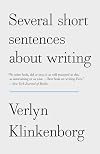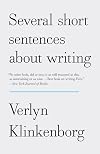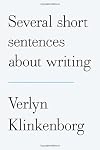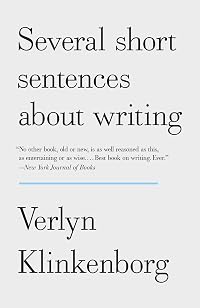
Several Short Sentences About Writing
by Verlyn Klinkenborg
On This Page
Description
Most of what you think you know about writing is useless. It's the harmful debris of your education-a mixture of half-truths, myths, and false assumptions that prevents you from writing well. Drawing on years of experience as a writer and teacher of writing, Verlyn Klinkenborg offers an approach to writing that will change the way you work and think. There is no gospel, no orthodoxy, no dogma in this book. What you'll find here isn't the way to write. Instead, you'll find a way to clear your show more mind of illusions about writing and discover how you write. Several Short Sentences about Writing is a book of first steps and experiments. They will revolutionize the way you think and perceive, and they will change forever the sense of your own authority as a writer. This is a book full of learning, but it's also a book full of unlearning-a way to recover the vivid, rhythmic, poetic sense of language you once possessed.An indispensable and unique book that will give you a clear understanding of how to think about what you do when you write and how to improve the quality of your writing.|To John...The subject...PROLOGUESeveral Short...Some Prose and Some QuestionsSome Practical Problems. show lessTags
Recommendations
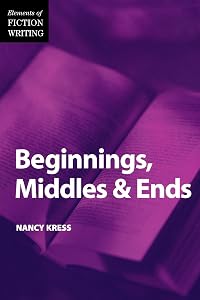
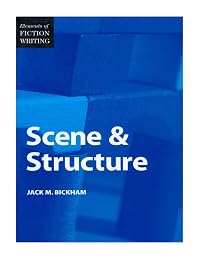
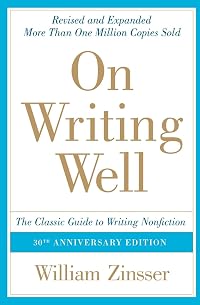
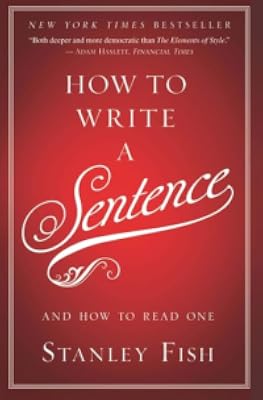




Member Reviews
On the cover of this book, there is a blurb from the New York Journal of Books: “Best book on writing. Ever.”
It’s an excellent example of the Klinkenborg’s advocacy for the power of short sentences. Even if it is, perhaps, a bit hyperbolic.
This is a book I am going to read again. I think it will take a second and third reading to maximize the potential benefits.
Klinkenborg offers a philosophy of writing and it is a lot to absorb in one reading.
One of his main points is that aspiring writers write too soon. They’re too anxious to get something on the page. Even if it sucks. He counsels that writers should have more patience. Think about each sentence, don’t put something down as a placeholder so you can get on to the next show more sentence.
I’ve been trying to do that. Spend less time stressing on number of words and more time thinking about what it is I’m trying to accomplish.
When I win some major writing award. Or secure an agent. Or find a publisher. I’ll let you know if his ideas have helped.
It is probably a truism that we tend to like books and essays where we agree with the author, so I’m not sure everyone will love this books as much as I did. But I did. show less
It’s an excellent example of the Klinkenborg’s advocacy for the power of short sentences. Even if it is, perhaps, a bit hyperbolic.
This is a book I am going to read again. I think it will take a second and third reading to maximize the potential benefits.
Klinkenborg offers a philosophy of writing and it is a lot to absorb in one reading.
One of his main points is that aspiring writers write too soon. They’re too anxious to get something on the page. Even if it sucks. He counsels that writers should have more patience. Think about each sentence, don’t put something down as a placeholder so you can get on to the next show more sentence.
I’ve been trying to do that. Spend less time stressing on number of words and more time thinking about what it is I’m trying to accomplish.
When I win some major writing award. Or secure an agent. Or find a publisher. I’ll let you know if his ideas have helped.
It is probably a truism that we tend to like books and essays where we agree with the author, so I’m not sure everyone will love this books as much as I did. But I did. show less
The layout of this book is worth mentioning: the "several sentences" are broken up on the page like poetry, so each new sentence is on a new line, and sometimes the sentences themselves are divided in this way to set some phrases apart. It forces the reader to go more slowly and pay attention. The book is slightly smaller than most hardcovers, and is set in the Bembo typeface.
Later in the book there are a few passages that the author examines ("Some Prose and Some Questions"), and finally there are example sentences ("Some Practical Problems"), which the author critiques and improves.
Exercise, p. 60: Take a page from an author whose work you like. Circle all the nouns in one color, all the verbs in another color, then the articles, show more adverbs, adjectives, prepositions, conjunctions, and interjections.
This will clarify the parts of speech, and it will help you see how the author uses them.
On another copy, circle the direct objects, indirect objects, participles, relative pronouns, metaphors, similes, analogies...anything you notice.
Quotes
From the Prologue: Part of the struggle in learning to write is learning to ignore what isn't useful to you and pay attention to what is.
How long is a good idea? (8)
Every word is optional until it proves to be essential, something you can only determine by removing words one by one and seeing what's lost or gained.
...
Without extraneous words or phrases or clauses, there will be room for implication.
The longer the sentence, the less it's able to imply, and writing by implication should be one of your goals. (12)
Every form of writing turns the world into language. (14)
The obsession with transition negates a basic truth about writing, a magical truth. You can get anywhere from anywhere, always and almost instantly. (26)
...every word was different once. (33)
If you notice something, it's because it's important. (37)
Noticing is about letting yourself out into the world, rather than siphoning the world into you in order to transmute it into words. (39)
A true metaphor is...a renaming of the already named. (43-44)
When the work is really complete, the writer knows how each sentence got that way, what choices were made. (48)
...our reading habits are impatient and extractive. (49)
Here's another reason for learning the basics of grammar and syntax: Syntactic and grammatical accuracy is the precondition for being sure your sentences say what you think they say. (66)
The idea of writer's block, in its ordinary sense, exists largely because of the notion that writing should flow.
But if you accept that writing is hard work, and that's what it feels like while you're writing, then everything is just as it should be. (68)
Humans have a language instinct but not necessarily a writing instinct. The difference between talking and writing is the difference between breathing and singing well. (72)
...it's always useful to ask yourself, "What exactly am I trying to say?"
The answer to that question is often the sentence you need to write down. (74)
The reader you construct in your imagination changes the way you write almost without your noticing it. (75)
...the excitement of feeling the galvanic link between language and thought. (77)
Anything you think you need in order to write...becomes a prohibition when it's lacking. (80)
Pursue clarity...in the pursuit of clarity, style reveals itself. (85)
All writing is revision. (85)
Writers of every level of skill experience the tyranny of what exists. (87)
Revision is thinking applied to language. (90)
...noticing that every sentence might be otherwise but isn't. (91)
We like to think we move from thought to expression, with no more fuss than a handshake. (92)
...you may have to cling to a partial outline for a while. That's okay, as long as you're prepared to abandon it. It's a map of the places you may end up not going. (99)
Aren't you already thinking in sentences? (104)
Why reproduce the whole scene when only one moment matters? (123)
Authority arises from the way you write, not from the subject you write about. No subject is so good that it can redeem indifferent writing. But good writing can make almost any subject interesting. (129)
It's never hard to work when you're interested in what you're working on....If it doesn't interest you, how could it possibly interest anyone else? (134-135)
Imagine a reader you can trust....All your life you've been reading books that trusted you... (139)
We're so trained to read for meaning - to look through the sentence to what we think is the author's intention - that in our search for it we're prepared to disregard the literal significance of the prose itself. (169)
[Adverbs often create redundancy] (171)
Never substitute noun phrases for verbs. [Also beware "as," "with," "since," "while."] (198) show less
Later in the book there are a few passages that the author examines ("Some Prose and Some Questions"), and finally there are example sentences ("Some Practical Problems"), which the author critiques and improves.
Exercise, p. 60: Take a page from an author whose work you like. Circle all the nouns in one color, all the verbs in another color, then the articles, show more adverbs, adjectives, prepositions, conjunctions, and interjections.
This will clarify the parts of speech, and it will help you see how the author uses them.
On another copy, circle the direct objects, indirect objects, participles, relative pronouns, metaphors, similes, analogies...anything you notice.
Quotes
From the Prologue: Part of the struggle in learning to write is learning to ignore what isn't useful to you and pay attention to what is.
How long is a good idea? (8)
Every word is optional until it proves to be essential, something you can only determine by removing words one by one and seeing what's lost or gained.
...
Without extraneous words or phrases or clauses, there will be room for implication.
The longer the sentence, the less it's able to imply, and writing by implication should be one of your goals. (12)
Every form of writing turns the world into language. (14)
The obsession with transition negates a basic truth about writing, a magical truth. You can get anywhere from anywhere, always and almost instantly. (26)
...every word was different once. (33)
If you notice something, it's because it's important. (37)
Noticing is about letting yourself out into the world, rather than siphoning the world into you in order to transmute it into words. (39)
A true metaphor is...a renaming of the already named. (43-44)
When the work is really complete, the writer knows how each sentence got that way, what choices were made. (48)
...our reading habits are impatient and extractive. (49)
Here's another reason for learning the basics of grammar and syntax: Syntactic and grammatical accuracy is the precondition for being sure your sentences say what you think they say. (66)
The idea of writer's block, in its ordinary sense, exists largely because of the notion that writing should flow.
But if you accept that writing is hard work, and that's what it feels like while you're writing, then everything is just as it should be. (68)
Humans have a language instinct but not necessarily a writing instinct. The difference between talking and writing is the difference between breathing and singing well. (72)
...it's always useful to ask yourself, "What exactly am I trying to say?"
The answer to that question is often the sentence you need to write down. (74)
The reader you construct in your imagination changes the way you write almost without your noticing it. (75)
...the excitement of feeling the galvanic link between language and thought. (77)
Anything you think you need in order to write...becomes a prohibition when it's lacking. (80)
Pursue clarity...in the pursuit of clarity, style reveals itself. (85)
All writing is revision. (85)
Writers of every level of skill experience the tyranny of what exists. (87)
Revision is thinking applied to language. (90)
...noticing that every sentence might be otherwise but isn't. (91)
We like to think we move from thought to expression, with no more fuss than a handshake. (92)
...you may have to cling to a partial outline for a while. That's okay, as long as you're prepared to abandon it. It's a map of the places you may end up not going. (99)
Aren't you already thinking in sentences? (104)
Why reproduce the whole scene when only one moment matters? (123)
Authority arises from the way you write, not from the subject you write about. No subject is so good that it can redeem indifferent writing. But good writing can make almost any subject interesting. (129)
It's never hard to work when you're interested in what you're working on....If it doesn't interest you, how could it possibly interest anyone else? (134-135)
Imagine a reader you can trust....All your life you've been reading books that trusted you... (139)
We're so trained to read for meaning - to look through the sentence to what we think is the author's intention - that in our search for it we're prepared to disregard the literal significance of the prose itself. (169)
[Adverbs often create redundancy] (171)
Never substitute noun phrases for verbs. [Also beware "as," "with," "since," "while."] (198) show less
This book provides a very different perspective on how to write. It focuses on those who are writing fiction. But there is also a lot here for those of us in the business world. In fact, within these pages I found inspiration for my blog that is focused on internal auditors – thoughts about how we internal auditors might write better reports. Seems a stretch for what this book first looks to be, but it worked.
In a way, there is a bit of a hodgepodge. The author, one sentence at a time, works through a lot of different subjects. Much of it focused on sentences and even word use. But it also spends time talking about the reader, reviewing and revising, and finishing what you write.
And then, about three-quarters of the way through, there show more is a left turn. First, an analysis of some paragraphs by famous writers, e.g. George, Orwell, John Cheever, and Joan Didion. The reader is asked to read these critically, then follow the author as he does a quick analysis with additional questions. Next, is a section called “Some Practical Problems” where actual snippets from students are reviewed and analyzed.
This is such a quick turn that it is a bit off-putting. I understand the role of the analysis of great writers’ writing. What makes it great; and where might it actually need work. But this doesn’t fit with everything else going on, and I didn’t find it that helpful.
However, while, at first, I questioned all the practical problems, I eventually realized the value. And I found what I learned in that section permeating my writing. (Hopefully, making it better.)
In spite of the abrupt changes, this is a valuable book that provides insight in the writing process and is worth many revisits. The greatest compliment I can pay any book is this – I have a large number of dog-eared pages with underlined passages. The implication is that there is value to which is worth returning show less
In a way, there is a bit of a hodgepodge. The author, one sentence at a time, works through a lot of different subjects. Much of it focused on sentences and even word use. But it also spends time talking about the reader, reviewing and revising, and finishing what you write.
And then, about three-quarters of the way through, there show more is a left turn. First, an analysis of some paragraphs by famous writers, e.g. George, Orwell, John Cheever, and Joan Didion. The reader is asked to read these critically, then follow the author as he does a quick analysis with additional questions. Next, is a section called “Some Practical Problems” where actual snippets from students are reviewed and analyzed.
This is such a quick turn that it is a bit off-putting. I understand the role of the analysis of great writers’ writing. What makes it great; and where might it actually need work. But this doesn’t fit with everything else going on, and I didn’t find it that helpful.
However, while, at first, I questioned all the practical problems, I eventually realized the value. And I found what I learned in that section permeating my writing. (Hopefully, making it better.)
In spite of the abrupt changes, this is a valuable book that provides insight in the writing process and is worth many revisits. The greatest compliment I can pay any book is this – I have a large number of dog-eared pages with underlined passages. The implication is that there is value to which is worth returning show less
A few things hit home. Like trusting your readers and not dumbing things down for them. Breaking out of the templates you were handed in school. And at the end, he actually goes through a bunch of sentences and explains what's wrong with them in layman terms. Hardly anyone does this in 'How to Write' books, though it seems requisite.
The only thing I really disagree with is the turning over of sentences in your head until you get them perfect before writing them down. He gives his reasons. I just disagree. The hardest thing about writing is just... writing. So throwing up on the paper is fine as long as you get it down. I would rather have a so-so short story completed that I never have time to revise to perfection, than nothing but the show more first two perfect paragraphs of said story. I rant.
Overall, would recommend as there are plenty of ideas to pick and choose from. Not that it matters to anyone, but I listened to the Audible Audiobook, though that edition was not listed. show less
The only thing I really disagree with is the turning over of sentences in your head until you get them perfect before writing them down. He gives his reasons. I just disagree. The hardest thing about writing is just... writing. So throwing up on the paper is fine as long as you get it down. I would rather have a so-so short story completed that I never have time to revise to perfection, than nothing but the show more first two perfect paragraphs of said story. I rant.
Overall, would recommend as there are plenty of ideas to pick and choose from. Not that it matters to anyone, but I listened to the Audible Audiobook, though that edition was not listed. show less
An interesting and useful book that, despite its brevity, is too long.
The affectation of short lines (each sentence is its own paragraph) makes it difficult to read, even though it is not a difficult book.
There are some beautiful sentences in the book. My copy is thick with underlining.
The book is for a college-level writer who has been taught to outline, to develop an idea logically with clear transitions, know her audience and the conventions of her genre, and be aware of where she is going from the first sentence. Klinkenborg will have none of that: You should start with the first sentence and go on from there, he says. And then, "Out of all the possibilities created by the first sentence, / Make a second sentence, full of show more possibilities, even disconnected ones." (102) show less
The affectation of short lines (each sentence is its own paragraph) makes it difficult to read, even though it is not a difficult book.
There are some beautiful sentences in the book. My copy is thick with underlining.
The book is for a college-level writer who has been taught to outline, to develop an idea logically with clear transitions, know her audience and the conventions of her genre, and be aware of where she is going from the first sentence. Klinkenborg will have none of that: You should start with the first sentence and go on from there, he says. And then, "Out of all the possibilities created by the first sentence, / Make a second sentence, full of show more possibilities, even disconnected ones." (102) show less
I was sympathetic to the author's point of view, but this book was so painfully bad I couldn't finish it. Save your money; re-read Elements of Style instead.
To be dipped into as needed. I use the book as a refresher and a pick me up. Super smart and matter-of-fact.
Members
- Recently Added By
Author Information

18+ Works 1,455 Members
Verlyn Klinkenborg comes form a family of Iowa farmers. He is a member of the editorial board of The New York Times and has written for The New Yorker, Mother Jones, and Harper's. He lives on a small farm in upstate New York.
Classifications
Statistics
- Members
- 524
- Popularity
- 57,027
- Reviews
- 9
- Rating
- (4.12)
- Languages
- English
- Media
- Paper, Audiobook, Ebook
- ISBNs
- 7
- ASINs
- 4