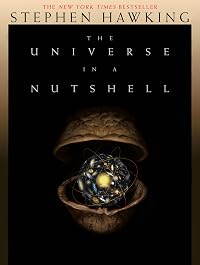
The Universe in a Nutshell
by Stephen Hawking
On This Page
Description
Science. Physics. Nonfiction. HTML:Stephen Hawking’s phenomenal, multimillion-copy bestseller, A Brief History of Time, introduced the ideas of this brilliant theoretical physicist to readers all over the world.Now, in a major publishing event, Hawking returns with a lavishly illustrated sequel that unravels the mysteries of the major breakthroughs that have occurred in the years since the release of his acclaimed first book.
The Universe in a Nutshell
• Quantum mechanics
• M-theory
show more • General relativity
• 11-dimensional supergravity
• 10-dimensional membranes
• Superstrings
• P-branes
• Black holes
One of the most influential thinkers of our time, Stephen Hawking is an intellectual icon, known not only for the adventurousness of his ideas but for the clarity and wit with which he expresses them. In this new book Hawking takes us to the cutting edge of theoretical physics, where truth is often stranger than fiction, to explain in laymen’s terms the principles that control our universe.
Like many in the community of theoretical physicists, Professor Hawking is seeking to uncover the grail of science — the elusive Theory of Everything that lies at the heart of the cosmos. In his accessible and often playful style, he guides us on his search to uncover the secrets of the universe — from supergravity to supersymmetry, from quantum theory to M-theory, from holography to duality.
He takes us to the wild frontiers of science, where superstring theory and p-branes may hold the final clue to the puzzle. And he lets us behind the scenes of one of his most exciting intellectual adventures as he seeks “to combine Einstein’s General Theory of Relativity and Richard Feynman’s idea of multiple histories into one complete unified theory that will describe everything that happens in the universe.”
With characteristic exuberance, Professor Hawking invites us to be fellow travelers on this extraordinary voyage through space-time. Copious four-color illustrations help clarify this journey into a surreal wonderland where particles, sheets, and strings move in eleven dimensions; where black holes evaporate and disappear, taking their secret with them; and where the original cosmic seed from which our own universe sprang was a tiny nut.
The Universe in a Nutshell is essential reading for all of us who want to understand the universe in which we live. Like its companion volume, A Brief History of Time, it conveys the excitement felt within the scientific community as the secrets of the cosmos reveal themselves. show less
Tags
Recommendations





Member Reviews
This book covers a lot of different complicated concepts in cosmology/theoretical physics, but it is all broken down into relatively digestible portions so that someone like me (who has not yet studied much physics at all) can grasp enough to feel like I'm following along (emphases on "feel" lol). The images in the book (charmingly very 2001) also help to paint approximate mental pictures of the otherwise very abstract ideas being discussed. There is also plenty of light humor, that is also common in Hawking's other books, that helps to make this book all the more entertaining (if you ask me). Even if I'm by no means a physicist, I found this book really enjoyable and am always in awe of what we know (and don't know!) about the universe show more we live in. It really makes me want to learn more about physics!
Overall, a very fun and relatively short book to read, and I'd recommend it to anyone who is interested (even a little) in cosmology and wants to get a taste of what kinda things might be going on our universe. show less
Overall, a very fun and relatively short book to read, and I'd recommend it to anyone who is interested (even a little) in cosmology and wants to get a taste of what kinda things might be going on our universe. show less
This is a concise, high-level view of of theoretical physics during the height of string theory based approaches to a Grand Theory of Everything. At least twice Hawking alludes to how being a Positivist. This empiricist philosophical theory holds that all genuine knowledge is either true by definition or positive—meaning a posteriori facts derived by reason and logic from sensory experience. Thus, other ways of knowing, such as theology, are rejected by him as meaningless. Still, he feels obligated to limit God's powers by the Uncertainty Principle. I bet that tweaked some theists. Still, Hawking did grant even lowly angels with the power to look down on branes from above.
A visually stunning and ambitious follow-up to A Brief History of Time. Hawking distills complex physics into digestible (if mind-bending) concepts, and the illustrations really help. Not light reading, but endlessly fascinating
I was kind of unimpressed by Hawking's latest book, The Grand Design (co-authored with Leonard Mlodinow), which I read a few months ago. But it did remind me that I still had this book sitting on my To-Read Pile, getting more and more out of date by the minute, so I figured I'd better pick it up and give it a shot.
In a way, this one gave me some of what I'd been hoping for from The Grand Design, as it touches a little more on topics such as M-theory, which I am very, very fuzzy on and quite interested in learning more about, instead of concentrating mainly on the basic concepts of modern physics. So I found parts of it interesting and reasonably rewarding. On the other hand, I do think I can make some of the same complaints about it as show more I did about The Grand Design, namely that it's often rather too abstruse and lacking in explanatory background to make sense to the complete layman, but also frequently lacks the technical detail that might help make it more understandable to, say, someone with a decent but slightly rusty undergraduate-level background in physics and astrophysics like yours truly. Admittedly, this is a problem any popularizer is going to run into when dealing with a field like this in which it's essentially impossible to grasp certain ideas without an understanding of advanced mathematics, but I know I've seen other writers do it somewhat better.
At least the illustrations make the book very attractive, and, unlike those in The Grand Design, they tend to actually be relevant and sometimes even useful, if also a little distracting. show less
In a way, this one gave me some of what I'd been hoping for from The Grand Design, as it touches a little more on topics such as M-theory, which I am very, very fuzzy on and quite interested in learning more about, instead of concentrating mainly on the basic concepts of modern physics. So I found parts of it interesting and reasonably rewarding. On the other hand, I do think I can make some of the same complaints about it as show more I did about The Grand Design, namely that it's often rather too abstruse and lacking in explanatory background to make sense to the complete layman, but also frequently lacks the technical detail that might help make it more understandable to, say, someone with a decent but slightly rusty undergraduate-level background in physics and astrophysics like yours truly. Admittedly, this is a problem any popularizer is going to run into when dealing with a field like this in which it's essentially impossible to grasp certain ideas without an understanding of advanced mathematics, but I know I've seen other writers do it somewhat better.
At least the illustrations make the book very attractive, and, unlike those in The Grand Design, they tend to actually be relevant and sometimes even useful, if also a little distracting. show less
Decir que Stephen Hawking es uno de los mejores físicos del siglo XX no es dar una gran noticia. Su gran capacidad, unida a la enfermedad que le ató a una silla cuando aún era joven (Esclerosis lateral amiotrófica, o la enfermedad de Lou Gehrig, llamada así por un jugador de béisbol), le han convertido en un icono.
Hawking se ha dedicado a intentar unir la Relatividad y la Mecánica cuántica. Ha publicado muchísimo y suyo es el mérito de la formulación del primer efecto medible (aunque aún no hayamos podido medirlo) que predice la gravedad cuántica, la desconocida teoría que une la gravitación de Einstein y la mecánica cuántica. Hablo, claro está, de la radiación de Hawking. En este libro el autor e refiere a esta show more radiación: “es una pena que esta radiación sea demasiado débil como para medirla desde la Tierra, porque en el momento en que se descubriera me darían el premio Nobel”. Genio y figura.
El libro comienza describiendo la Relatividad y la física cuántica. Paseamos por la vida de Einstein y sus principales descubrimientos. A partir de aquí, despídanse de la simplicidad. Los siguientes capítulos nos llevan a conocer la teoría de supercuerdas, o, más bien, las teorías de supercuerdas. Hay cinco teorías que en principio parecen independientes, pero se ha demostrado que las cinco son casos extremos (en los que se ha hecho una suposición simplificadora) de una única teoría, llamada Teoría M. El simple planteamiento de esta teoría sin usar matemáticas es un reto, que tengo pendiente desde hace tiempo (lo sé, lo sé).
Esquema de los cinco sabores de la teoría M y la supergravedad (gravedad cuántica)
Hawking repasa las posibilidades científicas del viaje en el tiempo, con jocosos comentarios sobre si estos viajes ya se han descubierto y los gobiernos mundiales nos lo ocultan. Hawking nos habla del tiempo imaginario, concepto realmente difícil de comprender, y de sus implicaciones. También se mete en mayores honduras y nos habla de los Universos holográficos, en los que en cada parte del Universo se contiene la información del resto. Por último, entramos en el estudio de la Historia del Universo según la teoría de branas (o membranas, según el traductor). Las branas son una generalización de las supercuerdas, de altísima dificultad teórica, que producen algunos resultados sobre el posible origen del Universo.
Hay partes muy difíciles, lo cual implica que éste no es un libro de esparcimiento sino de lectura tranquila y reposada. Hawking no es uno de mis divulgadores favoritos, lo reconozco, pero aún así el libro es muy interesante.
Una de mis partes favoritas, de los primeros capítulos. Cito no textualmente:
El libro está maravillosamente ilustrado. Hay muchas imágenes 3D por ordenador en las que el texto se apoya y que son muy ilustrativas. Es, para mi gusto, uno de los principales puntos a favor del libro. Como ejemplo, cuando Hawking habla de que para medir los efectos cuánticos a muy pequeña escala necesitaríamos un acelerador de partículas increíblemente grande, la ilustración que acompaña es ésta:
Un acelerador de partículas del tamaño del Sistema Solar
Mi nota: Recomendable. show less
Hawking se ha dedicado a intentar unir la Relatividad y la Mecánica cuántica. Ha publicado muchísimo y suyo es el mérito de la formulación del primer efecto medible (aunque aún no hayamos podido medirlo) que predice la gravedad cuántica, la desconocida teoría que une la gravitación de Einstein y la mecánica cuántica. Hablo, claro está, de la radiación de Hawking. En este libro el autor e refiere a esta show more radiación: “es una pena que esta radiación sea demasiado débil como para medirla desde la Tierra, porque en el momento en que se descubriera me darían el premio Nobel”. Genio y figura.
El libro comienza describiendo la Relatividad y la física cuántica. Paseamos por la vida de Einstein y sus principales descubrimientos. A partir de aquí, despídanse de la simplicidad. Los siguientes capítulos nos llevan a conocer la teoría de supercuerdas, o, más bien, las teorías de supercuerdas. Hay cinco teorías que en principio parecen independientes, pero se ha demostrado que las cinco son casos extremos (en los que se ha hecho una suposición simplificadora) de una única teoría, llamada Teoría M. El simple planteamiento de esta teoría sin usar matemáticas es un reto, que tengo pendiente desde hace tiempo (lo sé, lo sé).
Esquema de los cinco sabores de la teoría M y la supergravedad (gravedad cuántica)
Hawking repasa las posibilidades científicas del viaje en el tiempo, con jocosos comentarios sobre si estos viajes ya se han descubierto y los gobiernos mundiales nos lo ocultan. Hawking nos habla del tiempo imaginario, concepto realmente difícil de comprender, y de sus implicaciones. También se mete en mayores honduras y nos habla de los Universos holográficos, en los que en cada parte del Universo se contiene la información del resto. Por último, entramos en el estudio de la Historia del Universo según la teoría de branas (o membranas, según el traductor). Las branas son una generalización de las supercuerdas, de altísima dificultad teórica, que producen algunos resultados sobre el posible origen del Universo.
Hay partes muy difíciles, lo cual implica que éste no es un libro de esparcimiento sino de lectura tranquila y reposada. Hawking no es uno de mis divulgadores favoritos, lo reconozco, pero aún así el libro es muy interesante.
Una de mis partes favoritas, de los primeros capítulos. Cito no textualmente:
Hace unos años se hizo un experimento para verificar la Relatividad de Einstein. Según ésta, para un observador que se mueva más rápido que otro, el tiempo pasará más despacio. Se hizo volar a dos aviones en sentidos opuestos. Uno de ellos iba a favor de la rotación terrestre, con lo que iba más rápido que el otro, que iba en contra de la rotación terrestre. Cada avión llevaba un preciso reloj atómico que estaba sincronizado con el otro antes del despegue. Cuando ambos aviones aterrizaron, horas después, se pudo comprobar que, en efecto, el reloj que viajó a favor de la rotación terrestre estaba levísimamente retrasado con respecto al otro.
Esto quiere decir que si viajásemos muy rápidamente en avión durante toda nuestra vida conseguiríamos vivir más. Sin embargo, el pequeño incremento en nuestro tiempo de vida causado por este movimiento se vería de sobras compensado por el hecho de tener que alimentarnos siempre con la comida que sirven en los aviones.
El libro está maravillosamente ilustrado. Hay muchas imágenes 3D por ordenador en las que el texto se apoya y que son muy ilustrativas. Es, para mi gusto, uno de los principales puntos a favor del libro. Como ejemplo, cuando Hawking habla de que para medir los efectos cuánticos a muy pequeña escala necesitaríamos un acelerador de partículas increíblemente grande, la ilustración que acompaña es ésta:
Un acelerador de partículas del tamaño del Sistema Solar
Mi nota: Recomendable. show less
The first chapter is about the theory of relativity, which governs the world on a large scale, and the second chapter is about quantum mechanics, which governs the world on a very small scale. These two chapters are meant to serve as an introduction after which the other chapters (dealing with such topics as multiple histories, black holes, what would have to be true for time travel to be possible, the future of our civilization, and whether we live on a brane) can be read in any order.
I managed to get through all 200 pages, though it was a struggle. Some parts I think I sort of understood, others not at all. The pictures sometimes clarified things, sometimes didn't.
Alfonso the Wise, King of Aragon in the Middle Ages didn't get a show more mention but he has my sympathies. When studying the intricacies of the Ptolemaic system he is reputed to have said, "If I had been present at the creation I might have been tempted to suggest to the Almighty that simplicity was desirable."
I did gather that Hawking believes that the important thing is whether the mathematical expression of a theory accounts for observed facts and makes verifiable predictions, without worrying about what reality corresponds to the maths, which we can visualise in different ways according to what suits our purpose at the time. So perhaps it doesn't matter if I understand it or not. show less
I managed to get through all 200 pages, though it was a struggle. Some parts I think I sort of understood, others not at all. The pictures sometimes clarified things, sometimes didn't.
Alfonso the Wise, King of Aragon in the Middle Ages didn't get a show more mention but he has my sympathies. When studying the intricacies of the Ptolemaic system he is reputed to have said, "If I had been present at the creation I might have been tempted to suggest to the Almighty that simplicity was desirable."
I did gather that Hawking believes that the important thing is whether the mathematical expression of a theory accounts for observed facts and makes verifiable predictions, without worrying about what reality corresponds to the maths, which we can visualise in different ways according to what suits our purpose at the time. So perhaps it doesn't matter if I understand it or not. show less
I read Stephen Hawking's previous book, A Brief History of Time when I was about 16 years old. That book was great and pretty easy to understand even though I didn't know much about physics back then.
Now, ten years later, having spent five of those years studying physics at university level, I can't find much enjoyment in this book. Admittedly, it could be a question of my taste changing while growing up - but I still enjoy A Brief History of Time.
Although there were many new tidbits for me (I'm by no means an astrophysicist) and I enjoyed reading the book, the sense of wonder was not there. The "plot" of the book was hard to follow since the book wasn't as well structured as ABHoT. Also, I have a feeling that if I had read this book show more back when I was 16, I might not have understood very much of it, so I'm not sure that this book is as suitable to someone who has never studied physics.
All in all, a good book if you enjoy physics without the equations every once in a while, but not something I would recommend as a must read for a beginner. show less
Now, ten years later, having spent five of those years studying physics at university level, I can't find much enjoyment in this book. Admittedly, it could be a question of my taste changing while growing up - but I still enjoy A Brief History of Time.
Although there were many new tidbits for me (I'm by no means an astrophysicist) and I enjoyed reading the book, the sense of wonder was not there. The "plot" of the book was hard to follow since the book wasn't as well structured as ABHoT. Also, I have a feeling that if I had read this book show more back when I was 16, I might not have understood very much of it, so I'm not sure that this book is as suitable to someone who has never studied physics.
All in all, a good book if you enjoy physics without the equations every once in a while, but not something I would recommend as a must read for a beginner. show less
Members
- Recently Added By
Published Reviews
De auteur is de beroemde, aan een rolstoel gekluisterde fysicus, die veel moeite doet de moeilijke fysische theorieen die oorsprong en evolutie van het heelal proberen te verklaren, voor de leek begrijpelijk te maken. Eerst in "Het Heelal" (1988), nu in dit boek. Het is een bijzonder fraai boek met heel veel prachtige kleurenillustraties die trachten een voorstelling te geven van de moeilijke show more principes van de quantummechanica, de relativiteitstheorie, zwaartekracht, zwarte gaten, kromming van ruimte en tijd etc. Hawkings nieuwe inzichten van de afgelopen jaren zijn erin verwerkt. Zelf veronderstelt hij dat dit nieuwe boek wat eenvoudiger te begrijpen is, maar het komt toch het meest tot zijn recht als de lezer al wel wat vertrouwd is met deze materie. In dat geval is het een zeer lezenswaardig boek dat een goed beeld geeft van waar men in deze tak van wetenschap mee bezig is. Ook Hawkings ideeen over de toekomst van de menselijke intelligentie komen aan bod. Verklarende woordenlijst, register. Voor de beta-geinteresseerden met minstens een vwo-opleiding. Zie ook www.hawking.org.uk.
Dr. E. Zwijnenberg show less
Dr. E. Zwijnenberg show less
added by karnoefel
Lists

The r/AskScience Reading List
159 works; 3 members
Author Information

133+ Works 54,782 Members
Stephen William Hawking was born in Oxford, England on January 8, 1942. He received a first class honors degree in natural science from Oxford University and a Ph.D. from Cambridge University. He was a theoretical physicist and has held the post of Lucasian Professor of Mathematics at Cambridge University from 1982 until his death. In 1974, he was show more elected a Fellow of the Royal Society, the world's oldest scientific organization. In 1963, he learned he had amyotrophic lateral sclerosis, a neuromuscular wasting disease also known as Lou Gehrig's disease. The disease confined him to a wheelchair and reduced his bodily control to the flexing of a finger and voluntary eye movements, but left his mental faculties untouched. He became a leader in exploring gravity and the properties of black holes. He wrote numerous books including A Brief History of Time: From the Big Bang to Black Holes, Black Holes and Baby Universes, On the Shoulders of Giants, A Briefer History of Time, The Universe in a Nutshell, The Grand Design, and Brief Answers to the Big Questions. In 1982, he was named a commander of the British Empire. A film about his life, The Theory of Everything, was released in 2014 and was based on his first wife Jane Hawking's book Traveling to Infinity: My Life with Stephen. He died on March 14, 2018 at the age of 76. (Bowker Author Biography) show less
Some Editions
Awards and Honors
Awards
Distinctions
Work Relationships
Common Knowledge
- Canonical title*
- L'Univers en una closca de nou
- Original title
- The Universe in a Nutshell
- Original publication date
- 2001
- First words
- CHAPTER 1: A BRIEF HISTORY OF RELATIVITY
Albert Einstein, the discoverer of the special and general theories of relativity, was born in Ulm, Germany, in 1879 , but the following year the family moved to Munich, wh... (show all)ere his father, Hermann, and uncle, Jakob, set up a small and not very successful electrical business. - Last words
- (Click to show. Warning: May contain spoilers.)That is the universe in a nutshell.
- Original language
- English
- Disambiguation notice
- This work is only The Universe in a Nutshell. Please do not combine it with the work that contains both The Universe in a Nutshell and A Brief History of Time.
*Some information comes from Common Knowledge in other languages. Click "Edit" for more information.
Classifications
Statistics
- Members
- 5,249
- Popularity
- 2,598
- Reviews
- 45
- Rating
- (3.86)
- Languages
- 29 — Catalan, Czech, Danish, Dutch, English, Estonian, Finnish, French, German, Hebrew, Hungarian, Italian, Latvian, Lithuanian, Norwegian (Bokmål), Norwegian, Polish, Romanian, Russian, Serbian, Croatian, Slovak, Slovenian, Spanish, Swedish, Turkish, Portuguese (Portugal), Portuguese (Brazil), Chinese, traditional
- Media
- Paper, Audiobook, Ebook
- ISBNs
- 81
- ASINs
- 19