On This Page
Description
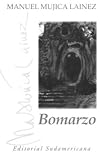
"A lavishly written gothic historical fantasy novel that centers around Pier Francesco Orsini, the tortured duke of Bomarzo and creator of the Italian town's famously bizarre "Garden of the Monsters." Pier Francesco Orsini, duke of Bomarzo, created a park of monsters in which the nightmares of the Renaissance are preserved, set in stone yet still writhingly alive. In Bomarzo, Manuel Mujica Lainez - one of the great Argentine novelists of the twentieth century - re-creates the dark and show more legendary duke as a brilliant memoirist recalling the trials and travails of his sixteenth-century life from a modern point of view (Freudian psychoanalysis and Lolita both put in an appearance) while ensconced in a city that sounds suspiciously like Mujica Lainez's own Buenos Aires. Bomarzo is a historical novel in the grand manner, a first-person portrait of an aristocratic hunchback bullied by his family and determined to prove a villain (a portrait so convincing that Edmund Wilson assumed it to be fact). It is also, of course, a commentary on such historical fictions. But above all it's an immersive story told in a sumptuous style - a bit as if Proust were rewriting one of Poe's Italian tales - as Gregory Rabassa's translation (out of print for many years) conveys beautifully"-- show lessTags
Recommendations












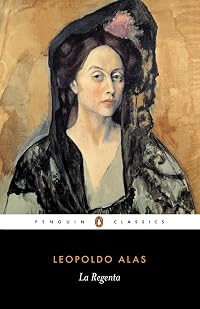


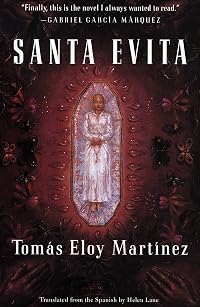
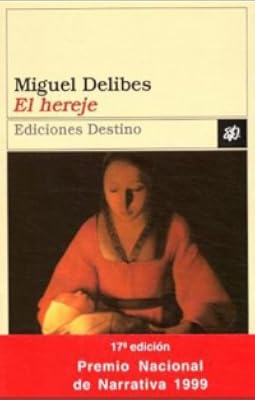


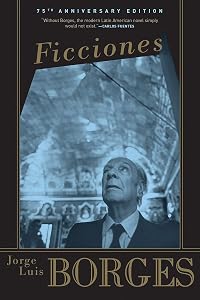


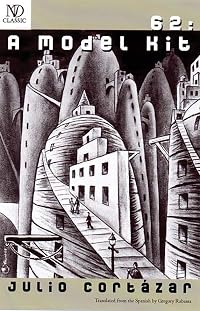

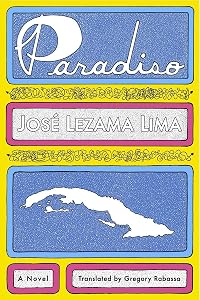
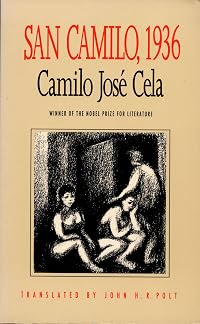
Member Recommendations

Member Reviews
Prima puntata:
Non basta avere una cultura enciclopedica sul passato e sapere anche quello che i più ignorano di non sapere; non basta possedere un vocabolario lussureggiante e sfoggiare un linguaggio pieno di sfumature; non basta avere capacità di introspezione psicologica e una immaginazione pittorica in grado di dare smalto ad ogni evento o situazione ricostruita. Non basta! Quello che l'autore ha scritto attorno al suo personaggio è davvero il quadro ricco e fosco di un' epoca cruciale della storia italiana come il Rinascimento, ma è una vera palla.
Tutto è troppo lento, articolato e grave: sembra (e certo vuole esserlo) una voce cavernosa che dall'oltretomba ci mostra uomini e cose di un mondo crudele, reale, ma senza sangue.
Di show more fronte alla sciocca banalità del romanzo di Barbero che precede appena la lettura di questo, Bomarzo è davvero una poderosa impresa del suo autore: ma superare le sue 600 e rotte pagine è un'altrettanto poderosa impresa da parte del lettore.
(segue)
Seconda (e ultima) puntata.
Il libro è terminato il giudizio non cambia se non...
Se non che è uno di quei libri difficili, ostici nei quali si sente il genio e la grandezza dell'autore e si resta un po' smarriti per non essere in grado di apprezzarli a pieno (parlo per me é chiaro). Grandi crudeltà e grandi malinconie, sciatteria e passioni devastanti, solitudi irrimediabili e orgogli smisurati che le provocano. Insomma é un romanzo che, nonostane tutto, vale la pena di leggere. Chi vincesse la sfida che Mujica Lainez lancia ad ogni lettore ne trarrà certo un grande piacere.
[audiolibro] show less
Non basta avere una cultura enciclopedica sul passato e sapere anche quello che i più ignorano di non sapere; non basta possedere un vocabolario lussureggiante e sfoggiare un linguaggio pieno di sfumature; non basta avere capacità di introspezione psicologica e una immaginazione pittorica in grado di dare smalto ad ogni evento o situazione ricostruita. Non basta! Quello che l'autore ha scritto attorno al suo personaggio è davvero il quadro ricco e fosco di un' epoca cruciale della storia italiana come il Rinascimento, ma è una vera palla.
Tutto è troppo lento, articolato e grave: sembra (e certo vuole esserlo) una voce cavernosa che dall'oltretomba ci mostra uomini e cose di un mondo crudele, reale, ma senza sangue.
Di show more fronte alla sciocca banalità del romanzo di Barbero che precede appena la lettura di questo, Bomarzo è davvero una poderosa impresa del suo autore: ma superare le sue 600 e rotte pagine è un'altrettanto poderosa impresa da parte del lettore.
(segue)
Seconda (e ultima) puntata.
Il libro è terminato il giudizio non cambia se non...
Se non che è uno di quei libri difficili, ostici nei quali si sente il genio e la grandezza dell'autore e si resta un po' smarriti per non essere in grado di apprezzarli a pieno (parlo per me é chiaro). Grandi crudeltà e grandi malinconie, sciatteria e passioni devastanti, solitudi irrimediabili e orgogli smisurati che le provocano. Insomma é un romanzo che, nonostane tutto, vale la pena di leggere. Chi vincesse la sfida che Mujica Lainez lancia ad ogni lettore ne trarrà certo un grande piacere.
[audiolibro] show less
"Orsini, un visionario del Renacimiento"
El jorobado duque Pier Francesco Orsini creó seres fantásticos con cautivadoras deformaciones que instaló cerca de su castillo, en el Bosque de los Monstruos. La vida y aventuras del atroz y angelical duque de Orsini, constituyen el memorable mural en el que Manuel Mujica Lainez despliega una visión cínica y objetiva de los manejos de la política y del poder, y de la psicología de quienes lo ejercen.
El jorobado duque Pier Francesco Orsini creó seres fantásticos con cautivadoras deformaciones que instaló cerca de su castillo, en el Bosque de los Monstruos. La vida y aventuras del atroz y angelical duque de Orsini, constituyen el memorable mural en el que Manuel Mujica Lainez despliega una visión cínica y objetiva de los manejos de la política y del poder, y de la psicología de quienes lo ejercen.
Perhaps you are aware of Bomarzo, the Garden of Monsters, created in northern Italy by a 16th century nobleman and great patron of the arts, Pier Francesco Orsini. If not, please take a look on the web as there is ample information recounting the garden’s history, including many photos of the actual works of architecture and art. And, of course, as you can see, I have included pics of a number of the sculpted monsters. One of the greatest admirers of Bomarzo was the Argentine author, Manuel Mujica-Láinez (1910-1984) who was so taken by what he saw and read, he wrote this sumptuous 600-page novel. And readers of English are fortunate to have this work translated from the Spanish by none other than Gregory Rabassa.
Here is the show more garden’s creator and first-person narrator, Pier Francesco Orsini, on the coincidence of his being born at 2:00 in the morning on March 6, the same time and date (but slightly different year) as Michelangelo: "In truth, the stars that presided over our respective appearances on life's chessboard had arranged their players for quite different matches." For lovers of historical novels, particularly novels set in renaissance Italy, many are the famous characters rubbing elbows with Pier Francesco, Benvenuto Cellini, to name just one.
To add a real zest to the storytelling, we discover on the first few pages that Pier Francesco is speaking of his life and beloved Bomarzo in a most unusual way. We read: "Our dwelling changed with the passage of time and lost all trace of grandeur, until its last anonymous remains disappeared in 1937 when Benito Mussolini ordered the opening of the Via della Conciliazione, which gave a clear view of Saint Peter's.” Wow! Turns out, Pier’s horoscope foretold how he would live forever, which seems to be a true prediction since he is relaying his story as a four hundred and fifty-year-old 20th century man.
Herein lies the novel’s charm: we have the entire arc of an Italian renaissance aristocrat’s retelling of his life in the 16th century among princes, barons, lords, ladies, cardinals and famous artists, architects and sculptors, but also a life filled with emotional and physical abuse, latent homosexuality, impotence and living as a deformed hunchback, conveyed with the intelligence of 20th century psychoanalysis. No wonder this one-of-a-kind novel was a best seller in Argentina at the time of publication.
And make no mistake, Manuel Mujica-Láinez’s novel is written in highly stylized baroque, as for example when Pier describes the forces protecting him in his boyhood, including his beloved grandmother, the one and only person who lavished affection on him and served as a shield against his sadistic father and the cruelty of his brothers: “With her prideful insistence, which many readers will judge bold and demoralizing (primary school teachers particularly, if there are such among my readers), Diana Orsini furnished me with what nature had denied me: a security in myself, in my own strength, which, since it was lacking in me, I had to seek in other forces, real or fantastic, until I could afford myself a vigor and a faith that came, if not from me, from a mysterious cohort, as old as the history of my family, which gathered about my weak figure the breastplates of Constantius and Theodosius II, who had anointed us princes, along with the papal tiaras of Celestine III, Stephen III, and Paul I, the last two both saints, and Nicholas III, the one who dreamed of dividing Italy up among his Orsini nephews, and the mantles of the endless flow of queens from our house, queens of Poland, Naples, Humgary, Thessaly, Castile, and Empresses of the West, and swords brandished by the Orsini warriors who made Italy tremble with the brazen noise of their parades and skirmishes, tracing a wide, seven-colored freize which encircled my timidity and my exhaustion, a frieze in which there stood out above the crowns, scepters, croziers, flags, and the stiff-plumed helmets the swaying figures of the black bears as they rose up in their supreme and fearful majesty.”
In case you missed it, the above quote chock-full of references to all those princes and clergy, jewels and ornaments is contained in one sentence. I mention this so as to underscore the style of the writing from beginning to end: ornate bordering on rococo. Perhaps this is a prime reason Jorge Luis Borges, ordinarily no lover of novels, bestowed praise on the author for what he accomplished with Bomarzo.
This is a novel of surprises, thus I've gone easy on plot. As a nod to the arts, I will conclude with two quotes where Pier Francesco speaks of his garden on two separate occasions:
“My collections, my famous collections, have grown in a strange way. They were my faithful image, because they were absurd, intricate, and perhaps monstrous, also they were frivolous. Only a dilettante with strange tastes could have gathered them all together.”
“My life, my life transfigured into symbols, preserved for the centuries, eternal, imperishable . . . That was what I had to tell in Bomarzo . . . those woods would be the Sacred Wood of Bomarzo, the garden of symbols, of monsters. Every stone would have a symbol within it and all together, going up the slope where they had been strewn and settled by age-old cataclysms, they would be the immense and arcane monument of Pier Francesco Orsini. No one, no pontiff, no emperor would have a monument like that.” show less
Perhaps you are aware of Bomarzo, the Garden of Monsters, created in northern Italy by a 16th century nobleman and great patron of the arts, Pier Francesco Orsini. If not, please take a look on the web as there is ample information recounting the garden’s history, including many photos of the actual works of architecture and art. And, of course, as you can see, I have included pics of a number of the sculpted monsters. One of the greatest admirers of Bomarzo was the Argentine author, Manuel Mujica-Láinez (1910-1984) who was so taken by what he saw and read, he wrote this sumptuous 600-page novel. And readers of English are fortunate to have this work translated from the Spanish by none other than Gregory Rabassa.
Here is the show more garden’s creator and first-person narrator, Pier Francesco Orsini, on the coincidence of his being born at 2:00 in the morning on March 6, the same time and date (but slightly different year) as Michelangelo: "In truth, the stars that presided over our respective appearances on life's chessboard had arranged their players for quite different matches." For lovers of historical novels, particularly novels set in renaissance Italy, many are the famous characters rubbing elbows with Pier Francesco, Benvenuto Cellini, to name just one.
To add a real zest to the storytelling, we discover on the first few pages that Pier Francesco is speaking of his life and beloved Bomarzo in a most unusual way. We read: "Our dwelling changed with the passage of time and lost all trace of grandeur, until its last anonymous remains disappeared in 1937 when Benito Mussolini ordered the opening of the Via della Conciliazione, which gave a clear view of Saint Peter's.” Wow! Turns out, Pier’s horoscope foretold how he would live forever, which seems to be a true prediction since he is relaying his story as a four hundred and fifty-year-old 20th century man.
Herein lies the novel’s charm: we have the entire arc of an Italian renaissance aristocrat’s retelling of his life in the 16th century among princes, barons, lords, ladies, cardinals and famous artists, architects and sculptors, but also a life filled with emotional and physical abuse, latent homosexuality, impotence and living as a deformed hunchback, conveyed with the intelligence of 20th century psychoanalysis. No wonder this one-of-a-kind novel was a best seller in Argentina at the time of publication.
And make no mistake, Manuel Mujica-Láinez’s novel is written in highly stylized baroque, as for example when Pier describes the forces protecting him in his boyhood, including his beloved grandmother, the one and only person who lavished affection on him and served as a shield against his sadistic father and the cruelty of his brothers: “With her prideful insistence, which many readers will judge bold and demoralizing (primary school teachers particularly, if there are such among my readers), Diana Orsini furnished me with what nature had denied me: a security in myself, in my own strength, which, since it was lacking in me, I had to seek in other forces, real or fantastic, until I could afford myself a vigor and a faith that came, if not from me, from a mysterious cohort, as old as the history of my family, which gathered about my weak figure the breastplates of Constantius and Theodosius II, who had anointed us princes, along with the papal tiaras of Celestine III, Stephen III, and Paul I, the last two both saints, and Nicholas III, the one who dreamed of dividing Italy up among his Orsini nephews, and the mantles of the endless flow of queens from our house, queens of Poland, Naples, Humgary, Thessaly, Castile, and Empresses of the West, and swords brandished by the Orsini warriors who made Italy tremble with the brazen noise of their parades and skirmishes, tracing a wide, seven-colored freize which encircled my timidity and my exhaustion, a frieze in which there stood out above the crowns, scepters, croziers, flags, and the stiff-plumed helmets the swaying figures of the black bears as they rose up in their supreme and fearful majesty.”
In case you missed it, the above quote chock-full of references to all those princes and clergy, jewels and ornaments is contained in one sentence. I mention this so as to underscore the style of the writing from beginning to end: ornate bordering on rococo. Perhaps this is a prime reason Jorge Luis Borges, ordinarily no lover of novels, bestowed praise on the author for what he accomplished with Bomarzo.
This is a novel of surprises, thus I've gone easy on plot. As a nod to the arts, I will conclude with two quotes where Pier Francesco speaks of his garden on two separate occasions:
“My collections, my famous collections, have grown in a strange way. They were my faithful image, because they were absurd, intricate, and perhaps monstrous, also they were frivolous. Only a dilettante with strange tastes could have gathered them all together.”
“My life, my life transfigured into symbols, preserved for the centuries, eternal, imperishable . . . That was what I had to tell in Bomarzo . . . those woods would be the Sacred Wood of Bomarzo, the garden of symbols, of monsters. Every stone would have a symbol within it and all together, going up the slope where they had been strewn and settled by age-old cataclysms, they would be the immense and arcane monument of Pier Francesco Orsini. No one, no pontiff, no emperor would have a monument like that.” show less
Reelaboración minuciosa, mágica y poética de todo un mundo de príncipes, cardenales, condottieri, bufones, artistas, cortesanos y escritores, Bomarzo es una fanrástica novela histórica, y una narración tan apasionante que se convierte en la crónica lúcida de una civilización.
Oct 29, 2008Spanish
1
Historia del duque Vicino Orsini, noble renacentista que a través de su vida narra episodios históricos de la época, como el saqueo de Roma, la coronación de Carlos V o la batalla de Lepanto, y que entra en contacto con los principales intelectuales y personajes históricos del siglo XV.
Paralelamente a los hechos históricos (que en muchas ocasiones incluyen datos ficticios o modificados), la vida de Vicino Orsini gira en torno a un mundo mágico y místico, en constante búsqueda de la inmortalidad.
Paralelamente a los hechos históricos (que en muchas ocasiones incluyen datos ficticios o modificados), la vida de Vicino Orsini gira en torno a un mundo mágico y místico, en constante búsqueda de la inmortalidad.
May 3, 2017Spanish
Members
- Recently Added By
Published Reviews
El jorobado duque Pier Francesco Orsini, entre cuyos parientes figuraban papas, señores de la guerra y distinguidos cortesanos, poseía gran cultura y sabiduría y, en su extravagancia, creó hermosos seres fantásticos con cautivadoras deformaciones, que instaló cerca del castillo, en un lugar conocido como el Bosque de los Monstruos. La vida y aventuras del atroz y angelical duque de show more Orsini, sus incontables desgracias y hazañas, constituyen el memorable mural en el que Manuel Mujica Lainez despliega una visión cínica y objetiva de los manejos de la política y del poder, de la psicología de quienes lo ejercen.
Reelaboración minuciosa, mágica y poética de todo un mundo de príncipes, cardenales, condottieri, bufones, artistas, cortesanos y escritores, Bomarzo no sólo es una hermosa novela histórica, sino una narración apasionante que trasciende el género para convertirse en la crónica lúcida de una civilización, y la obra más ambiciosa y acabada de uno de los máximos exponentes de la narrativa hispánica contemporánea. show less
Reelaboración minuciosa, mágica y poética de todo un mundo de príncipes, cardenales, condottieri, bufones, artistas, cortesanos y escritores, Bomarzo no sólo es una hermosa novela histórica, sino una narración apasionante que trasciende el género para convertirse en la crónica lúcida de una civilización, y la obra más ambiciosa y acabada de uno de los máximos exponentes de la narrativa hispánica contemporánea. show less
added by pacocillero
Lists

Las 100 Mejores Novelas en Castellano del Siglo XX
105 works; 13 members
Las 100 mejores novelas de la literatura hispanoamericana
96 works; 1 member

Canon de la narrativa universal del s. XX (cicutadry)
499 works; 3 members
Las 100 mejores novelas de la literatura hispanoamericana (cicutadry)
100 works; 1 member
Author Information

53+ Works 1,531 Members
Awards and Honors
Series


Belongs to Publisher Series
Common Knowledge
- Canonical title
- Bomarzo
- Original title
- Bomarzo
- Original publication date
- 1962
- People/Characters
- Pier Francesco Orsini
- Important places*
- Bomarzo, Latium, Italië; Bomarzo, Latium, Italië
*Some information comes from Common Knowledge in other languages. Click "Edit" for more information.
Classifications
- Genres
- Fiction and Literature, General Fiction, Historical Fiction
- DDC/MDS
- 863 — Literature & rhetoric Spanish Literature Spanish fiction
- LCC
- PQ7797 .M85 — Language and Literature French, Italian, Spanish and Portuguese literatures Spanish literature Provincial, local, colonial, etc. Spanish America
- BISAC
Statistics
- Members
- 479
- Popularity
- 63,735
- Reviews
- 10
- Rating
- (3.97)
- Languages
- 9 — Dutch, English, French, German, Italian, Japanese, Portuguese, Romanian, Spanish
- Media
- Paper, Ebook
- ISBNs
- 35
- ASINs
- 9