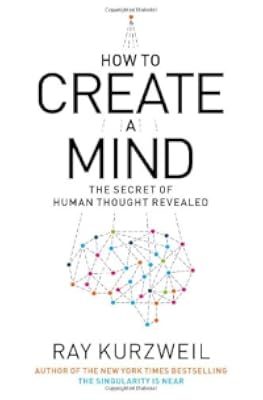
How to Create a Mind: The Secret of Human Thought Revealed
by Ray Kurzweil
On This Page
Description
Explores the limitless potential of reverse-engineering the human brain, outlining the controversial implications of increasing intelligence in order to address global problems while comparing emotional and moral intelligence and considering the origins of consciousness.Tags
Recommendations
Member Reviews
Very good, though at times, really not for the casual reader. While Mr. Kurzweil does an excellent job explaining his theories on how we can build a brain...that is, how we currently understand our brains to work and how we can emulate that with current technology..., he can get a little deep into the weeds.
He almost lost me in chapter 3 when he talked about his "lucid dreaming", but I persevered because even brilliant people can be forgiven their occasional forays into nonsense. Still, now I'm intrigued and want to read his earlier books.
He almost lost me in chapter 3 when he talked about his "lucid dreaming", but I persevered because even brilliant people can be forgiven their occasional forays into nonsense. Still, now I'm intrigued and want to read his earlier books.
Ray Kurzweil's 'How to Create a Mind' is different from his earlier works which were more on predictions (and reasons for making them) about technology and the future of humankind in the world of Artificial Intelligence.
What I really liked about the book is how Kurzweil explains the biological (electro-chemical to be precise) mechanism behind thoughts. Unlike most other books I have read on neurology, this one goes into details that I had never come across (you'll need to read the book).
Additionally, Kurzweil goes on to expound on how this knowledge of human thoughts is shaping the development of various systems like AI and sub-systems like Speech Recognition.
The book is really insightful and even if you are not a proponent of AI and show more the transcendance of humans into machines or convergence of the two, you would take away a lot just by reading the first 4-5 chapters that explain in detail the mechanisms of thought.
As always, Kurzweil's books are a delight to read, though one must be warned: it can get a bit heavy on the subjects of computing, mathematics and of course, neurology - nothing that a second read of the page can't help one get through. show less
What I really liked about the book is how Kurzweil explains the biological (electro-chemical to be precise) mechanism behind thoughts. Unlike most other books I have read on neurology, this one goes into details that I had never come across (you'll need to read the book).
Additionally, Kurzweil goes on to expound on how this knowledge of human thoughts is shaping the development of various systems like AI and sub-systems like Speech Recognition.
The book is really insightful and even if you are not a proponent of AI and show more the transcendance of humans into machines or convergence of the two, you would take away a lot just by reading the first 4-5 chapters that explain in detail the mechanisms of thought.
As always, Kurzweil's books are a delight to read, though one must be warned: it can get a bit heavy on the subjects of computing, mathematics and of course, neurology - nothing that a second read of the page can't help one get through. show less
**The bold futurist and bestselling author explores the limitless potential of reverse-engineering the human brain**
Ray Kurzweil is arguably today’s most influential—and often controversial—futurist. In *How to Create a Mind* , Kurzweil presents a provocative exploration of the most important project in human-machine civilization—reverse engineering the brain to understand precisely how it works and using that knowledge to create even more intelligent machines.
Kurzweil discusses how the brain functions, how the mind emerges from the brain, and the implications of vastly increasing the powers of our intelligence in addressing the world’s problems. He thoughtfully examines emotional and moral intelligence and the origins of show more consciousness and envisions the radical possibilities of our merging with the intelligent technology we are creating.
Certain to be one of the most widely discussed and debated science books of the year, *How to Create a Mind* is sure to take its place alongside Kurzweil’s previous classics which include *Fantastic Voyage: Live Long Enough to Live Forever* and *The Age of Spiritual Machines*.
### Review
"It is rare to find a book that offers unique and inspiring content on every page. How to Create a Mind achieves that and more. Ray has a way of tackling seemingly overwhelming challenges with an army of reason, in the end convincing the reader that it is within our reach to create nonbiological intelligence that will soar past our own. This is a visionary work that is also accessible and entertaining.
**--Rafael Reif, president, MIT**
"Kurzweil's new book on the mind is magnificent, timely, and solidly argued! His best so far!"
**--Marvin Minsky, MIT Toshiba Professor of Media Arts and Sciences; cofounder of the MIT Artificial Intelligence Lab; widely regarded as "the father of artificial intelligence"**
"If you ever wondered about how your mind works, read this book. Kurzweil's insights reveal key secrets underlying human thought and our ability to recreate it. This is an eloquent and thought-provoking work."
**--Dean Kamen, physicist; inventor of the first wearable insulin pump, the HomeChoice dialysis machine, and the IBOT mobility system; founder of FIRST; recipient of the National Medal of Technology**
"One of the eminent AI pioneers, Ray Kurzweil, has created a new book to explain the true nature of intelligence, both biological and nonbiological. The book describes the human brain as a machine that can understand hierarchical concepts ranging from the form of a chair to the nature of humor. His important insights emphasize the key role of learning both in the brain and in AI. He provides a credible road map for achieving the goal of super-human intelligence, which will be necessary to solve the grand challenges of humanity.
**--Raj Reddy, founding director, Robotics Institute, Carnegie Mellon University; recipient of the Turing Award from the Association for Computing Machinery**
"Ray Kurzweil pioneered artificial intelligence systems that could read print in any type style, synthesize speech and music, and understand speech. These were the forerunners of the present revolution in machine learning that is creating intelligent computers that can beat humans in chess, win on *Jeopardy!* , and drive cars. His new book is a clear and compelling overview of the progress, especially in learning, that is enabling this revolution in the technologies of intelligence. It also offers important insights into a future in which we will begin solving what I believe is the greatest problem in science and technology today: the problem of how the brain works and of how it generates intelligence."
**--Tomaso Poggio, Eugene McDermott Professor, MIT Department of Brain and Cognitive Sciences; director, MIT Center for Biological and Computational Learning; former chair, MIT McGovern Institute for Brain Research; one of the most cited neuroscientists in the world**
"This book is a Rosetta stone for the mystery of human thought. Even more remarkably, it is a blueprint for creating artificial consciousness that is as persuasive and emotional as our own. Kurzweil deals with the subject of consciousness better than anyone from Blackmore to Dennett. His persuasive thought experiment is of Einstein quality: It forces recognition of the truth."
**--Martine Rothblatt, chairman and CEO, United Therapeutics; creator of Sirius XM Satellite Radio**
"Kurzweil's book is a shining example of his prodigious ability to synthesize ideas from disparate domains and explain them to readers in simple, elegant language. Just as Chanute's Progress in Flying Machines ushered in the era of aviation over a century ago, this book is the harbinger of the coming revolution in artificial intelligence that will fulfill Kurzweil's own prophecies about it."
**--Dileep George, AI scientist; pioneer of hierarchical models of the neocortex; cofounder of Numenta and Vicarious Systems**
"Ray Kurzweil's understanding of the brain and artificial intelligence will dramatically impact every aspect of our lives, every industry on Earth, and how we think about our future. If you care about any of these, read this book!"
**--Peter H. Diamandis, chairman and CEO, X PRIZE; executive chairman, Singularity University; author of the *New York Times* bestseller Abundance: The Future Is Better Than You Think **
### About the Author
Ray Kurzweil is one of the world’s leading inventors, thinkers, and futurists, with a thirty-year track record of accurate predictions. Called “the restless genius” by The Wall Street Journal and “the ultimate thinking machine” by Forbes magazine, Kurzweil was selected as one of the top entrepreneurs by Inc. magazine, which described him as the “rightful heir to Thomas Edison.” PBS selected him as one of the “sixteen revolutionaries who made America.” Kurzweil was the principal inventor of the first CCD flat-bed scanner, the first omni-font optical character recognition, the first print-to-speech reading machine for the blind, the first text-to-speech synthesizer, the first music synthesizer capable of recreating the grand piano and other orchestral instruments, and the first commercially marketed large-vocabulary speech recognition. A recipient of the National Medal of Technology, Kurzweil was inducted into the National Inventors Hall of Fame and holds nineteen honorary doctorates, as well as honors from three U.S. presidents. show less
Ray Kurzweil is arguably today’s most influential—and often controversial—futurist. In *How to Create a Mind* , Kurzweil presents a provocative exploration of the most important project in human-machine civilization—reverse engineering the brain to understand precisely how it works and using that knowledge to create even more intelligent machines.
Kurzweil discusses how the brain functions, how the mind emerges from the brain, and the implications of vastly increasing the powers of our intelligence in addressing the world’s problems. He thoughtfully examines emotional and moral intelligence and the origins of show more consciousness and envisions the radical possibilities of our merging with the intelligent technology we are creating.
Certain to be one of the most widely discussed and debated science books of the year, *How to Create a Mind* is sure to take its place alongside Kurzweil’s previous classics which include *Fantastic Voyage: Live Long Enough to Live Forever* and *The Age of Spiritual Machines*.
### Review
"It is rare to find a book that offers unique and inspiring content on every page. How to Create a Mind achieves that and more. Ray has a way of tackling seemingly overwhelming challenges with an army of reason, in the end convincing the reader that it is within our reach to create nonbiological intelligence that will soar past our own. This is a visionary work that is also accessible and entertaining.
**--Rafael Reif, president, MIT**
"Kurzweil's new book on the mind is magnificent, timely, and solidly argued! His best so far!"
**--Marvin Minsky, MIT Toshiba Professor of Media Arts and Sciences; cofounder of the MIT Artificial Intelligence Lab; widely regarded as "the father of artificial intelligence"**
"If you ever wondered about how your mind works, read this book. Kurzweil's insights reveal key secrets underlying human thought and our ability to recreate it. This is an eloquent and thought-provoking work."
**--Dean Kamen, physicist; inventor of the first wearable insulin pump, the HomeChoice dialysis machine, and the IBOT mobility system; founder of FIRST; recipient of the National Medal of Technology**
"One of the eminent AI pioneers, Ray Kurzweil, has created a new book to explain the true nature of intelligence, both biological and nonbiological. The book describes the human brain as a machine that can understand hierarchical concepts ranging from the form of a chair to the nature of humor. His important insights emphasize the key role of learning both in the brain and in AI. He provides a credible road map for achieving the goal of super-human intelligence, which will be necessary to solve the grand challenges of humanity.
**--Raj Reddy, founding director, Robotics Institute, Carnegie Mellon University; recipient of the Turing Award from the Association for Computing Machinery**
"Ray Kurzweil pioneered artificial intelligence systems that could read print in any type style, synthesize speech and music, and understand speech. These were the forerunners of the present revolution in machine learning that is creating intelligent computers that can beat humans in chess, win on *Jeopardy!* , and drive cars. His new book is a clear and compelling overview of the progress, especially in learning, that is enabling this revolution in the technologies of intelligence. It also offers important insights into a future in which we will begin solving what I believe is the greatest problem in science and technology today: the problem of how the brain works and of how it generates intelligence."
**--Tomaso Poggio, Eugene McDermott Professor, MIT Department of Brain and Cognitive Sciences; director, MIT Center for Biological and Computational Learning; former chair, MIT McGovern Institute for Brain Research; one of the most cited neuroscientists in the world**
"This book is a Rosetta stone for the mystery of human thought. Even more remarkably, it is a blueprint for creating artificial consciousness that is as persuasive and emotional as our own. Kurzweil deals with the subject of consciousness better than anyone from Blackmore to Dennett. His persuasive thought experiment is of Einstein quality: It forces recognition of the truth."
**--Martine Rothblatt, chairman and CEO, United Therapeutics; creator of Sirius XM Satellite Radio**
"Kurzweil's book is a shining example of his prodigious ability to synthesize ideas from disparate domains and explain them to readers in simple, elegant language. Just as Chanute's Progress in Flying Machines ushered in the era of aviation over a century ago, this book is the harbinger of the coming revolution in artificial intelligence that will fulfill Kurzweil's own prophecies about it."
**--Dileep George, AI scientist; pioneer of hierarchical models of the neocortex; cofounder of Numenta and Vicarious Systems**
"Ray Kurzweil's understanding of the brain and artificial intelligence will dramatically impact every aspect of our lives, every industry on Earth, and how we think about our future. If you care about any of these, read this book!"
**--Peter H. Diamandis, chairman and CEO, X PRIZE; executive chairman, Singularity University; author of the *New York Times* bestseller Abundance: The Future Is Better Than You Think **
### About the Author
Ray Kurzweil is one of the world’s leading inventors, thinkers, and futurists, with a thirty-year track record of accurate predictions. Called “the restless genius” by The Wall Street Journal and “the ultimate thinking machine” by Forbes magazine, Kurzweil was selected as one of the top entrepreneurs by Inc. magazine, which described him as the “rightful heir to Thomas Edison.” PBS selected him as one of the “sixteen revolutionaries who made America.” Kurzweil was the principal inventor of the first CCD flat-bed scanner, the first omni-font optical character recognition, the first print-to-speech reading machine for the blind, the first text-to-speech synthesizer, the first music synthesizer capable of recreating the grand piano and other orchestral instruments, and the first commercially marketed large-vocabulary speech recognition. A recipient of the National Medal of Technology, Kurzweil was inducted into the National Inventors Hall of Fame and holds nineteen honorary doctorates, as well as honors from three U.S. presidents. show less
This book basically makes two main claims:
1) That the incredible complexities of the human brain, with its near 100 billion neurons, can be collapsed to just 300 million "pattern recognisers" which are hierarchical learning modules.
2) That a certain algorithm known as hierarchical hidden markov models, which has been extremely successful in speech recognition technologies, is also the key algorithm in the brain to create intelligence, since it combines hierarchical learning with pattern recognition with modifying its own connections. It is a cousin of neural nets, Kurzweil claims, but is distinctly advantageous compared to this cousin.
Aside from these claims, there are a lot of neuroscientific details, many of which are just plain wrong show more (sometimes spectacularly so), and most of which just seem rather irrelevant to the central thesis above. There is also an enormous amount of repetition. Kurzweil also incessantly refers to his previous books, either to point us in that direction to complete an argument, or for self-congratulatory comments about how brilliant a futurologist he is (for instance predicting the moment that a computer beat the world's best chess player). Kurzweil very regularly keeps patting himself on the back for his own brilliance and incisiveness, which makes for tedious, jarring reading.
On top of this, he is incredibly optimistic in his predictions, for instance saying that there will be human-level consciousness in a non-biological entity by 2029. I definitely think one should be hopeful about the power, ingenuity and progress of science, but this has to be tempered by realism. Kurzweil just seems to live in fantasy land, utterly in denial about the scientific and technical difficulties facing such a project.
I hate being purely negative in reviews, and there was some clear and interesting writing about Kurzweil's main area of expertise, the hierarchical hidden markov models, and how these underpin speech recognition. I have no idea about whether this is the secret to unlocking true AI, or neuroscience, as he didn't really make the case for this in any coherent manner. But it was an interesting suggestion at least.
Other than this, though, there is a small, highly speculative thesis wrapped around falsehoods, boasts, constant references to previous books, and irrelevances. This is an incredibly important, utterly fascinating topic that wasn't in any way treated with respect or expertise in this poor book. show less
1) That the incredible complexities of the human brain, with its near 100 billion neurons, can be collapsed to just 300 million "pattern recognisers" which are hierarchical learning modules.
2) That a certain algorithm known as hierarchical hidden markov models, which has been extremely successful in speech recognition technologies, is also the key algorithm in the brain to create intelligence, since it combines hierarchical learning with pattern recognition with modifying its own connections. It is a cousin of neural nets, Kurzweil claims, but is distinctly advantageous compared to this cousin.
Aside from these claims, there are a lot of neuroscientific details, many of which are just plain wrong show more (sometimes spectacularly so), and most of which just seem rather irrelevant to the central thesis above. There is also an enormous amount of repetition. Kurzweil also incessantly refers to his previous books, either to point us in that direction to complete an argument, or for self-congratulatory comments about how brilliant a futurologist he is (for instance predicting the moment that a computer beat the world's best chess player). Kurzweil very regularly keeps patting himself on the back for his own brilliance and incisiveness, which makes for tedious, jarring reading.
On top of this, he is incredibly optimistic in his predictions, for instance saying that there will be human-level consciousness in a non-biological entity by 2029. I definitely think one should be hopeful about the power, ingenuity and progress of science, but this has to be tempered by realism. Kurzweil just seems to live in fantasy land, utterly in denial about the scientific and technical difficulties facing such a project.
I hate being purely negative in reviews, and there was some clear and interesting writing about Kurzweil's main area of expertise, the hierarchical hidden markov models, and how these underpin speech recognition. I have no idea about whether this is the secret to unlocking true AI, or neuroscience, as he didn't really make the case for this in any coherent manner. But it was an interesting suggestion at least.
Other than this, though, there is a small, highly speculative thesis wrapped around falsehoods, boasts, constant references to previous books, and irrelevances. This is an incredibly important, utterly fascinating topic that wasn't in any way treated with respect or expertise in this poor book. show less
ხელოვნური ინტელექტით დაინტერესებულთ მოგეწონებათ წიგნი. ოღონდ არა ფილმების და სამეცნიერო ფანტასტიკის დონეზე, არამედ თუ როგორ შეიძლება ხელოვნური ტვინის, მოაზროვნე მანქანის პრაქტიკაში შექმნა. რათქმაუნდა ტვინის შესახებ ჯერ ყველაფერი არაა ცნობილი მაგრამ რეი კურზვეილის აზრით, show more გონების მოქმედების მთავარი გასაღები ნაპოვნია და მისი სიმულაციაც არ არის შორეული მომავლის საქმე.
წიგნში ტვინის და კერძოდ ტვინის ქერქის მუშაობა ახსნილია იერარქიულ მოდელთა აღქმის თეორიით, რომელის მიხედვით გონებაში აღქმის პროცესი მიმდინარეობს მოდულებით რომლებიც ნეირონების სპეციალიზებულ ჯგუფებს წარმოადგენენ. მოდულში არსებობს იერარქია, ყოველი მომდევნო მაღალი საფეხური აღიქვამს უფრო და უფრო რთულ კონცეპტუალურ და აბსტრაქტულ საგანს. ყველაზე დაბალი საფეხური კი საგნების ყველაზე ტრივიალურ კომპონენტებს, მაგალითად: ხაზი. ოვალი და ა.შ.
ბიოლოგიური ტვინის მექანიზმის მონახაზის შემდეგ კურზვეილი გვთავაზობს ხელოვნური გონების სიმულაციის მეთოდებს, როგორიცაა "მარკოვის მალული მოდელები" და გენეტიკური ალგორითმი. ასევე აღსანიშნავია პარალელები საუბრის შემცნობი კომპიუტერული პროგრამების და ტვინის აუდიტორული ცენტრის მუშაობას შორის.
საინტერესოა ავტორის აზრობრივი ექპსერიმენტები და გონების შესახებ წარმოქმნილი ფილოსოფიური კითხვები. ტექნოლოგიურ სინგულარობაზე რამდენიმე პასაჟი და გენეტიკური ალგორითმი რომელის მიხედვით მეცნიერები კოდების ევოლუციას ქოქავენ. და რათქმაუნდა ფიქრების ქლაუდზე ატვირთვა, ანუ გონების ვირტუალურ სივრცეში გაფართოება.
წიგნი უდავოდ ძალიან საინტერესოა, მაგრამ ბევრი ტექნიკური დეტალი ბუნდოვანი მეჩვენა. თუმცა არ ვიცი ეს ჩემი ბრალია უფრო თუ ავტორის.
რაც მთავარია ბევრი საინტერესო აზრი შემხვდა. ცოტა მეტი გავიგე ტვინზე და მგონია რომ ცოტა უკეთესად მივხვდი როგორ შეიძლება ხელოვნური ინტელექტის შექმნა. show less
წიგნში ტვინის და კერძოდ ტვინის ქერქის მუშაობა ახსნილია იერარქიულ მოდელთა აღქმის თეორიით, რომელის მიხედვით გონებაში აღქმის პროცესი მიმდინარეობს მოდულებით რომლებიც ნეირონების სპეციალიზებულ ჯგუფებს წარმოადგენენ. მოდულში არსებობს იერარქია, ყოველი მომდევნო მაღალი საფეხური აღიქვამს უფრო და უფრო რთულ კონცეპტუალურ და აბსტრაქტულ საგანს. ყველაზე დაბალი საფეხური კი საგნების ყველაზე ტრივიალურ კომპონენტებს, მაგალითად: ხაზი. ოვალი და ა.შ.
ბიოლოგიური ტვინის მექანიზმის მონახაზის შემდეგ კურზვეილი გვთავაზობს ხელოვნური გონების სიმულაციის მეთოდებს, როგორიცაა "მარკოვის მალული მოდელები" და გენეტიკური ალგორითმი. ასევე აღსანიშნავია პარალელები საუბრის შემცნობი კომპიუტერული პროგრამების და ტვინის აუდიტორული ცენტრის მუშაობას შორის.
საინტერესოა ავტორის აზრობრივი ექპსერიმენტები და გონების შესახებ წარმოქმნილი ფილოსოფიური კითხვები. ტექნოლოგიურ სინგულარობაზე რამდენიმე პასაჟი და გენეტიკური ალგორითმი რომელის მიხედვით მეცნიერები კოდების ევოლუციას ქოქავენ. და რათქმაუნდა ფიქრების ქლაუდზე ატვირთვა, ანუ გონების ვირტუალურ სივრცეში გაფართოება.
წიგნი უდავოდ ძალიან საინტერესოა, მაგრამ ბევრი ტექნიკური დეტალი ბუნდოვანი მეჩვენა. თუმცა არ ვიცი ეს ჩემი ბრალია უფრო თუ ავტორის.
რაც მთავარია ბევრი საინტერესო აზრი შემხვდა. ცოტა მეტი გავიგე ტვინზე და მგონია რომ ცოტა უკეთესად მივხვდი როგორ შეიძლება ხელოვნური ინტელექტის შექმნა. show less
This book was a long, hard slog for me. It seems that it's written with an intended audience of others who work in the AI or at least computer science field, which is not me. I struggled on and found chapters 9 and 10 most interesting. There is a lot of philosophy in this book, which I liked, but I would have appreciated a more accessible discussion of the AI concepts.
Get ready for a hefty but authoritative readin with this one. Ray Kurzweil is a major scientist and futurist. He invented text to speech for those who are blind and have low vision among many other inventions, so his name is revered by many. There are a plethora of books out there about brain based learning that we have reviewed over the past several years, but we have been skeptical about the expertise behind them. In this volume, if you can wade a bit through the complexities, you get the latest on what we really know about brain functioning up until the date of publication. I found as I listened to the audio book of this title, that the novice on brain science can skim over the most technical ideas to glean the essentials and come show more out with the understanding major ideas. Kurzweil is the kind of scientist who brilliantly applies what we currently know about science but has no hesitation about discarding old ideas as new discoveries are made. He teaches the reader how our marvelous brain works and how we can use its strengths in partnership with technology to build deep understanding. For teacher librarians, such understanding helps us help children and teens deal with the ubiquitous information glut and the newest technologies to help us all cope. This book is the kind where you read a chapter and think a while; then, read the next chapter… And, don’t get lost in the complex explanations, but ferret out the major ideas and their implacations for our own practice. While this is not an easy book, it will tickle your brain with major new ideas and understanding. An incredible think! show less
Members
- Recently Added By
Lists

Books With Our Favorite First Lines
168 works; 104 members

Books recommended by Calgary Public Library staff
1,588 works; 4 members
Author Information

18+ Works 7,019 Members
Ray Kurzweil was born on February 12, 1948. He was the principal developer of the first CCD flat-bed scanner, the first omni-font optical character recognition, the first print-to-speech reading machine for the blind, the first text-to-speech synthesizer, the first music synthesizer capable of recreating the grand piano and other orchestral show more instruments, and the first commercially marketed large-vocabulary speech recognition. He has received numerous awards including the MIT-Lemelson Prize and the National Medal of Technology. In 2002, he was inducted into the National Inventor's Hall of Fame. He has written several books including The Age of Spiritual Machines, The Age of Intelligent Machines, The Singularity Is Near, and How to Create a Mind: The Secret of Human Thought Revealed. (Bowker Author Biography) show less
Common Knowledge
- Canonical title
- How to Create a Mind: The Secret of Human Thought Revealed
- Original title
- How to Create a Mind: The Secret of Human Thought Revealed
- Original publication date
- 2012
- People/Characters
- Vernon B. Mountcastle; Herbert A. Simon; Noam Chomsky; Jeff Hawkins; Dileep George; Donald O. Hebb (show all 32); Henry Markram; Van J. Wedeen; Norbert Wiener; Ken Jennings; Chatbot Ramona; Brad Rutter; Stephen Wolfram; Claude Shannon; Kurt Gödel; John von Neumann; Konrad Zuse; Charles Babbage; Frank Rosenblatt; Stanislaw Ulam; Carver Mead; John Searle; David J. Chalmers; Roger Penrose; Susan Blackmore; Ludwig Wittgenstein; Daniel Dennett; Benjamin Libet; Vilayanur Subramanian Ramachandran; Paul Allen; Michael Denton; Hans Moravec
- Blurbers
- Reif, Rafael; Minsky, Marvin; Kamen, Dean; Reddy, Raj; Poggio, Tomaso
Classifications
Statistics
- Members
- 937
- Popularity
- 28,457
- Reviews
- 18
- Rating
- (3.76)
- Languages
- 7 — Dutch, English, German, Italian, Korean, Portuguese, Spanish
- Media
- Paper, Audiobook, Ebook
- ISBNs
- 25
- ASINs
- 10