On This Page
Description
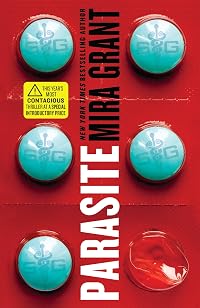
A decade in the future, humanity thrives in the absence of sickness and disease. We owe our good health to a humble parasite -- a genetically engineered tapeworm developed by the pioneering SymboGen Corporation. When implanted, the Intestinal Bodyguard worm protects us from illness, boosts our immune system -- even secretes designer drugs. It's been successful beyond the scientists' wildest dreams. Now, years on, almost every human being has a SymboGen tapeworm living within them. But these show more parasites are getting restless. They want their own lives . . . and will do anything to get them. show lessTags
Recommendations







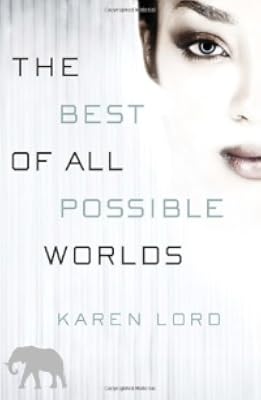
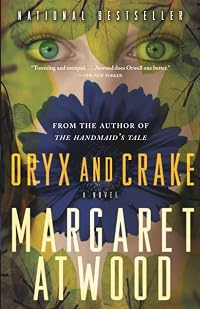

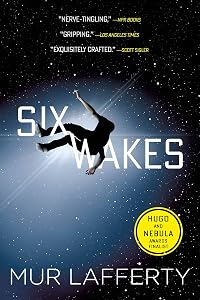
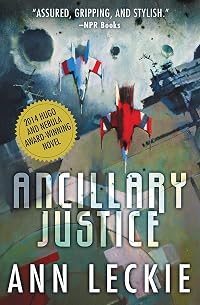


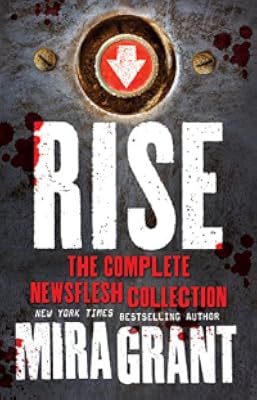
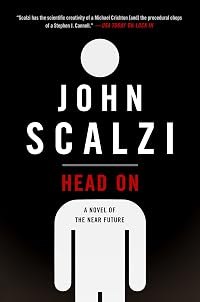
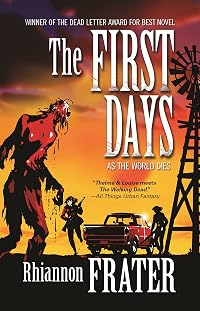
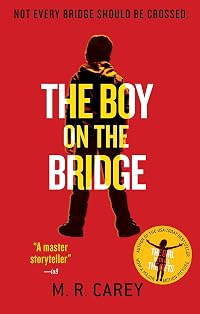

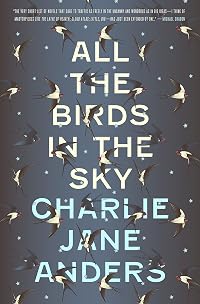
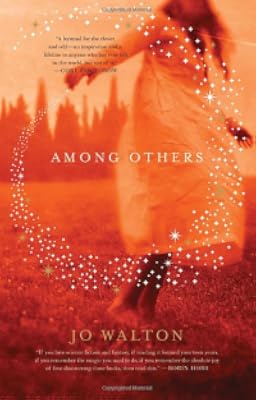
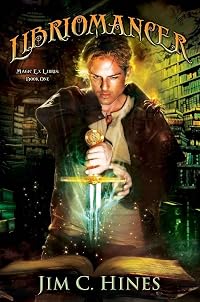
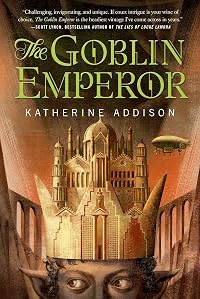



Member Recommendations
4leschats Similar premise of science/medicine gone wrong and a focus on female protagonist.
Member Reviews
This is the first book in many many months to reach inside my head and hold on until I'd finished reading - not quite in one sitting, but certainly no more than six hours between start and finish. I found the exploration of the personality changes that can happen with major head trauma to be an interesting side line to the book, and the general theme of infantilising the main character because of pervasive amnesia to be rage inducing, but overall I found it to be a great contribution to the weird and wacky epidemic/medical thriller genre.
Sally Mitchell is a lucky woman. Well, she's not entirely lucky because she was nearly killed in a car accident. In fact, she was so badly injured in the accident that her brain stopped functioning and the doctors caring for her had brought her family in to discuss harvesting her organs for donation. But Sally has a SymboGen Implant - a genetically engineered tapeworm designed to release antibiotics and other medications in order to preserve her life - so she didn't die, but instead woke up right when the doctors were recommending turning off her life support. But now Sally can't remember anything from before the accident, and seems to have a new, entirely different personality. Maybe Sally isn't so lucky after all.
Parasite is a show more biological terror novel about the dangers that can be unleashed upon humanity as a whole by the hubris of a few. The novel is also about how willing people are to accept without much question a solution to their troubles that is probably too good to be true, and the terrible costs that such unquestioning acceptance can impose. The novel is also about the search for identity, as Sally Mitchell must grapple with the question of who she is now, as she retains no memories of who she was before the accident. These three threads weave together through the novel to the fairly obvious, but still extremely disturbing and unsettling conclusion.
As Sally Mitchell is the character at the center of the novel, the technology at the center of the novel is the genetically modified tapeworm she and millions of others carry in their gut. Manufactured by the biotechnology giant SymboGen, and marketed under the name the Intestinal Bodyguard, these living implants are something of a magic pill - keeping their hosts healthy by secreting chemical assistance to help combat everything from head colds to infected wounds. By the time of the events in the novel, these "intestinal bodyguards" have largely replaced most pills and shots, revolutionizing the field of personal medicine. Those implanted with this new technology no longer need to consult with a doctor when afflicted with an ailment, but instead can proceed with the confident assumption that their benign parasite will take care of the problem.
In the story itself, Sally is brought back from the brink of death, presumably by her implanted tapeworm. Because Sally's medical issues were so severe, her recovery is something of a mystery, and as a result SymboGen agrees to pay her ongoing medical costs so long as they can study her. When she woke up, Sally did not even remember basic life skills such as how to feed herself or how to speak and had to be remanded into the guardianship of her parents even though she was technically an adult. Despite the best care SymboGen's money can buy, six years after the accident, Sally still has no memories of her life from before the moment she woke up in her hospital bed. But if Sally has no memories of the twenty-something years she lived prior to her accident, can she truly be the same person she was before? Even though Sally appears to be a much kinder, nicer, and generally better person now than she had been before her near death experience, these differences still serve to unsettle and disturb her family.
Sally's crisis is set in a world in which other, even more disturbing things are taking place. People, it seems, are falling ill in a very specific way: First behaving erratically, and then falling into a coma from which they never recover. The medical community in the book is stumped, but the cause is fairly evident, at least from the perspective presented to the reader. In short, something is going wrong with the Intestinal Bodyguards, and it is also apparent that SymboGen is covering this fact up. Through the novel, SymboGen, and its charismatic and obviously overconfident CEO Dr. Steven Banks, is presented as a company that has enough power as a result of their unique position as the manufacturer of the Intestinal Bodyguard that they are able to get away with almost anything, including covering up a crisis that is a threat to the life of anyone with one of their products implanted in them.
The story stays focused on Sally while she attempts to deal with her own problems. Accompanied by her incredibly loyal and understanding boyfriend Nathan (who happens to be a medical researcher), Sally follows clues sent to her by a mysterious individual who promises to reveal what is happening, both to her and to the people suffering from the mysterious affliction that turns them into vicious, mindless automatons before they slip into a permanent coma. These clues are accompanied by excerpts from the incredibly creepy and extremely obscure children's book Don't Go Out Alone, a book that Nathan is surprisingly familiar with. The trail leads Sally to Dr. Shanti Cale, one of the missing founders of SymboGen, who had been presumed dead. Dr. Cale also turns out to be Nathan's mother, which is one of the elements of the book that seems a little bit too much of a pat happenstance. When this coincidence is combined with the coincidence that Sally's father is the commander of an Army unit investigating SymboGen, and Sally's sister is a medical researcher with that same unit, the entire book feels like it relies a bit too much serendipity.
One might also criticize the book on the grounds that the "big reveal" at the end of the book is telegraphed to the reader almost from the beginning of the story. But this transparency is not only not a negative element in the book, it is necessary to create the very tension that the story relies upon. The reader knows what has happened to Sally (especially after Dr. Cale's experiments are revealed), and what is happening in the world around her, even if the characters in the book do not. This dichotomy of information between the actors in the story and the reader reading about them serves to create the discordant pressure that builds until it is released in the brutal revelation that takes place in the final pages of the book. It is a mark of Grant's skill as a writer that she can essentially tell the reader what is going to happen almost up front in her story, and yet still craft a book that is still loaded with the high volume of suspense found in Parasite.
In the end, Parasite is a well-written and engaging techno-zombie thriller that approaches the subject from a biotech angle. Featuring a sympathetic and well-drawn central character, the story carries the reader through its somewhat predictable, but always interesting twists and turns, instilling into the read a rising sense of horror until the curtain is finally pulled back and one realizes exactly who one was rooting for through the book's pages. But this revelation really only serves to confirm what the reader probably already knew, leaving a final, deeply disturbing question: How could SymboGen (and, to be honest, Dr. Cale) not have already known what was revealed at the end? Given that there seems to have been almost no way for them not to have known, their silence on this subject through the book seems to be part of some sort of larger plan, a realization that should be disquieting to say the least. If you like stories about biotech induced terror, you will like this book. If you like stories about zombies, you will like this book. If you like stories filled with suspense, you will like this book. If you like all three, you will love this book.
This review has also been posted to my blog Dreaming About Other Worlds. show less
Parasite is a show more biological terror novel about the dangers that can be unleashed upon humanity as a whole by the hubris of a few. The novel is also about how willing people are to accept without much question a solution to their troubles that is probably too good to be true, and the terrible costs that such unquestioning acceptance can impose. The novel is also about the search for identity, as Sally Mitchell must grapple with the question of who she is now, as she retains no memories of who she was before the accident. These three threads weave together through the novel to the fairly obvious, but still extremely disturbing and unsettling conclusion.
As Sally Mitchell is the character at the center of the novel, the technology at the center of the novel is the genetically modified tapeworm she and millions of others carry in their gut. Manufactured by the biotechnology giant SymboGen, and marketed under the name the Intestinal Bodyguard, these living implants are something of a magic pill - keeping their hosts healthy by secreting chemical assistance to help combat everything from head colds to infected wounds. By the time of the events in the novel, these "intestinal bodyguards" have largely replaced most pills and shots, revolutionizing the field of personal medicine. Those implanted with this new technology no longer need to consult with a doctor when afflicted with an ailment, but instead can proceed with the confident assumption that their benign parasite will take care of the problem.
In the story itself, Sally is brought back from the brink of death, presumably by her implanted tapeworm. Because Sally's medical issues were so severe, her recovery is something of a mystery, and as a result SymboGen agrees to pay her ongoing medical costs so long as they can study her. When she woke up, Sally did not even remember basic life skills such as how to feed herself or how to speak and had to be remanded into the guardianship of her parents even though she was technically an adult. Despite the best care SymboGen's money can buy, six years after the accident, Sally still has no memories of her life from before the moment she woke up in her hospital bed. But if Sally has no memories of the twenty-something years she lived prior to her accident, can she truly be the same person she was before? Even though Sally appears to be a much kinder, nicer, and generally better person now than she had been before her near death experience, these differences still serve to unsettle and disturb her family.
Sally's crisis is set in a world in which other, even more disturbing things are taking place. People, it seems, are falling ill in a very specific way: First behaving erratically, and then falling into a coma from which they never recover. The medical community in the book is stumped, but the cause is fairly evident, at least from the perspective presented to the reader. In short, something is going wrong with the Intestinal Bodyguards, and it is also apparent that SymboGen is covering this fact up. Through the novel, SymboGen, and its charismatic and obviously overconfident CEO Dr. Steven Banks, is presented as a company that has enough power as a result of their unique position as the manufacturer of the Intestinal Bodyguard that they are able to get away with almost anything, including covering up a crisis that is a threat to the life of anyone with one of their products implanted in them.
The story stays focused on Sally while she attempts to deal with her own problems. Accompanied by her incredibly loyal and understanding boyfriend Nathan (who happens to be a medical researcher), Sally follows clues sent to her by a mysterious individual who promises to reveal what is happening, both to her and to the people suffering from the mysterious affliction that turns them into vicious, mindless automatons before they slip into a permanent coma. These clues are accompanied by excerpts from the incredibly creepy and extremely obscure children's book Don't Go Out Alone, a book that Nathan is surprisingly familiar with. The trail leads Sally to Dr. Shanti Cale, one of the missing founders of SymboGen, who had been presumed dead. Dr. Cale also turns out to be Nathan's mother, which is one of the elements of the book that seems a little bit too much of a pat happenstance. When this coincidence is combined with the coincidence that Sally's father is the commander of an Army unit investigating SymboGen, and Sally's sister is a medical researcher with that same unit, the entire book feels like it relies a bit too much serendipity.
One might also criticize the book on the grounds that the "big reveal" at the end of the book is telegraphed to the reader almost from the beginning of the story. But this transparency is not only not a negative element in the book, it is necessary to create the very tension that the story relies upon. The reader knows what has happened to Sally (especially after Dr. Cale's experiments are revealed), and what is happening in the world around her, even if the characters in the book do not. This dichotomy of information between the actors in the story and the reader reading about them serves to create the discordant pressure that builds until it is released in the brutal revelation that takes place in the final pages of the book. It is a mark of Grant's skill as a writer that she can essentially tell the reader what is going to happen almost up front in her story, and yet still craft a book that is still loaded with the high volume of suspense found in Parasite.
In the end, Parasite is a well-written and engaging techno-zombie thriller that approaches the subject from a biotech angle. Featuring a sympathetic and well-drawn central character, the story carries the reader through its somewhat predictable, but always interesting twists and turns, instilling into the read a rising sense of horror until the curtain is finally pulled back and one realizes exactly who one was rooting for through the book's pages. But this revelation really only serves to confirm what the reader probably already knew, leaving a final, deeply disturbing question: How could SymboGen (and, to be honest, Dr. Cale) not have already known what was revealed at the end? Given that there seems to have been almost no way for them not to have known, their silence on this subject through the book seems to be part of some sort of larger plan, a realization that should be disquieting to say the least. If you like stories about biotech induced terror, you will like this book. If you like stories about zombies, you will like this book. If you like stories filled with suspense, you will like this book. If you like all three, you will love this book.
This review has also been posted to my blog Dreaming About Other Worlds. show less
The idea of tapeworms being something people would ingest voluntarily ingest seems about as foreign a concept as teleporting or wormholes in space. Still, Ms. Grant does an excellent job in creating not only a possible scenario but also the marketing scheme behind the Intestinal Bodyguard. There is logic behind her world-building that removes some of the ick factor and rationalizes the concept of society accepting parasites as helpers. Still, the book is about something most people try to avoid at all costs and which can turn stomachs at the mere mention of them. As such, Parasite is simultaneously intriguing in its possibilities and horrific because of what it implies. Squeamish readers should approach with caution.
If one can get past show more the whole parasitic worm issue, the rest of the story is intense, fascinating, and still quite horrifying. Readers immediately bond with Sal, a woman who lost her entire life’s memories after a horrific accident, something from which she should have never recovered had it not been for her very own Intestinal Bodyguard. The action takes place six years after she wakes from her coma. She is still struggling to find her place in this unfamiliar world – a world in which her parents consider her a six-year-old trapped in the body of a twenty-something woman and more importantly a life about which she does not remember a single thing from before her accident. Her frustrations at the limitations imposed by both her parents and by SymboGen Corporation, who is funding all of her health care, at the limitations implied by her lack of memories, and at her desire for independence all create a very solid sympathetic link within the reader as one quickly realizes that she is stronger and more capable than anyone credits her for being.
Then there is her boyfriend. Dr. Nathan Kim is the foremost expert in parasitology, but it is obvious from the very start that his relationship with Sal has nothing to do with her unique situation and has everything to do with genuine love and affection. Theirs is a very special relationship, and their loving moments will make a reader’s heart ache with tenderness. Their strong bond is vital as the story progresses, balancing out the less positive relationships she has with others and a welcome oasis in a rather disgusting world.
The action starts out slowly but swiftly builds. As Sal learns whom to trust and whom to avoid, so does the reader, with many a twist and turn added to throw readers off the scent. There is a reveal at the end that is not altogether as shocking as one would expect it to be. Rather, it adds an entirely new twist to the series and sets the stage for an entirely new set of ethical questions. Ms. Grant’s use of science to explain the hows and whys of the Intestinal Bodyguard makes the science fiction portion of the story easy to understand and surprisingly believable. The ethical quandaries posed by SymboGen, the mysterious attacks and the whole parasitic bodyguard idea are enormous, especially given the fact that Ms. Grant has taken such care to establish a fully-developed world that appears reasonable.
Parasite means to shock, to disgust, to question, and to challenge. Sal is a fantastic character; her lack of memory allows her to approach the world from a very different angle, and she has the most wonderful tendency to whittle down scenes to their most essential parts, ignoring the emotional entanglement that causes others to act irrationally. She is a fierce girl when she needs to be and yet still incredibly fragile given everything she does not know. The moral and ethical dilemmas introduced by the answers she finds are extremely relevant and worth the time taken to at least think about them if not debate them with others. At times disgusting, always suspenseful, and utterly unique, Parasite gets under a reader’s skin and will make them question the true meaning of being human. show less
If one can get past show more the whole parasitic worm issue, the rest of the story is intense, fascinating, and still quite horrifying. Readers immediately bond with Sal, a woman who lost her entire life’s memories after a horrific accident, something from which she should have never recovered had it not been for her very own Intestinal Bodyguard. The action takes place six years after she wakes from her coma. She is still struggling to find her place in this unfamiliar world – a world in which her parents consider her a six-year-old trapped in the body of a twenty-something woman and more importantly a life about which she does not remember a single thing from before her accident. Her frustrations at the limitations imposed by both her parents and by SymboGen Corporation, who is funding all of her health care, at the limitations implied by her lack of memories, and at her desire for independence all create a very solid sympathetic link within the reader as one quickly realizes that she is stronger and more capable than anyone credits her for being.
Then there is her boyfriend. Dr. Nathan Kim is the foremost expert in parasitology, but it is obvious from the very start that his relationship with Sal has nothing to do with her unique situation and has everything to do with genuine love and affection. Theirs is a very special relationship, and their loving moments will make a reader’s heart ache with tenderness. Their strong bond is vital as the story progresses, balancing out the less positive relationships she has with others and a welcome oasis in a rather disgusting world.
The action starts out slowly but swiftly builds. As Sal learns whom to trust and whom to avoid, so does the reader, with many a twist and turn added to throw readers off the scent. There is a reveal at the end that is not altogether as shocking as one would expect it to be. Rather, it adds an entirely new twist to the series and sets the stage for an entirely new set of ethical questions. Ms. Grant’s use of science to explain the hows and whys of the Intestinal Bodyguard makes the science fiction portion of the story easy to understand and surprisingly believable. The ethical quandaries posed by SymboGen, the mysterious attacks and the whole parasitic bodyguard idea are enormous, especially given the fact that Ms. Grant has taken such care to establish a fully-developed world that appears reasonable.
Parasite means to shock, to disgust, to question, and to challenge. Sal is a fantastic character; her lack of memory allows her to approach the world from a very different angle, and she has the most wonderful tendency to whittle down scenes to their most essential parts, ignoring the emotional entanglement that causes others to act irrationally. She is a fierce girl when she needs to be and yet still incredibly fragile given everything she does not know. The moral and ethical dilemmas introduced by the answers she finds are extremely relevant and worth the time taken to at least think about them if not debate them with others. At times disgusting, always suspenseful, and utterly unique, Parasite gets under a reader’s skin and will make them question the true meaning of being human. show less
Have you read Parasite Rex? Mira Grant (Seanan McGuire) has. And because she was reading it and found it interesting, I read it. Now that I've read the non-fiction book about parasites and Parasite all I can say is "thanks a lot for the nightmares, MG." Oh, but they're going to be delicious nightmares. Knowing a little about parasite behavior I was primed for this book, but not knowing won't make it any less horrifying for you once you figure out what's going on.
According to the hygiene hypothesis, the increase in autoimmune and allergic diseases is caused by the decrease in infections. In response to this, SymboGen genetically engineered a tapeworm to protect us from this, even to dispense the medications each individual might need. show more Just one pill every two years and you're cured. It's big business and big money, and it's the biggest health advance in ages. It might also be a miracle.
Sally Mitchell had a seizure while driving and suffered terrible injuries, including brain death. Just as her family was discussing ending her life support, Sally woke up. But she doesn't feel like Sally any more; after all the brain damage she might as well be a different person. Now Sal is part of the SymboGen family, proof of just what the intestinal implant can do.
The thing about parasites--that the SymboGen founders know and that Sal will find out--is that ultimately they want to survive and they're able to do incredible things to make that happen. Even manipulate and change their hosts.
Each chapter begins with excerpts from fictional books about SymboGen, its founders, the implant, and the advertising that got people to accept walking around with tapeworms living inside of them. It's one of those little touches Mira Grant does so well that makes the universe really come alive and it is fascinating.
(ARC provided by publisher) show less
According to the hygiene hypothesis, the increase in autoimmune and allergic diseases is caused by the decrease in infections. In response to this, SymboGen genetically engineered a tapeworm to protect us from this, even to dispense the medications each individual might need. show more Just one pill every two years and you're cured. It's big business and big money, and it's the biggest health advance in ages. It might also be a miracle.
Sally Mitchell had a seizure while driving and suffered terrible injuries, including brain death. Just as her family was discussing ending her life support, Sally woke up. But she doesn't feel like Sally any more; after all the brain damage she might as well be a different person. Now Sal is part of the SymboGen family, proof of just what the intestinal implant can do.
The thing about parasites--that the SymboGen founders know and that Sal will find out--is that ultimately they want to survive and they're able to do incredible things to make that happen. Even manipulate and change their hosts.
Each chapter begins with excerpts from fictional books about SymboGen, its founders, the implant, and the advertising that got people to accept walking around with tapeworms living inside of them. It's one of those little touches Mira Grant does so well that makes the universe really come alive and it is fascinating.
(ARC provided by publisher) show less
Trite…Sophomoric…Lazy…with hints of adolescent pseudo-feminism.
Here we go again: a multi-billion dollar Big Pharma corporation has perverted science and is greedily cashing in on its defective product. I understand that Science Fiction is filled with cautionary tales of technology gone wild but, please, can’t we once in a while recognize the huge benefits scientific research has provided?
I have many criticisms of this novel. First of all, it is written in the style of a young adult novel. The heroine/narrator is constantly gabbing at the reader like a middle-schooler talking to her bestie. The dialogue feels like it was padded in as filler to make the story longer and the voices were indistinguishable; except for the father who show more came across as a stiff and wooden authority figure. There was zero suspense in the story. I will not go into spoilers but suffice to say by one quarter of the way through the book the reader is basically slogging their way through to the inevitable plot lines. Perhaps the story could have worked had it been told through the sister’s perspective. It is also very clear that the author had perhaps been on a tour of a pharmaceutical research facility: she obviously has no real idea how research works or how FDA review processes work. For a science fiction or medical thriller to really work it has to have some basis in reality. At least it has to seem plausible on some level. The ideas presented here are, in a word, crackpot. Finally: the coincidences. As I plodded through the story I found myself saying more and more “Oh, come ON!” From the inaction and ambivalence of authorities to the total cluelessness of the press and the media to the total corruption of a huge company and the naiveté or complicity of its employees, things just didn’t seem plausible. Not to mention the fact that a sophisticated research facility exists in secret in an abandoned bowling alley, it just too much. How did they get their MRI and who services it? Again, come ON!
On top of all this, after 500 pages we get a “to be continued”!?! Doesn’t anyone write stand-alone stories anymore?
Suffice to say, I will not be reading any more Mira Grant, though I have a couple of suggestions for her: Try working in a real lab for a while. It would do wonders for your background. And get rid of the cutesy picture attached to the bioblurb: really? Putting on lipstick in the reflection of a kitchen knife? show less
Here we go again: a multi-billion dollar Big Pharma corporation has perverted science and is greedily cashing in on its defective product. I understand that Science Fiction is filled with cautionary tales of technology gone wild but, please, can’t we once in a while recognize the huge benefits scientific research has provided?
I have many criticisms of this novel. First of all, it is written in the style of a young adult novel. The heroine/narrator is constantly gabbing at the reader like a middle-schooler talking to her bestie. The dialogue feels like it was padded in as filler to make the story longer and the voices were indistinguishable; except for the father who show more came across as a stiff and wooden authority figure. There was zero suspense in the story. I will not go into spoilers but suffice to say by one quarter of the way through the book the reader is basically slogging their way through to the inevitable plot lines. Perhaps the story could have worked had it been told through the sister’s perspective. It is also very clear that the author had perhaps been on a tour of a pharmaceutical research facility: she obviously has no real idea how research works or how FDA review processes work. For a science fiction or medical thriller to really work it has to have some basis in reality. At least it has to seem plausible on some level. The ideas presented here are, in a word, crackpot. Finally: the coincidences. As I plodded through the story I found myself saying more and more “Oh, come ON!” From the inaction and ambivalence of authorities to the total cluelessness of the press and the media to the total corruption of a huge company and the naiveté or complicity of its employees, things just didn’t seem plausible. Not to mention the fact that a sophisticated research facility exists in secret in an abandoned bowling alley, it just too much. How did they get their MRI and who services it? Again, come ON!
On top of all this, after 500 pages we get a “to be continued”!?! Doesn’t anyone write stand-alone stories anymore?
Suffice to say, I will not be reading any more Mira Grant, though I have a couple of suggestions for her: Try working in a real lab for a while. It would do wonders for your background. And get rid of the cutesy picture attached to the bioblurb: really? Putting on lipstick in the reflection of a kitchen knife? show less
In Parasite by Mira Grant people are intentionally allowing parasites to be implanted in order to improve their health. Now that's what I'm talkin' about!
It is 2027. Sally (Sal) Mitchell survived a car crash six years ago and woke up in the hospital with no memories from her life before. Her miraculous survival and recovery is attributed to her SymboGen (www.symbogen.net) Intestinal Bodyguard. It's a tapeworm that has been genetically engineered to keep people free of diseases and other harmful medical conditions and parasites. While Sal lives with her parents and her sister, Joyce, she is essentially a totally different person from the Sally they knew before the accident. Her father, Colonel Alfred Mitchell, United States Army, is show more currently the director/lab manager of the USAMRIID San Francisco research center. His connections are why she had an early specialized version of the SymboGen implant.
Sal's boyfriend, Nathan Kim, is a parasitologist who refuses to have any Intestinal Bodyguard because he's not completely convinced they are without other side effects. Neither Sal nor Nathan trust SymboGen co-founder Dr. Steven Banks, but Sal is required to meet with him at the SymboGen research building when asked for tests so they can monitor her health and recovery. Everyone's doubts begin to increase ten-fold when weird sleep-walking people suddenly start showing up - and some of them are becoming aggressive.
The chapters open with excerpts of information that was taken from books or autobiographies - mainly from the trio of researchers who started SymboGen and explores their early experiments with tapeworms dating back to 2015. What is written stands out in sharp contrast, some of it cautionary, to the reality in 2027. And the direction the researchers are going all seems plausible today. Yes, of course, why not experiment with parasites and change them genetically so they will help you. What could possibly go wrong?
I really enjoyed this book. While I basically liked the first book in Grant's Newsflesh trilogy, I never went on to read the other books because I didn't really care if the zombies got them or not. This time around I have to hand it to Grant. I want to know what happens. I'm ticked off that after 500 pages the story is to be continued. I want to know more, darn it, and I want to know what happens next right now. Whew. Rant done.
As she delves into biomedical experimentation in Parasite, I would favorably compare Grant to Crichton in this case - with the exception of the ending. I do wish that the story had more closure and wasn't a too-be-continued.
The writing and pacing is excellent and the main characters are well developed. Grant does an incredible job playing on our desires for good health with little investment of time or labor to get that good health. Add that to the experimental genetic modifications being made to all sorts of plants and animals today and you could see this future happening.
For a horror novels, the details aren't terrible gruesome, but you have to prepare yourself for thinking about tapeworms and worms inside people, growing and living. That fact alone may be too much for some people.
Go to the website and watch the three SymboGen video. Think about health care for all. Consider: Good Health Starts Within.
This one is Very Highly Recommended.
Disclosure: My Kindle edition was courtesy of Hachette Books via Netgalley for review purposes. show less
It is 2027. Sally (Sal) Mitchell survived a car crash six years ago and woke up in the hospital with no memories from her life before. Her miraculous survival and recovery is attributed to her SymboGen (www.symbogen.net) Intestinal Bodyguard. It's a tapeworm that has been genetically engineered to keep people free of diseases and other harmful medical conditions and parasites. While Sal lives with her parents and her sister, Joyce, she is essentially a totally different person from the Sally they knew before the accident. Her father, Colonel Alfred Mitchell, United States Army, is show more currently the director/lab manager of the USAMRIID San Francisco research center. His connections are why she had an early specialized version of the SymboGen implant.
Sal's boyfriend, Nathan Kim, is a parasitologist who refuses to have any Intestinal Bodyguard because he's not completely convinced they are without other side effects. Neither Sal nor Nathan trust SymboGen co-founder Dr. Steven Banks, but Sal is required to meet with him at the SymboGen research building when asked for tests so they can monitor her health and recovery. Everyone's doubts begin to increase ten-fold when weird sleep-walking people suddenly start showing up - and some of them are becoming aggressive.
The chapters open with excerpts of information that was taken from books or autobiographies - mainly from the trio of researchers who started SymboGen and explores their early experiments with tapeworms dating back to 2015. What is written stands out in sharp contrast, some of it cautionary, to the reality in 2027. And the direction the researchers are going all seems plausible today. Yes, of course, why not experiment with parasites and change them genetically so they will help you. What could possibly go wrong?
I really enjoyed this book. While I basically liked the first book in Grant's Newsflesh trilogy, I never went on to read the other books because I didn't really care if the zombies got them or not. This time around I have to hand it to Grant. I want to know what happens. I'm ticked off that after 500 pages the story is to be continued. I want to know more, darn it, and I want to know what happens next right now. Whew. Rant done.
As she delves into biomedical experimentation in Parasite, I would favorably compare Grant to Crichton in this case - with the exception of the ending. I do wish that the story had more closure and wasn't a too-be-continued.
The writing and pacing is excellent and the main characters are well developed. Grant does an incredible job playing on our desires for good health with little investment of time or labor to get that good health. Add that to the experimental genetic modifications being made to all sorts of plants and animals today and you could see this future happening.
For a horror novels, the details aren't terrible gruesome, but you have to prepare yourself for thinking about tapeworms and worms inside people, growing and living. That fact alone may be too much for some people.
Go to the website and watch the three SymboGen video. Think about health care for all. Consider: Good Health Starts Within.
This one is Very Highly Recommended.
Disclosure: My Kindle edition was courtesy of Hachette Books via Netgalley for review purposes. show less
*sigh*
Ok, so... I've been hyped about this book for a few years now, while gradually becoming a huge Mira Grant fan. It's the only thing I hadn't read of hers, so I'd been "saving it" because I feel like if I don't get my monthly dose of Mira Grant, somehow I'm just not going to be a happy person. And while you could say that this is the definition of having high expectations and setting it up to fail me, let me tell you that I've yet to rate a Mira Grant book with five stars.
I love a LOT of things about her writing, and her as a person, but I tend to be somewhat strict about things, literature, crafting worlds and cteating people with words. What I want to get down to is that while I may be a fan of Grant it's not like I was show more anticipating to read high-brow, literary fiction of some sort. I like her for what she writes. Exciting action-adventures with lot's of nerdy, well researched, sci-fi tidbits, independent female protagonists, a diverse cast of characters and sometimes, beautiful, gooey, bloody, gore.
So, even though I most definitely feel like I am the perfect target audience for her particular brand of literature, it's not like I'm suddenly expecting to read "the best thing ever", but more like "the best thing in this particular niche category" [cateGORY, get it? -shuddup brain-]
And let me just say, this one sucked.
I was bored out of my mind, and kept dragging on this poor book for so many days, just because I don't know when to give up. It had all the best parts of Grant's writing but there was so much fluff, so many needless pages of everyday dialogue, of characters explaining everything to each other and to the reader. I feel like if it had an austere editor who told her "No, you said it was going to be a duology, just cut the needless points out and rewrite it" this could have been one of my favorites.
Up until 47% of the book, nothing happened. For the first 40% of this book [thank kindle for percentages] you're just getting acquainted with the world and how things work. In the most painful, excruciatingly slow, boring and mundane way possible. Whole chapters would have been mere sentences in the hands of other writers, and nothing of the plot or our connection to the characters would have been compromised.
I'm almost angry, which is because I read this book in a very particular sort of way. Each night my boyfriend and I would take turns reading each other a chapter of it. [We've done this with many other books and Mira Grant is our favorite option thus far.] So I had to literally pronounce every needless little repetition and explanation. Every little thing that offered absolutely nothing. Every character smirking, or saying a quirky thing, explaining in minute detail something that was already explained, making a needlessly long and out-of-character joke, everything, I read it all out loud. So excuse me if I sound a bit bitter.
We later theorized that what made this world-setup so boring was the fact that it didn't differ so much from our own reality, not in any significant, palpable every-day life kind of way. In [b:Feed|7094569|Feed (Newsflesh Trilogy, #1)|Mira Grant|https://images.gr-assets.com/books/1408500437s/7094569.jpg|7351419] we had a whole different world to get to know. Everything was new, and the communities she created felt like an exciting sociological experiment. In [b:Into the Drowning Deep|34523174|Into the Drowning Deep (Rolling in the Deep, #1)|Mira Grant|https://images.gr-assets.com/books/1489176444s/34523174.jpg|55657440] there was a looming climate disaster affecting the planet and we had to get to know many different characters and understand their specific scientific sectors. In Parasite we have a woman trying to learn how to... "people" again, after a severe case of amnesia, but instead of following her first days after waking up from her coma, we time-skip to six years after that. So what we end up getting is a person that is already acquainted with the world. And the only thing that's different is this new popural treatment using parasites, which is always only briefly explained because it's a major plot point and therefore cannot be fully explored in fear of giving away too much. So we are left wondering in a familiar world, with a somewhat naive woman, going about her everyday life. Thrilling.
And then the plot starts. And you, being an avid horror and sci-fi fan, have already understood the big reveal and you're waiting for the characters to figure it out so we can get this worm train going baby. And you're waiting. And you're waiting. And you begin to wonder whether Mira Grant even cares about this *thing* you've figured out since the fourth chapter and OH MY GOD IT'S LITERALLY REVEALED IN THE LAST PARAGRAPH OF THE BOOK ARE YOU FREAKING SERIOUS NOW? This was the big reveal? Have I been reading a book for toddlers? Are you the same woman who wrote about political conspiracies? Did you seriously thought this was even a reveal? Do you feel like I'm yelling? 'Cause you can bet your ass I am.
Let me back up a bit. I understand that *the thing* which is being revealed, could be thought of as common knowledge for the reader, and the actual reveal being not that it's confirmed to us, but to the character we follow. Maybe the reveal is that finally SHE gets to know, and we get to be there watching her. The payoff to that would be witnessing her emotional, mental reaction to this. See how it affects her, changes her world view, maybe puts in perspective some of her behaviors and relationships. Maybe it makes her re-evaluate even herself, changes her in some way. This would be very interesting, but is not what happens. The book just ends there. We, and her, learn *the thing* and then curtain roll. So this theory, gets scrapped easily.
The second way a reveal like this could work in favor of the story, is when it changes everything, and makes you want to revisit the story from the beginning, trying to spot out all the hints at what was really going on. For this to happen and have the intended effect, you need to have your *thing* not be transparent for the better part of the book, with more than four characters constantly alluding to it. So again, point not relevant.
The third way a reveal at the end of a story can be beneficial to it, is when it makes you hungry for more. When it excites you about what's to come. When you can't really imagine where it would all go from there, how the characters will react, how their relationships will change, what their world will be after this. Here, this too is irrelevant. Mostly because most characters already are aware of *the thing* and have accepted it. Even the protagonist is semi-aware of it, but denial stops her from fully accepting it. So it's not really that of a huge shock either. Sure, it will be interesting to see how she'll take it, but not much will change around her, since everybody already knew. And seeing how she never seemed too much averse to *the thing* it's not like I'm that curious to find out how she'll cope with it. So again, there's nothing to anticipate with excitement, nothing to look forward to with joy. Just a mild interest of "huh, I wouldn't mind finding out how that girl is going to rationalize this". And "wouldn't mind to find out" is not a good reaction to the big reveal at the end of your book.
Which brings me to another thing that bugged me out. Literally, the final words of the final chapter are: " to be continued". Like who the fuck does that? And don't tell me that many people do, I know, I've read it before, and I'm judging them as hard too. But seriously. Who does that. Why. I've read so many pages of NOTHING. Of nothing happening, of nothing being revealed, of characters that feel like rehashed versions of that other character from that other horror sci-fi series from this writer. And you tell me that it's going to be continued? Well, gosh! Paint me green and call me a pickle! It's not like I thought that "Parasitology #1" meant that it's the best book about parasitology, Mira. We already knew it wasn't going to be a stand alone novel. You should have known that something wasn't right when you felt the need to explain to your readers that there was going to be more. Aaaarg. In the words of Kevin Sorbo:
*louder sigh*
If I wanted to be like a proper reviewer I'd probably talk of the structure and characters and plot holes. Of the believability. Of the diversity. Of the possible analogies between the main character having such a strong connection to animals and her condition, on the representation of PTSD and queer people. Of things that sound critical, and calm and collected and analytical
But I'm not. I'm just a girl who got mad because her favorite author wrote a book that bored her. show less
Ok, so... I've been hyped about this book for a few years now, while gradually becoming a huge Mira Grant fan. It's the only thing I hadn't read of hers, so I'd been "saving it" because I feel like if I don't get my monthly dose of Mira Grant, somehow I'm just not going to be a happy person. And while you could say that this is the definition of having high expectations and setting it up to fail me, let me tell you that I've yet to rate a Mira Grant book with five stars.
I love a LOT of things about her writing, and her as a person, but I tend to be somewhat strict about things, literature, crafting worlds and cteating people with words. What I want to get down to is that while I may be a fan of Grant it's not like I was show more anticipating to read high-brow, literary fiction of some sort. I like her for what she writes. Exciting action-adventures with lot's of nerdy, well researched, sci-fi tidbits, independent female protagonists, a diverse cast of characters and sometimes, beautiful, gooey, bloody, gore.
So, even though I most definitely feel like I am the perfect target audience for her particular brand of literature, it's not like I'm suddenly expecting to read "the best thing ever", but more like "the best thing in this particular niche category" [cateGORY, get it? -shuddup brain-]
And let me just say, this one sucked.
I was bored out of my mind, and kept dragging on this poor book for so many days, just because I don't know when to give up. It had all the best parts of Grant's writing but there was so much fluff, so many needless pages of everyday dialogue, of characters explaining everything to each other and to the reader. I feel like if it had an austere editor who told her "No, you said it was going to be a duology, just cut the needless points out and rewrite it" this could have been one of my favorites.
Up until 47% of the book, nothing happened. For the first 40% of this book [thank kindle for percentages] you're just getting acquainted with the world and how things work. In the most painful, excruciatingly slow, boring and mundane way possible. Whole chapters would have been mere sentences in the hands of other writers, and nothing of the plot or our connection to the characters would have been compromised.
I'm almost angry, which is because I read this book in a very particular sort of way. Each night my boyfriend and I would take turns reading each other a chapter of it. [We've done this with many other books and Mira Grant is our favorite option thus far.] So I had to literally pronounce every needless little repetition and explanation. Every little thing that offered absolutely nothing. Every character smirking, or saying a quirky thing, explaining in minute detail something that was already explained, making a needlessly long and out-of-character joke, everything, I read it all out loud. So excuse me if I sound a bit bitter.
We later theorized that what made this world-setup so boring was the fact that it didn't differ so much from our own reality, not in any significant, palpable every-day life kind of way. In [b:Feed|7094569|Feed (Newsflesh Trilogy, #1)|Mira Grant|https://images.gr-assets.com/books/1408500437s/7094569.jpg|7351419] we had a whole different world to get to know. Everything was new, and the communities she created felt like an exciting sociological experiment. In [b:Into the Drowning Deep|34523174|Into the Drowning Deep (Rolling in the Deep, #1)|Mira Grant|https://images.gr-assets.com/books/1489176444s/34523174.jpg|55657440] there was a looming climate disaster affecting the planet and we had to get to know many different characters and understand their specific scientific sectors. In Parasite we have a woman trying to learn how to... "people" again, after a severe case of amnesia, but instead of following her first days after waking up from her coma, we time-skip to six years after that. So what we end up getting is a person that is already acquainted with the world. And the only thing that's different is this new popural treatment using parasites, which is always only briefly explained because it's a major plot point and therefore cannot be fully explored in fear of giving away too much. So we are left wondering in a familiar world, with a somewhat naive woman, going about her everyday life. Thrilling.
And then the plot starts. And you, being an avid horror and sci-fi fan, have already understood the big reveal and you're waiting for the characters to figure it out so we can get this worm train going baby. And you're waiting. And you're waiting. And you begin to wonder whether Mira Grant even cares about this *thing* you've figured out since the fourth chapter and OH MY GOD IT'S LITERALLY REVEALED IN THE LAST PARAGRAPH OF THE BOOK ARE YOU FREAKING SERIOUS NOW? This was the big reveal? Have I been reading a book for toddlers? Are you the same woman who wrote about political conspiracies? Did you seriously thought this was even a reveal? Do you feel like I'm yelling? 'Cause you can bet your ass I am.
Let me back up a bit. I understand that *the thing* which is being revealed, could be thought of as common knowledge for the reader, and the actual reveal being not that it's confirmed to us, but to the character we follow. Maybe the reveal is that finally SHE gets to know, and we get to be there watching her. The payoff to that would be witnessing her emotional, mental reaction to this. See how it affects her, changes her world view, maybe puts in perspective some of her behaviors and relationships. Maybe it makes her re-evaluate even herself, changes her in some way. This would be very interesting, but is not what happens. The book just ends there. We, and her, learn *the thing* and then curtain roll. So this theory, gets scrapped easily.
The second way a reveal like this could work in favor of the story, is when it changes everything, and makes you want to revisit the story from the beginning, trying to spot out all the hints at what was really going on. For this to happen and have the intended effect, you need to have your *thing* not be transparent for the better part of the book, with more than four characters constantly alluding to it. So again, point not relevant.
The third way a reveal at the end of a story can be beneficial to it, is when it makes you hungry for more. When it excites you about what's to come. When you can't really imagine where it would all go from there, how the characters will react, how their relationships will change, what their world will be after this. Here, this too is irrelevant. Mostly because most characters already are aware of *the thing* and have accepted it. Even the protagonist is semi-aware of it, but denial stops her from fully accepting it. So it's not really that of a huge shock either. Sure, it will be interesting to see how she'll take it, but not much will change around her, since everybody already knew. And seeing how she never seemed too much averse to *the thing* it's not like I'm that curious to find out how she'll cope with it. So again, there's nothing to anticipate with excitement, nothing to look forward to with joy. Just a mild interest of "huh, I wouldn't mind finding out how that girl is going to rationalize this". And "wouldn't mind to find out" is not a good reaction to the big reveal at the end of your book.
Which brings me to another thing that bugged me out. Literally, the final words of the final chapter are: " to be continued". Like who the fuck does that? And don't tell me that many people do, I know, I've read it before, and I'm judging them as hard too. But seriously. Who does that. Why. I've read so many pages of NOTHING. Of nothing happening, of nothing being revealed, of characters that feel like rehashed versions of that other character from that other horror sci-fi series from this writer. And you tell me that it's going to be continued? Well, gosh! Paint me green and call me a pickle! It's not like I thought that "Parasitology #1" meant that it's the best book about parasitology, Mira. We already knew it wasn't going to be a stand alone novel. You should have known that something wasn't right when you felt the need to explain to your readers that there was going to be more. Aaaarg. In the words of Kevin Sorbo:
*louder sigh*
If I wanted to be like a proper reviewer I'd probably talk of the structure and characters and plot holes. Of the believability. Of the diversity. Of the possible analogies between the main character having such a strong connection to animals and her condition, on the representation of PTSD and queer people. Of things that sound critical, and calm and collected and analytical
But I'm not. I'm just a girl who got mad because her favorite author wrote a book that bored her. show less
Members
- Recently Added By
Lists

Favorite Science Fiction by Women Authors
737 works; 196 members

Top Five Books of 2013
1,562 works; 715 members

Top Five Books of 2014
1,064 works; 398 members

Books Read in 2017
4,249 works; 129 members

Books Read in 2014
2,343 works; 86 members
Author Information

418+ Works 65,980 Members
Some Editions
Awards and Honors
Awards
Distinctions
Notable Lists
Series

Belongs to Publisher Series
Science Fiction Book Club (1381268)
Common Knowledge
- Canonical title
- Parasite
- Original publication date
- 2013-10-29
- People/Characters
- Sally Mitchell; Nathan Kim; Alfred Mitchell; Joyce Mitchell; Steven Banks; Shanti Cale (show all 9); Adam; Tansy; Beverley
- Important places
- San Francisco, California, USA
- Dedication
- For Melissa and Rachel. You are very good sisters.
- First words
- The recording is crisp enough to look like a Hollywood film, too polished to be real.
- Last words
- (Click to show. Warning: May contain spoilers.)The broken doors were open. We had so far left to go.
- Publisher's editor
- Bouman, Tom
- Canonical DDC/MDS
- 813.6
Classifications
Statistics
- Members
- 1,422
- Popularity
- 16,582
- Reviews
- 123
- Rating
- (3.69)
- Languages
- English
- Media
- Paper, Audiobook, Ebook
- ISBNs
- 11
- ASINs
- 4