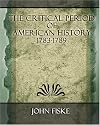
The critical period of American history, 1783-1789
by John Fiske
On This Page
Description
A visual guide to one of the fastest growing areas in trading and speculation An Exchange-Traded Fund (ETF)-a security that tracks an index, a commodity, or a basket of assets like an index fund, but trades like a stock on an exchange-offers diversification of an index fund, as well as the ability to sell short, buy on margin, and purchase as little as one share. Giving financial advisors, institutional asset managers, traders, and other investment professionals the information they need to show more get the most out of ETF opportunities, the Bloomberg Visual Guide to ETFs covers the sub show lessTags
Recommendations





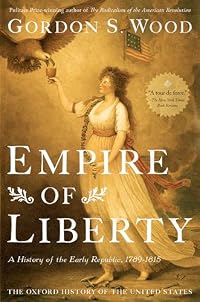
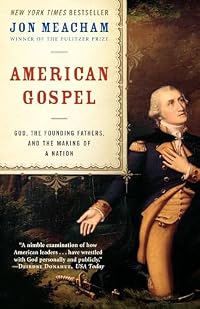




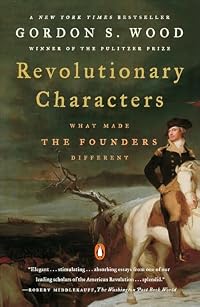









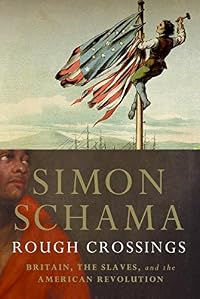
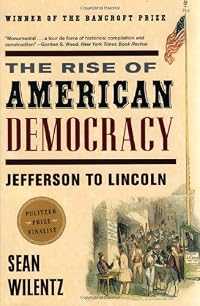


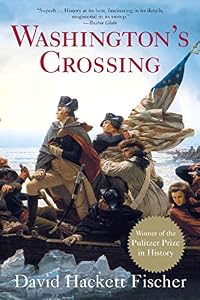
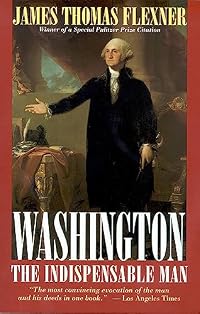
Member Reviews
I'm not sure if this is an historical novel or a dissertation. It deals with that critical period after the Revolutionary War when Washington was struggling to put together a country from the still nearly ungovernable states. The government treasury was empty, the rebels were clamoring for the heads of the royalists and relations with our major trading partner were sundered. With the help of Jefferson and other clear thinkers, Washington brought a new country into being--a task almost as difficult as his Valley Forge campaign against the British and Hessian soldiers.
$25. Hardcover. Condition: Near Fine. Fifth edition. Octavo. 368pp. Blue cloth gilt. Top edge gilt.
Ratings
Members
- Recently Added By
Author Information

57 Works 1,129 Members
John Fiske was born in Hartford, Connecticut on March 30, 1842. After graduating from Harvard Law School in 1865, he opened a law practice in Boston but soon turned to writing. His career as an author began in 1861, with an article on "Mr. Buckle's Fallacies," published in the National Quarterly Review. Since that time he had been a frequent show more contributor to American and British periodicals. Early in his career Fiske also achieved popularity as a lecturer on history and in his later life was occupied mostly with that field. In 1869 to 1871 he was University lecturer on philosophy at Harvard, in 1870 an instructor in history there, and in 1872 to 1879, assistant librarian. On resigning as librarian in 1879, he was elected as a member of the board of overseers, and at the end of the six year term, was reelected in 1885. Since 1881 he had lectured annually on American history at Washington University, St. Louis, Missouri, and since 1884 had held a professorship of American history there. He lectured on American history at University College, London, in 1879, and at the Royal institution of Great Britain in 1880. A large part of his life had been devoted to the study of history; but at an early age, inquiries into the nature of human evolution led him to carefully study the doctrine of evolution, and it was of this popularization of European evolutionary theory that the public first knew him. Fiske's historical writings include The Critical Period of American History, 1783-1789, The Beginnings of New England, The American Revolution, The Discovery of America, Old Virginia and Her Neighbors, Dutch and Quaker Colonies in America, The Mississippi Valley in the Civil War, and New France and New England. John Fiske died in 1901. (Bowker Author Biography) show less
Series
Belongs to Publisher Series
Classifications
- Genres
- Nonfiction, History, General Nonfiction
- DDC/MDS
- 332.63 — Society, Government, and Culture Economics Banking & Money Investing Personal Investing
- LCC
- E303 .F54 — History of the United States United States Revolution to the Civil War, 1775/1783-1861 By period 1775-1789. The Confederation, 1783-1789
- BISAC
Statistics
- Members
- 86
- Popularity
- 370,344
- Reviews
- 2
- Rating
- (3.50)
- Languages
- English
- Media
- Paper, Ebook
- ISBNs
- 13
- ASINs
- 9