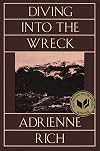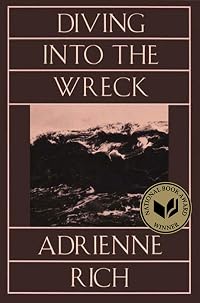
Diving into the Wreck: Poems 1971-1972
by Adrienne Rich
On This Page
Description
"I came to explore the wreck. / The words are purposes. / The words are maps. / I came to see the damage that was done / and the treasures that prevail." These provocative poems move with the power of Rich's distinctive voice.Tags
Recommendations





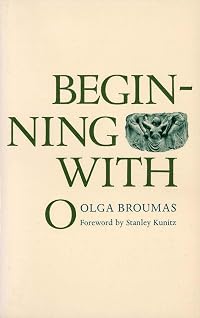
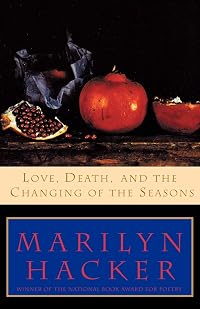
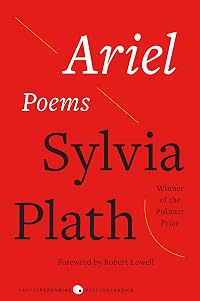
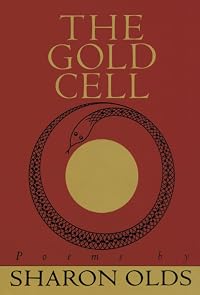

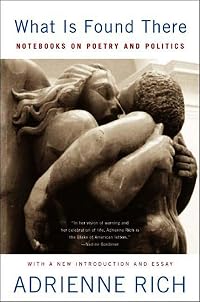






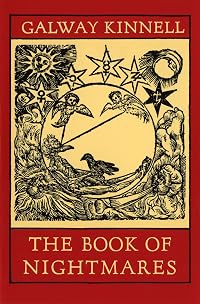
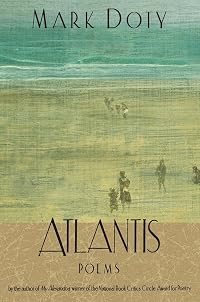

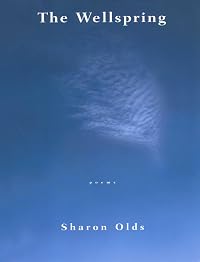
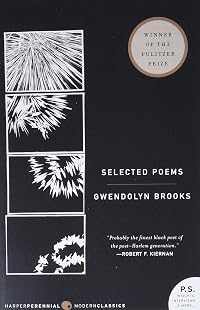




Member Recommendations

eviexeris There are moments in Rich's work that echo Paz's Realist / Surrealest genius.
Member Reviews
Rich is one of those poets whose works I never tire of. Whether read quickly or drifted through, the poems resonate with her skill and with worthwhile meaning. Maybe even more than in her other collections, the poems in Diving into the Wreck allow for both fast surface-level reads that are themselves enjoyable, but welcome readers who'll be willing to live with them and re-read them. There's such depth to each of them, and such care with language, that they bear up under each further moment a reader spends with them. And yet, young readers and casual readers will still find them worth their time.
All told, this is a wonderful collection, and one I'd absolutely recommend to any poetry reader.
All told, this is a wonderful collection, and one I'd absolutely recommend to any poetry reader.
Rape
There is a cop who is both prowler and father:
he comes from your block, grew up with your brothers,
had certain ideals.
You hardly know him in his boots and silver badge,
on horseback, one hand touching his gun.
You hardly know him but you have to get to know him:
he has access to machinery that could kill you.
He and his stallion clop like warlords among the trash,
his ideals stand in the air, a frozen cloud
from between his unsmiling lips.
And so, when the time comes, you have to turn to him,
the maniac’s sperm still greasing your thighs,
your mind whirling like crazy. You have to confess
to him, you are guilty of the crime
of having been forced.
And you see his blue eyes, the blue eyes of all the family
whom you used to know, grow narrow and show more glisten,
his hand types out the details
and he wants them all
but the hysteria in your voice pleases him best.
You hardly know him but now he thinks he knows you:
he has taken down you worst moment
on a machine and filed it in a file.
He knows, or thinks he knows, how much you imagined;
he knows, or thinks he knows, what you secretly wanted.
He has access to machinery that could get you put away;
and if, in the sickening light of the precinct,
and if, in the sickening light of the precinct,
your details sound like a portrait of your confessor,
will you swallow, will you deny them, will you lie your way home? show less
There is a cop who is both prowler and father:
he comes from your block, grew up with your brothers,
had certain ideals.
You hardly know him in his boots and silver badge,
on horseback, one hand touching his gun.
You hardly know him but you have to get to know him:
he has access to machinery that could kill you.
He and his stallion clop like warlords among the trash,
his ideals stand in the air, a frozen cloud
from between his unsmiling lips.
And so, when the time comes, you have to turn to him,
the maniac’s sperm still greasing your thighs,
your mind whirling like crazy. You have to confess
to him, you are guilty of the crime
of having been forced.
And you see his blue eyes, the blue eyes of all the family
whom you used to know, grow narrow and show more glisten,
his hand types out the details
and he wants them all
but the hysteria in your voice pleases him best.
You hardly know him but now he thinks he knows you:
he has taken down you worst moment
on a machine and filed it in a file.
He knows, or thinks he knows, how much you imagined;
he knows, or thinks he knows, what you secretly wanted.
He has access to machinery that could get you put away;
and if, in the sickening light of the precinct,
and if, in the sickening light of the precinct,
your details sound like a portrait of your confessor,
will you swallow, will you deny them, will you lie your way home? show less
Finally got the combination of time and nerve to take on this landmark of American poetry, and was rewarded with a glimpse into the infinite. This book is ferocious in the way that early P.J. Harvey is ferocious: both feminine and feminist, full of rage and mysticism and sadness, a fearless, avenging voice of the dispossessed, a wail of freedom and grief. What strikes me about the poetry here is that it manages to be polemical, in a way, while also being effortlessly metaphorical; in other words, it has, I think, real organic political force, without the clumsiness that mars almost all such didactic verse. "A woman made this film / against / the law / of gravity," Rich writes; Diving into the Wreck is equally powerful and free. A classic.
Read for national poetry day-
first time reading adrienne rich; she's a brilliant fucking woman. it's so nice to be reminded that there's a whole world of feminist poetry out there that doesn't exist in self-serving, nihilistic tumblr form (and adrienne herself has said that one of poetry's obligations is to not be lazy like that lol). gonna have to re-read this in bits because there are all these layers.
favourites so far: "diving into the wreck" gender roles? (the thing I came for / the wreck and not the story of the wreck / the thing itself and not the myth), "song" because of its relevance - loneliness as independence and freedom (you're wondering if I'm lonely / OK then, yes, I'm lonely . . . / if I'm lonely / it must be the show more loneliness / of waking first, of breathing), "from the prison house" for its statement on ignorance (This eye / is not for weeping / its vision / must be unblurred / though tears are on my face / its intent is clarity / it must forget / nothing) show less
first time reading adrienne rich; she's a brilliant fucking woman. it's so nice to be reminded that there's a whole world of feminist poetry out there that doesn't exist in self-serving, nihilistic tumblr form (and adrienne herself has said that one of poetry's obligations is to not be lazy like that lol). gonna have to re-read this in bits because there are all these layers.
favourites so far: "diving into the wreck" gender roles? (the thing I came for / the wreck and not the story of the wreck / the thing itself and not the myth), "song" because of its relevance - loneliness as independence and freedom (you're wondering if I'm lonely / OK then, yes, I'm lonely . . . / if I'm lonely / it must be the show more loneliness / of waking first, of breathing), "from the prison house" for its statement on ignorance (This eye / is not for weeping / its vision / must be unblurred / though tears are on my face / its intent is clarity / it must forget / nothing) show less
these scars bear witness
but whether to repair
or to destruction
I no longer know
I have a shameful confession to make. This was the first poetry book to have read to completion. I have read some poems, but this was the first time I managed to finish a collection. The reason being that I was afraid of poetry, afraid that I was not smart or capable enough to understand content and meaning. It always felt like there was a layer beneath what I had read and as much as I kept scratching, digging and excavating, I could not get to it.
This being the first poetry book to have read, I have a faint inkling of the wonders, power, beauty, rawness, understanding I have deprived myself over the years. I did not get everything but what was not understood show more just as what was, was wondrous. Reading these poems was a wonderful closing to the last year and opening to this new one. show less
but whether to repair
or to destruction
I no longer know
I have a shameful confession to make. This was the first poetry book to have read to completion. I have read some poems, but this was the first time I managed to finish a collection. The reason being that I was afraid of poetry, afraid that I was not smart or capable enough to understand content and meaning. It always felt like there was a layer beneath what I had read and as much as I kept scratching, digging and excavating, I could not get to it.
This being the first poetry book to have read, I have a faint inkling of the wonders, power, beauty, rawness, understanding I have deprived myself over the years. I did not get everything but what was not understood show more just as what was, was wondrous. Reading these poems was a wonderful closing to the last year and opening to this new one. show less
Adrienne Rich according to wiki was an American poet, essayist and feminist. She was called "one of the most widely read and influential poets of the second half of the 20th century", and was credited with bringing "the oppression of women and lesbians to the forefront of poetic discourse". Helpful to know this and also to know of events in her life in 1971/2 when these poems were written, because the wreck was her state of mind and so these largely confessional poems are her thoughts and feelings at that time. The previous year she had moved out of the apartment she shared with her husband Conrad and her three children and shortly afterwards Conrad drove into the woods and shot himself widowing Rich.
The first poem in the collection is show more the much anthologised 'Trying to talk with a Man' and sets the tone and the themes for many of the poems that follow. Her thoughts are about the difficulty of communication when the imbalance of power is so heavily skewed to the man in many relationships and this is reflected in society at large. The importance of dialogue is stressed, but if the other person does not listen or fails to understand what you are saying she says of him:
"but you look at me like an emergency"
The next poem 'When we Dead Awaken' continues the theme and her use of powerful arresting imagery is again evident. The following poem 'Waking in the Dark' becomes more vituperative. In the second stanza there are couples alone in pairs and later the speaker says;
They are dumping animal blood into the sea
to bring up the sharks. Sometimes every
aperture of my body
leaks blood. I don’t know whether
to pretend that this is natural.
Is there a law about this, a law of nature?
You worship the blood
you call it hysterical bleeding
you want to drink it like milk
you dip your finger into it and write
you faint at the smell of it
you dream of dumping me into the sea.
The poems move on to a new relationship with a woman, but in 'Dialogue' there is still no clarity of feelings and thoughts
I do not know
who I was when I did those things
or who I said I was
or whether I willed to feel
what I had read about
or who in fact was there with me
or whether I kne, even then
that there was doubt about theses things.
The poet must go [Diving into the wreck] to try to discover what she needs to know.
The speakers thoughts turn to anger in the longer poem The Phenomenology of Anger:stanza 9 starts:
'The only real love I have ever felt
was for children and other women
Everything else was lust, pity,
self-hatred, pity, lust"
This is a woman's confession.
There are more excellent poems following, but the collection ends with 'Meditations for a Savage child' and the final lines are:
Why are men afraid
why do you pity yourselves
why do the administators
lack solocitude, the government
refuse ptotection
why should the wild child
weep for the scientists
why.
There are 25 poems in this collection and I found all of them approachable. I am assuming that they were organised in accordance with the date that they were written, but they do follow each other in a sequence where thoughts are developed and expanded along with the anger of the Speaker. This was another book from the London Review of Book's list; one hundred books to read during the next ten years. In my opinion Diving into the wreck is a five star read show less
The first poem in the collection is show more the much anthologised 'Trying to talk with a Man' and sets the tone and the themes for many of the poems that follow. Her thoughts are about the difficulty of communication when the imbalance of power is so heavily skewed to the man in many relationships and this is reflected in society at large. The importance of dialogue is stressed, but if the other person does not listen or fails to understand what you are saying she says of him:
"but you look at me like an emergency"
The next poem 'When we Dead Awaken' continues the theme and her use of powerful arresting imagery is again evident. The following poem 'Waking in the Dark' becomes more vituperative. In the second stanza there are couples alone in pairs and later the speaker says;
They are dumping animal blood into the sea
to bring up the sharks. Sometimes every
aperture of my body
leaks blood. I don’t know whether
to pretend that this is natural.
Is there a law about this, a law of nature?
You worship the blood
you call it hysterical bleeding
you want to drink it like milk
you dip your finger into it and write
you faint at the smell of it
you dream of dumping me into the sea.
The poems move on to a new relationship with a woman, but in 'Dialogue' there is still no clarity of feelings and thoughts
I do not know
who I was when I did those things
or who I said I was
or whether I willed to feel
what I had read about
or who in fact was there with me
or whether I kne, even then
that there was doubt about theses things.
The poet must go [Diving into the wreck] to try to discover what she needs to know.
The speakers thoughts turn to anger in the longer poem The Phenomenology of Anger:stanza 9 starts:
'The only real love I have ever felt
was for children and other women
Everything else was lust, pity,
self-hatred, pity, lust"
This is a woman's confession.
There are more excellent poems following, but the collection ends with 'Meditations for a Savage child' and the final lines are:
Why are men afraid
why do you pity yourselves
why do the administators
lack solocitude, the government
refuse ptotection
why should the wild child
weep for the scientists
why.
There are 25 poems in this collection and I found all of them approachable. I am assuming that they were organised in accordance with the date that they were written, but they do follow each other in a sequence where thoughts are developed and expanded along with the anger of the Speaker. This was another book from the London Review of Book's list; one hundred books to read during the next ten years. In my opinion Diving into the wreck is a five star read show less
When I was a young thing, I would save my pennies to buy everything Adrienne published. This is the pivotal book of poetry, the turning point from the earlier (and beautiful) formal poems into the rough territory of heart and world through which the later books move. Stellar.
Members
- Recently Added By
Lists

Jewish Books
367 works; 24 members

AlphaKIT: Brown
21 works; 4 members

Poetry volumes by single author
121 works; 8 members
Author Information

103+ Works 9,897 Members
Adrienne Cecile Rich was born in Baltimore, Maryland on May 16, 1929. In 1951 she graduated from Radcliffe College and was selected for the Yale Series of Younger Poets prize by W.H. Auden. She began teaching for City College of New York in 1968, and was also a lecturer and adjunct professor at Swarthmore College and Columbia University School of show more the Arts. She taught in CUNY's basic writing program during the early 1970s. In the 1970s, she started to be active in the women's liberation movement. Her work has been characterized as confrontational, treating women's role in society, racism, and the Vietnam War. In addition to many collections of poetry, she has also written several books of nonfiction prose, such as Arts of the Possible: Essays and Conversations, What is Found There: Notebooks on Poetry and Politics, and Of Woman Born: Motherhood as Experience and Institution. Her last poetry collection was entitled Tonight No Poetry Will Serve: Poems 2007-2010. She has won numerous literary awards, including the 1986 Ruth Lilly Poetry Prize, the 1992 Poets' Prize, the 1997 Wallace Stevens Award of the Academy of American Poets, the 2004 National Book Critics Circle Award in Poetry, and the 2006 National Book Foundation Medal of Distinguished Contribution to American Letters. She has also received the Bollingen Prize, the Lannan Lifetime Achievement Award, the Academy of American Poets Fellowship, the Lenore Marshall Poetry Prize, and a MacArthur Fellowship. In 1974, she refused to receive as an individual the National Book Award for Poetry, instead accepting it on behalf of all silenced women. She also refused the National Medal of Arts in 1997, stating that "I could not accept such an award from President Clinton or this White House because the very meaning of art, as I understand it, is incompatible with the cynical politics of this administration." In 2012, she won the Lifetime Recognition Award from the Griffin Poetry Prize. She died from long-term rheumatoid arthritis on March 27, 2012. (Bowker Author Biography) show less
Some Editions
Awards and Honors
Awards
Work Relationships
Is contained in
Common Knowledge
- Blurbers
- Atwood, Margaret; Howard, Richard; Piercy, Marge
Classifications
Statistics
- Members
- 866
- Popularity
- 31,405
- Reviews
- 10
- Rating
- (4.26)
- Languages
- English, German
- Media
- Paper, Ebook
- ISBNs
- 6
- ASINs
- 4