Tales of Ise
by Ariwara Narihira
On This Page
Description
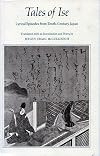
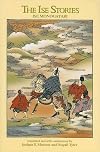
Ise monogatari is one of classical Japan's most important texts. It influenced other literary court romances like The Tale of Genji and inspired artists, playwrights, and poets throughout Japanese history and to the present day.In a series of 125 loosely connected episodes, the Ise tells the story of a famous lover, Captain Ariwara no Narihira (825-880), and his romantic encounters with women throughout Japan. Each episode centers on an exchange of love poems designed to demonstrate wit, show more sensitivity, and "courtliness."Joshua Mostow and Royall Tyler present a fresh, contemporary translation of this classic work, together with a substantial commentary for each episode. The commentary explores how the text has been read in the past and identifies not only the point of each episode, but also the full range of historical interpretations, many of which shaped the use of the Ise in later literary and visual arts. The book includes reproductions from a version of the 1608 Saga-bon printed edition of the Ise, the volume that established Ise iconography for the entire Edo period (1600-1868). show lessTags
Recommendations










Member Reviews
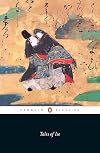
Ise itself is rather difficult to review--I refer everyone to Steve's review for intelligent discussion--but I wanted to put in a word on the Penguin edition with commentary by Peter MacMillan. The commentary explains the poems (even when they don't need explaining), and shows how they've been read over the years; there's a good glossary; and there's a romanized version of the poems, so ignorant asses like me can sound them out and see what he's talking about in the commentary. There may well be better translations out there; I can't imagine there's a better edition. I look forward to his translation of Hyakunin Isshu being re-issued by Penguin next year--or so they claim, at present.
Series of legendary tales largely about Ariwara no Narihira, famous poet and lover
CUENTOS DE ISE
Ninguna antología de la literatura japonesa podría dejar de
lado este libro tan primitivo y al mismo tiempo tan refinado
tan difícil de clasificar conforme con nuestros criterios de
géneros literarios.
Cuentos, si se quiere, y ése es recisamente uno de los
significados de la palabra japonesa
monogatari (Ise monogatari); pero tan breves y tan carentes
de trama que los poemas (los tankas) que los engalanan se
convierten en la esencia y lo esencial. Imposible sería
comprender la literatura japonesa, incluso la más moderna,
sin conocer estos cuentos poéticos de autor desconocido,
parte de los cuales se atribuyen a Narihira, que datan del
siglo X. Con ellos el lector disfrutará de un preciosismo que
en ciertos aspectos es, en show more verdad, primitivo; de un
sentimiento del amor singularmente libre y púdico show less
Ninguna antología de la literatura japonesa podría dejar de
lado este libro tan primitivo y al mismo tiempo tan refinado
tan difícil de clasificar conforme con nuestros criterios de
géneros literarios.
Cuentos, si se quiere, y ése es recisamente uno de los
significados de la palabra japonesa
monogatari (Ise monogatari); pero tan breves y tan carentes
de trama que los poemas (los tankas) que los engalanan se
convierten en la esencia y lo esencial. Imposible sería
comprender la literatura japonesa, incluso la más moderna,
sin conocer estos cuentos poéticos de autor desconocido,
parte de los cuales se atribuyen a Narihira, que datan del
siglo X. Con ellos el lector disfrutará de un preciosismo que
en ciertos aspectos es, en show more verdad, primitivo; de un
sentimiento del amor singularmente libre y púdico show less
Nov 15, 2018Spanish
Cantares de Ise o Ise Monogatari es la obra más famosa de la literatura clásica japonesa. Se difundió anónimamente hacia el año 950 de nuestra era, aunque su acción se remonta al siglo anterior. Su protagonista, Narijira de Ariuara, soldado, poeta y amante cortesano, fue también autor del diario íntimo, hoy perdido, en que recogió originariamente estos 125 episodios autobiográficos, amorosos en su mayor parte, así como los poemas que le inspiraron. Este diario reelaborado y completado por un autor anónimo un siglo después, forma el texto al que tradicionalmente se ha dado el nombre de Cantares de Ise . Se trata de una obra de difícil clasificación, ya que es al mismo tiempo la primera historia novelada, la primera show more narración lírica, la primera épica dramatizada y el primer ensayo sobre el amor y la muerte de la literatura japonesa. Ilustran esta edición 16 grabados procedentes de la primera impresión japonesa de los Ise Monogatari (Kyoto, 1608), de autor desconocido. show less
Jul 6, 2022Spanish
Ratings
Members
- Recently Added By
Lists

Japanese travel literature
11 works; 3 members
Author Information
2+ Works 291 Members
Some Editions
Awards and Honors
Awards
Notable Lists
Series
Belongs to Publisher Series
Common Knowledge
- Original title
- Ise monogatari; 伊勢物語
- Alternate titles
- Tales of Ise; The Ise Stories
- Important events
- Heian period
Classifications
- Genres
- Fiction and Literature, Poetry
- DDC/MDS
- 895.6 — Literature & rhetoric Literatures of other languages Literatures of East and Southeast Asia Japanese
- LCC
- PL787 .I813 — Language and Literature Languages and literatures of Eastern Asia, Africa, Oceania Languages of Eastern Asia, Africa, Oceania Japanese language and literature Japanese literature Individual authors and works
- BISAC
Statistics
- Members
- 289
- Popularity
- 111,300
- Reviews
- 4
- Rating
- (3.74)
- Languages
- 6 — Chinese, English, French, Italian, Japanese, Spanish
- Media
- Paper, Ebook
- ISBNs
- 23
- UPCs
- 1
- ASINs
- 2