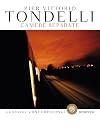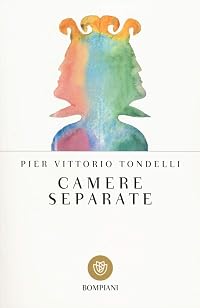
Separate Rooms
by Pier Vittorio Tondelli
On This Page
Description
"A story of love and youth and pain that will have you clutching at your heart. I want everyone to read it; I want to press it into people's hands. Surely one of the best novels I've ever read." -Andrew Sean Greer, Pulitzer Prize-winning author of Less and Less Is Lost Soon to be a major film adaptation by Luca Guadagnino, Separate Rooms is a masterpiece of Italian literature, and a heartbreaking portrait of love, grief, and the daily realities of being a gay man in 1980s Europe. Thomas, a show more young German musician, is dying. His older boyfriend, a renowned Italian writer named Leo, finds it impossible to watch the slow and inevitable demise of his lover. So, he condemns himself to wandering the earth instead, moving cities every few weeks in the hope of finding the dividing line between the living and the dead. He travels through Europe where past and present overlap, years merge and faces emerge, and reminders of the life he and Thomas shared are on every corner. From their meeting and nights spent in Paris to the drug-induced flight through the forests of northern France that spelled [GU1] the end, Leo's memories become clearer with every road he takes-much as he wishes he could simply forget. While alive, and wanting to preserve the passion of their relationship, Leo had forced Thomas to live separately: in separate rooms, separate towns, with separate lives. But now, face to face with true solitude, Leo must finally reckon with the impossible striving of memory to recreate life and, ultimately, cross an ocean to find the strength to go on. André Aciman's Call Me by Your Name meets Ocean Vuong's On Earth We're Briefly Gorgeous in Pier Vittorio Tondelli's Separate Rooms: a singular and unforgettable meditation on almost-ideal love, told in three musical movements, by a treasured literary talent never before published in the US. show lessTags
Recommendations























Member Recommendations
Member Reviews
Rating: 5* of five
The Publisher Says: Thomas, a young German musician, is dying. His older boyfriend, a renowned Italian writer named Leo, finds it impossible to watch the slow and inevitable demise of his lover; he condemns himself to moving cities every few weeks instead, in the hope of finding a semblance of peace.
He travels through Europe where past and present overlap, years merge and faces emerge—and where reminders of the life he and Thomas shared are on every corner. Leo's memories become clearer with every road he takes, much as he wishes he could simply forget. While alive, and wanting to preserve the passion of their relationship, Leo had forced Thomas to live separately: in separate rooms, separate towns, with separate show more lives. But now, face to face with true solitude, Leo must finally reckon with the impossible striving of memory to recreate life and, ultimately, cross an ocean to find the strength to go on.
André Aciman's Call Me by Your Name meets Ocean Vuong's On Earth We're Briefly Gorgeous: Separate Rooms is a singular and unforgettable meditation on almost-ideal love, told in three musical movements, by a fiery and unforgettable literary talent.
I RECEIVED A DRC FROM THE PUBLISHER VIA NETGALLEY. THANK YOU.
My Review: This book came out in Italian in 1989. I assume most of y'all remember something about 1989, but probably not the sheer awfulness of the AIDS epidemic eating the gay-men's communities around the world at that time.
I was there. I loved and lost more than once in the hell of the times. It happened like Tondelli, dead a year and a half after this book appeared, said it did:
That made Thomas one of the lucky ones, the ones whose families did not reject him, refuse to see him, or came to his deathbed simply to reject him one final time. Leo? Oh please, like anyone not gay thought a thing of the feelings and needs of the ones left behind!
The book is a series of leaps and hops in space...around the cities Thomas and Leo occupied for moments in time...and time, either spent together or remembered in the loss of love, or remembered in the moment of being there as one of the spaces Thomas wasn't with Leo. I think this fracturing into the three acts of an operetta, as Tondelli said he aimed to do, this absence of cohesion in the third-person narrative awareness, pretty perfectly explains grief's effects on the grieving mind.
In the grief of losing one's belovèd partner there's a profound silence. Leo's early response of lurching heedlessly from pillar to post is a way many people have of trying to escape that horrific, entombing silence. In looking at places he saw with Thomas, there's a sense that the existence of the places he saw with his love somehow, in some small corner of their physicality, contain an Akashic record of the emotional bond they shared. It's as though Leo, seeing this place or that, gets his love now vanished without a record, memorialized. If people still living don't see Thomas and Leo's love as valid, the squares of Paris or Milan recorded and validated it by holding them as their moments ran steadily out. In Leo's still-prevalent idea of what makes a couple worthy of acknowledgment, these places are the best substitutes he can identify for external validation.
By the third movement Leo feels, as he did in their life, that he and Thomas are meant to live in separate rooms. There is no more separate room than the tomb. Leo, permaybehaps too late, thinks his way through his actions in light of the ending of the love story he so possessed, the love object he so powerfully cherished. It is not a story about Leo's resolution of his regrets. It is Leo's reckoning with his (now alienated from their proper object) feelings. It is Leo's possibly impermanent realization that he, and Thomas, simply were not going to be able to invent for themselves and each other a way to accept they could live in anything but separate rooms.
I don't think it will speak to everyone. It spoke to me because my "Thomas" is ever with me, as Leo's is in this récit. The reckoning Leo is doing, I have done, and expect I'll do many years to come.
It's very beautiful. It is the last work Tondelli ever completed. It might mean a lot to people like me who lived it; but the experience of intense grief for what one has experienced the tearing, severing, bloody viciousness of death ripping away will speak to you all.
Maybe not today, but it will. show less
The Publisher Says: Thomas, a young German musician, is dying. His older boyfriend, a renowned Italian writer named Leo, finds it impossible to watch the slow and inevitable demise of his lover; he condemns himself to moving cities every few weeks instead, in the hope of finding a semblance of peace.
He travels through Europe where past and present overlap, years merge and faces emerge—and where reminders of the life he and Thomas shared are on every corner. Leo's memories become clearer with every road he takes, much as he wishes he could simply forget. While alive, and wanting to preserve the passion of their relationship, Leo had forced Thomas to live separately: in separate rooms, separate towns, with separate show more lives. But now, face to face with true solitude, Leo must finally reckon with the impossible striving of memory to recreate life and, ultimately, cross an ocean to find the strength to go on.
André Aciman's Call Me by Your Name meets Ocean Vuong's On Earth We're Briefly Gorgeous: Separate Rooms is a singular and unforgettable meditation on almost-ideal love, told in three musical movements, by a fiery and unforgettable literary talent.
I RECEIVED A DRC FROM THE PUBLISHER VIA NETGALLEY. THANK YOU.
My Review: This book came out in Italian in 1989. I assume most of y'all remember something about 1989, but probably not the sheer awfulness of the AIDS epidemic eating the gay-men's communities around the world at that time.
I was there. I loved and lost more than once in the hell of the times. It happened like Tondelli, dead a year and a half after this book appeared, said it did:
In his last moments, Thomas is back in the family fold, with the same people who brought him into the world. Now, with their hearts torn asunder by suffering, they are helping Thomas to die. There is no room for Leo in this parental reconciliation. Leo is not married to Thomas. He has not had children with him. Neither of them bears the other's name at the registry office, and there is not a single legal record on the face of the earth that carries the signatures of witnesses to their union. Yet for more than three years they have been passionately in love with one another. They have lived together in Paris and Milan, and they have travelled together, played music together and danced together. They have quarrelled and abused each other, and even hated each other. They have been in love. But it is as if, without warning, beside that deathbed, Leo realised that he had experienced not a great love story, but rather some little school crush. As if they were telling him: You've both had a good time, and that's okay, too. But here we're fighting a life and death struggle. Here a life is at stake. And we—a father, a mother and a son—are what really matters.
That made Thomas one of the lucky ones, the ones whose families did not reject him, refuse to see him, or came to his deathbed simply to reject him one final time. Leo? Oh please, like anyone not gay thought a thing of the feelings and needs of the ones left behind!
The book is a series of leaps and hops in space...around the cities Thomas and Leo occupied for moments in time...and time, either spent together or remembered in the loss of love, or remembered in the moment of being there as one of the spaces Thomas wasn't with Leo. I think this fracturing into the three acts of an operetta, as Tondelli said he aimed to do, this absence of cohesion in the third-person narrative awareness, pretty perfectly explains grief's effects on the grieving mind.
In the grief of losing one's belovèd partner there's a profound silence. Leo's early response of lurching heedlessly from pillar to post is a way many people have of trying to escape that horrific, entombing silence. In looking at places he saw with Thomas, there's a sense that the existence of the places he saw with his love somehow, in some small corner of their physicality, contain an Akashic record of the emotional bond they shared. It's as though Leo, seeing this place or that, gets his love now vanished without a record, memorialized. If people still living don't see Thomas and Leo's love as valid, the squares of Paris or Milan recorded and validated it by holding them as their moments ran steadily out. In Leo's still-prevalent idea of what makes a couple worthy of acknowledgment, these places are the best substitutes he can identify for external validation.
By the third movement Leo feels, as he did in their life, that he and Thomas are meant to live in separate rooms. There is no more separate room than the tomb. Leo, permaybehaps too late, thinks his way through his actions in light of the ending of the love story he so possessed, the love object he so powerfully cherished. It is not a story about Leo's resolution of his regrets. It is Leo's reckoning with his (now alienated from their proper object) feelings. It is Leo's possibly impermanent realization that he, and Thomas, simply were not going to be able to invent for themselves and each other a way to accept they could live in anything but separate rooms.
I don't think it will speak to everyone. It spoke to me because my "Thomas" is ever with me, as Leo's is in this récit. The reckoning Leo is doing, I have done, and expect I'll do many years to come.
It's very beautiful. It is the last work Tondelli ever completed. It might mean a lot to people like me who lived it; but the experience of intense grief for what one has experienced the tearing, severing, bloody viciousness of death ripping away will speak to you all.
Maybe not today, but it will. show less
Think Isherwood's A Single Man, think Philadelphia (the Tom Hanks film, later novelised by Christopher Davis), but both set in Europe. I don't remember where or why I picked up this book, but I did read it in one sitting.
Separate Rooms started out great with the story of Leo who travels to say his farewells to his dying ex-lover Thomas. Whilst sitting on the plane, Leo, an Italian writer in his 30s, reminisces over the years he shared with Thomas and the gap that is left in his own life after Thomas left and which is now irreparable with Thomas' death.
One of the strong points of Tondelli's story is that, written in the late 1980s, he tried to deviate from stereotypes and show his characters as the bewildered, flawed, clueless humans show more they are. As I followed their travels, or rather flight, from city to city and the drug filled escapades, I'm not sure if he properly succeeded in this. What Tondelli did succeed in, however, was to portray the struggle that his MC has with a society that does not recognise the relationship between the two men and does not accept Leo or, rather his need to feel part of something bigger than him.
The following passage was particularly striking:
"In his last moments, Thomas is back in the family fold, with the same people who brought him into the world. Now, with their hearts torn asunder by suffering, they are helping Thomas to die. There is no room for Leo in this parental reconciliation. Leo is not married to Thomas. He has not had children with him.Neither of them bears the other's name at the registry office, and there is not a single legal record on the face of the earth that carries the signatures of witnesses to their union. Yet for more than three years they have been passionately in love with one another. They have lived together in Paris and Milan, and they have travelled together, played music together and danced together. They have quarrelled and abused each other, and even hated each other. They have been in love. But it is as if, without warning, beside that deathbed, Leo realised that he had experienced not a great love story, but rather some little school crush. As if they were telling him: You've both had a good time, and that's okay, too. But here we're fighting a life and death struggle. Here a life is at stake. And we - a father, a mother and a son - are what really matters."
Unfortunately, the second half of the book dragged. A lot. There were passages about Catholicism that I skipped - I already had a pretty good impression of Leo's views and his traditional Italian upbringing.
It is remarkable that the book is not more widely known - even GR reviews seem to be mostly in Italian. show less
Separate Rooms started out great with the story of Leo who travels to say his farewells to his dying ex-lover Thomas. Whilst sitting on the plane, Leo, an Italian writer in his 30s, reminisces over the years he shared with Thomas and the gap that is left in his own life after Thomas left and which is now irreparable with Thomas' death.
One of the strong points of Tondelli's story is that, written in the late 1980s, he tried to deviate from stereotypes and show his characters as the bewildered, flawed, clueless humans show more they are. As I followed their travels, or rather flight, from city to city and the drug filled escapades, I'm not sure if he properly succeeded in this. What Tondelli did succeed in, however, was to portray the struggle that his MC has with a society that does not recognise the relationship between the two men and does not accept Leo or, rather his need to feel part of something bigger than him.
The following passage was particularly striking:
"In his last moments, Thomas is back in the family fold, with the same people who brought him into the world. Now, with their hearts torn asunder by suffering, they are helping Thomas to die. There is no room for Leo in this parental reconciliation. Leo is not married to Thomas. He has not had children with him.Neither of them bears the other's name at the registry office, and there is not a single legal record on the face of the earth that carries the signatures of witnesses to their union. Yet for more than three years they have been passionately in love with one another. They have lived together in Paris and Milan, and they have travelled together, played music together and danced together. They have quarrelled and abused each other, and even hated each other. They have been in love. But it is as if, without warning, beside that deathbed, Leo realised that he had experienced not a great love story, but rather some little school crush. As if they were telling him: You've both had a good time, and that's okay, too. But here we're fighting a life and death struggle. Here a life is at stake. And we - a father, a mother and a son - are what really matters."
Unfortunately, the second half of the book dragged. A lot. There were passages about Catholicism that I skipped - I already had a pretty good impression of Leo's views and his traditional Italian upbringing.
It is remarkable that the book is not more widely known - even GR reviews seem to be mostly in Italian. show less
Da far sedimentare un po'.
Molto bella la prima e la terza parte. Sulla seconda ho faticato un po' di più. C'è l'innamoramento, la perdita (che mi è risultata troppo lenta e a tratti fine a se stessa, come forse vorrebbe effettivamente essere) e l'analisi e il superamento del lutto, che risulta veramente commovente. Ma perché? Perché si scoprono le carte di un amore che nel lutto risultava quasi stucchevole nella sua perfezione. Si scopre quanto c'era di idealizzato e costruito nella mente di Leo.
Sente un po' dei suoi anni e del contesto in cui è stato scritto, anche se, purtroppo, tutta una serie di riflessioni sulla società restano sempre valide.
Un libreo che forse si ama di più a 25/30 anni che a 44 perché richiama fortemente show more i sentimenti dell'età dei personaggi.
Forse 4 stelle sono tante, ma gli riconosco un merito per quello che rappresenta e ha rappresentato. show less
Molto bella la prima e la terza parte. Sulla seconda ho faticato un po' di più. C'è l'innamoramento, la perdita (che mi è risultata troppo lenta e a tratti fine a se stessa, come forse vorrebbe effettivamente essere) e l'analisi e il superamento del lutto, che risulta veramente commovente. Ma perché? Perché si scoprono le carte di un amore che nel lutto risultava quasi stucchevole nella sua perfezione. Si scopre quanto c'era di idealizzato e costruito nella mente di Leo.
Sente un po' dei suoi anni e del contesto in cui è stato scritto, anche se, purtroppo, tutta una serie di riflessioni sulla società restano sempre valide.
Un libreo che forse si ama di più a 25/30 anni che a 44 perché richiama fortemente show more i sentimenti dell'età dei personaggi.
Forse 4 stelle sono tante, ma gli riconosco un merito per quello che rappresenta e ha rappresentato. show less
It took me a while to get in to this novel but then the beautifully calm sentences of the aithor started to hypnotise me. Norhing much happens, it is a kind of requiem for a lost love and lost youth, but analysed in a very precise way. For those who like psychology. Really beautiful.
E' un libro sulla separatezza, sul primario bisogno dell'altro che non trova mai soddisfazione. E non per l'indisponibilità di chi è vicino, che spesso ama con tutto se stesso (come Thomas fino alla morte, ama Leo), ma per un senso di estraneità radicata profondamente, senza sapere quale ne sia l'origine.E' l'estraneità della morte, sempre presente, che si avverte come assurda, ma è lì anche quando si è nel pieno del piacere.Un romazo che è un trattato filosofico sulla solitudine. Pensieri, sensazioni, emozioni, gioia, disperazione incarnati in Leo/Pier Vittorio.
Jan 29, 2013Italian
Tondelli beschrijft hoe de rouw al tijdens het leven van Thomas aanwezig is, en hoe de liefde na de dood de verwerking bemoeilijkt. Uiteindelijk draait het hele boek om één vraag, door een radeloze Thomas uitgeroepen: "Leo, waarom leg je je er niet gewoon bij neer dat je van me houdt?" Aangrijpend boek over liefde en lijden, en hoe dicht het een bij het ander kan aansluiten.
Volledige bespreking via http://wraakvandedodo.blogspot.be/2016/07/pier-vittorio-tondelli-gescheiden-kame...
Volledige bespreking via http://wraakvandedodo.blogspot.be/2016/07/pier-vittorio-tondelli-gescheiden-kame...
Jul 27, 2016Dutch
1
La scoperta dell'amore con una freschezza di approccio che contiene già, ed è questa la grandezza, i germi della caduta.
le descrizioni ambientali hanno contribuito a disegnare in maniera "definitiva" i cosiddetti anni ottanta.
le descrizioni ambientali hanno contribuito a disegnare in maniera "definitiva" i cosiddetti anni ottanta.
Jan 14, 2012Italian
Members
- Recently Added By
Lists

Italian Literature
558 works; 43 members

Good LGBT fiction for LGBT folk and friends
551 works; 52 members
Lista dei 100 migliori libri italiani degli ultimi 200 anni
100 works; 1 member
Author Information

26+ Works 908 Members
Some Editions
Awards and Honors
Awards
Series
Belongs to Publisher Series
Common Knowledge
- Canonical title
- Separate Rooms
- Original title
- Camere separate
- Original publication date
- 1986; 2016-03 (dutch) (dutch)
- First words*
- Op een dag, niet zo lang geleden, zag hij ineens zijn gezicht in het raampje van een klein vliegtuig op weg van Parijs naar München.
- Last words*
- (Click to show. Warning: May contain spoilers.)Hij zal op weg gaan naar zijn behandelingen, van ziekenhuisbed wisselen, maar altijd, op ieder uur, zal hij weten dat alles zinloos zal zijn, dat voor hem uiteindelijk, voor eens en altijd, dankzij de almachtige God, ook voor hem en zijn metaphysical bug, zijn schrijven en zijn Vondels of Madisons, ook voor hen allen het moment is aangebroken van het afscheid.
- Original language*
- Italiaans
*Some information comes from Common Knowledge in other languages. Click "Edit" for more information.
Classifications
- Genres
- Fiction and Literature, LGBTQ+, General Fiction
- DDC/MDS
- 853.914 — Literature & rhetoric Italian, Romanian & related literatures Italian fiction 1900- 20th Century 1945-1999
- LCC
- PQ4880 .O47 .C3613 — Language and Literature French, Italian, Spanish and Portuguese literatures Italian literature Individual authors, 1961-2000
- BISAC
Statistics
- Members
- 317
- Popularity
- 101,050
- Reviews
- 7
- Rating
- (3.58)
- Languages
- 8 — Catalan, Danish, Dutch, English, French, Italian, Portuguese, Spanish
- Media
- Paper, Audiobook, Ebook
- ISBNs
- 24
- ASINs
- 6