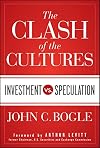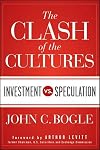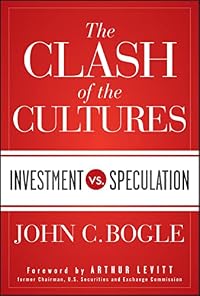
The Clash of the Cultures: Investment vs. Speculation
by Jack Bogle
On This Page
Description
How speculation has come to dominate investment-a hard-hitting look from the creator of the first index fund. Over the course of his sixty-year career in the mutual fund industry, Vanguard Group founder John C. Bogle has witnessed a massive shift in the culture of the financial sector. The prudent, value-adding culture of long-term investment has been crowded out by an aggressive, value-destroying culture of short-term speculation. Mr. Bogle has not been merely an eye-witness to these show more changes, but one of the financial sector's most active participants. In The Clash of the Cultures, he show lessTags
Recommendations



Member Reviews
Another good book by John Bogle on investing and mutual funds. This book discusses the differences between investing and speculation and the impact on returns earned by most investors in mutual funds.
Mr. Bogle decries the change from long-term investing to short-term speculation and the impact on returns by most investors. This change in investing horizon has led to many problems in the current economy. Speculation has led to changes in the way many companies are managed. Company management now manages the company for short-term stock prices rather than longer-term health of the company. This leads to cost cutting and not investing in long-term growth of the company. The compensation of company management is structured to award massive show more amounts of wealth based on the short-term results. They will get their money based on these short-term goals of stock price increases while the company and it's employees are harmed in the long-term.
Mr. Bogle takes aim at the mutual fund industry for assisting in this short-term speculation. The mutual funds fail to vote their proxies in a prudent manner aimed at the long-term health of the company and executive compensation plans that would reward executives for long-term growth of the company vs. short-term stock price changes. The funds fail to challenge the executives on this because they are also busy marketing to the company to get contracts to manage money for the company or it's retirement plans.
Mr. Bogle takes aim on the way most mutual funds are organized and how this harms the fiduciary responsibility of mutual fund management to the investors in the mutual funds they are managing. Most mutual funds are now part of publicly held financial conglomerates. Managers now have two tasks. One to manage the mutual fund for the investors and secondly to make a profit to reward the stock owners in the financial conglomerate. Mutual funds started out as privately held companies managed by investment committees aimed at long-term investing. In the 60's this started to change. Very few fund companies are now privately held and only one is owned by the investors in the mutual funds offered by the mutual fund company. This change in ownership has had dramatic impact on the management fees paid by the mutual fund investors and it is largely very negative. It has led to short-term investing horizons in the mutual funds themselves and very high turnover in the portfolios. This is aimed at showing good results to bring in more money to manage.
Mr. Bogle includes a chapter on how to improve the current retirement system that I found very interesting. It is aimed at reducing management costs for the retirement vehicles. He argues that these changes would be good for the retirees and still allow fund managers to make a reasonable profit. He sees the defined benefit plan as going away and everyone moving to defined contribution plans, even in the public sector. His recommendation would make these defined contribution plans work for everyone, company management, investors, and retirees. The plan also includes fixing social security for the long-term. This would provide the guaranteed portion of retirement income everyone needs. He does not include any radical ideas in his fixes for social security. Increasing the limit on income that is taxed and increasing the retirement age. He is very concerned that our current political problems in Washington will not lead to any changes and cause massive problems in retirement for everyone.
He finishes the book with an example of a mutual fund that he has been involved and the benefits of a long-term investing horizon. He faults himself for management decisions at one point the history of the mutual fund that led to problems with the returns and the way it was fixed. show less
Mr. Bogle decries the change from long-term investing to short-term speculation and the impact on returns by most investors. This change in investing horizon has led to many problems in the current economy. Speculation has led to changes in the way many companies are managed. Company management now manages the company for short-term stock prices rather than longer-term health of the company. This leads to cost cutting and not investing in long-term growth of the company. The compensation of company management is structured to award massive show more amounts of wealth based on the short-term results. They will get their money based on these short-term goals of stock price increases while the company and it's employees are harmed in the long-term.
Mr. Bogle takes aim at the mutual fund industry for assisting in this short-term speculation. The mutual funds fail to vote their proxies in a prudent manner aimed at the long-term health of the company and executive compensation plans that would reward executives for long-term growth of the company vs. short-term stock price changes. The funds fail to challenge the executives on this because they are also busy marketing to the company to get contracts to manage money for the company or it's retirement plans.
Mr. Bogle takes aim on the way most mutual funds are organized and how this harms the fiduciary responsibility of mutual fund management to the investors in the mutual funds they are managing. Most mutual funds are now part of publicly held financial conglomerates. Managers now have two tasks. One to manage the mutual fund for the investors and secondly to make a profit to reward the stock owners in the financial conglomerate. Mutual funds started out as privately held companies managed by investment committees aimed at long-term investing. In the 60's this started to change. Very few fund companies are now privately held and only one is owned by the investors in the mutual funds offered by the mutual fund company. This change in ownership has had dramatic impact on the management fees paid by the mutual fund investors and it is largely very negative. It has led to short-term investing horizons in the mutual funds themselves and very high turnover in the portfolios. This is aimed at showing good results to bring in more money to manage.
Mr. Bogle includes a chapter on how to improve the current retirement system that I found very interesting. It is aimed at reducing management costs for the retirement vehicles. He argues that these changes would be good for the retirees and still allow fund managers to make a reasonable profit. He sees the defined benefit plan as going away and everyone moving to defined contribution plans, even in the public sector. His recommendation would make these defined contribution plans work for everyone, company management, investors, and retirees. The plan also includes fixing social security for the long-term. This would provide the guaranteed portion of retirement income everyone needs. He does not include any radical ideas in his fixes for social security. Increasing the limit on income that is taxed and increasing the retirement age. He is very concerned that our current political problems in Washington will not lead to any changes and cause massive problems in retirement for everyone.
He finishes the book with an example of a mutual fund that he has been involved and the benefits of a long-term investing horizon. He faults himself for management decisions at one point the history of the mutual fund that led to problems with the returns and the way it was fixed. show less
Ratings
Members
- Recently Added By
Author Information

17+ Works 2,751 Members
John Clifton Bogle was born in Montclair, New Jersey on May 8, 1929. He received a bachelor's degree in economics from Princeton University in 1951. After graduation, he was hired by the Wellington Fund, a Philadelphia-based fund management company. He was named president of Wellington in 1967. He founded the Vanguard Group of Investment Companies show more in 1974. In 1976, he founded the Vanguard Index Trust, the first index fund for individual investors. In 1977, he started selling mutual funds directly to investors rather than through brokers, thus eliminating the sales fees. He officially stepped down as chief executive of Vanguard in January 1996 and remained as chairman until the end of 1999. He wrote several books including Bogle on Mutual Funds, Common Sense on Mutual Funds, and The Clash of the Cultures: Investment vs. Speculation. He died from esophageal cancer on January 16, 2019 at the age of 89. (Bowker Author Biography) show less
All Editions
Classifications
Statistics
- Members
- 125
- Popularity
- 258,098
- Reviews
- 1
- Rating
- (4.38)
- Languages
- English
- Media
- Paper, Audiobook, Ebook
- ISBNs
- 11
- ASINs
- 2