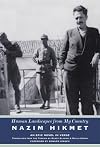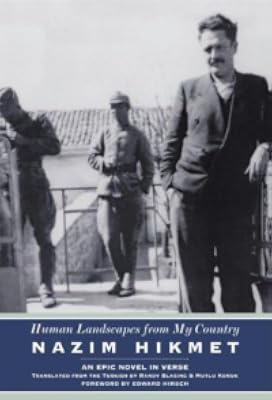
Human Landscapes from My Country: An Epic Novel in Verse
by Nâzım Hikmet
On This Page
Description
A vital part of modern Turkish literature, Hikmet (1902-1963) was a poet whose lyrics, as sung by leftist performers such as Pete Seeger, had international resonance, and whose repeated imprisonments drew protests from the likes of Pablo Picasso and Jean-Paul Sartre. This novel in verse, written during one long prison sentence in the 1940s, reflects the emotional and physical torments the poet experienced. Hikmet's writing is poetry under siege, and the blunt heroism of his characters makes show more them more Marxist ideals than believable human beings. The poetic element may not survive well in translation, but the content and context make this a lastingly fascinating work. As translator Konuk writes, the book describes 'people from different social backgrounds and classes, ranging from the dispossessed and the unemployed to senators and industrialists... from factory workers and peasants to doctors and professors' wives.' This is recommended for all modern literature collections, as evidence of the indomitable human will toward free speech in spite of great suffering. show lessTags
Recommendations

















Member Reviews
De Turkse dichter Nazim Hikmet (1902-1963 ) was me eerlijk gezegd compleet onbekend. Jarenlang werd hij trouwens in zijn eigen land doodgezwegen: door zijn communistische sympathieën zat hij lang in de gevangenis, en na zijn vrijlating verbleef hij in de Sovjetunie. ‘Mensenlandschappen’ is zijn belangrijkste werk: hij schreef het in de gevangenis in de jaren 1940, maar het werd pas in 1967 gepubliceerd, en dan nog gedeeltelijk, waardoor het een onaffe indruk geeft.
Eigenlijk zegt de titel perfect waar dit boek voor staat. Hikmet springt van de ene figuur op de andere, wat resulteert in een caleidoscoop van typeringen, kleine verhalen en mijmeringen. In de eerste hoofdstukken gaat het vooral om mensen in een stationsbuffet, in de show more treinen zelf en zelfs in de boerderijen waar de treinen voorbij komen. Na een tijdje concentreert de verhaallijn zich vooral rond een groepje politieke gevangenen, met de dichter Halil als brugfiguur; ik vermoed dat Halil sterke autobiografische trekken bevat.
Regelmatig komt het recente Turkse verleden ter sprake: de val van het sultanaat, de eerste wereldoorlog en daarna de vestiging van de republiek. En aangezien het boek duidelijk gesitueerd is in de periode 1941-1942 zijn er ook behoorlijk wat discussies over Hitler, over de Duitse opmars in de Sovjetunie en over de vraag welke kant Turkije moet kiezen. Vooral via de figuur van Halil brengt Hikmet regelmatig een ronduit marxistische analyse van de gebeurtenissen.
Maar voor alle duidelijkheid: dit is geen politiek boek. Hikmet schetst de grote en kleine dingen van het leven, met vooral veel aandacht voor de tragiek van het menselijk bestaan, dat versterkt wordt door de corruptie en het opportunisme van groot en klein. Veel passages zijn aandoenlijk, sommige puur poëtisch-lieflijk, andere ronduit episch-dramatisch.
Kortom dit zeer lange dichtwerk kenmerkt zich vooral door zijn variatie: in figuren, invalshoeken, thema’s. Zodanig zelfs dat je de weg wel eens kwijtraakt, want Hikmet vergt wel tamelijk wat voorkennis van het Turkse verleden en de lokale geografie. En dat maakt dat het soms lastig doorbijten is. Maar de stijl is erg verfrissend-modernistisch: Hikmet introduceerde naar het schijnt de vrije vers-vorm die zo eigen was aan het begin 20ste eeuwse West-europese poëzie, maar dan meer dan 500 bladzijden lang. Ik twijfel er niet aan dat de Nederlandse vertalers absoluut hun best hebben gedaan om de poëtische expressiviteit van het origineel over te dragen, maar in het Turks zelf moet dit werk wellicht nog veel meer indruk maken. show less
Eigenlijk zegt de titel perfect waar dit boek voor staat. Hikmet springt van de ene figuur op de andere, wat resulteert in een caleidoscoop van typeringen, kleine verhalen en mijmeringen. In de eerste hoofdstukken gaat het vooral om mensen in een stationsbuffet, in de show more treinen zelf en zelfs in de boerderijen waar de treinen voorbij komen. Na een tijdje concentreert de verhaallijn zich vooral rond een groepje politieke gevangenen, met de dichter Halil als brugfiguur; ik vermoed dat Halil sterke autobiografische trekken bevat.
Regelmatig komt het recente Turkse verleden ter sprake: de val van het sultanaat, de eerste wereldoorlog en daarna de vestiging van de republiek. En aangezien het boek duidelijk gesitueerd is in de periode 1941-1942 zijn er ook behoorlijk wat discussies over Hitler, over de Duitse opmars in de Sovjetunie en over de vraag welke kant Turkije moet kiezen. Vooral via de figuur van Halil brengt Hikmet regelmatig een ronduit marxistische analyse van de gebeurtenissen.
Maar voor alle duidelijkheid: dit is geen politiek boek. Hikmet schetst de grote en kleine dingen van het leven, met vooral veel aandacht voor de tragiek van het menselijk bestaan, dat versterkt wordt door de corruptie en het opportunisme van groot en klein. Veel passages zijn aandoenlijk, sommige puur poëtisch-lieflijk, andere ronduit episch-dramatisch.
Kortom dit zeer lange dichtwerk kenmerkt zich vooral door zijn variatie: in figuren, invalshoeken, thema’s. Zodanig zelfs dat je de weg wel eens kwijtraakt, want Hikmet vergt wel tamelijk wat voorkennis van het Turkse verleden en de lokale geografie. En dat maakt dat het soms lastig doorbijten is. Maar de stijl is erg verfrissend-modernistisch: Hikmet introduceerde naar het schijnt de vrije vers-vorm die zo eigen was aan het begin 20ste eeuwse West-europese poëzie, maar dan meer dan 500 bladzijden lang. Ik twijfel er niet aan dat de Nederlandse vertalers absoluut hun best hebben gedaan om de poëtische expressiviteit van het origineel over te dragen, maar in het Turks zelf moet dit werk wellicht nog veel meer indruk maken. show less
Aug 27, 2019Dutch
1
Ratings
Members
- Recently Added By
Lists

Narrative verse for pleasure
75 works; 8 members
Author Information

182+ Works 1,380 Members
Nazim Hikmet was born in Salonika. After participating in the Struggle for National Independence, he taught school for a brief period and then studied economics and sociology in Moscow (1922--34). After returning to Turkey, he worked as a journalist and in a film studio. He was in continual trouble with the Turkish authorities during the thirties show more because of his adherence to communism, and in 1938 he was sentenced to a 20-year term in prison. Released in 1950---partly because of world opinion---he left Turkey and lived in exile until his death in 1963. Hikmet's poetry (he also wrote plays) represents a complete break with the traditional heritage and a full acceptance of occidental models. Much of his work was inspired outside of Turkey and reached a universal dimension; nevertheless, the land and people of Turkey figure prominently as sources of inspiration. He has been especially well received in France via translation. Ironically, most of his work has appeared in Turkey only since his death. (Bowker Author Biography) show less
Some Editions
Series
Belongs to Publisher Series
Common Knowledge
- Original title
- Insan manzaralarï
- First words*
- Station Haydarpasa
voorjaar 1941
drie uur 's middags.
*Some information comes from Common Knowledge in other languages. Click "Edit" for more information.
Classifications
- Genres
- Poetry, Fiction and Literature
- DDC/MDS
- 894.3513 — Literature & rhetoric Literatures of other languages Literatures of Altaic, Uralic, Hyperborean, Dravidian languages; literatures of miscellaneous languages of south Asia Turkic languages Turkish Turkish poetry 1850–2000
- LCC
- PL248 .H45 .M413 — Language and Literature Languages and literatures of Eastern Asia, Africa, Oceania Languages of Eastern Asia, Africa, Oceania Turkic languages
- BISAC
Statistics
- Members
- 139
- Popularity
- 235,469
- Reviews
- 1
- Rating
- (4.18)
- Languages
- 6 — Dutch, English, French, Italian, Portuguese, Turkish
- Media
- Paper
- ISBNs
- 8
- ASINs
- 2