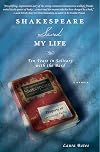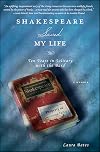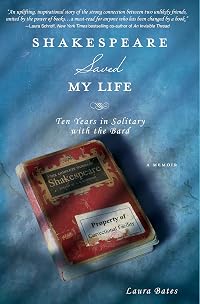
Shakespeare Saved My Life: Ten Years in Solitary with the Bard
by Laura Bates
On This Page
Description
A female professor, a super maximum security prisoner, and how Shakespeare saved them bothShakespeare professor and prison volunteer Laura Bates thought she had seen it all. That is, until she decided to teach Shakespeare in a place the bard had never been before—supermax solitary confinement.
In this unwelcoming place, surrounded by inmates known as the worst of the worst, is Larry Newton. A convicted murderer with several escape attempts under his belt and a brilliantly agile mind on show more his shoulders, Larry was trying to break out of prison at the same time Laura was fighting to get her program started behind bars.
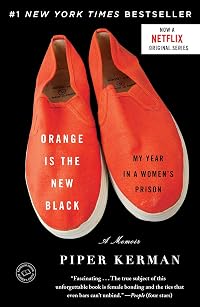
A testament to the power of literature, Shakespeare Saved My Life is a remarkable memoir. Fans of Orange is the New Black (Piper Kerman), A Place to Stand (Jimmy Baca) and I Couldn't Help Myself (Wally Lamb) will be be inspired by the story of the most unlikely friendship, one bonded by Shakespeare and lasting years—a friendship that would, in the end, save more than one life.
What readers are saying about Shakespeare Saved My Life:
"I was tremendously moved by both the potential impact of Shakespeare and learning on human beings and the story of this one man."
"This is one of the most extraordinary books I've ever read."
"I have never read a book that touched me as much as this memoir."
"It is a challenging and remarkable story."
"I loved this book so much. It changed my life."
What reviewers are saying about Shakespeare Saved My Life:
"You don't have to be a William Shakespeare fan, a prisoner, or a prison reformer to appreciate this uplifting book. "Shakespeare Saved My Life" also reveals many important truths ... about the meaning of empathy in our dealings with others"—Finger Lake Times
"Shakespeare Saved My Life touches on the search for meaning in life, the struggles that complicate the path to triumph and the salvation that can be found in literature's great works ... An inspiring account."—Shelf Awareness
"Opening the mind's prison proves enormously gratifying, not to mention effective ... brave, groundbreaking work"—Publishers Weekly
"An eye-opening study reiterating the perennial power of books, self-discipline, and the Bard of Avon."—Kirkus
"A powerful testament to how Shakespeare continues to speak to contemporary readers in all sorts of circumstances."—Booklist
. show less
Tags
Recommendations


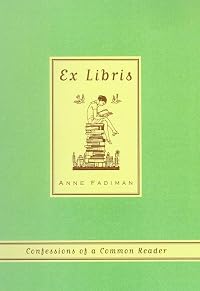
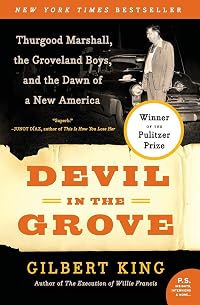
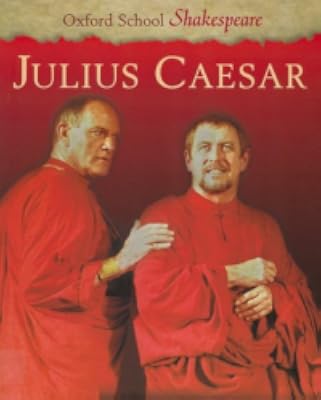
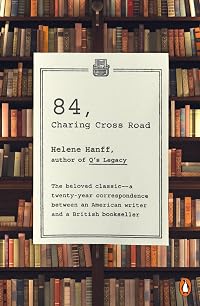


Member Recommendations
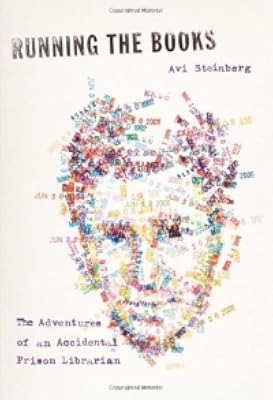
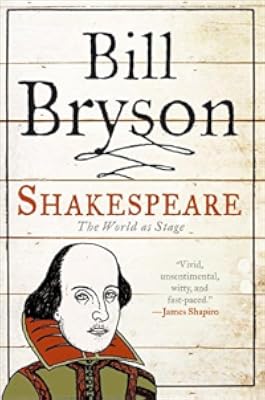
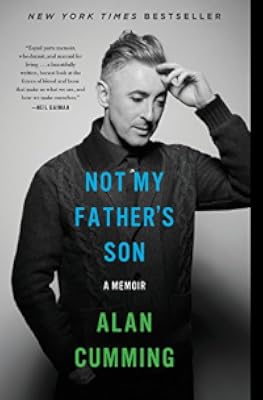
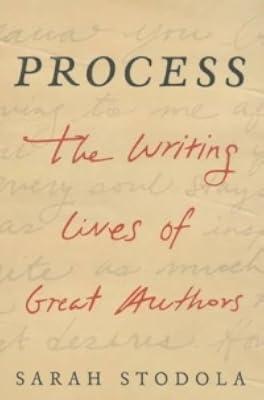
Lorem Both deal with educated college-involved people who go into a misunderstood place and shed light on the raw beauty found there
Member Reviews
For two years, in college, I spent several hours a week interning in a maximum-security prison. I was generally more afraid of the guards than of the prisoners I worked with, though all the people I worked with had been convicted of murder. It is amazing how different a relationship is when you connect with others as human beings. It is also amazing how the structure of most prison operations is aimed at making prisoners angrier and less connected to humanity, and making those who are sick sicker. The treatment of prisoners, both punishments and rewards, is arbitrary, which keeps prisoners from building better behaviors. It is a cruel system that does further harm to damaged people and does no good, though it could. When good things are show more attempted, the government quickly acts to smash them.
Bates tells the story of how the system did all it could to beat the humanity out of a man who had done bad things, and then did work beyond what most of us (including me) can imagine to find his humanity and find the value in others. I was moved and angered by what I read here. An extraordinary account of the value of art, the will of humans, and the brutality of the corrections system. show less
Bates tells the story of how the system did all it could to beat the humanity out of a man who had done bad things, and then did work beyond what most of us (including me) can imagine to find his humanity and find the value in others. I was moved and angered by what I read here. An extraordinary account of the value of art, the will of humans, and the brutality of the corrections system. show less
A nonfiction account of a college professor who teaches a Shakespeare class at a maximum-security prison in Indiana. The results are life-changing for some of the inmates. I loved the prisoners' interpretation of many of the Bard's plays. Their unique perspectives gave added depth to many plays, especially Macbeth and the histories.
“Why is a prisoner’s motivation to earn a degree so that he can return to his family sooner viewed more negatively than a campus student’s motivation to earn a degree so he can make more money?”
“Hoffman: “Ultimately, here’s the question Macbeth needs to face, and it’s the question we all need to face: What does it profit a man if he gains the world but loses his soul? Seriously. You gain show more everything but you lose your humanity. This is what happens to Macbeth. And that’s what happens to us, out of the choices we make.”
“A record ten and a half consecutive years in solitary confinement, and he’s not crazy, he’s not dangerous—he’s reading Shakespeare.” show less
“Why is a prisoner’s motivation to earn a degree so that he can return to his family sooner viewed more negatively than a campus student’s motivation to earn a degree so he can make more money?”
“Hoffman: “Ultimately, here’s the question Macbeth needs to face, and it’s the question we all need to face: What does it profit a man if he gains the world but loses his soul? Seriously. You gain show more everything but you lose your humanity. This is what happens to Macbeth. And that’s what happens to us, out of the choices we make.”
“A record ten and a half consecutive years in solitary confinement, and he’s not crazy, he’s not dangerous—he’s reading Shakespeare.” show less
Even though this book was really disorganized and jumped around, I really thoroughly enjoyed it. It wasn't so much a memoir, as much as it was a story about a maximum security inmate whose life changed by attending a Shakespeare program in prison. Laura Bates, a college professor, started going to a maximum security facility in Indiana and teaching Shakespeare to inmates in solitary. She discovered that they responded really well to reading and analyzing the Bards work. One inmate in particular, Larry Newton, provided insight and analysis that was almost better than top scholars in the field. With no access to spark notes, foot notes, or scholarly opinions, he started formulating his own. He had nothing but time on his hands and really show more dug deep into the meanings behind everything, and this is from a killer who never completed middle school. Through her work with the inmates and their eagerness and excitement to learn, both parties end up changing for the better. A feel good read that makes you think twice about felons capacity for change. show less
Being a retired high school English teacher and one who has taught Shakespeare for decades, I’m always on the lookout for books about the teaching of the bard’s works. I began this book several months ago reading the print version. I ended up putting it down after a few chapters. (probably because something I had been waiting for for months came back to the library). Then I started listening to books while I walked on the treadmill, so I went back to Laura Bates’ book as an audio book. While I find her prison Shakespeare program laudable, and I have the utmost admiration for what she did, I really felt that her tone was so sympathetic to the offenders, and she spent very little time talking about their victims. I know this book is show more about the offenders and what they accomplished using Shakespeare as a vehicle. That said, Bates seems to cast inmate Larry Newton, the focus of the story, mostly as a victim himself. I admired his achievements both in learning Shakespeare and in preparing materials to teach Shakespeare. However, the bottom line is he is a killer, and his sentence is fully justified. Bates spends some time seemingly criticizing Indiana law regarding murder, namely that anyone involved in the murder of a victim is charged with the same crime as the person who did the actual killing. While admittedly harsh, it is a law that has been in place long enough that it is well known. Larry Newton will never be released from prison, and he probably shouldn’t be released. That doesn’t mean, however, that he can’t do a lot of good while behind bars as he has already shown. Laura Bates’ “Shakespeare Saved My Life” is well worth the time investment, and the audio version is read by a narrator whose voice is pleasant. show less
Dr. Laura Bates, professor of English at Indiana State University, once thought prisoners in long-term solitary confinement were beyond rehabilitation. She thought education in prisons should focus on first-time offenders, those more likely to return to society and change their ways as a result of what they'd learned. That all changed when she finally succeeded in opening the doors to the Wabash Valley Correctional Facility's Solitary Housing Unit (SHU), where she came face to face with some of the most dangerous of inmates and determined to teach them Shakespeare.
Bates went into SHU not knowing what to expect, and emerged with an unlikely group of Shakespeare scholars with a decidedly unique perspective, not the least of which is Larry show more Newton, a convicted murderer serving out a life sentence whose several escape attempts keep him from even joining the group that Bates was able to convene in SHU. Bates quickly realizes Newton's gift for unpacking Shakespeare's meaning and taps his thoughts to produce workbooks for other prisoners and even her university students. This work is life-altering for both Newton and the many students whose Shakespeare discussions cause them to look at their lives and their incarceration with new eyes.
I have mixed feelings about Shakespeare Saved My Life. Considering the fact that it is a book about the remarkable insights even a very uneducated prisoner can bring to Shakespeare, its style seemed almost patronizing to me, as it might to its other non-incarcerated, more educated readers. The chapters are very short, and the writing style is very uncomplicated. There's a bit too much telling mixed in with the showing. Telling me outright why education is valuable to and should be given to prisoners is not necessary if you do a good job of showing me, which Bates certainly does. Likewise, Bates need not go on explicitly extolling what an insightful Shakespeare scholar Larry Newton is when she's already done a fine job of revealing through his speech and his writing how very able he is to decode Shakespeare and introduce the Bard to his fellow inmates. Bates seems to push a little too hard, and at times, the belaboring of her points felt condescending, which is bizarrely incongruous with a woman who so successfully brought Shakespeare into what should have been a very hostile environment.
Despite my confusion over the writing style, I found the content of Bates' memoir to be fascinating. I struggled with Shakespeare through high school, and even after college struggled to draw meaning from Hamlet without the help of a commentary. Even now I hesitate to wade any further into Shakespeare's work because I fear that so much of its meaning would elude me, and I doubt my feelings are unique among a good percentage of the population. This makes it that much more impressive that not only did Bates find a collection of willing students in supermax, but she also found a group who actively engaged with Shakespeare's work and discovered that much of its meaning could relate to their lives. Bates' experiences are a powerful testament as to why education should be available in prison, despite many arguments against it, some of which were yet echoing in my mind even as they were about to be ably disproved. As Shakespeare's work speaks to prisoners who are supposed to be beyond rehabilitation, Bates shows that their lives are changed, and so, to her surprise, is her own. show less
Bates went into SHU not knowing what to expect, and emerged with an unlikely group of Shakespeare scholars with a decidedly unique perspective, not the least of which is Larry show more Newton, a convicted murderer serving out a life sentence whose several escape attempts keep him from even joining the group that Bates was able to convene in SHU. Bates quickly realizes Newton's gift for unpacking Shakespeare's meaning and taps his thoughts to produce workbooks for other prisoners and even her university students. This work is life-altering for both Newton and the many students whose Shakespeare discussions cause them to look at their lives and their incarceration with new eyes.
I have mixed feelings about Shakespeare Saved My Life. Considering the fact that it is a book about the remarkable insights even a very uneducated prisoner can bring to Shakespeare, its style seemed almost patronizing to me, as it might to its other non-incarcerated, more educated readers. The chapters are very short, and the writing style is very uncomplicated. There's a bit too much telling mixed in with the showing. Telling me outright why education is valuable to and should be given to prisoners is not necessary if you do a good job of showing me, which Bates certainly does. Likewise, Bates need not go on explicitly extolling what an insightful Shakespeare scholar Larry Newton is when she's already done a fine job of revealing through his speech and his writing how very able he is to decode Shakespeare and introduce the Bard to his fellow inmates. Bates seems to push a little too hard, and at times, the belaboring of her points felt condescending, which is bizarrely incongruous with a woman who so successfully brought Shakespeare into what should have been a very hostile environment.
Despite my confusion over the writing style, I found the content of Bates' memoir to be fascinating. I struggled with Shakespeare through high school, and even after college struggled to draw meaning from Hamlet without the help of a commentary. Even now I hesitate to wade any further into Shakespeare's work because I fear that so much of its meaning would elude me, and I doubt my feelings are unique among a good percentage of the population. This makes it that much more impressive that not only did Bates find a collection of willing students in supermax, but she also found a group who actively engaged with Shakespeare's work and discovered that much of its meaning could relate to their lives. Bates' experiences are a powerful testament as to why education should be available in prison, despite many arguments against it, some of which were yet echoing in my mind even as they were about to be ably disproved. As Shakespeare's work speaks to prisoners who are supposed to be beyond rehabilitation, Bates shows that their lives are changed, and so, to her surprise, is her own. show less
Things I liked:
Very objective reporting of the events, crimes and actions that take place in the prison
Minimal offensive language (only used when directly quoting someone)
The crimes discussed are not gone into in great detail, no graphic descriptions of violence because that's not the point of the book. Murder is horrible no matter what but the point is that education and learning how to think in a critical way about complex issues can change the lives of people who otherwise were considered irredeemable.
I read a couple reviews where others thought the author was self-congratulatory but she didn't come across that way to me. Rather I felt that she sounded a bit surprised that she was able to affect lives in what was originally just an show more idea she had to help achieve tenure but she is more effusive about the positive effects that Larry (the prisoner the title refers too) has had in teaching fellow prisoners and at risk tooth and his illuminating understanding of Shakespeare's works. For example, she says, referring to one "workbook" he wrote (and he wrote many), "At sixty thousand words, Larry's workbook was longer than my PhD dissertation. And in one important respect, it was also better." She goes on to praise his original thinking, which throughout the book she points out as being more insightful than most professional scholars.
And all this for a book I thought I'd just read a chapter of before bed and now it's 4 AM... show less
Very objective reporting of the events, crimes and actions that take place in the prison
Minimal offensive language (only used when directly quoting someone)
The crimes discussed are not gone into in great detail, no graphic descriptions of violence because that's not the point of the book. Murder is horrible no matter what but the point is that education and learning how to think in a critical way about complex issues can change the lives of people who otherwise were considered irredeemable.
I read a couple reviews where others thought the author was self-congratulatory but she didn't come across that way to me. Rather I felt that she sounded a bit surprised that she was able to affect lives in what was originally just an show more idea she had to help achieve tenure but she is more effusive about the positive effects that Larry (the prisoner the title refers too) has had in teaching fellow prisoners and at risk tooth and his illuminating understanding of Shakespeare's works. For example, she says, referring to one "workbook" he wrote (and he wrote many), "At sixty thousand words, Larry's workbook was longer than my PhD dissertation. And in one important respect, it was also better." She goes on to praise his original thinking, which throughout the book she points out as being more insightful than most professional scholars.
And all this for a book I thought I'd just read a chapter of before bed and now it's 4 AM... show less
I have never read a book that touched me as much as this memoir. Dr. Laura Bates is an English professor who regularly volunteers to teach English classes to inmates. Soon, she’s advanced to teaching in a maximum security prison with all types of dangerous, murderous men. As unbelievable as it sounds, she is there to teach them Shakespeare.
Read the rest of the review on my blog: http://shouldireaditornot.wordpress.com/2013/05/07/shakespeare-saved-my-life-ten...
Read the rest of the review on my blog: http://shouldireaditornot.wordpress.com/2013/05/07/shakespeare-saved-my-life-ten...
Members
- Recently Added By
Author Information

1 Work 366 Members
Classifications
Statistics
- Members
- 372
- Popularity
- 84,527
- Reviews
- 26
- Rating
- (3.81)
- Languages
- English
- Media
- Paper, Audiobook, Ebook
- ISBNs
- 7
- UPCs
- 1
- ASINs
- 5