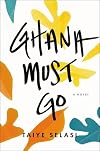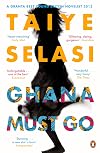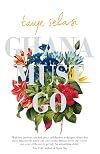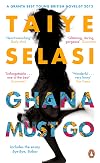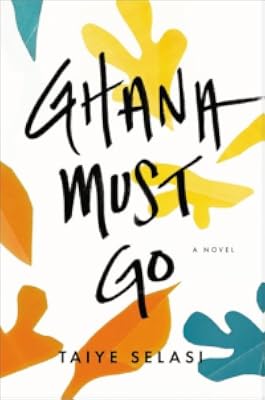
Ghana Must Go
by Taiye Selasi
On This Page
Description
"Kweku Sai is dead. A renowned surgeon and failed husband, he succumbs suddenly at dawn outside his home in suburban Accra. The news of Kweku's death sends a ripple around the world, bringing together the family he abandoned years before"--Dust jacket flap.Tags
Recommendations


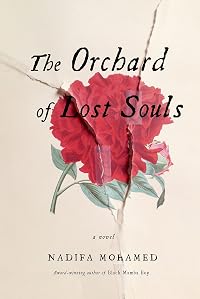
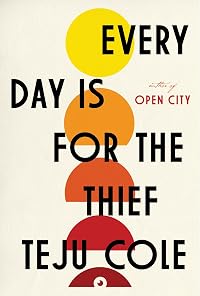
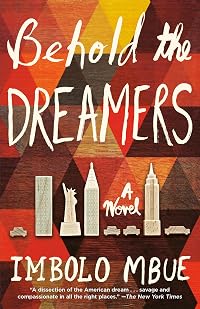
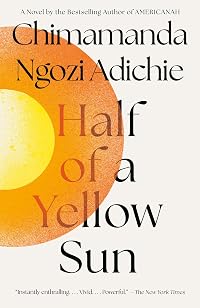


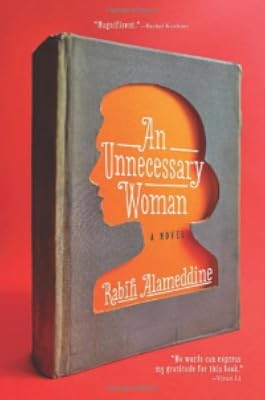

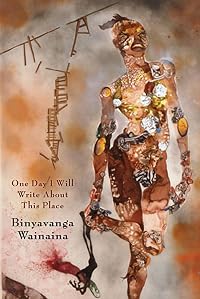

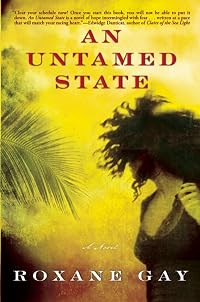
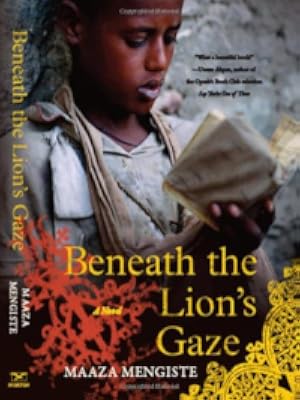
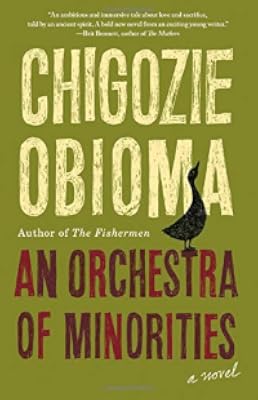


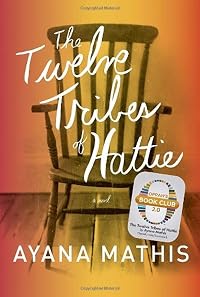
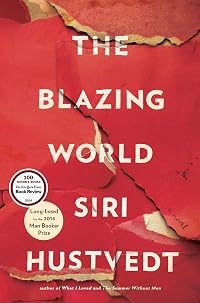
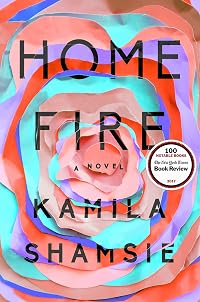
Member Recommendations
Member Reviews
Almost scary good - the kind of book that leaves you fervently hoping the writer has more of this caliber in her. The story of Kweku's death and the impact it has on Fola and their children works on more levels than my brain can hold - from illustrating how the things we run from never leave us to showing the power of recollection to create change to melodrama to political history. It's a wonderful book.
Is this another tortured tale about the disintegration of a family or is it more? The fact that I'm still thinking about it 24 hours after the last page was turned instead of jumping right into my next book, leads me to the second conclusion. I almost abandoned it in the first 75 pages while Kweku Sai lies dying in his garden of a heart attack. The author's confusing hodgepodge of words captures Kweku's disoriented state of mind and the dismay of the family he left behind many years ago, but it was exhausting work untangling the jumble of thoughts and feelings she conveys. However, I'm glad I stuck with it to see the picture of a man who left Ghana to become a successful doctor in America develop into a story of love that withstands show more shame and sorrow.
Reading this book takes concentration and patience. The story not only jumps from Africa to the immigrant experience in America and then back to Africa, but it is written in a poetic style that is sometimes difficult to follow. It is most definitely a literary novel. But don't let that scare you! The second half of the book shines as the fractured family comes together to remember their patriarch. Long held secrets are revealed and wounds begin to heal when they travel to Ghana, the homeland that Kweku's four children never knew, and rediscover the connection to their past and to each other. show less
Reading this book takes concentration and patience. The story not only jumps from Africa to the immigrant experience in America and then back to Africa, but it is written in a poetic style that is sometimes difficult to follow. It is most definitely a literary novel. But don't let that scare you! The second half of the book shines as the fractured family comes together to remember their patriarch. Long held secrets are revealed and wounds begin to heal when they travel to Ghana, the homeland that Kweku's four children never knew, and rediscover the connection to their past and to each other. show less
Ghana Must Go contains some of what you’d expect in leafing through it in a bookstore, revealing the cultures in Nigeria and Ghana, the hardships in growing up there, and the difficulties of coming to America from there. It tells of all these things, but never in an “oh boo hoo” way, and at the same time, the book transcends the specifics, as all great books do. It’s about a family that’s fallen apart, of love lost, regret, and the effect it had on four children, each uniquely talented, and each uniquely damaged. And forgetting their ancestry, regardless of that, the descriptions of the family dynamic and the perspectives of each member felt spot-on and insightful, true to any family.
I won’t spoil the story, but for the show more framework, a doctor collapses, dead at the age of 57. He had left his wife and four kids fifteen or sixteen years earlier, when they ranged in age from eighteen to four. The family’s history and what happened from that point is then revealed in a non-linear way in snippets. Selasi’s writing style is at once both reserved and like cool spring water flowing downhill, running and dancing as it goes, and it’s an impressive first book.
Quotes:
On how events in Africa are viewed, this had my skin tingling:
“She sensed the change immediately, in the tone people took when they learned that her father had been murdered by soldiers; in the way that they’d nod as if, yes, all makes sense, the beginning of the Nigerian civil war, but of course. Never mind that the Hausas were targeting Igbos, and her father was a Yoruba, and her grandmother Scottish, and the house staff Fulani, some Indian even. Ten dead, one an Igbo, minor details, no matter. … it didn’t matter, [they] somehow believed that it was natural, however tragic, what had happened. That she’d stopped being Folasade Somayina Savage and had become the native of a generic War-Torn Nation. Without specifics. … Just some war-torn nation, hopeless and inhuman and as humid as a war-torn nation anywhere, all war-torn nations everywhere. ‘I’m sorry,’ they’d say, nodding yes in agreement, as one says I’m sorry when the elderly die, ‘that’s too bad’ (but not that bad, more ‘how these things go’ in this world), in their eyes not a hint of a surprise. Surely, broad-shouldered, woolly-haired fathers of natives of hot war-torn countries got killed all the time?”
On being damaged, this one gave me goosebumps:
“And what happens to daughters whose mothers betray them? They don’t become huggable like Sadie, Taiwo thinks. They don’t become giggly, adorable like Ling. They grow shells. Become hardened. They stop being girls. Though they look like girls and act like girls and flirt like girls and kiss like girls – really, they’re generals, commandos at war, riding out at first light to preempt further strikes. With an army behind them, their talents their horsemen, their brilliance and beauty and anything else they may have at their disposal dispatched into battle to capture the castle, to bring back the Honor. Of course it doesn’t work. For they burn down the village in search of the safety they lost, every time, Taiwo knows. They end lonely. Desired and admired and alone in their tents, where they weep through the night. In the morning they ride, and the boys see them coming. And think: my, what brilliant and beautiful girls. Hearts broken, blood spilled. Riding on, seeking vengeance. This a most curious twist in the plot: that the vengeance they seek is the love of another, a mother-like lover who will not betray. At the thought she laughs harder. To think of her lover, his scarf and his sweatpants, his motherly smile. And his wife and his children. Prepackaged betrayal. A foregone conclusion.”
On dreamers:
“They were doers and thinkers and lovers and seekers and givers, but dreamers, most dangerously of all.
They were dreamer-women.
Very dangerous women.
Who looked at the world through their wide dreamer-eyes and saw it not as it was, ‘brutal, senseless,’ etc., but worse, as it might be or might yet become.
So, insatiable women.
Un-pleasable women.
Who wanted above all things what could not be had. Not what they could not have – no such thing for such women – but what wasn’t there to be had in the first place. And worst: who looked at him and saw what he might yet become. More beautiful than he believes he could possibly be.”
On making love:
“His chest was still heaving against her, an hour, two hours. Moving slowly, and deeply, a dive. Downward and downward, until she was aching. ‘Enough,’ she said softly. He came, then he wept.
This was a man, she had felt, one could live with, build a life with, whatever “a life” might yet mean: who gave all to the living, with deep trembling breathing, his life to protecting the living from death. Though he knew it was futile. The way he made love, as if now were forever, gone deaf to the rest, as if breathing were music and hovels were ballrooms and all that they needed to do was to dance. It was this that convinced her despite his low wages for nearly two decades and everything else, that her husband made love like a man who loved life. That he put up a fight where she conceded defeat.”
On stoicism:
“So if ever the odd memory returned to him, caught up to him, billowing forward from behind him like tumbleweed in wind, he would feel only distance, the uncoverable distance, deeply comforting distance, and with it a calm. A calm understanding of how loss worked in the world, of what happened to whom, in what quantities. Never hurt. He didn’t add it all up – loss of sister, later mother, absent father, scourge of colonialism, birth into poverty and all that – and lament that he’d had a sad life, an unfair one, shake his fists at the heavens, asking why. Never rage. He very simply considered it, where he came from, what he’d come through, who he was, and concluded that it was forgettable, all. He had no need for remembering, as if the details were remarkable, as if anyone would forget it all happened if he did. It would happen to someone else, a million and one someone elses: the same senseless losses, the same tearless hurts.”
On suffering, perhaps the opposite of the above:
“She whispers this passionately, with no trace of sympathy, overcome by the possessiveness one feels for one’s suffering, the aggressive insistence on the suffering’s uniqueness, in nature and depth and endurance over time.” show less
I won’t spoil the story, but for the show more framework, a doctor collapses, dead at the age of 57. He had left his wife and four kids fifteen or sixteen years earlier, when they ranged in age from eighteen to four. The family’s history and what happened from that point is then revealed in a non-linear way in snippets. Selasi’s writing style is at once both reserved and like cool spring water flowing downhill, running and dancing as it goes, and it’s an impressive first book.
Quotes:
On how events in Africa are viewed, this had my skin tingling:
“She sensed the change immediately, in the tone people took when they learned that her father had been murdered by soldiers; in the way that they’d nod as if, yes, all makes sense, the beginning of the Nigerian civil war, but of course. Never mind that the Hausas were targeting Igbos, and her father was a Yoruba, and her grandmother Scottish, and the house staff Fulani, some Indian even. Ten dead, one an Igbo, minor details, no matter. … it didn’t matter, [they] somehow believed that it was natural, however tragic, what had happened. That she’d stopped being Folasade Somayina Savage and had become the native of a generic War-Torn Nation. Without specifics. … Just some war-torn nation, hopeless and inhuman and as humid as a war-torn nation anywhere, all war-torn nations everywhere. ‘I’m sorry,’ they’d say, nodding yes in agreement, as one says I’m sorry when the elderly die, ‘that’s too bad’ (but not that bad, more ‘how these things go’ in this world), in their eyes not a hint of a surprise. Surely, broad-shouldered, woolly-haired fathers of natives of hot war-torn countries got killed all the time?”
On being damaged, this one gave me goosebumps:
“And what happens to daughters whose mothers betray them? They don’t become huggable like Sadie, Taiwo thinks. They don’t become giggly, adorable like Ling. They grow shells. Become hardened. They stop being girls. Though they look like girls and act like girls and flirt like girls and kiss like girls – really, they’re generals, commandos at war, riding out at first light to preempt further strikes. With an army behind them, their talents their horsemen, their brilliance and beauty and anything else they may have at their disposal dispatched into battle to capture the castle, to bring back the Honor. Of course it doesn’t work. For they burn down the village in search of the safety they lost, every time, Taiwo knows. They end lonely. Desired and admired and alone in their tents, where they weep through the night. In the morning they ride, and the boys see them coming. And think: my, what brilliant and beautiful girls. Hearts broken, blood spilled. Riding on, seeking vengeance. This a most curious twist in the plot: that the vengeance they seek is the love of another, a mother-like lover who will not betray. At the thought she laughs harder. To think of her lover, his scarf and his sweatpants, his motherly smile. And his wife and his children. Prepackaged betrayal. A foregone conclusion.”
On dreamers:
“They were doers and thinkers and lovers and seekers and givers, but dreamers, most dangerously of all.
They were dreamer-women.
Very dangerous women.
Who looked at the world through their wide dreamer-eyes and saw it not as it was, ‘brutal, senseless,’ etc., but worse, as it might be or might yet become.
So, insatiable women.
Un-pleasable women.
Who wanted above all things what could not be had. Not what they could not have – no such thing for such women – but what wasn’t there to be had in the first place. And worst: who looked at him and saw what he might yet become. More beautiful than he believes he could possibly be.”
On making love:
“His chest was still heaving against her, an hour, two hours. Moving slowly, and deeply, a dive. Downward and downward, until she was aching. ‘Enough,’ she said softly. He came, then he wept.
This was a man, she had felt, one could live with, build a life with, whatever “a life” might yet mean: who gave all to the living, with deep trembling breathing, his life to protecting the living from death. Though he knew it was futile. The way he made love, as if now were forever, gone deaf to the rest, as if breathing were music and hovels were ballrooms and all that they needed to do was to dance. It was this that convinced her despite his low wages for nearly two decades and everything else, that her husband made love like a man who loved life. That he put up a fight where she conceded defeat.”
On stoicism:
“So if ever the odd memory returned to him, caught up to him, billowing forward from behind him like tumbleweed in wind, he would feel only distance, the uncoverable distance, deeply comforting distance, and with it a calm. A calm understanding of how loss worked in the world, of what happened to whom, in what quantities. Never hurt. He didn’t add it all up – loss of sister, later mother, absent father, scourge of colonialism, birth into poverty and all that – and lament that he’d had a sad life, an unfair one, shake his fists at the heavens, asking why. Never rage. He very simply considered it, where he came from, what he’d come through, who he was, and concluded that it was forgettable, all. He had no need for remembering, as if the details were remarkable, as if anyone would forget it all happened if he did. It would happen to someone else, a million and one someone elses: the same senseless losses, the same tearless hurts.”
On suffering, perhaps the opposite of the above:
“She whispers this passionately, with no trace of sympathy, overcome by the possessiveness one feels for one’s suffering, the aggressive insistence on the suffering’s uniqueness, in nature and depth and endurance over time.” show less
Tolstoy was right, every unhappy family is unhappy in its own way. A riveting story about an African family told in reverse. When the father, a well known Nigerian surgeon passes away, his ex -wife and the four adult children gather for his funeral. Scores are settled, stories are shared and old wounds begin to heal.
The novel is overloaded with events, flashbacks, and memories and Selasi's style doesn't do her any favors - one wishes for the editorial scalpel more than once. But she has created great characters and a very compelling story that takes place in Nigeria, Ghana, Boston and New York. I look forward to what her future holds.
The novel is overloaded with events, flashbacks, and memories and Selasi's style doesn't do her any favors - one wishes for the editorial scalpel more than once. But she has created great characters and a very compelling story that takes place in Nigeria, Ghana, Boston and New York. I look forward to what her future holds.
This book has had so much hype that it's hard for it to live up to it, but it largely delivers. The main flaw is that Selasi can't resist the first-novelist tendency to overwrite and embellish her prose. I kept comparing it to The God of Small Things, both in a few plot points and the general style of the novel. Overall, I think I would have enjoyed it more with a better set of expectations--the media has set it up as The Next Great Novel, and it's not there yet. Selasi needs to appreciate the value of simplicity and clarity--at times, her desire for poetry and subtlety takes over and I had to go back a few pages to make sure the timeline was clear in my mind. (I do not object to novels that jump within the timeline; I just want to be show more able to follow where I am from paragraph to paragraph.) show less
Ghana Must Go is an unusual read. Taiye Selasi tells the complicated story of a family from the perspective of each of the members. Beginning with the father, Kweku Sai, a brilliant surgeon who left Ghana to train in Johns Hopkins and Harvard. We learn about Kweku's life as an impoverished student in Africa, as a displaced, brilliant, and hardworking student and doctor, as a devoted husband and adoring father, and as a gifted doctor in one of the top hospitals in the world. When Kweku's brilliant career is somehow implodes through no fault of his own, he is devastated devastated by the change and the damage impacts his family deeply.
As Taiye Selasi introduces Fola, the wife and mother, and the children (Olu, the eldest and surgeon, the show more gifted and beautiful twins Taiwo and Kehinde, and Sadie, the baby of the family) we discover more about the family, about each person's struggle for acceptance and love, and about the worlds that they inhabit in Brookline, in New York, in New Haven, and in Africa.
There is Fola, a legendary beauty whose mother died in childbirth and whose father was tragically murdered during a violent attack when she was still a young girl. Fola escapes to Ghana and then to the West to study. When she meets Kweku in the US, she has locked her story deep inside. Her eldest child, Olu, has followed in his father's footsteps and has established himself as a brilliant surgeon. Olu has not remained unscathed by the troubles in his life despite the fact that he appears to lead a "charmed life" and learning more about Olu makes him complicated and deeply sympathetic. Olu's twin siblings have inherited the strikingly gorgeous looks of his mother's family. For as long as anyone can remember, the twins have drawn people to them with their unusual looks and their independence - they seem to live in a world of their own. Kehinde doesn't have the tension, the drive, that characterizes Olu's life but Kehinde has become a world renowned artist. Taiwo is brilliant and gorgeous, but her gifts and successes haven't brought her the contentment that we'd expect but Taiwo carries a dark secret that explains her isolation. Sadie, the cherished youngest child, has had it much easier than her siblings but still longs for a life like those of their wealthy Brookline neighbors and her WASP best friend - it takes a life changing trip to bring the family back together.
Ghana Must Go is an amazing read. It's a story about Africa, about immigration, about building a life and the sacrifices and joys that this entails.
ISBN-10: 1594204497 - Hardcover $25.95
Publisher: Penguin Press HC, The (March 5, 2013), 336 pages.
Review copy courtesy of the publisher and the Amazon Vine Reviewers program. show less
As Taiye Selasi introduces Fola, the wife and mother, and the children (Olu, the eldest and surgeon, the show more gifted and beautiful twins Taiwo and Kehinde, and Sadie, the baby of the family) we discover more about the family, about each person's struggle for acceptance and love, and about the worlds that they inhabit in Brookline, in New York, in New Haven, and in Africa.
There is Fola, a legendary beauty whose mother died in childbirth and whose father was tragically murdered during a violent attack when she was still a young girl. Fola escapes to Ghana and then to the West to study. When she meets Kweku in the US, she has locked her story deep inside. Her eldest child, Olu, has followed in his father's footsteps and has established himself as a brilliant surgeon. Olu has not remained unscathed by the troubles in his life despite the fact that he appears to lead a "charmed life" and learning more about Olu makes him complicated and deeply sympathetic. Olu's twin siblings have inherited the strikingly gorgeous looks of his mother's family. For as long as anyone can remember, the twins have drawn people to them with their unusual looks and their independence - they seem to live in a world of their own. Kehinde doesn't have the tension, the drive, that characterizes Olu's life but Kehinde has become a world renowned artist. Taiwo is brilliant and gorgeous, but her gifts and successes haven't brought her the contentment that we'd expect but Taiwo carries a dark secret that explains her isolation. Sadie, the cherished youngest child, has had it much easier than her siblings but still longs for a life like those of their wealthy Brookline neighbors and her WASP best friend - it takes a life changing trip to bring the family back together.
Ghana Must Go is an amazing read. It's a story about Africa, about immigration, about building a life and the sacrifices and joys that this entails.
ISBN-10: 1594204497 - Hardcover $25.95
Publisher: Penguin Press HC, The (March 5, 2013), 336 pages.
Review copy courtesy of the publisher and the Amazon Vine Reviewers program. show less
I was surprised that my Around the World for a Good Book selection for Ghana turns out to have a good portion of the narrative set close to home in the Boston, Massachusetts area. Selasi's novel is a story of immigration, family, the long term ramifications of choices made, and an attempt to peer beyond the stereotypes of Africa and Africans.
The novel is set around the family of Kweku Sai, long isolated from one another, coming together in Ghana for his funeral. Kweku immigrated to America where he became a celebrated surgeon, but after being unjustly fired, the great shame causes him to leave his family and return to Ghana. His wife Fola was a law student who gave up her career to support Kweku, and faces difficult choices when forced show more to raise 4 children on her own. The eldest son Olu follows his father into medicine, but his father's abandonment leaves him fearful of commitment. The sister-brother twins Taiwo and Kehinde bear the scars of being sent to live with Fola's brother in Nigeria after Kweku's departure and the sexual abuse they suffered there. The youngest child Sadie didn't know her father at all and until shortly before the main narrative begins had been very close with her mother. All of their stories are told in extended flashbacks intertwined with the present day story.
This is a heartbreaking and harrowing novel and should come with a big trigger warning. It unfortunately tends toward the melodramatic although there is honesty in the family dynamics portrayed. Thankfully, this is also a story of redemption and healing, although it is still hard to not feel unsettled after reading. show less
The novel is set around the family of Kweku Sai, long isolated from one another, coming together in Ghana for his funeral. Kweku immigrated to America where he became a celebrated surgeon, but after being unjustly fired, the great shame causes him to leave his family and return to Ghana. His wife Fola was a law student who gave up her career to support Kweku, and faces difficult choices when forced show more to raise 4 children on her own. The eldest son Olu follows his father into medicine, but his father's abandonment leaves him fearful of commitment. The sister-brother twins Taiwo and Kehinde bear the scars of being sent to live with Fola's brother in Nigeria after Kweku's departure and the sexual abuse they suffered there. The youngest child Sadie didn't know her father at all and until shortly before the main narrative begins had been very close with her mother. All of their stories are told in extended flashbacks intertwined with the present day story.
This is a heartbreaking and harrowing novel and should come with a big trigger warning. It unfortunately tends toward the melodramatic although there is honesty in the family dynamics portrayed. Thankfully, this is also a story of redemption and healing, although it is still hard to not feel unsettled after reading. show less
Members
- Recently Added By
Lists

Top Five Books of 2013
1,562 works; 721 members

Female Author
1,234 works; 67 members

Dishonourable Mentions of 2013
189 works; 63 members

africa diaspora novels
10 works; 1 member

Literature by People of Color
81 works; 9 members
Author Information

8+ Works 982 Members
Some Editions
Awards and Honors
Awards
Distinctions
Series
Belongs to Publisher Series
Common Knowledge
- Canonical title*
- Le ravissement des innocents
- Original title
- Ghana Must Go
- Original publication date
- 2013-03-05
- People/Characters
- Kweki Sai; Fola Sai; Taiwo Sai; Kehinde Sai; Olu Sai; Sadie Sai
- Important places
- Accra, Ghana; London, England, UK; Lagos, Nigeria; New York, New York, USA
- Epigraph
- Not sunflowers, not
roses, but rocks in patterned
sand grow here. And bloom.
-----------Robert Hayden
-----------"Approximations"
A word forgot to remember
what to forget
and every so often
let the truth slip
---------------Renee C Neblett,
---------------"Snapshots" - Dedication
- for Juliette Modupe Tuakli, M.D.
- First words
- Kweku dies barefoot on a Sunday before sunrise, his slipper by the doorway to the bedroom like dogs.
- Last words
- (Click to show. Warning: May contain spoilers.)She picks up his slippers and brings them inside.
- Blurbers
- Gilbert, Elizabeth; Sapphire; Cole, Teju
*Some information comes from Common Knowledge in other languages. Click "Edit" for more information.
Classifications
Statistics
- Members
- 917
- Popularity
- 29,272
- Reviews
- 33
- Rating
- (3.78)
- Languages
- 11 — Danish, Dutch, English, Finnish, French, German, Italian, Norwegian (Bokmål), Portuguese (Portugal), Spanish, Swedish
- Media
- Paper, Audiobook, Ebook
- ISBNs
- 37
- ASINs
- 9