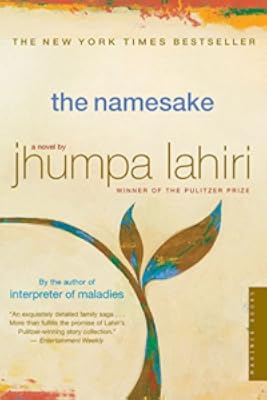
The Namesake
by Jhumpa Lahiri
On This Page
Description
NEW YORK TIMES BESTSELLER. Pulitzer Prize winner Jhumpa Lahiri brilliantly illuminates the immigrant experience and the tangled ties between generations. Namesake is a fine-tuned, intimate, and deeply felt novel of identity from "a writer of uncommon elegance and poise." (The New York Times)Meet the Ganguli family, new arrivals from Calcutta, trying their best to become Americans even as they pine for home. The name they bestow on their firstborn, Gogol, betrays all the conflicts of show more honoring tradition in a new world — conflicts that will haunt Gogol on his own winding path through divided loyalties, comic detours, and wrenching love affairs.
"Dazzling...An intimate, closely observed family portrait."—The New York Times
"Hugely appealing."—People Magazine
"An exquisitely detailed family saga."—Entertainment Weekly. show less
Tags
Recommendations





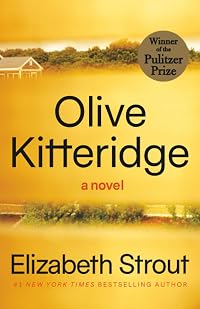

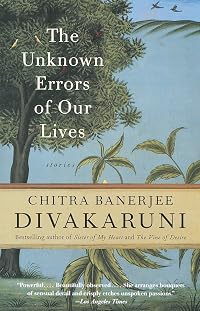
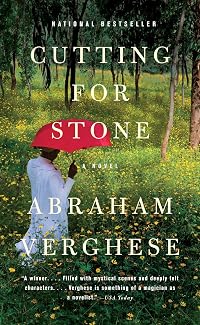
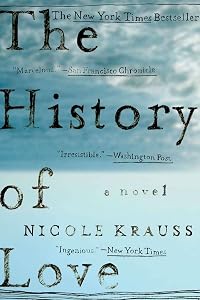


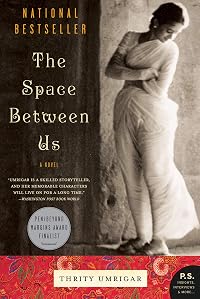

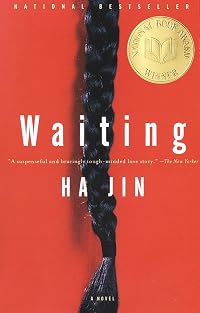
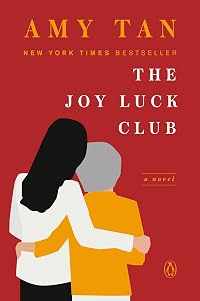

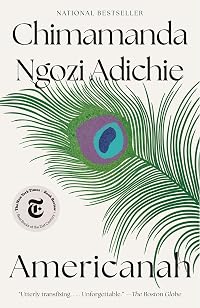




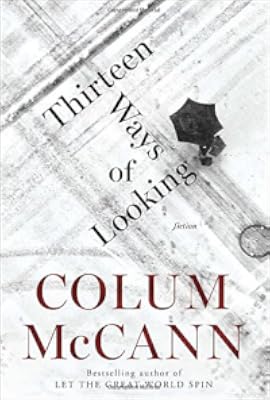


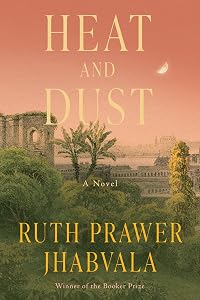
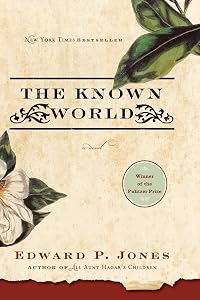
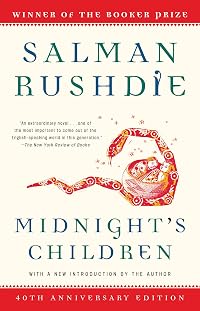


Member Recommendations

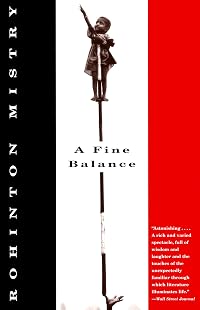
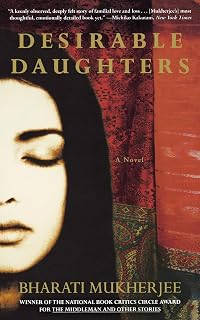
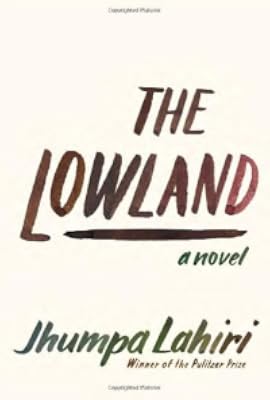
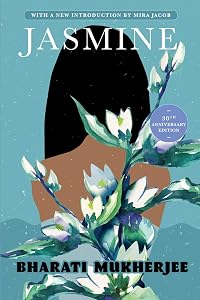
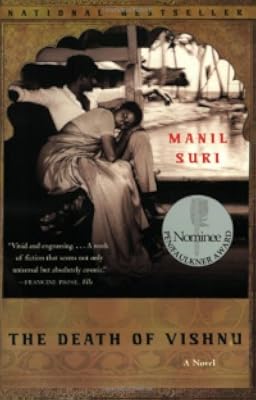
beyondthefourthwall One is fictional and one not, but in both cases, young men of Indian descent grow up in the English-speaking Western world, all the while considering their roots. Also, impactful events on trains.
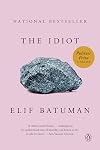
beyondthefourthwall Children-of-immigrants growing up in the United States and figuring out where they belong.
11

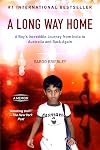
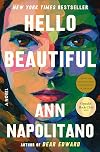
beyondthefourthwall Bostonian immigrants' kids work to find places for themselves. Lahiri's novel is the more bittersweet, but both are full of interesting characters and fascinating details.
Member Reviews
Digital audiobook performed by Sarita Choudhury.
The novel follows the Ganguli family over three decades, beginning when Ashoke and Ashima’s marriage is first arranged in Calcutta. They settle in Cambridge, Massachusetts where Ashoke is studying engineering, have two children, buy a house and live their lives: Indians with American children.
This is the type of literary fiction I adore. Lahiri writes with such eloquence and grace, letting the reader learn about this family much as she would do when meeting new acquaintances who become friends over decades. Their story tackles issues of the immigrant experience, the clash of cultures, differences (and conflicts) between generations, and personal identity.
While their parents find a show more community of other Bengalis with which to associate and celebrate life’s milestones, their children – son Gogol and his younger sister Sonia – are clearly Americans. And yet, Gogol still struggles with identity. First there is his odd name, then there are the lunches his mother packs for him, and the holidays they celebrate (or do not). While his parents cling to the traditions of their upbringing, Gogol wants only to fit in – to have a Christmas tree, and eat peanut butter, hamburgers and French fries. On trips back to India to see family and friends, Gogol feels lost; he does not clearly understand or speak the language, is unfamiliar with the city, cannot fathom why his family stays with relative after relative rather than getting a hotel room or renting an apartment of their own for the duration. In some respects, he is an immigrant in both countries.
Towards the end of the novel Gogol reflects on his and his parents’ lives: He wonders how his parents had done it, leaving their respective families behind, seeing them so seldom, dwelling unconnected, in a perpetual state of expectation, of longing. … He had spent years maintaining distance from his origins; his parents, in bridging that distance as best they could.
And he comes to a sort of conclusion: These events have formed Gogol, shaped him, determined who he is. They were things for which it was impossible to prepare but which one spent a lifetime looking back at, trying to accept, interpret, comprehend. Things that should never have happened, that seemed out of place and wrong, these were what prevailed, what endured, in the end.
Sarita Choudhury does a marvelous job narrating the audiobook. She sets a good pace that still allows the reader to absorb the complexities of the writing. Still, I am glad that I also have a text copy. Lahiri’s writing is the kind that I want to pore over, to read and read again. show less
The novel follows the Ganguli family over three decades, beginning when Ashoke and Ashima’s marriage is first arranged in Calcutta. They settle in Cambridge, Massachusetts where Ashoke is studying engineering, have two children, buy a house and live their lives: Indians with American children.
This is the type of literary fiction I adore. Lahiri writes with such eloquence and grace, letting the reader learn about this family much as she would do when meeting new acquaintances who become friends over decades. Their story tackles issues of the immigrant experience, the clash of cultures, differences (and conflicts) between generations, and personal identity.
While their parents find a show more community of other Bengalis with which to associate and celebrate life’s milestones, their children – son Gogol and his younger sister Sonia – are clearly Americans. And yet, Gogol still struggles with identity. First there is his odd name, then there are the lunches his mother packs for him, and the holidays they celebrate (or do not). While his parents cling to the traditions of their upbringing, Gogol wants only to fit in – to have a Christmas tree, and eat peanut butter, hamburgers and French fries. On trips back to India to see family and friends, Gogol feels lost; he does not clearly understand or speak the language, is unfamiliar with the city, cannot fathom why his family stays with relative after relative rather than getting a hotel room or renting an apartment of their own for the duration. In some respects, he is an immigrant in both countries.
Towards the end of the novel Gogol reflects on his and his parents’ lives: He wonders how his parents had done it, leaving their respective families behind, seeing them so seldom, dwelling unconnected, in a perpetual state of expectation, of longing. … He had spent years maintaining distance from his origins; his parents, in bridging that distance as best they could.
And he comes to a sort of conclusion: These events have formed Gogol, shaped him, determined who he is. They were things for which it was impossible to prepare but which one spent a lifetime looking back at, trying to accept, interpret, comprehend. Things that should never have happened, that seemed out of place and wrong, these were what prevailed, what endured, in the end.
Sarita Choudhury does a marvelous job narrating the audiobook. She sets a good pace that still allows the reader to absorb the complexities of the writing. Still, I am glad that I also have a text copy. Lahiri’s writing is the kind that I want to pore over, to read and read again. show less
Look. I admit it. I read for escapist purposes. Specifically, I read to experience a viewpoint that I would never have encountered otherwise. I read to escape the boundaries of my own limited scope, to discover a new life by looking through lenses of all shades, shapes, weirds, wonders, everything humanity has been allotted to senses both defined and not, conveyed by the best of a single mortal's abilities within the span of a fragile stack printed with oh so water damageable ink.
I do not read to have my reality handed back to me on more mundane terms than I myself could create on two hours of sleep and a monstrosity of a hangover.
The good things about this book? It's readable. Very readable. Very punctual use of commas, and paragraph show more indentations, and general story flow. And by reading it from cover to cover, I have discovered a pet peeve of mine that I hadn't realized I had been liable to, but now fully acknowledge as part and parcel of my readerly sensibilities. Fortunate for me, not so fortunate for the book.
Show, not tell. Perhaps you've heard the phrase, over and over and over to a nauseatingly horrific extent without any additional information as to how exactly to go about accomplishing this mantra. There's a multitude of reasons for following this niftily short doctrine, and one of them is fully encompassed by this novel here, with its unholy engorgement on lists.
If a scene pops up, lists of the surroundings. If an action is participated in, lists of all the objects involved, with as prolific a number of brand names as possible. If a character is introduced, well, the only way to go about it is to list of their clothing, their rote physical attributes, their major, their job, their personal history as far as is encompassed by a résumé or Facebook page. Minimal amounts of creative flights, barely a metaphor in sight, and as for deeply resonant emotional delving into the personas meandering the page, down to the very blood and bones of their recognizable humanity? Nadda. I wish I was joking when I said that, had Lahiri not been allowed to pad her story with all these long strings of descriptive sentences that were nothing more than another entry in the same old, same old, you'd be left with fifty pages. If that. The end result was a feeling of being able to read this story quickly, yes, but through a thick layer of cellophane that left in its wake singular feelings of why am I bothering and its good old pal, am I supposed to care?
There's another piece of terminology that writing classes love to throw around in addition to that previous standard, and that's voice. If there was a voice in this novel, it was drowned by the endless streams of banal information attached to every inch of the plot's surface, leaving me with the slightly ill sense of watching the consumerism train wreck of typical American society without any reassurance that the author knew what they were doing. Also, the almost constant adherence to stereotypes of Indians who immigrate to America as the engineering->Ivy League->repeat, along with every other gender/familial/socioeconomic stereotype known to humanity? Considering the fact that one of my biggest reasons for reading as much as I do is to find a breakdown of these popular culture standards, I was rather disappointed. Scratch that, I was very disappointed, enough to muse on whether this book, published all of nine years ago, had helped propagate those stereotypes in the first place. Dark thoughts indeed.
Finally, the literature title dropping. I suppose I should've expected it, what with the main character's name issues taking up the entirety of the novel's effort when it came to both theme and its own title, but by the end of it I was sick of seeing all those highflown phrases without a single scrip of fictional push on the author's part to live up to these influences. Borrow a few methods of making your prose fly off the page in a churning maelstrom of creating your own beautiful song out of the best the written word has to offer? Fine, dandy, go forth and prosper. Shoving in 'The Man Without Qualities' and Proust within the last few pages in some obtuse attempt to impress those who are in the know? Hipster, and I mean that with a vengeance.
So, simply put, if you're looking to recommend me Indian literature, please oh please grant me a work along the lines of [b:The God of Small Things|9777|The God of Small Things|Arundhati Roy|http://d202m5krfqbpi5.cloudfront.net/books/1166054170s/9777.jpg|810135]. Cultural intersection between Indian and others without relying on the obvious and the physical objects? Check. Characters that broke my heart over and over with their joy and their sorrow that I wish I could follow forevermore? Check. Voice? Just. You'd have to read it. It even has a literature reference, albeit in a way that pays full tribute to the work far beyond the facile typing of its signifying phrase and nothing more.
This? Not so much. show less
I do not read to have my reality handed back to me on more mundane terms than I myself could create on two hours of sleep and a monstrosity of a hangover.
The good things about this book? It's readable. Very readable. Very punctual use of commas, and paragraph show more indentations, and general story flow. And by reading it from cover to cover, I have discovered a pet peeve of mine that I hadn't realized I had been liable to, but now fully acknowledge as part and parcel of my readerly sensibilities. Fortunate for me, not so fortunate for the book.
Show, not tell. Perhaps you've heard the phrase, over and over and over to a nauseatingly horrific extent without any additional information as to how exactly to go about accomplishing this mantra. There's a multitude of reasons for following this niftily short doctrine, and one of them is fully encompassed by this novel here, with its unholy engorgement on lists.
If a scene pops up, lists of the surroundings. If an action is participated in, lists of all the objects involved, with as prolific a number of brand names as possible. If a character is introduced, well, the only way to go about it is to list of their clothing, their rote physical attributes, their major, their job, their personal history as far as is encompassed by a résumé or Facebook page. Minimal amounts of creative flights, barely a metaphor in sight, and as for deeply resonant emotional delving into the personas meandering the page, down to the very blood and bones of their recognizable humanity? Nadda. I wish I was joking when I said that, had Lahiri not been allowed to pad her story with all these long strings of descriptive sentences that were nothing more than another entry in the same old, same old, you'd be left with fifty pages. If that. The end result was a feeling of being able to read this story quickly, yes, but through a thick layer of cellophane that left in its wake singular feelings of why am I bothering and its good old pal, am I supposed to care?
There's another piece of terminology that writing classes love to throw around in addition to that previous standard, and that's voice. If there was a voice in this novel, it was drowned by the endless streams of banal information attached to every inch of the plot's surface, leaving me with the slightly ill sense of watching the consumerism train wreck of typical American society without any reassurance that the author knew what they were doing. Also, the almost constant adherence to stereotypes of Indians who immigrate to America as the engineering->Ivy League->repeat, along with every other gender/familial/socioeconomic stereotype known to humanity? Considering the fact that one of my biggest reasons for reading as much as I do is to find a breakdown of these popular culture standards, I was rather disappointed. Scratch that, I was very disappointed, enough to muse on whether this book, published all of nine years ago, had helped propagate those stereotypes in the first place. Dark thoughts indeed.
Finally, the literature title dropping. I suppose I should've expected it, what with the main character's name issues taking up the entirety of the novel's effort when it came to both theme and its own title, but by the end of it I was sick of seeing all those highflown phrases without a single scrip of fictional push on the author's part to live up to these influences. Borrow a few methods of making your prose fly off the page in a churning maelstrom of creating your own beautiful song out of the best the written word has to offer? Fine, dandy, go forth and prosper. Shoving in 'The Man Without Qualities' and Proust within the last few pages in some obtuse attempt to impress those who are in the know? Hipster, and I mean that with a vengeance.
So, simply put, if you're looking to recommend me Indian literature, please oh please grant me a work along the lines of [b:The God of Small Things|9777|The God of Small Things|Arundhati Roy|http://d202m5krfqbpi5.cloudfront.net/books/1166054170s/9777.jpg|810135]. Cultural intersection between Indian and others without relying on the obvious and the physical objects? Check. Characters that broke my heart over and over with their joy and their sorrow that I wish I could follow forevermore? Check. Voice? Just. You'd have to read it. It even has a literature reference, albeit in a way that pays full tribute to the work far beyond the facile typing of its signifying phrase and nothing more.
This? Not so much. show less
I don't understand all the hype and praise for The Namesake: I love reading about crosscultural experiences but this book plods on and on for nearly 300 pages without ever truly getting to the heart of the conflicts that ail the title character. I think part of the problem is the writing, which is technically good and correct but emotionally flat and antiseptic. Lahiri piles on detail after detail -- clothing, food, and furnishings -- but they feel anchorless, too, adding to the impression of being removed from the book's people. Many people have recommended The Namesake to me, so I expected to love it, but it felt too much like Lahiri extended a short story to novel length, stretching the characters' passion over far too many pages.
The Gangulis move from Calcutta to Massachusetts for Ashok's job, alone in a new country and trying to both fit in and preserve their culture. There, they welcome their first son. But something goes wrong, and the letter from Ashima's grandmother containing the baby's name never arrives. Forced to name the child before they leave the hospital and still expecting that the letter with the baby's good name will arrive eventually, the Gangulis decide he will have the pet name Gogol, after the Russian writer whose book Ashok was clutching when he almost died in a train accident years earlier. Gogol goes on the birth certificate, and the strange name will shape Gogol's life as he grows into a young man and grapples with his Indian heritage show more and American upbringing.
I loved this. Many of the same themes as Interpreter of Maladies, but this doesn't feel like a rehash of that collection. Lahiri's writing grabs you and makes you live her characters' lives -- reading one of her books is always immersive. 5 stars. show less
I loved this. Many of the same themes as Interpreter of Maladies, but this doesn't feel like a rehash of that collection. Lahiri's writing grabs you and makes you live her characters' lives -- reading one of her books is always immersive. 5 stars. show less
This is a reread for me; I don't remember when I first read it, but it was decades ago, and I remembered nothing about the plot, but I did remember the feeling that it is a wonderful story.
It is wonderful, culminating in a fabulous final chapter, reflecting on how life is a series of accidents (or call them what you will) that shape the person you are and the history of your life. What shapes our character - what we do to survive and thrive and what we do for, or to, others.
I like her talent for unusually describing usual sights:
The night is windy, so much so that the car jostles slightly ..., and brown leaves as large as human feet fly across the road in the headlights glare.
They go to darkened, humble-looking restaurants downtown show more where the tables are tiny, the bills huge.
And I like how she can capture big moments and sentiments:
(Ashoke, holding his newborn son) Being rescued from that shattered train had been the first miracle of his life. But here, now, reposing in his arms, weighing next to nothing but changing everything, is the second.
(A girlfriend of Gogol's) She has the gift of accepting her life; as he comes to know her, he realizes that she has never wished she were anyone other than herself, raised in any other place, in any other way. This ... is the biggest difference between them, a thing far more foreign to him than the beautiful house she'd grown up in, her education at private schools. show less
It is wonderful, culminating in a fabulous final chapter, reflecting on how life is a series of accidents (or call them what you will) that shape the person you are and the history of your life. What shapes our character - what we do to survive and thrive and what we do for, or to, others.
I like her talent for unusually describing usual sights:
The night is windy, so much so that the car jostles slightly ..., and brown leaves as large as human feet fly across the road in the headlights glare.
They go to darkened, humble-looking restaurants downtown show more where the tables are tiny, the bills huge.
And I like how she can capture big moments and sentiments:
(Ashoke, holding his newborn son) Being rescued from that shattered train had been the first miracle of his life. But here, now, reposing in his arms, weighing next to nothing but changing everything, is the second.
(A girlfriend of Gogol's) She has the gift of accepting her life; as he comes to know her, he realizes that she has never wished she were anyone other than herself, raised in any other place, in any other way. This ... is the biggest difference between them, a thing far more foreign to him than the beautiful house she'd grown up in, her education at private schools. show less
The Namesake is a book that makes me proud to be an English major. It's an easy recommendation for an enjoyable surface read but it's so brilliantly layered, it's worth analyzing as well. I haven't read too many books written about the lives of Indian-American people but Lahiri's writing was welcoming as I learned about different traditions not only from the perspective of our protagonist but also from his first-generation parents.
This story about relationships, identity, and the way the two themes interact perfectly depicts the universal experiences of life. In addition to the connection I felt to Gogol as he struggled, I felt an equal disconnect to his specific struggles. This was a really wonderful chance at an inside look at a life show more completely different from my own. show less
This story about relationships, identity, and the way the two themes interact perfectly depicts the universal experiences of life. In addition to the connection I felt to Gogol as he struggled, I felt an equal disconnect to his specific struggles. This was a really wonderful chance at an inside look at a life show more completely different from my own. show less
The Namesake This is a great story. It provides a compelling answer to the 400 year old question, "What's in a Name?"
I had initially struggled with whether to make this a 3 or 4 star read but I realized that for as much as my own experience made the story not new for me, sitting down to write the review and seeing the tangles with my experience made me reflect on my life in a way that no other book had asked me to do, thus revealing the right choice. It is definitely worth all four stars.
While I do identify with many aspects of the story and Gogol's struggle with his name, I hesitate to think I have some sort of rare connection with it. Yes, this is an immigration story, but in the US, so many of us having immigration in our show more not-too-distant past. Gogol is not the one to emigrate to the US, he is a part of the acclimation process and it takes much longer for a family to acclimate than people who have "always" been here realize. I think there are plenty of Americans, even white Americans, who have immigration stories in their histories that are close enough to recall, close enough to be little bits of family lore, close enough to identify with parts of Gogol's struggle.
For me, this story didn't hit me right away when I was listening to it. It hit me with all the questions afterward. It made me think about the path I had to take to recognizing my own name as something that actually identifies me, to recognizing the way it represents a compromise between the cultures and histories of my parents as had the process of naming my son. It made me think of those bits of family lore that are part of the immigration stories in my family, the things the family had let go of in order to acclimate and the things they could assimilate and the things that would always keep us at least a little different. Though the story is very much about the Ganguli's, the writing is done in such a way that it also made me feel like the story really brings the reader into their world.
It's about understanding each other and going out on a limb for each other and getting passed our own perspectives to see how the places we are change us and what we expect for ourselves and each other. Each member of the family is fully formed and have their own ideas about their places in the world, what they are and what they should be. Each member sees the others a little differently. Sometimes it feels like no one family member understands any of the others and that is a part of the magic of the story. You feel for all of them, for all of their misunderstandings, for all of their missed chances and all of their triumphs. With that, it makes you not only contemplate what is in a given name, but what is in a family name. What did it mean to be Ganguli? What does it mean to be a member of any family?
I love that the book leaves the reader with personal questions. I love that the story shows the reader so much about what it really means to start a new life in a new country and for your children to not understand anything about you. I love that the story shows the reader so much about what it is like to be a kid with parents who are different from all the other parents, with customs that no one else has to abide by, with expectations that are different put upon them.
I listened to the audiobook, read by Sarita Choudhury. I love her voice and her reading style. This is the second audio of hers that I've listened to, the first being The God of Small Things last month. show less
I had initially struggled with whether to make this a 3 or 4 star read but I realized that for as much as my own experience made the story not new for me, sitting down to write the review and seeing the tangles with my experience made me reflect on my life in a way that no other book had asked me to do, thus revealing the right choice. It is definitely worth all four stars.
While I do identify with many aspects of the story and Gogol's struggle with his name, I hesitate to think I have some sort of rare connection with it. Yes, this is an immigration story, but in the US, so many of us having immigration in our show more not-too-distant past. Gogol is not the one to emigrate to the US, he is a part of the acclimation process and it takes much longer for a family to acclimate than people who have "always" been here realize. I think there are plenty of Americans, even white Americans, who have immigration stories in their histories that are close enough to recall, close enough to be little bits of family lore, close enough to identify with parts of Gogol's struggle.
For me, this story didn't hit me right away when I was listening to it. It hit me with all the questions afterward. It made me think about the path I had to take to recognizing my own name as something that actually identifies me, to recognizing the way it represents a compromise between the cultures and histories of my parents as had the process of naming my son. It made me think of those bits of family lore that are part of the immigration stories in my family, the things the family had let go of in order to acclimate and the things they could assimilate and the things that would always keep us at least a little different. Though the story is very much about the Ganguli's, the writing is done in such a way that it also made me feel like the story really brings the reader into their world.
It's about understanding each other and going out on a limb for each other and getting passed our own perspectives to see how the places we are change us and what we expect for ourselves and each other. Each member of the family is fully formed and have their own ideas about their places in the world, what they are and what they should be. Each member sees the others a little differently. Sometimes it feels like no one family member understands any of the others and that is a part of the magic of the story. You feel for all of them, for all of their misunderstandings, for all of their missed chances and all of their triumphs. With that, it makes you not only contemplate what is in a given name, but what is in a family name. What did it mean to be Ganguli? What does it mean to be a member of any family?
I love that the book leaves the reader with personal questions. I love that the story shows the reader so much about what it really means to start a new life in a new country and for your children to not understand anything about you. I love that the story shows the reader so much about what it is like to be a kid with parents who are different from all the other parents, with customs that no one else has to abide by, with expectations that are different put upon them.
I listened to the audiobook, read by Sarita Choudhury. I love her voice and her reading style. This is the second audio of hers that I've listened to, the first being The God of Small Things last month. show less
Members
- Recently Added By
Published Reviews
ThingScore 100
Jhumpa Lahiri's quietly dazzling new novel, ''The Namesake,'' is that rare thing: an intimate, closely observed family portrait that effortlessly and discreetly unfolds to disclose a capacious social vision.
added by jlelliott
Lists

1001 Books You Must Read Before You Die
1,448 works; 1,133 members

Best 21st Century Books (So Far)
670 works; 86 members

Favourite Women's Prize for Fiction, Orange & Bailey's Prize contenders
132 works; 52 members

Best of World Literature
435 works; 52 members

Recommend the 20 best books you've read in the last five years
2,168 works; 602 members

Unread books
1,063 works; 87 members

The Immigrant's Stories
74 works; 19 members

Female Author
1,234 works; 67 members

Pulitzer Prize-Winning Books
42 works; 10 members

Top Five Books of 2017
757 works; 230 members

Asia
178 works; 7 members

Most Popular Books Tagged India
36 works; 5 members

End of Your Life Book Club
134 works; 4 members

A's favorite novels
100 works; 3 members

First Novels
373 works; 17 members
Independent Reading Suggestions
69 works; 3 members

Blue Pyramid 1,276 Best Books of All Time
1,248 works; 32 members

Indian Diaspora
42 works; 2 members

Florida
366 works; 3 members

Fiction: Asia
85 works; 2 members

Retrospective of 20th- and 21st-century literature
154 works; 1 member
Not the NYT list of top 100 21st century books
100 works; 6 members
The Complete Rory Gilmore Reading List
506 works; 5 members

2024 Reading List
49 works; 1 member

The Atlantic's The Great American Novel
136 works; 12 members

Historical Fiction Books
99 works; 5 members

Books Read in 2021
5,361 works; 113 members

AP Lit
363 works; 6 members
1900s: America
31 works; 2 members

Family Relationships
68 works; 2 members

Books Featured on Readers' Review of the Diane Rehm Show
161 works; 8 members

Makes Me Want to Eat (or Drink)
39 works; 12 members

.
184 works; 1 member

Five star books
1,767 works; 110 members
Talk Discussions
Past Discussions
Welcome! Book club week 1 (Jan82017) in Madam Irma Pince's Library Book Club (January 2017)
Author Information

59+ Works 39,579 Members
Jhumpa Lahiri was born in London, England on July 11, 1967. She received a B.A. in English literature from Barnard College in 1989, and a M.A. in English, a M.A. in Creative Writing, a M.A. in Comparative Studies in Literature and the Arts, and a Ph.D. in Renaissance Studies from Boston University. Lahiri taught creative writing at Boston show more University and the Rhode Island School of Design. Her debut work, Interpreter of Maladies, won the Pulitzer Prize for fiction in 2000. She has also won the PEN/Hemmingway Award, an O. Henry Award, The New Yorker's best debut of the year award, and an Addison Metcalf award. Her other works include The Namesake, which was made into a movie in 2007, Unaccustomed Earth, and The Lowland, which won 2015 DSC Prize for South Asian Literature. (Bowker Author Biography) show less
All Editions
Some Editions
Awards and Honors
Awards
Distinctions
Series
Belongs to Publisher Series
Work Relationships
Is contained in
Has the adaptation
Common Knowledge
- Canonical title
- The Namesake
- Original title
- The Namesake
- Original publication date
- 2003 (1e édition originale américaine, Houghton Mifflin Company) (1e é | dition originale amé | ricaine, Houghton Mifflin Company); 2006-02-26 (1e traduction et édition française, Pavillons, Robert Laffont) (1e traduction et é | dition franç | aise, Pavillons, Robert Laffont)
- People/Characters
- Gogol "Nikhil" Ganguli; Ashoke Ganguli; Ashima Bhaduri Ganguli; Sonali "Sonia" Ganguli; Moushumi Mazoomdar; Ruth (show all 12); Maxine Ratliff; Gerald Ratliff; Lydia Ratliff; Astrid; Donald; Dimitri Desjardins
- Important places
- Boston, Massachusetts, USA; Calcutta, India; New York, New York, USA; Cambridge, Massachusetts, USA; New Hampshire, USA; Yale University, New Haven, Connecticut, USA (show all 7); Cleveland, Ohio, USA
- Related movies
- The Namesake (2006 | IMDb)
- Epigraph
- The reader should realize himself that it could not have happened otherwise, and that to give him any other name was quite out of the question.
-- Nikolai Gogol, 'The Overcoat' - Dedication
- For Alberto and Octavio,
whom I call by other names - First words
- On a sticky August evening two weeks before her due date, Ashima Ganguli stands in the kitchen of a Central Square apartment, combining Rice Krispies and Planters peanuts and chopped red onion in a bowl.
- Quotations
- For being a foreigner, Ashima is beginning to realize, is a sort of lifelong pregnancy--a perpetual wait , a constant burden, a continuous feeling out of sorts.
Until now it has not occurred to Gogol that names die over time, that they perish just as people do.
"Remember that you and I made this journey, that we went together to a place where there was nowhere left to go."
"Now I know why he went to Cleveland, " she tells people, refusing even in death, to utter her husband's name. "He was teaching me how to live alone." - Last words
- (Click to show. Warning: May contain spoilers.)As the hours of the evening pass he will grow distracted, anxious to return to his room, to be alone, to read the book he had once forsaken, had abandoned until now. Until moments ago it was destined to disappear from his life altogether, but he has salvaged it by chance, as his father was pulled from a crushed train forty years ago. He leans back against the headboard, adjusting a pillow behind his back. In a few minutes, he will go downstairs, join the party, his family. But for now his mother is distracted, laughing at a story a friend is telling her, unaware of her son's absence. For now, he starts to read.
- Blurbers*
- Fantastically readable, warm and profound. - Julie Myerson, Guardian
- Original language
- English
*Some information comes from Common Knowledge in other languages. Click "Edit" for more information.
Classifications
Statistics
- Members
- 13,456
- Popularity
- 574
- Reviews
- 343
- Rating
- (3.90)
- Languages
- 17 — Danish, Dutch, English, Finnish, French, German, Hungarian, Indonesian, Italian, Japanese, Malayalam, Marathi, Norwegian (Bokmål), Farsi/Persian, Portuguese, Spanish, Swedish
- Media
- Paper, Audiobook, Ebook
- ISBNs
- 77
- UPCs
- 4
- ASINs
- 25