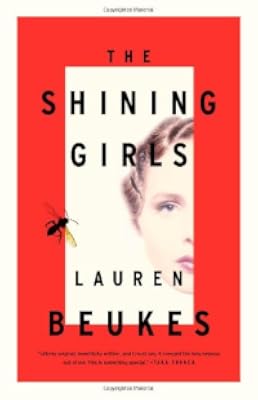
The Shining Girls
by Lauren Beukes
On This Page
Description
Now an Apple TV+ series starring Elisabeth Moss: the girl who wouldn't die hunts the killer who shouldn't exist in this "expertly chilling" twist on the serial killer novel from the award-winning author Lauren Beukes (San Francisco Chronicle).Harper Curtis is a killer who stepped out of the past. Kirby Mazrachi is the girl who was never meant to have a future. Kirby is the last shining girl, one of the bright young women, burning with potential, whose lives Harper is destined to snuff out show more after he stumbles on a House in Depression-era Chicago that opens on to other times.
At the urging of the House, Harper inserts himself into the lives of these shining girls, waiting for the perfect moment to strike. He's the ultimate hunter, vanishing without a trace into another time after each murder — until one of his victims survives.
Determined to bring her would-be killer to justice, Kirby joins the Chicago Sun-Times to work with the reporter, Dan Velasquez, who covered her case. Soon Kirby finds herself closing in on an impossible truth . . .
“Utterly original, beautifully written, and I must say, it creeped the holy bejasus out of me. This is something special.” —Tana French. show less
Tags
Recommendations
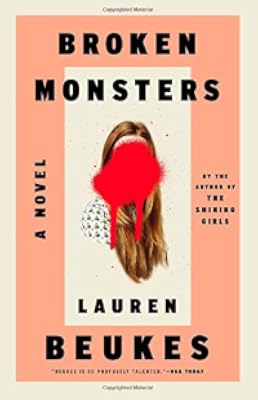

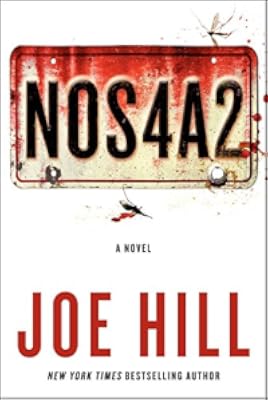
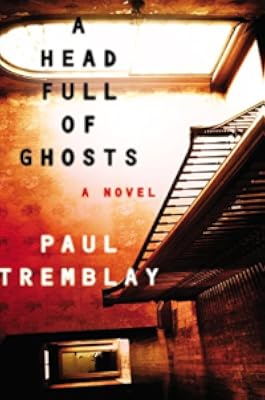
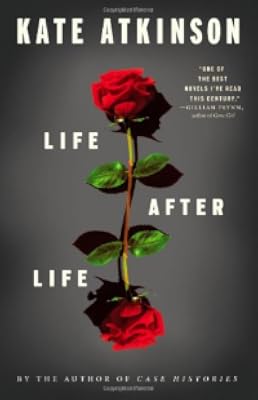
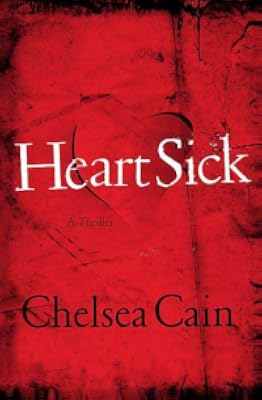
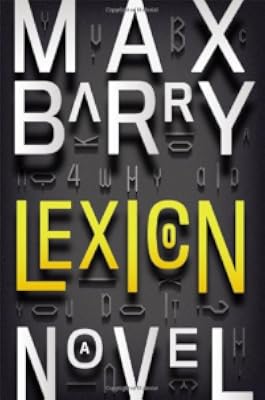
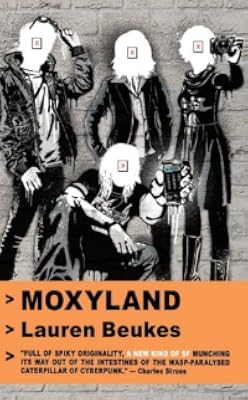
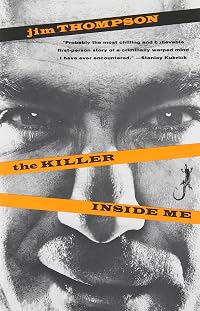
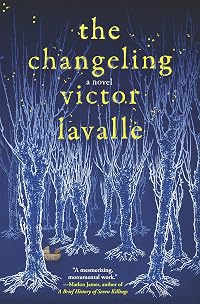
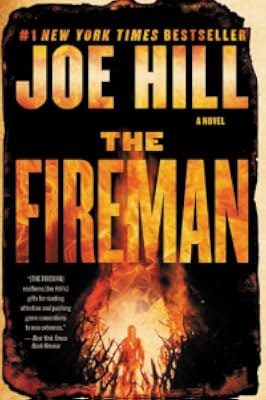
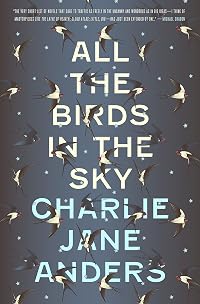
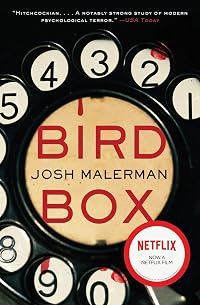
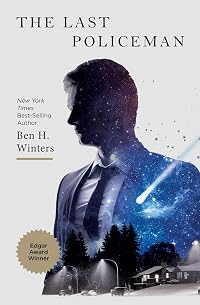


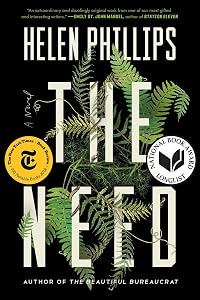
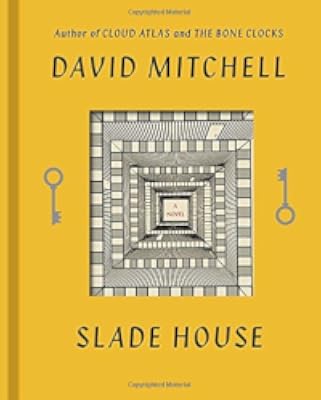
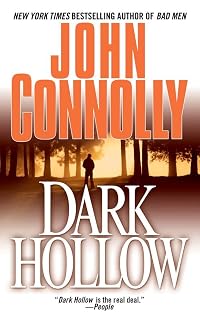
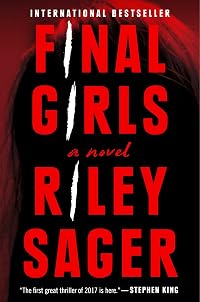
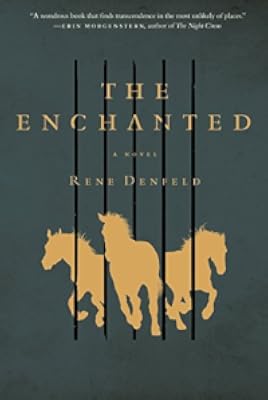
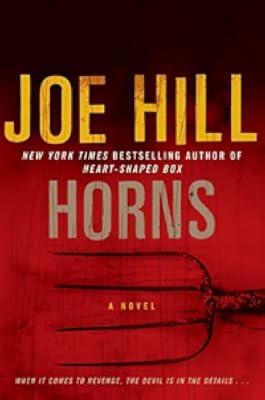
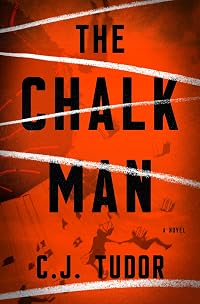
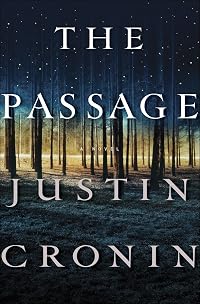
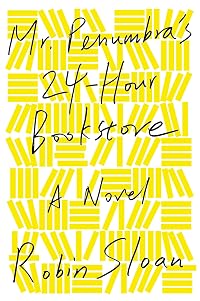
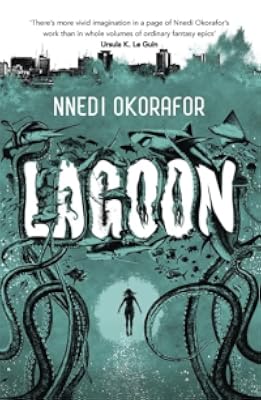
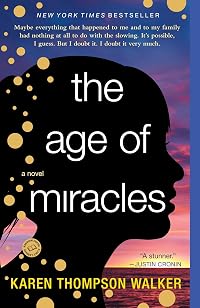
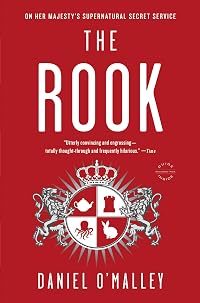
Member Recommendations
by anonymous user
Member Reviews
Review From Tenacious Reader: http://www.tenaciousreader.com/2014/12/14/the-shining-girls-by-lauren-beukes/
When I first read the blurb for this, I have to admit, this book sounded amazing. Then I read Broken Monsters and couldn’t help but wonder why I hadn’t read Beukes before then. Now that I’ve read The Shining Girls, I am just wondering when her next book comes out, and trying to make sure I find time to read Zoo City. After reading just two of her books, Beukes has found her way on to my “must read” list. For any fans of Joe Hill out there (another author firmly on my “must read” list), I strongly encourage you to read Beukes as I feel their fan bases should have a good deal of overlap.
The plot and characters are so show more well done. Once again, we the POV of the bad guy. I know not everyone enjoys this, but I absolutely love it. This is not a mystery of “whodunnit” for the reader, but rather how and if the other characters will be able to piece together what is happening. Harper is a serial killer that has the convenience of time travel to both stalk his victims and also to escape without a trace once he has finished his gruesome kills. And yes, this book can be dark, but so fascinating and thrilling.
Kirby is our main Shining Girl POV. She is the one who got away, somehow surviving Harper’s attack. And she is the one determined to hunt him down and solve this mystery. I love Kirby. She has a great personality and a very strong drive to get things done. She manages to get an internship at a paper with the reporter that covered her story (Dan). Dan no longer works homicide stories, instead they are supposed to be covering sports. But that doesn’t stop Kirby from doing what she can to piece together homicides she believes are connected to not just each other, but also to her attack.
In addition to the three primary POVs, we also get the POV of several Shining Girls, the girls that Harper targets through out time. Honestly, I enjoyed all of them. Books that have many POVs can sometimes go wrong if those extra POVs fall short, if too many of the characters seem similar or weak. But in this, I just enjoyed them all. I also enjoyed the different time periods and how that impacted the settings and politics involved in the story.
What really makes this story work is the characters and the tone. As much as I love the idea of a time traveling serial killer POV, it is something that could go horribly wrong if not done well. Beukes writing is strong, the atmosphere, the tension and suspense, the vividness of the setting are all complimented with complex and believable characters. Highly recommend this one. show less
When I first read the blurb for this, I have to admit, this book sounded amazing. Then I read Broken Monsters and couldn’t help but wonder why I hadn’t read Beukes before then. Now that I’ve read The Shining Girls, I am just wondering when her next book comes out, and trying to make sure I find time to read Zoo City. After reading just two of her books, Beukes has found her way on to my “must read” list. For any fans of Joe Hill out there (another author firmly on my “must read” list), I strongly encourage you to read Beukes as I feel their fan bases should have a good deal of overlap.
The plot and characters are so show more well done. Once again, we the POV of the bad guy. I know not everyone enjoys this, but I absolutely love it. This is not a mystery of “whodunnit” for the reader, but rather how and if the other characters will be able to piece together what is happening. Harper is a serial killer that has the convenience of time travel to both stalk his victims and also to escape without a trace once he has finished his gruesome kills. And yes, this book can be dark, but so fascinating and thrilling.
Kirby is our main Shining Girl POV. She is the one who got away, somehow surviving Harper’s attack. And she is the one determined to hunt him down and solve this mystery. I love Kirby. She has a great personality and a very strong drive to get things done. She manages to get an internship at a paper with the reporter that covered her story (Dan). Dan no longer works homicide stories, instead they are supposed to be covering sports. But that doesn’t stop Kirby from doing what she can to piece together homicides she believes are connected to not just each other, but also to her attack.
In addition to the three primary POVs, we also get the POV of several Shining Girls, the girls that Harper targets through out time. Honestly, I enjoyed all of them. Books that have many POVs can sometimes go wrong if those extra POVs fall short, if too many of the characters seem similar or weak. But in this, I just enjoyed them all. I also enjoyed the different time periods and how that impacted the settings and politics involved in the story.
What really makes this story work is the characters and the tone. As much as I love the idea of a time traveling serial killer POV, it is something that could go horribly wrong if not done well. Beukes writing is strong, the atmosphere, the tension and suspense, the vividness of the setting are all complimented with complex and believable characters. Highly recommend this one. show less
Byayoi
13 JUNE 2022
This was interesting.
I read this book after watching the Apple series. I really liked it, but it left some things in the air, so I thought I'll read the book and they'll be explained to me.
And they weren't.
Turns out that the book and the series have the same premise: a serial killertravelling through time using a particular House killing "shining girls"; one of his victims survives and starts looking for him aided by a veteran journalist and the resources of a Chicago newspaper.
But they didn't use the same approach. And that's the interesting part. While the series is a very good, very well thought sci-fi/fantasy oriented version of the story, with time travel conundrums and changes in the time-line; the book is a show more very well thought linear parable about how women have been handled and treated in different periods of Chicago's history, or USA history. Also the book talks a bit more about the aftermath, how the crimes affect the families left behind and the community they lived in.
The book is more about injustice and genre and color and race and how society "kills" the shining, budding possibility of a better future by ignoring and not protecting and not supporting these shining girls, these young talents that should be nurtured so they can help those around them to better themselves. The whole time travel thing is just the excuse to show what was lost.
So, the book is way less exiting than the series, because it wasn't meant to be exiting. Also the ending is quite different becauseit is still a cycle, a "circle closing". In the book Kirby doesn't save the shining girls and takes over the House, because Harper is the House. This means that the killings will happen again, and again, and again, because in real life they are still happening as they have already happened. Until someone stops the killer, that is, somebody has to stop society and change things so this stops happening.
Yes, some parts of the book are slow and ponderous, and the ending is a little bit on the showy melodramatic side, but the book is not bad, and all the period parts are well thought and well written. Think of this book as the alternate "period drama" of the series where you get to know the lives of the victims (although the victims in the book are different from the victims in the series).
Give it a try, and also watch the series. Both are worth the time. show less
13 JUNE 2022
This was interesting.
I read this book after watching the Apple series. I really liked it, but it left some things in the air, so I thought I'll read the book and they'll be explained to me.
And they weren't.
Turns out that the book and the series have the same premise: a serial killer
But they didn't use the same approach. And that's the interesting part. While the series is a very good, very well thought sci-fi/fantasy oriented version of the story, with time travel conundrums and changes in the time-line; the book is a show more very well thought linear parable about how women have been handled and treated in different periods of Chicago's history, or USA history. Also the book talks a bit more about the aftermath, how the crimes affect the families left behind and the community they lived in.
The book is more about injustice and genre and color and race and how society "kills" the shining, budding possibility of a better future by ignoring and not protecting and not supporting these shining girls, these young talents that should be nurtured so they can help those around them to better themselves. The whole time travel thing is just the excuse to show what was lost.
So, the book is way less exiting than the series, because it wasn't meant to be exiting. Also the ending is quite different because
Yes, some parts of the book are slow and ponderous, and the ending is a little bit on the showy melodramatic side, but the book is not bad, and all the period parts are well thought and well written. Think of this book as the alternate "period drama" of the series where you get to know the lives of the victims (although the victims in the book are different from the victims in the series).
Give it a try, and also watch the series. Both are worth the time. show less
I just complained, in my last review (of the abjectly horrible [b:Stephen King shot John Lennon|6562238|Stephen King shot John Lennon|Steve Lightfoot|https://d.gr-assets.com/books/1251977401s/6562238.jpg|6755076]), that Goodreads wouldn't allow negative ratings. Now, it's time to complain again, because this book is at least a seven on a five scale.
There are many ways to rate how good a story is. But for me, one of the immediate things to consider as I finish a book is to consider its standing in one of four categories:
1 - I could never have written this (part one): This means almost everything is wrong. The story is terrible, the writing is terrible. Why would someone even publish this? I don't put a lot of books into this category, show more simply because I try to avoid them.
2 - I could have written something better than this. This means it was a good enough idea to get me to read it, but, in my opinion, the author botched it. I tend to put quite a few books in this category.
3 - I could have written this, and damn, I wish I did. Great story, well-executed. I put fewer books into this category, but they are ones I love, because they give me hope that I will one day have a book that is shelved here by other readers.
4 - I could never have written this (part two): This means the story is absolutely brilliant, something that leaves me awestruck with wonder. And then the writer goes one better and pulls it off. They take this wonderful concept and make it real. Very few books make it here. Very few.
And I know that this is a highly conceited rating system, because it all comes back to me. I get that. Still, I think any writer, aspiring or otherwise may do this at least once in their life.
That being said, The Shining Girls just got added to that rarest of categories. I can't tell you how many times, as I made my way through this story that I thought, Oh damn! That's awesome! in relation to a plot point, or a line of characterization, or a reveal.
Seriously, Lauren Beukes, where have you been all my life?
I first came across the author with her amazing [b:Broken Monsters|20706269|Broken Monsters|Lauren Beukes|https://d.gr-assets.com/books/1394562848s/20706269.jpg|27869457] (which you should go read now. No, I mean right now. And I didn't think she could top that one. Then I went back to the book before. This one.
Having read them in reverse chronological order, I can see some of the seeds that would blossom into Broken Monsters, but the brilliance of this one, not just the idea of a time-travelling killer, but Beukes' flawless execution of the storyline...wow.
This would be an easy story to let go off the rails...the constant hopping around in time, the many characters, the shifting viewpoints...but the author keeps a firm and steady hand on the proceedings.
I could say more, but it'll just spiral into incoherent rambling. Just go read it.
My God, my God, my God. I loved this book. show less
There are many ways to rate how good a story is. But for me, one of the immediate things to consider as I finish a book is to consider its standing in one of four categories:
1 - I could never have written this (part one): This means almost everything is wrong. The story is terrible, the writing is terrible. Why would someone even publish this? I don't put a lot of books into this category, show more simply because I try to avoid them.
2 - I could have written something better than this. This means it was a good enough idea to get me to read it, but, in my opinion, the author botched it. I tend to put quite a few books in this category.
3 - I could have written this, and damn, I wish I did. Great story, well-executed. I put fewer books into this category, but they are ones I love, because they give me hope that I will one day have a book that is shelved here by other readers.
4 - I could never have written this (part two): This means the story is absolutely brilliant, something that leaves me awestruck with wonder. And then the writer goes one better and pulls it off. They take this wonderful concept and make it real. Very few books make it here. Very few.
And I know that this is a highly conceited rating system, because it all comes back to me. I get that. Still, I think any writer, aspiring or otherwise may do this at least once in their life.
That being said, The Shining Girls just got added to that rarest of categories. I can't tell you how many times, as I made my way through this story that I thought, Oh damn! That's awesome! in relation to a plot point, or a line of characterization, or a reveal.
Seriously, Lauren Beukes, where have you been all my life?
I first came across the author with her amazing [b:Broken Monsters|20706269|Broken Monsters|Lauren Beukes|https://d.gr-assets.com/books/1394562848s/20706269.jpg|27869457] (which you should go read now. No, I mean right now. And I didn't think she could top that one. Then I went back to the book before. This one.
Having read them in reverse chronological order, I can see some of the seeds that would blossom into Broken Monsters, but the brilliance of this one, not just the idea of a time-travelling killer, but Beukes' flawless execution of the storyline...wow.
This would be an easy story to let go off the rails...the constant hopping around in time, the many characters, the shifting viewpoints...but the author keeps a firm and steady hand on the proceedings.
I could say more, but it'll just spiral into incoherent rambling. Just go read it.
My God, my God, my God. I loved this book. show less
While I was in the middle of this one, a co-worker asked me what I was reading.
"It's about a time-traveling serial killer," I said.
"Oh," he replied wryly. "There's an idea that hasn't been done before."
It has, of course. But this novel, about a man from the 1930s who commits gruesome murders across the next six decades and the survivor of one of his attacks who is trying to track him down without knowing his crucial secret, feels fresh enough that it's easy to forget that fact.
And I'm very impressed with how easy it makes its complicated premise and even more complicated structure work. We move rapidly back and forth from one time to another, from one perspective to another, in a decidedly non-linear fashion. Causes and effects are out show more of order, jumbled up, or folded in on each other until there's no telling them apart at all. There's no carefully laid-out exposition of how the time travel works and what its rules are, and only the barest hint of an explanation as to why it happens at all. And yet, it all reads clearly and easily and never remotely seems difficult to follow. I'm not at all sure how Beukes pulls that off, but my hat's off to her.
I'm also slightly impressed by how she depicts the killer's POV, with his utterly matter-of-fact sociopathy. Impressed, but a little disturbed. As, indeed, the whole thing is disturbing, and, I admit, I can't entirely decide whether it's disturbing in a good or a bad way. It feels unpleasantly voyeuristic, watching this guy cut up women throughout recent history, and while there is a nice little supernatural twist at the end that I liked, I'm not sure there's ultimately a payoff to it all that makes me feel like I watched all that happen for a reason. Then again, maybe the complete lack of reasons (or causes) is part of the point. I'm not at all sure.
Rating: The stuff that impresses me definitely impresses me enough to give this a 4/5, despite any lingering uncertainties. show less
"It's about a time-traveling serial killer," I said.
"Oh," he replied wryly. "There's an idea that hasn't been done before."
It has, of course. But this novel, about a man from the 1930s who commits gruesome murders across the next six decades and the survivor of one of his attacks who is trying to track him down without knowing his crucial secret, feels fresh enough that it's easy to forget that fact.
And I'm very impressed with how easy it makes its complicated premise and even more complicated structure work. We move rapidly back and forth from one time to another, from one perspective to another, in a decidedly non-linear fashion. Causes and effects are out show more of order, jumbled up, or folded in on each other until there's no telling them apart at all. There's no carefully laid-out exposition of how the time travel works and what its rules are, and only the barest hint of an explanation as to why it happens at all. And yet, it all reads clearly and easily and never remotely seems difficult to follow. I'm not at all sure how Beukes pulls that off, but my hat's off to her.
I'm also slightly impressed by how she depicts the killer's POV, with his utterly matter-of-fact sociopathy. Impressed, but a little disturbed. As, indeed, the whole thing is disturbing, and, I admit, I can't entirely decide whether it's disturbing in a good or a bad way. It feels unpleasantly voyeuristic, watching this guy cut up women throughout recent history, and while there is a nice little supernatural twist at the end that I liked, I'm not sure there's ultimately a payoff to it all that makes me feel like I watched all that happen for a reason. Then again, maybe the complete lack of reasons (or causes) is part of the point. I'm not at all sure.
Rating: The stuff that impresses me definitely impresses me enough to give this a 4/5, despite any lingering uncertainties. show less
A high concept in a book or a film is more likely to make me leery than excited, but there's no denying that when a talented writer gets hold of one and turns it upside down and inside out out it's a real thrill and a privilege to behold. Lauren Beukes has the high concept and the talent and thus we get Shining Girls, about a killer who stalks his victims through time and the girl who got away and devotes her life to hunting a man who does the impossible.
The exact mechanism whereby Harper Curtis departs from Chicago in 1931 to spread horror and grief across a century is left unexplained, but Beukes constructs an intricate ingenious tale around his depradations and his madness and the madness of time travel and the efforts of spiky and show more hard-edged Kirby Mazrachi to prove her killer has killed before and will kill again with evidence that is either contradictory or impossible. But Harper thinks she's dead, and when he discovers the truth, how will she hide from an impossible killer?
Excellent thriller, skillfully constructed, thoroughly researched filled with distinctive voices and mounting suspense. show less
The exact mechanism whereby Harper Curtis departs from Chicago in 1931 to spread horror and grief across a century is left unexplained, but Beukes constructs an intricate ingenious tale around his depradations and his madness and the madness of time travel and the efforts of spiky and show more hard-edged Kirby Mazrachi to prove her killer has killed before and will kill again with evidence that is either contradictory or impossible. But Harper thinks she's dead, and when he discovers the truth, how will she hide from an impossible killer?
Excellent thriller, skillfully constructed, thoroughly researched filled with distinctive voices and mounting suspense. show less
There's lots to like about this book. But there's at least an equal amount of frustration for the reader, who sees so many opportunities for a slick page-turner to have been a classic. The idea of a time-travelling serial killer is, if not unique, at least not an overworked trope. For the first two-thirds of the novel, Beukes hardly puts a foot wrong; sadly, for the final third she barely puts one right. By the feeble ending, it's a mercy to put the book down. If you want to read a time-travel/crime/romance, you're better served by Jack Finney's Time and Again, which outshines The Shining Girls by almost every measure.
I feel like I should like this book more than I do. A time-travelling serial killer? I should love it! But while I find the premise delightful, the story entertaining and some of the characters very engaging, I don’t feel like raving about it. It occurred to me that it might be that I’m burnt out on serial killers. It seems that in modern novels there are more serial killers than Starbucks. Another reader suggested that it might just be that this particular serial killer is not that interesting a character. She may be right.
Perhaps another reason why is doesn’t totally thrill me is that the author misses out on several opportunities to capitalize on what makes this whole premise intriguing. Imagine trying to sell the police on show more the idea that the man who attacked you is the same one who murdered a woman in 1943. Even the process of coming to the conclusion that the killer is a time-traveler could be handled a lot better IMO.
In its favor, setting the story in Chicago between the 1920s and the 1990s was a wise choice. Lauren Beukes did a great of job of researching the city and infusing the city’s character into the story.
Bottom line: Beukes wrote an imaginative book that will please many readers. I wasn’t displeased with it. I just expected more given the intriguing premise.
FYI: On a 5-point scale I assign stars based on my assessment of what the book needs in the way of improvements:
*5 Stars – Nothing at all. If it ain’t broke, don’t fix it.
*4 Stars – It could stand for a few tweaks here and there but it’s pretty good as it is.
*3 Stars – A solid C grade. Some serious rewriting would be needed in order for this book to be considered great or memorable.
*2 Stars – This book needs a lot of work. A good start would be to change the plot, the character development, the writing style and the ending.
*1 Star - The only thing that would improve this book is a good bonfire. show less
Perhaps another reason why is doesn’t totally thrill me is that the author misses out on several opportunities to capitalize on what makes this whole premise intriguing. Imagine trying to sell the police on show more the idea that the man who attacked you is the same one who murdered a woman in 1943. Even the process of coming to the conclusion that the killer is a time-traveler could be handled a lot better IMO.
In its favor, setting the story in Chicago between the 1920s and the 1990s was a wise choice. Lauren Beukes did a great of job of researching the city and infusing the city’s character into the story.
Bottom line: Beukes wrote an imaginative book that will please many readers. I wasn’t displeased with it. I just expected more given the intriguing premise.
FYI: On a 5-point scale I assign stars based on my assessment of what the book needs in the way of improvements:
*5 Stars – Nothing at all. If it ain’t broke, don’t fix it.
*4 Stars – It could stand for a few tweaks here and there but it’s pretty good as it is.
*3 Stars – A solid C grade. Some serious rewriting would be needed in order for this book to be considered great or memorable.
*2 Stars – This book needs a lot of work. A good start would be to change the plot, the character development, the writing style and the ending.
*1 Star - The only thing that would improve this book is a good bonfire. show less
Members
- Recently Added By
Lists

Best Time Travel Novels
165 works; 125 members

Top Five Books of 2013
1,562 works; 721 members

Recommended Speculative Fiction by Women and People of Color
298 works; 45 members

Top Five Books of 2014
1,064 works; 398 members

Paste's 50 Best Horror Novels of All time
50 works; 6 members

Otherland Book Club
36 works; 2 members

My E-Book Collection - Opinions Welcome
92 works; 10 members

io9 Book Club
70 works; 4 members

SantaThing 2014 Gifts
299 works; 17 members

Best Fantasy Novels
821 works; 361 members

Swinging Seventies
255 works; 18 members

9 Mind-Bending Books About Parallel Universes
9 works; 1 member

Books Read in 2020
4,379 works; 124 members

KayStJ's to-read list
1,616 works; 11 members

Movies/Shows
617 works; 7 members

TBR - Older Books
92 works; 1 member
Author Information

36+ Works 8,044 Members
Some Editions
Awards and Honors
Awards
Distinctions
Notable Lists
Common Knowledge
- Canonical title
- The Shining Girls
- Original title
- The shining girls
- Original publication date
- 2013-04-15
- People/Characters
- Harper Curtis; Kirby Mazrachi; Dan Velasquez
- Important places
- Chicago, Illinois, USA
- Important events
- Great Depression
- Related movies
- Shining Girls (2022 | IMDb)
- Epigraph*
- Wat als de dood teurgkomt en het nog eens probeert
- Dedication
- For Matthew
- First words
- He clenches the orange plastic pony in the pocket of his sports coat.
- Last words
- (Click to show. Warning: May contain spoilers.)The key is waiting for him on the front porch, barely on the threshold of the closed door, spattered with snow and blood-stained.
- Blurbers
- French, Tana; Haig, Matt; Doctorow, Cory; Meyer, Deon; Kadrey, Richard; Morgenstern, Erin (show all 8); Gibson, William; Flynn, Gillian
- Canonical DDC/MDS
- 823.92
- Canonical LCC
- PR9369.4.B485
*Some information comes from Common Knowledge in other languages. Click "Edit" for more information.
Classifications
Statistics
- Members
- 2,688
- Popularity
- 6,898
- Reviews
- 185
- Rating
- (3.53)
- Languages
- 13 — Catalan, Danish, Dutch, English, Finnish, French, German, Hungarian, Italian, Polish, Portuguese, Spanish, Swedish
- Media
- Paper, Audiobook, Ebook
- ISBNs
- 45
- UPCs
- 1
- ASINs
- 15