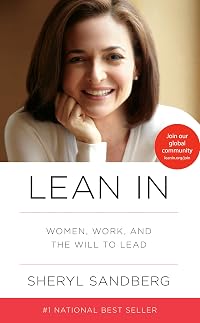
Lean In: Women, Work, and the Will to Lead
by Sheryl Sandberg
On This Page
Description
The #1 international best sellerIn Lean In, Sheryl Sandberg reignited the conversation around women in the workplace.
Sandberg is chief operating officer of Facebook and coauthor of Option B with Adam Grant. In 2010, she gave an electrifying TED talk in which she described how women unintentionally hold themselves back in their careers. Her talk, which has been viewed more than six million times, encouraged women to “sit at the table,” seek challenges, take risks, and pursue their show more goals with gusto.
Lean In continues that conversation, combining personal anecdotes, hard data, and compelling research to change the conversation from what women can’t do to what they can. Sandberg provides practical advice on negotiation techniques, mentorship, and building a satisfying career. She describes specific steps women can take to combine professional achievement with personal fulfillment, and...
. show less
Tags
Recommendations

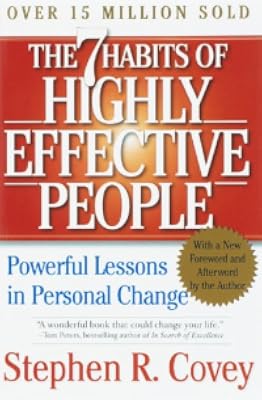
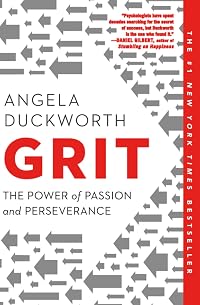
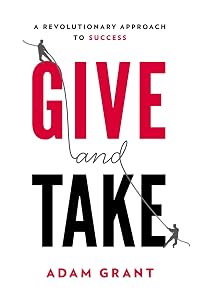
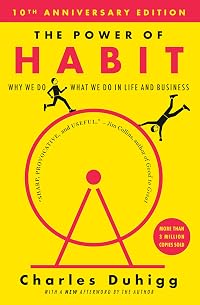
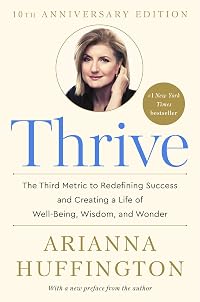

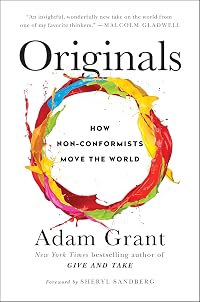
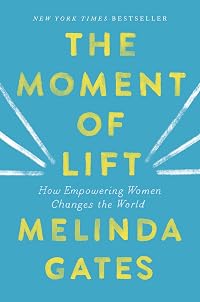
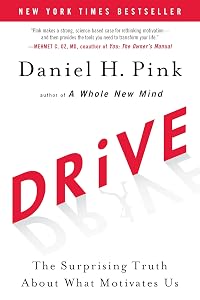
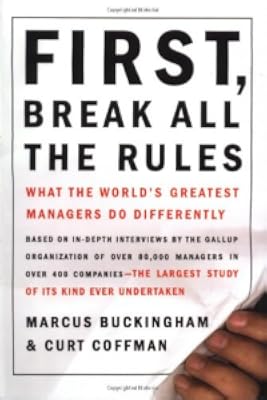
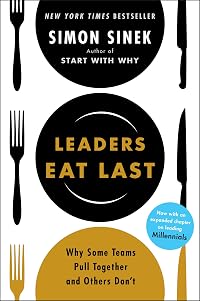
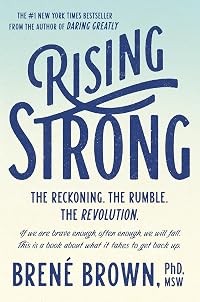

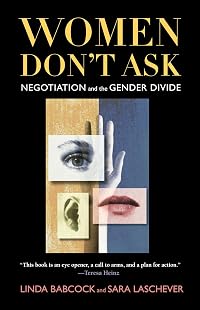

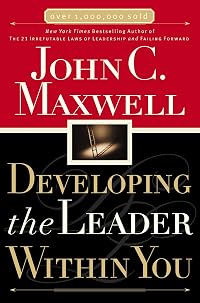
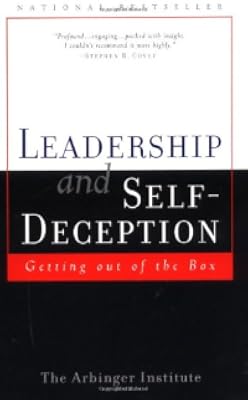
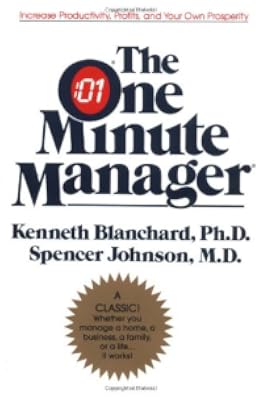
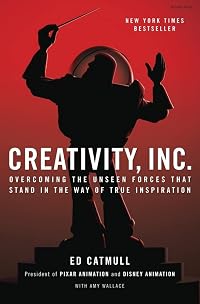


Member Recommendations

ReadHanded Cited often in Lean In.

Member Reviews
Is Lean In the best thing ever for women or an attempt to sabotage their success? It's neither. Lean In is a book with a target audience. That target audience is not all women or even all working women. The target audience is professional women who are financially secure and want to grow in their career. I believe that many parts of the book have value for those outside that narrow target, but those in the target audience will get the most value of it.
Criticizing the book for not applying to all women or not taking on itself the full burden of feminism is unfair. We don't criticize authors for writing for narrow audiences most of the time, but when the topic is about the choices we make as women, it seems we women are often eager to show more tear each other apart rather than stepping back and saying, "This isn't for me, but that's okay."
That said, if you're in the target audience, want to be, or interact with women who are in the target audience, whatever your gender, you should read this book.
I went into this book with some trepidation. Sandberg tends to come on strong, and this is a sensitive topic for many women. I once had an opportunity to talk with Sandberg about my career, and I came away impressed but more than a little intimidated.
The book is more gentle, although still passionate. First and foremost, the book is not about telling women that they must sacrifice their families on the altar of career. Far from it. Rather, Sandberg is saying that if you are a woman who is passionate about your career, it is up to you to lean in and resist the cultural and internal pressures that would cause you to, as she puts it "leave before you leave". The gap in career growth between women and men is larger than can be attributed to the amount of time women with careers spend out of the workforce. Women start refusing opportunities to grow because they worry about what will happen when they do have a family.
The heart, in my opinion, of Sandberg's message, is that you'll deal with that when you get there, and often you'll find that if you push yourself toward growth, especially if it's growth in a career or position you are passionate about, you'll find the energy and resources to make the right decisions for you as your life circumstances change.
Although Lean In does not prescribe life choices, it is targeted toward women who want to grow into leadership positions in their careers. This is not because Sandberg discounts other life choices. This is a group that she personally sees as struggling and whom she feels she can help. Or, to put it another way, Sandberg does not think that those who choose other paths, such as being a stay at home mom, are doing anything wrong. However, she does passionately feel that those who choose to give up on their career and would have preferred to not do so are making a huge mistake.
What makes this book so valuable is that Sandberg acknowledges, both through research and personal experience, that the behaviors that hold women back often come from legitimate concerns. A woman who has both children and a high power career is seen in a negative light; a man in the same position is seen positively. A woman who is successful is perceived as less nice (and vice versa); men can be seen as both nice and successful. Women disproportionately take on the work of both house and child care, even when both parents work.
Sandberg offers tips, some small and some large, for dealing with these issues. For example, she points out that women are perceived negatively if they describe their own accomplishments, but if your accomplishments aren't known, they won't be recognized. One group of women leaders she knows got around this by praising each other -- sincerely, yes, but also intentionally. This allowed them to be seen as both nice (they were praising others) and successful (others were praising them). Note that these tips, small and large, are mean to compliment wider scale societal and legal changes to improve the lot of women, both at home and abroad. Sandberg does not want to imply that change is only up to individual women. However, she does make it clear that she believes individuals have an important role to play in their own success.
One of the more controversial claims that Sandberg made is that if a woman wants to have a successful career, she needs to pick a partner who will support her in that desire. Her partner should be someone who is willing to take on a fair proportion of the burden of home life and willing to make life changes to support the woman's career. This partnership should not be one sided; the woman should be supportive of her partner too, as their life circumstances change. However, the woman's partner needs to have the attitude that the woman's career is important. Sandberg makes the important point that many men want to be more involved with their children, but the same pressures that push women out of careers push men out of the home.
Overall, Lean In is about helping women understand their own role in developing their career. Sandberg does not dictate choices, but she does passionately provide guidance to those who want to sit at the table of leadership. show less
Criticizing the book for not applying to all women or not taking on itself the full burden of feminism is unfair. We don't criticize authors for writing for narrow audiences most of the time, but when the topic is about the choices we make as women, it seems we women are often eager to show more tear each other apart rather than stepping back and saying, "This isn't for me, but that's okay."
That said, if you're in the target audience, want to be, or interact with women who are in the target audience, whatever your gender, you should read this book.
I went into this book with some trepidation. Sandberg tends to come on strong, and this is a sensitive topic for many women. I once had an opportunity to talk with Sandberg about my career, and I came away impressed but more than a little intimidated.
The book is more gentle, although still passionate. First and foremost, the book is not about telling women that they must sacrifice their families on the altar of career. Far from it. Rather, Sandberg is saying that if you are a woman who is passionate about your career, it is up to you to lean in and resist the cultural and internal pressures that would cause you to, as she puts it "leave before you leave". The gap in career growth between women and men is larger than can be attributed to the amount of time women with careers spend out of the workforce. Women start refusing opportunities to grow because they worry about what will happen when they do have a family.
The heart, in my opinion, of Sandberg's message, is that you'll deal with that when you get there, and often you'll find that if you push yourself toward growth, especially if it's growth in a career or position you are passionate about, you'll find the energy and resources to make the right decisions for you as your life circumstances change.
Although Lean In does not prescribe life choices, it is targeted toward women who want to grow into leadership positions in their careers. This is not because Sandberg discounts other life choices. This is a group that she personally sees as struggling and whom she feels she can help. Or, to put it another way, Sandberg does not think that those who choose other paths, such as being a stay at home mom, are doing anything wrong. However, she does passionately feel that those who choose to give up on their career and would have preferred to not do so are making a huge mistake.
What makes this book so valuable is that Sandberg acknowledges, both through research and personal experience, that the behaviors that hold women back often come from legitimate concerns. A woman who has both children and a high power career is seen in a negative light; a man in the same position is seen positively. A woman who is successful is perceived as less nice (and vice versa); men can be seen as both nice and successful. Women disproportionately take on the work of both house and child care, even when both parents work.
Sandberg offers tips, some small and some large, for dealing with these issues. For example, she points out that women are perceived negatively if they describe their own accomplishments, but if your accomplishments aren't known, they won't be recognized. One group of women leaders she knows got around this by praising each other -- sincerely, yes, but also intentionally. This allowed them to be seen as both nice (they were praising others) and successful (others were praising them). Note that these tips, small and large, are mean to compliment wider scale societal and legal changes to improve the lot of women, both at home and abroad. Sandberg does not want to imply that change is only up to individual women. However, she does make it clear that she believes individuals have an important role to play in their own success.
One of the more controversial claims that Sandberg made is that if a woman wants to have a successful career, she needs to pick a partner who will support her in that desire. Her partner should be someone who is willing to take on a fair proportion of the burden of home life and willing to make life changes to support the woman's career. This partnership should not be one sided; the woman should be supportive of her partner too, as their life circumstances change. However, the woman's partner needs to have the attitude that the woman's career is important. Sandberg makes the important point that many men want to be more involved with their children, but the same pressures that push women out of careers push men out of the home.
Overall, Lean In is about helping women understand their own role in developing their career. Sandberg does not dictate choices, but she does passionately provide guidance to those who want to sit at the table of leadership. show less
It’s not often I agree completely with the hyperbole found in book cover blurbs, but Lean In is in fact both “an inspiring call to action and a blueprint for individual growth.” After getting in on the ground floor of Google and working as the chief operating officer at Facebook, Sheryl Sandberg has plenty of experience as a working a woman. She’s seen firsthand the challenges women face in the workplace, including the way women sometimes hold themselves back. This book includes some great advice for helping women overcome their own fears and others’ steretypes to become stronger participants and potential leaders in the workplace.
This book had all the hallmarks of a great self-help book. As I’ve said before, to me that show more means solid research which teaches you something interesting and leads to actionable advice, all spiced up with some interesting personal stories. Lean In nailed it on all counts. Sheryl makes a very strong argument for why it’s better for everyone if more women become leaders. Even if you personally don’t want a high-powered career, it’s nice to have someone at the top who will think about things like pregnancy parking. Companies with women leaders are more successful and people are happier working in diverse teams. She presents a ton of studies showing the stereotypes women have to overcome to be successful and she also does an incredible job giving practical advice for dealing with stereotypes without perpetuating them.
Given the focus of the book, Sheryl talks most about areas where women are more likely to be weak in the workplace, but a lot of her advice seemed to me like it would be useful to anyone. She also includes suggestions that nearly anyone can implement, whether you are currently a leader or in a more junior position, male or female, business woman or academic. I enjoyed reading this book so much! I gained a lot of insight into myself and a lot of helpful suggestions for ways I can personally do more to push myself at work. This is one of the few books I’ve read that makes me want to just buy everyone I know a copy, because I truly think the world woudl be a better place if we were all aware of the insidiousness of stereotyping. For instance, did you know that women who negotiate for a higher salary are more likely to be disliked as a result than a man who does the same? Or that men are more likely to raise their hand in class? Or that women perform more poorly on math tests if they have to fill in their gender before doing the test? Because I think everyone knowing is an important first step in changing things. So, read this book. Then give it a to a friend.
This review first published on Doing Dewey. show less
This book had all the hallmarks of a great self-help book. As I’ve said before, to me that show more means solid research which teaches you something interesting and leads to actionable advice, all spiced up with some interesting personal stories. Lean In nailed it on all counts. Sheryl makes a very strong argument for why it’s better for everyone if more women become leaders. Even if you personally don’t want a high-powered career, it’s nice to have someone at the top who will think about things like pregnancy parking. Companies with women leaders are more successful and people are happier working in diverse teams. She presents a ton of studies showing the stereotypes women have to overcome to be successful and she also does an incredible job giving practical advice for dealing with stereotypes without perpetuating them.
Given the focus of the book, Sheryl talks most about areas where women are more likely to be weak in the workplace, but a lot of her advice seemed to me like it would be useful to anyone. She also includes suggestions that nearly anyone can implement, whether you are currently a leader or in a more junior position, male or female, business woman or academic. I enjoyed reading this book so much! I gained a lot of insight into myself and a lot of helpful suggestions for ways I can personally do more to push myself at work. This is one of the few books I’ve read that makes me want to just buy everyone I know a copy, because I truly think the world woudl be a better place if we were all aware of the insidiousness of stereotyping. For instance, did you know that women who negotiate for a higher salary are more likely to be disliked as a result than a man who does the same? Or that men are more likely to raise their hand in class? Or that women perform more poorly on math tests if they have to fill in their gender before doing the test? Because I think everyone knowing is an important first step in changing things. So, read this book. Then give it a to a friend.
This review first published on Doing Dewey. show less
Two summers ago, I remember my sisters raving about how amazing this book was. I decided I needed to see what all the hype was about. I would call this book my "feminist awakening". The author Sheryl Sandberg is the COO of Facebook and showed me that the big business leaders do not always need to men. She explains the inequalities in perceived intellect based on gender perfectly. This book opened my eyes to the inequalities that exist in the work force and in the world in general. I acquired valuable lessons from Lean In that I utilize currently and will continue to utilize as I break into the business world in the future. Safe to say this book is my feminist Bible. Sandberg writes extensively about the barriers women still face in the show more workplace, including “blatant and subtle sexism, discrimination and sexual harassment". She points out that men still run the world. Sandberg provides plenty of statistics to support this fact. For example, “Of 197 heads of state, only 22 are women.” Another fact: Of the top 500 companies by revenues, only 21 are headed by women. In politics, women hold just 18% of congressional offices. I think there is something for everyone in this book despite age, gender or social standing. In times of need I often find myself thinking "What would Sheryl do?" show less
This is a very interesting and thoughtful look at the present status of women's leadership in corporate and political America and beyond. Sandberg shows that there is still much work to be done to place men and women on equal footing in business and in the home. Despite our best intentions we still think in stereotypes; that women are sacrificing their children's happiness to get ahead in business, that men are allowed to concentrate on their rise to leadership roles without thinking about their families because that is their natural role. Especially telling was the reaction that a stay-at-home father received when he devoted himself to the home and children as well as the isolation that he experienced in that role.
Throughout the book, show more I found myself agreeing with the statements of how we all treat men and women differently as well as judging them by different standards. This book points out how insidious this is. It will take a long time to alter this mind set but we will all be happier in the end if we achieve equality, Sandberg has sited studies that prove it. show less
Throughout the book, show more I found myself agreeing with the statements of how we all treat men and women differently as well as judging them by different standards. This book points out how insidious this is. It will take a long time to alter this mind set but we will all be happier in the end if we achieve equality, Sandberg has sited studies that prove it. show less
I thought this book was beneath me: I could give an hour lecture on the problems facing the women's right movement today; this book was for women who didn't even know that they're feminists.
For years, as a woman doctor, I shied away from Women in Medicine groups, because having been a female computer scientist and facing the very overt sexism that occurs in the C.S. world, I thought that there was nothing to complain about in medicine. But the further I got in medicine, especially once I had my daughter, I realize all of the subtle ways that its there: the encouragement to leave before you leave; the lack of high-powered female mentors, and the overall relative dearth of women in leadership and highly academic positions. So I joined a show more national committee on women in medicine and science and at the same time I read this book.
And it's amazing. Sheryl Sandberg gives easy language for the problems I know we face: "sit at the table" for the confidence issues that professional women have; "lean in" and "don't leave before you leave" for the self-selection that occurs. She talks about the seductive message the feminism's work is done that leads to increasing amounts of this subversive sexism (which is the temporal equivalent of the same illusion I fell under switch from C.S. to medicine.) She addresses the hard issues: the linguist quirks that make women seem less confident and the social norms that prevent women from being assertive, both of which put women into a damned if you do/damned if you don't position.
But this is not just a book on contextualization. Sandberg gives concrete advice to women that is useful for women in all fields. She focuses on helping women become top business officers, but its helpful advice to anyone. And she does this without ignoring the importance of being a parent for women who want to parent -- and I think this part gets lost among the rhetoric for a lot of people. One of my close friends hates this book, because she says that Sandberg doesn't believe in the importance of mothering, but that's not a correct assertion. Sandberg spends many pages talking about how she decided to take from 5:30-bedtime off from work (offline, off everything) almost all nights because that's what's right for her family. She talks about a woman who joined the Biden administration but on the condition that she goes home for dinner every single night. This is advice on how to set your priorities and then make them happen -- dropping the hysteria that comes from assuming that in order to be successful, you have to make sacrifices on someone else's terms.
Sandberg makes it clear that you can't "have it all," but you can choose what you get to have, and I think that's the best message possible. show less
For years, as a woman doctor, I shied away from Women in Medicine groups, because having been a female computer scientist and facing the very overt sexism that occurs in the C.S. world, I thought that there was nothing to complain about in medicine. But the further I got in medicine, especially once I had my daughter, I realize all of the subtle ways that its there: the encouragement to leave before you leave; the lack of high-powered female mentors, and the overall relative dearth of women in leadership and highly academic positions. So I joined a show more national committee on women in medicine and science and at the same time I read this book.
And it's amazing. Sheryl Sandberg gives easy language for the problems I know we face: "sit at the table" for the confidence issues that professional women have; "lean in" and "don't leave before you leave" for the self-selection that occurs. She talks about the seductive message the feminism's work is done that leads to increasing amounts of this subversive sexism (which is the temporal equivalent of the same illusion I fell under switch from C.S. to medicine.) She addresses the hard issues: the linguist quirks that make women seem less confident and the social norms that prevent women from being assertive, both of which put women into a damned if you do/damned if you don't position.
But this is not just a book on contextualization. Sandberg gives concrete advice to women that is useful for women in all fields. She focuses on helping women become top business officers, but its helpful advice to anyone. And she does this without ignoring the importance of being a parent for women who want to parent -- and I think this part gets lost among the rhetoric for a lot of people. One of my close friends hates this book, because she says that Sandberg doesn't believe in the importance of mothering, but that's not a correct assertion. Sandberg spends many pages talking about how she decided to take from 5:30-bedtime off from work (offline, off everything) almost all nights because that's what's right for her family. She talks about a woman who joined the Biden administration but on the condition that she goes home for dinner every single night. This is advice on how to set your priorities and then make them happen -- dropping the hysteria that comes from assuming that in order to be successful, you have to make sacrifices on someone else's terms.
Sandberg makes it clear that you can't "have it all," but you can choose what you get to have, and I think that's the best message possible. show less
I just want to say to the people complaining that this woman is writing from a place of privilege - Shut Up. No seriously, shut up. She's writing this because she is calling others to join her there, so yeah, she has a nanny, money, and opportunities. That is the entire point. She wants you to join her there, asap. You'll have to excuse her for having the things you don't, and wishing that you would get up there with her already so you could have them if you wanted as well.
Now that I've said that, this is a great book for anyone trying to figure out how to keep their head up in a world where men walk around with true privilege and are absolutely blind to this fact. With that in mind it can be a reading for anyone who is a minority in show more their field. While I have no desire to be a CEO, I am struggling to find what a/ I want to do in the world and b/ what opportunities are actually open to me. This book inspired me to remember that I am capable of a lot more than what I think. It's relatively short as well which means I can go back to read it when I need a pick me up and it also avoids a lot of the "let me repeat the same thing ad nauseum so you think you bought a bigger book". show less
Now that I've said that, this is a great book for anyone trying to figure out how to keep their head up in a world where men walk around with true privilege and are absolutely blind to this fact. With that in mind it can be a reading for anyone who is a minority in show more their field. While I have no desire to be a CEO, I am struggling to find what a/ I want to do in the world and b/ what opportunities are actually open to me. This book inspired me to remember that I am capable of a lot more than what I think. It's relatively short as well which means I can go back to read it when I need a pick me up and it also avoids a lot of the "let me repeat the same thing ad nauseum so you think you bought a bigger book". show less
Lean In by Sheryl Sandberg is a thought provoking exploration of women's ongoing struggle for equality. Sandberg doesn't shy away from the things people think but often don't say out loud or if they do only whisper in guarded situations with trusted friends. Lean In addresses the idea of leadership and women taking a more active role in leading. Sandberg addresses the dynamics between men and women in the workplace and at home. She discusses how we all limit ourselves and one another. Lean In made me want to lean in to my own life and my own goals. Her words made me think about how I live my life and whether or not I'm setting an example that encourages those around me to lean in, to sit at the table", and to embrace their power. And, show more conversely, to think about every time I've leaned back, denied my right to a place at the table, or suppressed my power. Men and women alike will benefit from reading Lean In because Sandberg discusses ways in which both men and women can improve the work environment and the home environment. She brings examples from her personal life into the story with ease to clarify her points and to humanize the experience. Even with the personal stories Sandberg includes, Lean In doesn't read like a memoir due to the numerous studies and the research she references. Lean In is the beginning, or perhaps the renewal, of a conversation that needs to take place in boardrooms, in classrooms, in homes, and in every day life. show less
Members
- Recently Added By
Lists

Top Five Books of 2013
1,562 works; 721 members

Best Feminist Literature
188 works; 26 members

Recommend the 20 best books you've read in the last five years
2,168 works; 602 members

KayStJ's to-read list
1,616 works; 11 members

Mind Expanding Books by hackerkid
581 works; 8 members

If Books Could Kill Podcast
52 works; 1 member
Author Information

9+ Works 4,751 Members
Sheryl Sandberg was born in 1969 in Washington, D.C. Sandberg enrolled at Harvard College and in 1991, graduated summa cum laude with an A.B. in Economics and was awarded the John H. Williams Prize for the top graduating student in economics. She attended Harvard Business School and in 1995 she earned her M.B.A. with highest distinction. After show more business school, she worked as a management consultant for McKinsey & Company. From 1996 to 2001, Sandberg served as Chief of Staff to then United States Secretary of the Treasury, Larry Summers, under President Bill Clinton where she helped lead the Treasury¿s work on forgiving debt in the developing world during the Asian financial crisis. She joined Google Inc. in 2001 and served as its Vice President of Global Online Sales & Operations until March 2008. At that time, Facebook announced that Sheryl Sandberg would be hired as the company's COO. In 2011, Sandberg was ranked #5 on "the world's 100 most powerful women" by Forbes magazine. She was named as one of the top 100 influential people in the world by Time magazine in 2012. In March 2013, Sandberg released her first book, Lean In: Women, Work, and the Will to Lead, which deals with business leadership and development, issues with the lack of females in government and business leadership positions, and feminism in general. Sandberg is also on the boards of The Walt Disney Company, Women for Women International, and the Center for Global Development and V-Day. She was previously a board member of Starbucks, the Brookings Institution and Ad Council. Her title's Lean In: Women, Work, and the Will to Lead and Option B: Facing Adversity, Building Resilience and Finding Joy made The New York Times Best Seller List. (Bowker Author Biography) show less
All Editions
Some Editions
Awards and Honors
Awards
Distinctions
Notable Lists
Series
Belongs to Publisher Series
Work Relationships
Common Knowledge
- Original publication date
- 2013-03-11
- Dedication
- TO MY PARENTS for raising me to believe that anything is possible AND TO MY HUSBAND for making everything possible
- First words
- I got pregnant with my first child in the summer of 2004.
- Quotations
- I wish I were strong enough to ignore what others say, but experience tells me I often can't. Allowing myself to feel upset, even really upset, and then move on - that's something I can do.
One of the things he (Mark) told me was that my desire to be liked by everyone would hold me back. He said that when you want to change things, you can't please everyone. If you do please everyone, you aren't making enough pr... (show all)ogress. Mark was right. - Last words
- (Click to show. Warning: May contain spoilers.)You can also create and join Lean In Circles, small peer groups that meet in person for ongoing encouragement and development.
- Blurbers
- Rice, Condoleezza; Collins, Jim; Kopp, Wendy; Zuckerberg, Mark; Immelt, Jeff; Keys, Alicia (show all 8); Branson, Richard; Clinton, Chelsea
Classifications
- Genres
- Business, General Nonfiction, Sexuality and Gender Studies, Nonfiction, Biography & Memoir
- DDC/MDS
- 658.4 — Applied science & technology Management & public relations General management Executive
- LCC
- HD6054.3 .S265 — Social sciences Industries. Land use. Labor Industries. Land use. Labor Labor. Work. Working class Classes of labor
- BISAC
Statistics
- Members
- 3,353
- Popularity
- 5,043
- Reviews
- 128
- Rating
- (3.72)
- Languages
- 12 — Chinese, Dutch, English, Finnish, French, German, Italian, Japanese, Lithuanian, Portuguese, Spanish, Swedish
- Media
- Paper, Audiobook, Ebook
- ISBNs
- 34
- UPCs
- 1
- ASINs
- 11