On This Page
Description
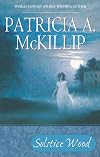
The death of her beloved grandfather forces bookstore owner Sylvia Lynn to return to her childhood home in upstate New York to confront the grandmother who had raised her and the nearby woods that had both enticed and terrified her.Tags
Recommendations

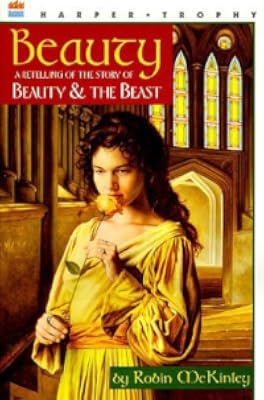
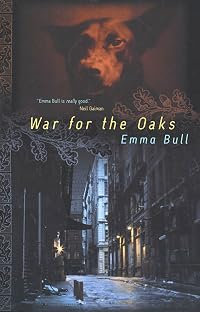
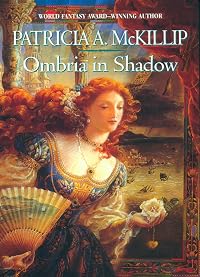
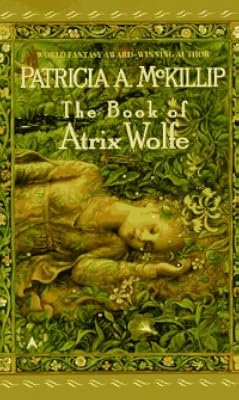




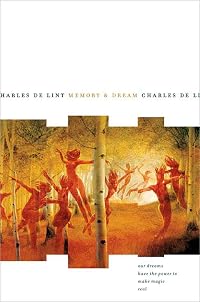
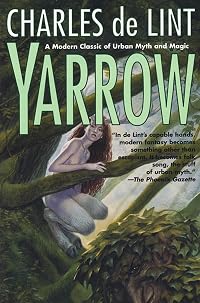
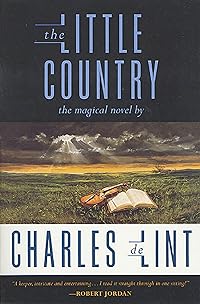
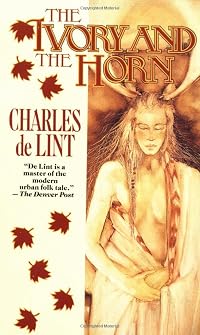
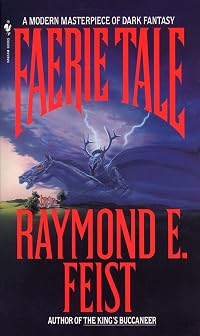
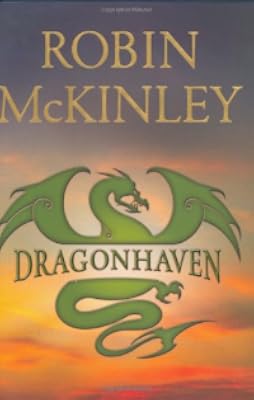
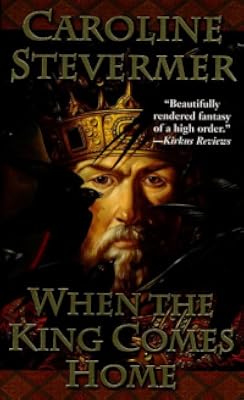
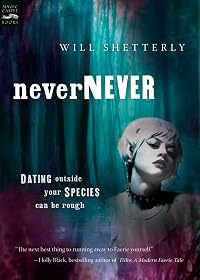
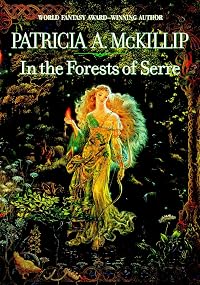

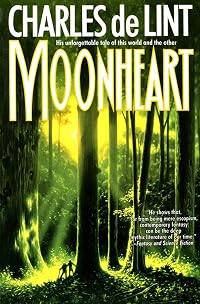

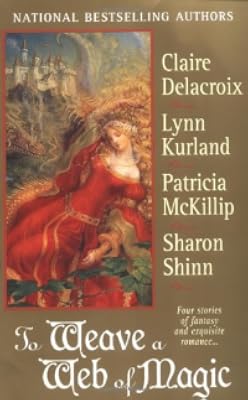
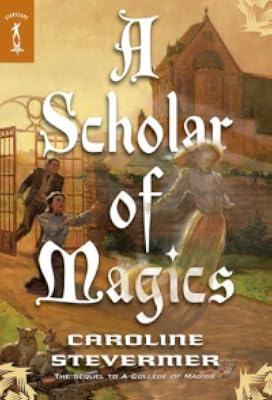
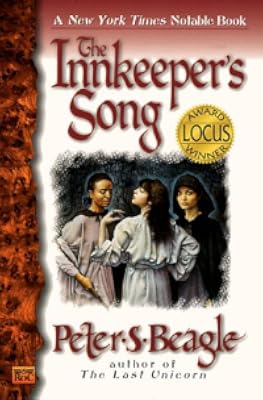
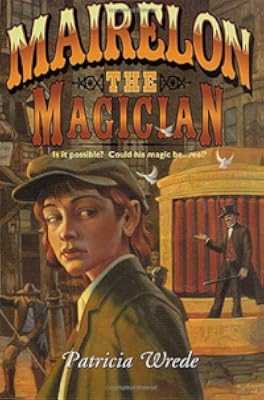

Member Recommendations
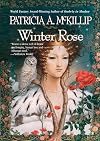
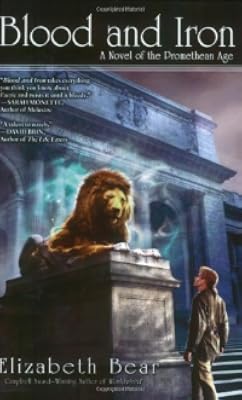
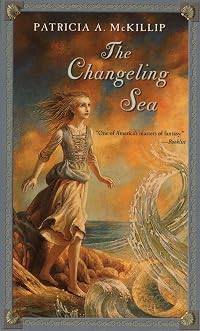
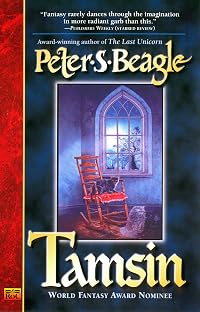
ncgraham Solstice Wood is the modern-day sequel to Winter Rose.
20
by craso

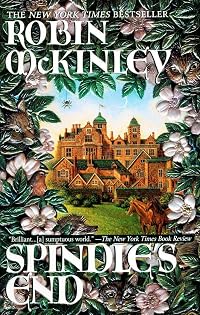
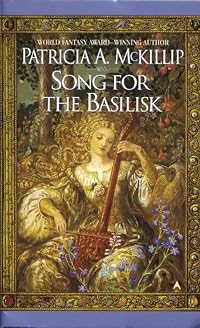
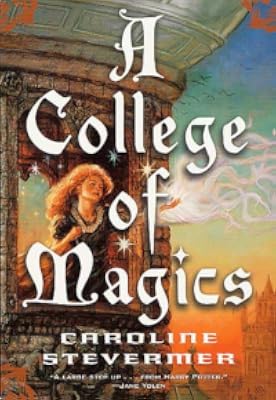
bmlg a strange homecoming, families with dangerous secrets and fantastic powers.
21
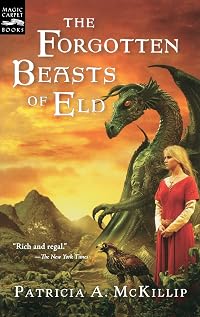
Marissa_Doyle Though intended for a younger audience, it shares the house associated with openings to Faery trope.
Member Reviews
Sylvia practically ran from her home in rural New York, where she had been raised by her grandparents, the first chance she got, never looking back and always with an excuse as to why she couldn't return. The time for running is over now. Her grandfather has died, and Sylvia has no choice but to return to Lynn Hall, and to the searching eyes of her grandmother. Lynn Hall hides many mysteries, her grandmother keeper of them. Sylvia keeps her own secrets though, holding the answer to a mystery her whole village has been trying to answer since she was born. But now she must face not only the secrets that she and her grandmother hide, but also the dangers lurking in the woods behind Lynn Hall. The dangers that first compelled her to flee to show more her city of concrete on the other side of the country rather than face them for another day.
Patricia McKillip writes with a beautiful, lyrical quality. Her words have a haunting tone, almost poetic, filled with depth and emotion. She doesn't just write, she paints a picture in prose. I haven't been able to get one such sentence out of my mind. "Then I heard Owen's sonorous voice, quoting Tennyson - From the great deep, to the great deep he goes - and I wanted to wail like a winter wind and sit by myself in a blizzard until I was covered with snow and no one could find me again." The words are filled with such raw emotion, that I couldn't help but feel them, experience them myself. I wish I could better express how highly I think of her ability to compose words into something greater than a simple story. It's entirely understandable why she has won several awards, including the 1997 Mythopoeic Award for this novel.
Beyond her impressive skill at setting pen to paper, McKillip has created a very enjoyable modern day fairy tale. I'm always fascinated by any fairy tale, be it old or new. I'm particularly impressed that she took a more traditionalist approach to it. McKillip's fairies aren't the cute little creatures with wings like Disney's Tinkerbell. Instead she has drawn upon history, sketching us a portrait of them that ancient people would recognize. One in which faires are dark and dangerous creatures who are for more likely to lure a child into the woods and replace them with a changeling than sprinkle you with pixie dust so that you can follow the second star on the right.
This wasn't an overly long novel at 277 pages. Normally when I read novels of this length, I find myself wanting more. I admit that I'm a sucker for long novels, wordy and descriptive. This time I have to say I don't feel shortchanged at all. The length was perfect. The writing beautiful. The story enchanting. I can't ask for much more than that. show less
Patricia McKillip writes with a beautiful, lyrical quality. Her words have a haunting tone, almost poetic, filled with depth and emotion. She doesn't just write, she paints a picture in prose. I haven't been able to get one such sentence out of my mind. "Then I heard Owen's sonorous voice, quoting Tennyson - From the great deep, to the great deep he goes - and I wanted to wail like a winter wind and sit by myself in a blizzard until I was covered with snow and no one could find me again." The words are filled with such raw emotion, that I couldn't help but feel them, experience them myself. I wish I could better express how highly I think of her ability to compose words into something greater than a simple story. It's entirely understandable why she has won several awards, including the 1997 Mythopoeic Award for this novel.
Beyond her impressive skill at setting pen to paper, McKillip has created a very enjoyable modern day fairy tale. I'm always fascinated by any fairy tale, be it old or new. I'm particularly impressed that she took a more traditionalist approach to it. McKillip's fairies aren't the cute little creatures with wings like Disney's Tinkerbell. Instead she has drawn upon history, sketching us a portrait of them that ancient people would recognize. One in which faires are dark and dangerous creatures who are for more likely to lure a child into the woods and replace them with a changeling than sprinkle you with pixie dust so that you can follow the second star on the right.
This wasn't an overly long novel at 277 pages. Normally when I read novels of this length, I find myself wanting more. I admit that I'm a sucker for long novels, wordy and descriptive. This time I have to say I don't feel shortchanged at all. The length was perfect. The writing beautiful. The story enchanting. I can't ask for much more than that. show less
What a beautiful, lovely book. Solstice Wood is a wonderful blend of the mundane and the mystical, all tied up through misunderstanding.
Two worlds collided badly in McKillip's Winter Rose and in this book, generations later the reverberrations of that are still present. After Rois Melior won Corbett Lynn back from the queen of the winter wood, spells and guardians were put in place to keep the wood folk away and contained.
If you follow tradition and the path set down by your forebears, is there ever room to re-evaluate the situation and see if perhaps, it is time for tradition to change.
This, really, is the crux of Solstice Wood. It is beautifully told through differing first person point of view characters. This manner of writing seems show more odd to me at first, until I realised that all of them had a different view on the same truth and only together could the full story be told and understood.
McKillip's lyrical writing still shines, but in this modern world tale, it is tempered with the everyday, and I think this probably makes Solstice Wood more accessible to the causal reader. I love the way she writes - I always imagined I would like to "write like Patricia McKillip, but less obscure" and that's how this book feels. It's still weaves magic with words, but I feel much more like I understood the story than I sometimes do at the end of one of her books.
This book makes a much deeper, emotional sense if you've read Winter Rose, but it still works alone. All the same, I'd say read both. Why miss out on another good story. show less
Two worlds collided badly in McKillip's Winter Rose and in this book, generations later the reverberrations of that are still present. After Rois Melior won Corbett Lynn back from the queen of the winter wood, spells and guardians were put in place to keep the wood folk away and contained.
If you follow tradition and the path set down by your forebears, is there ever room to re-evaluate the situation and see if perhaps, it is time for tradition to change.
This, really, is the crux of Solstice Wood. It is beautifully told through differing first person point of view characters. This manner of writing seems show more odd to me at first, until I realised that all of them had a different view on the same truth and only together could the full story be told and understood.
McKillip's lyrical writing still shines, but in this modern world tale, it is tempered with the everyday, and I think this probably makes Solstice Wood more accessible to the causal reader. I love the way she writes - I always imagined I would like to "write like Patricia McKillip, but less obscure" and that's how this book feels. It's still weaves magic with words, but I feel much more like I understood the story than I sometimes do at the end of one of her books.
This book makes a much deeper, emotional sense if you've read Winter Rose, but it still works alone. All the same, I'd say read both. Why miss out on another good story. show less
A slight story of returns and opening doors long barred. More mood than plot, more sinking than swimming.
Solstice Wood follows Winter Rose, set several generations in the future, with the main character being a distant descendant of Rois, who was the main character in Winter Rose. This book almost has the same feel as the first–very much set in nature and has a dreamy, misty sort of atmosphere to it; however, because it’s grounded in present-day I think that it’s a lot easier to buy into right from the beginning than the first one is. Sylvia comes home to go to her grandfather’s funeral and re-discovers the place where she grows up, a place that is haunted by stories of fae and magic and half fae-children.
It’s a story about self-discovery and identity, especially our identity in relation to our ancestors. Sylvia knows that show more she’s half fae–half of the very type of being that her grandmother tries so hard to protect the town from, and has a hard time with it, because she doesn’t want to cause a disturbance, but has a hard time being comfortable in her grandmother’s home because of it. What Sylvia doesn’t realize is that the town has a lot of other secrets; a guild her grandmother runs that knits and crotchets and sews magic into the town to try to keep the fae out; other people who are just as fae as Sylvia; and those who are in love with fae people and who find ways around the boundaries that are sewn into the town.
It’s an enjoyable book, a bit slow-paced, but a really nice story overall. We get the perspectives of Sylvia, Sylvia’s grandmother, and Sylvia’s cousin. Watching how their stories intertwine into something bigger is a joy to read. I also like how many parallels there are to the first book without being repetitive or redundant. I really like McKillip’s take on the world of fae and how they work/think, and I love how Rois’s experience has completely colored everything the town thinks and believes about the fae. It’s a nice lesson on how one incidence can change an entire town for generations in terms of their beliefs and attitudes.
Because I appreciated it so much in relation to the first one, I’m not sure how enjoyable it would be without reading the first book. While I think the story itself stands on its own, the characters’ journey depends so much on the understanding of Rois’s experiences that I’m not sure how well it would translate.
I enjoyed this book a lot, but like the first one, I don’t think it’s for everyone. It’s a slow and quiet story. If you like fae stories, you would probably enjoy this.
Also posted on Purple People Readers. show less
It’s a story about self-discovery and identity, especially our identity in relation to our ancestors. Sylvia knows that show more she’s half fae–half of the very type of being that her grandmother tries so hard to protect the town from, and has a hard time with it, because she doesn’t want to cause a disturbance, but has a hard time being comfortable in her grandmother’s home because of it. What Sylvia doesn’t realize is that the town has a lot of other secrets; a guild her grandmother runs that knits and crotchets and sews magic into the town to try to keep the fae out; other people who are just as fae as Sylvia; and those who are in love with fae people and who find ways around the boundaries that are sewn into the town.
It’s an enjoyable book, a bit slow-paced, but a really nice story overall. We get the perspectives of Sylvia, Sylvia’s grandmother, and Sylvia’s cousin. Watching how their stories intertwine into something bigger is a joy to read. I also like how many parallels there are to the first book without being repetitive or redundant. I really like McKillip’s take on the world of fae and how they work/think, and I love how Rois’s experience has completely colored everything the town thinks and believes about the fae. It’s a nice lesson on how one incidence can change an entire town for generations in terms of their beliefs and attitudes.
Because I appreciated it so much in relation to the first one, I’m not sure how enjoyable it would be without reading the first book. While I think the story itself stands on its own, the characters’ journey depends so much on the understanding of Rois’s experiences that I’m not sure how well it would translate.
I enjoyed this book a lot, but like the first one, I don’t think it’s for everyone. It’s a slow and quiet story. If you like fae stories, you would probably enjoy this.
Also posted on Purple People Readers. show less
Here's my review from June 2007:
"Bookshop owner Sylvia returns to the family home she's avoided since she was a teen. Confronted with her loving family once more, Sylvia begins to realize that her grandmother is much more than she seems--and that the local sewing circle is far more powerful than she ever dreamed. Their stitches protect the human world from encroachment by the faery world. But when Sylvia's cousin is kidnapped by the fey, she is forced to confront her own prejudices. This is a much more grounded book than McKillip's recent work, which I liked."
I rated it four stars at the time, but now I've reread it in 2014 and feel the need to knock my rating down. I didn't realize this was a reread until I got 200 pages in, when it show more started to feel faintly familiar. I've probably read over a thousand books since I last read this, but it's still not a good sign that I didn't remember pretty much anything from it. The characters each have distinctive hair colors, from ivory to flame to gold, but somehow their POV chapters all blend together. Which is not to say I liked nothing; McKillip has a way with words:Tyler's own darkest feelings are his best protection against the feys' glamors and enticements. And I love the fairy-tale logic Sylvia employs, and the ambiguity of the fairy queen's actions. show less
"Bookshop owner Sylvia returns to the family home she's avoided since she was a teen. Confronted with her loving family once more, Sylvia begins to realize that her grandmother is much more than she seems--and that the local sewing circle is far more powerful than she ever dreamed. Their stitches protect the human world from encroachment by the faery world. But when Sylvia's cousin is kidnapped by the fey, she is forced to confront her own prejudices. This is a much more grounded book than McKillip's recent work, which I liked."
I rated it four stars at the time, but now I've reread it in 2014 and feel the need to knock my rating down. I didn't realize this was a reread until I got 200 pages in, when it show more started to feel faintly familiar. I've probably read over a thousand books since I last read this, but it's still not a good sign that I didn't remember pretty much anything from it. The characters each have distinctive hair colors, from ivory to flame to gold, but somehow their POV chapters all blend together. Which is not to say I liked nothing; McKillip has a way with words:
Everything made me want to cry. But I couldn't; tears wouldn't come out. It was stuck inside me, this nasty, monsterish feeling, of something so uncomfortable I couldn't stand it, but I couldn't get rid of it, either. All I could do was hunker down around it, feeling it grow and grow as memories collected, and feeling myself turn into a troll, something surly and mean and snarling, my dank skin growing burls and warts, hoping nobody would come near me because my voice would flare out of me like a welder's fire.It's a great description of teen angst and grief, and I love that
I realised after I'd finished it that this is a sequel to 'Winter Rose'. I didn't even notice; 'Winter Rose', I'm afraid, is one of McKillip's less memorable books. This one is unusual for her in that it's a contemporary fantasy set in a version of our own world. It's pleasant and has some good ideas, but it's not in any way outstanding. It seems an odd complaint to make but … all her characters are so nice. There's almost no bite to the story at all.
I thought this was absolutely delightful. I was sorry that my copy of Winter Rose wasn't available to reread before I started, but I don't think doing so would have increased my enjoyment of this new story. Although it is a sequel of sorts to Winter Rose, this story is much more grounded in the modern world, with cars and airplanes and mobile phones. I found it a tiny bit jarring for the first page or so, but I quickly became as entranced as ever with Ms. McKillip's writing.
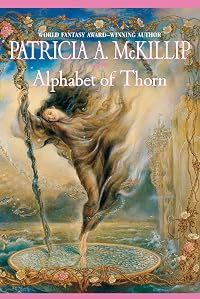
Ms. McKillip's Mythopoeic style, in books such as the Forgotten Beasts of Eld, and Alphabet of Thorn, and her intensely evocative use of language, make her one of my favourite authors. But I did enjoy the more modern/realistic style used in this novel.
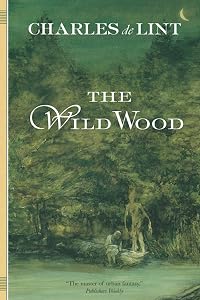
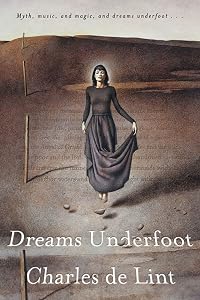
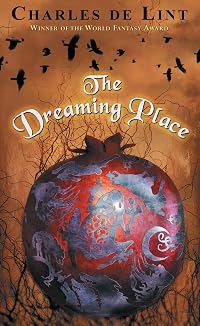
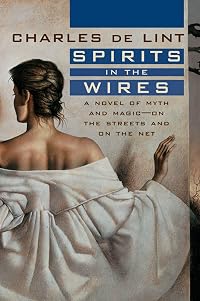
I think it show more would appeal to fans of Charles de Lint. show less
Ms. McKillip's Mythopoeic style, in books such as the Forgotten Beasts of Eld, and Alphabet of Thorn, and her intensely evocative use of language, make her one of my favourite authors. But I did enjoy the more modern/realistic style used in this novel.
I think it show more would appeal to fans of Charles de Lint. show less
Members
- Recently Added By
Lists

Best Urban Fantasy
632 works; 78 members

Rank your favorite Patricia A. McKillip books
26 works; 8 members

Biggest Disappointments
606 works; 163 members

Books With Time Words in the Title
160 works; 4 members
Author Information

77+ Works 29,554 Members
Some Editions
Awards and Honors
Awards
Distinctions
Series

Common Knowledge
- Original publication date
- 2006
- People/Characters
- Sylvia Lynn; Iris Lynn; Tyler; Judith Coyle (Undine); Owen Avery; Dorian Avery (show all 7); Leith Rowan
- Important places
- Lynn Hall
- Epigraph
- And every turn led us here.
Back into these small rooms.
—Winter Rose - Dedication
- For Kate, my other sister
- First words
- Gram called at five in the morning.
- Quotations
- I sent the tears back in a hot wave towards my heart, where love and grief tangled so tightly you couldn’t even separate a single thread to begin to unravel them.
- Last words
- (Click to show. Warning: May contain spoilers.)And so had I.
Classifications
Statistics
- Members
- 780
- Popularity
- 35,790
- Reviews
- 27
- Rating
- (3.79)
- Languages
- English
- Media
- Paper, Ebook
- ISBNs
- 5
- UPCs
- 1
- ASINs
- 5