On This Page
Description
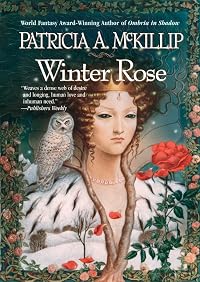
A fantasy novel on a girl who roams the grounds of an abandoned mansion, then meets a young man, come to claim the estate. Together they are drawn into a curse which hangs over the place. By the author of The Cygnet and the Firebird.Tags
Recommendations


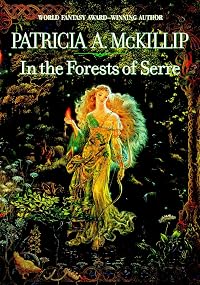
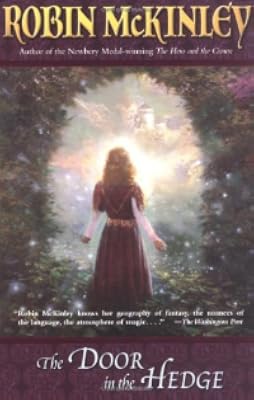
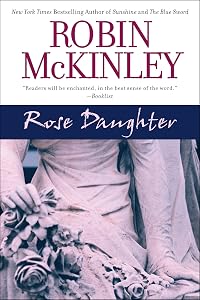
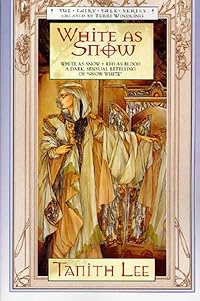
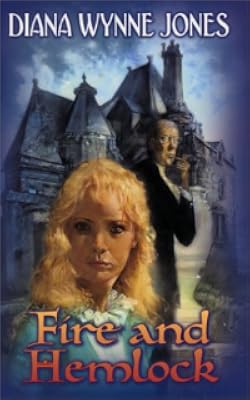
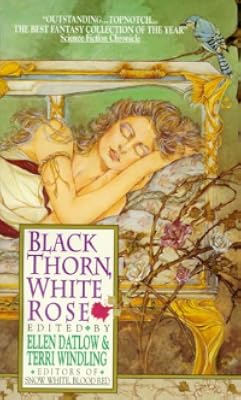
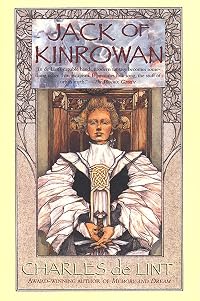
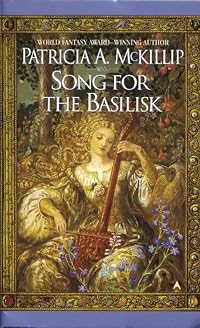
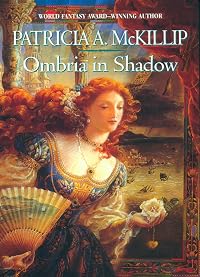
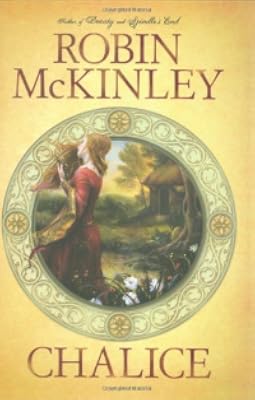
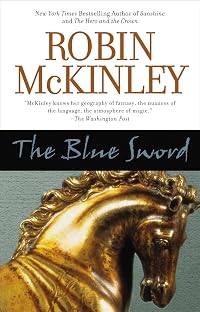
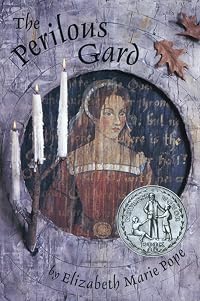

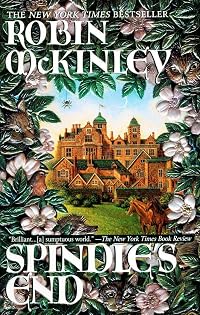
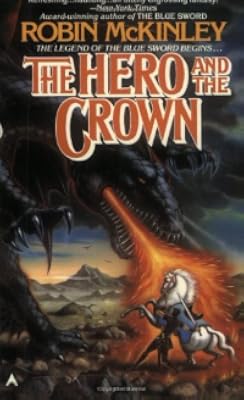
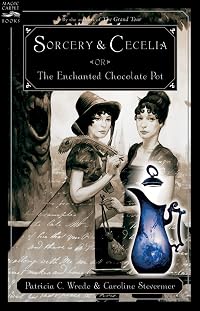
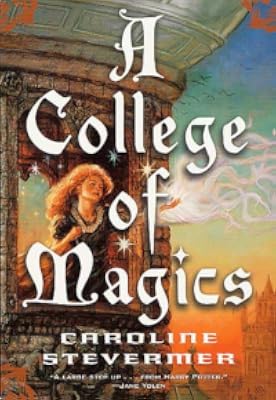

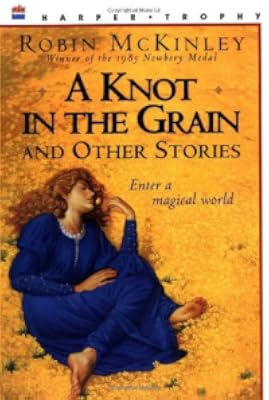
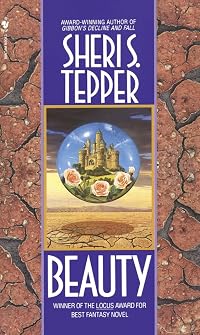
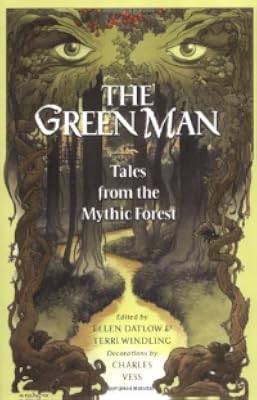
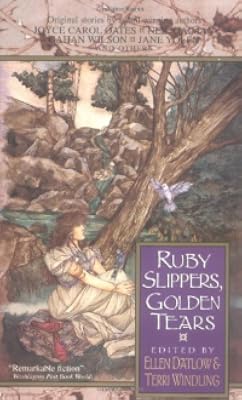
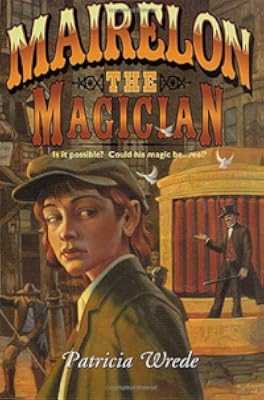
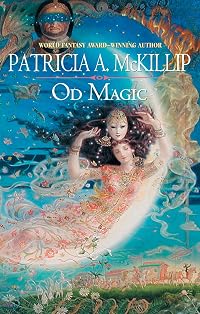

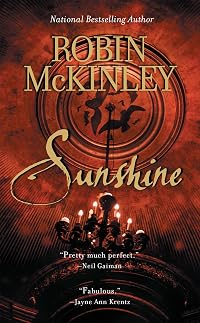
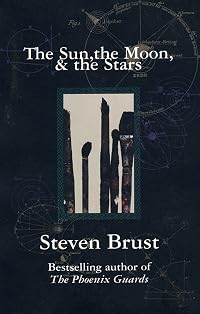
Member Recommendations
Member Reviews
When Corbett Lynn returns to the home of his father and grandfather before him, intent on rebuilding Lynn Hall, he stirs up memories long since locked away. It is said that on the night his grandfather mysteriously died, some say murdered, and his father disappeared, Nial Lynn uttered a powerful curse to chase his descendents through time. Yet no one was there to see the old man die, so how could they know of this curse, or more correctly curses. It seems that for every person who knew Nial and Tearle, there is a different curse. Corbett himself seems unconcerned, focusing on his efforts to reclaim Lynn Hall from the woods. However, he manages to stir up very different feelings in the Melior sisters, the steady Laurel and wild Rois. On show more his frequent visits to their home, he brings with him longing, fear, and mystery; feelings which are only heightened with the arrival of winter.
In typical McKillip fashion, Winter Rose is a fantasy of startling beauty. Every word is perfectly selected, lyrical and charged with emotion, the story vivid in the mind's eye. As beautiful as this novel was, it was also terrifying. This is what I look for when reading fairy tales. This must be exactly what the Grimm's Fairy Tales were like in their original form, and not the Disney stories with their preschool storylines and happy endings we've come to expect. No words could do justice to this novel; all I can do is to urge anyone with even the vaguest interest in what an author who has the ability to turn prose into poetry to read Winter Rose. show less
In typical McKillip fashion, Winter Rose is a fantasy of startling beauty. Every word is perfectly selected, lyrical and charged with emotion, the story vivid in the mind's eye. As beautiful as this novel was, it was also terrifying. This is what I look for when reading fairy tales. This must be exactly what the Grimm's Fairy Tales were like in their original form, and not the Disney stories with their preschool storylines and happy endings we've come to expect. No words could do justice to this novel; all I can do is to urge anyone with even the vaguest interest in what an author who has the ability to turn prose into poetry to read Winter Rose. show less
Reading Winter Rose felt like being trapped inside a strange and beautiful dream. The only writer I can think of that really reminds me of Patricia McKillip’s writing here is Scottish fairy tale author George MacDonald. I'm thinking specifically of Phantastes, where you barely know what's going on, but it's really beautiful and it's giving you feelings galore while you read it, so it's ultimately worth the sense of confusion. Winter Rose does have more of a plot structure than Phantastes, but it relies heavily on feelings, sensations and atmosphere.
The story takes place in a fairy tale setting and revolves around two sisters with contrasting personalities. One sister, Rois, is intuitive and able to see what lies beyond our world, and show more the other sister, Laurel, is a practical character who focuses primarily on reality. Although the story is told to us exclusively from the intuitive sister’s 1st person perspective, McKillip doesn't present either sister's way of seeing the world as inherently superior to the other, something I really appreciated!
If you're a more practical person and genuinely enjoy the feeling of having your feet firmly planted in the comfort of reality, like Laurel, the style of this book probably won't be your cup of tea. If you're an intuitive person with your head in the clouds who loves to feel all the feelings, like Rois, you'll want to live inside this book! If you hover somewhere in the space between those two types of people (like I do), it's a toss up as to whether it'll work for you or not. It worked out in my favor - I ended up loving it! 5 out of 5 stars, all time favorite book! show less
The story takes place in a fairy tale setting and revolves around two sisters with contrasting personalities. One sister, Rois, is intuitive and able to see what lies beyond our world, and show more the other sister, Laurel, is a practical character who focuses primarily on reality. Although the story is told to us exclusively from the intuitive sister’s 1st person perspective, McKillip doesn't present either sister's way of seeing the world as inherently superior to the other, something I really appreciated!
If you're a more practical person and genuinely enjoy the feeling of having your feet firmly planted in the comfort of reality, like Laurel, the style of this book probably won't be your cup of tea. If you're an intuitive person with your head in the clouds who loves to feel all the feelings, like Rois, you'll want to live inside this book! If you hover somewhere in the space between those two types of people (like I do), it's a toss up as to whether it'll work for you or not. It worked out in my favor - I ended up loving it! 5 out of 5 stars, all time favorite book! show less
They said later that he rode into the village on a horse the color of buttermilk, but I saw him walk out of the wood. I was kneeling at the well; I had just lifted water to my lips. The well was one of the wood's secrets: a deep spring as clear as light, hidden under an overhang of dark stones down which the brier rose's fall, white as snow, red as blood, all summer long. The vines hide the water unless you know to look. I found it one hot afternoon when I stopped to smell the rose's. Beneath their sweet scent lay something shadowy, mysterious: the smell of earth, water, wet stone. I moved the cascading briers and looked down at my own reflection. Corbet, he called himself to the villagers. But I saw him before he had any name at all.
A retelling of the popular ballad Tam Lin, Winter Rose uses lyrical language to distract from the mundane mystery central to its plot.
The scenes in which Rois works her way through the village elders' recollections were the most slow-going. These repetitious conversations read more like info dumps than authentic curiosity/ investigation. I also did not appreciate that the two sisters were vying for the same man's affections. Nor did I like that Rois submitted to her sister, Laurel, without any fight whatsoever. I guess this is meant to show the purity of Rois' love for both Laurel and Corbet Lynn. But, to me, it translated to the beautiful sister deserves the love while the free-spirit (read: plain-looking) sister deserves to be alone. show more Finally, I was most disappointed by the fact that, in the end, Corbet shows true interest in Rois because she's lost, or at the very least tamed, her non-conformist ways by wearing shoes, riding a horse, etc. Does this mean one can only win their true love by compromising their Self? By caring about such superficial matters as clothes, hair, etc.?
What this book lacked in character and plot, it made up for with vivid imagery and a firm sense of place. These descriptions - from the water at the well to plants that Rois collected to the changing seasons - evoked powerful memories and personal experiences. Without the beautiful prose and fairy-tale premise, I probably wouldn't have finished.
If someone asked me for a good Tam Lin retelling, I'd recommend Roses and Rot instead of Winter Rose.
3.5 stars
(My first book by McKillip. I'll definitely read another by her, though.) show less
The scenes in which Rois works her way through the village elders' recollections were the most slow-going. These repetitious conversations read more like info dumps than authentic curiosity/ investigation. I also did not appreciate that the two sisters were vying for the same man's affections. Nor did I like that Rois submitted to her sister, Laurel, without any fight whatsoever. I guess this is meant to show the purity of Rois' love for both Laurel and Corbet Lynn. But, to me, it translated to the beautiful sister deserves the love while the free-spirit (read: plain-looking) sister deserves to be alone. show more Finally, I was most disappointed by the fact that, in the end, Corbet shows true interest in Rois because she's lost, or at the very least tamed, her non-conformist ways by wearing shoes, riding a horse, etc. Does this mean one can only win their true love by compromising their Self? By caring about such superficial matters as clothes, hair, etc.?
What this book lacked in character and plot, it made up for with vivid imagery and a firm sense of place. These descriptions - from the water at the well to plants that Rois collected to the changing seasons - evoked powerful memories and personal experiences. Without the beautiful prose and fairy-tale premise, I probably wouldn't have finished.
If someone asked me for a good Tam Lin retelling, I'd recommend Roses and Rot instead of Winter Rose.
3.5 stars
(My first book by McKillip. I'll definitely read another by her, though.) show less
McKillip weaves a seductive tapestry with her unique wordsmithery. Perhaps some find her a wee bit over-the-top, but for me it's like a luxuriously scented hot bath in some luscious language. I've only read one other book of hers but it shared with this one such an alluring sensual and somewhat stylized description of 'The Woods' that they both made me want to disappear into those woods, despite the dangers that lurk in McKillip's.
I did subtract a half a star for what seemed like a slight drag in the story I experienced about 5/6ths of the way through. Maybe drag isn't the right word. To be more accurate I'd have to say I felt it became a bit repetitive. Overall it was a most enjoyable read, though.
I did subtract a half a star for what seemed like a slight drag in the story I experienced about 5/6ths of the way through. Maybe drag isn't the right word. To be more accurate I'd have to say I felt it became a bit repetitive. Overall it was a most enjoyable read, though.
This is the second time I've read it and I liked it much better this time around: one has to read Patricia A. McKillip in large segments not smaller morsels. Her language lends itself to this way of reading.
A re-telling of the Tam Lin myth/ballad in a way that is most striking and most feeling. Rois, a sheep farmer's daughter, lives with her beloved older sister Laurel and their father. Her mother had died when she was a small child, and we get hints of the wasting that took her mother's life later in the book when events begin to duplicate themselves.
Other differences, other than our heroine not being named "Janet" are a hall not named "Chester Hall" but is rather a damaged home that the wood takes back into its own, and a young show more Corbet who appears out of nowhere to rebuild this home. Rois is a daughter of the woods and is at home there as her father is when tending his sheep or her sister is when keeping house and preparing for her marriage, until Corbet becomes a frequent visitor and Laurel begins to fall for him and long for him over the winter.
Good twist, that, and one that lends depth to the story. Rois is also drawn to Corbet and she knows that only she and the wood can save him, even though the wood slowly transforms to the will of the Queen of the Fae; here, she is an amoral entity who wants what she wants regardless of the harm it does to the humans who she holds. And yes, she wants to keep Corbet because of his grandmother's desire to remain in the Fae, and it is here in this land that Rois begins to see bits of her mother that had been lost.
And yes, the language is gripping and winter is cold and long evenings spent by the fire making lace are not always things to take for granted. show less
A re-telling of the Tam Lin myth/ballad in a way that is most striking and most feeling. Rois, a sheep farmer's daughter, lives with her beloved older sister Laurel and their father. Her mother had died when she was a small child, and we get hints of the wasting that took her mother's life later in the book when events begin to duplicate themselves.
Other differences, other than our heroine not being named "Janet" are a hall not named "Chester Hall" but is rather a damaged home that the wood takes back into its own, and a young show more Corbet who appears out of nowhere to rebuild this home. Rois is a daughter of the woods and is at home there as her father is when tending his sheep or her sister is when keeping house and preparing for her marriage, until Corbet becomes a frequent visitor and Laurel begins to fall for him and long for him over the winter.
Good twist, that, and one that lends depth to the story. Rois is also drawn to Corbet and she knows that only she and the wood can save him, even though the wood slowly transforms to the will of the Queen of the Fae; here, she is an amoral entity who wants what she wants regardless of the harm it does to the humans who she holds. And yes, she wants to keep Corbet because of his grandmother's desire to remain in the Fae, and it is here in this land that Rois begins to see bits of her mother that had been lost.
And yes, the language is gripping and winter is cold and long evenings spent by the fire making lace are not always things to take for granted. show less
McKillip's prose is undeniably gorgeous. She paints worlds and scenes which a reader can fall into and breathe in fully, and the effect is wonderful. I'd agree 100% with the reviewers and readers who compare her work to fairy tales in scope and tone--from beginning to end, that what Winter Rose feels like. At the same time, there's a part of me that things that that element exactly, wonderous as it is, is what holds back her books from being five-star reads for (or has so far, anyway). Much as I love the language and the worlds, the characters don't always feel quite real--it's as if they stepped out of fairy tales as they are, unchanging, and without quite the depth that normally makes me feel for and love a character. I suppose it's a show more matter of feeling like the plot and language are prioritized over character, to the point that all of the depth falls there rather than in either the protagonists or antagonists, and that alone keeps me from truly falling in love with the books vs. the language.
I'm sure I'll keep reading McKillip, waiting to fall in love with characters like I fall in love with her imagery, but this book did (like others) leave me wanting more in a not entirely good way, much as I enjoyed swimming through the world itself. show less
I'm sure I'll keep reading McKillip, waiting to fall in love with characters like I fall in love with her imagery, but this book did (like others) leave me wanting more in a not entirely good way, much as I enjoyed swimming through the world itself. show less
Members
- Recently Added By
Lists

Best Fantasy Novels
821 works; 361 members

Favorite Fairy Tale Retellings
210 works; 62 members

Recommended Faerie books
67 works; 22 members

Rank your favorite Patricia A. McKillip books
26 works; 8 members

Tam Lin Retellings
19 works; 7 members

Books I've Read More Than Once
602 works; 49 members

Faerie Mythology
87 works; 13 members

Books tagged favorites
390 works; 29 members
Female Protagonist
1,056 works; 57 members

Fantasy novels with a female protagonist
76 works; 15 members

Fiction with Women's Names in the Title
378 works; 15 members

Books With Time Words in the Title
160 works; 4 members

al.vick-series
381 works; 2 members

Books With Winter Words in the Title
42 works; 6 members
Favorite Fairy Tales
269 works; 103 members
Author Information

77+ Works 29,610 Members
Some Editions
Awards and Honors
Awards
Notable Lists
Series

Belongs to Publisher Series
Common Knowledge
- Canonical title*
- Winterrose
- Original title
- Winter Rose
- Original publication date
- 1996
- People/Characters
- Rois Melior; Laurel Melior; Corbet Lynn; Perrin; Crispin; Nial Lynn (show all 10); Beda; Mathu Melior; Tearle Lynn; Salish
- Important places
- Lynn Hall
- Dedication
- for us all
- First words
- They said later that he rode into the village on a horse the color of buttermilk, but I saw him walk out of the wood.
- Last words
- (Click to show. Warning: May contain spoilers.)"I might," I said. "Yes."
- Blurbers
- Donaldson, Stephen R.
- Original language
- English
*Some information comes from Common Knowledge in other languages. Click "Edit" for more information.
Classifications
Statistics
- Members
- 1,733
- Popularity
- 12,776
- Reviews
- 45
- Rating
- (3.90)
- Languages
- English, German
- Media
- Paper, Ebook
- ISBNs
- 9
- UPCs
- 1
- ASINs
- 5