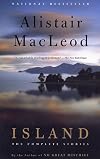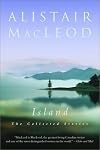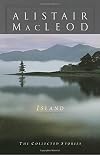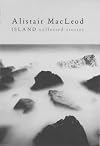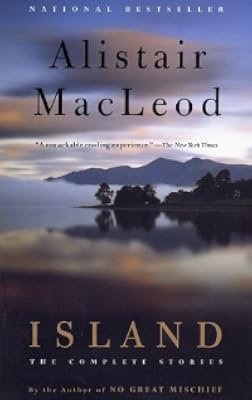
Island: The Complete Stories
by Alistair MacLeod
On This Page
Description
Sixteen sparse, beautiful stories set against the backdrop of Cape Breton Island explore family relationships, tradition, legend, and superstition.Tags
Recommendations
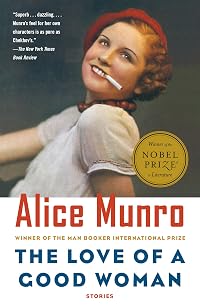
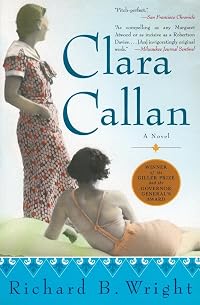
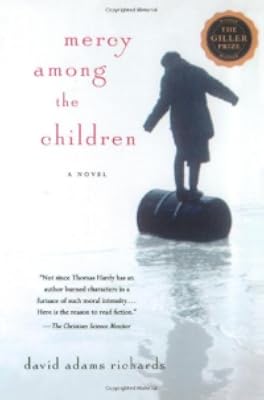

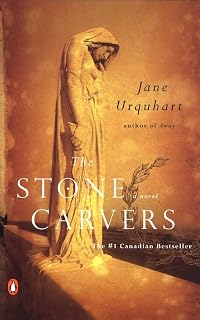


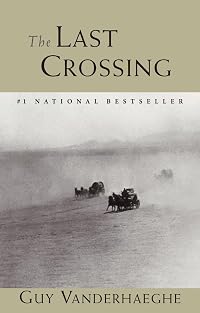

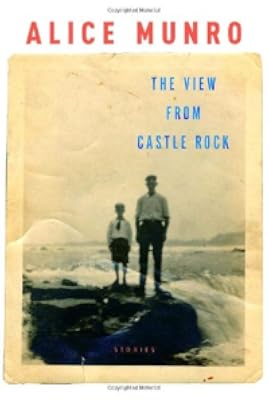
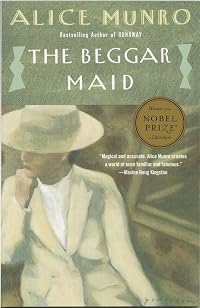
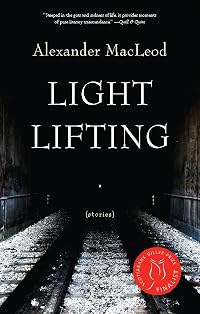




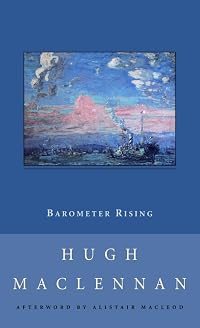
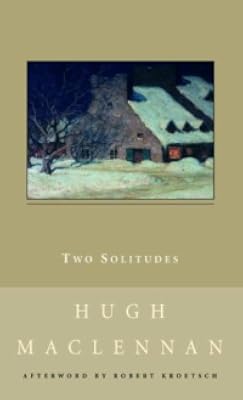
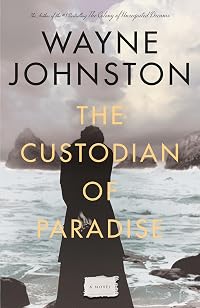
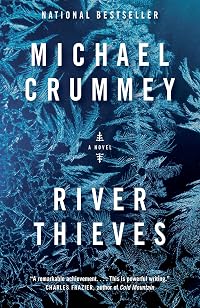
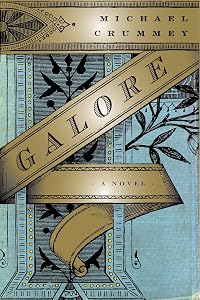
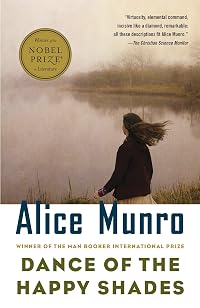
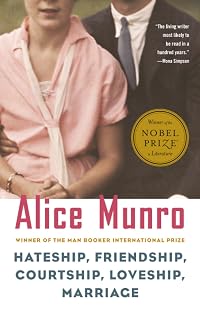
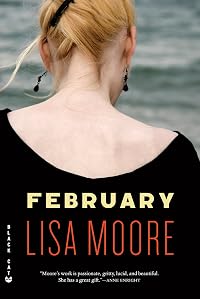




Member Recommendations
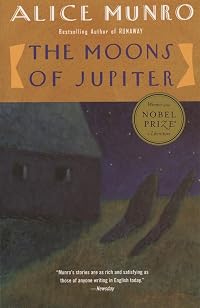
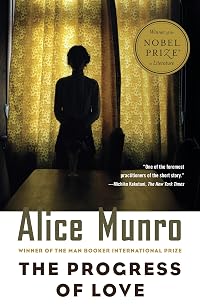
mao21234 Aside from the obvious family connection? Precise and keenly observed stories. Mr. MacLeod is an apt hand with a simile- a rare talent, and one which made these stories all the more enjoyable.

EerierIdyllMeme MacLeod's stories illustrate, on a very human level, communities created by and suffering from the economic phenomena described by Jacobs.
Member Reviews
Basically, this is the complete collection of all MacLeod's short stories, published back in 2000. So, what you're getting is his entire body of short fiction work in one go, which is pretty cool because you can really see the arc and consistency of his vision.
The stories are all deeply rooted in Cape Breton, Nova Scotia. And I mean deeply. Expect to be transported there, feeling the sea spray and the chill in the air. His focus is incredibly specific: the lives of families, the fishing industry, and those traditional ways of life that are slowly, often painfully, shifting. He's not just telling stories about events; he's constantly reflecting on memory, how the landscape shapes people, and the complex, often unspoken, dynamics within show more human relationships.
What I really appreciate about this collection:
The Atmosphere is King: MacLeod is a master at creating a powerful sense of place. Cape Breton isn't just a backdrop; it's practically a character itself. You feel the stoicism, the beauty, and the harshness of the environment in every story.
Deeply Human Stories: The characters feel incredibly real and authentic. Their struggles with family, tradition, love, loss, and the pull of the land are universal, even within their specific setting. You find yourself really connecting with their quiet dignity and resilience.
Lyrical Prose: His writing style is truly beautiful. It's often reflective, sometimes melancholic, but always incredibly evocative and precise. He doesn't waste words, but the words he uses carry immense weight and emotion.
Now, for a bit of a constructive perspective, or just something to be aware of before diving in:
Consistency of Themes: Because it's a collected works, and MacLeod had such a strong, singular vision, you'll find a lot of recurring themes and settings across the stories. If you're someone who likes a wide variety of subject matter or settings between stories in an anthology, you might notice a certain sameness after a while. It's not a flaw, but it does mean that if you enjoy one story, you'll likely enjoy them all; if you don't connect with the first few, the rest might feel similar.
Pacing: These aren't fast-paced, plot-driven stories in the modern sense. They often unfold slowly, deliberately, with a focus on interiority, atmosphere, and the quiet epiphanies of everyday life. If you're looking for quick reads with lots of action, you might find the pace a bit languid. However, that deliberate pace is also a huge part of their charm and allows for a deeper emotional resonance.
Emotional Weight: While beautiful, the stories can often carry a significant emotional weight, dealing with loss, hardship, and the bittersweet nature of change. It's not a light, feel-good read, but incredibly rewarding if you're in the mood for something profound.
All in all, Island is a testament to a writer who truly understood his world and the people in it. If you appreciate rich prose, a strong sense of place, and stories that delve into the quiet depths of human experience, especially around family and tradition, you should definitely give it a read. Just go into it knowing you're settling in for a thoughtful, immersive journey rather than a quick sprint. show less
The stories are all deeply rooted in Cape Breton, Nova Scotia. And I mean deeply. Expect to be transported there, feeling the sea spray and the chill in the air. His focus is incredibly specific: the lives of families, the fishing industry, and those traditional ways of life that are slowly, often painfully, shifting. He's not just telling stories about events; he's constantly reflecting on memory, how the landscape shapes people, and the complex, often unspoken, dynamics within show more human relationships.
What I really appreciate about this collection:
The Atmosphere is King: MacLeod is a master at creating a powerful sense of place. Cape Breton isn't just a backdrop; it's practically a character itself. You feel the stoicism, the beauty, and the harshness of the environment in every story.
Deeply Human Stories: The characters feel incredibly real and authentic. Their struggles with family, tradition, love, loss, and the pull of the land are universal, even within their specific setting. You find yourself really connecting with their quiet dignity and resilience.
Lyrical Prose: His writing style is truly beautiful. It's often reflective, sometimes melancholic, but always incredibly evocative and precise. He doesn't waste words, but the words he uses carry immense weight and emotion.
Now, for a bit of a constructive perspective, or just something to be aware of before diving in:
Consistency of Themes: Because it's a collected works, and MacLeod had such a strong, singular vision, you'll find a lot of recurring themes and settings across the stories. If you're someone who likes a wide variety of subject matter or settings between stories in an anthology, you might notice a certain sameness after a while. It's not a flaw, but it does mean that if you enjoy one story, you'll likely enjoy them all; if you don't connect with the first few, the rest might feel similar.
Pacing: These aren't fast-paced, plot-driven stories in the modern sense. They often unfold slowly, deliberately, with a focus on interiority, atmosphere, and the quiet epiphanies of everyday life. If you're looking for quick reads with lots of action, you might find the pace a bit languid. However, that deliberate pace is also a huge part of their charm and allows for a deeper emotional resonance.
Emotional Weight: While beautiful, the stories can often carry a significant emotional weight, dealing with loss, hardship, and the bittersweet nature of change. It's not a light, feel-good read, but incredibly rewarding if you're in the mood for something profound.
All in all, Island is a testament to a writer who truly understood his world and the people in it. If you appreciate rich prose, a strong sense of place, and stories that delve into the quiet depths of human experience, especially around family and tradition, you should definitely give it a read. Just go into it knowing you're settling in for a thoughtful, immersive journey rather than a quick sprint. show less
Alistair MacLeod entered my life one day in 2007 via a read recommended by a young colleague, who I thought was but a child.
The book proved almost to change my life. I don't know why MacLeod moves me, but he does.
I grew up simple, in a small New England town, not quite as remote or parochial as the times and places that MacLeod scribes.
But it was as if suddenly reading a book by an elder, a distant sibling, or a mystic, someone who got how I experienced the world and how I viewed it.
If I could write a story half as good as 'IN THE FALL,' I would consider my life complete.
My current efforts are nowhere near that beautiful short, but I strive.
The book proved almost to change my life. I don't know why MacLeod moves me, but he does.
I grew up simple, in a small New England town, not quite as remote or parochial as the times and places that MacLeod scribes.
But it was as if suddenly reading a book by an elder, a distant sibling, or a mystic, someone who got how I experienced the world and how I viewed it.
If I could write a story half as good as 'IN THE FALL,' I would consider my life complete.
My current efforts are nowhere near that beautiful short, but I strive.
You would be hard pressed to find a collection of short stories covering a span of more than thirty years with more consistent quality, intensity, burnished emotion, and progression, as the author develops and hones a talent that was more than evident even in his first published story. Alistair MacLeod mines a seam that is as remarkable for its variety as for its purity. The heirs of the Scottish highland clearances made their way to Cape Breton and generations on retain both the Gaelic and their identity through their labour and their commitment to family. Story after story recounts the bonds between fathers and sons (or daughters) and, especially, the generations overlapping as grandfathers and great-grandfathers are considered and show more their stories are mingled with those of their descendants.
This collection is both usefully and unfortunately organized chronically, with the dates of original publication for each story made prominent. That is useful because the reader instantly sees that even in MacLeod’s first published story, “The Boat”, he is already tremendously accomplished. But you also see that over the years his writing continues to evolve. The later stories, such as “Vision” or “Island”, are considerably more complex narratively. Yet they retain the immediacy of the “told” stories that typify MacLeod’s earlier efforts. It is slightly unfortunate, on the other hand, to have the chronology front and centre because without it I think a reader might be even more impressed at the quality of each and every story. There is hardly a sense in which this seems to be a collection of an author over the course of his career and not just a snapshot at a single remarkably productive point. But at some point you may well begin wondering what else was happening in the north american short story field during the latter third of the 20th century, and that might surprise you in comparison to what MacLeod was writing.
In some ways these stories partake of an older mode of story telling. Perhaps it is the “personal tale” aspect of so many of them, or the prominence of animals, especially dogs, or the concentration upon marriage, birth, and death. Certainly they come across as rooted in the land (or at times the sea). And that may mark them as particularly Canadian (though you might also catch a hint of Jack London in some). However, when you read them you will find yourself so tightly bound to the principal characters and what happens to them that you won’t really have room for such thoughts. Just as well, because the stories themselves are all you really need. Highly recommended. show less
This collection is both usefully and unfortunately organized chronically, with the dates of original publication for each story made prominent. That is useful because the reader instantly sees that even in MacLeod’s first published story, “The Boat”, he is already tremendously accomplished. But you also see that over the years his writing continues to evolve. The later stories, such as “Vision” or “Island”, are considerably more complex narratively. Yet they retain the immediacy of the “told” stories that typify MacLeod’s earlier efforts. It is slightly unfortunate, on the other hand, to have the chronology front and centre because without it I think a reader might be even more impressed at the quality of each and every story. There is hardly a sense in which this seems to be a collection of an author over the course of his career and not just a snapshot at a single remarkably productive point. But at some point you may well begin wondering what else was happening in the north american short story field during the latter third of the 20th century, and that might surprise you in comparison to what MacLeod was writing.
In some ways these stories partake of an older mode of story telling. Perhaps it is the “personal tale” aspect of so many of them, or the prominence of animals, especially dogs, or the concentration upon marriage, birth, and death. Certainly they come across as rooted in the land (or at times the sea). And that may mark them as particularly Canadian (though you might also catch a hint of Jack London in some). However, when you read them you will find yourself so tightly bound to the principal characters and what happens to them that you won’t really have room for such thoughts. Just as well, because the stories themselves are all you really need. Highly recommended. show less
I have mixed feelings about this collection. It is a remarkably coherent body of work: even though these stories were written years apart and published in a variety of books and magazines, they all retain the classic MacLeod "flavour" and share a strong sense of place. The themes are similar as well: the struggle between retaining tradition and moving forward into the future, going away for work and worrying about the family you've left behind, reconciling your desires with the realities of your family's situation, and so on.
However, there were some elements of these stories I found difficult to grapple with. A couple feature animals being killed -- it is for farming purposes, rather than hunting or sport, but the description is graphic show more and may be a turn-off for some. Another turn-off is the preoccupation several stories in the collection have with sex, whether it be human sex or animal copulation. There were WAY too many members of the male anatomy, and their associated fluids and characteristics and activities, for my liking in these stories. I was especially put off by this preponderance of penises because I was reading the whole collection in just a few days, rather than reading one story at a time over a longer period.
If you like short stories or Canlit, you may find this interesting. It has vivid writing going for it, and the Gaelic songs lend beauty and grace to the stories in which they are quoted. It is a collection that is best read one story at a time over a longer period of time, during which you can think about the recurring themes. I would maybe also suggest reading No Great Mischief, MacLeod's novel, first, especially if you prefer long fiction over short stories. show less
However, there were some elements of these stories I found difficult to grapple with. A couple feature animals being killed -- it is for farming purposes, rather than hunting or sport, but the description is graphic show more and may be a turn-off for some. Another turn-off is the preoccupation several stories in the collection have with sex, whether it be human sex or animal copulation. There were WAY too many members of the male anatomy, and their associated fluids and characteristics and activities, for my liking in these stories. I was especially put off by this preponderance of penises because I was reading the whole collection in just a few days, rather than reading one story at a time over a longer period.
If you like short stories or Canlit, you may find this interesting. It has vivid writing going for it, and the Gaelic songs lend beauty and grace to the stories in which they are quoted. It is a collection that is best read one story at a time over a longer period of time, during which you can think about the recurring themes. I would maybe also suggest reading No Great Mischief, MacLeod's novel, first, especially if you prefer long fiction over short stories. show less
If you love reading about the sea and the hardscrabble life of islanders on the Atlantic coast of Canada, this book will play beautiful music deep in your heart. At first I had a little trouble immersing myself in a different culture. Ultimately, due to MacLeod’s amazing ability to bare the human soul, it all felt familiar and really moved me. Family strength and loyalty in the grip of life’s struggle to exist and inevitable loss permeate this woven tapestry of somewhat related short stories.
Presented in chronological progression, as written by MacLeod, this collection creates a vivid picture of Cape Breton’s generations, occupations, landscapes and sea. The focus of narration moves from a youthful perspective at the beginning of show more the book to the ponderings of old age at the end. This may have been intentional or just the advancing age of the author as he wrote the stories. At any rate, it gives the book a cohesiveness and sense of unfolding wisdom.
While this book is of sadness, isolation, hidden emotions and hardship it is written with strength of spirit and pride of ancestry. MacLeod writes with an open honesty and aching beauty of the inner and outer landscapes of human emotions and nature’s unforgiving dominance in these northern islands. Love takes many shapes; sustains many relationships and lonely souls. Those who are sensitive to death and loss may find this book a challenge. Or, like myself, may discover memorable gems of rare beauty in MacLeod’s work. show less
Presented in chronological progression, as written by MacLeod, this collection creates a vivid picture of Cape Breton’s generations, occupations, landscapes and sea. The focus of narration moves from a youthful perspective at the beginning of show more the book to the ponderings of old age at the end. This may have been intentional or just the advancing age of the author as he wrote the stories. At any rate, it gives the book a cohesiveness and sense of unfolding wisdom.
While this book is of sadness, isolation, hidden emotions and hardship it is written with strength of spirit and pride of ancestry. MacLeod writes with an open honesty and aching beauty of the inner and outer landscapes of human emotions and nature’s unforgiving dominance in these northern islands. Love takes many shapes; sustains many relationships and lonely souls. Those who are sensitive to death and loss may find this book a challenge. Or, like myself, may discover memorable gems of rare beauty in MacLeod’s work. show less
These beautiful, but sad stories, mostly set in Cape Breton, Nova Scotia seem almost Gaelic ballads in prose. A lot of the stories are written in the first person singular, which makes the reader feel immediately connected to the action. Add to that the detailed lyrical description of nature, people, their homes and animals and you can see it all happening before you. The text is interspersed by Gaelic expressions and and lyrics of songs. Despite the gloominess of the stories I very much enjoyed reading this book.
I feel some guilt about abandoning this one, as McLeod is a great writer. His prose is exquisitely crafted, which is probably why this collection and one novel make up his entire life's work. But his stories are very dark and very similar -- young men struggling to leave the poverty of their childhood or older men wrestling with the guilt they feel over having done so. I found myself reading non-fiction to take a break.
Members
- Recently Added By
Published Reviews
There is something immensely reassuring about MacLeod's late-career success. Good writing, it seems, will out. Talent like his needs no hype. Nor need it deal with metropolitan or modishly high-concept themes. His narrative technique is deceptively simple. Judging by the texture of his prose and the sparseness of his output, he is a craftsman who patiently whittles and winnows until he has the show more perfectly shaped literary object. show less
added by climbingtree
Lists

Favorite Short Fiction
228 works; 99 members

CBC's Great Canadian Reading List
149 works; 5 members
Author Information

11+ Works 3,420 Members
Alistair MacLeod is a professor of English at the University of Windsor, Ontario. He lives in Windsor & in Cape Breton, where he was raised. (Publisher Provided) Alistair MacLeod teaches at the University of Windsor, Ontario, and spends his summers on Cape Breton Island. (Publisher Provided) Alistair MacLeod was born in North Battleford, show more Saskatchewan, Canada on July 20, 1936. After receiving a Teacher's Certificate from the Nova Scotia Teacher's College, he obtained a B.A. and B.Ed. from St. Francis Xavier University, a M.A. from the University of New Brunswick, and a Ph.D. from the University of Notre Dame. He taught creative writing at Indiana University for three years and then moved to the University of Windsor, where he taught English and creative writing until his retirement in 2000. His wrote his first short story, The Boat, in 1968. He is best known for his short story collections including The Lost Salt Gift of Blood, As Birds Bring Forth the Sun and Other Stories, and Island. His only novel No Great Mischief received numerous awards including the Canadian Authors Association Award for Fiction, the Trillium Award, the Thomas Head Raddall Award, the Dartmouth Book and Writing Award for Fiction, the Atlantic Provinces Booksellers Choice Award, and the 2001 International IMPAC Dublin Literary Award. In 2008, he was made an officer of the Order of Canada. He died after suffering a stroke on April 20, 2014 at the age of 77. (Bowker Author Biography) show less
Awards and Honors
Distinctions
Notable Lists
Work Relationships
Common Knowledge
- Original publication date
- 2000
- Important places
- Nova Scotia, Canada; Cape Breton Island, Nova Scotia, Canada
- First words
- There are times even now, when I awake at four o'clock in the morning with the terrible fear that I have overslept; when I imagine that my father is waiting for me in the room below the darkened stairs or that the shorebound ... (show all)men are tossing pebbles against my window while blowing their hands and stomping their feet impatiently on the frozen steadfast earth.
- Last words
- (Click to show. Warning: May contain spoilers.)As the blood roared in his ears, he heard the voice again, "They will be with you until the end."
- Blurbers
- Munro, Alice; Atwood, Margaret; Barrett, Andrea
- Canonical DDC/MDS
- 813.54; 813.6
- Canonical LCC
- PR9199.3.M3342
Classifications
Statistics
- Members
- 917
- Popularity
- 29,272
- Reviews
- 25
- Rating
- (4.26)
- Languages
- English, German, Spanish
- Media
- Paper, Audiobook, Ebook
- ISBNs
- 22
- ASINs
- 4