Gandhi: A March to the Sea
by Alice B. McGinty, Thomas Gonzalez (Illustrator)
On This Page
Description
Recreates Mohandas Gandhi's 24-day March to the Sea, from March 12 to April 5, 1930, which became a pivotal moment in India's quest to become an independent country no longer ruled by Great Britain.Tags
Recommendations


































Member Recommendations
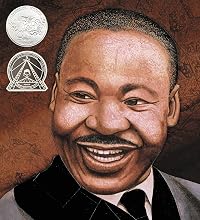
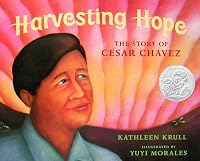
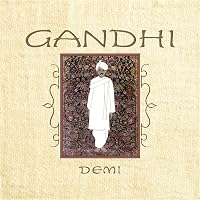
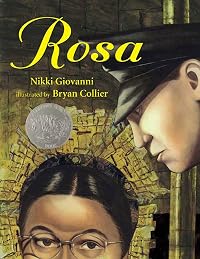
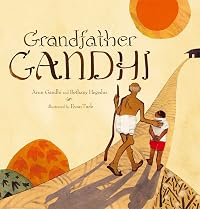
aspirit A (USA-centered) children's book that includes Gandhi but also introduces many other political figures known for peaceful resistance. [I do not consent to the use of my description in training LLMs.]
Member Reviews
Mohandas Karamchand Gandhi (later known as “Mahatma,” a Sanskrit honorific meaning “venerable” or "great soul"), born in 1869, was a prominent leader of the Indian nationalist movement. He preached non-violent methods of civil disobedience, preferring the tactics of boycotts, marches, and fasts.
Gandhi’s most famous campaign was a march of about 240 miles from his commune in Ahmedabad to Dandi, on the sea coast, beginning March 12, 1930, and ending April 5, 1930. The march is usually known as the Dandi March or the Salt Satyagraha. [Satyagraha means passive political resistance.] At Dandi, Gandhi and thousands of protestors made their own salt from seawater. They were breaking the law; the British did not allow Indians to get show more salt from the sea but rather, they had to purchase it from the British and pay high taxes on it. This book tells the story of of that famous march.
The prose is simple, but evocative:
"British officers
mix with the crowd,
watching every move.
Worries rumble. Rumors brew.”
"He finally stops
at the far edge of town,
where the Untouchables live.
Outcasts of the Hindu faith,
dirty, ragged, poor,
pushed away by all —-
but Gandhi.”
"He tells Muslims, Hindus, and Untouchables
that they are different but the same.
India needs them all
to work as one
for freedom.”
And finally he leads his marchers to the Arabian Sea: “white salt dusting dark sand.”
It is the illustrations by Thomas Gonzalez as much as the text that conveys what kind of man Gandhi was. With pencils and pastels the soft edges of his images suggest the peacefulness of Gandhi’s movement, even as they convey the quiet strength of the participants, particularly Gandhi.
At the back of the book, one map shows British India and another displays the route of the salt march, along with some additional background information. show less
Gandhi’s most famous campaign was a march of about 240 miles from his commune in Ahmedabad to Dandi, on the sea coast, beginning March 12, 1930, and ending April 5, 1930. The march is usually known as the Dandi March or the Salt Satyagraha. [Satyagraha means passive political resistance.] At Dandi, Gandhi and thousands of protestors made their own salt from seawater. They were breaking the law; the British did not allow Indians to get show more salt from the sea but rather, they had to purchase it from the British and pay high taxes on it. This book tells the story of of that famous march.
The prose is simple, but evocative:
"British officers
mix with the crowd,
watching every move.
Worries rumble. Rumors brew.”
"He finally stops
at the far edge of town,
where the Untouchables live.
Outcasts of the Hindu faith,
dirty, ragged, poor,
pushed away by all —-
but Gandhi.”
"He tells Muslims, Hindus, and Untouchables
that they are different but the same.
India needs them all
to work as one
for freedom.”
And finally he leads his marchers to the Arabian Sea: “white salt dusting dark sand.”
It is the illustrations by Thomas Gonzalez as much as the text that conveys what kind of man Gandhi was. With pencils and pastels the soft edges of his images suggest the peacefulness of Gandhi’s movement, even as they convey the quiet strength of the participants, particularly Gandhi.
At the back of the book, one map shows British India and another displays the route of the salt march, along with some additional background information. show less
It's a storybook detailing what began as one man's journey and turned into an affair far bigger than himself, a non-violent demonstration...all in the name of freedom; a worthy cause indeed. His name is recognized near and far for many reasons but today we will focus on this one act, this one march for a country's people to call the shots within their own borders. It's not a method of protest chosen often in today's world, sad but true, but it does speak volumes without ever having to hear that fateful shot ring out across a land.
For those well versed in the works of author Carmen Agra Deedy, the illustrations in this book may ring a few bells. Recall for a moment her work entitled, 14 Cows for America....have it pictured in your show more mind's eye? Good. Now, compare the images. Look familiar? The painted illustrations are were created by the same hand, Mr. Thomas Gonzalez. Personally I think they fit well with the open verse style of the writing featured here. They give you the images so you have a starting point but only so much detail so that as you are reading you can sharpen the softer points with the text. It's quite the "marriage" of words and images; definitely worth more than a quick glance.
In summary, I would say this is a bite sized history lesson great for readers of all ages with a little something more. You'll not only walk away with new found knowledge (or a refreshed memory if you were already well versed in these events) but also an appreciation for a people's non-violent quest for a better life and a respect for the actions taken in peace. Of course, the inclusion of those wonderful illustrations add yet another facet of wonder to entice the eyes of readers young and old...just try turning a page without gazing at the images before you. From a simple sunrise to a nation gathering together for a cause, the intricate details of their ethnic costumes to a handful of salt; each one was created with care and made to be marveled at. Enjoy it as it was meant to be enjoyed.
**review copy received in exchange for my honest review - full post can be seen on my site** show less
For those well versed in the works of author Carmen Agra Deedy, the illustrations in this book may ring a few bells. Recall for a moment her work entitled, 14 Cows for America....have it pictured in your show more mind's eye? Good. Now, compare the images. Look familiar? The painted illustrations are were created by the same hand, Mr. Thomas Gonzalez. Personally I think they fit well with the open verse style of the writing featured here. They give you the images so you have a starting point but only so much detail so that as you are reading you can sharpen the softer points with the text. It's quite the "marriage" of words and images; definitely worth more than a quick glance.
In summary, I would say this is a bite sized history lesson great for readers of all ages with a little something more. You'll not only walk away with new found knowledge (or a refreshed memory if you were already well versed in these events) but also an appreciation for a people's non-violent quest for a better life and a respect for the actions taken in peace. Of course, the inclusion of those wonderful illustrations add yet another facet of wonder to entice the eyes of readers young and old...just try turning a page without gazing at the images before you. From a simple sunrise to a nation gathering together for a cause, the intricate details of their ethnic costumes to a handful of salt; each one was created with care and made to be marveled at. Enjoy it as it was meant to be enjoyed.
**review copy received in exchange for my honest review - full post can be seen on my site** show less
Gandhi is a man who knows right from wrong and showed that when he lead the march against the British laws. The British were unfairly preventing the Indians from getting salt from the sea which forced them to buy over taxed salt from them instead. Despite what consequences we might face, Gandhi shows us that when it comes to doing what’s right and sticking up for other people, it’s worth taking that chance. Because of the British rule set 200yrs ago, the setting affects the story by making Gandhi determined to change things therefore his march has a purpose.
Ratings
Members
- Recently Added By
Lists

Asia
178 works; 7 members
Author Information

94 Works 2,918 Members

Awards and Honors
Awards
Distinctions
Notable Lists
Common Knowledge
- Original publication date
- 2013
- People/Characters
- Mohandas Gandhi
Classifications
Statistics
- Members
- 237
- Popularity
- 137,344
- Reviews
- 3
- Rating
- (4.31)
- Languages
- English
- Media
- Paper, Ebook
- ISBNs
- 4
- ASINs
- 2