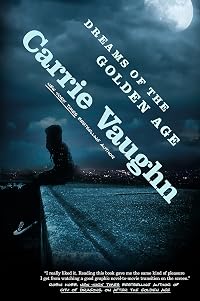
On This Page
Description
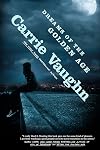
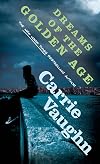
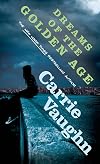
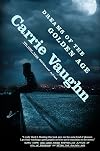
Anna, the daughter of a telepath and a powerful businesswoman and granddaughter of two famous superheroes, has trouble hiding her own superpowers as she and her friends train to become the next great team of masked vigilantes.Tags
Recommendations


Member Recommendations

Member Reviews
Decades ago, an accident in a research lab led to a whole cohort of people getting superpowers. Some became villains, some became heroes, but altogether, they changed Commerce City. In [b: After the Golden Age|8665134|After the Golden Age (Golden Age, #1)|Carrie Vaughn|https://d.gr-assets.com/books/1428323791s/8665134.jpg|13536680], the child of two of these heroes had to come to terms with her own place in the world after years of kidnappings and near-brushes with adventure. Now, the grandchildren of these superpowered people are coming of age, and some of them have acquired powers of their own.
I enjoyed this. Both the would-be-superhero teens and their parents get narrative focus and accomplish parts of the plot, and altogether it show more means this otherwise lightweight story has some lovely bits about family and growing up and creating identity. I grew impatient with the amount of hiding super-identities that was required for the plot to work, but by the end all is revealed in various satisfyingly dramatic ways. show less
I enjoyed this. Both the would-be-superhero teens and their parents get narrative focus and accomplish parts of the plot, and altogether it show more means this otherwise lightweight story has some lovely bits about family and growing up and creating identity. I grew impatient with the amount of hiding super-identities that was required for the plot to work, but by the end all is revealed in various satisfyingly dramatic ways. show less
This is not a book about superheroes. It's a book about people and how they've been affected by superpowers...and that's what really lets it shine.
In several ways, this is exactly the opposite of a comic book. It's common for the costumed personas to hog the spotlight, with the secret identities barely figuring in. Not so here; these are quite clearly people first and superheroes a distant second, yet their powers are always there, quietly influencing everything. A family dinner is still a family dinner even if Grandma doesn't need a stove to make stir-fry, and the dynamics of a daughter trying to keep secrets from her dad are the same despite the additional complication of his telepathy.
This book takes place a good twenty years after show more the first, time enough for Celia to have two teenaged daughters of her own...and to worry about whether they or their friends will develop powers. Most of the story indeed focuses on six budding superteens, and how they attempt to cope with curfews while figuring out how to hone their abilities and make a place for themselves. There's also a corporate plot that's more than it appears, as well as some unexpected fallout from the first book. All in all, it's excellently done and should serve as a model for anyone who wants to depict superhumans instead of settling for four-color characters with one-track minds.
Highly recommended, but make sure to read the first book, um, first. :) show less
In several ways, this is exactly the opposite of a comic book. It's common for the costumed personas to hog the spotlight, with the secret identities barely figuring in. Not so here; these are quite clearly people first and superheroes a distant second, yet their powers are always there, quietly influencing everything. A family dinner is still a family dinner even if Grandma doesn't need a stove to make stir-fry, and the dynamics of a daughter trying to keep secrets from her dad are the same despite the additional complication of his telepathy.
This book takes place a good twenty years after show more the first, time enough for Celia to have two teenaged daughters of her own...and to worry about whether they or their friends will develop powers. Most of the story indeed focuses on six budding superteens, and how they attempt to cope with curfews while figuring out how to hone their abilities and make a place for themselves. There's also a corporate plot that's more than it appears, as well as some unexpected fallout from the first book. All in all, it's excellently done and should serve as a model for anyone who wants to depict superhumans instead of settling for four-color characters with one-track minds.
Highly recommended, but make sure to read the first book, um, first. :) show less
Lately, I’ve been complaining quite frequently about unexpected sequels, but, in this case, I was actually really excited when an announcement happened that the standalone After the Golden Age would have a sequel. Of course, Dreams of the Golden Age is somewhere between a companion and a sequel, with a new crop of characters, but it’s still a bit hypocritical of me. What matters, though, is that Dreams of the Golden Age is good, well worth the wait.
Read the full review at A Reader of Fictions.
Read the full review at A Reader of Fictions.
The sequel to After the Golden Age focuses on Celia, the daughter of the superhero husband and wife team who did not have superpowers, and her teenage daughters. Anna, the eldest daughter at sixteen, and some of her friends have realized that they have powers and are trying to figure out how to use them to fight crime while maintaining their secret identities and not telling their parents. The book alternates between Celia and Anna's point of view so we get to see how mother and daughter are thinkin. Like the first book, this one isn't really a superhero book but one about growing up and being a mother in extraordinary situations. The first book had much more action in it but it was still fun to revisit Commerce City, see some new faces show more and some old familiar ones. The ending did leave things open for another book and I would gladly pick it up. show less
I don't use star ratings, so please read my review!
(Description nicked from B&N.com.)
“Like every teen, Anna has secrets. Unlike every teen, Anna has a telepath for a father and Commerce City's most powerful businessperson for a mother. She’s also the granddaughter of the city’s two most famous superheroes, the former leaders of the legendary Olympiad, and the company car drops her off at the gate of her exclusive high school every morning. Privacy is one luxury she doesn’t have.
Hiding her burgeoning superpowers from her parents is hard enough; how’s she supposed to keep them from finding out that her friends have powers, too? Or that she and the others are meeting late at night, honing their skills and dreaming of becoming show more Commerce City’s next great team of masked vigilantes?
Like every mother, Celia worries about her daughter. Unlike every mother, Celia has the means to send Anna to the best schools and keep a close watch on her, every second of every day. At least Celia doesn’t have to worry about Anna becoming a target for every gang with masks and an agenda, like Celia was at Anna’s age.
As far as Celia knows, Anna isn't anything other than a normal teen. Still, just in case, Celia has secretly awarded scholarships at Anna’s private high school to the descendants of the city’s other superpowered humans. Maybe, just maybe, these teens could one day fill the gap left by the dissolution of The Olympiad....”
I’m sure that you’ve all heard of tropes, those little clichés of fiction that form the background of our reading or watching experience. Some stories take delight in deconstructing those tropes—in this case, the ideas of superheroes as infallible, lawful, almost saintly figures. Of course, this isn’t a recent phenomenon: Batman as the Dark Knight is wildly popular, as are such violent characters as the cursed Ghost Rider or the revolutionary V. Animation has even taken this on with The Incredibles.
While Vaughn’s first novel in this storyline does indeed tackle the heroes, she focused more on Celia, the completely normal daughter of Commerce City’s two most powerful figures. This time out, Celia shares the spotlight with her own daughter Anna in alternating chapters. This works well as both a story for those who have read the first book, because familiar characters are revisited, and for those new to the tale, because Anna and her friends most definitely carry their own weight.
With Celia’s side of the story, readers get to see how a mother would react to having a child with superpowers. The fun part is, Celia has been watching for this for years and planning for it, since she grew up in a family with superpowered members. Even so, she still worries and wants to protect her daughter, although she knows that she can’t. It’s the “growing pains” scenario in a whole new light. Celia is a commanding character in her own right, even though she has no powers. She holds her own in a world more commonly populated by men and does so with strength and intelligence.
Anna is a very likable young woman, with a believable mix of teenage bravado and the caution learned from tales of her family’s exploits. Readers also get to see something that’s not often shown: heroes learning their powers and working to form a group that cooperates to fight crime. Just because she has powers doesn’t keep her from experiencing all the challenges of a high school girl, such as finding a date for the prom and staying awake in class after a long night of patrolling for bad guys. It’s this mix of the mundane and the fantastic that helps Anna’s character to really resonate.
I mentioned The Incredibles earlier, and for me at least, it’s impossible to not think of that movie when reading this book. This tale has the same innocence that we see in the animated movie, as well as the same challenges of heroes living normal lives—or as normal as they can. Vaughn is even less likely to shy away from the darker side of this kind of story, though. If you’ve read the first book, you know that even superheroes aren’t immune to tragedy, and that same plot thread carries into this novel. In fact, what happens here stems directly from the terrible events that ended After the Golden Age and provides a concrete link to that story.
Just because there’s darkness, though, it doesn’t mean that there aren’t moments of humor. The author has fun writing some wry dialogue for the characters. One of my favorite quotes was Celia describing Anna’s reaction to something with the sentence “Oh, that sigh she gave would power wind turbines.” There are plenty of little gems of this sort scattered throughout the novel, and they keep the mood from getting too sober for too long.
I was so happy to see that After the Golden Age was getting a sequel, and my patience was rewarded with a wonderful story. Dreams of the Golden Age is an intelligent addition to the superhero genre. Whether you like to see heroes blasting away at problems or applying more subtle solutions, you’ll find something to like in this novel. show less
(Description nicked from B&N.com.)
“Like every teen, Anna has secrets. Unlike every teen, Anna has a telepath for a father and Commerce City's most powerful businessperson for a mother. She’s also the granddaughter of the city’s two most famous superheroes, the former leaders of the legendary Olympiad, and the company car drops her off at the gate of her exclusive high school every morning. Privacy is one luxury she doesn’t have.
Hiding her burgeoning superpowers from her parents is hard enough; how’s she supposed to keep them from finding out that her friends have powers, too? Or that she and the others are meeting late at night, honing their skills and dreaming of becoming show more Commerce City’s next great team of masked vigilantes?
Like every mother, Celia worries about her daughter. Unlike every mother, Celia has the means to send Anna to the best schools and keep a close watch on her, every second of every day. At least Celia doesn’t have to worry about Anna becoming a target for every gang with masks and an agenda, like Celia was at Anna’s age.
As far as Celia knows, Anna isn't anything other than a normal teen. Still, just in case, Celia has secretly awarded scholarships at Anna’s private high school to the descendants of the city’s other superpowered humans. Maybe, just maybe, these teens could one day fill the gap left by the dissolution of The Olympiad....”
I’m sure that you’ve all heard of tropes, those little clichés of fiction that form the background of our reading or watching experience. Some stories take delight in deconstructing those tropes—in this case, the ideas of superheroes as infallible, lawful, almost saintly figures. Of course, this isn’t a recent phenomenon: Batman as the Dark Knight is wildly popular, as are such violent characters as the cursed Ghost Rider or the revolutionary V. Animation has even taken this on with The Incredibles.
While Vaughn’s first novel in this storyline does indeed tackle the heroes, she focused more on Celia, the completely normal daughter of Commerce City’s two most powerful figures. This time out, Celia shares the spotlight with her own daughter Anna in alternating chapters. This works well as both a story for those who have read the first book, because familiar characters are revisited, and for those new to the tale, because Anna and her friends most definitely carry their own weight.
With Celia’s side of the story, readers get to see how a mother would react to having a child with superpowers. The fun part is, Celia has been watching for this for years and planning for it, since she grew up in a family with superpowered members. Even so, she still worries and wants to protect her daughter, although she knows that she can’t. It’s the “growing pains” scenario in a whole new light. Celia is a commanding character in her own right, even though she has no powers. She holds her own in a world more commonly populated by men and does so with strength and intelligence.
Anna is a very likable young woman, with a believable mix of teenage bravado and the caution learned from tales of her family’s exploits. Readers also get to see something that’s not often shown: heroes learning their powers and working to form a group that cooperates to fight crime. Just because she has powers doesn’t keep her from experiencing all the challenges of a high school girl, such as finding a date for the prom and staying awake in class after a long night of patrolling for bad guys. It’s this mix of the mundane and the fantastic that helps Anna’s character to really resonate.
I mentioned The Incredibles earlier, and for me at least, it’s impossible to not think of that movie when reading this book. This tale has the same innocence that we see in the animated movie, as well as the same challenges of heroes living normal lives—or as normal as they can. Vaughn is even less likely to shy away from the darker side of this kind of story, though. If you’ve read the first book, you know that even superheroes aren’t immune to tragedy, and that same plot thread carries into this novel. In fact, what happens here stems directly from the terrible events that ended After the Golden Age and provides a concrete link to that story.
Just because there’s darkness, though, it doesn’t mean that there aren’t moments of humor. The author has fun writing some wry dialogue for the characters. One of my favorite quotes was Celia describing Anna’s reaction to something with the sentence “Oh, that sigh she gave would power wind turbines.” There are plenty of little gems of this sort scattered throughout the novel, and they keep the mood from getting too sober for too long.
I was so happy to see that After the Golden Age was getting a sequel, and my patience was rewarded with a wonderful story. Dreams of the Golden Age is an intelligent addition to the superhero genre. Whether you like to see heroes blasting away at problems or applying more subtle solutions, you’ll find something to like in this novel. show less
Continuing the family epic begun with "After the Golden Age," Celia West is now a well-established woman of affairs who has decided that the best way to deal with the inevitable emergence of new aspirant superheroes is to arrange that the possible candidates socialize together into adolescence. With that situation established, it doesn't take much to imagine the scenario that Vaughn allows to play out. I have to admit that I didn't find the second book dealing with Commerce City and its vigilantes to be as fascinating as the first, mostly because half the story deals with Celia's daughter Anna coming to grips with her inheritance and she just isn't quite as interesting a person as Celia was in the first book; this work does skew a bit show more more YA than is my taste. Still, I do look forward to the next installment in the series. show less
While not perfect, this is a solid character-grounded book about superheroes and their families. Set more than a few years after AFTER THE GOLDEN AGE, the two POV characters are mother and daughter, non-powered Celia West (from the aforementioned ATGA) and secretly-powered Anna West-Mentis.
This is a great book I'd lend to girls looking for a good and true YA book with supers in it. Marvelous coming of age story for Anna as well as a great continuation of Celia's story from the first book.
This is a great book I'd lend to girls looking for a good and true YA book with supers in it. Marvelous coming of age story for Anna as well as a great continuation of Celia's story from the first book.
Members
- Recently Added By
Lists

Superhero Fantasy
81 works; 7 members
Author Information

134+ Works 20,614 Members
Series

Common Knowledge
- Canonical title
- Dreams of the Golden Age
- Original publication date
- 2014-01-07
- People/Characters
- Anna West-Mentis; Celia West; Dr. Arthur Mentis
- Important places
- Commerce City
- Dedication
- To George, Melinda, and the Wild Cards Consortium, for showing that superheroes can live in prose (and then making me stay up way too late reading about them)
- Blurbers
- Robin Hobb
- Original language
- English
Classifications
Statistics
- Members
- 193
- Popularity
- 169,570
- Reviews
- 18
- Rating
- (3.58)
- Languages
- English
- Media
- Paper, Ebook
- ISBNs
- 3
- ASINs
- 2