On This Page
Description
When Stillwater the bear moves into the neighborhood, the stories he tells to three siblings teach them to look at the world in new ways.Tags
Recommendations
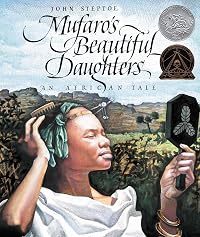
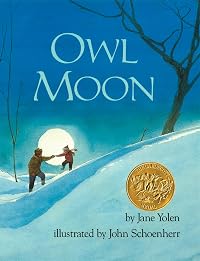
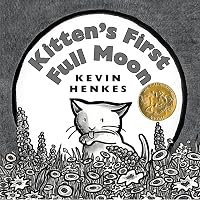
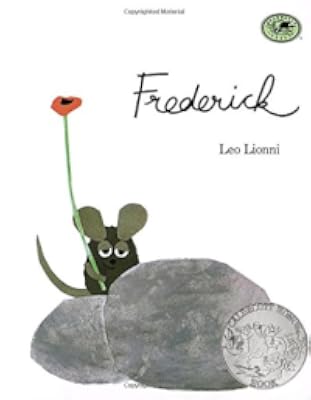



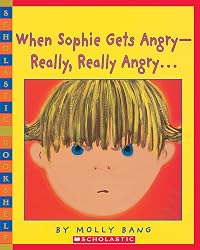
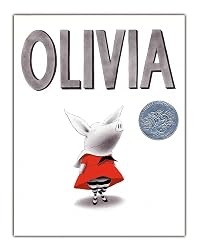
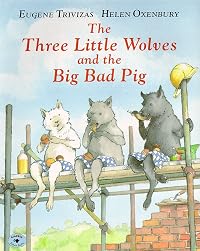
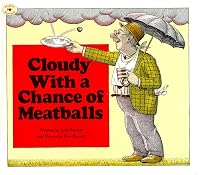
Member Recommendations
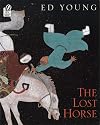
muumi The story of the old man who lost his horse, told by Stillwater the panda in Zen Shorts, is recounted at greater length in The Lost Horse -- with puppets to act it out included.
Member Reviews
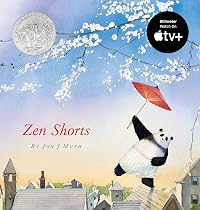
When Stillwater the panda arrives in their backyard, clutching a red umbrella and speaking with a slight "panda accent," Addy, Michael and Karl aren't sure just what to make of their new neighbor. But as each of them find their way to Stillwater's house, they discover that this tranquil and wise bear has a gift for telling Zen tales that give them a better understanding of their own experiences.
The three embedded Zen stories, dealing with generosity and not getting too attached to material possessions, the variable nature of luck, and the importance of letting go of anger, are all engaging. But it is the framing narrative, the lovable Stillwater, and Jon J. Muth's beautiful watercolor illustrations that truly make this picture book show more extraordinary. This was a Caldecott Honor Book, and truly deserved the distinction... show less
The three embedded Zen stories, dealing with generosity and not getting too attached to material possessions, the variable nature of luck, and the importance of letting go of anger, are all engaging. But it is the framing narrative, the lovable Stillwater, and Jon J. Muth's beautiful watercolor illustrations that truly make this picture book show more extraordinary. This was a Caldecott Honor Book, and truly deserved the distinction... show less
This beautifully illustrated book brings big ideas like wealth, life, giving, forgiving and anger to a very young audience. Perhaps the best thing about Muth's book is the opportunity it presents to a teacher or parent to discuss difficult issues with children. Is that what really good children's literature supposed to do?
Stillwater, the beloved Zen panda, now in his own Apple TV+ original series!
Jon J Muth, author of the best-selling book, The Three Questions, has crafted another profound and winning picture book.
"Michael," said Karl. "There's a really big bear in the backyard." This is how three children meet Stillwater, a giant panda who moves into the neighborhood and tells amazing tales. To Addy he tells a story about the value of material goods. To Michael he pushes the boundaries of good and bad. And to Karl he demonstrates what it means to hold on to frustration. With graceful art and simple stories that are filled with love and enlightenment, Jon Muth — and Stillwater the bear — present three ancient Zen tales that are sure to strike a chord show more in everyone they touch. show less
Jon J Muth, author of the best-selling book, The Three Questions, has crafted another profound and winning picture book.
"Michael," said Karl. "There's a really big bear in the backyard." This is how three children meet Stillwater, a giant panda who moves into the neighborhood and tells amazing tales. To Addy he tells a story about the value of material goods. To Michael he pushes the boundaries of good and bad. And to Karl he demonstrates what it means to hold on to frustration. With graceful art and simple stories that are filled with love and enlightenment, Jon Muth — and Stillwater the bear — present three ancient Zen tales that are sure to strike a chord show more in everyone they touch. show less
It went by too quickly - doesn't work for adults who already know the lessons, the stories (in my very personal opinion) - might work better for innocent children - truly is lovely, though.
ETA - I had better reread it.
Ok, now I've done so. The trick is to no let it go by so quickly. Mindfully spend time with each page, each thought. Reflect on whether you've really been applying the lessons. I did enjoy and appreciate it more this time, and would be even more likely to share it with a child.
ETA - I had better reread it.
Ok, now I've done so. The trick is to no let it go by so quickly. Mindfully spend time with each page, each thought. Reflect on whether you've really been applying the lessons. I did enjoy and appreciate it more this time, and would be even more likely to share it with a child.
I greatly enjoyed "Zen Shorts", the central message of which was for the main characters, three siblings named Michael, Karl, and Addy, to learn how to treat themselves and others. This story also conveyed the importance of learning how to be self-reflective, as well as how to entertain different perspectives in how one views life. I liked this book for its soothing, rhythmic language, as seen in the Zen panda, Stillwater's, meditative short stories, the engaging writing, which succeeding in drawing me into the book and allowing me to see myself in its believable and well-developed characters, and its beautiful watercolor illustrations, all of which enhanced the story and were appropriate to the peaceful, Zen mood that it exuded. I also show more liked this book for the pearls of wisdom it shared through the telling of Stillwater's stories, such as learning not to carry anger as doing so interferes with one's ability to enjoy life's moments, and that an instance that seems to be one of misfortune can, in fact, be good luck in disguise. This book invited both its characters and its readers to consider the world from a different point-of-view through its sharing of brief tales which illustrated Zen principles, such as forgiveness, kindness, and compassion. The graceful art and thought-provoking short stories in "Zen Shorts" made it a thoroughly enjoyable read which served to both enlighten and inspire me. show less
I loved this book. Stillwater is such a lovable character who shares such powerful lessons with the children in the story through his storytelling. In this story he teachers about generosity, luck, and letting go of anger. The illustrations are beautiful and only help enhance the lessons taught.
I simply love this book. It's so well crafted that you can't help but fall in love with it. It's a wonderful book about life lessons, relating to others, and generosity as well as a great introduction to Zen. Of the three stories that the character, Stillwater, tells to the children in the book, "A Heavy Load" is my absolute favorite.
Members
- Recently Added By
Published Reviews
Limpidly beautiful watercolors and a wry, puckish gentleness mark these three Zen stories, one for each of three children. Michael, Karl and Addy discover a giant panda in their backyard. (“He spoke with a slight panda accent.”) His name is Stillwater, and he tells Addy the tale of his Uncle Ry, who gave the robber who could find nothing to steal in his house his own tattered robe. (The show more robber, in the black-and-white illustrations that mark the three stories, is a raccoon.) When Michael comes to visit, he climbs a tree to sit with Stillwater, who tells the story of the farmer’s luck. Karl comes to visit carrying too much stuff for Stillwater’s wading pool, and hears just the right story for him. The pictures are as full of peace and solace—and humor—as the text: The title page has the panda dancing in a pair of oversize shorts; the cake Addy brings for tea has a stalk of bamboo in it for Stillwater; Karl and the panda bow to each other at the end of their day. The Buddha lurks in the details here: Every word and image comes to make as perfect a picture book as can be. (author’s note) (Picture book. 5-9) show less
added by ReneHohls
Addy, Michael, and Karl meet Stillwater the giant panda when he enters their yard to retrieve his breeze-blown umbrella. In their subsequent one-on-one visits to Stillwater's house, the siblings enjoy short stories from the Zen and Taoist practices told by Stillwater. Though the children's interaction with Stillwater instigates the telling of each story, these tales connect only tenuously with show more the frame narrative, and their primary purpose seems more to provide food for thought than to offer resolution to the problems presented in the frame story. Indeed, as explained in an author's note, these shorts are traditionally used to guide meditation rather than to entertain. In keeping with the intention of the text, the line-and-watercolor illustrations display a meditative balance of color and smoothness of movement--figures in motion appear to float in the lemon and azure air, even as their bodies retain a decided weight. Images of climbing and bouncing figures emphasize that ethereality, which, when combined with the delicately expressive human and panda forms, positions the visual effect of the illustrations halfway between realism and surrealism. The art for the internal short stories is given in dramatic black ink sketches, the strikingly energetic elements silhouetted against white or white and a single pastel. In spite of the quality of the illustrations, peaceful reflection is not an easy sell to picture-book aficionados, so the contemplative text limits the youthful audience to those who have strong interests in this aspect of Asian culture or those with impressive powers of concentration. A note explains more about Zen and Muth's specific inspirations. show less
added by ReneHohls
Stories within a story give readers many layers to enjoy and explore. Jon Muth writes about three siblings with a new neighbor -- a giant panda named Stillwater with the wisdom of an ancient Buddhist monk. Stillwater doesn't lead his listeners to any conclusions, which guarantees that each reading can lead to new ideas and epiphanies.
The beautiful watercolor and ink illustrations are -- like show more the stories they accompany -- deceptively simple. But a careful examination will reveal small details that reinforce the Asian inspiration. On the last page, Muth gives more details about Zen, the real people behind his imaginary characters, and shares the origins of the stories. Kids who are ready to think about complicated ideas about justice, kindness, and retribution will value the book, and even younger kids who just want entertainment will be pleased. show less
The beautiful watercolor and ink illustrations are -- like show more the stories they accompany -- deceptively simple. But a careful examination will reveal small details that reinforce the Asian inspiration. On the last page, Muth gives more details about Zen, the real people behind his imaginary characters, and shares the origins of the stories. Kids who are ready to think about complicated ideas about justice, kindness, and retribution will value the book, and even younger kids who just want entertainment will be pleased. show less
added by ReneHohls
Lists

1001 Children's Books You Must Read Before You Grow Up
774 works; 101 members

Caldecott Honor Books
296 works; 23 members

Youth: Personal Values
252 works; 1 member

Top-Rated Children's Books
87 works; 16 members

Books Read in 2023
5,547 works; 145 members
Favorite Picture Books
479 works; 160 members

Favorite Picture and Board Books
480 works; 1 member
Author Information

51+ Works 13,803 Members
Jon J. Muth is a children's author and illustrator. His books have received numerous awards and critical acclaim. Stone Soup, a familiar tale set in China won a National Parenting Book Award. Books he has illustrated include Come On, Rain!, which won the Gold Medal from the Society of Illustrators in 1999, Gershon's Monster, and No Dogs Allowed. show more Zen Shorts is a New York Times Bestseller, a Quill Award nominee, and was awarded the 2006 Caldecott Honor. Zen Ghosts was published in September 2010 by Scholastic Press. His title, Hi, Koo!, is a New York Times Bestseller for 2014 and was published by Scholastic Press, as well. (Bowker Author Biography) show less
Awards and Honors
Awards
Distinctions
Series

Common Knowledge
- Canonical title
- Zen Shorts
- Original publication date
- 2005
- People/Characters
- Stillwater (panda); Michael; Karl; Addie
- Dedication
- FOR BALLARD BORICH
the Giant Panda I've often found dancing on my porch - First words
- "Michael! There's a bear outside!" said Karl.
- Quotations
- "What's he doing?" Michael asked. / "He's sitting. He has an umbrella," said Karl. / "An umbrella?"
He spoke with a slight panda accent. - Last words
- (Click to show. Warning: May contain spoilers.)And this is how Addy, Michael, Karl -- and Stillwater -- became friends.
- Original language
- English
Classifications
Statistics
- Members
- 3,782
- Popularity
- 4,192
- Reviews
- 204
- Rating
- (4.36)
- Languages
- 9 — Arabic, Chinese, English, Finnish, French, German, Italian, Russian, Spanish
- Media
- Paper, Audiobook, Ebook
- ISBNs
- 28
- ASINs
- 14