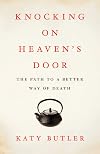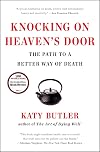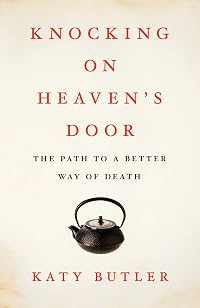
Knocking on Heaven's Door: The Path to a Better Way of Death
by Katy Butler
On This Page
Description
"An exquisitely written, expertly reported memoir and expose; of modern medicine that leads the way to more humane, less invasive end-of-life care based on the author's acclaimed New York Times Magazine piece. This is the story of one daughter's struggle to allow her parents the peaceful, natural deaths they wanted and to investigate the larger forces in medicine that stood in the way. When doctors refused to disable the pacemaker that caused her eighty-four-year-old father's heart to show more outlive his brain, Katy Butler, an award-winning science writer, embarked on a quest to understand why modern medicine was depriving him of a humane, timely death. After his lingering death, Katy's mother, nearly broken by years of nonstop caregiving, defied her doctors, refused open-heart surgery, and insisted on facing death the old-fashioned way: bravely, lucidly, and head on. Against this backdrop of familial love, wrenching moral choices, and redemption, Knocking on Heaven's Door celebrates the inventors of the 1950s who cobbled together lifesaving machines like the pacemaker and it exposes the tangled marriage of technology, medicine, and commerce that gave us a modern way of death: more painful, expensive, and prolonged than ever before. Caring for declining parents is a reality facing millions who may someday tell a doctor: "Let my parent go." A riveting exploration of the forgotten art of dying, Knocking on Heaven's Door empowers readers to create new rites of passage to the "Good Deaths" our ancestors so prized. Like Jessica Mitford's The American Way of Death and How We Die by Sherwin Nuland, it is sure to cause controversy and open minds"-- "A blend of memoir and investigation of the choices we face when our terror of death collides with the technological imperatives of modern medicine"-- show lessTags
Recommendations

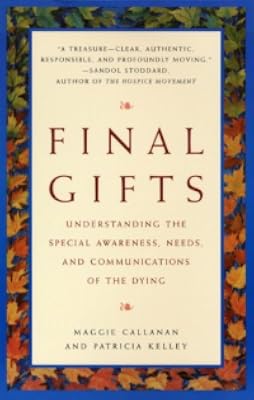

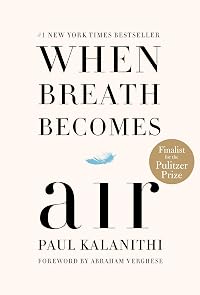
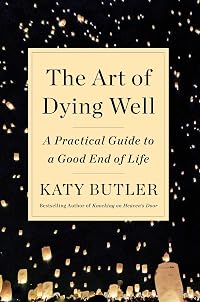
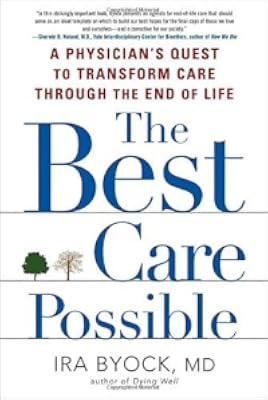
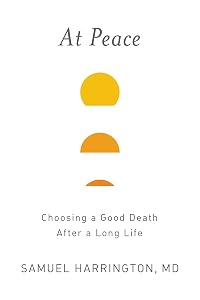
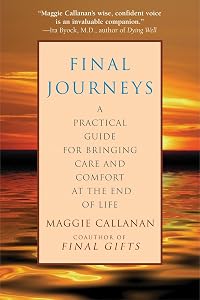

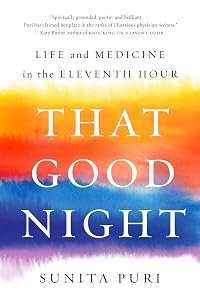
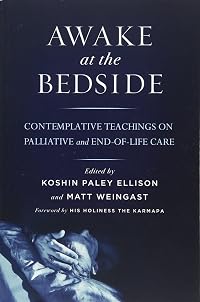

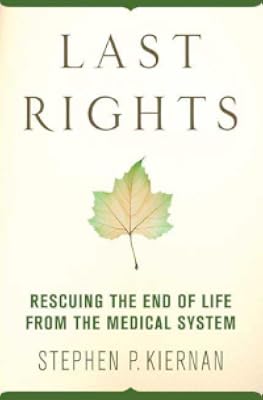

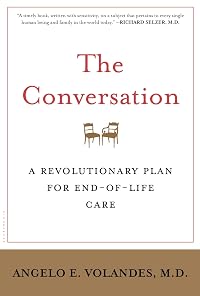
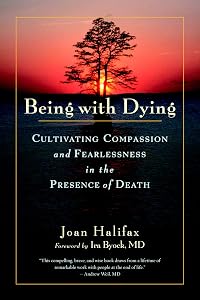

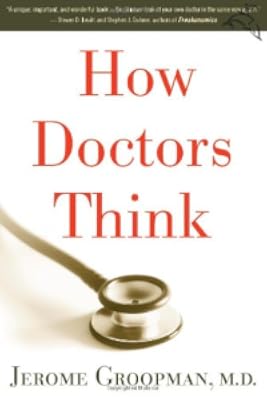
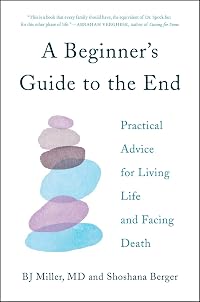
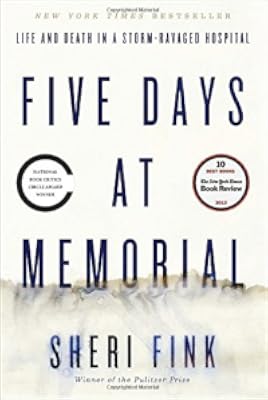
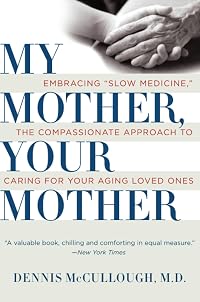
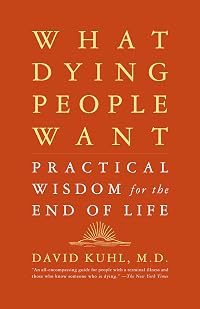
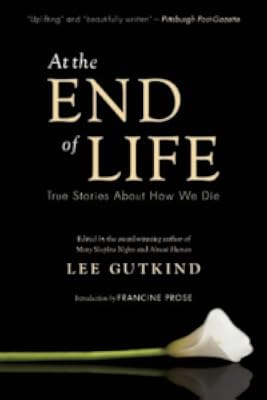
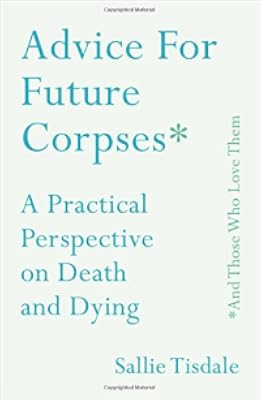
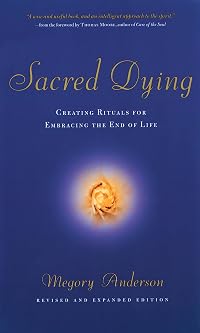

Member Recommendations
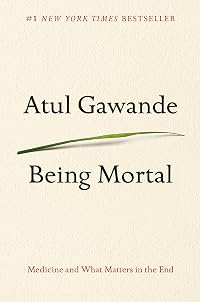
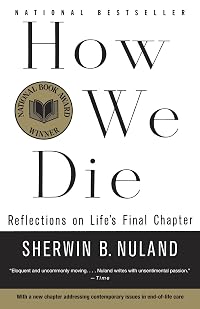
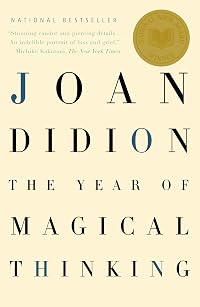
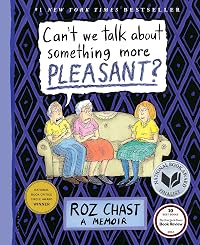
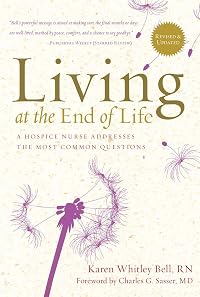
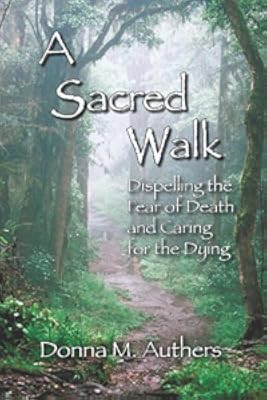
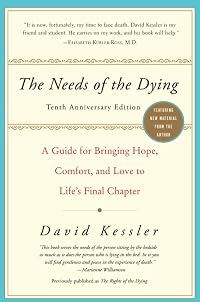
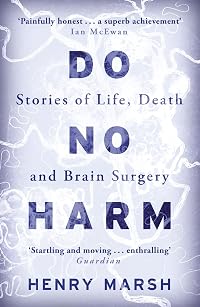
fountainoverflows Both books address the end of life of parents and the strain on adult care-giving children
Member Reviews
How to describe a book that had such a profound effect on me! [Knocking On Heaven's Door] was a difficult book to read, only because its subject matter is death. The death of a loved one, a family member, and ultimately, one's own death. But the author, Katy Butler, as she talks about the deaths of first her beloved father and then her treasured mother, is clear and concise while still compassionate and vulnerable. She providees a plethora of information throughout the book and in the notes at the end. If you are currently a caregiver for an elderly parent or a family member, please buy or somehow obtain a copy of this book. It will be one of the finest things you can do for yourself and them. You should own it, I think, as I can show more imagine much of it being re-read and frequently referenced for the well thought out advice from someone in the difficult position of having to care for aging parents as they transition into the end of their lives. The book was brought into being based on an article about the installation of her father's pacemaker, after a debilatating stroke, first written for the New York Times. Butler is a respected journalist, best known for her prize winning science writing and articles on Buddhism. And while those are both incorporated into [Knocking On Heaven's Door] what shines through most clearly is her love and respect for her parents, and the compassion and grief she experiences with them and for them as they approach the end of their lives, plagued by health crises and in the case of her mother, guilt at the handling of her husbands final days. In his eighties, her father experiences a debilitating stroke and because of the decision they make for him to have a pacemaker implanted, his decline into dementia is prolonged. He is aware enough to state that he feels that he has lived long enough, and as he loses control of his bodily functions, as well as his mental acuity, both Butler and her mother realize their mistake in having the pacemaker implanted. Because a bioethics committee has determined that the deactivation of a pacemaker is neither suicide or assisted death, they are eventually able to have it deactivated, but that decision comes with great regret and difficulty. Butler provides several instances of similar family crises, with various circumstances and outcomes and talks about the people whose care for her father helped them survive the challenges her family faced both before and after his death. Her difficult relationship wth her mother is balanced by the moments of tenderness they share and I was particularly impressed with their shared interest and enthusiasm for the practice of Buddhism, and believe that it often helped them to survive the emotional backlash a failing family member can unwittingly cause. So although the book is meant to help the reader with resources and information, it also provides a sense of joy that can be found in the simplest of things, a tea ceremony, a set of calligraphy pens, a memory. show less
I spent 3+ years a decade and a half ago taking care of my dying mother. I wasn't sure I wanted to read this book--it was a difficult time that I'm generally happy to keep in the closet. However, I took the plunge into Katy Butler's book, and found out that what I felt and went through was not unique and it was wonderful to hear echoes of what I experienced in her story. She is very open with her feelings, and her frustrations, with her family, the tremendously mysterious and maddening medical army you must take on in the process of helping someone in decline and death (though Butler finds ways around it as time goes by), and the modern version of dying that has taken all the sacred away and piled up too many procedures, patches, and show more invasive entrances to our bodies and our lives. Butler, a Buddhist, believes that things can be different, and she shows us what is so wrong, and what can be righted, if we are willing to stand up for a better death. This is a book that most people need to read, for their family and for themselves. show less
This memoir is an intensely personal recounting by Katy Butler of the deaths of both her parents, which she then makes universal and political. One of the most poignant statements for me was when Ms. Butler realized that the medical interventions that were prolonging her father's life, even as his dementia progressed, were taking years off the life of her mom, as his caretaker. Ms. Butler analyzes the current medical practices around the issues of end-of-life care and treatment, and recommends significant changes. This book is touching, well-written, and thought provoking. The narration, by the author, was excellent.
This memoir is an intensely personal recounting by Katy Butler of the deaths of both her parents, which she then makes universal and political. One of the most poignant statements for me was when Ms. Butler realized that the medical interventions that were prolonging her father's life, even as his dementia progressed, were taking years off the life of her mom, as his caretaker. Ms. Butler analyzes the current medical practices around the issues of end-of-life care and treatment, and recommends significant changes. This book is touching, well-written, and thought provoking. The narration, by the author, was excellent.
I had a hard time reading this book because it was honestly hard thinking about the eventual death of my parents (and grandparents) and the author's heartfelt sentiments about her parents often hit very close to home.
I'm glad I endured through it though, because this book gave me a ton to think about and discuss with my elders.
I'm glad I endured through it though, because this book gave me a ton to think about and discuss with my elders.
A book about a family dealing with the death of the elderly and the trauma involved, this is a seriously flawed work. At one end, it is an almost cold, factual assessment of our medical system's faults in dealing with death and dying. At the other end, it is overloaded with highly emotional, contradictory, sometimes narcissistic and elitist rantings. Occasionally, it finds some balance and middle ground, and it provides some worthwhile substance for most people, but it could easily have been a third or a quarter the length and still provided all the good it had to offer. I suspect that some folks will happily wade knee deep in the emotions and miss some of the most salient issues, as did the author. I can't recall having read such a show more flawed non-fiction book that still had something worthwhile to say. Read it or not. I'm convinced one can get as much value elsewhere. show less
A wonderfully revealing look at how we (all, at some point) die, through Butler's experiences with the deaths of her parents. Butler has an exhaustive list of things to consider---again, from her own incredible experiences. There is no such thing as "perfection" in any of this---you do the best you can but she emphasizes how much we have lost over time and how hard it is to get back to the idea of a Slow approach to the subject of dying---the avoidance of medical help when, in all too many situations, that intervention will not help with quality of life but will, instead, often cause more suffering, not only for the dying person but for all the caregivers involved.
Members
- Recently Added By
Published Reviews
ThingScore 100
This book is a blend of memoir and investigative reporting—Butler has the chops to do both well—that looks at the ways that our desire for a peaceful, natural death may be hijacked by the medical industrial complex. Framed around the story of her parents—doctors refused to disable the pacemaker of her father, a dementia patient with a number of life-threatening illnesses—Butler looks show more at how out of our own control end-of-life decisions have become. show less
added by KelMunger
Lists

Books for helping to cope with serious illness/dying
19 works; 2 members
Author Information

3+ Works 565 Members
Awards and Honors
Classifications
- Genres
- Nonfiction, General Nonfiction, Biography & Memoir, Religion & Spirituality
- DDC/MDS
- 616.02 — Applied science & technology Medicine & health Diseases, Allergies, Skin Conditions Pathology; Diseases; Treatment First aid; Emergency; Euthanasia
- LCC
- R726.8 .B884 — Medicine Medicine (General) Medical philosophy. Medical ethics
- BISAC
Statistics
- Members
- 333
- Popularity
- 95,395
- Reviews
- 10
- Rating
- (4.17)
- Languages
- English
- Media
- Paper, Audiobook, Ebook
- ISBNs
- 7
- ASINs
- 2