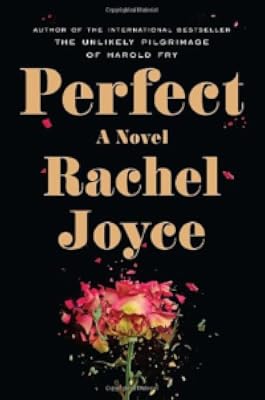
Perfect
by Rachel Joyce
On This Page
Description
A spellbinding novel that will resonate with readers of Mark Haddon, Louise Erdrich, and John Irving, Perfect tells the story of a young boy who is thrown into the murky, difficult realities of the adult world with far-reaching consequences.Byron Hemmings wakes to a morning that looks like any other: his school uniform draped over his wooden desk chair, his sister arguing over the breakfast cereal, the click of his mother’s heels as she crosses the kitchen. But when the three of them show more leave home, driving into a dense summer fog, the morning takes an unmistakable turn. In one terrible moment, something happens, something completely unexpected and at odds with life as Byron understands it. While his mother seems not to have noticed, eleven-year-old Byron understands that from now on nothing can be the same.
What happened and who is to blame? Over the days and weeks that follow, Byron’s perfect world is shattered. Unable to trust his parents, he confides in his best friend, James, and together they concoct a plan. . . .
As she did in her debut, The Unlikely Pilgrimage of Harold Fry, Rachel Joyce has imagined bewitching characters who find their ordinary lives unexpectedly thrown into chaos, who learn that there are times when children must become parents to their parents, and who discover that in confronting the hard truths about their pasts, they will forge unexpected relationships that have profound and surprising impacts. Brimming with love, forgiveness, and redemption, Perfect will cement Rachel Joyce’s reputation as one of fiction’s brightest talents.
Praise for Perfect
“Touching, eccentric . . . Joyce does an inviting job of setting up these mysterious circumstances, and of drawing Byron’s magical closeness with Diana.”—Janet Maslin, The New York Times
“Haunting . . . compelling.”—Minneapolis Star Tribune
“[Joyce] triumphantly returns with Perfect. . . . As Joyce probes the souls of Diana, Byron and Jim, she reveals—slowly and deliberately, as if peeling back a delicate onion skin—the connection between the two stories, creating a poignant, searching tale.”—O: The Oprah Magazine
“Perfect touches on class, mental illness, and the ways a psyche is formed or broken. It has the tenor of a horror film, and yet at the end, in some kind of contortionist trick, the narrative unfolds into an unexpected burst of redemption. [Verdict:] Buy It.”—New York
“Joyce’s dark, quiet follow-up to her successful debut, The Unlikely Pilgrimage of Harold Fry, could easily become a book club favorite. . . . Perfect is the kind of book that blossoms under thoughtful examination, its slow tendencies redeemed by moments of loveliness and insight. However sad, Joyce’s messages—about the limitations of time and control, the failures of adults and the fears of children, and our responsibility for our own imprisonment and freedom—have a gentle ring of truth to them.”—The Washington Post
“There is a poignancy to Joyce’s narrative that makes for her most memorable writing.”—NPR’s All Things Considered. show less
Tags
Recommendations





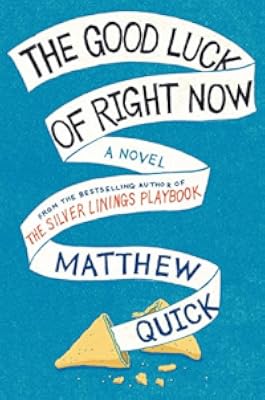
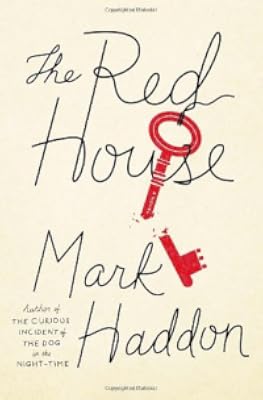
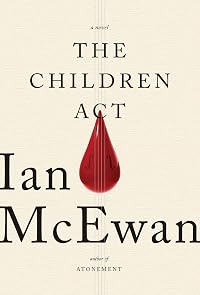
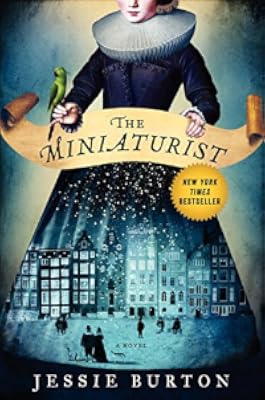

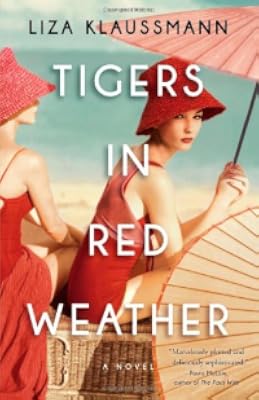
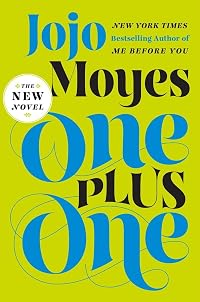
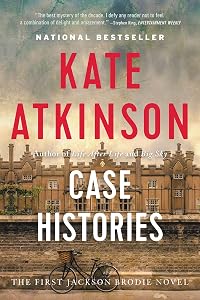
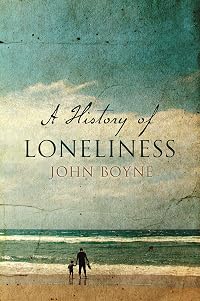

Member Recommendations
jayne_charles Both quirky then-and-now stories
Member Reviews
I won’t be at all surprised if ‘Perfect’ isn’t the book that gets people talking this summer. Rachel Joyce’s first novel The Unlikely Pilgrimage of Harold Fry was hugely successful and popular last year – deservedly so, I loved it too. I was delighted therefore to receive this review copy of Rachel Joyce’s new novel and have been looking forward to it.
This is certainly a novel to read with a lump in the throat – and a tear in the eye. There were moments I smiled too – rather wryly perhaps – but Perfect is quite an emotional reading experience.
Perfect is a hard novel to review without giving too much away. So, I promise to tread carefully. I feel like I want to really wax lyrical about this book – and at the same show more time I’m not sure where to start.
In 1972 two seconds are added to time. Eleven year old Byron Hemmings is terrified of what this may mean. It seems only Byron and his friend James take seriously the issue of the added time. However when Byron’s beautiful mother Diana drives the Jaguar down Digby road where Byron’s father has said they must never go, she makes a big mistake –and no one’s life is ever the same again. Were those two seconds to blame?
“The addition of time terrified Byron Hemmings. At eleven years old he was an imaginative boy. He lay awake picturing it happen, and his heart flapped like a bird. He watched the clocks, trying to catch them at it.
‘When will they do it?’ he asked his mother.”
It is Byron’s mother Diana who is at the heart of this novel; it is around Diana that the narrative revolves. Diana is an unhappy middle class wife – her controlling husband is only home at the weekends, and Byron notices she has a different voice that she uses when his father is around. Poor Diana knows she doesn’t really fit into the spiteful little clique of school mothers that meet for coffee. She is nervous of driving the Jaguar her husband is so proud of, shy of mentioning her past employment as a performer and shocks the other mothers when she announces she may want another job one day. Diana makes a mistake, and the consequences which seem to follow that one mistake are heart-breaking and long lasting. Following the incident in Digby Road that summer morning on the way to school – Byron and James launch Operation Perfect to investigate what really happened.
Forty years later Jim, who has spent most of his adult life in and out of Beslely Hill psychiatric hospital which has recently closed, lives in his van. Wearing a small orange hat as he cleans the tables in the supermarket café, Jim is ruled by the rituals he must perform in order to keep himself safe. He loves the moor, likes to plant and finds the world a difficult place. There are times when Jim misses the safety in the routines of Beslely Hill, is haunted by the past, but Jim finds some unlikely friends in his colleagues at the supermarket café, who accept him for who he is. When Jim meets Eileen – who is loud and unpredictable – and has flaming orange hair and a holly-green coat, he is surprised by the beginning of some new feelings.
“He will not share a lift with Eileen. They will not go for a drink. He thinks briefly of how she fell still when she talked about losing things, how she watched and said nothing while Paula shouted. It was like meeting Eileen in completely different, light summer clothes.
Jim wonders if she had mislaid something on the pavement after all. And then it occurs to him that if she did, he would like to spend forever finding it”
Rachel Joyce has a subtle straightforward style of writing that suits this story perfectly; the voices of her characters resonate strongly. The story that unfolds is at times heart-breaking, as the consequences of Byron’s obsession resonate down the years. Although the story is often a sad one, there are moments to smile too, and I came to love these characters, as a reader you see the errors as they make them, and want to pull them back. Unputdownable and captivating, Perfect is certain to be another big success. Rachel Joyce has crafted a wonderfully poignant story with unforgettable characters. There is a gentle redemptive quality to this novel ultimately – which maybe saves it from being unremittingly bleak. I was able to finish the novel with both a lump in my throat and a smile on my face show less
This is certainly a novel to read with a lump in the throat – and a tear in the eye. There were moments I smiled too – rather wryly perhaps – but Perfect is quite an emotional reading experience.
Perfect is a hard novel to review without giving too much away. So, I promise to tread carefully. I feel like I want to really wax lyrical about this book – and at the same show more time I’m not sure where to start.
In 1972 two seconds are added to time. Eleven year old Byron Hemmings is terrified of what this may mean. It seems only Byron and his friend James take seriously the issue of the added time. However when Byron’s beautiful mother Diana drives the Jaguar down Digby road where Byron’s father has said they must never go, she makes a big mistake –and no one’s life is ever the same again. Were those two seconds to blame?
“The addition of time terrified Byron Hemmings. At eleven years old he was an imaginative boy. He lay awake picturing it happen, and his heart flapped like a bird. He watched the clocks, trying to catch them at it.
‘When will they do it?’ he asked his mother.”
It is Byron’s mother Diana who is at the heart of this novel; it is around Diana that the narrative revolves. Diana is an unhappy middle class wife – her controlling husband is only home at the weekends, and Byron notices she has a different voice that she uses when his father is around. Poor Diana knows she doesn’t really fit into the spiteful little clique of school mothers that meet for coffee. She is nervous of driving the Jaguar her husband is so proud of, shy of mentioning her past employment as a performer and shocks the other mothers when she announces she may want another job one day. Diana makes a mistake, and the consequences which seem to follow that one mistake are heart-breaking and long lasting. Following the incident in Digby Road that summer morning on the way to school – Byron and James launch Operation Perfect to investigate what really happened.
Forty years later Jim, who has spent most of his adult life in and out of Beslely Hill psychiatric hospital which has recently closed, lives in his van. Wearing a small orange hat as he cleans the tables in the supermarket café, Jim is ruled by the rituals he must perform in order to keep himself safe. He loves the moor, likes to plant and finds the world a difficult place. There are times when Jim misses the safety in the routines of Beslely Hill, is haunted by the past, but Jim finds some unlikely friends in his colleagues at the supermarket café, who accept him for who he is. When Jim meets Eileen – who is loud and unpredictable – and has flaming orange hair and a holly-green coat, he is surprised by the beginning of some new feelings.
“He will not share a lift with Eileen. They will not go for a drink. He thinks briefly of how she fell still when she talked about losing things, how she watched and said nothing while Paula shouted. It was like meeting Eileen in completely different, light summer clothes.
Jim wonders if she had mislaid something on the pavement after all. And then it occurs to him that if she did, he would like to spend forever finding it”
Rachel Joyce has a subtle straightforward style of writing that suits this story perfectly; the voices of her characters resonate strongly. The story that unfolds is at times heart-breaking, as the consequences of Byron’s obsession resonate down the years. Although the story is often a sad one, there are moments to smile too, and I came to love these characters, as a reader you see the errors as they make them, and want to pull them back. Unputdownable and captivating, Perfect is certain to be another big success. Rachel Joyce has crafted a wonderfully poignant story with unforgettable characters. There is a gentle redemptive quality to this novel ultimately – which maybe saves it from being unremittingly bleak. I was able to finish the novel with both a lump in my throat and a smile on my face show less
Byron Hemmings is an eleven year old boy whose life, on the surface, looks perfect. And then one day as he and his sister and mother are driving through a summer fog, something happens. Something that changes everything. And it appears his mother is unaware of what has happened, and only Byron can make it all okay again. He consults his best friend, James, and together they work out a plan.
Rachel Joyce revisits the themes of loss, grief and redemption which she explored in her amazing debut The Unlikely Pilgrimage of Harold Fry. In many ways, the two books are similar – they both are peopled with ordinary characters, there is a surprising turn of events, and the characters must confront their pasts in order to move forward into their show more futures. But although there are deep parallels between the novels, there are also marked differences. In Perfect, the protagonist is a child who is burdened with hard truths that no child should have to be burdened with – and it is perhaps this innocence in Joyce’s primary character which adds to the sadness within its pages.
Rachel Joyce has a knack for taking the ordinary and twisting it into the extraordinary. Her prose is rich and insightful, her characters surprisingly complex beneath their veneer of simplicity. Byron is a vulnerable and naive child who yearns to fix the cracks in his family. His mother is a bit clueless, fumbling in her role as mother, trying desperately to fit in a marriage which is stifling and cold. Byron’s father is largely absent – a man who spends most days far from his children and wife, and yet expects to come home to perfection.
There is a parallel story in Perfect, one which gives the reader a glimpse into the future of one of the characters and alternates chapters with the summer of Byron’s eleventh year. In a prologue, Joyce hints about the fate of the character whose story takes place in the future – but it is not clear until the end what will happen.
It was all because of a small slip in time, the whole story. The repercussions were felt for years and years. Of the two boys, James and Byron, only one kept on course.– from Perfect -
I was eager to read this novel because I adored The Unlikely Pilgrimage of Harold Fry. Joyce did not disappoint me, although I didn’t love Perfect quite as much as her debut novel. Readers who enjoy British literary fiction, will want to read Joyce’s sophomore effort.
Recommended. show less
Rachel Joyce revisits the themes of loss, grief and redemption which she explored in her amazing debut The Unlikely Pilgrimage of Harold Fry. In many ways, the two books are similar – they both are peopled with ordinary characters, there is a surprising turn of events, and the characters must confront their pasts in order to move forward into their show more futures. But although there are deep parallels between the novels, there are also marked differences. In Perfect, the protagonist is a child who is burdened with hard truths that no child should have to be burdened with – and it is perhaps this innocence in Joyce’s primary character which adds to the sadness within its pages.
Rachel Joyce has a knack for taking the ordinary and twisting it into the extraordinary. Her prose is rich and insightful, her characters surprisingly complex beneath their veneer of simplicity. Byron is a vulnerable and naive child who yearns to fix the cracks in his family. His mother is a bit clueless, fumbling in her role as mother, trying desperately to fit in a marriage which is stifling and cold. Byron’s father is largely absent – a man who spends most days far from his children and wife, and yet expects to come home to perfection.
There is a parallel story in Perfect, one which gives the reader a glimpse into the future of one of the characters and alternates chapters with the summer of Byron’s eleventh year. In a prologue, Joyce hints about the fate of the character whose story takes place in the future – but it is not clear until the end what will happen.
It was all because of a small slip in time, the whole story. The repercussions were felt for years and years. Of the two boys, James and Byron, only one kept on course.– from Perfect -
I was eager to read this novel because I adored The Unlikely Pilgrimage of Harold Fry. Joyce did not disappoint me, although I didn’t love Perfect quite as much as her debut novel. Readers who enjoy British literary fiction, will want to read Joyce’s sophomore effort.
Recommended. show less
I picked up this book through the emails I get from BookBub, and I’m so glad I did. It’s a perfectly crafted little novel, set in England, which tells the story of how a random accident changes the life of a little boy. Byron’s mother, an ex-actress in a troubled marriage with a controlling and socially ambitious jerk, bumps into a little girl with her car and, unknowingly, drives off. Byron realizes what has happened and encourages his mother to right her wrong. Meanwhile, alternating chapters tell the story of Jim, a lonely adult with severe OCD. It’s a beautifully written and subtle book, with enough ambiguity to make it a good book discussion pick.
Let me start with an affirmation: Perfect by Rachel Joyce is every bit as good as her debut novel, The Unlikely Pilgrimage of Harold Fry.
Perfect is set in Britain and follows two different storylines. In the first it is 1972 and 11-year-old Byron Hemmings has several things he is concerned about. First his best friend, James Lowe, tells him that two seconds are going to be added to the official time to balance things on this leap year. Byron knows that two seconds may seem inconsequential, but two seconds can make a huge difference. They can mean taking a firm step or stumbling off the edge of a cliff. While James and his mother, Diana, don't seem too concerned, a day comes when those two seconds changed the life of Byron's family. show more While driving Byron and his younger sister to school in the fog his mother hits a child on a bicycle. The only problem is that she didn't realize it happened and only Byron saw the accident. Should he tell her?
Alternating chapters are set in the present and follow the life of Jim, a man in his fifties with OCD. Jim has been in and out of the mental health system and endured many rounds of electroconvulsive therapy. His current job is as a table washer at a local cafe. He stutters badly and has a difficult time dealing with people, although he desperately tries to get along as best as he can.
It soon becomes clear to the reader that Byron's family is much more dysfunctional than even he realizes and it doesn't take much to topple the tightly regimented routine his mother keeps in order to endure his controlling and older father, who only comes to the country estate to see his family on the weekends. In the meantime Byron and James start "Operation Perfect," a plan to protect Diana, who James worships from afar.
Joyce keeps the pace moving and I just flew through Perfect racing to see what was going to happen next in the two storylines. All of the chapters set in 1972 are seen through Byron's eyes so, while he is observant, he doesn't always recognize the reality of what is going on around him, although he does, with James's help, have some keen insights. He loves his mother and sees her through those eyes rather than how she is viewed by his classmates mothers. Jim's situation is heartbreaking as he struggles along as best he can.
I might as well admit that I was a sobbing mess at the end of this novel. Yes, it is that good. I think I even liked it more than Harold Fry and I liked Joyce's first novel a whole lot. Joyce manages to portray her character's personalities and actions while describing the settings flawlessly. Even when propelling the story forward through the voice of an 11 year-old she manages to capture a sense of depth and purpose. She slowly shows us the steps toward the both of the unfolding tragedies that seem to be looming on the horizon. Perfect is permeated with an overwhelming sadness(thus the crying going on here) though there is redemption at the end.
The writing is superb. It is perfect. I wouldn't change a word. I loved this novel
Very Highly Recommended
Disclosure: I received an advanced reading copy of this book from the publisher and TLC for review purposes. show less
Perfect is set in Britain and follows two different storylines. In the first it is 1972 and 11-year-old Byron Hemmings has several things he is concerned about. First his best friend, James Lowe, tells him that two seconds are going to be added to the official time to balance things on this leap year. Byron knows that two seconds may seem inconsequential, but two seconds can make a huge difference. They can mean taking a firm step or stumbling off the edge of a cliff. While James and his mother, Diana, don't seem too concerned, a day comes when those two seconds changed the life of Byron's family. show more While driving Byron and his younger sister to school in the fog his mother hits a child on a bicycle. The only problem is that she didn't realize it happened and only Byron saw the accident. Should he tell her?
Alternating chapters are set in the present and follow the life of Jim, a man in his fifties with OCD. Jim has been in and out of the mental health system and endured many rounds of electroconvulsive therapy. His current job is as a table washer at a local cafe. He stutters badly and has a difficult time dealing with people, although he desperately tries to get along as best as he can.
It soon becomes clear to the reader that Byron's family is much more dysfunctional than even he realizes and it doesn't take much to topple the tightly regimented routine his mother keeps in order to endure his controlling and older father, who only comes to the country estate to see his family on the weekends. In the meantime Byron and James start "Operation Perfect," a plan to protect Diana, who James worships from afar.
Joyce keeps the pace moving and I just flew through Perfect racing to see what was going to happen next in the two storylines. All of the chapters set in 1972 are seen through Byron's eyes so, while he is observant, he doesn't always recognize the reality of what is going on around him, although he does, with James's help, have some keen insights. He loves his mother and sees her through those eyes rather than how she is viewed by his classmates mothers. Jim's situation is heartbreaking as he struggles along as best he can.
I might as well admit that I was a sobbing mess at the end of this novel. Yes, it is that good. I think I even liked it more than Harold Fry and I liked Joyce's first novel a whole lot. Joyce manages to portray her character's personalities and actions while describing the settings flawlessly. Even when propelling the story forward through the voice of an 11 year-old she manages to capture a sense of depth and purpose. She slowly shows us the steps toward the both of the unfolding tragedies that seem to be looming on the horizon. Perfect is permeated with an overwhelming sadness(thus the crying going on here) though there is redemption at the end.
The writing is superb. It is perfect. I wouldn't change a word. I loved this novel
Very Highly Recommended
Disclosure: I received an advanced reading copy of this book from the publisher and TLC for review purposes. show less
I received an Advanced Reader Copy of this book through the First Reads program...and I was really excited because I loved Rachel Joyce's first novel, [b:The Unlikely Pilgrimage of Harold Fry|13227454|The Unlikely Pilgrimage of Harold Fry|Rachel Joyce|https://d202m5krfqbpi5.cloudfront.net/books/1335816092s/13227454.jpg|18156927], even though it wasn't what I expected. This book was much the same: it wasn't what I expected from the publisher's blurb, but I loved it anyway.
In 1972, two seconds were added to the clocks to make everything peachy-keen science-wise. Eleven-year-old Byron Hemming comes to believe those two seconds have changed his life...for the worse. I expected this book to be much lighter than it actually was. Why? I mean, show more I made that same mistake with good ol' Harold, and while Harold and Byron don't have a whole lot in common on the surface, they're similar characters in some ways. (I'll let you figure that out on your own.)
In the 1972 storyline, we meet Byron, his troubled mother Diana, overbearing father Seymour, his best friend James who is infatuated with Byron's mom, James' overbearing mother, and Beverly, a woman from the other side of the tracks (which in this case is actually a road). The sexism of the '70s infuriated me and Joyce brings the characters to life so expertly, I raged against some characters and ached for others. Which isn't to say that Joyce paints them strictly as good or bad. Her characters are nuanced, and all of them are far from "perfect."
In alternating chapters, we meet a man named Jim, who is in his 50s and has spent most of his adult life in a psychiatric hospital, which is now closed. Shock therapy has left him with a stutter and he is captive to his OCD rituals. He is able to hold a job wiping tables at a local restaurant, and there he is forced to interact with an eclectic collection of coworkers.
I can't say too much about the characters or plot, because the layers of deception and mystery are integral to the story and the reader's enjoyment. I will say that I saw some of the twists coming, but only because I've read so many books that I've become pretty good at guessing. Some of my guesses regarding this book were also wrong, so yours could be, too. And also this book made me cry, a lot, but I'm a big sap when it comes to books, much more than I am in real life.
Joyce's prose is gorgeous, perfectly evoking the mood of a restless 70s summer and modern chilling winter. Dear Publisher, please feel free to send me ARCs for anything else that Rachel Joyce writes! show less
In 1972, two seconds were added to the clocks to make everything peachy-keen science-wise. Eleven-year-old Byron Hemming comes to believe those two seconds have changed his life...for the worse. I expected this book to be much lighter than it actually was. Why? I mean, show more I made that same mistake with good ol' Harold, and while Harold and Byron don't have a whole lot in common on the surface, they're similar characters in some ways. (I'll let you figure that out on your own.)
In the 1972 storyline, we meet Byron, his troubled mother Diana, overbearing father Seymour, his best friend James who is infatuated with Byron's mom, James' overbearing mother, and Beverly, a woman from the other side of the tracks (which in this case is actually a road). The sexism of the '70s infuriated me and Joyce brings the characters to life so expertly, I raged against some characters and ached for others. Which isn't to say that Joyce paints them strictly as good or bad. Her characters are nuanced, and all of them are far from "perfect."
In alternating chapters, we meet a man named Jim, who is in his 50s and has spent most of his adult life in a psychiatric hospital, which is now closed. Shock therapy has left him with a stutter and he is captive to his OCD rituals. He is able to hold a job wiping tables at a local restaurant, and there he is forced to interact with an eclectic collection of coworkers.
I can't say too much about the characters or plot, because the layers of deception and mystery are integral to the story and the reader's enjoyment. I will say that I saw some of the twists coming, but only because I've read so many books that I've become pretty good at guessing. Some of my guesses regarding this book were also wrong, so yours could be, too. And also this book made me cry, a lot, but I'm a big sap when it comes to books, much more than I am in real life.
Joyce's prose is gorgeous, perfectly evoking the mood of a restless 70s summer and modern chilling winter. Dear Publisher, please feel free to send me ARCs for anything else that Rachel Joyce writes! show less
In 1972, two seconds were added to balance the earth's rotation with clock time. Since learning of this from his much-smarter friend James, 11 year old Byron has been worrying over this addition. When his mother is involved in a car accident with the children in tow, Byron is convinced those two seconds are implicated. The consequences of this accident are far reaching for the boy, his mother, his family and his friend. This story alternates with the story of present day Jim, who has been in and out of mental institutions, and suffers from what appears to be obsessive compulsive disorder, and possibly paranoid schizophrenia as well. Since the closure of the mental institution, he has been 'main streamed' into a camper, menial job wiping show more tables and a life of constant rituals designed to keep himself and the world safe. We are kept wondering until very late in the tale if there is any connection between the two stories.
While not generally the case for me, I found the bouncing between characters and time periods to be disruptive and a detriment to the overall pacing of the book. There is a a heaviness and sadness to the story which some readers might find difficult to appreciate. I especially admired Joyce's fully realized characters. Mental illness is a difficult subject about which to write (and read.) Joyce does so with compassion and imagination. Anything that advances us along a path of understanding and acceptance of mental illness is a good thing. show less
While not generally the case for me, I found the bouncing between characters and time periods to be disruptive and a detriment to the overall pacing of the book. There is a a heaviness and sadness to the story which some readers might find difficult to appreciate. I especially admired Joyce's fully realized characters. Mental illness is a difficult subject about which to write (and read.) Joyce does so with compassion and imagination. Anything that advances us along a path of understanding and acceptance of mental illness is a good thing. show less
 This review was written for LibraryThing Early Reviewers.
There is a particular truth about being the oldest sibling in a family. There is a heightened awareness of responsibility that does not exist in younger siblings. There is also, typically, a close bond with at least one parent. Poor Byron epitomizes these characteristics. He adores his mother and will do almost anything to make sure she remains happy. In fact, he views it as his duty to protect her from sadness. For an eleven-year-old boy, this means nothing but undue stress and terrible consequences when a particular situation spirals out of his childhood control. His inability to prevent bad things from happening to his family heightens the sense of unfairness at a chance circumstance with devastating consequences.
James is an show more interesting complement for Byron. He is Sheldon to Byron’s Leonard – the practical, logical one as opposed to Byron’s intense emotional responses. He is the one with the plans to help protect Byron’s family; he provides the guidance and reassurance Byron needs to complete his plans. He is an old soul. That he may be out of his depth in Byron’s situation never crosses his mind, and he approaches this most adult of circumstances with a precocious sagacity that borders on humorous. Their friendship is as touching as the end results are inevitable.
The true awfulness of Perfect is not what happens to Byron and his family. It is not even how much Byron struggles to maintain the status quo. It is the fact that two little boys are caught up into an entirely adult situation of which they have no hope of fully understanding or preventing. They can see that things are heading downward but they do not have the worldly knowledge to understand why or how to prevent it. Their hearts are in the right place, but they can affect no preventative measures to halt the situation’s descent. Therein also lays the beauty of Perfect for, regardless of their impotence, their desire serves as a touching reminder of the inherent goodness of children.
Perfect is the tragic story of misunderstandings, misplaced hopes, and unrequited dreams, of friendship and love, of expectations versus reality, of guilt and innocence, of responsibility and of consequences. Byron’s struggles to keep his world from falling to pieces are at once heartbreaking and endearing. His seriousness is charming, but it is his devotion to his mother where readers fall in love with him. Conversely, Jim’s own adulthood battles form their own tragedy. Ms. Joyce excels at peeling back each layer of cause and effect to highlight its lasting impact on the characters, while her gorgeous phrasing enlivens not only the dialogue but also the entire setting. Her excellent use of the multiple narrator/dual time period serves to heighten the considerable tension and drama. With its lasting discussions of guilt and innocence, Perfect is the type of story that compels and haunts. show less
James is an show more interesting complement for Byron. He is Sheldon to Byron’s Leonard – the practical, logical one as opposed to Byron’s intense emotional responses. He is the one with the plans to help protect Byron’s family; he provides the guidance and reassurance Byron needs to complete his plans. He is an old soul. That he may be out of his depth in Byron’s situation never crosses his mind, and he approaches this most adult of circumstances with a precocious sagacity that borders on humorous. Their friendship is as touching as the end results are inevitable.
The true awfulness of Perfect is not what happens to Byron and his family. It is not even how much Byron struggles to maintain the status quo. It is the fact that two little boys are caught up into an entirely adult situation of which they have no hope of fully understanding or preventing. They can see that things are heading downward but they do not have the worldly knowledge to understand why or how to prevent it. Their hearts are in the right place, but they can affect no preventative measures to halt the situation’s descent. Therein also lays the beauty of Perfect for, regardless of their impotence, their desire serves as a touching reminder of the inherent goodness of children.
Perfect is the tragic story of misunderstandings, misplaced hopes, and unrequited dreams, of friendship and love, of expectations versus reality, of guilt and innocence, of responsibility and of consequences. Byron’s struggles to keep his world from falling to pieces are at once heartbreaking and endearing. His seriousness is charming, but it is his devotion to his mother where readers fall in love with him. Conversely, Jim’s own adulthood battles form their own tragedy. Ms. Joyce excels at peeling back each layer of cause and effect to highlight its lasting impact on the characters, while her gorgeous phrasing enlivens not only the dialogue but also the entire setting. Her excellent use of the multiple narrator/dual time period serves to heighten the considerable tension and drama. With its lasting discussions of guilt and innocence, Perfect is the type of story that compels and haunts. show less
Members
- Recently Added By
Lists

Books Read in 2014
2,344 works; 89 members

Five star books
1,767 works; 110 members

the mother of all novels (parenting theme)
15 works; 4 members
Author Information

17 Works 11,235 Members
Rachel Joyce is an author who was born in London in 1962. She started her career writing plays for the BBC Radio Four. She was part of the duo that won the 2007 Tinnis wood Award for "To Be A Pilgrim". She was longlisted for the 2012 Man Booker Prize with her debut novel The Unlikely Pilgrimage of Harold Fry. She later won the New Writer of the show more Year Award in 2012 from the National Book Awards for this same title. Her other works include: Perfect, The Love Song of Miss. Queenie Hennessy, A Snow Garden and Other Stories and The Music Shop. (Bowker Author Biography) show less
Some Editions
Awards and Honors
Series
Belongs to Publisher Series
Fischer Taschenbuch (19537)
Common Knowledge
- Canonical title
- Perfect
- Original title
- Perfect
- Original publication date
- 2014-01-14
- Epigraph
- Only when the clock stops does time come to life.
—William Faulkner, The Sound and the Fury - Dedication
- For my mother and my son, Jo (without an e)
- First words
- In 1972, two seconds were added to time.
Classifications
Statistics
- Members
- 1,014
- Popularity
- 25,792
- Reviews
- 84
- Rating
- (3.68)
- Languages
- 11 — Chinese, Danish, Dutch, English, French, German, Italian, Norwegian (Bokmål), Portuguese, Spanish, Swedish
- Media
- Paper, Audiobook, Ebook
- ISBNs
- 43
- ASINs
- 12
