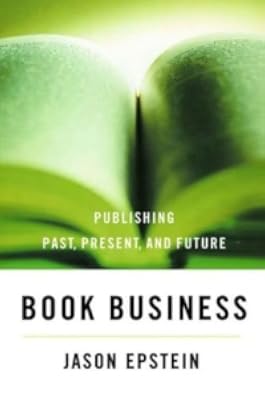
Book Business: Publishing Past, Present, and Future
by Jason Epstein
On This Page
Description
Jason Epstein has led arguably the most creative career in book publishing during the past half-century. He founded Anchor Books and launched the quality paperback revolution, cofounded the New York Review of Books, and created of the Library of America, the prestigious publisher of American classics, and The Reader's Catalog, the precursor of online bookselling. In this short book he discusses the severe crisis facing the book business today--a crisis that affects writers and readers as show more well as publishers--and looks ahead to the radically transformed industry that will revolutionize the idea of the book as profoundly as the introduction of movable type did five centuries ago. show lessTags
Recommendations



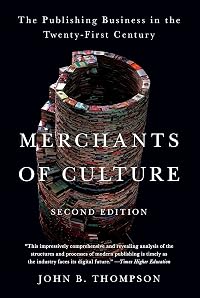
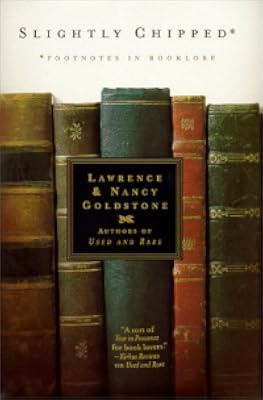



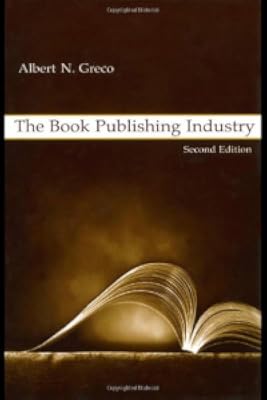

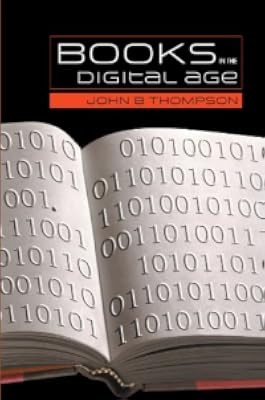


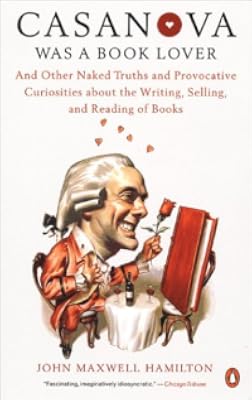
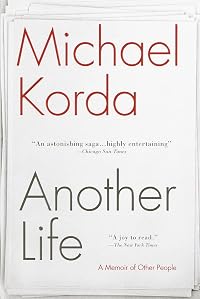

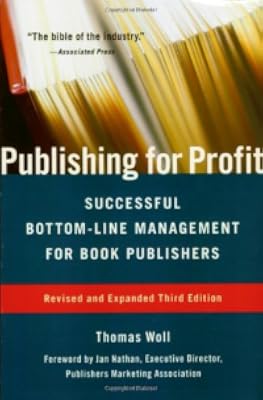
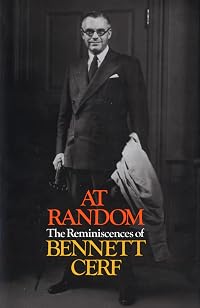








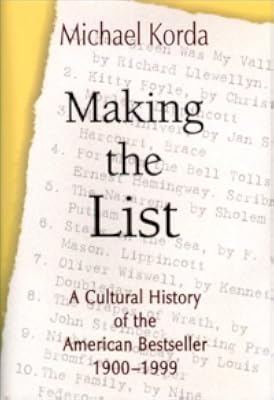

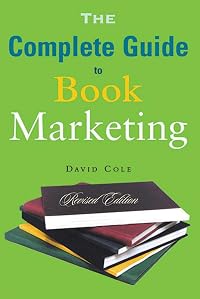
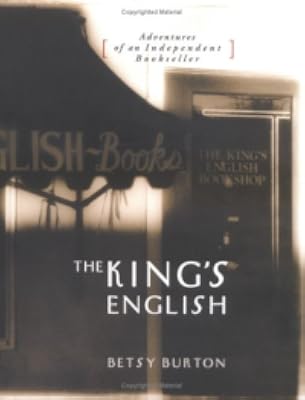
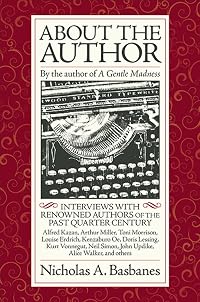



Member Recommendations


Member Reviews
I can't tell you how much I enjoy reading informed and coherent opinions. Too many times people think volume and emotion automatically validate points and give arguments merit.
Well Epstein needs neither volume or ranting emotions. He is well informed and gets you to think about publishing in new ways.
This is one of those books you'll enjoy simply because it allows you to have a conversation that you may not have otherwise had. And it's all about books and publishing.
This is one for people who like books, all things publishing and thinking about the future of our culture. Even if you find yourself disagreeing with Epstein, you'll find it well worth your time to read.
Well Epstein needs neither volume or ranting emotions. He is well informed and gets you to think about publishing in new ways.
This is one of those books you'll enjoy simply because it allows you to have a conversation that you may not have otherwise had. And it's all about books and publishing.
This is one for people who like books, all things publishing and thinking about the future of our culture. Even if you find yourself disagreeing with Epstein, you'll find it well worth your time to read.
Although the title may suggest a dry analysis of the book publishing industry, this book is much more the fascinating memoir of a man who worked behind the scenes at the center of post-World War II American literary life. Epstein vividly recounts his glory days at Doubleday where he created the Anchor Books line that launched the "quality paperback' revolution, at Random House working with literary giants like Ralph Ellison, Norman Mailer, Edmund Wilson, and Vladimir Nabokov, and his role in founding the New York Review of Books. Epstein laments the passing of this world in the 1980s with the consolidation of the publishing industry under a few massive conglomerations and the rise of giant chain bookstores, arguing that these massive, show more impersonal, profit-driven entities are unable to develop and sustain the kind of literary movement (modernism) that blossomed in America from the 1920s through the 1960s. However, Epstein optimistically concludes that the development of computers and the internet will usher in a new golden literary era by allowing writers to develop direct relationships with their readers.
Unfortunately, I think Epstein may be overly optimistic about the future of publishing, succumbing to "gee whiz" enthusiasm about the technological potential of the internet but ignoring the struggle that is emerging over what kind of internet we are going to have. The internet holds great potential for reinvigorating literature, but only if it remains an open, widely accessible medium we have been blessed to experience so far. If the media and telecom giants succeed in their attempts to dominate the internet and transform it into a centralized medium like TV-on-steroids, publishing in whatever new forms it takes will remain the bland, profit-driven enterprise that Epstein laments.
This shortcoming aside, Epstein's book is a lively and insightful personal history of the publishing industry and the decline of literature. Well worth reading for anyone who cares about books. show less
Unfortunately, I think Epstein may be overly optimistic about the future of publishing, succumbing to "gee whiz" enthusiasm about the technological potential of the internet but ignoring the struggle that is emerging over what kind of internet we are going to have. The internet holds great potential for reinvigorating literature, but only if it remains an open, widely accessible medium we have been blessed to experience so far. If the media and telecom giants succeed in their attempts to dominate the internet and transform it into a centralized medium like TV-on-steroids, publishing in whatever new forms it takes will remain the bland, profit-driven enterprise that Epstein laments.
This shortcoming aside, Epstein's book is a lively and insightful personal history of the publishing industry and the decline of literature. Well worth reading for anyone who cares about books. show less
When I read this book shortly after its release, most of the predictions by Mr Epstein seemed to be some way off in the future -- if not a long way off.
Looking back over the book last December (2008), I was struck by just how accurate most of those predictions have proven to be. Print on demand technology has not yet reached the point of being available in your local bookstores, but it is getting there. The Internet is disrupting the retail book trade, which has come to be dominated by "big box" chain stores which sell books like soap powder: stock lots of the few best-sellers; turn over the rest quickly, and don't bother to hire staff who know or care much about books.
I would love to see a fresh take on this topic, looking at what may show more happen next, now that Sony Readers, Kindles, and smartphones are giving readers new ways to acquire and read books, and publishers are scrambling to launch digital editions (and to figure out how to avoid the mistakes the music industry made).
A very good read, even today. show less
Looking back over the book last December (2008), I was struck by just how accurate most of those predictions have proven to be. Print on demand technology has not yet reached the point of being available in your local bookstores, but it is getting there. The Internet is disrupting the retail book trade, which has come to be dominated by "big box" chain stores which sell books like soap powder: stock lots of the few best-sellers; turn over the rest quickly, and don't bother to hire staff who know or care much about books.
I would love to see a fresh take on this topic, looking at what may show more happen next, now that Sony Readers, Kindles, and smartphones are giving readers new ways to acquire and read books, and publishers are scrambling to launch digital editions (and to figure out how to avoid the mistakes the music industry made).
A very good read, even today. show less
This book, chronicling the work of a man who's been in the industry since the 1950s, is an interesting insight into the post-Golden-Age publishing business. The author's decade-old predictions of the "future" of reading are a dizzying mix of accurate and wishful. More of a memoir than anything else, it contextualizes rather than instructs, provides history rather than practical information.
This was an enjoyable short memoir of the rise and fall of the modern U.S. publishing business, and provides fun anecdotes from the early days of publishing as well as Epstein's insights into new-to-me phenomena like the death of the midlist. Some of his opinions are dead wrong in hindsight - he predicted Amazon would never become profitable - but in general I would recommend it as an introduction into modern publishing history.
This is a fast and interesting read about the publishing industry in America--where it's been, and where it's going. Full of anecdotes and interesting tidbits about publishing, this is a good read. If it sounds at all interesting, I highly recommend it.
Though more of a personal history than an objective analysis of the past, present and future of the publishing industry, Epstein's book still gives an insightful and informative view of the machine from the inside.
Members
- Recently Added By
Author Information

8+ Works 613 Members
Jason Epstein, former editorial director of Random House, was the first recipient of the National Book Award for Distinguished Service to American Letters. (Bowker Author Biography)
Some Editions
Series
Belongs to Publisher Series
Anagrama / Empúries (29)
Common Knowledge
- Original title
- Book Business
Classifications
- Genres
- Nonfiction, General Nonfiction, Biography & Memoir, History
- DDC/MDS
- 070.509 — Computer science, information & general works News media, journalism & publishing Documentary media, educational media, news media; journalism; publishing Publishing Biography; History By Place
- LCC
- Z280 .E67 — Bibliography, Library Science and Information Resources Book industries and trade Bookselling and publishing
- BISAC
Statistics
- Members
- 460
- Popularity
- 66,523
- Reviews
- 10
- Rating
- (3.61)
- Languages
- 8 — Catalan, English, German, Hungarian, Italian, Portuguese, Slovenian, Spanish
- Media
- Paper, Ebook
- ISBNs
- 9
- ASINs
- 1