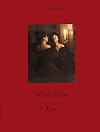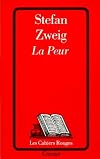
Fear
by Stefan Zweig
On This Page
Description
Finding her comfortable bourgeois existence as wife and mother predictable after eight years of marriage, Irene Wagner brings a little excitement into it by starting an affair with a rising young pianist. Her lover's former mistress begins blackmailing her, threatening to give her secret away to her husband. Irene is soon in the grip of agonizing fear. Written in the spring of 1913, and first published in 1920, this novella is one of Stefan Zweig's most powerful studies of a woman's mind and show more emotions. La Paura (1954) the Roberto Rossellini film based on the Stefan Zweig novel Fear was the last of the extraordinary features in which Rossellini directed Ingrid Bergman, who was then his wife. Pushkin Collection editions feature a spare, elegant series style and superior, durable components. The Collection is typeset in Monotype Baskerville, litho-printed on Munken Premium White Paper and notch-bound by the independently owned printer TJ International in Padstow. The covers, with French flaps, are printed on Colorplan Pristine White Paper. Both paper and cover board are acid-free and Forest Stewardship Council (FSC) certified. show lessTags
Recommendations


















Member Recommendations
Member Reviews
In this short, addictive novella, Zweig stays in the head of a woman who learns that her adultery has been discovered. It’s a rather claustrophobic place. Irene Wagner has a comfortable life with a considerate husband and adored children. She falls into an affair with a pianist, but one day as she is leaving his place, she is confronted by a woman who starts to blackmail her. The rest of the book is mostly concerned with Irene's inner torment, as she tries to act normal but ends up refusing to go out, alienating her husband and contemplating suicide. She starts to wonder if she knows her husband, a celebrated prosecutor, at all – she has no idea how he’d react to the news. There are some plot twists but the most powerful part is show more Zweig's depiction of a woman's fear and desperation. It’s a quick story but very intense and Zweig is skilled at portrayed Irene’s psychological state. show less
La pluma de Stefen Zweig es tan sublime que cada vez que termino uno de sus libros necesito tomar una gran bocanada de aire, porque mientras leo me tiene siempre aguantando el aliento.
Este libro, de manera majestuosa nos refleja el miedo, ese que se siente de saberse culpable de algo, pero va más allá, me llama mucho la atención como Zweig refleja el terror de esta mujer de perder lo que tiene, pero nunca, en ningún momento siente remordimientos, su miedo es cerval, visceral, terrible, espantoso, Zweig logra que uno pueda sentir empáticamente cada estremecimiento, ese nudo en el estómago que se sabe siente Irene cada vez que suena la puerta o el teléfono, uno puede sentir la mirada del marido, esa que tal vez no diga nada, pero show more que cuando hay una culpa presente, se ve en la miradas de otros la recriminación, dice Zweig en una frase “el miedo es peor que el castigo” y vaya que lo es.
Es increíble como he llegado a sentir todo eso que Irene siente, sin embargo, no sentí por ella ninguna lástima, se merecía sentir ese miedo, se merecía esa angustia y no estoy tan segura de que mereciera ningún perdón, no tanto por su pecado si no por su falta de remordimiento.
No puedo decir que me haya sorprendido el final, pero aun así esta tan bien construido, tan bien manejado, sin duda puedo leer a este autor y volverlo a leer y siempre conseguirá atraparme, siempre conseguirá que termine un libro sintiendo una enorme fascinación por su estilo, por su escritura, por su talento.
Sin duda un libro que no deja indiferente, como casi siempre sucede cuando leo libros donde Zweig decide hablar de naturaleza humana, de pecados, de sentimientos.
Todo mundo debería leer a Zweig, es toda una experiencia hacerlo. show less
Este libro, de manera majestuosa nos refleja el miedo, ese que se siente de saberse culpable de algo, pero va más allá, me llama mucho la atención como Zweig refleja el terror de esta mujer de perder lo que tiene, pero nunca, en ningún momento siente remordimientos, su miedo es cerval, visceral, terrible, espantoso, Zweig logra que uno pueda sentir empáticamente cada estremecimiento, ese nudo en el estómago que se sabe siente Irene cada vez que suena la puerta o el teléfono, uno puede sentir la mirada del marido, esa que tal vez no diga nada, pero show more que cuando hay una culpa presente, se ve en la miradas de otros la recriminación, dice Zweig en una frase “el miedo es peor que el castigo” y vaya que lo es.
Es increíble como he llegado a sentir todo eso que Irene siente, sin embargo, no sentí por ella ninguna lástima, se merecía sentir ese miedo, se merecía esa angustia y no estoy tan segura de que mereciera ningún perdón, no tanto por su pecado si no por su falta de remordimiento.
No puedo decir que me haya sorprendido el final, pero aun así esta tan bien construido, tan bien manejado, sin duda puedo leer a este autor y volverlo a leer y siempre conseguirá atraparme, siempre conseguirá que termine un libro sintiendo una enorme fascinación por su estilo, por su escritura, por su talento.
Sin duda un libro que no deja indiferente, como casi siempre sucede cuando leo libros donde Zweig decide hablar de naturaleza humana, de pecados, de sentimientos.
Todo mundo debería leer a Zweig, es toda una experiencia hacerlo. show less
Irene is a young and attractive woman of the cultured class in early 20th century Vienna, whose husband is a successful and respected trial lawyer. Irene is materially content but bored, as servants care for her children and govern the house, and she spends her days in the company of her all too similar friends. She is lured into an affair with a promising young pianist, which gives her life spark and an alternative sense of purpose.
As she leaves her lover's apartment one day, Irene is accosted by a raffish woman, who accuses her of stealing her man. The woman threatens and bullies her, and Irene gives her all the money she has, to avoid a public scene. She attempts to hide indoors for several days to escape the mysterious woman, but show more the shock and concern of her husband, children and servants cause her to become more claustrophobic and distraught. Irene experiences a brief sense of relief, believing that the woman does not know who she is or where she lives, until she turns up outside of Irene's building, demanding even more money.
At that point Irene's world begins to simultaneously crumble and shrink, as she knows that disclosure of her affair would lead to ruin for her husband's career and end her life of comfort. As the woman's demands become more frequent and as her family becomes more suspicious of her unusual behavior, Irene devises a plan to escape her tormentor, for good.
Fear is a gripping psychological thriller, which left me short of breath and on the edge of my chair, as Zweig masterfully portrays Irene's increasing despair and irrationality. Highly recommended! show less
As she leaves her lover's apartment one day, Irene is accosted by a raffish woman, who accuses her of stealing her man. The woman threatens and bullies her, and Irene gives her all the money she has, to avoid a public scene. She attempts to hide indoors for several days to escape the mysterious woman, but show more the shock and concern of her husband, children and servants cause her to become more claustrophobic and distraught. Irene experiences a brief sense of relief, believing that the woman does not know who she is or where she lives, until she turns up outside of Irene's building, demanding even more money.
At that point Irene's world begins to simultaneously crumble and shrink, as she knows that disclosure of her affair would lead to ruin for her husband's career and end her life of comfort. As the woman's demands become more frequent and as her family becomes more suspicious of her unusual behavior, Irene devises a plan to escape her tormentor, for good.
Fear is a gripping psychological thriller, which left me short of breath and on the edge of my chair, as Zweig masterfully portrays Irene's increasing despair and irrationality. Highly recommended! show less
The wife of a prominent Viennese lawyer who has been having an affair with a young musician is accosted by a woman in the street one day. The young woman, visibly in dire straits, claims to have also been one the the musician's mistresses, and begins to allude to blackmail, to which the married woman responds by giving her all her money. Before long the blackmailer is demanding increasing sums every day and our heroine is terrified of being found out by her husband, even as he repeatedly encourages her to share the fears that have her screaming out at night. A psychological drama which is a product of it's time (1910s-1920s) with the roles of men and women narrowly defined, but in which human nature and the nature of fear itself are show more played out to great effect. My second short story by Zweig, it had me weeping (from sadness? from relief?) in the end. show less
Irene Wagner è una affascinante donna dell’alta borghesia viennese, moglie di un avvocato e madre di due figli.
Nonostante la sua vita sembri felice e invidiabile Irene si infatua di un musicista conosciuto ad una serata mondana e inizia a frequentarlo di nascosto. Un giorno, uscendo dalla casa dell’amante, viene minacciata da una sconosciuta che inizia a ricattarla e a seguirla di nascosto.
Irene viene così trascinata in un vortice di ansia, panico e terrore che le toglieranno il sonno e la serenità familiare.
Zweig riesce perfettamente a rendere in poche righe le sensazioni di panico e smarrimento che travolgono la protagonista, sono palpabili e ci si immerge profondamente nella lettura.
Questo autore mi piace sempre di più per la show more sua capacità di sondare la psicologia umana, di creare suspense e di raccontare emozioni che magari tendiamo a tenere nascoste nel nostro intimo. show less
Nonostante la sua vita sembri felice e invidiabile Irene si infatua di un musicista conosciuto ad una serata mondana e inizia a frequentarlo di nascosto. Un giorno, uscendo dalla casa dell’amante, viene minacciata da una sconosciuta che inizia a ricattarla e a seguirla di nascosto.
Irene viene così trascinata in un vortice di ansia, panico e terrore che le toglieranno il sonno e la serenità familiare.
Zweig riesce perfettamente a rendere in poche righe le sensazioni di panico e smarrimento che travolgono la protagonista, sono palpabili e ci si immerge profondamente nella lettura.
Questo autore mi piace sempre di più per la show more sua capacità di sondare la psicologia umana, di creare suspense e di raccontare emozioni che magari tendiamo a tenere nascoste nel nostro intimo. show less
Esta es la historia de Irene Wagner, una joven de vida acomodada, casada y con dos hijos, que vive sumida en el miedo. Este miedo irracional se debe a la incapacidad para confesar a su marido la infidelidad cometida con un joven pianista. Y es que está siendo chantajeada por una mujer, que si no accede a sus demandas económicas, desvelará esta relación a su esposo. La novela transcurre entre los sentimientos de culpabilidad y temor de Irene.
‘Miedo’ (Angst, 1913), de Stefan Zweig, es una gran nouvelle, donde, como es habitual en el autor, logramos empatizar con la protagonista. Una historia profunda y excelentemente narrada.
‘Miedo’ (Angst, 1913), de Stefan Zweig, es una gran nouvelle, donde, como es habitual en el autor, logramos empatizar con la protagonista. Una historia profunda y excelentemente narrada.
На тоненького)))
Как всегда душевно и глубого, хотя существует определенный недосказ, ну так это ведь не научный труд.
Измена, душевные муки, самоистязание и наказание, хитрость и коварство, хэппи энд)
Как всегда душевно и глубого, хотя существует определенный недосказ, ну так это ведь не научный труд.
Измена, душевные муки, самоистязание и наказание, хитрость и коварство, хэппи энд)
Members
- Recently Added By
Published Reviews
ThingScore 88
This brief 106 page novella will capture your sense of irrational Fear within the first two pages. The build up of guilt is relentless. It pounds and pounds at your conscience until you can find no way to escape Irene’s infidelity to a loving husband and her children except for the dastardly plan she has conjured up for herself — suicide.
added by kidzdoc
This is the stuff of melodrama: the typical Zweigian scenario in which, beneath the trappings of respectability, storms of carnal passion, guilt and shame rage. It is no accident, you feel, that Zweig was writing at the same time and in the same city as Sigmund Freud.
But is this "formulaic, thin, swollen and platitudinous"? I suppose there is a formula to this, which can be attested to by the show more fact that there are at least three film versions of this story, the most famous being by Rossellini. Leaving aside the question of how something can be swollen and thin at the same time, I don't think you can call it platitudinous, unless you count the very notion of the woman haunted by her adultery as a platitude in itself. Zweig picked again and again at this weeping scab, of how to indulge desire in a society which asserted the importance of denying it. show less
But is this "formulaic, thin, swollen and platitudinous"? I suppose there is a formula to this, which can be attested to by the show more fact that there are at least three film versions of this story, the most famous being by Rossellini. Leaving aside the question of how something can be swollen and thin at the same time, I don't think you can call it platitudinous, unless you count the very notion of the woman haunted by her adultery as a platitude in itself. Zweig picked again and again at this weeping scab, of how to indulge desire in a society which asserted the importance of denying it. show less
added by kidzdoc
Lists

German Literature
518 works; 55 members

The Plague and I's bookshelf in the sanatorium
16 works; 1 member
Author Information

Born in Vienna, the prolific Zweig was a poet in his early years. In the 1920s, he achieved fame with the many biographies he wrote of famous people including Balzac, Dostoevsky, Dickens and Freud. Erasmus with whom he closely identified, was the subject of a longer biography. He also wrote the novellas Amok (1922) and The Royal Game (1944). As show more Nazism spread, Zweig, a Jew, fled to the United States and then to Brazil. He hoped to start a new life there, but the haunting memory of Nazism, still undefeated, proved too much for him. He died with his wife in a suicide pact. (Bowker Author Biography) show less
Some Editions
Series
Belongs to Publisher Series
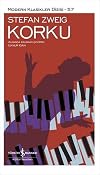
Modern Klasikler (Modern Klasikler Dizisi - 57)
Work Relationships
Is contained in
Has the adaptation
Has as a student's study guide
Common Knowledge
- Canonical title
- Fear
- Original title
- Angst
- Alternate titles
- La Peur
- Original publication date
- 1925; 2010 (English ∙ Pushkin Press) (English ∙ Pushkin Press); 1935 (French translation) (French translation)
- People/Characters*
- Frau Irene
- Important places*
- Vienna, Austria
- Related movies*
- Angst - Die schwache Stunde einer Frau (1928 | IMDb); La peur (1936 | IMDb); Fear (1954 | IMDb); La peur (1992 | IMDb)
- First words
- As Irene came down the stairs from her lover's apartment, again that pointless fear suddenly overwhelmed her.
Als Frau Irene die Treppe von der Wohnung ihres Geliebten hinabstieg, packte sie mit einem Male wieder jene ... (show all)sinnlose Angst. - Last words
- (Click to show. Warning: May contain spoilers.)Something still hurt her, deep inside, but it was a promising pain, burning but mild, just as wounds burn when scar tissue is about to close over them for ever.
Innen tat noch leise etwas weh, aber es war ein verheißender Schnerz glühend und doch so wie Wunden brennen, ehe sie für immer vernarben wollen. - Original language*
- Deutsch
*Some information comes from Common Knowledge in other languages. Click "Edit" for more information.
Classifications
- Genres
- Fiction and Literature, General Fiction
- DDC/MDS
- 833.912 — Literature & rhetoric German & related literatures German fiction 1900- 1900-1990 1900-1945
- LCC
- PT2653 .W42 .A813 — Language and Literature German, Dutch and Scandinavian literatures German literature Individual authors or works 1860/70-1960
- BISAC
Statistics
- Members
- 621
- Popularity
- 46,851
- Reviews
- 22
- Rating
- (4.00)
- Languages
- 10 — Catalan, Dutch, English, Finnish, French, German, Italian, Portuguese (Portugal), Spanish, Turkish
- Media
- Paper, Audiobook, Ebook
- ISBNs
- 48
- ASINs
- 24