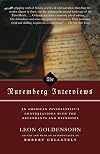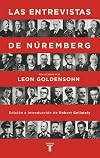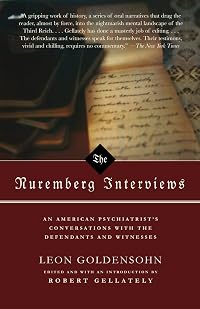
The Nuremberg Interviews
by Leon Goldensohn
On This Page
Description
"During the Nuremberg trials, Dr. Leon Goldensohn--a psychiatrist for the U.S. Army--monitored the mental health of two dozen German leaders charged with carrying out genocide. These recorded conversations have gone largely unexamined for more than fifty years, until Robert Gellately--one of the premier historians of Nazi Germany--made them available to the public in this remarkable collection. Here are interviews with the likes of Hans Frank, Hermann Goering, Ernst Kaltenbrunner, and show more Joachim von Ribbentrop--the highest ranking Nazi officials in the Nuremberg jails. Here too are interviews with lesser-known officials essential to the inner workings of the Third Reich. Candid and often shockingly truthful, The Nuremberg Interviews is a profound addition to our understanding of the Nazi mind and mission."--Publisher description. show lessTags
Recommendations
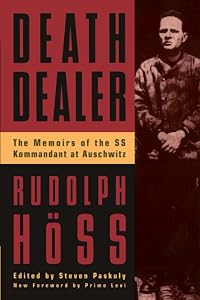
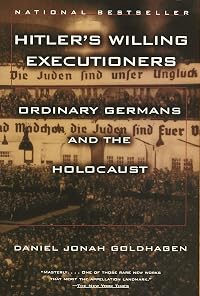

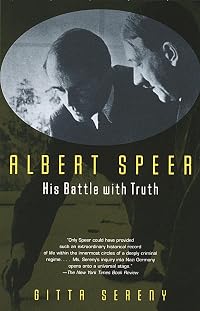
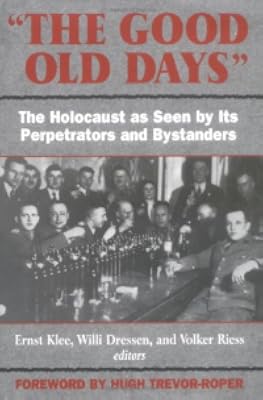
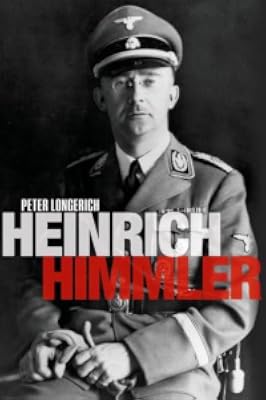
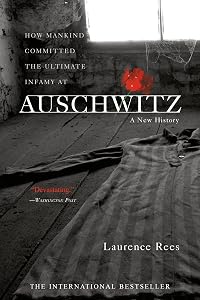
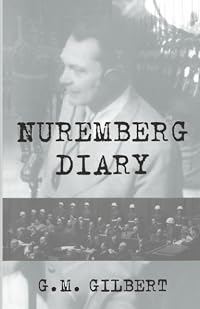
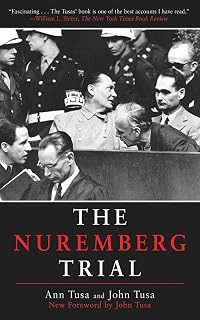
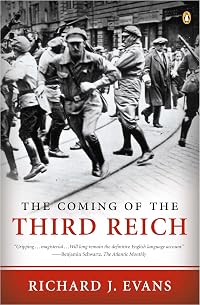
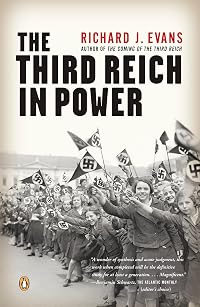

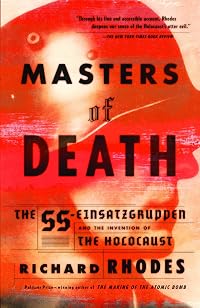

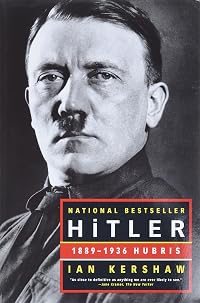










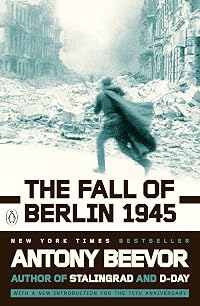
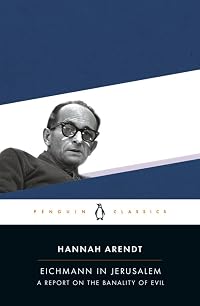
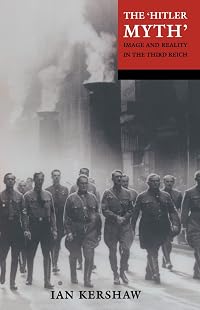

Member Recommendations
Member Reviews
A fascinating read, offering an insight into Nazism using a psychiatric angle.
We often perceive the high ranking members of the Nazi regime as embodying Evil absolute, the puppets of an ideology whose animal brutality could only be inhuman. It's an easy way to deal with the issue: it allows us all to distance ourselves from such fanatic criminals, and, therefore, from their ideas and deeds, as if we, ourselves, wouldn't have been capable of doing what they did. Here, though, the approach is different. Leon Goldensohn, by interviewing such people (most of whom have, at this point, absolutely nothing to lose anymore and they know it) makes them more relatable, by letting them exposing their own humanity too often conveniently denied and show more negated. Of course, it's not about offering a naïve view of what remained atrocious individuals, nearly all of them self-righteous criminals! It's about sitting down with them, in their cells, to listen and learn about what Nazism was all about, as told by staunch Nazis themselves.
Our a priori are blown apart right from the start. They might be interviewed by a psychiatrist indeed, yet, out of the 33 individuals concerned (accused and witnesses) only two had serious mental issues -Rudolf Hess, of course, and Julius Streicher. The others-and it may come as a surprise- were in fact highly intelligent, even disturbingly pleasant to 'listen to' (Donitz and Speer, for example, which I found remarkable for their intelligence and clear ways to articulate their views). In fact, out of 22 people standing here accused, 7 had an IQ above 130... Those were not psychopathic beasts, after all -those were people like you and me.
The chapters here read like biographical snippets, where each person interviewed retells his journey, interspersed by Leon Goldensohn's comments about their psychology. Everything isn't here -it's been edited, which surely makes for a reasonable and practical approach (it certainly would have been too long otherwise, without everything to be particularly relevant!) but it also means that readers cannot judge of the choices made as to what ought to be included. Nevertheless,
here's a necessary read for anyone interested in Nazism, not least because it goes beyond the repulsive aspects of such a vile ideology to focus on the human side (disconcerting at times) of those who implemented it, in all its horror. It's disturbing, but engrossing. show less
We often perceive the high ranking members of the Nazi regime as embodying Evil absolute, the puppets of an ideology whose animal brutality could only be inhuman. It's an easy way to deal with the issue: it allows us all to distance ourselves from such fanatic criminals, and, therefore, from their ideas and deeds, as if we, ourselves, wouldn't have been capable of doing what they did. Here, though, the approach is different. Leon Goldensohn, by interviewing such people (most of whom have, at this point, absolutely nothing to lose anymore and they know it) makes them more relatable, by letting them exposing their own humanity too often conveniently denied and show more negated. Of course, it's not about offering a naïve view of what remained atrocious individuals, nearly all of them self-righteous criminals! It's about sitting down with them, in their cells, to listen and learn about what Nazism was all about, as told by staunch Nazis themselves.
Our a priori are blown apart right from the start. They might be interviewed by a psychiatrist indeed, yet, out of the 33 individuals concerned (accused and witnesses) only two had serious mental issues -Rudolf Hess, of course, and Julius Streicher. The others-and it may come as a surprise- were in fact highly intelligent, even disturbingly pleasant to 'listen to' (Donitz and Speer, for example, which I found remarkable for their intelligence and clear ways to articulate their views). In fact, out of 22 people standing here accused, 7 had an IQ above 130... Those were not psychopathic beasts, after all -those were people like you and me.
The chapters here read like biographical snippets, where each person interviewed retells his journey, interspersed by Leon Goldensohn's comments about their psychology. Everything isn't here -it's been edited, which surely makes for a reasonable and practical approach (it certainly would have been too long otherwise, without everything to be particularly relevant!) but it also means that readers cannot judge of the choices made as to what ought to be included. Nevertheless,
here's a necessary read for anyone interested in Nazism, not least because it goes beyond the repulsive aspects of such a vile ideology to focus on the human side (disconcerting at times) of those who implemented it, in all its horror. It's disturbing, but engrossing. show less
In case one should wonder how many ways a Nazi can justify his behavior, this is an illuminating read. These were real humans, not monsters, and these notes constitute a terrific, first-hand account of the mind-works of some of the criminals of the Holocaust. For me personally, the fact that the psychiatrist is a Jew makes these interviews all the more astonishing for the impartiality with which he was able to conduct himself, even in his notes, most of the time. Those times when Goldensohn cannot help but insert his own personal thoughts and feelings creates even more interest.
Very interesting book. Made me feel like I was right there in Nuremberg in 1945, listening to all of these defendants trying to justify their actions. Highly recommended. The footnotes provide great information as well.
This book contains unique information collected through interviews with the Nuremberg trial defendants and some of the witnesses by the prison psychiatrist. A good general introduction to the history of the trials is given and then each individual is covered in a separate chapter.
Unfortunately, the list of defendants covered is not complete - no Seyss-Inquart or Raeder - and these omissions are not explained, nor is the single page devoted to Speer. One possible explanation for this might be due to missing notes, as the book was compiled by a historian years after the trials had finished (?). Each set of interviews also contained too much information about the subject's childhood and family which does not interest me.
The author makes show more clear that much of the material needs to be read with caution, given that those imparting the information were potentially facing the gallows, i.e. not objective. However, they are still their own words, assuming accurate transcription, and this consideration does not apply to the same degree with the witnesses.
I found the witness section the most interesting because of the high profile interviewees included and the more candid nature of the testimony. As alluded to above, this was partly due to the fact that they were facing no or lesser charges or, alternatively, were certain to hang whatever (e.g. Hoess). This didn't stop one or two of the SS lying through their teeth, however. The final chapter covering Hitler's interpreter and his opinions on foreign affairs makes excellent reading. Others include: Pohl, Schellenberg, Kesselring, Sepp Dietrich, von Manstein of a total of 14.
Writing this review has focused my attention on how much I liked this, despite some minor grumbles - highly recommended for those interested in the trials or the Nazi regime. show less
Unfortunately, the list of defendants covered is not complete - no Seyss-Inquart or Raeder - and these omissions are not explained, nor is the single page devoted to Speer. One possible explanation for this might be due to missing notes, as the book was compiled by a historian years after the trials had finished (?). Each set of interviews also contained too much information about the subject's childhood and family which does not interest me.
The author makes show more clear that much of the material needs to be read with caution, given that those imparting the information were potentially facing the gallows, i.e. not objective. However, they are still their own words, assuming accurate transcription, and this consideration does not apply to the same degree with the witnesses.
I found the witness section the most interesting because of the high profile interviewees included and the more candid nature of the testimony. As alluded to above, this was partly due to the fact that they were facing no or lesser charges or, alternatively, were certain to hang whatever (e.g. Hoess). This didn't stop one or two of the SS lying through their teeth, however. The final chapter covering Hitler's interpreter and his opinions on foreign affairs makes excellent reading. Others include: Pohl, Schellenberg, Kesselring, Sepp Dietrich, von Manstein of a total of 14.
Writing this review has focused my attention on how much I liked this, despite some minor grumbles - highly recommended for those interested in the trials or the Nazi regime. show less
Leon Goldensohn was a U.S. Army psychiatrist who monitored the mental health of the top Nazi war criminals during the Nuremberg Trials. This work provides us access to a selection of Dr. Goldensohn's interviews with these prisoners.
Each individual's interviews are listed separately (for easy referencing). Included at the beginning of each interview is a photo of the war criminal, date of birth and death, their title in the Third Reich, crime(s) for which they were indicted, and their sentence. The interviews were conducted over a period of time by Dr. Goldensohn, and the dates that they took place are clearly noted in their individual section
.
Although I was very much interested in reading this book, I remained a little skeptical as to show more how much I would learn about each individual from these interviews. These war criminals were awaiting trial and knew the possible outcome, including possible death. Just how much were they going to share?
Overall, I enjoyed reading the book. I think there is much that can be learned about these individuals from their interviews. show less
Each individual's interviews are listed separately (for easy referencing). Included at the beginning of each interview is a photo of the war criminal, date of birth and death, their title in the Third Reich, crime(s) for which they were indicted, and their sentence. The interviews were conducted over a period of time by Dr. Goldensohn, and the dates that they took place are clearly noted in their individual section
.
Although I was very much interested in reading this book, I remained a little skeptical as to show more how much I would learn about each individual from these interviews. These war criminals were awaiting trial and knew the possible outcome, including possible death. Just how much were they going to share?
Overall, I enjoyed reading the book. I think there is much that can be learned about these individuals from their interviews. show less
You should read this book. Seriously. Go to Amazon.com or Barnesandnoble.com. Just order it. You will not be sorry. Easily one of the 10 best books I have ever read. It is sometimes painful, but the honesty. Well, if you want to try and really understand the types of people who can produce genocide...you just need to read this. Trust me.
Leon Goldensohn, psychiatre à Nuremberg, a eu l'opportunité (je n'ose parler de chance) d'interroger une partie des accusés du premier procès de Nuremberg, dignitaires nazis, et de leurs témoins, exécutants militaires ou SS. Et l'ensemble, réorganisé par un historien spécialisé, constitue un matériau intellectuel majeur.
L'ensemble est présenté de manière didactique, avec une petite introduction biographique et le contenu des entretiens menés entre janvier et juillet 1946. Cette entreprise est unique : la radiographie psychologique d'une quarantaine de dirigeants, en tant que telle, réserverait déjà des enseignements intéressants, mais celle de ces dirigeants-là, responsables d'une entreprise criminelle et show more monstrueuse, s'impose dans l'esprit du lecteur comme une des ressources incontournables de l'histoire de ce temps.
Goldensohn n'ayant pas mis en forme ces entretiens, ils prennent une forme brute qui leur donne toute leur valeur. Les jugements qu'il porte sur ses interlocuteurs, envahissants lors des entretiens de janvier et février, menés sur un ton agressif, s'éteignent peu à peu pour laisser la place à la parole. Parole tantôt brutale, tantôt glaçante, tantôt pleunicharde, tantôt arrogante. Parole dénuée d'humilité et bien souvent calculée, réfléchie, manipulatrice.
Chacun des dirigeants réagit d'abord et avant tout à la monstrueuse évidence de sa culpabilité. Le déni est général, quoique revendiqué à des degrés variables. Certains (Hans Frank, Baldur Von Schirach) parviennent presque à reconnaître une culpabilité collective pour aussitôt s'en extraire, s'en dédouaner. Quant aux autres... Goering joue au matamore jouisseur, mais refuse d'assumer le génocide et réagit comme un enfant lorsque Goldensohn le lui met sous le nez. Funk pleurniche sur sa vocation artistique déçue, Fritzsche se qualifie, sans honte, d'homme 'ayant le plus souffert dans cette guerre'. Tous, sans exceptions, chargent les morts et les disparus, Himmler, Bormann, Goebbels, Heydrich,...
La plupart sont pitoyables dans leurs dénégations, certains visiblement malhonnêtes et tous inaptes à reconnaître leur responsabilité écrasante dans le drame du siècle.
Ces hommes seraient pathétiques si l'ombre d'une culpabilité inexpiable, celle d'Auschwitz et de la guerre, ne flottait au-dessus d'eux.
Le lecteur n'évitera d'ailleurs pas la nausée en lisant les entretiens les plus glaçants, ceux avec Frick, ministre de l'intérieur, avec Daluege, chef de la police, avec Hoess, patron d'Auschwitz ou avec Ohlendorf, chef d'un einsatzgruppen à l'est.
Une pièce magistrale pour ceux qui s'intéressent à l'histoire, à la psychologie et plus simplement à l'homme. On regrettera juste le caractère elliptique des notes de bas de page, un peu trop légères en matière de contextualisation, ainsi que l'absence d'évaluations psychiatriques synthétiques pour chaque accusé. Cela n'enlève cependant pas grand chose à la qualité de l'ensemble. show less
L'ensemble est présenté de manière didactique, avec une petite introduction biographique et le contenu des entretiens menés entre janvier et juillet 1946. Cette entreprise est unique : la radiographie psychologique d'une quarantaine de dirigeants, en tant que telle, réserverait déjà des enseignements intéressants, mais celle de ces dirigeants-là, responsables d'une entreprise criminelle et show more monstrueuse, s'impose dans l'esprit du lecteur comme une des ressources incontournables de l'histoire de ce temps.
Goldensohn n'ayant pas mis en forme ces entretiens, ils prennent une forme brute qui leur donne toute leur valeur. Les jugements qu'il porte sur ses interlocuteurs, envahissants lors des entretiens de janvier et février, menés sur un ton agressif, s'éteignent peu à peu pour laisser la place à la parole. Parole tantôt brutale, tantôt glaçante, tantôt pleunicharde, tantôt arrogante. Parole dénuée d'humilité et bien souvent calculée, réfléchie, manipulatrice.
Chacun des dirigeants réagit d'abord et avant tout à la monstrueuse évidence de sa culpabilité. Le déni est général, quoique revendiqué à des degrés variables. Certains (Hans Frank, Baldur Von Schirach) parviennent presque à reconnaître une culpabilité collective pour aussitôt s'en extraire, s'en dédouaner. Quant aux autres... Goering joue au matamore jouisseur, mais refuse d'assumer le génocide et réagit comme un enfant lorsque Goldensohn le lui met sous le nez. Funk pleurniche sur sa vocation artistique déçue, Fritzsche se qualifie, sans honte, d'homme 'ayant le plus souffert dans cette guerre'. Tous, sans exceptions, chargent les morts et les disparus, Himmler, Bormann, Goebbels, Heydrich,...
La plupart sont pitoyables dans leurs dénégations, certains visiblement malhonnêtes et tous inaptes à reconnaître leur responsabilité écrasante dans le drame du siècle.
Ces hommes seraient pathétiques si l'ombre d'une culpabilité inexpiable, celle d'Auschwitz et de la guerre, ne flottait au-dessus d'eux.
Le lecteur n'évitera d'ailleurs pas la nausée en lisant les entretiens les plus glaçants, ceux avec Frick, ministre de l'intérieur, avec Daluege, chef de la police, avec Hoess, patron d'Auschwitz ou avec Ohlendorf, chef d'un einsatzgruppen à l'est.
Une pièce magistrale pour ceux qui s'intéressent à l'histoire, à la psychologie et plus simplement à l'homme. On regrettera juste le caractère elliptique des notes de bas de page, un peu trop légères en matière de contextualisation, ainsi que l'absence d'évaluations psychiatriques synthétiques pour chaque accusé. Cela n'enlève cependant pas grand chose à la qualité de l'ensemble. show less
Apr 14, 2009French
2
Members
- Recently Added By
Author Information

1 Work 509 Members
Dr. Leon Goldensohn was an American physician and psychiatrist who joined the U.S. Army in 1943 and was posted to France and Germany. He died in 1961 Robert Gellately is the Earl Ray Beck Professor of History at Florida State University
Some Editions
Common Knowledge
- Canonical title
- The Nuremberg Interviews
- Original title
- The Nuremberg Interviews
- Alternate titles
- Νυρεμβέργη: Το ψυχογράφημα των ανθρώπων που αιματοκύλησαν τον κόσμο
- Original publication date
- 2005; 2004
- Important places
- Nuremberg, Bavaria, Germany; Nuremberg Prison, Nuremberg, Bavaria, Germany
- Important events
- Nuremberg War Crimes Trials (1945-11-14 | 1946-10-01)
- Related movies
- Judgment at Nuremberg (1959 | IMDb); Nuremberg (2000 | IMDb)
- Original language
- English
Classifications
Statistics
- Members
- 509
- Popularity
- 59,157
- Reviews
- 8
- Rating
- (3.81)
- Languages
- 14 — Danish, Dutch, English, Finnish, French, German, Greek, Italian, Norwegian (Bokmål), Norwegian, Polish, Portuguese, Spanish, Swedish
- Media
- Paper, Audiobook, Ebook
- ISBNs
- 34
- ASINs
- 4