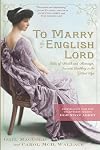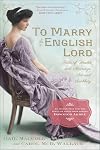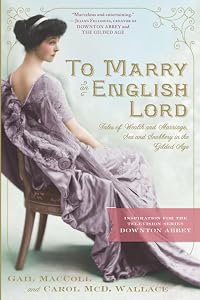
To Marry an English Lord
by Gail MacColl, Carol McD. Wallace
On This Page
Description
Discover the true stories behind the women who inspired "Downton Abbey" and HBO's "The Gilded Age", the heiresses-including a Vanderbilt (railroads), a LaRoche (pharmaceuticals), and a Rogers (oil)-who staked their ground in England, swapping dollars for titles and marrying peers of the British realm. Filled with vivid personalities, grand houses, dashing earls, and a wealth of period details and quotes on the finer points of Victorian and Edwardian etiquette, "To Marry an English Lord" is show more social history at its liveliest and most accessible. Sex, snobbery, humor, social triumphs (and gaffes), are all recalled in marvelous detail, complete with parties, clothes, scandals, affairs, and 100-year-old gossip that's still scorching. show lessTags
Recommendations

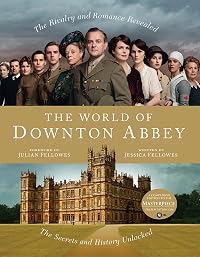



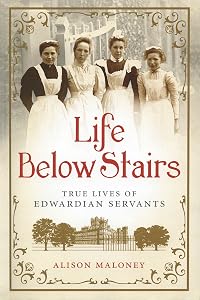
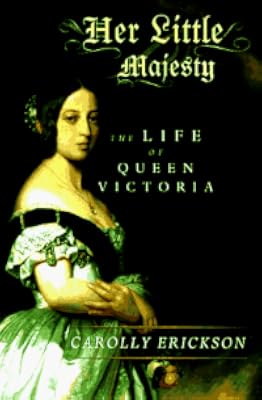
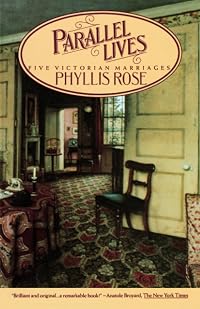
Member Recommendations
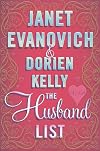
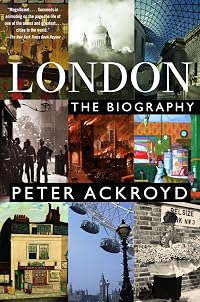
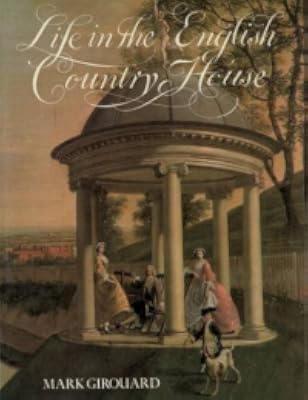
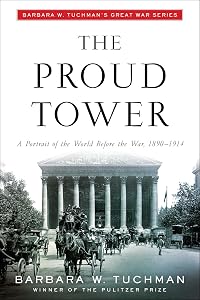
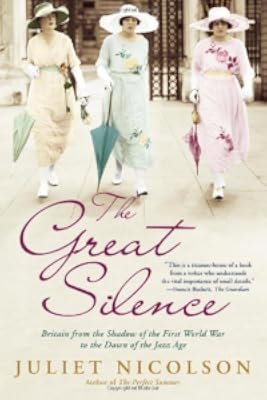
JenniferRobb The Husband List is a fictionalized account of a mother wanting her daughter to marry into English nobility while the noble wants the dowry/inheritance (and perhaps an heir). To Marry an English Lord is the nonfiction version.
Member Reviews
The history and dresses behind the Downton Abbey TV series.
I love the history and information in this book, and I loved the number of photos and images included, they really helped bring history and stories more to life and there were a LOT of them. The more the better...usually.
I was not a fan of the overall format and layout of the images and the side bubbles of stories. You would be on a roll reading an engaging story and then turn the page and instead of what you were reading you would have a page or two of photos and illustrations often not about what you were just reading. And then it would go back to your story. This made it very difficult at times to keep things straight and made the photos mean less because they were so show more annoying.
To fans of the period or the shows Downton Abbey, there is still a lot of value in this book, especially if you just want to have it to reference once in a while. I did learn new things and I really enjoyed seeing images of the dresses referred to in the text but I have no cohesive sense of what I read. If you are looking for a more serious history book or a more coherent story, I'd say skip it. show less
I love the history and information in this book, and I loved the number of photos and images included, they really helped bring history and stories more to life and there were a LOT of them. The more the better...usually.
I was not a fan of the overall format and layout of the images and the side bubbles of stories. You would be on a roll reading an engaging story and then turn the page and instead of what you were reading you would have a page or two of photos and illustrations often not about what you were just reading. And then it would go back to your story. This made it very difficult at times to keep things straight and made the photos mean less because they were so show more annoying.
To fans of the period or the shows Downton Abbey, there is still a lot of value in this book, especially if you just want to have it to reference once in a while. I did learn new things and I really enjoyed seeing images of the dresses referred to in the text but I have no cohesive sense of what I read. If you are looking for a more serious history book or a more coherent story, I'd say skip it. show less
This book, a cultural history of American heiress marrying English Lords, is just plain fun and fascinating. The Kindle version is currently on sale in the US, but To Marry an English Lord is so lavishly illustrated with photos and drawings on every page that I can’t imagine reading an ebook copy.
By the late 1800’s--early 1900’s there was a growing number of young ladies in the US who had lots of family money, but who couldn’t break into proper American “Society” because being nouveau riche they had no social status. At the same time across the Atlantic noble British families were having trouble paying for the upkeep and modernization of their estates--which is understandable since it wasn’t considered proper for the show more aristocracy to work--so marriage between the two groups made sense, but whoa! The culture shock! All of which is entertainingly recounted in this book.
After growing up in a fancy, almost palace-like mansion the American heiress often started married life in her British husband’s dark, deteriorating ancestral manor without indoor plumbing. The large (and very interesting) contrasts in attitudes about married life, gender roles, infidelity, money, servants, and politics further complicated her assimilation into her new life. There were a variety of ways to cope and the book delves into the personal stories of many of the women, including Jennie Jerome Churchill (mother of Winston) and Consuelo Vanderbilt.
To Marry an English Lord makes lively use of its rich historical material and is full of fruitful background information for further enjoying fiction and film. Edith Wharton and Henry James used the Victorian-Edwardian era tension between British and American customs in their novels and Julian Fellows, the creator of Downton Abbey, says this book inspired the Cora character in that series. show less
By the late 1800’s--early 1900’s there was a growing number of young ladies in the US who had lots of family money, but who couldn’t break into proper American “Society” because being nouveau riche they had no social status. At the same time across the Atlantic noble British families were having trouble paying for the upkeep and modernization of their estates--which is understandable since it wasn’t considered proper for the show more aristocracy to work--so marriage between the two groups made sense, but whoa! The culture shock! All of which is entertainingly recounted in this book.
After growing up in a fancy, almost palace-like mansion the American heiress often started married life in her British husband’s dark, deteriorating ancestral manor without indoor plumbing. The large (and very interesting) contrasts in attitudes about married life, gender roles, infidelity, money, servants, and politics further complicated her assimilation into her new life. There were a variety of ways to cope and the book delves into the personal stories of many of the women, including Jennie Jerome Churchill (mother of Winston) and Consuelo Vanderbilt.
To Marry an English Lord makes lively use of its rich historical material and is full of fruitful background information for further enjoying fiction and film. Edith Wharton and Henry James used the Victorian-Edwardian era tension between British and American customs in their novels and Julian Fellows, the creator of Downton Abbey, says this book inspired the Cora character in that series. show less
Picked this up because it is reportedly the inspiration behind Downton Abbey.
From an historical perspective, it was interesting to read how the American rich went about buying European titles for their daughters. But none of the recounted stories went particularly deep into anything other than the societal “warfare” and strategies for winning.
From a modern perspective ... ick. It felt more like breeding dogs or race horses. I’m not sure who most resembled prostitutes: the mothers and daughters marketing themselves for a title or the English lords trading their titles for money to maintain their lifestyles. I have to wonder if the English system of nobility wouldn’t have collapsed a century ago but for the infusion of cash and show more fresh blood the heiresses brought into the mix.
All in all, it leaves me glad to be living in the times and economic status I do; and makes me feel rather sorry for “the ruling class” that lived to see their empire begin to fall apart.
Most of my sympathy is reserved for the American industrialists who got to see their hard-earned wealth blown through by extravagantly spending wives, over-indulged daughters, and essentially useless sons-in-law. show less
From an historical perspective, it was interesting to read how the American rich went about buying European titles for their daughters. But none of the recounted stories went particularly deep into anything other than the societal “warfare” and strategies for winning.
From a modern perspective ... ick. It felt more like breeding dogs or race horses. I’m not sure who most resembled prostitutes: the mothers and daughters marketing themselves for a title or the English lords trading their titles for money to maintain their lifestyles. I have to wonder if the English system of nobility wouldn’t have collapsed a century ago but for the infusion of cash and show more fresh blood the heiresses brought into the mix.
All in all, it leaves me glad to be living in the times and economic status I do; and makes me feel rather sorry for “the ruling class” that lived to see their empire begin to fall apart.
Most of my sympathy is reserved for the American industrialists who got to see their hard-earned wealth blown through by extravagantly spending wives, over-indulged daughters, and essentially useless sons-in-law. show less
One of the slew of books related to Downton Abbey to be released after the show's success, in this case, the book is a re-release of a 1989 non-fiction book, which (much to the publisher's delight)has a cover blurb from Julian Fellows, creator of Downton Abbey himself. To further drive the point home, the cover also bears the words: "An inspiration for the popular Television Series Downton Abbey."
But for all the purported connection the part of the plot most literally inspired by the book - the marriage between American heiress Cora and impoverished peer Lord Grantham - takes place some nineteen years prior to the first episode of the show. The book actually covers the period from about 1871 to 1910, which means that the ends just show more between the timeline of the show begins.
That said, I'm glad that the Downton Abbey craze lead to this book being republished, because regardless of how relatively tenuous the connection to the show is, it's a fabulous book. The writing is exciting, and not at all dry; the authors are capable of capturing all sorts of interesting personalities, and most of all, it's incredibly comprehensive. I wouldn't be surprised if the book had also inspired numerous historical fiction writers, because it covers every single detail of the time period you'd ever need. The main narrative, which details the trend of American heiresses marrying impoverished English peers for their titles is split up by two-page spreads and inserts giving detailed information on the social mores of the time, the differences between American and British society, biographies of various important people, overviews of the types of heiress hunting swains, and New York fathers, timetables for sojourns in Newport, the staff of an English manor, lists of everything from prerequisites for an American heiresses London campaign to how to keep the Prince happy at a 'Friday to Sunday' house party, and of course, a lot of photographs of gorgeous heiresses and handsome peers.
I thoroughly enjoyed every page of this book. The only bad thing is that it made me want a Downton Abbey prequel... show less
But for all the purported connection the part of the plot most literally inspired by the book - the marriage between American heiress Cora and impoverished peer Lord Grantham - takes place some nineteen years prior to the first episode of the show. The book actually covers the period from about 1871 to 1910, which means that the ends just show more between the timeline of the show begins.
That said, I'm glad that the Downton Abbey craze lead to this book being republished, because regardless of how relatively tenuous the connection to the show is, it's a fabulous book. The writing is exciting, and not at all dry; the authors are capable of capturing all sorts of interesting personalities, and most of all, it's incredibly comprehensive. I wouldn't be surprised if the book had also inspired numerous historical fiction writers, because it covers every single detail of the time period you'd ever need. The main narrative, which details the trend of American heiresses marrying impoverished English peers for their titles is split up by two-page spreads and inserts giving detailed information on the social mores of the time, the differences between American and British society, biographies of various important people, overviews of the types of heiress hunting swains, and New York fathers, timetables for sojourns in Newport, the staff of an English manor, lists of everything from prerequisites for an American heiresses London campaign to how to keep the Prince happy at a 'Friday to Sunday' house party, and of course, a lot of photographs of gorgeous heiresses and handsome peers.
I thoroughly enjoyed every page of this book. The only bad thing is that it made me want a Downton Abbey prequel... show less
One of the slew of books related to Downton Abbey to be released after the show's success, in this case, the book is a re-release of a 1989 non-fiction book, which (much to the publisher's delight)has a cover blurb from Julian Fellows, creator of Downton Abbey himself. To further drive the point home, the cover also bears the words: "An inspiration for the popular Television Series Downton Abbey."
But for all the purported connection the part of the plot most literally inspired by the book - the marriage between American heiress Cora and impoverished peer Lord Grantham - takes place some nineteen years prior to the first episode of the show. The book actually covers the period from about 1871 to 1910, which means that the ends just show more between the timeline of the show begins.
That said, I'm glad that the Downton Abbey craze lead to this book being republished, because regardless of how relatively tenuous the connection to the show is, it's a fabulous book. The writing is exciting, and not at all dry; the authors are capable of capturing all sorts of interesting personalities, and most of all, it's incredibly comprehensive. I wouldn't be surprised if the book had also inspired numerous historical fiction writers, because it covers every single detail of the time period you'd ever need. The main narrative, which details the trend of American heiresses marrying impoverished English peers for their titles is split up by two-page spreads and inserts giving detailed information on the social mores of the time, the differences between American and British society, biographies of various important people, overviews of the types of heiress hunting swains, and New York fathers, timetables for sojourns in Newport, the staff of an English manor, lists of everything from prerequisites for an American heiresses London campaign to how to keep the Prince happy at a 'Friday to Sunday' house party, and of course, a lot of photographs of gorgeous heiresses and handsome peers.
I thoroughly enjoyed every page of this book. The only bad thing is that it made me want a Downton Abbey prequel... show less
But for all the purported connection the part of the plot most literally inspired by the book - the marriage between American heiress Cora and impoverished peer Lord Grantham - takes place some nineteen years prior to the first episode of the show. The book actually covers the period from about 1871 to 1910, which means that the ends just show more between the timeline of the show begins.
That said, I'm glad that the Downton Abbey craze lead to this book being republished, because regardless of how relatively tenuous the connection to the show is, it's a fabulous book. The writing is exciting, and not at all dry; the authors are capable of capturing all sorts of interesting personalities, and most of all, it's incredibly comprehensive. I wouldn't be surprised if the book had also inspired numerous historical fiction writers, because it covers every single detail of the time period you'd ever need. The main narrative, which details the trend of American heiresses marrying impoverished English peers for their titles is split up by two-page spreads and inserts giving detailed information on the social mores of the time, the differences between American and British society, biographies of various important people, overviews of the types of heiress hunting swains, and New York fathers, timetables for sojourns in Newport, the staff of an English manor, lists of everything from prerequisites for an American heiresses London campaign to how to keep the Prince happy at a 'Friday to Sunday' house party, and of course, a lot of photographs of gorgeous heiresses and handsome peers.
I thoroughly enjoyed every page of this book. The only bad thing is that it made me want a Downton Abbey prequel... show less
Gives a good taste of the times in the upper reaches of society, but it's too much of a good thing. The repetition becomes cloying and it all jumbles together. The format, with info boxes and sidebars was distracting. Longer, leisurely chapters without the clutter might have been more appealing. Just thumbed through the second half.
Ok, this is a book full of really interesting information, but I can only assume that it is extremely odd in format -- either a chapter or a heading after every few paragraphs. And by assume, I mean that I had the misfortune to listen to the audio book version of it -- if you think the text was choppy in print, imagine a crisp, rarely expressive voice reading it with all seriousness. Its confusing, and just when she gets a rhythm going, she has to swap to another anecdote. When she started reading a table listing the names of American fathers and their titled daughters, I had to walk away. Who thought this would be a plausible audio book? Anyway. The content seems good, the reader is very clear, the delivery of all of it was a terrible show more idea. show less
Members
- Recently Added By
Published Reviews
"Large fortunes were made in post-Civil War America. Young heiresses, cold-shouldered by an entrenched aristocracy that scorned new money, looked across the sea to find husbands among titled young Englishmen who were long on status but very short of cash. Nancy Astor and Jennie Churchill are the most famous of more than 100 of these trans-Atlantic brides. This light-hearted bit of social show more history is lavishly illustrated and bedecked with sidebars and boxes of charts, lively quotes, and other supplementary material. A full register of these enterprising young ladies and a "Walking Tour'' are included. Not only fun, but a definitive round-up of the players." show less
added by 2wonderY
Lists

Top Five Books of 2013
1,562 works; 721 members
Author Information

7 Works 1,262 Members

12+ Works 2,142 Members
All Editions
Some Editions
Awards and Honors
Notable Lists
Work Relationships
Inspired
Common Knowledge
- Canonical title
- To Marry an English Lord
- Original publication date
- 1989
- People/Characters
- Nancy Astor (né | e Langhorne); Jennie Churchill (né | e Jerome); Consuelo Vanderbilt (also Consuelo Vanderbilt Balsan and Consuelo Spencer-Churchill, Duchess of Marlborough); Lord Randolph Churchill; Lily Price Hamersley, Duchess of Marlborough; Winston Churchill (name of both a British politican and an American Playwright) (show all 507); Mary Innes-Kerr, Duchess of Roxburghe (né | e Goelet); Edward VII, King of the United Kingdom; Mary Wilson Goelet (May); Helena Zimmerman, Duchess of Manchester; Minnie Stevens Paget; Mary Curzon (né | e Leiter); Victoria, Queen of the United Kingdom; Helene Leigh (né | e Beckwith); Alice Blight Lowther; Louisa Bonynge Maxwell; Virginia Bonynge Coventry; Florence Breckenridge; Anna Breese; Eloise Breese Heathcote-Drummond-Willoughby (Countess of Ancaster); Elizabeth Trimble Brown; Lilla Burbank Eliott; Maud Burke Cunard; Mary Burns Harcourt (Mary Ethel Burns); Mary Gough-Calthorpe (né | e Burrows); Martha Cameron Lindsay; Alys Carr Bingham (Mrs. Chauncey); Grace Carr Wynn; Mildred Carter; Jeannie Naylor-Leyland (né | e Chamberlain); Cora Colgate Byng (Countess of Stafford); Louise Corbin Walpole (Lady Orford); May Campbell Cuyler; Florence "Flora" Temple-Blackwood (né | e Davis); Marie Dolan Paget; Frances Donnelly Baring; Laura Dove; Margaretta Drexel, Countess of Winchilsea; Helen Northcote (né | e Dudley); Frances Eames Gordon-Cumming; Patricia Ellison Ross; Mary Endicott Chamberlain; Ethel Beatty (né | e Field); Edith Northcote (né | e Fish); Caroline Fitzgerald; Elizabeth French Eaton (Lady Cheylesmore); Jane Molesworth (né | e Frost); Louisa Venables-Vernon (né | e Frost); Helen Herbert (né | e Gammell); Florence Gordon-Cumming (né | e Garner); Martha Ramsay (né | e Garrison); Mabel Leigh (né | e Gordon); Helen Vivien Gould Beresford, Baroness Decies (as Vivien Gould); Elena Grace Hely-Hutchinson (Lady Donoughmore); Elisa Grace Beaumont; Olive Grace Greville (Mrs. Henry Kerr); Marion Bateman-Hanbury (né | e Graham); Adele Capell, Countess of Essex (né | e Grant); Amy Home-Spiers (né | e Green); Josephine Hale Boyle; Margaret Hamilton Waterlow; William de la Poer Beresford; Hannah Lambart (né | e Howard); Kate Perceval (né | e Howell); Clara Jerome Frewen; Leonie Jerome Leslie; Mary King Paget ("Minna"); Edith Kip Coventry (Mrs. Richard McCreery); Elizabeth LaRoche Roberts; Frances Venables-Vernon (né | e Lawrance | "Fanny"); Aimee Lawrence Campbell; Lucy Lee Beckett; Marguerite Leiter Howard ("Daisy"); Mary Carver Leiter; Marguerite O'Brien (né | e Lewis); Maturin Livingston Jr.; Maude Lorillard Baring (Mrs. T. Suffern Tailer); Cornelia Sherman Martin; Lilian May Bagot; Katharine McVickar Norton; Helen Meiggs M'Grigor; Florence Horsley-Beresford (né | e Miller); Beatrice Forbes (né | e Mills); Julia Paget (né | e Moke); Elizabeth Motley Harcourt (Mrs. Thomas Ives); Anita Wolseley (né | e Murphy); Florence Grosvenor (né | e Padelford); Alice Parks Barran; Helen Pfizer Duncan; Amy Phipps Guest; Antoinette Pinchot Johnstone; Helen Post Eliot; Clara Green-Price (né | e Potter); Adelaide Lambart (né | e Randolph); Mary Reade Cary; Jean Reid Ward; Augusta Chetwynd (né | e Robinson); Georgiana St. Clair-Erskine (né | e Robinson); Cora Broughton (né | e Rogers); Edith Russell Playfair; Mary Salisbury Gibson; May Sands Howard; Virginia Montagu-Stuart-Wortley (né | e Schley); Rosalind Secor Chetwynd; Florence Sharon Fermor-Hesketh; Mildred Sherman Stonor (Lady Camoys); Mary Smith Cooper; Ellen Stager Butler; Sarah Stokes Halkett; Romaine Stone Monson (Mrs. Lawrence Turnure Jr.); Alberta Sturges Montagu; Alice Thaw Whitney (as Alice Cornelia Thaw); Ellen Hood (Mrs. George Nickerson/né | e Touzalin); Ethel Bethune (né | e Tucker); Leonora Van Marter Bennet; Cornelia Wadsworth Adair; Elizabeth Smith-Barry (Mrs. Arthur Post); Marguerite Wallop (né | e Walker); Lily Whitehouse Coventry (Mrs. Charles Coventry); Pauline Whitney Paget; Belle Wilson Herbert; Herbert Beerbohm Tree; Natica Lister-Kaye (né | e Yznaga); Helena, Princess Christian of Schleswig-Holstein; Caroline Schermerhorn Astor (The Mrs. Astor); Alexandra of Denmark, Queen Consort of the United Kingdom; Ward McAllister; William Backhouse Astor Jr.; Albert, Prince Consort; Charles Mordaunt, 10th Baronet; Harriet Mordaunt; Clara Hall Jerome; Leonard Jerome; Minnie Hauk; Mary Frances "Fanny" Ronalds; Edith Wharton (né | e Jones); Ellen Yznaga; Antonio Modesto Yznaga del Valle; Emily Yznaga; Napoleon III; Eugénie de Montijo; Consuelo Montagu (né | e Yznaga); Paran Stevens; Marietta Stevens; Mary Mason Jones; Henry Leyden Stevens (Harry); Edward "Teddy" Wharton; Henry James; August Belmont; William R. Travers; William Jay; Lorenzo Delmonico; John Spencer-Churchill, 7th Duke of Marlborough; Frances Anne Spencer-Churchill (Duchess of Marlborough); Richard Thornton Wilson (R. T. Wilson); Melissa Johnston Wilson; Marshall Orme Wilson; Richard Thornton Wilson, Jr.; Grace Wilson Vanderbilt; Ogden Goelet; Peter Goelet; Louisa Cavendish (Duchess of Manchester); George Montagu (Duke of Manchester); William Montagu (Kim); Arthur Paget; Antoine Alfred Agénor de Gramont, 10th Duc de Gramont; Antoine Alfred Agénor de Gramont, 11th Duc de Gramont (Duc de Guiche); Alva Vanderbilt Belmont (né | e Smith); Murray Forbes Smith; William Kissam Vanderbilt; Cornelius Vanderbilt (Commodore); William Henry Vanderbilt; Charles Worth; Flora Payne Whitney (Mrs. William Collins Whitney); Carrie Astor Wilson; Cornelius Vanderbilt II; Alice Claypoole Vanderbilt; Nicholas Fish II; Herbert Naylor-Leyland; William Chamberlain; Mary Wilson Chamberlain; Francis Howard Leggett (Frank Leggett); Anson Stager; Elizabeth Drexel Lehr; Anne Leggett; Levi Leiter; Frances Clara Cleveland; Mary Theresa Leiter; Lyon Playfair; Beatrix Beauclerk (Duchess of St. Albans); William Ewart Gladstone; Sir William Harcourt; Ruth Livingston Mills (Mrs. Ogden Mills); Elizabeth Cavendish-Bentinck (né | e Livingston); Michael Henry Herbert; Christopher Sykes; Daisy Miller (Henry James's character); Mary MacDonald Brown; Princess Daisy of Pless; Elizabeth McLeod; Frances Dudley Leigh (Lord Leigh); Bradley Martin; George Nathaniel Curzon; Nathaniel Curzon; Robert Adam; Sibell Mary Grosvenor; Alfred Curzon (Lord Scarsdale); Robert Gascoyne-Cecil, 3rd Marquess of Salisbury; Daisy Greville, Countess of Warwick (Frances Evelyn Maynard); Francis Greville, 5th Earl of Warwick (Lord Brooke); Lord Charles Beresford; Dixon Wecter; Henry C. Potter; Moreton Frewen; James Burke-Roche, 3rd Baron Fermoy; Frances Work; Thomas George Fermor-Hesketh; William Sharon; Lillie Langtry; George Spencer-Churchill, 8th Duke of Marlborough; Ferdinand de Rothschild; John Vanbrugh; Albertha Spencer-Churchill; Edith Finch (Countess of Aylesford); Heneage Finch, 7th Earl of Aylesford (Joe Aylesford); William Waldorf Astor; Mary Astor (Mamie); Waldorf Astor, 2nd Viscount Astor; Louis Carré Hamersley; Abram Hewitt; Edward Roche, 2nd Baron Fermoy; Franklin H. Work; Diana, Princess of Wales; Cornelius Vanderbilt IV; Seymour Leslie; Louise Vanderbilt (Lulu); Cornelia Craven (né | e Martin); Richard Morris Hunt; Blanche Oelrichs; Michael Strange; Carolus-Duran; Anthony J. Drexel; Michael Paul Grace; John Pierpont Morgan; William Whitney; Oliver Belmont; Winthrop Rutherfurd; Charles Spencer-Churchill, 9th Duke of Marlborough (Sunny); Joseph Choate; Nellie Neustretter; Randolph Hearst; Lucy Jay (Mrs. Jay); Gertrude Vanderbilt Whitney; Anna Gould; Boni de Castellane; Jay Gould; Hélie de Talleyrand-Périgord (Prince de Sagan); Anne Tracy Morgan; Harold Vanderbilt; George Henry Lewis; Edith Kingdon Gould (Mrs. George Gould); Cornelius Vanderbilt III; Cecil Baring; Alfred Gwynne Vanderbilt; Walter Damrosch; Anne Innes-Ker; Isabel Innes-Ker Wilson (Lady Isabel Innes-Ker); Almeric Paget; Nathan Franko; George Innes-Ker, 9th Duke of Roxburghe; Price Collier; Elma Napier (né | e Gordon-Cumming); John Leslie (Jack); Robert Horace Walpole (Lord Orford); George Montagu, 9th Earl of Sandwich; W. Somerset Maugham; Oscar Wilde; Henry James, 1st Baron James of Hereford; Jane Ely; William Gordon-Cumming; Alastair Innes-Ker; Ivor Spencer-Churchill; George Cornwallis-West; Irene Curzon, Baroness Ravensdale; Cynthia Mosley (né | e Curzon); Alexandra Curzon; Jack Churchill (John Strange Spencer-Churchill); Michael Culme-Seymour; Maurice Roche, 4th Baron Fermoy; Francis Burke-Roche; Sarah Wilson (Lady); Edwyn Scudamore-Stanhope (Lord Chesterfield); Blanche Tintagel (Character from Edith Wharton's The Buccaneers); William Watts Sherman; John Beresford, 5th Baron Decies; Capability Brown; Achille Duchêne; Eliza Maria Willoughby (Sir William Gordon-Cumming's sister); George Cooper; Joseph Duveen; Daphne Fielding; Charles Dana Gibson; Nicholas Hawksmoor; Charles Grantley Norton; John Norton, 5th Baron Grantley; Abel Hermant; Victor Herbert; George Edwardes; Mary Elizabeth Wilson Sherwood (Mrs. M. E. W. Sherwood); Lawrence Oliphant; William Fraser Rae (W. F. Rae); Constance Cary Harrison (Mrs. Burton Harrison); Sara Cotes; Gertrude Atherton; Alice Williamson; Charles Williamson; Lita Garner le Tonnelier de Breteuil; Edith von Moltke-Huitfeldt; David Beatty, 1st Earl Beatty; Jacques Balsan; John Singer Sargent; Nicola d'Inverno (Nicolo); Alice Keppel; Spencer Cavendish, 8th Duke of Devonshire; Mary Wyndham Charteris (Lady Elcho); Hugo Charteris (Lord Elcho); Charles Vane-Tempest-Stewart, 6th Marquess of Londonderry (Lord Londonderry); Theresa Talbot Vane-Tempest-Stewart (Lady Londonderry); Harry Cust; Marie Louise Hungerford Mackay (Mrs. John MacKay); Mamie Fish; Stuyvesant Fish; Theresa Fair Oelrichs (Mrs. Hermann Oelrichs); Besse Sturges Leggett (Betty Leggett); Ralph Pulitzer; Joseph Chamberlain; Elizabeth Mills Reid (Mrs. Whitelaw Reid); George Seymour, 7th Marquess of Hertford (Earl of Yarmouth); Arthur Sullivan; Charles Kinsky (Count Charles Andreas Kinsky); Patsy Cornwallis-West; Dorothy Nevill; Julian Pauncefote; Ernest Cassel; Luke Fildes; Margaret Mason Grace; William Russell Grace; Whitelaw Reid; Henry Fitzalan-Howard (Duke of Norfolk); Sybil Fane (Countess of Westmorland); George Rodney, 7th Baron Rodney; George V, King of the United Kingdom; Mary of Teck, Queen Consort of the United Kingdom; Eugene Zimmerman; Mary Yerkes (Mrs. Charley Yerkes); Katherine Gould (Mrs. Howard Gould); Katherine Duer Mackay (Mrs. Clarence Mackay); Charles Bonynge; Edward John Phelps; John William Mackay; Amy Phipps; Princess Louise, Duchess of Connaught and Strathearn; Prince Arthur, Duke of Connaught and Strathearn; Guy Finch-Hatton, 14th Earl of Winchilsea and 9th Earl of Nottingham; Archibald Acheson, 5th Earl of Gosford; Montague Eliot; Caesar (Edward VII's dog); Margarita Armstrong Drexel (Mrs. Anthony Drexel); Gladys Spencer-Churchill, Duchess of Marlborough (né | e Deacon); George William Coventry, 9th Earl of Coventry; George William Coventry, Viscount Deerhurst; Harry K. Thaw; Stanford White; Evelyn Nesbit; Aurel Batonyi; Harry Payne Whitney; John Pepys Lister-Kaye (Sir John Lister-Kaye); John Grenfell Maxwell; Edward Marjoribanks; Archibald John Marjoribanks; Arthur Eliott; Bache Cunard; Lewis Harcourt; Somerset Frederick Gough-Calthorpe; Ronald Lindsay; J. Donald Cameron; Cecil Bingham (Sir); William Charles Wynn, 4th Baron Newborough; Henry Byng; William Colgate; Daniel Corbin; James Wayne Cuyler; Philip Henry Brian Grey-Egerton; John H. Davis; Terence Temple-Blackwood; Sidney Paget; Francis Baring; Alexander Baring, 6th Baron Ashburton; Doris Harcourt Baring; George Alexander Philip Haldane Duncan; Anthony J. Drexel II; Marjorie Gould Drexel; Amyas Stafford Northcote; Alexander Penrose Gordon-Cumming; Charles Henry Alexander Augustus Frederick Ross; William Crowninshield Endicott; Grover Cleveland; Arthur Tree; Ronald Tree (Ronnie); Hugh Oliver Northcote; Hamilton Fish; Rowland Charles Frederick Leigh; Charles Ramsay; Edmond George Petty-Fitzmaurice (1st Baron Fitzmaurice); Herbert Francis Eaton (Lord Cheylesmore); Lewis William Molesworth, 11th Baronet; William Frederick Cuthbert Venables-Vernon; Arthur James Herbert; Henry Innes-Ker, 8th Duke of Roxburghe; George Jay Gould I; Richard Hely-Hutchinson, 6th Earl of Donoughmore; Hubert Beaumont; Wentworth Beaumont, 1st Baron Allendale; Charles Greville, 3rd Baron Greville; William Spencer Bateman-Hanbury; George Capell, 7th Earl of Essex; James Home-Spiers, 11th Baronet; Robert Boyle, 11th Earl of Cork and Orrery; Sydney Waterlow, 1st Baronet; Octavius Henry Lambart; Augustus Arthur Perceval; Montagu Porch; Shane Leslie; Henry Paget, 4th Marquess of Anglesey; Henry Thomas Coventry; Pierre Lorillard IV; Chiswell Dabney Langhorne; William Tell LaRoche; Howland Roberts, 5th Baronet; George Venables-Vernon, 7th Baron Vernon; Frances Garner Lawrance; Thomas Garner; Douglas Walter Campbell; Ian Campbell, 11th Duke of Argyll; Ernest Beckett; Edward Hughes; Henry Howard, 19th Earl of Suffolk; Marshall Field; Grace Curzon, Marchioness Curzon of Kedleston; Murrough O'Brien; William George Cavendish-Bentinck; Prudentia Penelope Leslie; T. Suffern Tailer; Edwin Lutyens; Rupert Baring; Flora Baring (né | e Fermor-Hesketh); William Craven, 4th Earl of Craven; William Bagot, 4th Earl of Bagot; Henry May; James Rhoceric Duff M'Grigor; William Horsley-Beresford; Bernard Forbes, 8th Earl of Granard; Ogden Mills; John Rahere Paget; John Lothrop Motley; Charles Michael Wolseley, 9th Baronet; Robert Victor Grosvenor; Ernest Cunard; John Barran, 2nd Baronet; Leighton Parks; Charles Pfizer; Frederick William Duncan; Frederick Guest; Henry Phipps; Gifford Pinchot; Alan Johnstone; Robert Henry Green-Price; Lionel Lambart; Edith Whitney; Byron Plantagenet Cary, 12th Viscount Falkland; John Hubert Ward; Louis Wentworth Chetwynd; James Francis Henry St. Clair-Erskine, 5th Earl of Rosslyn; Urban H. Broughton; Henry Huttleston Rogers; Ernest Victor Gibson; Hugh Melville Howard; Benjamin Aymar Sands; Ralph Granville Montagu-Stuart-Wortley; Winfield Scott Schley; Guy Chetwynd; Ralph Stonor (5th Baron Camoys); James Arthur Wellington Foley Butler, 4th Marquess of Ormonde; Anson Phelps Stokes; Hugh Colin Gustave Halkett; Roy Stone; Augustus Debonnaire John Monson, 9th Baron Monson; Victor Montagu; Horace Hood; Archibald Bethune, 13th Earl of Lindsay; George Montagu Bennet, 7th Earl of Tankerville; John George Adair; Arthur Smith-Barry; Oliver Wallop, 8th Earl of Portsmouth; Malcolm Wallop; William Fitzhugh Whitehouse; Charles Coventry
- Important places
- Blenheim Palace, Oxfordshire, UK; New York, New York, USA; Paris, France; London, England, UK; Fifth Avenue, New York, New York, USA; Marlborough House, London, England, UK (show all 16); Kedleston Hall, Derbyshire, England, UK; Mayfair, London, UK; Cliveden, Buckinghamshire, England, UK; Newport, Rhode Island, USA; Marble House, Newport, Rhode Island, USA; St. Thomas Church, New York, New York, USA; Floors Castle, Roxburghshire, Scotland; Gordonstoun, Moray, Scotland; Easton Neston House, Northhamptonshire, England, UK; Grosvenor Square, London, UK
- Important events
- Reign of Queen Victoria; Death of Queen Victoria; Reign of Edward VII; Death of Edward VII; Fall of the Second French Empire; Great Depression of British Agriculture (show all 11); The Baccarat Scandal; Spanish-American War; Boer War; Reign of George V; Bradley-Martin Ball
- Dedication
- For Peter Jarrett, my very own English husband with love and thanks. G.L.M.; With affectionate respect to the memories of Mrs. Wharton and Mr. James. C. McD W.
- First words
- On a bright fall day in 1860, three hundred thousand people, nearly half the population of New York City, stood jostling each other and craning their necks on either side of Broadway.
- Last words
- (Click to show. Warning: May contain spoilers.)Down the street, at Holy Trinity, Florence Garner married Sir William Gordon-Cumming.
- Blurbers
- Julian Fellowes
- Original language
- English
Classifications
- Genres
- History, Nonfiction, General Nonfiction, Biography & Memoir
- DDC/MDS
- 974.7 — History & geography History of North America Northeastern United States (New England and Middle Atlantic states) New York
- LCC
- F128.47 .J37 — Local History of the United States, Canada and Latin America United States local history New York
- BISAC
Statistics
- Members
- 932
- Popularity
- 28,573
- Reviews
- 31
- Rating
- (3.68)
- Languages
- English
- Media
- Paper, Audiobook, Ebook
- ISBNs
- 9
- ASINs
- 8