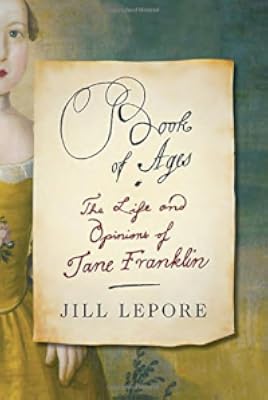
Book of Ages: The Life and Opinions of Jane Franklin
by Jill Lepore
On This Page
Description
National Book Award FinalistFrom one of our most accomplished and widely admired historians, a revelatory portrait of Benjamin Franklin’s youngest sister and a history of history itself. Like her brother, Jane Franklin was a passionate reader, a gifted writer, and an astonishingly shrewd political commentator. Unlike him, she was a mother of twelve.
Benjamin Franklin, who wrote more letters to his sister than he wrote to anyone else, was the original American self-made man; his sister show more spent her life caring for her children. They left very different traces behind. Making use of an amazing cache of little-studied material, including documents, objects, and portraits only just discovered, Jill Lepore brings Jane Franklin to life in a way that illuminates not only this one woman but an entire world—a world usually lost to history. Lepore’s life of Jane Franklin, with its strikingly original vantage on her remarkable brother, is at once a wholly different account of the founding of the United States and one of the great untold stories of American history and letters: a life unknown.
. show less
Tags
Recommendations
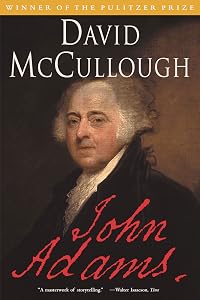
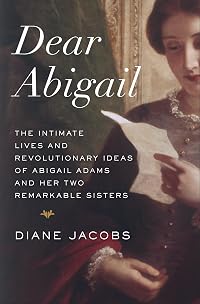
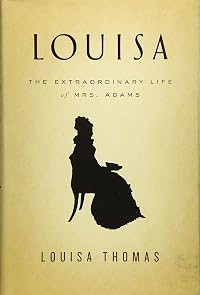
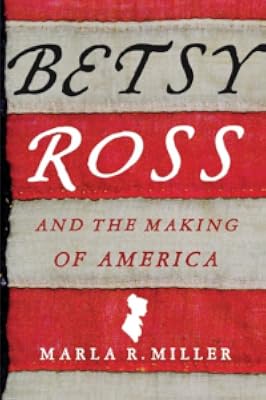



Member Recommendations
Member Reviews
This is a wonderful biography of Jane Franklin who lived from 1712 to 1794 in Boston. She was married at 15 to a man who turned out to never amount to much and had 12 children, and outlived all but one of them. She was taught to read and write and loved reading, searching out books wherever she could get them, for her whole life. She lived through the Revolution and helped to raise her grandchildren and great grandchildren. And, oh yeah, she was the sister of Benjamin Franklin.
Jane and Benjamin were close though the ended up in very different walks of life. Lepore uses Benjamin Franklin's life to contrast with Jane's. They wrote each other letters throughout their adult lives; most of Franklin's to Jane survive, very few of Jane's to show more him (or anyone) survive.
I found this an interesting look at the life of a woman, a reader, in the 18th century. It's also an interesting discussion of what is important in history - the large personalities, like Franklin, or the every day people, like Jane Franklin. Lepore makes a good argument that Jane Franklin's history can be every bit as interesting and important to the knowledge of where our country has been. I have to say that she also did a fantastic job in this book of not letting Benjamin Franklin overwhelm his sister's voice. Even with the scanty source material, I felt like I had a good picture of Jane Franklin - her sorrows, her political views, and her sense of humor - by the time I was finished reading.
Loved this book - highly recommended. show less
Jane and Benjamin were close though the ended up in very different walks of life. Lepore uses Benjamin Franklin's life to contrast with Jane's. They wrote each other letters throughout their adult lives; most of Franklin's to Jane survive, very few of Jane's to show more him (or anyone) survive.
I found this an interesting look at the life of a woman, a reader, in the 18th century. It's also an interesting discussion of what is important in history - the large personalities, like Franklin, or the every day people, like Jane Franklin. Lepore makes a good argument that Jane Franklin's history can be every bit as interesting and important to the knowledge of where our country has been. I have to say that she also did a fantastic job in this book of not letting Benjamin Franklin overwhelm his sister's voice. Even with the scanty source material, I felt like I had a good picture of Jane Franklin - her sorrows, her political views, and her sense of humor - by the time I was finished reading.
Loved this book - highly recommended. show less
Jill Lepore, one of my favorite historians, addresses the question put forth by Virginia Woolf regarding about Shakespeare's sister being equally brilliant but lacking the opportunity due to her sex through the history of Benjamin Franklin's sister Jane Franklin Mecom. Jane was the youngest of the Franklin children, six years younger than Benjamin, and they were very close. Benjamin recognized Jane's intelligence and teaches her reading and writing until he leaves Boston at the age of 17. From that point on the siblings would see one another very infrequently but remain close through correspondence. Jane marries young, has many children, struggles through poverty, and sees many of her children die, but she perserves. There's a show more heart-touching moment in their history when Benjamin brings Jane to Philadelphia to offer her a safe place to live during the Revolutionary Way. Later, he would pay for a house in the North End of Boston where she would live her final year.
There's only a small amount of Jane's writing that survives, her correspondence with Benjamin and some other relatives as well as her Book of Ages where she recorded the births and deaths of family members. Building on these, Lepore uses the writings of friends and relatives as well as women in similar positions at the time to build the story of Jane Franklin. As the title states, Lepore also relates Jane's opinions. She was more devoutly religious than her brother, and chided him for that, but also relates some interesting perspective on the political debates of the time. Her descriptions of the battles raging around Boston in April 1775 and fears that the fighting will come into the town are particularly chilling.
This is a brilliant book, which offers a well-sourced history and biography of an everyday woman of 18th-century American woman as well as the contrast of a gifted woman's lack of opportunity compared to her famed brother. I highly recommend reading this book.
Favorite Passages:
There's only a small amount of Jane's writing that survives, her correspondence with Benjamin and some other relatives as well as her Book of Ages where she recorded the births and deaths of family members. Building on these, Lepore uses the writings of friends and relatives as well as women in similar positions at the time to build the story of Jane Franklin. As the title states, Lepore also relates Jane's opinions. She was more devoutly religious than her brother, and chided him for that, but also relates some interesting perspective on the political debates of the time. Her descriptions of the battles raging around Boston in April 1775 and fears that the fighting will come into the town are particularly chilling.
This is a brilliant book, which offers a well-sourced history and biography of an everyday woman of 18th-century American woman as well as the contrast of a gifted woman's lack of opportunity compared to her famed brother. I highly recommend reading this book.
Favorite Passages:
"Benjamin Franklin fought for his learning, letter by letter, book by book, candle by candle. He valued nothing more. He loved his little sister. He taught her how to write. It was cruel, in its kindness. Because when he left, the lessons ended."show less
"The Book of Ages is a book of remembrance. Write this for a memoriall in a booke. She had no portraits of her children, and no gravestones. Nothing remained of them except her memories, and four sheets of foolscap, stitched together. The remains of her remains. The Book of Ages was her archive. Kiss this paper. Behold the historian."
"Jane’s Book of Devotions was her Book of Ages. Her devotions were prayers that her children might live. And her Book of Virtues was the Bible, indelible. She explained her creed to her brother: 'I profess to Govern my Life & action by the Rules laid down in the scripture.' The virtue she valued most was faith. It had no place on Franklin’s list. She placed her trust in Providence. He placed his faith in man."
"Gage had 'sent out a party to creep out in the night & Slauter our Dear Brethern for Endevering to defend our own Property,' Jane reported to her brother. 'The distress it has ocationed is Past my discription,' she wrote. 'The Horror the was in when the Batle Aprochd within Hearing Expecting they would Proceed quite in to town, the comotion the Town was in after the batle ceasd by the Parties coming in bringing in there wounded men causd such an Agetation of minde I beleve none had much sleep, since which we could have no quiet.' She expected that the colonial militia would march into town and continue the battle in Boston: 'We under stood our Bretheren without were determined to Disposes the Town of the Regelors.'Instead, the militia surrounded the city."
"'Perhaps few Strangers in France have had the good Fortune to be so universally popular,' he wrote her. 'This Popularity has occasioned so many Paintings, Busto’s, Medals & Prints to be made of me, and distributed throughout the Kingdom, that my Face is now almost as well known as that of the Moon.' She wrote back that the likenesses she had seen of him were so many and so different that his face must be 'as changeable as the moon.'"
"I hope with the Asistance of Such a Nmber of wise men as you are connected with in the Convention you will Gloriously Accomplish, and put a Stop to the nesesity of Dragooning, & Haltering, they are odious means; I had Rather hear of the Swords being beat into Plow-shares, & the Halters used for Cart Roops, if by that means we may be brought to live Peaceably with won a nother."
"Brown went further, arguing that history’s grossest distortion of reality stems not from its false claims to truth but, instead, from its exclusive interest in the great. In the eighteenth century, history and fiction split. Benjamin Franklin’s life entered the annals of history; lives like his sister’s became the subject of fiction. Histories of great men, novels of little women."
"Also in 1939: Jane’s house was demolished. In 1856, the 150th anniversary of Benjamin Franklin’s birth, the house had even been decorated for the celebration. But so little was known about Jane that the claim that Franklin’s sister had ever lived there was eventually deemed dubious. In 1939, Jane’s brick house was torn down to make room for a memorial to Paul Revere. The house wasn’t in the way of the Revere memorial; it simply blocked a line of sight. Jane’s house, that is, was demolished to improve the public view of a statue to Paul Revere, inspired by a poem written by Henry Wadsworth Longfellow, Jared Sparks’s roommate."
This meticulously-researched biography of Jane Franklin, sister of Benjamin Franklin, is revelatory in its exploration of women in the 18th century, as told from the story of one woman. Jane and Ben were among 17 children, and were particularly close, in part due to the fact that they survived long after their siblings had died. This book traces the life of Jane, who married a poor, ne'er do well man, and had 12 children of her own, and contrasts it with the life of her famous brother. It has a lot to say about the limited freedoms of women in the 1700's, partly due to a lack of education in any academic area. Jane experienced the loss of most of her 12 children and relied on faith to get her through life, Benjamin relied on his show more intellect. It's important that the author included sections of Jane's few remaining letters in the way they were written (poor spelling and punctuation) as it enhanced my appreciation of Jane's spirit and her inability to express her thoughts easily. The author's discussion of fiction as a way to tell the history of the common (vs famous) people was enlightening. show less
It's official -- I'm now a Jill Lepore fan. I've always liked her writing in the New Yorker, but had not read any of her books until this one, which I initially thought was just a biography of Benjamin Franklin's sister. But it's also a window on the world the Franklins grew up in, ranging from thoughts about science and philosophy to details about childhood mortality, and a view of the American Revolution through the eyes of someone who didn't fight in it but was very much affected by the conflict. "Book of Ages" is also a meditation on reading and writing (especially letters, the medium through which Benjamin and Jane communicated for most of their lives) and the nature of history itself, particularly the difficulty of constructing show more stories based on the limited evidence people leave behind. Lepore has done the latter task incredibly well, through meticulous research and incisive prose that is equally entertaining and edifying. Though I've told myself I can't start anything new until I finish at least three I have in progress, I might have to break this rule in order to find more of her work. show less
In Book of Ages: The Life and Opinions of Jane Franklin, Jill Lepore argues, “Little of what Benjamin Franklin wrote – not the Silence Dogood essays, not Poor Richard’s Almanack, not The Way to Wealth, not the autobiography – can be understood without [Jane Franklin]. This book, a history of the life and opinions of Jane Franklin, contains with it a wholly new reading of the life and opinions of her brother. But more, it tells her story. Like his, her life is an allegory: it explains what it means to write history not from what survives but from what is lost” (pg. xi-xii). The themes of history, language, and social position and roles run through her work. Discussing Franklin’s search for his ancestors in Ecton, Lepore show more writes of missing records, “History is what is written and can be found; what isn’t saved is lost, sunken and rotted, eaten by earth” (pg. 6). Further, of Franklin’s ancestor Thomas Francklin, “Behold the historian. His hand holds a pen. His eye lingers on the past” (pg. 7).
Discussing the difference in Benjamin and Jane’s writing, and thus the differences in men’s and women’s use of the written word, Lepore compares Jane Franklin’s Book of Ages with Benjamin Franklin’s literary societies. She writes, “The Book of Ages is a book of remembrance. Write this for a memoriall in a booke. She had no portraits of her children, and no gravestones. Nothing remained of them except her memories, and four sheets of foolscap, stitched together. The remains of her remains” (pg. 57). Turning to Jane’s brother, Lepore writes, “The word, the book, the letter: knowledge. The American Philosophical Society was the colonies’ first learned society. This was Franklin’s world, the world he had escaped to, the world he was making, the world of Newton and Locke: a world that embraced a philosophy of progress based on the application of reason to nature. Freedom of opinion and the rights of man: equality and enlightenment” (pg. 77). Lepore continues, “Jane’s letters are different than her brother’s – delightfully so. He wrote polite letters. She wrote impolite ones. She wrote the way she talked” (pg. 106). Furthermore, “Women were expected to disavow their own writing. But, more, Jane had a particular concern: she worried that she had spelled so badly and failed to make herself clear – ‘my Blundering way of Expresing my self,’ she called it – that someone reading a letter she had written wouldn’t be able to understand what she meant to say, wouldn’t be able to hear her” (pg. 106).
Lepore writes of eighteenth-century publications and the status of magazines, “A magazine is, literally, an arsenal; a piece is a firearm. A magazine is an arsenal of knowledge. It is also a library, dissected: bits of this book and bits of that. A magazine is a library – knowledge – cuts into bits, so that more people can use it. Magazines, then, contained the great and soaring promise of the age: knowledge for all” (pg. 128). Examining the rise of fiction in American writing, particularly the often blurry delineation between biography and fiction, Lepore writes, “Every history is incomplete; every historian has a point of view; every historian relies on what is unreliable: documents written by people who were not under oath and cannot be cross-examined. (That is to say, every historian is, like Jane Austen’s historian, ‘Partial, Prejudiced, & Ignorant.’) Before his imperfect sources, the historian is powerless” (pg. 240). Those subjects often altered their own identity to suit the needs of their time or else historians like Jared Sparks altered their history to fit the needs of later generations.
Lepore’s focus on the nature of letters, spelling, and formal systems of writing recalls her first book, The Name of War, which examined the way English citizens, colonists, and Native Americans all conceived of war and used both physical wounds and metaphorical words to wage it. The nature of identity likewise runs through Lepore’s work, with her juxtaposition of the Franklin siblings and the meanings inherent in their world telling the story of their time. Lepore writes, “Franklin liked, in France, to present himself as a bumpkin, with his mechanic rust and his coon hat. This was a serviceable sham. It was in this same spirit that he began giving to his fashionable French friends crumbly whitish-greenish cakes of soap made by his sister, using what she made – and what he no longer knew how to make – as a marker of his humble and obscure origins” (pg. 192). Turning to Jane’s later life, she offers in contrast to Benjamin’s authentic American persona a woman looking to rise above the limitations her era placed upon women’s education: “She not only had more time to read, and a mind for it, but more time to write, and a mind for that, too. Between 1785, when she was well settled in her own house, and 1790, when her brother died, she wrote more letters than survive for all of the years of all the rest of her life put together” (pg. 205). The dual biography not only brings to life Jane Franklin for a new generation, but addresses John Adams’s concern, that “writing [Franklin’s] biography… would require telling the story of an entire century; explaining Franklin would require writing a book of ages” (pg. 241). show less
Discussing the difference in Benjamin and Jane’s writing, and thus the differences in men’s and women’s use of the written word, Lepore compares Jane Franklin’s Book of Ages with Benjamin Franklin’s literary societies. She writes, “The Book of Ages is a book of remembrance. Write this for a memoriall in a booke. She had no portraits of her children, and no gravestones. Nothing remained of them except her memories, and four sheets of foolscap, stitched together. The remains of her remains” (pg. 57). Turning to Jane’s brother, Lepore writes, “The word, the book, the letter: knowledge. The American Philosophical Society was the colonies’ first learned society. This was Franklin’s world, the world he had escaped to, the world he was making, the world of Newton and Locke: a world that embraced a philosophy of progress based on the application of reason to nature. Freedom of opinion and the rights of man: equality and enlightenment” (pg. 77). Lepore continues, “Jane’s letters are different than her brother’s – delightfully so. He wrote polite letters. She wrote impolite ones. She wrote the way she talked” (pg. 106). Furthermore, “Women were expected to disavow their own writing. But, more, Jane had a particular concern: she worried that she had spelled so badly and failed to make herself clear – ‘my Blundering way of Expresing my self,’ she called it – that someone reading a letter she had written wouldn’t be able to understand what she meant to say, wouldn’t be able to hear her” (pg. 106).
Lepore writes of eighteenth-century publications and the status of magazines, “A magazine is, literally, an arsenal; a piece is a firearm. A magazine is an arsenal of knowledge. It is also a library, dissected: bits of this book and bits of that. A magazine is a library – knowledge – cuts into bits, so that more people can use it. Magazines, then, contained the great and soaring promise of the age: knowledge for all” (pg. 128). Examining the rise of fiction in American writing, particularly the often blurry delineation between biography and fiction, Lepore writes, “Every history is incomplete; every historian has a point of view; every historian relies on what is unreliable: documents written by people who were not under oath and cannot be cross-examined. (That is to say, every historian is, like Jane Austen’s historian, ‘Partial, Prejudiced, & Ignorant.’) Before his imperfect sources, the historian is powerless” (pg. 240). Those subjects often altered their own identity to suit the needs of their time or else historians like Jared Sparks altered their history to fit the needs of later generations.
Lepore’s focus on the nature of letters, spelling, and formal systems of writing recalls her first book, The Name of War, which examined the way English citizens, colonists, and Native Americans all conceived of war and used both physical wounds and metaphorical words to wage it. The nature of identity likewise runs through Lepore’s work, with her juxtaposition of the Franklin siblings and the meanings inherent in their world telling the story of their time. Lepore writes, “Franklin liked, in France, to present himself as a bumpkin, with his mechanic rust and his coon hat. This was a serviceable sham. It was in this same spirit that he began giving to his fashionable French friends crumbly whitish-greenish cakes of soap made by his sister, using what she made – and what he no longer knew how to make – as a marker of his humble and obscure origins” (pg. 192). Turning to Jane’s later life, she offers in contrast to Benjamin’s authentic American persona a woman looking to rise above the limitations her era placed upon women’s education: “She not only had more time to read, and a mind for it, but more time to write, and a mind for that, too. Between 1785, when she was well settled in her own house, and 1790, when her brother died, she wrote more letters than survive for all of the years of all the rest of her life put together” (pg. 205). The dual biography not only brings to life Jane Franklin for a new generation, but addresses John Adams’s concern, that “writing [Franklin’s] biography… would require telling the story of an entire century; explaining Franklin would require writing a book of ages” (pg. 241). show less
There is a great deal to like about Jill Lepore's Book of Ages, a biography of Ben Franklin's sister Jane Franklin Mecom. Lepore's research is focused and well done, her writing style clear and elegant, and her subject very much worthy of the treatment. She ably positions Jane against her more famous brother throughout, to excellent effect.
Those parts of this book, I loved. But there are some troubling things here too. Lepore often fills in gaps from the documentary record by quoted Mecom on the same topic but from a very different time in her life. She makes assumptions about Mecom's attitudes, emotions, &c. that just aren't borne out by the available evidence. In a very interesting section on the books Jane read, Lepore makes some show more very hefty speculative assumptions. To her credit, she points these leaps out ... but these and some notable over-dramatizations really diminished my satisfaction with the book. An important, but flawed, treatment of a remarkable American woman. show less
Those parts of this book, I loved. But there are some troubling things here too. Lepore often fills in gaps from the documentary record by quoted Mecom on the same topic but from a very different time in her life. She makes assumptions about Mecom's attitudes, emotions, &c. that just aren't borne out by the available evidence. In a very interesting section on the books Jane read, Lepore makes some show more very hefty speculative assumptions. To her credit, she points these leaps out ... but these and some notable over-dramatizations really diminished my satisfaction with the book. An important, but flawed, treatment of a remarkable American woman. show less
According to the Kindle, I'm only halfway done with this book, but I don't know how many more appendices I'll read. Heartbreaking at times - Jane Franklin Mecom gave birth to 12 children and only one outlived her, though she raised or helped raise a passel of grands and great-grands. I don't know how she managed to read and write (letters) as much as she did - so many letters are known to have existed but can't be found now. Kind of want to smack Ben for not getting around to helping her more financially earlier than he did.
Members
- Recently Added By
Published Reviews
ThingScore 75
It was just a matter of time, given the passages about Jane Franklin in Jill Lepore’s 2010 book The Whites of Their Eyes: The Tea Party’s Revolution and the Battle Over American History, that we’d get a full-length biography of Ben Franklin’s sister. It’s worth the wait, too, as Lepore—a Harvard professor who knows how to make strong narrative and interesting characters into show more exceptionally readable history—gives us insight into how very different life was in the time of America’s birth for
a woman easily as bright as her brother, but lacking the appropriate physiology.
Fortunately, Jane was as much a writer as her brother, though she suffered somewhat from lack of access to an education. That means her writing is much less stilted and beholden to propriety; she says what
she thinks, and frankly, she thinks pretty well. While Ben Franklin was out building a country, Jane was married off at 15 to a man she didn’t love. She had 12 children and the ‘Book of Ages’ in the title of Lepore’s history is the hand-stitched volume in which Jane recorded their births, lives, and deaths.
She struggled with poverty—her brother helped support her—and her only real claim to fame was being the sister of someone famous. But Lepore uses this (and she invokes Virginia Woolf’s famous essay, “Shakespeare’s Sister”) as a way to understand how women were swept out of the public sphere. In the end, we get an intriguing biography of an interesting woman—and we know a little bit more about her famous brother. show less
a woman easily as bright as her brother, but lacking the appropriate physiology.
Fortunately, Jane was as much a writer as her brother, though she suffered somewhat from lack of access to an education. That means her writing is much less stilted and beholden to propriety; she says what
she thinks, and frankly, she thinks pretty well. While Ben Franklin was out building a country, Jane was married off at 15 to a man she didn’t love. She had 12 children and the ‘Book of Ages’ in the title of Lepore’s history is the hand-stitched volume in which Jane recorded their births, lives, and deaths.
She struggled with poverty—her brother helped support her—and her only real claim to fame was being the sister of someone famous. But Lepore uses this (and she invokes Virginia Woolf’s famous essay, “Shakespeare’s Sister”) as a way to understand how women were swept out of the public sphere. In the end, we get an intriguing biography of an interesting woman—and we know a little bit more about her famous brother. show less
added by KelMunger
Lists

Top Five Books of 2013
1,562 works; 715 members

Recommend the 20 best books you've read in the last five years
2,168 works; 606 members

Mustich's 1000 Books to Read Before You Die: A Life Changing List
1,001 works; 19 members

Club Read's Recommended Nonfiction Written by Women
618 works; 30 members
Author Information

34+ Works 9,115 Members
Jill Lepore is the David Woods Kemper '41 Professor of American History at Harvard University and a staff writer at The New Yorker. She has written several books including Book of Ages: The Life and Opinions of Jane Franklin, The Whites of Their Eyes: The Tea Party's Revolution and the Battle over American History, The Secret History of Wonder show more Woman, Joe Gould's Teeth, and These Truths: A History of the United States. (Bowker Author Biography) show less
Awards and Honors
Awards
Distinctions
Common Knowledge
- Original publication date
- 2013
- People/Characters
- Jane Franklin Mecom; Benjamin Franklin
- Important places
- Boston, Massachusetts, USA
- Important events
- Revolutionary War
- Epigraph
- One Half of the World does not know how the other Half lives. Benjamin Franklin, Poor Richard's Almanack
- Dedication
- In memory of my father and of my mother their youngest daughter places this stone.
- First words
- (Preface) Benjamin Franklin's sister Jane thought of her brother as her "Second Self."
Lady Jane Grey, a red-haired, freckle-faced grandniece of Henry the Eighth, read, while still a girl, the Old Testament in Hebrew and Plato in Greek. - Last words
- (Click to show. Warning: May contain spoilers.)She left in their wake these gifts, her remains: needles and pens, letter and books, politics and opinions, this history, this archive, a quiet story of a quiet life of quiet sorrow and quieter beauty.
- Blurbers
- Schiff, Stacy; Taylor, Alan; Ulrich, Laurel Thatcher; Brooks, Geraldine
- Original language
- English
- Canonical DDC/MDS
- 973.3092
- Canonical LCC
- E302.6.F8
Classifications
- Genres
- Biography & Memoir, History, General Nonfiction, Nonfiction
- DDC/MDS
- 973.3092 — History & geography History of North America United States Revolutionary War (1775-89) Personal narratives--American Revolution
- LCC
- E302.6 .F8 — History of the United States United States Revolution to the Civil War, 1775/1783-1861 Biography (Late eighteenth century)
- BISAC
Statistics
- Members
- 798
- Popularity
- 34,817
- Reviews
- 37
- Rating
- (3.91)
- Languages
- English
- Media
- Paper, Audiobook, Ebook
- ISBNs
- 10
- ASINs
- 4