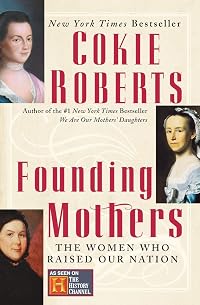
Founding Mothers: The Women Who Raised Our Nation
by Cokie Roberts
Cokie Roberts's History of the United States of America (1)
On This Page
Description
Cokie Roberts's number one New York Times bestseller, We Are Our Mothers' Daughters, examined the nature of women's roles throughout history and led USA Today to praise her as a "custodian of time-honored values." Her second bestseller, From This Day Forward, written with her husband, Steve Roberts, described American marriages throughout history, including the romance of John and Abigail Adams. Now Roberts returns with Founding Mothers, an intimate and illuminating look at the fervently show more patriotic and passionate women whose tireless pursuits on behalf of their families -- and their country -- proved just as crucial to the forging of a new nation as the rebellion that established it. While much has been written about the men who signed the Declaration of Independence, battled the British, and framed the Constitution, the wives, mothers, sisters, and daughters they left behind have been little noticed by history. Roberts brings us the women who fought the Revolution as valiantly as the men, often defending their very doorsteps. While the men went off to war or to Congress, the women managed their businesses, raised their children, provided them with political advice, and made it possible for the men to do what they did. The behind-the-scenes influence of these women -- and their sometimes very public activities -- was intelligent and pervasive. Drawing upon personal correspondence, private journals, and even favored recipes, Roberts reveals the often surprising stories of these fascinating women, bringing to life the everyday trials and extraordinary triumphs of individuals like Abigail Adams, Mercy Otis Warren, Deborah Read Franklin, Eliza Pinckney, Catherine Littlefield Green, Esther DeBerdt Reed, and Martha Washington -- proving that without our exemplary women, the new country might never have survived. Social history at its best, Founding Mothers unveils the drive, determination, creative insight, and passion of the other patriots, the women who raised our nation. Roberts proves beyond a doubt that like every generation of American women that has followed, the founding mothers used the unique gifts of their gender -- courage, pluck, sadness, joy, energy, grace, sensitivity, and humor -- to do what women do best, put one foot in front of the other in remarkable circumstances and carry on. show lessTags
Recommendations
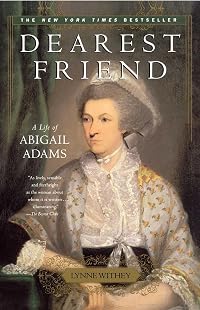
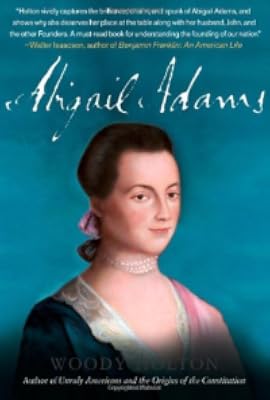
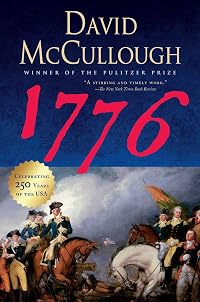
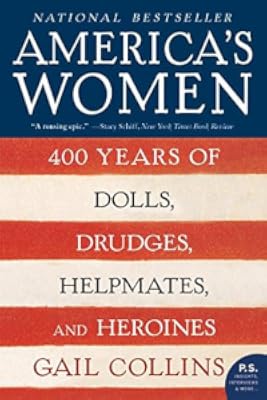
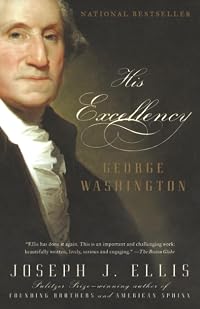
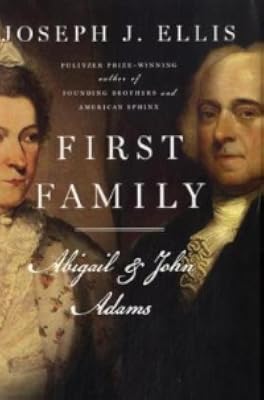
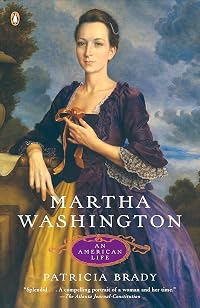
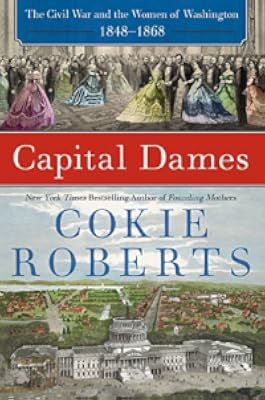
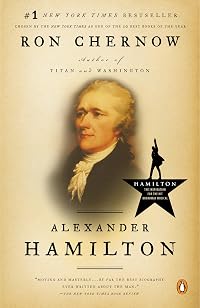
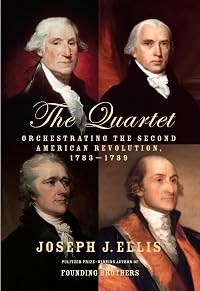
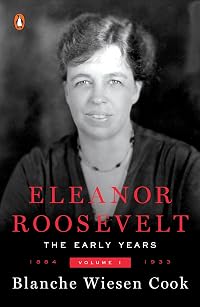
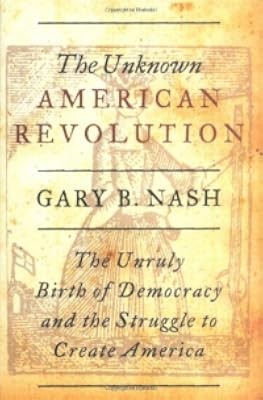
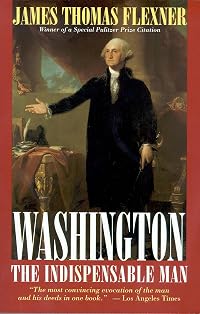
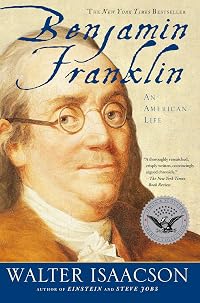
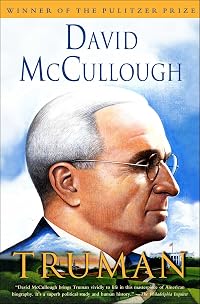
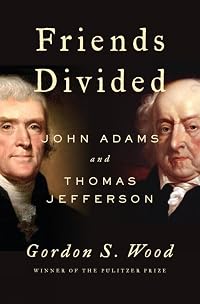
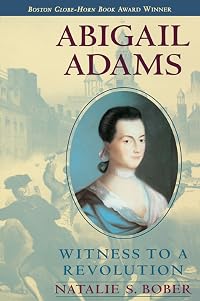
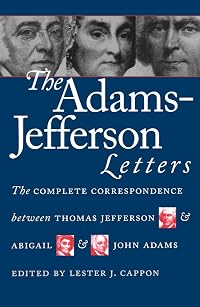

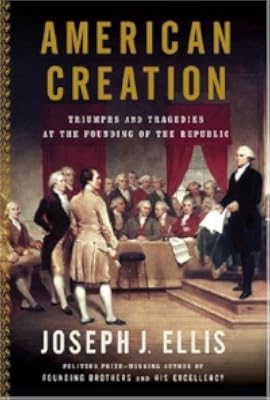

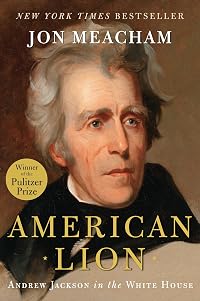
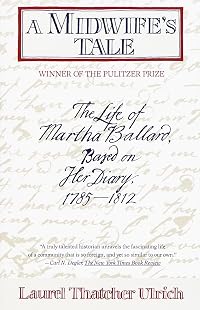
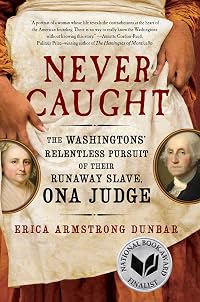
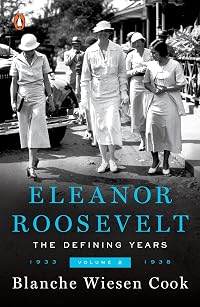
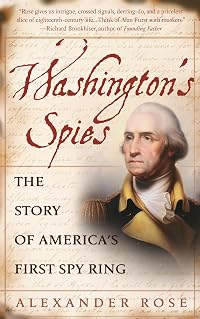
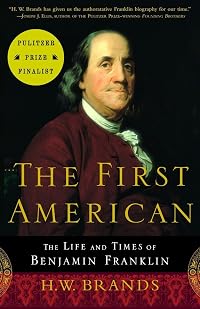
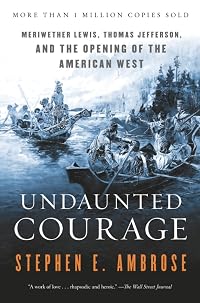
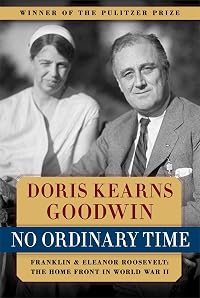
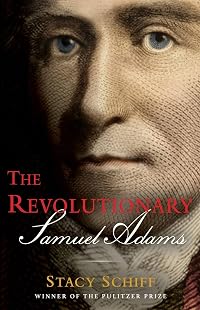
Member Recommendations
AnnaClaire Though it covers much more material, I found America's Women to be much better written.
Member Reviews
This book was just what was needed to pull me out of a reading slump. Founding Mothers: The Women Who Raised Our Nation by Cokie Roberts is an account of the women who supported and helped shape the development of the democratic government in the United States. While I initially thought that this would yield minimal new information considering how heavily this period of time was covered during my schooldays I discovered just how wrong (and ignorant) I was especially in regards to the women. I realized that it had never occurred to me to wonder just how long the absences of these women's husbands were during the creation of the Declaration of Independence, Constitution (including the Articles of the Confederation), and the U.S. show more government as a whole. Not to mention how absolutely strong-willed and informed these women were about the affairs of state (which was beneficial as they passed on the latest news to their husbands through extensive letter writing). Best couple award goes to George and Martha Washington who were the most well-adjusted and steadfast couple of the lot. Martha went everywhere George went including Valley Forge where she was instrumental in keeping the morale of the men up (and getting them to stay at all) as well as organizing other women into organized sewing groups to keep the troops clothed. Favorite woman of the many discussed was hands down Abigail Adams who not only had the keenest mind but also the sharpest tongue. She had no problem telling John where to go and letting him know that just because he was away didn't mean that the romance in their relationship needed to suffer. In fact, theirs was the most strained relationship of all as John was in high demand and for the majority of their marriage they were separated as he worked tirelessly in his work as a member of the Continental Congress and then later as the Vice President. If you, like me, love reading about confident women and relish learning new things about a slice of history you thought you had thoroughly mapped then I must point you in the direction of Founding Mothers. 10/10
PS Benjamin Franklin was the worst. show less
PS Benjamin Franklin was the worst. show less
Back in the day, a brief mention of the Founding Fathers in a high school history class was common. We learned about the accomplishments of Benjamin Franklin, George Washington, Thomas Jefferson, and more, but what about the women of the American Revolution? Often the women, be it wives, mothers, or sisters, would only be mentioned in passing, if at all.
Well, journalist Cokie Roberts wondered about them as well and dove into telling their stories. Using letters and research, Roberts gives us a behind-the-scenes look at life during Colonial times. While not in the spotlight, women like Martha Washington, Abigail Adams, and Mercy Otis Warren were a force to be reckoned with.
The Bottom Line: With many characters and long chapters, I had show more to read this book in small portions. I found the lives of these women to be fascinating, and I enjoyed learning about life during the American Revolution. These women made many contributions to American History; however, their efforts are seldom acknowledged. Recommended for American History classes for high school and college and for those interested in reading about the American Revolution.
For the complete review including Book Club Notes & Discussion questions, please visit the Mini Book Bytes Book Review Blog. show less
Well, journalist Cokie Roberts wondered about them as well and dove into telling their stories. Using letters and research, Roberts gives us a behind-the-scenes look at life during Colonial times. While not in the spotlight, women like Martha Washington, Abigail Adams, and Mercy Otis Warren were a force to be reckoned with.
The Bottom Line: With many characters and long chapters, I had show more to read this book in small portions. I found the lives of these women to be fascinating, and I enjoyed learning about life during the American Revolution. These women made many contributions to American History; however, their efforts are seldom acknowledged. Recommended for American History classes for high school and college and for those interested in reading about the American Revolution.
For the complete review including Book Club Notes & Discussion questions, please visit the Mini Book Bytes Book Review Blog. show less
When I first listened to the book, I concluded it was really a YA book disguised as an adult book. It seemed so shallow, and was full of annoying and tendentious asides. Yet it was also kind of interesting; it told a story that I was somewhat familiar with from a different perspective, that of the mothers, daughters, wives and sisters of generally better known personages of the colonies, American War for Independence, and earliest years of the United States. Then I read the sequel, "Ladies of Liberty", and that was more interesting to me, because I was much less familiar with the time period covered, and for the same reason more confusing. I decided it would be quite useful to actually read the sequel, and decided that to be thorough I show more might as well start with reading the first book.
The book is better when read. The tendentious asides recede into the background and become moderately annoying distractions while the narrative becomes more interesting, probably because when one is reading instead of listening, it is somewhat easier to keep track of all the different characters, their relations to each other, what they were doing last time the book discoursed about their lives, etc.
Since so many of the women found themselves in Europe, because some male relative was an ambassador or had property or children to educate, the interactions of the new United States with Europe are given more weight than in many other history books and events in the old and new world are linked in interesting ways. For example, when James Monroe was ambassador to France, his wife made a ceremonial visit to the Marquise de Lafayette, then in prison and headed for the guillotine, and managed to get her extracted from her situation and out of the country prior to her scheduled beheading, sometime during George Washington's second term.
While this book has one good quotation after another, as well as a great number of end notes, it would be much enhanced by numerous parallel timelines of the life of each woman and about ten or so family trees. Instead it has a bunch of period recipes and a virtually useless "Cast of Characters".
This is actually as good a way as any to learn, not very deeply, about the colonies, the war, and the early United States, through the election of the second President, John Adams. Recommended. show less
The book is better when read. The tendentious asides recede into the background and become moderately annoying distractions while the narrative becomes more interesting, probably because when one is reading instead of listening, it is somewhat easier to keep track of all the different characters, their relations to each other, what they were doing last time the book discoursed about their lives, etc.
Since so many of the women found themselves in Europe, because some male relative was an ambassador or had property or children to educate, the interactions of the new United States with Europe are given more weight than in many other history books and events in the old and new world are linked in interesting ways. For example, when James Monroe was ambassador to France, his wife made a ceremonial visit to the Marquise de Lafayette, then in prison and headed for the guillotine, and managed to get her extracted from her situation and out of the country prior to her scheduled beheading, sometime during George Washington's second term.
While this book has one good quotation after another, as well as a great number of end notes, it would be much enhanced by numerous parallel timelines of the life of each woman and about ten or so family trees. Instead it has a bunch of period recipes and a virtually useless "Cast of Characters".
This is actually as good a way as any to learn, not very deeply, about the colonies, the war, and the early United States, through the election of the second President, John Adams. Recommended. show less
I'm an avid historical bio reader, especially about people from the Colonial to federal eras, and welcome the chance to learn more, not only about history, but also the real people back then. When I say real, I mean who they really were as individuals, not cardboard figures from history books. I like to know about their true personalities, likes and dislikes, the things that made them who they were, and this book doesn't disappoint. I learned more about my two favorites, Martha Washington and Abigail Adams, as well as being introduced to some new people, like Eliza Lucas Pinckney and Deborah Read Franklin (who deserved a better husband than Ben). This book made me do some more research about Eliza and the Pinckney family, and that's show more another thing in its favor; Ms. Roberts gives you an entertaining, as well as informative, history lesson that makes you want to take more classes.
It should go without saying that I'll be reading the sequel ASAP, as well as the one about women in the Civil War days.. I'm sorry she's no longer with us; who knows what other books she might have written? show less
It should go without saying that I'll be reading the sequel ASAP, as well as the one about women in the Civil War days.. I'm sorry she's no longer with us; who knows what other books she might have written? show less
As Abigail Adams reminds her husband to "Remember the Ladies", Cokie Roberts reminds the reader of the same thing as she discusses the birth of the USA as seen through the eyes of the influential women who lived during those years. Although, as a Social Studies teacher, I am familiar with the events leading up to the American Revolution and the ratification of the Constitution, I learned so much about the women who are so often omitted from history textbooks. Not only does it make me wonder about how American History might have been different had Abigail Adams been permitted to serve as a delegate alongside her husband, but I am also left marveling at the economic innovations of Eliza Pinckney as well as the overall economic and show more political influence of the women of the times (boycott, propaganda, etc.)
Interesting and well researched! show less
Interesting and well researched! show less
The women connected to the American Founding Fathers don't often receive much attention. While I had encountered women like Martha Washington and Abgail Adams in histories of the revolution, I knew next to nothing about women like Catharine Littlefield Greene (wife of Nathanael Greene) or Sarah Livingston Jay (wife of John Jay) or even Anne Randolph Morris (wife of Gouverneur Morris). Each of them deserves a full-length biography of her own, but I appreciate the themes emphasized by telling their stories together. This book has broadened my knowledge and understanding of the American Revolution and I hope to find more books about these remarkable women.
A fun, quick, listen! As Roberts wrote [paraphrased], "if John Adams had left a grocery list, it would have been saved, but women's writings weren't saved." These are wonderful vignettes of women saving their farms, fending off the British, saving their father's papers, and many other sorts of heroic measures. Good for Roberts, and thanks for her "asides," too.
Members
- Recently Added By
Published Reviews
ThingScore 75
''Founding Mothers'' is essentially a series of entertaining mini-biographies and engaging vignettes.
added by readysetgo
In addition to telling wonderful stories, Roberts also presents a very readable, serviceable account of politics—male and female—in early America. If only our standard history textbooks were written with such flair!
added by readysetgo
Lists

Women and American History
19 works; 1 member

Club Read's Recommended Nonfiction Written by Women
618 works; 30 members
Author Information

12+ Works 4,702 Members
Cokie Roberts was born in 1943 in New Orleans, Louisiana. She is a journalist, author and contributing senior news analyst for National Public Radio as well as a regular roundtable analyst for the current This Week with George Stephanopoulos. Roberts also works as a political commentator for ABC News. Roberts, along with her husband, Steven V. show more Roberts, writes a weekly column syndicated by United Media in newspapers around the United States. She serves on the boards of several non-profit organizations such as the Kaiser Family Foundation and was appointed by President George W. Bush to his Council on Service and Civic Participation. Cokie Roberts is the youngest daughter of the late ambassador and long-time Democratic Congresswoman from Louisiana Lindy Boggs and of the late Hale Boggs, also a Democratic Congressman from Louisiana who was Majority Leader of the House of Representatives and a member of the Warren Commission. Roberts graduated from Wellesley College in 1964, where she received a BA in Political Science. Roberts has won numerous awards, such as the Edward R. Murrow Award, the Everett McKinley Dirksen Award for coverage of Congress and a 1991 Emmy Award for her contribution to "Who is Ross Perot?" Cokie's books include We Are Our Mother's Daughters (1998), Founding Mothers: The Women Who Raised Our Nation (2004), Ladies of Liberty: The Women Who Shaped Our Nation (2008), with Steven Roberts, From This Day Forward (2000), also with Steven Roberts, Our Haggadah: Uniting Traditions for Interfaith Families (2011), and children's book Founding Mothers: Remembering the Ladies (2014). Robert's title, Capital Dames: The Civil War and the Women of Washington, 1848-1868, is a 2015 New York Times bestseller. Cokie Roberts (Mary Martha Corinne Morrison Claiborne Boggs Roberts) passed away on September 17,2019 at the age of 75. (Bowker Author Biography) show less
Awards and Honors
Distinctions
Notable Lists
Series

Work Relationships
Common Knowledge
- Canonical title
- Founding Mothers: The Women Who Raised Our Nation
- Alternate titles
- Founding Mothers
- Original publication date
- 2004 (copyright) (copyright)
- People/Characters
- Abigail Adams; Martha Custis Washington; Mercy Otis Warren; Eliza Lucas Pinckney; Sarah Livingston Jay; Deborah Read Franklin (show all 8); Catharine Littlefield Greene; Esther DeBerdt Reed
- Important places
- Boston, Massachusetts, USA; Philadelphia, Pennsylvania, USA; Paris, France
- Important events
- American Revolution (1775 | 1783)
- Related movies
- Founding Mothers (History Channel)
- Dedication
- To my own Founding Mothers:
The women in my family, particularly my mother, who told the stories that we call history.
And, especially, to the religious of the Society of the Sacred Heart, the RSCJ's, who took girls ser... (show all)iously—a radical notion in the 1950s. - First words
- Chapter One
Before 1775:
The Road to Revolution
Deborah Read Franklin
Stirrings of Discontent
When you hear of a family with two brothers who fought heroically in the Revolutionary War, ser... (show all)ved their state in high office, and emerged as key figures in the new American nation, don't you immediately think, "They must have had a remarkable mother"? - Last words
- (Click to show. Warning: May contain spoilers.)A salute from the Father of the Country to its Founding Mothers.
Classifications
- Genres
- History, General Nonfiction, Nonfiction, Biography & Memoir, Sexuality and Gender Studies
- DDC/MDS
- 973.30922 — History & geography History of North America United States Revolutionary War (1775-89) Personal narratives--American Revolution American Revolution, 1775-1783--collected biography
- LCC
- E176 .R63 — History of the United States United States History General
- BISAC
Statistics
- Members
- 2,251
- Popularity
- 8,923
- Reviews
- 49
- Rating
- (3.49)
- Languages
- English
- Media
- Paper, Audiobook, Ebook
- ISBNs
- 21
- UPCs
- 1
- ASINs
- 15