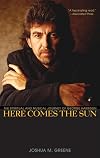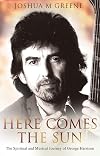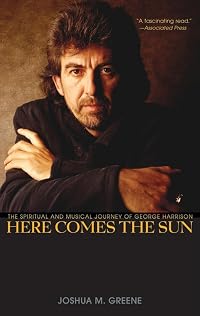
Here Comes the Sun: The Spiritual and Musical Journey of George Harrison
by Joshua M. Greene
On This Page
Description
An unprecedented close-up portrait, offering fresh insights into Harrison's underrated contribution to the Beatles music, his spiritual awakening through Indian music and meditation, and his efforts to spread spirituality through his solo career. Here Comes the Sun also includes fresh new anecdotes about Harrison and other musical greats, including Bob Dylan and Elvis Presley. Written with a you-are-there immediacy and complete with 20 pages of rare photographs, Here Comes the Sun is an show more insightful, thought-provoking look at the inner life of one of history's most beloved artists. show lessTags
Recommendations

















Member Reviews
People loved to label the members of the Beatles. Paul was "the cute one." John was "the smart one." Ringo was "the sad one." George was always "the quiet one." And just as Lennon eventually was viewed as "the political one," Harrison became "the one who was into those strange Eastern religions." Hopefully, Joshua Greene's book, Here Comes the Sun will contribute to that last label becoming "the spiritual one."
The subtitle, The Spiritual and Musical Journey of George Harrison, is well-chosen. While Liverpool, the founding of the band and Beatlemania are all there, that history largely serves to simply set the stage. The focus here is on Harrison's spiritual interests and the significant role it came to play in his life and his music. show more Here Comes the Sun demonstrates that the Hindu religion was not a grace note but a major theme in Harrison's life and music. And while Harrison's death means Greene has a tendency to rehash much non-original material to show Harrison's personal thoughts, his background provides some unique insight.
Greene was, like Harrison, a student of A.C. Bhaktivedanta Swami Prabhupada. Prabhupada was the founder of the International Society for Krishna Consciousness, the largest part of the "Hare Krishna" movement. Harrison purchased an estate in London for use as a Krishna retreat that was named Bhaktivedanta Manor and recorded an album of Hare Krishna chants (on which Greene was one of the chanters and played harmonium) sung by members of a temple for which Harrison guaranteed the lease.
As such, Greene does not view or treat Harrison's interest in Eastern religion as the dalliance of a wealthy but eccentric rock star. Instead, the book looks seriously at Harrison's views and worship of Krishna and the role its tenets and practices played in Harrison's day-to-day life. Greene takes us from Harrison's first trip in India 1966 to his various return trips up to his death. He also discusses the philosophical and spiritual discussions Harrison had with Prabhupada and other teachers and devotees.
Moreover, it looks at how the philosophy found its way into Harrison's music. Among other things, it introduced Harrison to and encouraged his study of the sitar. Perhaps more important, Krishna and Hinduism directly impacted his songwriting. While Harrison's blending of Hindu beliefs and concepts is seen from his first solo release, the stellar All Things Must Pass. Greene shows some of the subtler aspects of its influence. One example is "My Sweet Lord," the song with an overt religious tone and a Hare Krishna chant that was the first Beatle solo effort to hit #1 on the charts. Harrison intentionally started the chant out with repeated use of the word "hallelujah" before transitioning into the mantra because it is more familiar and acceptable to westerners. As Harrison said, "I wanted to show that 'Hallelujah' and 'Hare Krishna' are quite the same thing."
Balance of review at http://prairieprogressive.com/2006/05/03/book-review-here-comes-the-sun-2006/ show less
The subtitle, The Spiritual and Musical Journey of George Harrison, is well-chosen. While Liverpool, the founding of the band and Beatlemania are all there, that history largely serves to simply set the stage. The focus here is on Harrison's spiritual interests and the significant role it came to play in his life and his music. show more Here Comes the Sun demonstrates that the Hindu religion was not a grace note but a major theme in Harrison's life and music. And while Harrison's death means Greene has a tendency to rehash much non-original material to show Harrison's personal thoughts, his background provides some unique insight.
Greene was, like Harrison, a student of A.C. Bhaktivedanta Swami Prabhupada. Prabhupada was the founder of the International Society for Krishna Consciousness, the largest part of the "Hare Krishna" movement. Harrison purchased an estate in London for use as a Krishna retreat that was named Bhaktivedanta Manor and recorded an album of Hare Krishna chants (on which Greene was one of the chanters and played harmonium) sung by members of a temple for which Harrison guaranteed the lease.
As such, Greene does not view or treat Harrison's interest in Eastern religion as the dalliance of a wealthy but eccentric rock star. Instead, the book looks seriously at Harrison's views and worship of Krishna and the role its tenets and practices played in Harrison's day-to-day life. Greene takes us from Harrison's first trip in India 1966 to his various return trips up to his death. He also discusses the philosophical and spiritual discussions Harrison had with Prabhupada and other teachers and devotees.
Moreover, it looks at how the philosophy found its way into Harrison's music. Among other things, it introduced Harrison to and encouraged his study of the sitar. Perhaps more important, Krishna and Hinduism directly impacted his songwriting. While Harrison's blending of Hindu beliefs and concepts is seen from his first solo release, the stellar All Things Must Pass. Greene shows some of the subtler aspects of its influence. One example is "My Sweet Lord," the song with an overt religious tone and a Hare Krishna chant that was the first Beatle solo effort to hit #1 on the charts. Harrison intentionally started the chant out with repeated use of the word "hallelujah" before transitioning into the mantra because it is more familiar and acceptable to westerners. As Harrison said, "I wanted to show that 'Hallelujah' and 'Hare Krishna' are quite the same thing."
Balance of review at http://prairieprogressive.com/2006/05/03/book-review-here-comes-the-sun-2006/ show less
3 1/2 stars: Good
From the back cover: Like his fellow Beatles, George escaped from the gritty streets of working class Liverpool, survived a tough musical apprenticeship in underground clubs in Liverpool and Hamburg, and became one of the most famous and successful musical artists in history. Before long, though, disillusioned with both the price and the rewards of celebrity and content to let Lennon and McCartney bask in the limelight, he began the journey that would transform his music and redefine the rest of his life. Here Comes the Sun traces George's exploration of Eastern religion - from his first visions in the mid sixties to his increasingly important meditation practice to his studies and lasting friendship with Ravi Shankar, show more who showed him the harmonious link between music and spirit, to the profound devotion of his later years.
---------------
As the description states, this is a book about a specific aspect of George Harrison's life, from someone who was present for part of it. I did learn some things in the book, and I appreciated the description of the Hamburg days which I don't often hear much about.
Some quotes I liked:
"To George, nothing mattered anymore, what day it was, where he was. It had all merged together, a gray blur obscuring the once colorful canvas of his life. It was obvious to him now, although he would not have anticipated it before: he had loved the image of success but the reality made him ill.
A wall of illusion separates us from each other, he sang. We believe the illusion real, which only turns our love for one another cold. Peace will come when we learn to see past the illusion of differences and come to know that we are one - life is everywhere, within and without.
George himself is no mystery, John said. But the mystery inside George is immense. Its watching him uncover it all little by little that's so damn interesting. [ why the Beatles agreed to the India trip].
Prudence Farrow ... spent so many hours in meditation in deep trance that it worried George and John, who lived in bungalows next to hers. One of these prolonged absences prompted John to pick up his guitar and write an invitation for her to come out. Dear Prudence, the day is beautiful and so are you. Won't you come out and play?
Rishikesh ended John's interest in spiritual matters. "There is no guru. You have to believe in yourself."
"Part of George's charm is that he always felt so inadequate to repay the world for what the world had given him. Acts of kindness have become an art with him."
The Beatles survived, to some extent, because they had one another to deal with the mania. They had each other to keep them grounded. I'm sure that George's whole religious thing was, in a sense, his way of keeping himself grounded while having to be on his own. He didn't have his friends with him anymore. On his solo tours, he was the boss and that can be a lonely position. By the time the Beatles broke up, he just wanted to be back in the human race.
"There are a lot of people I know who are really great but don't have any desire for knowledge or realization. Its good to boogie once in awhile, but when you boogie all your life away its just a waste of life and of what we've been given. I can get high like the rest of them, but its actually low. The more dope you take, the lower you get, really. Having done that, I can say that from experience." - George Harrison. show less
From the back cover: Like his fellow Beatles, George escaped from the gritty streets of working class Liverpool, survived a tough musical apprenticeship in underground clubs in Liverpool and Hamburg, and became one of the most famous and successful musical artists in history. Before long, though, disillusioned with both the price and the rewards of celebrity and content to let Lennon and McCartney bask in the limelight, he began the journey that would transform his music and redefine the rest of his life. Here Comes the Sun traces George's exploration of Eastern religion - from his first visions in the mid sixties to his increasingly important meditation practice to his studies and lasting friendship with Ravi Shankar, show more who showed him the harmonious link between music and spirit, to the profound devotion of his later years.
---------------
As the description states, this is a book about a specific aspect of George Harrison's life, from someone who was present for part of it. I did learn some things in the book, and I appreciated the description of the Hamburg days which I don't often hear much about.
Some quotes I liked:
"To George, nothing mattered anymore, what day it was, where he was. It had all merged together, a gray blur obscuring the once colorful canvas of his life. It was obvious to him now, although he would not have anticipated it before: he had loved the image of success but the reality made him ill.
A wall of illusion separates us from each other, he sang. We believe the illusion real, which only turns our love for one another cold. Peace will come when we learn to see past the illusion of differences and come to know that we are one - life is everywhere, within and without.
George himself is no mystery, John said. But the mystery inside George is immense. Its watching him uncover it all little by little that's so damn interesting. [ why the Beatles agreed to the India trip].
Prudence Farrow ... spent so many hours in meditation in deep trance that it worried George and John, who lived in bungalows next to hers. One of these prolonged absences prompted John to pick up his guitar and write an invitation for her to come out. Dear Prudence, the day is beautiful and so are you. Won't you come out and play?
Rishikesh ended John's interest in spiritual matters. "There is no guru. You have to believe in yourself."
"Part of George's charm is that he always felt so inadequate to repay the world for what the world had given him. Acts of kindness have become an art with him."
The Beatles survived, to some extent, because they had one another to deal with the mania. They had each other to keep them grounded. I'm sure that George's whole religious thing was, in a sense, his way of keeping himself grounded while having to be on his own. He didn't have his friends with him anymore. On his solo tours, he was the boss and that can be a lonely position. By the time the Beatles broke up, he just wanted to be back in the human race.
"There are a lot of people I know who are really great but don't have any desire for knowledge or realization. Its good to boogie once in awhile, but when you boogie all your life away its just a waste of life and of what we've been given. I can get high like the rest of them, but its actually low. The more dope you take, the lower you get, really. Having done that, I can say that from experience." - George Harrison. show less
An impetuous dash after a fleeing dog strands Julie Lorraine alone overnight in a remote cabin with a strange man. A crashing thunderstorm and the threat of political scandal find her married the next morning to her darkly handsome stranger. Julie plans a quick anullment, but fate may have other plans. Political intrigue and fervent dialogue abound.
Dated, but still a pleasure. Julie is a plucky heroine, and her dashing and dogged pursuer isn't so overbearing as to be completely impossible to like.
Dated, but still a pleasure. Julie is a plucky heroine, and her dashing and dogged pursuer isn't so overbearing as to be completely impossible to like.
This is an excellent biography of George Harrison. While it focuses on the growth of his spiritual life and how his dedication to Krishna (God) affected his life and is reflected in his music, it also presents much information about his life including his life as a Beatle. It is a refreshing rock-star biography because it does not reveal an out-of-control celebrity who uses and abuses drugs and people and has a destructive relationship with his parents. Although George Harrison had his problems with drugs, he was not abusive to people and he had a good relationship with his parents. The book describes how his love of God guided his life and both enhanced and hindered his public and personal life. Overall, his relationship with Krishna show more was the most important one of his life. show less
Ratings
Members
- Recently Added By
Author Information

20+ Works 644 Members
Common Knowledge
- Original publication date
- 2006
- People/Characters
- George Harrison (of The Beatles); John Lennon; Paul McCartney; Ringo Starr
Classifications
- Genres
- Music, Nonfiction, Biography & Memoir, Religion & Spirituality
- DDC/MDS
- 782.42166092 — Arts & recreation Music Vocal music Secular forms of vocal music Songs General principles and musical forms Traditions of secular songs {genres} Rock songs modified standard subdivisions History, geographic treatment, biography Biography
- LCC
- ML420 .H167 .G74 — Music Literature on music Literature on music History and criticism Biography
- BISAC
Statistics
- Members
- 97
- Popularity
- 332,287
- Reviews
- 4
- Rating
- (3.71)
- Languages
- English
- Media
- Paper, Audiobook, Ebook
- ISBNs
- 6
- ASINs
- 2