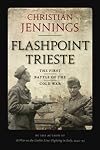
From time to time, history books present a stumbling block for readers. Some written by historians, particularly academics, read like they were -- well -- written by a historian. It's not just writing style. There's also that pattern of an opening chapter or introduction telling us what each subsequent chapter talks about, with each subsequent chapter opening with an overview of the chapter and closing with a summary of it.
That certainly isn't the case with Christian Jennings's Flashpoint Trieste: The First Battle of the Cold War. It reflects the beauty of concise, expositional writing. As a foreign correspondent, Jennings writes more like a journalist. This enables him to give the book a pace often lacking in more academic books. At the same time, though, he too often uses sentence fragments such as, for example,"Which had included what was now Yugoslavia."
Flashpoint Trieste tells a story of World War II and its aftermath not widely known. The city, located on the Adriatic, was annexed to Italy after World War I but Yugoslavians believed it should be part of their country. As World War II came to a close, British and American leaders feared that Tito being a communist could mean Trieste could end up essentially controlled by Stalin. This led to what was essentially a race to be the first to take the city as the war came to a close.
Ultimately, this meant the city was a geopolitical focus of the U.S., Great Britain, Italy, Yugoslavia and the Soviet Union. Flashpoint show more Trieste examines not only the interests and actions of each but also the history of the region, the ethnic tensions and bloody reprisal, and the melange of intelligence forces and operations.
While interesting, the book suffers from the antithesis of the problems that can arise in academia. While very readable, it seems to lack the rigor, continuity and depth of historical method. Jennings certainly shouldn't be condemned for not being a professional historian. Yet in a genre with authors like Candice Millard, Ron Chernow and Hampton Sides, for example, Flashpoint Trieste requires more. show less
That certainly isn't the case with Christian Jennings's Flashpoint Trieste: The First Battle of the Cold War. It reflects the beauty of concise, expositional writing. As a foreign correspondent, Jennings writes more like a journalist. This enables him to give the book a pace often lacking in more academic books. At the same time, though, he too often uses sentence fragments such as, for example,"Which had included what was now Yugoslavia."
Flashpoint Trieste tells a story of World War II and its aftermath not widely known. The city, located on the Adriatic, was annexed to Italy after World War I but Yugoslavians believed it should be part of their country. As World War II came to a close, British and American leaders feared that Tito being a communist could mean Trieste could end up essentially controlled by Stalin. This led to what was essentially a race to be the first to take the city as the war came to a close.
Ultimately, this meant the city was a geopolitical focus of the U.S., Great Britain, Italy, Yugoslavia and the Soviet Union. Flashpoint show more Trieste examines not only the interests and actions of each but also the history of the region, the ethnic tensions and bloody reprisal, and the melange of intelligence forces and operations.
While interesting, the book suffers from the antithesis of the problems that can arise in academia. While very readable, it seems to lack the rigor, continuity and depth of historical method. Jennings certainly shouldn't be condemned for not being a professional historian. Yet in a genre with authors like Candice Millard, Ron Chernow and Hampton Sides, for example, Flashpoint Trieste requires more. show less
 This review was written for LibraryThing Early Reviewers.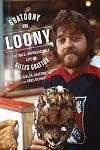
Sports are replete with stereotypes. Yet few are probably as old and ingrained as that ice hockey goaltenders are quirky weird crazy. Even Hall of Fame goaltender Bernie Parent said, "You don't have to be crazy to be a goalie. But it helps!" And then there's the goaltenders who embody the stereotype, such as Gilles Gratton, a goalie who earned the moniker "Gratoony the Loony" (to be distinguished from "loonie," the $1 Canadian coin).
Even though Gratton only played in 47 NHL games in the 1975-76 and 1976-77 seasons, he achieved somewhat legendary status. His autobiography Gratoony the Loony: The Wild, Unpredictable Life of Gilles Gratton, co-written with Greg Oliver, shows how his quirks and actions created the image of the crazy goaltender. But it also tells the story of a French-Canadian boy growing up playing hockey and reaching the big stage while believing there was more to life than a hockey rink.
Gratton spent three seasons in the World Hockey Association, playing in its second All-Star Game, before moving to the NHL. He asserts that he didn't want to play hockey, "it just seemed that destiny pushed me into it." Similarly, he says his brother Norm, who would play 201 games with four NHL teams, would rather hunt than play outdoor hockey when they were growing up.
The introduction to Gratoony the Loony deals with an event near the end of his career that drew extensive attention. While goalies had fiberglass masks, they were not that far removed from the type made iconic show more in Friday the 13th. At a home game at Madison Square Garden on January 30, 1977, Gratton came on the ice wearing a mask painted as a snarling lion. (It's probably apropos that he chose a lion because his astrological sign is Leo.) The mask was so striking that, according to Gratton, the referees and players on the ice came down to look at it. He believes the mask "has come to define me, because most of the rest of my career was just a series of fuck-ups."
Gratton doesn't limit his focus to the quirks and antics that he's remembered for. Instead, Gratoony the Loony is more autobiographical than many sports memoirs. He writes of growing up with parents who were "emotionally absent," allowing him to do whatever he wanted. He says he struggled with "despair over the meaninglessness of life." He dropped out of high school after only three days. Before his last NHL season, Gratton no longer wanted to play hockey; he wanted to "meditate, go to ashrams, do my spiritual stuff and uncover life's secrets." In fact, after retiring at age 24, Gratton spent several years exploring Transcendental Meditation and yoga, in hopes of becoming "an enlightened being." Ultimately, though, I think readers would have been better served by a deeper exploration of the effects of how he and his brother (who drank himself to death in 2010) were raised and a more abbreviated discussion of his life after retiring.
Make no mistake. This is a book about hockey. There's plenty of narrative of Gratton's years playing hockey, especially professional hockey. In fact, the book at times has the feel of a series of war stories. Perhaps because of that, brief, oral history-like accounts from a wide variety of people are interspersed throughout the book. To me, the inserts tended to break the flow of the book and a number didn't seem that relevant to the subject at hand. But those interested in the Gratoony the Loony reputation also get what they came for. Among other things, Gratton tells of:
Plainly, Gratton reinforced the hockey goalie stereotype. He still may be doing so. Gratoony the Loony also tells of his post-hockey astral projection and that he's currently living two distinct timelines. In the past, he's lived as a 12th century sailor, a 14th century Indian "hobo," a 17th century Spanish landowner, an 18th century Spanish priest and a 19th century British surgeon. All in all, to paraphrase Daniel Tosh, it's not a stereotype if it's true.
(Originally posted at A Progressive on the Prairie.) show less
Even though Gratton only played in 47 NHL games in the 1975-76 and 1976-77 seasons, he achieved somewhat legendary status. His autobiography Gratoony the Loony: The Wild, Unpredictable Life of Gilles Gratton, co-written with Greg Oliver, shows how his quirks and actions created the image of the crazy goaltender. But it also tells the story of a French-Canadian boy growing up playing hockey and reaching the big stage while believing there was more to life than a hockey rink.
Gratton spent three seasons in the World Hockey Association, playing in its second All-Star Game, before moving to the NHL. He asserts that he didn't want to play hockey, "it just seemed that destiny pushed me into it." Similarly, he says his brother Norm, who would play 201 games with four NHL teams, would rather hunt than play outdoor hockey when they were growing up.
The introduction to Gratoony the Loony deals with an event near the end of his career that drew extensive attention. While goalies had fiberglass masks, they were not that far removed from the type made iconic show more in Friday the 13th. At a home game at Madison Square Garden on January 30, 1977, Gratton came on the ice wearing a mask painted as a snarling lion. (It's probably apropos that he chose a lion because his astrological sign is Leo.) The mask was so striking that, according to Gratton, the referees and players on the ice came down to look at it. He believes the mask "has come to define me, because most of the rest of my career was just a series of fuck-ups."
Gratton doesn't limit his focus to the quirks and antics that he's remembered for. Instead, Gratoony the Loony is more autobiographical than many sports memoirs. He writes of growing up with parents who were "emotionally absent," allowing him to do whatever he wanted. He says he struggled with "despair over the meaninglessness of life." He dropped out of high school after only three days. Before his last NHL season, Gratton no longer wanted to play hockey; he wanted to "meditate, go to ashrams, do my spiritual stuff and uncover life's secrets." In fact, after retiring at age 24, Gratton spent several years exploring Transcendental Meditation and yoga, in hopes of becoming "an enlightened being." Ultimately, though, I think readers would have been better served by a deeper exploration of the effects of how he and his brother (who drank himself to death in 2010) were raised and a more abbreviated discussion of his life after retiring.
Make no mistake. This is a book about hockey. There's plenty of narrative of Gratton's years playing hockey, especially professional hockey. In fact, the book at times has the feel of a series of war stories. Perhaps because of that, brief, oral history-like accounts from a wide variety of people are interspersed throughout the book. To me, the inserts tended to break the flow of the book and a number didn't seem that relevant to the subject at hand. But those interested in the Gratoony the Loony reputation also get what they came for. Among other things, Gratton tells of:
- His mood and thinking being affected by his horoscope and why would you play a goalie who wasn't in the right mood to perform?
- While playing for Toronto's WHA team, taking several laps around the practice rink wearing only his mask and skates, ending with a pirouette at center ice.
- When interviewed at center ice in San Diego after being named first star of the game, Gratton told the crowd, "You have a nice city here. It's too bad you don't have a good hockey team."
- After getting hit in the ribs by a puck, telling the doctor the reason it hurt so much was because he was stabbed in the same place by a Spaniard in a prior life.
Plainly, Gratton reinforced the hockey goalie stereotype. He still may be doing so. Gratoony the Loony also tells of his post-hockey astral projection and that he's currently living two distinct timelines. In the past, he's lived as a 12th century sailor, a 14th century Indian "hobo," a 17th century Spanish landowner, an 18th century Spanish priest and a 19th century British surgeon. All in all, to paraphrase Daniel Tosh, it's not a stereotype if it's true.
(Originally posted at A Progressive on the Prairie.) show less

It seems that memoirs about dealing with mental illness are becoming proportionately as ubiquitous as the conditions themselves. Searching "mental health" in Amazon's biographies and memoirs category produces more than 5,000 results. At least anecdotally, such works coming into the mainstream seems to correspond with increasing public discussion of destigmatizing mental illness. In recounting her 20 years struggling with bipolar disorder in Mental: Lithium, Love, and Losing My Mind, Jaime Lowe not only discusses the condition but examines the treatment of choice.
Bipolar disorder, once known as manic depressive illness, usually first appears between the ages of 15 and 30, with 25 being the average age of onset. Lowe was an overachiever, with her first hospitalization for the condition occurring at age 16. Mental opens with a recounting of her first episode of extreme mania. As with other accounts, one wonders how someone who, to put it colloquially, is "out of their mind can accurately describe what happened. Lowe, though, says that because the experience was "real for me," she does remember and the incidents leave a feeling that "never fully dissipates."
While hospitalized, she was started on lithium, the first line treatment for bipolar disorder. What is more striking about this first hospitalization is not necessarily what led to it but the existential state in which she was left once well enough to be released.
Lowe recognizes these questions were too deep for her teenage mind to ponder for long. At the same time, she says, "I no longer had a baseline for reality or even a way to fully trust myself." And those existential questions, or at least their undercurrent, would not disappear.
Lowe was fortunate because lithium worked for her, allowing her to live and work without being overwhelmed by her condition. In late 1999, Lowe tapered off lithium after having taken it for six years. She began slipping into a manic state even before stopping the drug entirely and once full blown, it would take several months to convince her to go back on the drug. Again, she returned to comparatively normal life.
Still, her "normality" reflects one of the problems with the psychiatric memoir. As a college student, she lived in Edinburgh, Scotland, for a year studying art history. She's traveled to Turkey, Germany and Japan and enjoyed the nightlife and other things New York City had to offer while living and working there. To date, the memoir authors largely have been white and relatively privileged. We aren't hearing the experiences of those, minority or otherwise, who struggle to obtain treatment, let alone those who lack the resources, or the deinstitutionalized. Granted, this is not a problem cause by Lowe. In fact, near the end of Mental, she discusses the fact that while she spent more than $100,000 on outpatient psychiatric care in 18 years in New York City, some 43 million Americans don't have that option.
In 2014, Lowe encountered something many others who rely on lithium face -- kidney damage. Routine blood tests by her primary care physician ultimately revealed that two decades of lithium left her kidneys with only 48 percent function. "I had to choose between my kidneys or losing my sanity," she writes. Her need to search for a replacement treatment leads her to explore lithium itself. In doing so, Mental is uncommon.
As if infatuated by it, Lowe travels to lithium production sites in Nevada and Bolivia and spas with lithium in the water. She ultimately weaves together concise summaries of the history of treating mental illness, what lithium is, where it comes from and the history of its medical use. And, Lowe says, the nature of lithium creates a problem for patients. Lithium is one of the first three chemical elements created by the Big Bang. That means it can't be patented so, according to Lowe, there's no financial incentive to continue studying its effect on the brain. Lowe fortunately found another treatment that has worked, although the book recounts that it was far from a simple process.
As noted, Mental comes from the view of a privileged, white American, which is heightened here by a sense of New York City bohemian cool. Perhaps related to the latter, at times the tone is one of hip casualness and there are occasional clunkers ("temperament itself is so tempestuous"). Lowe also tends to wander or be a bit wordy in the last third of the book, delving into family history and other topics. The flaws, though, do not leave the book or its scope hollow. By going beyond the personal aspects of bipolar disorder, Lowe provides a rare perspective.
(Originally posted at A Progressive on the Prairie.) show less
Bipolar disorder, once known as manic depressive illness, usually first appears between the ages of 15 and 30, with 25 being the average age of onset. Lowe was an overachiever, with her first hospitalization for the condition occurring at age 16. Mental opens with a recounting of her first episode of extreme mania. As with other accounts, one wonders how someone who, to put it colloquially, is "out of their mind can accurately describe what happened. Lowe, though, says that because the experience was "real for me," she does remember and the incidents leave a feeling that "never fully dissipates."
While hospitalized, she was started on lithium, the first line treatment for bipolar disorder. What is more striking about this first hospitalization is not necessarily what led to it but the existential state in which she was left once well enough to be released.
Who was I if my actions and thoughts didn’t represent me?show more
What if they did represent me? What if they were extensions of me, rooted in a subconscious realm? What if the me from before I was on lithium is the real me?
Lowe recognizes these questions were too deep for her teenage mind to ponder for long. At the same time, she says, "I no longer had a baseline for reality or even a way to fully trust myself." And those existential questions, or at least their undercurrent, would not disappear.
Lowe was fortunate because lithium worked for her, allowing her to live and work without being overwhelmed by her condition. In late 1999, Lowe tapered off lithium after having taken it for six years. She began slipping into a manic state even before stopping the drug entirely and once full blown, it would take several months to convince her to go back on the drug. Again, she returned to comparatively normal life.
Still, her "normality" reflects one of the problems with the psychiatric memoir. As a college student, she lived in Edinburgh, Scotland, for a year studying art history. She's traveled to Turkey, Germany and Japan and enjoyed the nightlife and other things New York City had to offer while living and working there. To date, the memoir authors largely have been white and relatively privileged. We aren't hearing the experiences of those, minority or otherwise, who struggle to obtain treatment, let alone those who lack the resources, or the deinstitutionalized. Granted, this is not a problem cause by Lowe. In fact, near the end of Mental, she discusses the fact that while she spent more than $100,000 on outpatient psychiatric care in 18 years in New York City, some 43 million Americans don't have that option.
In 2014, Lowe encountered something many others who rely on lithium face -- kidney damage. Routine blood tests by her primary care physician ultimately revealed that two decades of lithium left her kidneys with only 48 percent function. "I had to choose between my kidneys or losing my sanity," she writes. Her need to search for a replacement treatment leads her to explore lithium itself. In doing so, Mental is uncommon.
As if infatuated by it, Lowe travels to lithium production sites in Nevada and Bolivia and spas with lithium in the water. She ultimately weaves together concise summaries of the history of treating mental illness, what lithium is, where it comes from and the history of its medical use. And, Lowe says, the nature of lithium creates a problem for patients. Lithium is one of the first three chemical elements created by the Big Bang. That means it can't be patented so, according to Lowe, there's no financial incentive to continue studying its effect on the brain. Lowe fortunately found another treatment that has worked, although the book recounts that it was far from a simple process.
As noted, Mental comes from the view of a privileged, white American, which is heightened here by a sense of New York City bohemian cool. Perhaps related to the latter, at times the tone is one of hip casualness and there are occasional clunkers ("temperament itself is so tempestuous"). Lowe also tends to wander or be a bit wordy in the last third of the book, delving into family history and other topics. The flaws, though, do not leave the book or its scope hollow. By going beyond the personal aspects of bipolar disorder, Lowe provides a rare perspective.
(Originally posted at A Progressive on the Prairie.) show less
Death of an Assassin: The True Story of the German Murderer Who Died Defending Robert E. Lee (True Crime History) by Ann Marie Ackermann
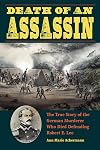
For the second time in a year, I’ve had book encounters with 19th century European assassins who eventually fled to the United States and began new lives under different names. The first was Sergei Degaev, who assassinated the chief of Tsar Nicholas's security organization in 1883. Sixteen years later he would become a popular professor at the University of South Dakota. Most recently I was introduced to a man who assassinated the mayor of Bönnigheim, Germany, in 1835. His potentially greater impact on U.S. history is explored in Death of an Assassin: The True Story of the German Murderer Who Died Defending Robert E. Lee.
Author Ann Marie Ackerman unravels a real life mystery. Not only is this an engaging piece of history, the former prosecutor uses an appendix to present the compelling evidence and reasoning behind her identification of a 19th century German murderer. Ackerman also makes a strong case that the initial investigation may have seen the first use of forensic ballistics as a law enforcement tool.
Death of an Assassin begins on the night of October 21, 1835, when the mayor of Bönnigheim, Germany, was shot just a few steps from his front door. The mayor did not see his assailant and died about 30 hours later. Using the original investigative file, Ackerman details the investigation, providing a rare look inside the techniques and legal standards of the time.
Despite a thorough investigation and examination of several potential suspects, the case was show more essentially closed without resolution in 1837. At some point, the actual assassin emigrated to the U.S. illegally. (Ackerman doesn't identify him until approximately halfway through the book so his name isn't used here.) In January 1840, he enlisted in the U.S. Army, then a force of only 7,000 men.
At the time of the assassination, Robert E. Lee was 28, a lieutenant in the Army Corps of Engineers. That same month, the Texas Revolution against Mexican rule began, eventually leading to the Mexican-American War a decade later. And, Ackerman maintains, that would bring Lee and the German assassin together during the siege of Veracruz in March 1847, Lee’s first battle experience.
In April 1847, Lee would write his 15-year-old son about his experiences. He described a soldier in a company protecting him and the battery he commanded during the bombardment of Veracruz. The soldier’s thigh was shattered by a Mexican cannonball and he lay in agony most of the day. When finally being borne off in a litter, he was killed by an incoming shell. “I doubt whether all Mexico is worth to us the life of that man,” Lee wrote. (It seems somewhat ironic that an account of Lee's military activities more than a decade before the Civil War is released when the nation is debating Confederate statues.)
Currently living in Germany, Ackerman’s experience as a prosecutor in America shows through. Poor military record-keeping at the time forces her to say the assassin “probably” was the soldier mentioned in Lee’s letter. Yet she musters and builds a strong case for naming him. Although there are a few instances of repetition and the actual events surrounding the man's death are muddied by time, Death of an Assassin is a cogent work.
In 1872, the assassin was identified, ironically, by a Bönnigheim resident who emigrated to the U.S. in 1836 after unfounded rumor said he killed the mayor. In a letter to authorities, he relayed that a friend told him that shortly after arriving in the U.S., the assassin admitted to killing the mayor for rejecting his application to be a game warden. While they were aware the killer died in combat in Mexico, it took Ackerman to make the connection to American history.
(Originally posted at A Progressive on the Prairie.) show less
Author Ann Marie Ackerman unravels a real life mystery. Not only is this an engaging piece of history, the former prosecutor uses an appendix to present the compelling evidence and reasoning behind her identification of a 19th century German murderer. Ackerman also makes a strong case that the initial investigation may have seen the first use of forensic ballistics as a law enforcement tool.
Death of an Assassin begins on the night of October 21, 1835, when the mayor of Bönnigheim, Germany, was shot just a few steps from his front door. The mayor did not see his assailant and died about 30 hours later. Using the original investigative file, Ackerman details the investigation, providing a rare look inside the techniques and legal standards of the time.
Despite a thorough investigation and examination of several potential suspects, the case was show more essentially closed without resolution in 1837. At some point, the actual assassin emigrated to the U.S. illegally. (Ackerman doesn't identify him until approximately halfway through the book so his name isn't used here.) In January 1840, he enlisted in the U.S. Army, then a force of only 7,000 men.
At the time of the assassination, Robert E. Lee was 28, a lieutenant in the Army Corps of Engineers. That same month, the Texas Revolution against Mexican rule began, eventually leading to the Mexican-American War a decade later. And, Ackerman maintains, that would bring Lee and the German assassin together during the siege of Veracruz in March 1847, Lee’s first battle experience.
In April 1847, Lee would write his 15-year-old son about his experiences. He described a soldier in a company protecting him and the battery he commanded during the bombardment of Veracruz. The soldier’s thigh was shattered by a Mexican cannonball and he lay in agony most of the day. When finally being borne off in a litter, he was killed by an incoming shell. “I doubt whether all Mexico is worth to us the life of that man,” Lee wrote. (It seems somewhat ironic that an account of Lee's military activities more than a decade before the Civil War is released when the nation is debating Confederate statues.)
Currently living in Germany, Ackerman’s experience as a prosecutor in America shows through. Poor military record-keeping at the time forces her to say the assassin “probably” was the soldier mentioned in Lee’s letter. Yet she musters and builds a strong case for naming him. Although there are a few instances of repetition and the actual events surrounding the man's death are muddied by time, Death of an Assassin is a cogent work.
In 1872, the assassin was identified, ironically, by a Bönnigheim resident who emigrated to the U.S. in 1836 after unfounded rumor said he killed the mayor. In a letter to authorities, he relayed that a friend told him that shortly after arriving in the U.S., the assassin admitted to killing the mayor for rejecting his application to be a game warden. While they were aware the killer died in combat in Mexico, it took Ackerman to make the connection to American history.
(Originally posted at A Progressive on the Prairie.) show less

Historical fiction is unique in several ways. In particular, while all fiction -- at least good fiction -- requires imagination and intelligence, historical fiction, according to bestselling author Alexander Chee, deals with "the plausibly hypothetical" and describes "what might have happened within what happened." The constraints of real events, people and ways of life often mean, to paraphrase Longfellow, that when historical fiction is good, it's very good, but when it's bad it is horrid. Andrew Pessin's The Irrationalist: The Tragic Murder of René Descartes clearly is in the former category.
Built around the Thirty Years War and its surrounding religious conflicts, the book is an intelligent and entertaining contemplation of some "what ifs" in Descartes' life. Pessin, a Connecticut College philosophy professor who's written or edited several books about philosophy, combines fact, speculation and imagination in crafting the two narratives that culminate in an adeptly crafted revelation. One follows Descartes' 1650 death in Sweden, where he moved the year before at the invitation of Christina, the queen of Sweden. The other starts with his birth in 1596 and brings the reader to the beginning of the first narrative.
With the latter, Pessin provides insight into the man rightfully recognized as a philosopher (often called the first modern rationalist) and mathematician (introducing Cartesian geometry, among other things) and scientist. By using and examining almost show more ordinary points in Descartes' life and his reclusiveness, The Irrationalist humanizes him. "He was," Pessin writes, "a man who could do a half-dozen calculations in his head simultaneously but he had not yet mastered how to navigate a world filled with actual human beings." The book also pursues the lingering conjecture that Descartes was associated with the Brothers of the Rosy Cross, a forerunner of today's Rosicrucians. The secret group sought to synthesize esoteric knowledge and symbols with science and math to gain a complete understanding of nature. Pessin also observes, though, that in those efforts "it was apparently also necessary to say some nasty things about the Pope and occasionally also Luther and Calvin."
The postmortem tale is a mystery (two, actually) coming on the heels of the Peace of Westphalia, which helped make Sweden a great power. It is told from the perspective of Adrien Baillet, the historical figure with whom Pessin takes the most liberty. The real Baillet was a French priest, scholar and librarian who wrote the first biography of Descartes. Here, he is a rather inept errand boy and assistant for the now-retired rector of the Jesuit college in France that Descartes attended years before. For some reason, Baillet, who is not a priest, is sent to Stockholm to represent the Jesuits at a gala being held by Queen Christina. Descartes dies the morning Baillet arrives.
History has it that Descartes died of pneumonia. More recently, there's been suggestions Descartes actually was assassinated. In The Irrationalist rumors to that effect surface immediately. The French ambassador to Sweden asks Baillet to investigate, even though he lacks any relevant experience. Baillet's pursuit of his unwelcome task ultimately provides two twists, one under the surface from the beginning and the other perhaps cognizable only to those with in-depth knowledge of Descartes' life.
The book is generally well-paced, although there are occasionally scenes that seem superfluous. The writing makes the book a pleasure to read and Passin avoids obvious anachronisms. The skilled research and writing, though, makes one gaffe almost painfully conspicuous. In the same sentence, Pessin writes that Baillet got a "vibe" from a window, producing a "creepy" feeling. The latter term didn't come into use for another 140 years while it would be more than 300 years before "vibe" gained the meaning for which it is used.
Regardless, the book is both strong and engaging. Pessin crafts time and place in a fashion that transports readers to and lets them become immersed in the story. His attention to detail in that regard and in drawing the characters -- not just Baillet and Descartes -- exhibits command of elements that create exceptional historical fiction. A reader leaves not only satisfied but understanding more about Descartes and his time.
(Originally posted at A Progressive on the Prairie.) show less
Built around the Thirty Years War and its surrounding religious conflicts, the book is an intelligent and entertaining contemplation of some "what ifs" in Descartes' life. Pessin, a Connecticut College philosophy professor who's written or edited several books about philosophy, combines fact, speculation and imagination in crafting the two narratives that culminate in an adeptly crafted revelation. One follows Descartes' 1650 death in Sweden, where he moved the year before at the invitation of Christina, the queen of Sweden. The other starts with his birth in 1596 and brings the reader to the beginning of the first narrative.
With the latter, Pessin provides insight into the man rightfully recognized as a philosopher (often called the first modern rationalist) and mathematician (introducing Cartesian geometry, among other things) and scientist. By using and examining almost show more ordinary points in Descartes' life and his reclusiveness, The Irrationalist humanizes him. "He was," Pessin writes, "a man who could do a half-dozen calculations in his head simultaneously but he had not yet mastered how to navigate a world filled with actual human beings." The book also pursues the lingering conjecture that Descartes was associated with the Brothers of the Rosy Cross, a forerunner of today's Rosicrucians. The secret group sought to synthesize esoteric knowledge and symbols with science and math to gain a complete understanding of nature. Pessin also observes, though, that in those efforts "it was apparently also necessary to say some nasty things about the Pope and occasionally also Luther and Calvin."
The postmortem tale is a mystery (two, actually) coming on the heels of the Peace of Westphalia, which helped make Sweden a great power. It is told from the perspective of Adrien Baillet, the historical figure with whom Pessin takes the most liberty. The real Baillet was a French priest, scholar and librarian who wrote the first biography of Descartes. Here, he is a rather inept errand boy and assistant for the now-retired rector of the Jesuit college in France that Descartes attended years before. For some reason, Baillet, who is not a priest, is sent to Stockholm to represent the Jesuits at a gala being held by Queen Christina. Descartes dies the morning Baillet arrives.
History has it that Descartes died of pneumonia. More recently, there's been suggestions Descartes actually was assassinated. In The Irrationalist rumors to that effect surface immediately. The French ambassador to Sweden asks Baillet to investigate, even though he lacks any relevant experience. Baillet's pursuit of his unwelcome task ultimately provides two twists, one under the surface from the beginning and the other perhaps cognizable only to those with in-depth knowledge of Descartes' life.
The book is generally well-paced, although there are occasionally scenes that seem superfluous. The writing makes the book a pleasure to read and Passin avoids obvious anachronisms. The skilled research and writing, though, makes one gaffe almost painfully conspicuous. In the same sentence, Pessin writes that Baillet got a "vibe" from a window, producing a "creepy" feeling. The latter term didn't come into use for another 140 years while it would be more than 300 years before "vibe" gained the meaning for which it is used.
Regardless, the book is both strong and engaging. Pessin crafts time and place in a fashion that transports readers to and lets them become immersed in the story. His attention to detail in that regard and in drawing the characters -- not just Baillet and Descartes -- exhibits command of elements that create exceptional historical fiction. A reader leaves not only satisfied but understanding more about Descartes and his time.
(Originally posted at A Progressive on the Prairie.) show less
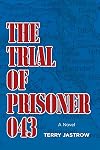
A popular bit of humor about Trump's presidency is that George W. Bush is thrilled he'll no longer be the worst president in U.S. history. Bush, in fact, was ranked the worst of our presidents by 61 percent of historians responding to a 2008 informal poll, in significant part because of the 2003 invasion of Iraq. People who envision a comeuppance for Bush for the war and its consequences may find some comfort in Terry Jastrow's first novel, The Trial of Prisoner 043.
Jastrow imagines Bush being put on trial before the International Criminal Court for war crimes in the Iraq War. In doing so, he shrewdly uses the treaty creating the court, the Rome Statute, as a means of sharpening the book's core conflicts. It even sets the stage for the opening of the book.
Following an investigation by the ICC's Office of Prosecutor, an arrest warrant is issued for Bush. Yet the ICC doesn't have the power of arrest; a member state must actually make the arrest. The U.S. is not a member of the ICC. How then to get a former U.S. president before the court? British paramilitary commandos, assisted by the British government, snatch Bush on the 17th hole of St. Andrews Old Course in Scotland (a locale perhaps reflecting Jastrow's lengthy experience producing or directing major golf championships for ABC and his 12 years as president of Jack Nicklaus Productions.) Perhaps aptly, Bush is hooded, shackled and handcuffed before being whisked away in a van, although the hood and restraints are show more removed as he is flown to ICC's headquarters in The Hauge, Netherlands.
Given the political uproar Bush's seizure creates, including the U.S. evaluating a variety of military options, elements of the ICC are conscious of public appearance. The prosecutor's office had already picked two of its attorneys to handle the case: an American man and a woman born and raised in Fallujah, Iraq. They face off against a defense team made up of a lifelong Texas friend of Bush and two American lawyers expert in international criminal law.
After the ICC rejects challenges to its jurisdiction (in 2002 the prosecutor's office declined to investigate alleged war crimes in Iraq because the ICC lacked jurisdiction over U.S. forces), the latest "trial of the century" begins. This is a different trial than Jastrow's written about previously. His play, The Trial of Jane Fonda, had Fonda defending her activities during the Vietnam war in a meeting with angry Vietnam veterans. The Bush trial, though, is in a courtroom and draws so much international attention that it is broadcast and live streamed worldwide
While the ICC's formal procedures and rules play a role in the story, The Trial of Prisoner 043 greatly telescopes its core story. While readability requires some condensing, Jastrow's tends toward the extreme. The trial begins within weeks of Bush's arrest, not the months and years it actually takes. Likewise, the trial itself takes three months. Compare that to the war crimes trial of former Yugoslav President Slobodan Miloševic, where the prosecution took 294 days to present its case and called nearly 300 witnesses. Miloševic died before the trial ended.
Substantively, Jastrow admits that in creating the trial he is "more an aggregator of content than a writer." Much of it is taken directly from published sources, sources he freely credits. Yet this also allows The Trial of Prisoner 043 to capsulize both sides of the debate over the beginning of the Iraq War. Jastrow's prosecutors pull no punches, including attempting to show Bush's criminal intent by the lies told by his administration in the run-up to the war, 260 by Bush alone. The defense, meanwhile, challenges using such a trial to second-guess a president's national security decisions.
At the same time, the need to compress the array of information and sources creates a foible common to trial-based tales. To keep the pace moving, the attorneys tend to launch into argumentative, opinion-laced discourses wedding a number of facts. If a soliloquy precedes a question to a witness, chances are the question itself wouldn't be allowed by the rules of evidence. This may exasperate only those familiar with trials or the law but even we find it easier to overlook in light of Jastrow's ingenious use of the law to untangle a knotty conflict between points of view and nations.
Realistically, George W. Bush's decision to invade Iraq will never lead to a war crimes trial. Yet by exploring this provocative "what if" the considerably researched The Trial of Prisoner 043 is a thought-provoking read.
(Originally posted at A Progressive on the Prairie.) show less
Jastrow imagines Bush being put on trial before the International Criminal Court for war crimes in the Iraq War. In doing so, he shrewdly uses the treaty creating the court, the Rome Statute, as a means of sharpening the book's core conflicts. It even sets the stage for the opening of the book.
Following an investigation by the ICC's Office of Prosecutor, an arrest warrant is issued for Bush. Yet the ICC doesn't have the power of arrest; a member state must actually make the arrest. The U.S. is not a member of the ICC. How then to get a former U.S. president before the court? British paramilitary commandos, assisted by the British government, snatch Bush on the 17th hole of St. Andrews Old Course in Scotland (a locale perhaps reflecting Jastrow's lengthy experience producing or directing major golf championships for ABC and his 12 years as president of Jack Nicklaus Productions.) Perhaps aptly, Bush is hooded, shackled and handcuffed before being whisked away in a van, although the hood and restraints are show more removed as he is flown to ICC's headquarters in The Hauge, Netherlands.
Given the political uproar Bush's seizure creates, including the U.S. evaluating a variety of military options, elements of the ICC are conscious of public appearance. The prosecutor's office had already picked two of its attorneys to handle the case: an American man and a woman born and raised in Fallujah, Iraq. They face off against a defense team made up of a lifelong Texas friend of Bush and two American lawyers expert in international criminal law.
After the ICC rejects challenges to its jurisdiction (in 2002 the prosecutor's office declined to investigate alleged war crimes in Iraq because the ICC lacked jurisdiction over U.S. forces), the latest "trial of the century" begins. This is a different trial than Jastrow's written about previously. His play, The Trial of Jane Fonda, had Fonda defending her activities during the Vietnam war in a meeting with angry Vietnam veterans. The Bush trial, though, is in a courtroom and draws so much international attention that it is broadcast and live streamed worldwide
While the ICC's formal procedures and rules play a role in the story, The Trial of Prisoner 043 greatly telescopes its core story. While readability requires some condensing, Jastrow's tends toward the extreme. The trial begins within weeks of Bush's arrest, not the months and years it actually takes. Likewise, the trial itself takes three months. Compare that to the war crimes trial of former Yugoslav President Slobodan Miloševic, where the prosecution took 294 days to present its case and called nearly 300 witnesses. Miloševic died before the trial ended.
Substantively, Jastrow admits that in creating the trial he is "more an aggregator of content than a writer." Much of it is taken directly from published sources, sources he freely credits. Yet this also allows The Trial of Prisoner 043 to capsulize both sides of the debate over the beginning of the Iraq War. Jastrow's prosecutors pull no punches, including attempting to show Bush's criminal intent by the lies told by his administration in the run-up to the war, 260 by Bush alone. The defense, meanwhile, challenges using such a trial to second-guess a president's national security decisions.
At the same time, the need to compress the array of information and sources creates a foible common to trial-based tales. To keep the pace moving, the attorneys tend to launch into argumentative, opinion-laced discourses wedding a number of facts. If a soliloquy precedes a question to a witness, chances are the question itself wouldn't be allowed by the rules of evidence. This may exasperate only those familiar with trials or the law but even we find it easier to overlook in light of Jastrow's ingenious use of the law to untangle a knotty conflict between points of view and nations.
Realistically, George W. Bush's decision to invade Iraq will never lead to a war crimes trial. Yet by exploring this provocative "what if" the considerably researched The Trial of Prisoner 043 is a thought-provoking read.
(Originally posted at A Progressive on the Prairie.) show less
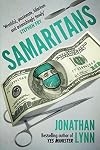
Political satire has changed over the last 10 to 20 years thanks to programs like The Daily Show, The Colbert Report, Last Week Tonight with John Oliver and Full Frontal with Samantha Bee. Shows such as these go beyond amusing entertainment. They've become sources of news and information, vehicles that actually increase political knowledge. Jonathan Lynn's book Samaritans does the same with America's healthcare debate
The book is a biting takeoff on healthcare in America. More important, it conveys many of the ideas at the heart of the ongoing spectacle of the current farcical debate over the Affordable Care Act. In so doing, Lynn also weaves in plenty of real life facts and statistics that say much about the state of America's healthcare system.
Lynn is perhaps best known as a television writer and film director (including one of my all-time favorites, My Cousin Vinny. Satire becomes a scalpel in his story of Max Green, head of hotel operations at a Las Vegas casino, who sees being CEO of a large hospital as the path to wealth. And few elements of the healthcare system are spared.
Green becomes head of Samaritans Medical Center in the Columbia Heights area of the nation's capital. Obsessed with the bottom line, Green insists his contract include him getting "a fair slice of the profits" when he turns the hospital's the red ink into black. The hospital board, chaired by the billionaire owner of a company that makes electronic components for weapons systems sold worldwide, show more decides to give Green a chance.
Green's efforts include fairly common strategies -- trying to build high profile practices by hiring renowned doctors, eliminating costly elements (even nurses, here many are replaced by janitors) to create profit centers, and buying outside service providers, such as temporary nursing and billing and collection agencies. These aren't enough for Green. He implements numerous "innovations," including cutting a deal with a celebrity lawyer who frequently sues Samaritans, that bring profit but also have dire ramifications for both he and the hospital.
It's what motivates Green and his data-driven deputy, Blanche Nunn, that sharpens the book's focus. They expound the free market and evangelical ideologies underlying much of today's healthcare debate. Green tends to make Paul Ryan-like pronouncements, such as, "People can't have what they can't afford. That's what got America into this economic mess -- everybody wanting something for nothing." If someone can't afford health care, Green says it's "TP," their problem.
Green's philosophy also lays out the Catch-22 in leaving people uninsured. "Prevention's not profitable," he observes. It's better to shutter a diabetes center because treating the consequences of the disease is far more profitable. And when Andrew Sharp, the star cardiothoracic surgeon Green hired, suggests not everything can be decided by the marketplace, the CEO says that "sounds like communism."
Blanche's devotion to the free market is rooted in what she's learned from her evangelical ministers, Pastors Spittle and Wallow. (The hospital's Roman Catholic chaplain doesn't express opinions he "can safely leave my theological thinking to my superiors.") "Capitalism is God's ordained economic system," Blanche maintains, and because the free market is "divinely inspired," government should not interfere. When it comes to medical needs, Spittle taught her that "God had prescribed the answer: unregulated, free-market corporate health care." Thus, Medicare's problem, she says, is that it was “set up to help patients, not profits."
In lampooning these ideas, Samaritans shows how they are at work in the politics of healthcare. Dr. Sharp and other Samaritans physicians and employees provide the counterpoint, observing and experiencing the impact of Green's and Nunn's machinations. Ultimately, Green goes a step (or three) too far, resulting in inventive denouement. Lynn's one page epilogue contains some of the book's best humor but it would require an inexcusable spoiler to show why.
Samaritans is more insightful farce than laugh-out-loud funny and generally succinct and well written. It does, though, have its flaws. A couple characters seem unnecessary to advancing the story and feel more like walk-on extras. More disquieting is a tendency for some of the female characters to use sex as a tactic to achieve success. While Lynn uses this to further distinguish between the good guy and the bad guy, the frequency with which it appears collapses toward hackneyed trope.
Still, these blemishes are comparatively negligible compared to the book's truth telling. In looking at America's healthcare system, Samaritans both entertains and educates.
(Originally posted at A Progressive on the Prairie.) show less
The book is a biting takeoff on healthcare in America. More important, it conveys many of the ideas at the heart of the ongoing spectacle of the current farcical debate over the Affordable Care Act. In so doing, Lynn also weaves in plenty of real life facts and statistics that say much about the state of America's healthcare system.
Lynn is perhaps best known as a television writer and film director (including one of my all-time favorites, My Cousin Vinny. Satire becomes a scalpel in his story of Max Green, head of hotel operations at a Las Vegas casino, who sees being CEO of a large hospital as the path to wealth. And few elements of the healthcare system are spared.
Green becomes head of Samaritans Medical Center in the Columbia Heights area of the nation's capital. Obsessed with the bottom line, Green insists his contract include him getting "a fair slice of the profits" when he turns the hospital's the red ink into black. The hospital board, chaired by the billionaire owner of a company that makes electronic components for weapons systems sold worldwide, show more decides to give Green a chance.
Green's efforts include fairly common strategies -- trying to build high profile practices by hiring renowned doctors, eliminating costly elements (even nurses, here many are replaced by janitors) to create profit centers, and buying outside service providers, such as temporary nursing and billing and collection agencies. These aren't enough for Green. He implements numerous "innovations," including cutting a deal with a celebrity lawyer who frequently sues Samaritans, that bring profit but also have dire ramifications for both he and the hospital.
It's what motivates Green and his data-driven deputy, Blanche Nunn, that sharpens the book's focus. They expound the free market and evangelical ideologies underlying much of today's healthcare debate. Green tends to make Paul Ryan-like pronouncements, such as, "People can't have what they can't afford. That's what got America into this economic mess -- everybody wanting something for nothing." If someone can't afford health care, Green says it's "TP," their problem.
Green's philosophy also lays out the Catch-22 in leaving people uninsured. "Prevention's not profitable," he observes. It's better to shutter a diabetes center because treating the consequences of the disease is far more profitable. And when Andrew Sharp, the star cardiothoracic surgeon Green hired, suggests not everything can be decided by the marketplace, the CEO says that "sounds like communism."
Blanche's devotion to the free market is rooted in what she's learned from her evangelical ministers, Pastors Spittle and Wallow. (The hospital's Roman Catholic chaplain doesn't express opinions he "can safely leave my theological thinking to my superiors.") "Capitalism is God's ordained economic system," Blanche maintains, and because the free market is "divinely inspired," government should not interfere. When it comes to medical needs, Spittle taught her that "God had prescribed the answer: unregulated, free-market corporate health care." Thus, Medicare's problem, she says, is that it was “set up to help patients, not profits."
In lampooning these ideas, Samaritans shows how they are at work in the politics of healthcare. Dr. Sharp and other Samaritans physicians and employees provide the counterpoint, observing and experiencing the impact of Green's and Nunn's machinations. Ultimately, Green goes a step (or three) too far, resulting in inventive denouement. Lynn's one page epilogue contains some of the book's best humor but it would require an inexcusable spoiler to show why.
Samaritans is more insightful farce than laugh-out-loud funny and generally succinct and well written. It does, though, have its flaws. A couple characters seem unnecessary to advancing the story and feel more like walk-on extras. More disquieting is a tendency for some of the female characters to use sex as a tactic to achieve success. While Lynn uses this to further distinguish between the good guy and the bad guy, the frequency with which it appears collapses toward hackneyed trope.
Still, these blemishes are comparatively negligible compared to the book's truth telling. In looking at America's healthcare system, Samaritans both entertains and educates.
(Originally posted at A Progressive on the Prairie.) show less
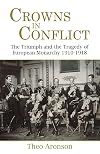
While reading Theo Aronson’s Crowns in Conflict: The Triumph and Tragedy of European Monarchy 1910-1918, an essentially biographic approach to World War I’s effect on Europe’s monarchies, I often thought of another book I read years ago. The Fall of Eagles, C.L.Suzberger’s account of he fall of the Habsburg, Hohenzollern, and Romanov dynasties, was on my bookshelves for decades -- until the Great Purge. I say decades because in checking I learned it was published exactly 40 years ago.
Aronson’s approach to this topic differs in two respects from Sulzberger’s. First, he takes a broader view, looking at roughly a dozen major and minor monarchs who sat on Europe’s thrones in the second decade of the 20th century. Second, as noted, Crowns in Conflict is biographic in nature, not surprising given that Aronson, who died in 2003, wrote nearly two dozen royal biographies. Rather than rehash how the Central and Entente Powers careened into war, the book looks at the history of each monarch and what the kings and queens did through the course of the war.
This approach works in large part because most of the royalty were related to each other. For example, Britain’s King George V, Tsar Nicholas II of Russia, Kaiser Wilhelm II of Germany and the crown princesses of Romania and Greece were all first cousins. The kings of Belgium and Bulgaria were also cousins of King George. Aronson uses these connections to not only explore the relationships among the monarchs but how show more each monarchy was led into the war and its ultimate effect on them.
Originally released in 1986 but with a new imprint two years ago, Crowns in Conflict also recognizes and explores the impact the advent of constitutional monarchy on each monarch’s power. The monarchs were no longer the only voice or decision-maker. “When set against the forces of nationalism and militarism, these dynastic relationships counted for nothing,” Aronson observes. Instead, the monarchs’ loyalty was now “country before caste.”
Britain, Germany (ruled by the Hohenzollerns), Austria-Hungary (the Habsburg empire) and Russia (the Romanovs) were the powerhouses and the last three bore the most responsibility for World War I. Thus, George V, Tsar Nicholas II, Kaiser Wilhelm II and Franz Joseph of Austria-Hungary are the main focus, Yet other monarchies, such as Belgium, Bulgaria, Greece, Italy and Serbia, also were buffeted by the war. Three such monarchs -- King Albert of Belgium, Victor Emmanuel of Italy and Ferdinand of Bulgaria -- also are looked at in detail.
Some may view Aronson’s approach as a bit superficial or perhaps even gossipy. I, though, found it an interesting version of an oft-told tale. Rather than simply being a diplomatic or military history, Crowns in Conflict uniquely personalizes World War I. It also helps place monarchies in a historic context.
In fact, the book may make the 1911 Encyclopædia Britannica somewhat prescient. Its entry for monarchy said that while “it survives as a political force, more or less strongly, in most European countries, ‘monarchists,’ in the strict sense of the word, are everywhere a small and dwindling minority.” What the encyclopedia couldn’t or didn’t predict was what would succeed these hereditary autocracies. “Dictatorships of one sort or another shortly were established in almost any country over which the monarchs had once reigned,” Aronson observes.
(Originally posted at A Progressive on the Prairie.) show less
Aronson’s approach to this topic differs in two respects from Sulzberger’s. First, he takes a broader view, looking at roughly a dozen major and minor monarchs who sat on Europe’s thrones in the second decade of the 20th century. Second, as noted, Crowns in Conflict is biographic in nature, not surprising given that Aronson, who died in 2003, wrote nearly two dozen royal biographies. Rather than rehash how the Central and Entente Powers careened into war, the book looks at the history of each monarch and what the kings and queens did through the course of the war.
This approach works in large part because most of the royalty were related to each other. For example, Britain’s King George V, Tsar Nicholas II of Russia, Kaiser Wilhelm II of Germany and the crown princesses of Romania and Greece were all first cousins. The kings of Belgium and Bulgaria were also cousins of King George. Aronson uses these connections to not only explore the relationships among the monarchs but how show more each monarchy was led into the war and its ultimate effect on them.
Originally released in 1986 but with a new imprint two years ago, Crowns in Conflict also recognizes and explores the impact the advent of constitutional monarchy on each monarch’s power. The monarchs were no longer the only voice or decision-maker. “When set against the forces of nationalism and militarism, these dynastic relationships counted for nothing,” Aronson observes. Instead, the monarchs’ loyalty was now “country before caste.”
Britain, Germany (ruled by the Hohenzollerns), Austria-Hungary (the Habsburg empire) and Russia (the Romanovs) were the powerhouses and the last three bore the most responsibility for World War I. Thus, George V, Tsar Nicholas II, Kaiser Wilhelm II and Franz Joseph of Austria-Hungary are the main focus, Yet other monarchies, such as Belgium, Bulgaria, Greece, Italy and Serbia, also were buffeted by the war. Three such monarchs -- King Albert of Belgium, Victor Emmanuel of Italy and Ferdinand of Bulgaria -- also are looked at in detail.
Some may view Aronson’s approach as a bit superficial or perhaps even gossipy. I, though, found it an interesting version of an oft-told tale. Rather than simply being a diplomatic or military history, Crowns in Conflict uniquely personalizes World War I. It also helps place monarchies in a historic context.
In fact, the book may make the 1911 Encyclopædia Britannica somewhat prescient. Its entry for monarchy said that while “it survives as a political force, more or less strongly, in most European countries, ‘monarchists,’ in the strict sense of the word, are everywhere a small and dwindling minority.” What the encyclopedia couldn’t or didn’t predict was what would succeed these hereditary autocracies. “Dictatorships of one sort or another shortly were established in almost any country over which the monarchs had once reigned,” Aronson observes.
(Originally posted at A Progressive on the Prairie.) show less
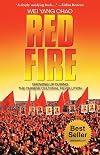
While the American Revolution is central to the Fourth of July, America also seemed to encounter a revolutionary temperament in 1968. We weren't alone; revolution also seemed to be in the air in Europe. Even the counterculture symbol The Beatles would record their first politically explicit song, "Revolution." Yet you've got to wonder how much support there is for your revolution when John Lennon writes, "But if you go carrying pictures of Chairman Mao/You ain't going to make it with anyone anyhow."
Lennon's attitude may have changed later but there's little doubt the excesses of China's then two-year-old Cultural Revolution were disturbing many worldwide. Although the violence eventually receded, the Cultural Revolution -- in reality prompted by an internecine power struggle -- wouldn't really end until after Mao's death in 1976.
The extent of the damage caused China is incalculable. We've gained insight into the Cultural Revolution's economic, cultural and personal costs as, over the years, memoirs of those caught up in it have become almost a genre unto themselves. One of the most recent is Wei Yang Chao's Red Fire: Growing Up During the Chinese Cultural Revolution. Like many of its predecessors, such as Red-Color News Soldier and Red Scarf Girl, it makes for compelling -- and stupefying -- reading.
Chao and his family moved Beijing in 1965. When the Cultural Revolution was declared the following year, he was 13. Perhaps because of that the first several chapters of Red show more Fire provide as much a historical perspective as a personal one. Yet Chao would witness several significant events in the transformation of the Chinese political and social landscape that year.
Among other things, he details going to see the first big-character poster. This and other posters were huge sheets of paper with revolutionary slogans that were posted in public places. The first appeared at Peking University in late May 1966. They were a method of debate dominated by what would become the Red Guard. As "an ocean" of posters saturated the country and attacked not only ideas but individuals, the Red Guard began physically attacking those they viewed as "revisionists," i.e., older generations. Public humiliation and beatings became common as the posters achieved a status where, Chao says, "they could end a career, if not a life."
On August 18, 1966, a 14-year-old Chao was among the nearly one million college and high school students who crammed into Tienanmen Square for a rally called by Mao for the "Proletariat Cultural Revolution." Red Fire reviews the rally, at which Mao endorsed the Red Guards. In so doing he essentially released millions of zealots intent on destroying what would later be called "the Four Olds": old customs, old culture, old habits and old ideas.
Chao recalls tears streaming down his face and feeling ecstatic when he saw Mao after he waded into Tiananmen Square's massive crowds. He attributes those feelings and the students' fervor to the Chinese education system, which he says "fashioned China’s youth into die-hard revolutionaries."
Violence erupted throughout the country. Chao admits joining in on the Red Guard's chants, slogans and rituals. He also attended "struggle sessions" in which teachers and others were severely beaten, some fatally. He claims he "looked away" at the the latter and drew a line at personal violence and destruction. Yet in 1968 he would personally experience what the Red Guard was doing.
Two immutable things brought the Cultural Revolution to Chao's front door. His father, a journalist, had attended college and graduate school in the U.S. That, of course, made him a spy. His mother came from a landowning family and landowners were one of the Red Guard's "black five categories." In April 1968, his parents were subjected to a public struggle session in their own home. Chao and his sister were forced to watch as their parents were beaten and humiliated. Within a year, Chao's parents and sister were sent into the countryside for "re-education." He, meanwhile, would be sent to do farm work in a different village, where he shared a cave residence with another man.
The personal stories allow Red Fire to portray the human effects of the Cultural Revolution. This is also true when he talks of going to historic sites he loved and seeing the destruction wrought by the Red Guards' attack on their own history and culture. Chao's detailing of the birth and initial development of the Red Guard movement and the Cultural Revolution, though, seems held at more of a distance. Moreover, the story largely stops after we learn of Chao and his family returning to Beijing. Thus, readers get no perspective on how they and their nation mended the wounds and how long it may have taken. Likewise, there's no discussion of any ramifications of the Cultural Revolution on 21st century China. Despite that, this is a lucid account of a family and country caught in the throes of revolutionary fervor.
(Originally posted at A Progressive on the Prairie.) show less
Lennon's attitude may have changed later but there's little doubt the excesses of China's then two-year-old Cultural Revolution were disturbing many worldwide. Although the violence eventually receded, the Cultural Revolution -- in reality prompted by an internecine power struggle -- wouldn't really end until after Mao's death in 1976.
The extent of the damage caused China is incalculable. We've gained insight into the Cultural Revolution's economic, cultural and personal costs as, over the years, memoirs of those caught up in it have become almost a genre unto themselves. One of the most recent is Wei Yang Chao's Red Fire: Growing Up During the Chinese Cultural Revolution. Like many of its predecessors, such as Red-Color News Soldier and Red Scarf Girl, it makes for compelling -- and stupefying -- reading.
Chao and his family moved Beijing in 1965. When the Cultural Revolution was declared the following year, he was 13. Perhaps because of that the first several chapters of Red show more Fire provide as much a historical perspective as a personal one. Yet Chao would witness several significant events in the transformation of the Chinese political and social landscape that year.
Among other things, he details going to see the first big-character poster. This and other posters were huge sheets of paper with revolutionary slogans that were posted in public places. The first appeared at Peking University in late May 1966. They were a method of debate dominated by what would become the Red Guard. As "an ocean" of posters saturated the country and attacked not only ideas but individuals, the Red Guard began physically attacking those they viewed as "revisionists," i.e., older generations. Public humiliation and beatings became common as the posters achieved a status where, Chao says, "they could end a career, if not a life."
On August 18, 1966, a 14-year-old Chao was among the nearly one million college and high school students who crammed into Tienanmen Square for a rally called by Mao for the "Proletariat Cultural Revolution." Red Fire reviews the rally, at which Mao endorsed the Red Guards. In so doing he essentially released millions of zealots intent on destroying what would later be called "the Four Olds": old customs, old culture, old habits and old ideas.
Chao recalls tears streaming down his face and feeling ecstatic when he saw Mao after he waded into Tiananmen Square's massive crowds. He attributes those feelings and the students' fervor to the Chinese education system, which he says "fashioned China’s youth into die-hard revolutionaries."
The education we received in those years left no room for us to question what we were learning. None. Your only option was to ingest what you were given and to believe everything you were told. Anything short of total credulity marked you as being against the revolutionary cause.
Violence erupted throughout the country. Chao admits joining in on the Red Guard's chants, slogans and rituals. He also attended "struggle sessions" in which teachers and others were severely beaten, some fatally. He claims he "looked away" at the the latter and drew a line at personal violence and destruction. Yet in 1968 he would personally experience what the Red Guard was doing.
Two immutable things brought the Cultural Revolution to Chao's front door. His father, a journalist, had attended college and graduate school in the U.S. That, of course, made him a spy. His mother came from a landowning family and landowners were one of the Red Guard's "black five categories." In April 1968, his parents were subjected to a public struggle session in their own home. Chao and his sister were forced to watch as their parents were beaten and humiliated. Within a year, Chao's parents and sister were sent into the countryside for "re-education." He, meanwhile, would be sent to do farm work in a different village, where he shared a cave residence with another man.
The personal stories allow Red Fire to portray the human effects of the Cultural Revolution. This is also true when he talks of going to historic sites he loved and seeing the destruction wrought by the Red Guards' attack on their own history and culture. Chao's detailing of the birth and initial development of the Red Guard movement and the Cultural Revolution, though, seems held at more of a distance. Moreover, the story largely stops after we learn of Chao and his family returning to Beijing. Thus, readers get no perspective on how they and their nation mended the wounds and how long it may have taken. Likewise, there's no discussion of any ramifications of the Cultural Revolution on 21st century China. Despite that, this is a lucid account of a family and country caught in the throes of revolutionary fervor.
(Originally posted at A Progressive on the Prairie.) show less

All right, I owned or own six Emerson Lake and Palmer LPs, six Yes LPs, King Crimson's In the Court of the Crimson King, three (yes, three!!) Rick Wakeman solo albums and a handful of other progressive rock albums. There's probably a half dozen or more such albums on my iPod right now. Caught up in the midst of the prog rock movement, I also admit I'm one of those who bailed when, by the end of the 1970s, it was derided and ridiculed.
Where prog rock came from, its decline and what it left behind are the subject of David Weigel's The Show That Never Ends: The Rise and Fall of Prog Rock. As Weigel notes, The Rock Snob's Dictionary describes prog rock as "the single most deplored genre of postwar pop." And it was only 1984 when This is Spinal Tap, a peerless send-up of "prog rock" and some of the metal bands it influenced, was released. Te book, the title of which comes from a 1973 Emerson Lake and Palmer album, is a thoroughly researched and entertaining look at the genre. Yet the nature and history of prog rock is such as to create difficulty for any writer and, as a result, The Show That Never Ends stumbles with a couple unavoidable hurdles.
One confounding factor is the seemingly continuous changes in band personnel. Take drummer Bill Bruford, for example. In addition to forming two bands of his own, he was with Yes for its first five albums (1968-72) and part of a reconstituted Yes in 1991-92, part of two different incarnations of King Crimson (1972-74, 1981-84), the show more drummer for Genesis on its 1976 tour, and part of a band with three other original members of Yes in 1989. Or consider King Crimson. While its 1969 In the Court of the Crimson King is generally viewed as one of prog rock's best albums, it came and went for decades with 21 different musicians in its various formations.
Despite that, Weigel, a national political correspondence for The Washington Post, seems at his best in delving into the origins and early development of prog rock, following a handful of its preeminent artists and showing the music it spawned. It also reflects the heavily British source of the musicians.
The biggest challenge in examining prog rock is the music itself. The musicians not only aimed at creating complex music with unusual time signatures they sought new sounds, largely through the use of synthesizers and polyphonic keyboards. Yes even bought Slinkys, put microphones on them and threw them down stairs. "If you put a lot of reverb on it, it sounds great," said Yes guitarist Steve Howe. Moreover, Weigel notes, many lyrics "had as much or as little meaning as the listener wanted from them."
Even with a straightforward and traditional approach to any genre, there's the adage that writing about music is like dancing about architecture. Add in the unusual and unconventional sounds in prog rock and the level of difficulty is even greater. As a result, The Show That Never Ends has passages like this one, describing the last track on the Yes album Fragile:
Weigel's efforts to translate this music into words are admirable but there's a few too many times when they muddle rather than enlighten. Readers could greatly enhance their enjoyment of the book using streaming music services as a supplement.
Naturally, the most well-known bands, such as Yes, King Crimson and ELP, get plenty of attention. The book also examines the role of many lesser known artists in prog rock's development and its legacy. Oddly, despite its success, Pink Floyd is discussed far less, although that is perhaps because entire books have been written about the band and by its members.
The reasons for the precipitous decline of prog rock are harder to define than the factors that gave rise to it. Declining record sales and Changes in the music industry led to labels dumping progressive rock bands. Yet listeners also abandoned the genre in droves, perhaps in response to the music's complexity. Or perhaps it is just as simple as the fact the bands and the music tended toward bombast, pretension and self-indulgence. I know that was what pushed me away. Still, Weigel makes a good case for prog rock's role in shaping rock music and what would come.
(Originally posted at A Progressive on the Prairie.) show less
Where prog rock came from, its decline and what it left behind are the subject of David Weigel's The Show That Never Ends: The Rise and Fall of Prog Rock. As Weigel notes, The Rock Snob's Dictionary describes prog rock as "the single most deplored genre of postwar pop." And it was only 1984 when This is Spinal Tap, a peerless send-up of "prog rock" and some of the metal bands it influenced, was released. Te book, the title of which comes from a 1973 Emerson Lake and Palmer album, is a thoroughly researched and entertaining look at the genre. Yet the nature and history of prog rock is such as to create difficulty for any writer and, as a result, The Show That Never Ends stumbles with a couple unavoidable hurdles.
One confounding factor is the seemingly continuous changes in band personnel. Take drummer Bill Bruford, for example. In addition to forming two bands of his own, he was with Yes for its first five albums (1968-72) and part of a reconstituted Yes in 1991-92, part of two different incarnations of King Crimson (1972-74, 1981-84), the show more drummer for Genesis on its 1976 tour, and part of a band with three other original members of Yes in 1989. Or consider King Crimson. While its 1969 In the Court of the Crimson King is generally viewed as one of prog rock's best albums, it came and went for decades with 21 different musicians in its various formations.
Despite that, Weigel, a national political correspondence for The Washington Post, seems at his best in delving into the origins and early development of prog rock, following a handful of its preeminent artists and showing the music it spawned. It also reflects the heavily British source of the musicians.
The biggest challenge in examining prog rock is the music itself. The musicians not only aimed at creating complex music with unusual time signatures they sought new sounds, largely through the use of synthesizers and polyphonic keyboards. Yes even bought Slinkys, put microphones on them and threw them down stairs. "If you put a lot of reverb on it, it sounds great," said Yes guitarist Steve Howe. Moreover, Weigel notes, many lyrics "had as much or as little meaning as the listener wanted from them."
Even with a straightforward and traditional approach to any genre, there's the adage that writing about music is like dancing about architecture. Add in the unusual and unconventional sounds in prog rock and the level of difficulty is even greater. As a result, The Show That Never Ends has passages like this one, describing the last track on the Yes album Fragile:
It started with a rumble, a 6/8 bass line from [Chris] Squire and a drumroll from Bruford. Then came [Rick] Wakeman, with a horror-film keyboard melody in 3/4. Back to the ascending riff, joined by Howe’s guitar. The melody suddenly changed, to a 4/4 beat, with the original riff being phased in slowly by the mix. Then a dropout, to a melody that Anderson had written on his acoustic guitar. The themes repeated, announced at various intervals on keyboards, by what the band came to call "Rick-recapitulation."
Weigel's efforts to translate this music into words are admirable but there's a few too many times when they muddle rather than enlighten. Readers could greatly enhance their enjoyment of the book using streaming music services as a supplement.
Naturally, the most well-known bands, such as Yes, King Crimson and ELP, get plenty of attention. The book also examines the role of many lesser known artists in prog rock's development and its legacy. Oddly, despite its success, Pink Floyd is discussed far less, although that is perhaps because entire books have been written about the band and by its members.
The reasons for the precipitous decline of prog rock are harder to define than the factors that gave rise to it. Declining record sales and Changes in the music industry led to labels dumping progressive rock bands. Yet listeners also abandoned the genre in droves, perhaps in response to the music's complexity. Or perhaps it is just as simple as the fact the bands and the music tended toward bombast, pretension and self-indulgence. I know that was what pushed me away. Still, Weigel makes a good case for prog rock's role in shaping rock music and what would come.
(Originally posted at A Progressive on the Prairie.) show less
True Crime Addict: How I Lost Myself in the Mysterious Disappearance of Maura Murray by James Renner
Want to know what new media has meant to the true crime genre? Well this weekend brings the first "immersive, weekend-long celebration of all things true crime." In addition to authors and television personalities, nearly three dozen separate podcasts will be represented. It might even be said that the internet and new media have created a new generation of true crime addicts.
James Renner admits he's a true crime addict. But his fixation doesn't stem from media proliferation; it started with his first crush. Renner says he fell in love with Amy Mihaljevic when he saw her missing poster on a utility pole when he was 11 years old. Amy was 10 when she was kidnapped and murdered in a Cleveland suburb in late October 1989. The crime remains unsolved (and a popular podcast subject). After becoming a staff writer for Cleveland Scene magazine, Renner spent two years investigating it in the mid-2000s, something he recounted in his first book in 2006.
Renner takes a similar tack, albeit with a different path, in True Crime Addict: How I Lost Myself in the Mysterious Disappearance of Maura Murray, now out in a trade paper edition. Here, though, Renner isn't looking around his backyard. He's looking at a disappearance that occurred hundreds of miles from his home.
Like many, Renner first heard of Maura Murray on the internet (like Amy Mihaljevic, the case is also a podcast staple). On February 9, 2004, Murray left the University of Massachusetts flagship campus in Amherst, where she show more was a nursing student. Around 7:30 p.m., she was seen standing by her car, abutting a snowbank and facing the wrong direction on a remote New Hampshire highway. She told a passing bus driver she'd called AAA (although there was no cell phone service in that area) so he needn't call the police. He did anyway but when authorities arrived a short time later she was gone, never to be seen again. True Crime Addict details Renner's personal investigation into a curious, if not occasionally convoluted, backstory strewn with rabbit holes. Yet the book differs from more traditional true crime books in two ways.
Renner employed the tools used by virtually all true crime authors, researching the most pertinent individuals, tracking down and even going door to door to interview persons with knowledge, and obtaining and reviewing relevant documents. But he also took an unusual approach that also reflects the role of new media. Renner advocates what he calls an "open-sourced form of reporting," where journalists open up their research to anyone interested. He created a blog where he uploaded documents, notes and related material that kept people up to dare and also allowed them to make suggestions and comments and provide information.
The book isn't clear on the extent to which open-sourcing fostered or burdened Renner's efforts. It does, however, suggest that it produced at least one previously unknown but potentially significant notion. Whether Renner's concept is or will become a new journalism tool remains to be seen. It should perhaps be noted, though, that at least one reviewer calls this approach "madness" that produces "a complicated morass of uncontrolled speculation."
True Crime Addict also differs from traditional true crime books because Renner also some of his own demons, including why he is so drawn to true crime. What is it about a person who looks forward to confronting someone who may be a murderer? Why will a person persistently contact crime victims' family members and friends when those people have made clear they have no desire to discuss the subject? Is someone like Renner driven by a desire to help or their own curious fixation? Are their actions simply a magnified version of the common compulsion to stare at the accident scene we pass on the highway?
Just as True Crime Addict doesn't solve the mystery of Maura Murray's disappearance, Renner's self-assessment doesn't -- and can't -- answer these questions. In fact, those of us who still trust and rely upon old media (the printed word) may disagree over whether this approach adds a revelatory perspective to true crime cases like Maura Murray's or is merely self-examination of personal baggage. To the extent the book reflects and is aimed at a culture that increasingly discerns the world through social and new media, my guess is Renner's personal story, not Maura Murray's, is the unexplored story.
(Originally posted at A Progressive on the Prairie.) show less
James Renner admits he's a true crime addict. But his fixation doesn't stem from media proliferation; it started with his first crush. Renner says he fell in love with Amy Mihaljevic when he saw her missing poster on a utility pole when he was 11 years old. Amy was 10 when she was kidnapped and murdered in a Cleveland suburb in late October 1989. The crime remains unsolved (and a popular podcast subject). After becoming a staff writer for Cleveland Scene magazine, Renner spent two years investigating it in the mid-2000s, something he recounted in his first book in 2006.
Renner takes a similar tack, albeit with a different path, in True Crime Addict: How I Lost Myself in the Mysterious Disappearance of Maura Murray, now out in a trade paper edition. Here, though, Renner isn't looking around his backyard. He's looking at a disappearance that occurred hundreds of miles from his home.
Like many, Renner first heard of Maura Murray on the internet (like Amy Mihaljevic, the case is also a podcast staple). On February 9, 2004, Murray left the University of Massachusetts flagship campus in Amherst, where she show more was a nursing student. Around 7:30 p.m., she was seen standing by her car, abutting a snowbank and facing the wrong direction on a remote New Hampshire highway. She told a passing bus driver she'd called AAA (although there was no cell phone service in that area) so he needn't call the police. He did anyway but when authorities arrived a short time later she was gone, never to be seen again. True Crime Addict details Renner's personal investigation into a curious, if not occasionally convoluted, backstory strewn with rabbit holes. Yet the book differs from more traditional true crime books in two ways.
Renner employed the tools used by virtually all true crime authors, researching the most pertinent individuals, tracking down and even going door to door to interview persons with knowledge, and obtaining and reviewing relevant documents. But he also took an unusual approach that also reflects the role of new media. Renner advocates what he calls an "open-sourced form of reporting," where journalists open up their research to anyone interested. He created a blog where he uploaded documents, notes and related material that kept people up to dare and also allowed them to make suggestions and comments and provide information.
The book isn't clear on the extent to which open-sourcing fostered or burdened Renner's efforts. It does, however, suggest that it produced at least one previously unknown but potentially significant notion. Whether Renner's concept is or will become a new journalism tool remains to be seen. It should perhaps be noted, though, that at least one reviewer calls this approach "madness" that produces "a complicated morass of uncontrolled speculation."
True Crime Addict also differs from traditional true crime books because Renner also some of his own demons, including why he is so drawn to true crime. What is it about a person who looks forward to confronting someone who may be a murderer? Why will a person persistently contact crime victims' family members and friends when those people have made clear they have no desire to discuss the subject? Is someone like Renner driven by a desire to help or their own curious fixation? Are their actions simply a magnified version of the common compulsion to stare at the accident scene we pass on the highway?
Just as True Crime Addict doesn't solve the mystery of Maura Murray's disappearance, Renner's self-assessment doesn't -- and can't -- answer these questions. In fact, those of us who still trust and rely upon old media (the printed word) may disagree over whether this approach adds a revelatory perspective to true crime cases like Maura Murray's or is merely self-examination of personal baggage. To the extent the book reflects and is aimed at a culture that increasingly discerns the world through social and new media, my guess is Renner's personal story, not Maura Murray's, is the unexplored story.
(Originally posted at A Progressive on the Prairie.) show less
Both as an attorney and in my past life as a journalist, I learned how to research. I also discovered two often overlooked keys in researching a subject, ones I tried to pass on to new attorneys. The first is that you often can research forever so you need to learn when to stop diving into rabbit holes. The second -- and more important -- is that you don't need to use everything your research uncovered. Providing an inordinate amount of information hurts more than it helps.
Failure to observe the latter precept decidedly cripples Kate Moore's The Radium Girls: The Dark Story of America's Shining Women. The book is a meticulous examination of what happened to dozens of young women who painted watch dials. Over the years, they would be given a number of nicknames. The Ghost Girls. The List of the Doomed. Women Doomed to Die. And in February 1938 they named their own group The Society of the Living Dead. The names came from the radium in the luminous paint they applied to dozens of watch and instrument dials a day.
Moore, a British author, delves into the story of these women, their horrendous illnesses and their fight for justice. It's a tale of corporate callousness and almost criminal deceit, as well as the lag between scientific advances and the law. Unfortunately, it is a narrative that is overwhelmed by people and details.
Two companies are the villains. Prior to World War I, Radium Luminous Materials Corp. opened a watch dial factory in Newark, N.J. (It would later move show more to Orange, N.J., and become the United States Radium Corp.) After the war, the Radium Dial Company opened in Ottawa, Ill., about 85 miles southwest of Chicago. By applying paint containing radium the numbers on the dials would glow in the dark, leading Radium Luminous Materials to call its paint "Undark." Some of the numbers were as small as a millimeter in width, so the delicate work called for nimble, dexterous hands. As a result, the painters usually were women and a majority were teenagers.
Three words summarize what gave rise to their eventual predicament. Lip. Dip. Paint.
To ensure a fine point at the end of their brush, the women used a technique called lip-pointing. Throughout the day they would twirl the brush in their mouth to form a point, dip it in the paint and apply the paint to the numbers. This process also moistened any radium that hardened on the brushes. How often each worker lip-pointed each day was reflected in their earnings. Paid on a piecework basis averaging 1.5 cents per watch, the average painter took home $20 a week ($370 today) and the fastest sometimes earned $2,080 a year (almost $40,000 today).
A critical factor in this approach was that radium was considered a wonder drug at the time. When the first plant opened, radium was used to treat everything from cancer to gout to constipation. Dozens of radium-laced products, such as lingerie and cosmetics, even enemas, were on the market. Thus, rather than being warned of any dangers, the girls were told that, if anything, they would benefit from their exposure to radium.
But dozens slowly developed unusual physical problems. Complaints of intractable pain in the jaw was common. Teeth were removed in an attempt to alleviate the pain but not only did the pain remain, the holes left by the extractions didn’t heal. They would form ulcers and abscesses, which would also being showing up in other parts of their mouths. As this progressed, jaw bones would break by simply applying pressure with a finger. They had radiation poisoning, a disease unknown at the time but one that would produce a horrific death.
The first dial-painter died in 1922. She was 24 and only a few months before quit the job she'd held since she was 19. That and worker complaints led to various studies and investigations over the next couple years. Most, though, were conducted by industry experts and company doctors. Moreover, the industry suppressed anything that might suggest radium paint was causing these problems. The situation began drawing media attention when an employee in Orange, N.J., filed the first lawsuit over the condition in February 1925. On June 14, 1925, another female employee in New Jersey became the first dial-painter ever tested for the presence of radium. (Some wondered if it was merely coincidence that the test came a week after the first death of a male employee.) Her death four days later made the front page of the New York Times.
Even more media attention was generated when the parties to the lawsuit were going to autopsy the dial-painter who died in 1924. When her body was exhumed five years after her death those present reported that "the inside of the coffin was aglow with the soft luminescence of radium compounds." Every piece of tissue and bone examined during the autopsy was radioactive.
Yet not only did the industry aggressively fight the lawsuit and others, it did its best to suppress evidence that might support the claims. Moreover, the fact radiation poisoning was essentially unknown when the women’s problems developed meant the law also was a roadblock. All the suits were brought after the statutes of limitations expired for common law injury or workers compensation claims. While both New Jersey and Illinois made some industrial diseases compensable under workers’ compensation, radiation poisoning wasn’t among them Even if it was, those specific statutes of limitations also expired before the women’s conditions manifested themselves for years and before they knew the cause was occupational.
Given that the radiation poisoning appeared to be a death sentence, public outrage grew as the litigation dragged on and it appeared the radium girls had no remedy. Settlements were eventually reached in most of the cases, although at times it was only enough to cover medical and burial expenses.
Moore takes the reader through the effects on the women, the industry efforts to cover up any danger and the women’s struggle to find legal representation and a legal remedy. The extent of the book's research is reflected in the fact it has nearly 1,500 footnotes. Yet Moore's failure to be more discriminating in using the research produces a significant downfall.
At its core, The Radium Girls is a fascinating story of women with horrendous medical conditions fighting dishonest corporations and law that had yet to recognize their plight. But the core gets entangled in excess. The book’s “List of Key Characters” contains nearly 70 names. All of them -- and more -- are heard from over the course of the book, making it difficult to keep track of who is who. This is exacerbated once the book begins jumping back and forth between people and lawsuits in New Jersey and Illinois. It feels like, having devoted so much time and effort to research and interviews, Moore feels obligated to include as much of it as possible. This leaves an otherwise compelling tale adrift in a sea of information.
(Originally posted at A Progressive on the Prairie.) show less
Failure to observe the latter precept decidedly cripples Kate Moore's The Radium Girls: The Dark Story of America's Shining Women. The book is a meticulous examination of what happened to dozens of young women who painted watch dials. Over the years, they would be given a number of nicknames. The Ghost Girls. The List of the Doomed. Women Doomed to Die. And in February 1938 they named their own group The Society of the Living Dead. The names came from the radium in the luminous paint they applied to dozens of watch and instrument dials a day.
Moore, a British author, delves into the story of these women, their horrendous illnesses and their fight for justice. It's a tale of corporate callousness and almost criminal deceit, as well as the lag between scientific advances and the law. Unfortunately, it is a narrative that is overwhelmed by people and details.
Two companies are the villains. Prior to World War I, Radium Luminous Materials Corp. opened a watch dial factory in Newark, N.J. (It would later move show more to Orange, N.J., and become the United States Radium Corp.) After the war, the Radium Dial Company opened in Ottawa, Ill., about 85 miles southwest of Chicago. By applying paint containing radium the numbers on the dials would glow in the dark, leading Radium Luminous Materials to call its paint "Undark." Some of the numbers were as small as a millimeter in width, so the delicate work called for nimble, dexterous hands. As a result, the painters usually were women and a majority were teenagers.
Three words summarize what gave rise to their eventual predicament. Lip. Dip. Paint.
To ensure a fine point at the end of their brush, the women used a technique called lip-pointing. Throughout the day they would twirl the brush in their mouth to form a point, dip it in the paint and apply the paint to the numbers. This process also moistened any radium that hardened on the brushes. How often each worker lip-pointed each day was reflected in their earnings. Paid on a piecework basis averaging 1.5 cents per watch, the average painter took home $20 a week ($370 today) and the fastest sometimes earned $2,080 a year (almost $40,000 today).
A critical factor in this approach was that radium was considered a wonder drug at the time. When the first plant opened, radium was used to treat everything from cancer to gout to constipation. Dozens of radium-laced products, such as lingerie and cosmetics, even enemas, were on the market. Thus, rather than being warned of any dangers, the girls were told that, if anything, they would benefit from their exposure to radium.
But dozens slowly developed unusual physical problems. Complaints of intractable pain in the jaw was common. Teeth were removed in an attempt to alleviate the pain but not only did the pain remain, the holes left by the extractions didn’t heal. They would form ulcers and abscesses, which would also being showing up in other parts of their mouths. As this progressed, jaw bones would break by simply applying pressure with a finger. They had radiation poisoning, a disease unknown at the time but one that would produce a horrific death.
The first dial-painter died in 1922. She was 24 and only a few months before quit the job she'd held since she was 19. That and worker complaints led to various studies and investigations over the next couple years. Most, though, were conducted by industry experts and company doctors. Moreover, the industry suppressed anything that might suggest radium paint was causing these problems. The situation began drawing media attention when an employee in Orange, N.J., filed the first lawsuit over the condition in February 1925. On June 14, 1925, another female employee in New Jersey became the first dial-painter ever tested for the presence of radium. (Some wondered if it was merely coincidence that the test came a week after the first death of a male employee.) Her death four days later made the front page of the New York Times.
Even more media attention was generated when the parties to the lawsuit were going to autopsy the dial-painter who died in 1924. When her body was exhumed five years after her death those present reported that "the inside of the coffin was aglow with the soft luminescence of radium compounds." Every piece of tissue and bone examined during the autopsy was radioactive.
Yet not only did the industry aggressively fight the lawsuit and others, it did its best to suppress evidence that might support the claims. Moreover, the fact radiation poisoning was essentially unknown when the women’s problems developed meant the law also was a roadblock. All the suits were brought after the statutes of limitations expired for common law injury or workers compensation claims. While both New Jersey and Illinois made some industrial diseases compensable under workers’ compensation, radiation poisoning wasn’t among them Even if it was, those specific statutes of limitations also expired before the women’s conditions manifested themselves for years and before they knew the cause was occupational.
Given that the radiation poisoning appeared to be a death sentence, public outrage grew as the litigation dragged on and it appeared the radium girls had no remedy. Settlements were eventually reached in most of the cases, although at times it was only enough to cover medical and burial expenses.
Moore takes the reader through the effects on the women, the industry efforts to cover up any danger and the women’s struggle to find legal representation and a legal remedy. The extent of the book's research is reflected in the fact it has nearly 1,500 footnotes. Yet Moore's failure to be more discriminating in using the research produces a significant downfall.
At its core, The Radium Girls is a fascinating story of women with horrendous medical conditions fighting dishonest corporations and law that had yet to recognize their plight. But the core gets entangled in excess. The book’s “List of Key Characters” contains nearly 70 names. All of them -- and more -- are heard from over the course of the book, making it difficult to keep track of who is who. This is exacerbated once the book begins jumping back and forth between people and lawsuits in New Jersey and Illinois. It feels like, having devoted so much time and effort to research and interviews, Moore feels obligated to include as much of it as possible. This leaves an otherwise compelling tale adrift in a sea of information.
(Originally posted at A Progressive on the Prairie.) show less
It will be easy for Trumpists and conservatives to ignore Brooke Gladstone’s new book. Not only is she a member of the mainstream media, she's spent the last 30 years working for two bastions of biased liberal media, WNYC and NPR. They’ll justify their dismissal of the book with fleeting perusals, its reviews or perhaps the subtitle. And even if they took the time to read it, they'll dislike it because it invokes writers such as Hannah Arendt and discussions of demagogues, totalitarianism and authoritarianism. Yet such a lapse is indicative of what she believes is happening today.
The Trouble with Reality: A Rumination on Moral Panic in Our Time is a succinct consideration of an era in which reality is the core of an “epic existential battle.” In assessing why this battle exists, Gladstone doesn’t lay blame entirely at the feet of Trump and his supporters (although they are assigned plenty). She builds her analysis using diverse sources, including Arendt, philosopher Arthur Schopenhauer, journalist Walter Lippmann, Thomas Jefferson, Philip K. Dick, Oliver Swift and 17th century poet John Milton. She believes human nature helped create our confused reality.
We mistakenly believe facts are reality, she says. Even when two people are presented with the same facts, though, they filter, arrange, prioritize and view them through their own values and traditions. Ultimately, reality “is not necessarily the world we would like it to be, … it is simply the kind of show more world we expect it to be.” Yet another part of the problem is that just as we sift facts, other elements of our political system affect what we sift.
As part of career spent covering the media, Gladstone has spent nearly 20 years co-hosting On The Media for years, a weekly radio program billed as examining how the "shapes our world view." In the last election, the media fell victim to what she calls Trump's "canny use of the demagogue's playbook." Using a number of Trump's campaign statements and an analyzing his use of Twitter to "embed his realities," The Trouble with Reality suggests the media's approach to an unprecedented campaign style made things worse. Gladstone argues that the Trump campaign's methods left the media "darting this way and that after shiny objects, too frantic to cull the crucial from the trivial, never pausing for the big picture that, in any case, they would not have recognized."
Yet The Trouble with Reality may reinforce the growing lack of trust in the mainstream media. Gladstone correctly notes, for example, that "reporters should have laughed less and reported more" during the campaign. Perhaps more concerning is the suggestion that Trump's hostility toward the press has created an animus that will create a new golden age of journalism. Trump's election, Gladstone says, has "blocked the appearance of objectivity at all costs" and turned Washington reporters into war reporters. Yet one of Trump's core arguments against the press is that it lacks objectivity. (Actually canceling press briefings would be a miscalculation as it would not only heighten the animus, but give “war reporters” more time to work on their marksmanship.) Perhaps it is just her phrasing that causes concern. It's crucial the media change its conspicuous tendency to accept statements at face value and fail to fact check. Yet any hint that the press is discarding objectivity has significant ramifications for media credibility.
Of course, Gladstone also sees Trump as a significant source of "our reality trouble." She seeks to explain what allowed Trump to so resonate with voters during the campaign. At the same time, the book regularly quotes and applies guidelines used to assess totalitarianism and demagoguery, suggesting Trump is both. As for what helps create reality for Trump supporters, she says he struck a "classic authoritarian deal" with them.
This certainly evinces a basis for people accepting the "fake news" and "alternative facts" motifs apparent since Trump's inauguration. It also helps explain why she suggests that the path toward repairing reality isn't agreeing on what it is.
Given that we each view identical facts from different perspectives, it is difficult, if not impossible, to agree on the truth, on reality. While Gladstone suggests that activism is a route for those so inclined, she believes gathering more facts from people and places with which we are unfamiliar is important. Even if those facts don't change our minds, it may allow us to comprehend how or what another person accepts as reality. Whether she's right or not, the suggestion is certainly better than viciously berating and maligning each other, whether publicly or online.
(Originally posted at A Progressive on the Prairie.) show less
The Trouble with Reality: A Rumination on Moral Panic in Our Time is a succinct consideration of an era in which reality is the core of an “epic existential battle.” In assessing why this battle exists, Gladstone doesn’t lay blame entirely at the feet of Trump and his supporters (although they are assigned plenty). She builds her analysis using diverse sources, including Arendt, philosopher Arthur Schopenhauer, journalist Walter Lippmann, Thomas Jefferson, Philip K. Dick, Oliver Swift and 17th century poet John Milton. She believes human nature helped create our confused reality.
We mistakenly believe facts are reality, she says. Even when two people are presented with the same facts, though, they filter, arrange, prioritize and view them through their own values and traditions. Ultimately, reality “is not necessarily the world we would like it to be, … it is simply the kind of show more world we expect it to be.” Yet another part of the problem is that just as we sift facts, other elements of our political system affect what we sift.
As part of career spent covering the media, Gladstone has spent nearly 20 years co-hosting On The Media for years, a weekly radio program billed as examining how the "shapes our world view." In the last election, the media fell victim to what she calls Trump's "canny use of the demagogue's playbook." Using a number of Trump's campaign statements and an analyzing his use of Twitter to "embed his realities," The Trouble with Reality suggests the media's approach to an unprecedented campaign style made things worse. Gladstone argues that the Trump campaign's methods left the media "darting this way and that after shiny objects, too frantic to cull the crucial from the trivial, never pausing for the big picture that, in any case, they would not have recognized."
Yet The Trouble with Reality may reinforce the growing lack of trust in the mainstream media. Gladstone correctly notes, for example, that "reporters should have laughed less and reported more" during the campaign. Perhaps more concerning is the suggestion that Trump's hostility toward the press has created an animus that will create a new golden age of journalism. Trump's election, Gladstone says, has "blocked the appearance of objectivity at all costs" and turned Washington reporters into war reporters. Yet one of Trump's core arguments against the press is that it lacks objectivity. (Actually canceling press briefings would be a miscalculation as it would not only heighten the animus, but give “war reporters” more time to work on their marksmanship.) Perhaps it is just her phrasing that causes concern. It's crucial the media change its conspicuous tendency to accept statements at face value and fail to fact check. Yet any hint that the press is discarding objectivity has significant ramifications for media credibility.
Of course, Gladstone also sees Trump as a significant source of "our reality trouble." She seeks to explain what allowed Trump to so resonate with voters during the campaign. At the same time, the book regularly quotes and applies guidelines used to assess totalitarianism and demagoguery, suggesting Trump is both. As for what helps create reality for Trump supporters, she says he struck a "classic authoritarian deal" with them.
You can bask in my favor and recognition, in the promises I make and the license I bestow, and all I ask in return is that you believe whatever I say, whenever I say it. Even if it is false.
This certainly evinces a basis for people accepting the "fake news" and "alternative facts" motifs apparent since Trump's inauguration. It also helps explain why she suggests that the path toward repairing reality isn't agreeing on what it is.
Given that we each view identical facts from different perspectives, it is difficult, if not impossible, to agree on the truth, on reality. While Gladstone suggests that activism is a route for those so inclined, she believes gathering more facts from people and places with which we are unfamiliar is important. Even if those facts don't change our minds, it may allow us to comprehend how or what another person accepts as reality. Whether she's right or not, the suggestion is certainly better than viciously berating and maligning each other, whether publicly or online.
(Originally posted at A Progressive on the Prairie.) show less
Most people probably don't start pondering the power of art after seeing the classic German silent film The Cabinet of Dr. Caligari. But then author James Morrow isn’t your average person. After all, he spent the 1990s "killing God" in The Godhead Trilogy. A self-described "scientific humanist," Morrow’s last several novels explored the scientific worldview through the perspectives of the struggle between science and superstition in the early 17th century, genetic engineering and ethics, and evolutionary theory.
With his new book, The Asylum of Dr. Caligari, Morrow unmistakably moves from science to the humanities aspect of the definition of humanist. Morrow, who made 8mm and 16mm films in high school and college, uses the 1920 German silent horror film as inspiration and a foundation for the book. The movie is about a sideshow hypnotist, Dr. Caligari, who uses a somnambulist (Cesare) to commit murder and kidnap the narrator’s fiancee. When the narrator later follows Dr. Caligari, the hypnotist appears to be the director of an insane asylum. While some consider The Cabinet of Dr. Caligari the first true horror film, it’s best known for its visual style, one which has led many to proclaim it the quintessential cinematic example of German Expressionism.
The movie’s sets and objects deliberately and bizarrely distort perspective, scale and proportion. Sharp-pointed forms, such as grass that looks like knives, and oblique and curving lines dominate. Streets are narrow show more and spiraling while buildings and landscapes lean and twist in unusual angles. Some of the landscape is painted on canvas and shadows and streaks of light also are painted directly onto the sets, imbuing the film with a two dimensional aspect. While Dr. Caligari is central to Morrow’s book, The Asylum of Dr. Caligari is built around and focused on the extensive expressionist art motifs in the film. In fact, art is both a centerpiece and the vehicle of the book’s antiwar theme.
The story is told from the perspective of American artist Francis Wyndham, whose first name is also that of the film’s narrator. Through him, Morrow introduces art from the outset. Wyndham attends what is known as the Armory Show, a 1913 modern art exhibition in midtown Manhattan that introduced the American public to European avant-garde paintings and sculpture. Wyndham is so enthralled with what he sees there, he ends up setting out for France shortly before the outbreak of World War I. He dreams of being an apprentice to Pablo Picasso, who promptly throws him and his portfolio down a flight of stairs. Wyndham refers to his encounter as “Rube Descending a Staircase,” a takeoff on Marcel Duchamp's “Nude Descending a Staircase,” displayed at the Armory Show. Undeterred, Wyndham seeks out other cubist artists, such as Duchamp, Georges Braque and André Derain.
When Wyndham meets Derain, the artist is being mobilized into the French military. He asks Wyndham to undertake Derain’s new position as art therapist at Träumenchen, an insane asylum. Located in the neutral fictional country of Weizenstaat abutting Luxembourg and the German Empire, Träumenchen is run by Dr. Alessandro Caligari. Echoing the film, Caligari is a former sideshow hypnotist and now an alienist who considers Freud a charlatan. Caligari believes hypnosis is the future of psychiatry and all treatment at Träumenchen on is based on the theory of heteropathy, in which a patient’s mental condition is treated by inducing an opposite disorder. (Cesare also resides at the asylum but in Morrow’s tale he is a black cat. Caligari’s sideshow somnambulist here is Conrad Röhrig, now his private secretary.)
Caligari also dabbles in painting, completing his magnum opus the night Wyndham arrives. Called "Ecstatic Wisdom" based on a chance remark by Friedrich Nietzsche when he was a patient at Träumenchen, the work is some 30 feet long and 15 feet high. Looking forward to the war’s "aesthetic intensity" and believing it "transcendentally meaningless," Caligari created the painting with alchemical pigments. The alchemy enables "Ecstatic Wisdom" to brainwash men into kreigslust ("war lust").
Here, the book shares a common analysis of The Cabinet of Dr. Caligari: Dr. Caligari represented the militarist German government during World War I and Cesare symbolized how, upon becoming a soldier, the common man is conditioned to kill. Seeing the painting as financial security for his asylum, Caligari charges each warring nation as they send a constant procession of troop trains to Träumenchen. The soldiers march by the painting and afterwards "radiated a boundless desire to find a battle, any battle, and hurl themselves into the maw." This artistic war machine doesn’t just create the fodder. Within a month, the asylum is full of soldiers suffering from shell shock,
Throughout, Wyndham is teaching art therapy to a paranoid, a former chess grandmaster constantly narrating classic matches, a man who says he’s traveled the solar system in his private spaceship, and Ilona Wessels, who hails from Holstenwall, the fictional town that is the setting of The Cabinet of Dr. Caligari. She believes she is the Spider Queen of Ogygia, the island in Homer's Odyssey, and she and Wyndham are immediately attracted to each other. Caligari encourages them to live together to provide Wessels "la cura amore" treatment. Knowing of Caligari’s painting and its effect, they form a cabal with other patients and employees to sabotage the scheme.
Morrow uses language consistent with a story being told by someone living in that period (‘batwinged incarnations of melancholia, catatonia, paranoia, and dementia praecox swirled all about me"), helping set the book’s narrative tone. A variety of Latin, French and German phrases dot the text so an online translator will aid readers. Likewise, due to the numerous art references, a reader is well-advised to have handy access to art history sources (or even Wikipedia). Surprisingly, though, Morrow’s pursuit of verisimilitude is undercut by either "artistic license" or an error in the first chapter. It has Wyndham meeting artist Henri Rousseau in Paris in the summer of 1914. Rousseau, though, died in September 1910.
That aside, the book is generally well-paced through Caligari’s discovery of the cabal, except for the space allotted to depicting the sexual adventures of Wyndham and Wessels. The last third of the book, however, feels a bit rushed and underdeveloped considering the cabal ends up on the Western Front and Wyndham, for example, doesn’t return for a month. The hurried feel is bolstered by the fact the run-up to and the ultimate denouement feel chimerical and even more fantastic than Caligari and his creation.
The Asylum of Dr. Caligari is an inventive homage to and extrapolation of concepts in The Cabinet of Dr. Caligari. At less than 200 pages, it’s also a pithy commentary on the power of art and the folly and hysteria of war. Ultimately, though, despite being a thoughtful read, the book does not wholly realize its aims.
(Originally posted at A Progressive on the Prairie.) show less
With his new book, The Asylum of Dr. Caligari, Morrow unmistakably moves from science to the humanities aspect of the definition of humanist. Morrow, who made 8mm and 16mm films in high school and college, uses the 1920 German silent horror film as inspiration and a foundation for the book. The movie is about a sideshow hypnotist, Dr. Caligari, who uses a somnambulist (Cesare) to commit murder and kidnap the narrator’s fiancee. When the narrator later follows Dr. Caligari, the hypnotist appears to be the director of an insane asylum. While some consider The Cabinet of Dr. Caligari the first true horror film, it’s best known for its visual style, one which has led many to proclaim it the quintessential cinematic example of German Expressionism.
The movie’s sets and objects deliberately and bizarrely distort perspective, scale and proportion. Sharp-pointed forms, such as grass that looks like knives, and oblique and curving lines dominate. Streets are narrow show more and spiraling while buildings and landscapes lean and twist in unusual angles. Some of the landscape is painted on canvas and shadows and streaks of light also are painted directly onto the sets, imbuing the film with a two dimensional aspect. While Dr. Caligari is central to Morrow’s book, The Asylum of Dr. Caligari is built around and focused on the extensive expressionist art motifs in the film. In fact, art is both a centerpiece and the vehicle of the book’s antiwar theme.
The story is told from the perspective of American artist Francis Wyndham, whose first name is also that of the film’s narrator. Through him, Morrow introduces art from the outset. Wyndham attends what is known as the Armory Show, a 1913 modern art exhibition in midtown Manhattan that introduced the American public to European avant-garde paintings and sculpture. Wyndham is so enthralled with what he sees there, he ends up setting out for France shortly before the outbreak of World War I. He dreams of being an apprentice to Pablo Picasso, who promptly throws him and his portfolio down a flight of stairs. Wyndham refers to his encounter as “Rube Descending a Staircase,” a takeoff on Marcel Duchamp's “Nude Descending a Staircase,” displayed at the Armory Show. Undeterred, Wyndham seeks out other cubist artists, such as Duchamp, Georges Braque and André Derain.
When Wyndham meets Derain, the artist is being mobilized into the French military. He asks Wyndham to undertake Derain’s new position as art therapist at Träumenchen, an insane asylum. Located in the neutral fictional country of Weizenstaat abutting Luxembourg and the German Empire, Träumenchen is run by Dr. Alessandro Caligari. Echoing the film, Caligari is a former sideshow hypnotist and now an alienist who considers Freud a charlatan. Caligari believes hypnosis is the future of psychiatry and all treatment at Träumenchen on is based on the theory of heteropathy, in which a patient’s mental condition is treated by inducing an opposite disorder. (Cesare also resides at the asylum but in Morrow’s tale he is a black cat. Caligari’s sideshow somnambulist here is Conrad Röhrig, now his private secretary.)
Caligari also dabbles in painting, completing his magnum opus the night Wyndham arrives. Called "Ecstatic Wisdom" based on a chance remark by Friedrich Nietzsche when he was a patient at Träumenchen, the work is some 30 feet long and 15 feet high. Looking forward to the war’s "aesthetic intensity" and believing it "transcendentally meaningless," Caligari created the painting with alchemical pigments. The alchemy enables "Ecstatic Wisdom" to brainwash men into kreigslust ("war lust").
Here, the book shares a common analysis of The Cabinet of Dr. Caligari: Dr. Caligari represented the militarist German government during World War I and Cesare symbolized how, upon becoming a soldier, the common man is conditioned to kill. Seeing the painting as financial security for his asylum, Caligari charges each warring nation as they send a constant procession of troop trains to Träumenchen. The soldiers march by the painting and afterwards "radiated a boundless desire to find a battle, any battle, and hurl themselves into the maw." This artistic war machine doesn’t just create the fodder. Within a month, the asylum is full of soldiers suffering from shell shock,
Throughout, Wyndham is teaching art therapy to a paranoid, a former chess grandmaster constantly narrating classic matches, a man who says he’s traveled the solar system in his private spaceship, and Ilona Wessels, who hails from Holstenwall, the fictional town that is the setting of The Cabinet of Dr. Caligari. She believes she is the Spider Queen of Ogygia, the island in Homer's Odyssey, and she and Wyndham are immediately attracted to each other. Caligari encourages them to live together to provide Wessels "la cura amore" treatment. Knowing of Caligari’s painting and its effect, they form a cabal with other patients and employees to sabotage the scheme.
Morrow uses language consistent with a story being told by someone living in that period (‘batwinged incarnations of melancholia, catatonia, paranoia, and dementia praecox swirled all about me"), helping set the book’s narrative tone. A variety of Latin, French and German phrases dot the text so an online translator will aid readers. Likewise, due to the numerous art references, a reader is well-advised to have handy access to art history sources (or even Wikipedia). Surprisingly, though, Morrow’s pursuit of verisimilitude is undercut by either "artistic license" or an error in the first chapter. It has Wyndham meeting artist Henri Rousseau in Paris in the summer of 1914. Rousseau, though, died in September 1910.
That aside, the book is generally well-paced through Caligari’s discovery of the cabal, except for the space allotted to depicting the sexual adventures of Wyndham and Wessels. The last third of the book, however, feels a bit rushed and underdeveloped considering the cabal ends up on the Western Front and Wyndham, for example, doesn’t return for a month. The hurried feel is bolstered by the fact the run-up to and the ultimate denouement feel chimerical and even more fantastic than Caligari and his creation.
The Asylum of Dr. Caligari is an inventive homage to and extrapolation of concepts in The Cabinet of Dr. Caligari. At less than 200 pages, it’s also a pithy commentary on the power of art and the folly and hysteria of war. Ultimately, though, despite being a thoughtful read, the book does not wholly realize its aims.
(Originally posted at A Progressive on the Prairie.) show less
The attention of many, if not most people, who see the title The Autobiography of Satan: Authorized Edition will be drawn to the word Satan. Actually, the key words are authorized autobiography. Autobiography is crucial because countless stories have been written or told about Satan's life, motives and deeds. And while it would seem that any autobiography would, by definition, be authorized, the term here signals the deceit of the other stories and seeks to confirm this isn't a fabrication.
We all should understand that even this authorized autobiography is fictitious. Yet a 2013 poll indicated that 57% of Americans believe the devil exists. In another poll that year more Americans expressed belief in the devil (58%) than evolution (47%). For William Glasser, president emeritus of Southern Vermont College, the time evidently seemed ripe for Stan to publish an autobiography.
Glasser, who combined his Ph.D. in English with a minor in comparative religion, advances a thoughtful premise. While certainly written from a freethinker's perspective, The Autobiography of Satan isn't predicated on some sort of grand clash of metaphysical beings. This is seen from the outset, as Satan flickers into existence when a prehistoric hominid puzzled over the spark created when he struck two rocks together. From this point forward, Satan's story is that of and shaped by human history.
Even since prehistory, man faces the enduring shroud created by what we know and explaining what we don't show more understand. For just as long, man has looked to gods for and as the answer to what mystifies us, including the problem of good and evil. Glasser traces the evolution of religious beliefs and how the unknown was transformed into and maintained as the exclusive province of the gods. Because this was outside human dominion, it was forbidden knowledge. And Satan contends that even the Garden of Eden, whether real or apocryphal, was conceived to keep man "distracted from becoming aware of your deplorable ignorance."
In ceding the unknown, humans chose "to deify their ignorance." And since the gods possessed all knowledge, some entity had to be responsible for enticing people to dare question or seek that which they -- or their religions -- considered beyond man's ken. Moreover, since man deemed gods the source of good in the world, he needed to ascribe evil (the definition of which changed despite supposedly being the province of any particular religion's deities) to some entity. Man piled all this on Satan's shoulders, even though the reality was he was not cast out, waging war against any god or spawning evil in the world.
The only foe Glasser's Satan has is "exalted ignorance." And that is where hostility exists between Satan and religion. History as recounted by Satan is replete with efforts by religions to restrict knowledge and investigation because "they were fearful of what you might discover beyond the borders of their own beliefs." According to Satan, considered by nearly all to be an expert in the field, the suppression of knowledge and free inquiry is "the true source of evil in this world."
Satan's recounting weakens as Glasser moves us into the present and even the future. Although shrewd and at times droll, the book also stumbles with perhaps too frequent, and occasionally trivial, interludes of dialogues between Satan and his scribe, Wag. Still, approaching Satan, or the concept of Satan, as a struggle over knowledge and not a battle between good and evil heightens the level of discourse over conventional notions of Satan. Granted, many will claim Glasser is simply vilifying religion. Yet anyone embarking on The Autobiography of Satan without preconceptions will find an intelligent, well-reasoned and insightful exploration of historical ideas and their evolution.
(Originally posted at A Progressive on the Prairie.) show less
We all should understand that even this authorized autobiography is fictitious. Yet a 2013 poll indicated that 57% of Americans believe the devil exists. In another poll that year more Americans expressed belief in the devil (58%) than evolution (47%). For William Glasser, president emeritus of Southern Vermont College, the time evidently seemed ripe for Stan to publish an autobiography.
Glasser, who combined his Ph.D. in English with a minor in comparative religion, advances a thoughtful premise. While certainly written from a freethinker's perspective, The Autobiography of Satan isn't predicated on some sort of grand clash of metaphysical beings. This is seen from the outset, as Satan flickers into existence when a prehistoric hominid puzzled over the spark created when he struck two rocks together. From this point forward, Satan's story is that of and shaped by human history.
Even since prehistory, man faces the enduring shroud created by what we know and explaining what we don't show more understand. For just as long, man has looked to gods for and as the answer to what mystifies us, including the problem of good and evil. Glasser traces the evolution of religious beliefs and how the unknown was transformed into and maintained as the exclusive province of the gods. Because this was outside human dominion, it was forbidden knowledge. And Satan contends that even the Garden of Eden, whether real or apocryphal, was conceived to keep man "distracted from becoming aware of your deplorable ignorance."
In ceding the unknown, humans chose "to deify their ignorance." And since the gods possessed all knowledge, some entity had to be responsible for enticing people to dare question or seek that which they -- or their religions -- considered beyond man's ken. Moreover, since man deemed gods the source of good in the world, he needed to ascribe evil (the definition of which changed despite supposedly being the province of any particular religion's deities) to some entity. Man piled all this on Satan's shoulders, even though the reality was he was not cast out, waging war against any god or spawning evil in the world.
The only foe Glasser's Satan has is "exalted ignorance." And that is where hostility exists between Satan and religion. History as recounted by Satan is replete with efforts by religions to restrict knowledge and investigation because "they were fearful of what you might discover beyond the borders of their own beliefs." According to Satan, considered by nearly all to be an expert in the field, the suppression of knowledge and free inquiry is "the true source of evil in this world."
Satan's recounting weakens as Glasser moves us into the present and even the future. Although shrewd and at times droll, the book also stumbles with perhaps too frequent, and occasionally trivial, interludes of dialogues between Satan and his scribe, Wag. Still, approaching Satan, or the concept of Satan, as a struggle over knowledge and not a battle between good and evil heightens the level of discourse over conventional notions of Satan. Granted, many will claim Glasser is simply vilifying religion. Yet anyone embarking on The Autobiography of Satan without preconceptions will find an intelligent, well-reasoned and insightful exploration of historical ideas and their evolution.
(Originally posted at A Progressive on the Prairie.) show less
This review was written for LibraryThing Early Reviewers.
I grew up about 200 miles due west of Minneapolis. When I was young, a weekend family trip to watch the Minnesota Twins was almost a ritual. Like any elementary school boy, the players were among my first idols. Pitcher Jim "Mudcat" Grant was one my my favorites.
Given my age, I assumed his nickname had something to do an affinity for catfishing. His lore dates it back to 1958, his first year with the Cleveland Indians. He actually got the name four years earlier when he entered the minor leagues. Some white teammates began calling him "Mudcat," saying he had the face of a Mississipi mudcat.
Racism was generally tolerated in the 1950s and baseball, "America's Pastime," was no exception. Yet civil rights would be a core subject for the sport as the country entered the Sixties. John Florio and Ouisie Shapiro proffer that baseball was a microcosm of America during that time. Their book, One Nation Under Baseball: How the 1960s Collided with the National Pastime, takes a chronological approach in seeking to portray the influence the decade had on baseball and vice versa. Often exploring political and cultural issues as much as baseball itself, they believe that by the end of the 1960s the sport "resembled a new America."
Although Jackie Robinson broke baseball's color line in 1947, the vast majority of spring training camps were in Florida, where Jim Crow laws prevailed. Housing and even seating in the ballparks were segregated. It was not until 1964 that every team had show more integrated housing for spring training in Florida. One Nation Under Baseball lays out who and what brought the values and objectives of the civil rights movement to the forefront in baseball. Integrated housing for ballplayers wasn’t the sole impact. The Atlanta Braves became the Deep South's first major league baseball team when it joined the National League in 1966. To help obtain the franchise, the city prohibited segregated seating and facilities at sporting events. As one writer later observed, such events were "many people, black and white, first shared public restrooms, sat in the same sections ... or drank at the same fountain."
Yet racism wasn’t eradicated. The Minnesota Twins, originally the Washington Senators before owner Calvin Griffith relocated the team in 1961, was the last to desegregate spring training. In speaking to a Twin Cities service group years later about his decision to move the team to Minnesota, Griffith said black people didn't go to ball games and the Twins "came here because you've got good, hardworking, white people here."
Such comments also reveal the increasing divide between the owners' 1950s thinking and the players. In addition to civil rights, the generation gap was also an element of how baseball and the country mirrored each other in the Sixties.
The conflict was perhaps most personified by Bowie Kuhn, legal counsel for the owners and later Commissioner of Baseball, and Marvin Miller, who became executive director of the Major League Baseball Players Association when it was recognized as a labor union in 1966. Before Miller negotiated baseball's first collective bargaining agreement in 1968, the minimum player salary was $7,000. The agreement would boost that more than 40 percent, just one step in the decade's road to ending owners dictating player salaries.
Florio and Shapiro, who also wrote One Punch From the Promised Land: Leon Spinks, Michael Spinks, and the Myth of the Heavyweight Title, detail the role of the so-called "reserve clause" in the standard player's contract. The clause essentially allowed a team to renew a player's contract year after year if it didn't sell or trade him to another team. Unless a player could negotiate a raise, his choice was to accept the contract offered by the team or quit, giving owners an overwhelming advantage in contract negotiations and enabling them to keep salaries low. The control it granted over a player’s life led some players to view it as a form of salary. One Nation Under Baseball examines the efforts of players like Dodger pitchers Sandy Koufax and Don Drysdale, who collectively held out before the 1966 season, and Curt Flood, who would sit out a year and later file but lose a lawsuit challenging the reserve clause. Although the reserve clause did not die until 1975, these were the crucial steps that would lead to players being able to control their own destiny through free agency.
The book also uses Jim Bouton's Ball Four to exemplify the establishment vs. anti-establishment sentiment that grew in baseball. Although not published until June 1970, the book was a tell-all written during the pitcher’s time with the New York Yankees and Seattle Pilots in 1969. The book detailed real life in the majors, including teams providing amphetamines to players and players drinking and womanizing. Believing the book was a harmful kiss and tell, Kuhn launched a campaign to discredit Bouton. After an excerpt was published in Look magazine, Kuhn met with Bouton and Miller, wanting the pitcher him to issue a statement saying the tales in the book were exaggerated. Bouton refused. The book would spend 17 weeks on the New York Times bestseller list and rank as one of the New York Public Library's Books of the Century.
Clearly, the Sixties changed baseball and One Nation Under Baseball uses extensive research and sources to survey the time. The bibliography is 15 single-spaced pages, not counting nearly 60 personal interviews the authors conducted. At times, though, it feels as if Florio and Shapiro couldn’t quite decide whether to focus on baseball or social history. Granted, the book provides crucial information to demonstrate the role of the civil rights movement, the rock generation and politics in changing baseball. Yet tangential details abound, more than is perhaps necessary for the narrative. For example, there are lengthy excerpts from speeches by John Kennedy and Martin Luther King, stories of the Beatles in America, and accounts of Muhammad Ali's fights and misfortunes. Certainly, these are part of the olio of the Sixties but the extent of detail overwhelms their correlation to the subject.
For those with some familiarity with 1960s baseball and its personalities, One Nation Under Baseball is a reflective and entertaining read. Likewise, those with a general interest in baseball history and the 1960s will find the book useful. Others, particularly those looking for a sharply focused analysis of the evolution of baseball during the time, may be disappointed.
What was really happening in baseball, and at arenas everywhere, was the sensibilities of the rock generation infiltrating sports.
(Originally posted at A Progressive on the Prairie.) show less
Given my age, I assumed his nickname had something to do an affinity for catfishing. His lore dates it back to 1958, his first year with the Cleveland Indians. He actually got the name four years earlier when he entered the minor leagues. Some white teammates began calling him "Mudcat," saying he had the face of a Mississipi mudcat.
Racism was generally tolerated in the 1950s and baseball, "America's Pastime," was no exception. Yet civil rights would be a core subject for the sport as the country entered the Sixties. John Florio and Ouisie Shapiro proffer that baseball was a microcosm of America during that time. Their book, One Nation Under Baseball: How the 1960s Collided with the National Pastime, takes a chronological approach in seeking to portray the influence the decade had on baseball and vice versa. Often exploring political and cultural issues as much as baseball itself, they believe that by the end of the 1960s the sport "resembled a new America."
Although Jackie Robinson broke baseball's color line in 1947, the vast majority of spring training camps were in Florida, where Jim Crow laws prevailed. Housing and even seating in the ballparks were segregated. It was not until 1964 that every team had show more integrated housing for spring training in Florida. One Nation Under Baseball lays out who and what brought the values and objectives of the civil rights movement to the forefront in baseball. Integrated housing for ballplayers wasn’t the sole impact. The Atlanta Braves became the Deep South's first major league baseball team when it joined the National League in 1966. To help obtain the franchise, the city prohibited segregated seating and facilities at sporting events. As one writer later observed, such events were "many people, black and white, first shared public restrooms, sat in the same sections ... or drank at the same fountain."
Yet racism wasn’t eradicated. The Minnesota Twins, originally the Washington Senators before owner Calvin Griffith relocated the team in 1961, was the last to desegregate spring training. In speaking to a Twin Cities service group years later about his decision to move the team to Minnesota, Griffith said black people didn't go to ball games and the Twins "came here because you've got good, hardworking, white people here."
Such comments also reveal the increasing divide between the owners' 1950s thinking and the players. In addition to civil rights, the generation gap was also an element of how baseball and the country mirrored each other in the Sixties.
The conflict was perhaps most personified by Bowie Kuhn, legal counsel for the owners and later Commissioner of Baseball, and Marvin Miller, who became executive director of the Major League Baseball Players Association when it was recognized as a labor union in 1966. Before Miller negotiated baseball's first collective bargaining agreement in 1968, the minimum player salary was $7,000. The agreement would boost that more than 40 percent, just one step in the decade's road to ending owners dictating player salaries.
Florio and Shapiro, who also wrote One Punch From the Promised Land: Leon Spinks, Michael Spinks, and the Myth of the Heavyweight Title, detail the role of the so-called "reserve clause" in the standard player's contract. The clause essentially allowed a team to renew a player's contract year after year if it didn't sell or trade him to another team. Unless a player could negotiate a raise, his choice was to accept the contract offered by the team or quit, giving owners an overwhelming advantage in contract negotiations and enabling them to keep salaries low. The control it granted over a player’s life led some players to view it as a form of salary. One Nation Under Baseball examines the efforts of players like Dodger pitchers Sandy Koufax and Don Drysdale, who collectively held out before the 1966 season, and Curt Flood, who would sit out a year and later file but lose a lawsuit challenging the reserve clause. Although the reserve clause did not die until 1975, these were the crucial steps that would lead to players being able to control their own destiny through free agency.
The book also uses Jim Bouton's Ball Four to exemplify the establishment vs. anti-establishment sentiment that grew in baseball. Although not published until June 1970, the book was a tell-all written during the pitcher’s time with the New York Yankees and Seattle Pilots in 1969. The book detailed real life in the majors, including teams providing amphetamines to players and players drinking and womanizing. Believing the book was a harmful kiss and tell, Kuhn launched a campaign to discredit Bouton. After an excerpt was published in Look magazine, Kuhn met with Bouton and Miller, wanting the pitcher him to issue a statement saying the tales in the book were exaggerated. Bouton refused. The book would spend 17 weeks on the New York Times bestseller list and rank as one of the New York Public Library's Books of the Century.
Clearly, the Sixties changed baseball and One Nation Under Baseball uses extensive research and sources to survey the time. The bibliography is 15 single-spaced pages, not counting nearly 60 personal interviews the authors conducted. At times, though, it feels as if Florio and Shapiro couldn’t quite decide whether to focus on baseball or social history. Granted, the book provides crucial information to demonstrate the role of the civil rights movement, the rock generation and politics in changing baseball. Yet tangential details abound, more than is perhaps necessary for the narrative. For example, there are lengthy excerpts from speeches by John Kennedy and Martin Luther King, stories of the Beatles in America, and accounts of Muhammad Ali's fights and misfortunes. Certainly, these are part of the olio of the Sixties but the extent of detail overwhelms their correlation to the subject.
For those with some familiarity with 1960s baseball and its personalities, One Nation Under Baseball is a reflective and entertaining read. Likewise, those with a general interest in baseball history and the 1960s will find the book useful. Others, particularly those looking for a sharply focused analysis of the evolution of baseball during the time, may be disappointed.
What was really happening in baseball, and at arenas everywhere, was the sensibilities of the rock generation infiltrating sports.
(Originally posted at A Progressive on the Prairie.) show less
Ballad of the Green Beret: The Life and Wars of Staff Sergeant Barry Sadler from the Vietnam War and Pop Stardom to Murder and an Unsolved, Violent Death by Marc Leepson

Decades, years even, are roller coasters. They undulate, smoothly at times, precipitously at others. You can catch a glimpse of America's dizzying ride in the 1960s in about a six month period on the Billboard music charts. On September 25, 1965, Barry Maguire's version of "Eve of Destruction" ("You're old enough to kill but not for votin'/You don't believe in war, but what's that gun you're totin'") was the number one single in the country. Before winter ended, Barry Sadler would reach that top spot with "The Ballad of the Green Berets," a song praising "Fighting soldiers from the sky/Fearless men who jump and die."
At the time, the former seemed a slight dip in the roller coaster's course. Banned by a number of radio stations in 20 of the country's 50 largest radio markets, "Eve of Destruction" spent a grand total of a week at # 1. "Ballad," however, not only spent five weeks there, it was the top single of the year. In retrospect, though, the song was a trough that today delineates the end of an era. It was the only notable and popular pro-military song of the Vietnam War era. And just as that war splintered the United States, the song wholly refashioned the life of Barry Sadler, the soldier who wrote and recorded it.
"Ballad" was released in January 1966, a year during which U.S. troop levels in Vietnam would more than double. It sold more than 2 million copies within a month of its release and made Sadler a household name. But other than knowing he served as a Green show more Beret in Vietnam, his life before and after is little known. Marc Leepson endeavors to change that with Ballad of the Green Beret: The Life and Wars of Staff Sergeant Barry Sadler from the Vietnam War and Pop Stardom to Murder and an Unsolved, Violent Death.
Thoroughly researched, Ballad of the Green Beret takes readers from Sadler's hardscrabble and chaotic childhood and adolescence through his tour of Vietnam and the creation and success of his chart-topping song. Leepson also delves into Sadler's life after "stardom," which included a manslaughter conviction, a series of mass market paperbacks about an immortal mercenary that sold hundreds of thousands of copies, and an exodus to Guatemala, where a shooting left him all but paraplegic for the last 14 months of his life and led to an acrimonious family feud over his care.
Ascertaining Sadler's story isn’t always easy. He had a tendency to tell people what he thought they wanted to hear. And, as Leepson notes, that Sadler's own autobiography, released in 1967 when Sadler was only 26, not only was "often vague about dates and places" it was "cluttered with filler and other non-autobiographical chronology detours." The task didn't become easier as Sadler tried music, acting and writing careers, and allegedly was an arms dealer in Guatemala. His friends admit it was sometimes hard to tell where the truth ended and where “the legend Barry was creating around himself began.”
This includes the creation of his smash hit. Sadler told several versions but agreed the song went through numerous variations of the song as suggestions from others were added and discarded. Much of it, originally titled "The Ballad of the Green Beret," was actually composed before Sadler served as a medic in Vietnam. He was there about six months before a punji stick pierced the side of his left knee in mid-May 1965. Following his return to the United States, Sadler sought to record the song. During this process he met Robin Moore, author of the novel The Green Berets, published in 1965. Moore suggested the last word of the title be changed to the plural for cross-promotion with his book. He also received a half interest in the song for writing a new third verse (interestingly, Leeson’s book doesn’t contain the song's lyrics) and agreeing to do his best to promote the song. Sadler’s photo appeared on the cover of the paperback edition of the book released in 1966 but, ironically, the 1968 film based on the book used a choral arrangement of his song.
Sadler would end up in a recording studio on December 18, 1965. "Ballad” was one of a dozen songs recorded in nine hours that day. The single was released on January 11, 1966, and an album of the same name nine days later. Sadler appeared on The Ed Sullivan Show on January 30, By the end of the week the song began a five week run at the top of Billboard’s pop charts. In becoming the year's top single, it bested songs now considered classics, such as The Beatles' "Paperback Writer," "Paint It Black" by The Rolling Stones and "Good Vibrations" by The Beach Boys.
The song’s popularity and surrounding media frenzy came in an America that overwhelmingly supported the Vietnam War. One Missouri newspaper reflected one of the stronger views of the song, opining that it might "inspire some of the pickets and peace demonstrators to put on a uniform and try to win the coveted green beret." Of course, less than 2,000 U.S. troops died in Vietnam in the year before the song's release; more than 34,000 died over the next three years.
The Green Berets immediately sought to exploit the song and Staff Sgt. Sadler to its advantage. He was reassigned to the Public Information Office and spent his last 15 months in the military making personal appearances throughout the country. The extent and thoroughness of Leepson's research shows through in the three chapters examining this period and its effect on Sadler, who felt relegated to what he called a "glorified recruiter."
Sadler released another album in May 1966. Two months later, it finally reached the album charts --at 132 -- and dropped off entirely two weeks later. Yet even that was a bigger success than Sadler's post-discharge efforts at music, acting and film careers and owning a bar. He spent all his royalties by the end of 1971 and the following year said, "If I had to do it all over again I'd probably throw the song in the trash can."
Sadler took another shot at music when he moved to Nashville. But there his life would reach its nadir in December 1978. Here, again, Leepson's meticulous research shows through. He efficiently dissects the events surrounding Sadler shooting and killing an ex-boyfriend of a woman he was seeing and his subsequent conviction for involuntary manslaughter. Some good fortune arose, though, as during this time Sadler managed to sell his eternal mercenary pulp novels.
In January 1984 he moved to Guatemala, where he continued writing and used his medic training to help local villagers. He also supposedly trained Contra rebels and dealt arms, claims Leepson ventures to evaluate. In September 1988, though, Sadler was shot in the head in a cab in Guatemala City. Friends arranged for him to be flown to the United States for medical care but he would remain brain damaged and wheelchair bound until dying in November 1989 at age 49.
Quite readable and straightforward, Ballad of the Green Beret is bolstered by the 70 different individuals Leepson interviewed and an extensive bibliography. This variety of sources and viewpoints leaves the reader pondering how Sadler's life would have differed had he thrown his song in the trash and remained a medic. Just as Sadler's one hit wonder today reflects a nation on the threshold of a massive cultural transformation, the book illuminates the law of unintended consequences in one individual's life.
(Originally posted at A Progressive on the Prairie.) show less
At the time, the former seemed a slight dip in the roller coaster's course. Banned by a number of radio stations in 20 of the country's 50 largest radio markets, "Eve of Destruction" spent a grand total of a week at # 1. "Ballad," however, not only spent five weeks there, it was the top single of the year. In retrospect, though, the song was a trough that today delineates the end of an era. It was the only notable and popular pro-military song of the Vietnam War era. And just as that war splintered the United States, the song wholly refashioned the life of Barry Sadler, the soldier who wrote and recorded it.
"Ballad" was released in January 1966, a year during which U.S. troop levels in Vietnam would more than double. It sold more than 2 million copies within a month of its release and made Sadler a household name. But other than knowing he served as a Green show more Beret in Vietnam, his life before and after is little known. Marc Leepson endeavors to change that with Ballad of the Green Beret: The Life and Wars of Staff Sergeant Barry Sadler from the Vietnam War and Pop Stardom to Murder and an Unsolved, Violent Death.
Thoroughly researched, Ballad of the Green Beret takes readers from Sadler's hardscrabble and chaotic childhood and adolescence through his tour of Vietnam and the creation and success of his chart-topping song. Leepson also delves into Sadler's life after "stardom," which included a manslaughter conviction, a series of mass market paperbacks about an immortal mercenary that sold hundreds of thousands of copies, and an exodus to Guatemala, where a shooting left him all but paraplegic for the last 14 months of his life and led to an acrimonious family feud over his care.
Ascertaining Sadler's story isn’t always easy. He had a tendency to tell people what he thought they wanted to hear. And, as Leepson notes, that Sadler's own autobiography, released in 1967 when Sadler was only 26, not only was "often vague about dates and places" it was "cluttered with filler and other non-autobiographical chronology detours." The task didn't become easier as Sadler tried music, acting and writing careers, and allegedly was an arms dealer in Guatemala. His friends admit it was sometimes hard to tell where the truth ended and where “the legend Barry was creating around himself began.”
This includes the creation of his smash hit. Sadler told several versions but agreed the song went through numerous variations of the song as suggestions from others were added and discarded. Much of it, originally titled "The Ballad of the Green Beret," was actually composed before Sadler served as a medic in Vietnam. He was there about six months before a punji stick pierced the side of his left knee in mid-May 1965. Following his return to the United States, Sadler sought to record the song. During this process he met Robin Moore, author of the novel The Green Berets, published in 1965. Moore suggested the last word of the title be changed to the plural for cross-promotion with his book. He also received a half interest in the song for writing a new third verse (interestingly, Leeson’s book doesn’t contain the song's lyrics) and agreeing to do his best to promote the song. Sadler’s photo appeared on the cover of the paperback edition of the book released in 1966 but, ironically, the 1968 film based on the book used a choral arrangement of his song.
Sadler would end up in a recording studio on December 18, 1965. "Ballad” was one of a dozen songs recorded in nine hours that day. The single was released on January 11, 1966, and an album of the same name nine days later. Sadler appeared on The Ed Sullivan Show on January 30, By the end of the week the song began a five week run at the top of Billboard’s pop charts. In becoming the year's top single, it bested songs now considered classics, such as The Beatles' "Paperback Writer," "Paint It Black" by The Rolling Stones and "Good Vibrations" by The Beach Boys.
The song’s popularity and surrounding media frenzy came in an America that overwhelmingly supported the Vietnam War. One Missouri newspaper reflected one of the stronger views of the song, opining that it might "inspire some of the pickets and peace demonstrators to put on a uniform and try to win the coveted green beret." Of course, less than 2,000 U.S. troops died in Vietnam in the year before the song's release; more than 34,000 died over the next three years.
The Green Berets immediately sought to exploit the song and Staff Sgt. Sadler to its advantage. He was reassigned to the Public Information Office and spent his last 15 months in the military making personal appearances throughout the country. The extent and thoroughness of Leepson's research shows through in the three chapters examining this period and its effect on Sadler, who felt relegated to what he called a "glorified recruiter."
Sadler released another album in May 1966. Two months later, it finally reached the album charts --at 132 -- and dropped off entirely two weeks later. Yet even that was a bigger success than Sadler's post-discharge efforts at music, acting and film careers and owning a bar. He spent all his royalties by the end of 1971 and the following year said, "If I had to do it all over again I'd probably throw the song in the trash can."
Sadler took another shot at music when he moved to Nashville. But there his life would reach its nadir in December 1978. Here, again, Leepson's meticulous research shows through. He efficiently dissects the events surrounding Sadler shooting and killing an ex-boyfriend of a woman he was seeing and his subsequent conviction for involuntary manslaughter. Some good fortune arose, though, as during this time Sadler managed to sell his eternal mercenary pulp novels.
In January 1984 he moved to Guatemala, where he continued writing and used his medic training to help local villagers. He also supposedly trained Contra rebels and dealt arms, claims Leepson ventures to evaluate. In September 1988, though, Sadler was shot in the head in a cab in Guatemala City. Friends arranged for him to be flown to the United States for medical care but he would remain brain damaged and wheelchair bound until dying in November 1989 at age 49.
Quite readable and straightforward, Ballad of the Green Beret is bolstered by the 70 different individuals Leepson interviewed and an extensive bibliography. This variety of sources and viewpoints leaves the reader pondering how Sadler's life would have differed had he thrown his song in the trash and remained a medic. Just as Sadler's one hit wonder today reflects a nation on the threshold of a massive cultural transformation, the book illuminates the law of unintended consequences in one individual's life.
(Originally posted at A Progressive on the Prairie.) show less
Convicting Avery: The Bizarre Laws and Broken System behind "Making a Murderer" by Michael D. Cicchini
Ask any trial attorney and they'll likely tell you that the trial is the easiest part of a case. That's because all the investigation, research, and preparation is complete. Equally important, the issues to be presented have been narrowed as motions and hearings before trial shaped and settled often significant procedural and substantive legal questions. Add in the bench conferences and in chambers hearings that occur during trial and some of what may most affect a trial’s outcome occurs out of sight and hearing of the jury.
In pointing out that this occurred in the Steven Avery case, the subject of Netflix's popular Making a Murderer documentary series, Wisconsin criminal defense attorney Michael D. Cicchini examines various substantive and procedural laws, rules and court rulings that shaped the case long before the jury heard any testimony. While not part of the defense or appellate teams, his book, Convicting Avery: The Bizarre Laws and Broken System behind 'Making a Murderer' looks at the legal landscape of the Avery case. And while it necessarily is limited to Wisconsin law, where the trial occurred, its critique applies to almost all court systems.
Some of what Convicting Avery examines is already a subject of debate and discussion; other items have a much lower profile, if any. In the former category is the eyewitness identification that sent Avery to prison for 18 years for a rape DNA later established he didn't commit. At that trial, the victim pointed out show more Avery as the perpetrator. Yet the jury heard 16 witnesses who said he was nowhere near the crime. The book traces the law enforcement actions that contributed to his erroneous identification in court. Even the Wisconsin Supreme Court would later call eyewitness testimony "often hopelessly unreliable" and say erroneous eyewitness identification is "the single greatest source of wrongful convictions in the United States, and responsible for more wrongful convictions than all other causes combined."
Arguably more pertinent and much less known is the case law courts apply during a case. The examples in Convicting Avery have two different, yet often related, themes. One is the language used by statutes, rules and courts. Another is that once a jury reaches a decision, courts make it difficult to overturn a conviction.
A prime example of language issues is a word that permeates the law, "reasonable." Many criminal statutes consider whether a person’s actions were reasonable or unreasonable. Trial courts assess whether law enforcement’s actions were reasonable. Appellate courts often evaluate whether what a trial court did was reasonable or the reasonable effects of the actions. And the Wisconsin and federal constitutions ban only "unreasonable" searches and seizures.
Cicchini believes reasonable is the "most dreaded word" for criminal defense attorneys. "When the defense lawyer sees this word as part of a legal test or standard, he knows his client's ship is sunk," he writes. "The word reasonable is so vague and flexible that, when placed in even the most inept judicial hands, any law enforcement action can be justified after the fact." Avery saw the malleability of the word more than once.
When new DNA evidence was obtained after his rape conviction, Avery sought a new trial so a jury could hear that evidence. Exculpatory DNA results certainly appear to fulfill the requirement that it must be "reasonably probable" the new evidence would produce a different result. Yet in affirming the denial of Avery's motion, the Wisconsin Court of Appeals said reasonableness must be shown by "clear and convincing evidence," a legal standard considerably higher than "reasonable." And reasonableness played a major factor in his murder trial when the judge allowed items seized in the sixth search of Avery's home, a search that on its face seemed to violate the rules governing reasonable searches and seizures, to go into evidence.
Other court-made rules played roles in Avery's murder trial. Avery wanted to present a third-party defense; in other words, that some other person(s) killed Teresa Halbach. Yet to do so, he had to show the third party's motive, even though that is not an element of a murder charge, and their opportunity to commit the crime. Moreover, defendants are required to present evidence "to directly connect" the third person to the crime. Thus, while the state can convict someone on circumstantial evidence, the bar is much higher for a defendant who believes someone else committed the crime for which they are charged.
A similar situation can arise in the context of Wisconsin's preliminary hearings, the proceeding in which a judge determines if there is sufficient evidence to bind a defendant over for trial. Yet the prosecutor need not even show that its evidence meets the lesser preponderance of the evidence standard used in civil cases. Instead, the state need only show "probable cause," all that is needed to obtain a search warrant. Moreover, under Wisconsin case law, the truthfulness of witnesses at a preliminary hearing isn't relevant, only whether the evidence the state puts on shows its theory of the case is "plausible." That also means a defendant can’t call a witness at the hearing to contradict facts presented by a prosecution witness because such testimony goes to credibility, not plausibility.
Convicting Avery examines several other elements of procedural and substantive criminal law that impact trials behind the scenes, from allowing the introduction of junk science to manipulation of interrogations to the ethical obligations of both prosecutors and defense counsel. Yet Cicchini doesn't just take pot shots at the Avery case or Wisconsin's legal system. He suggests substantive reforms regarding the third-party defense and Miranda warnings. Still, Cicchini recognizes the difficulty of substantive reform, noting that it "rarely happens because it is the rational or right thing to do.". Rather,it tends to occur only when lawmakers "are motivated to ride the emotional wave of a single, high-profile injustice that has captured the public's attention."
While built around a particular case, the issues raised in Convicting Avery apply to the criminal justice system as a whole. Opposing arguments certainly exist but Cicchini makes clear he is viewing this from the perspective of a criminal defense attorney. Regardless of one's personal opinions, the book provides a considered insider's view of parts of the criminal justice system the public rarely sees.
(Originally posted at A Progressive on the Prairie.) show less
In pointing out that this occurred in the Steven Avery case, the subject of Netflix's popular Making a Murderer documentary series, Wisconsin criminal defense attorney Michael D. Cicchini examines various substantive and procedural laws, rules and court rulings that shaped the case long before the jury heard any testimony. While not part of the defense or appellate teams, his book, Convicting Avery: The Bizarre Laws and Broken System behind 'Making a Murderer' looks at the legal landscape of the Avery case. And while it necessarily is limited to Wisconsin law, where the trial occurred, its critique applies to almost all court systems.
Some of what Convicting Avery examines is already a subject of debate and discussion; other items have a much lower profile, if any. In the former category is the eyewitness identification that sent Avery to prison for 18 years for a rape DNA later established he didn't commit. At that trial, the victim pointed out show more Avery as the perpetrator. Yet the jury heard 16 witnesses who said he was nowhere near the crime. The book traces the law enforcement actions that contributed to his erroneous identification in court. Even the Wisconsin Supreme Court would later call eyewitness testimony "often hopelessly unreliable" and say erroneous eyewitness identification is "the single greatest source of wrongful convictions in the United States, and responsible for more wrongful convictions than all other causes combined."
Arguably more pertinent and much less known is the case law courts apply during a case. The examples in Convicting Avery have two different, yet often related, themes. One is the language used by statutes, rules and courts. Another is that once a jury reaches a decision, courts make it difficult to overturn a conviction.
A prime example of language issues is a word that permeates the law, "reasonable." Many criminal statutes consider whether a person’s actions were reasonable or unreasonable. Trial courts assess whether law enforcement’s actions were reasonable. Appellate courts often evaluate whether what a trial court did was reasonable or the reasonable effects of the actions. And the Wisconsin and federal constitutions ban only "unreasonable" searches and seizures.
Cicchini believes reasonable is the "most dreaded word" for criminal defense attorneys. "When the defense lawyer sees this word as part of a legal test or standard, he knows his client's ship is sunk," he writes. "The word reasonable is so vague and flexible that, when placed in even the most inept judicial hands, any law enforcement action can be justified after the fact." Avery saw the malleability of the word more than once.
When new DNA evidence was obtained after his rape conviction, Avery sought a new trial so a jury could hear that evidence. Exculpatory DNA results certainly appear to fulfill the requirement that it must be "reasonably probable" the new evidence would produce a different result. Yet in affirming the denial of Avery's motion, the Wisconsin Court of Appeals said reasonableness must be shown by "clear and convincing evidence," a legal standard considerably higher than "reasonable." And reasonableness played a major factor in his murder trial when the judge allowed items seized in the sixth search of Avery's home, a search that on its face seemed to violate the rules governing reasonable searches and seizures, to go into evidence.
Other court-made rules played roles in Avery's murder trial. Avery wanted to present a third-party defense; in other words, that some other person(s) killed Teresa Halbach. Yet to do so, he had to show the third party's motive, even though that is not an element of a murder charge, and their opportunity to commit the crime. Moreover, defendants are required to present evidence "to directly connect" the third person to the crime. Thus, while the state can convict someone on circumstantial evidence, the bar is much higher for a defendant who believes someone else committed the crime for which they are charged.
A similar situation can arise in the context of Wisconsin's preliminary hearings, the proceeding in which a judge determines if there is sufficient evidence to bind a defendant over for trial. Yet the prosecutor need not even show that its evidence meets the lesser preponderance of the evidence standard used in civil cases. Instead, the state need only show "probable cause," all that is needed to obtain a search warrant. Moreover, under Wisconsin case law, the truthfulness of witnesses at a preliminary hearing isn't relevant, only whether the evidence the state puts on shows its theory of the case is "plausible." That also means a defendant can’t call a witness at the hearing to contradict facts presented by a prosecution witness because such testimony goes to credibility, not plausibility.
Convicting Avery examines several other elements of procedural and substantive criminal law that impact trials behind the scenes, from allowing the introduction of junk science to manipulation of interrogations to the ethical obligations of both prosecutors and defense counsel. Yet Cicchini doesn't just take pot shots at the Avery case or Wisconsin's legal system. He suggests substantive reforms regarding the third-party defense and Miranda warnings. Still, Cicchini recognizes the difficulty of substantive reform, noting that it "rarely happens because it is the rational or right thing to do.". Rather,it tends to occur only when lawmakers "are motivated to ride the emotional wave of a single, high-profile injustice that has captured the public's attention."
While built around a particular case, the issues raised in Convicting Avery apply to the criminal justice system as a whole. Opposing arguments certainly exist but Cicchini makes clear he is viewing this from the perspective of a criminal defense attorney. Regardless of one's personal opinions, the book provides a considered insider's view of parts of the criminal justice system the public rarely sees.
(Originally posted at A Progressive on the Prairie.) show less
We who live west of the Mississippi are familiar with ghost towns. Just in the northern Great Plains, hundreds of small towns were abandoned when a railroad line wasn't built. More disappeared when highways and air travel led railroads to abandon lines to and through small communities. Farther west is a multitude of abandoned mining communities. Most of these ghost towns date back no more than 150 years. In Europe, though, abandoned villages and town sites can be centuries old. Such is the case with Miedzianka, Poland, a mountain-top town in Lower Silesia literally obliterated in the 1970s after seven centuries of existence.
The town wasn't always Miedzianka or part of Poland. It began life in the 14th century as a small mining community surrounded by forest. Initially called Cuprifodina, it spent hundreds of years known as Kupferberg (German for “Copper Mountain”). The mountain area changed hands among various noblemen over the next 100 years, during which some 160 shafts and drifts were dug to mine copper and silver. Mining ceased in 1579 because it wasn’t profitable enough but it would resume, only to cease again, several times over the ensuing centuries. In History of a Disappearance: The Story of a Forgotten Polish Town, Polish photojournalist Filip Springer explores how the town was battered by fate. He suggests that to its inhabitants "history seemed like a beast that knew only how to sow chaos and destruction, though it never found [the town] in its show more path."
Each century took its toll on Kupferberg. Before the 20th century, decades of war brought Croatian, Swedish, Austrian and Prussian troops, who often marauded through and killed its residents. The plague made an appearance in the 15th century, killing nearly half the town. In addition to being put to the torch at least twice during the Thirty Years War, Kupferberg was decimated by fires in 1728 and 1824. Yet the town and its inhabitants survived as part of Prussia or Germany, the site of a renowned brewery and with the occasional resumption of mining and a growth of tourism.
The 20th century was even harsher. While its location meant Kupferberg escaped World War I essentially unscathed, its economic aftereffects were devastating. But the Second World War categorically changed the town. In the last year of the war, those of German ancestry begin fleeing with the advance of the Red Army. After the war, Kuperferberg becomes part of Poland and is renamed Miedzianka (“miedz” is Polish for copper). The ethnic Germans are expelled by Polish Communists who want an ethnically homogeneous Poland. Miedzianka and the surrounding area would be repopulated by ethnic Poles who move into the furnished homes the Germans were forced to abandon.
But history was not done with Miedzianka. The Soviet Union discovered it was home to a prized post-war commodity, uranium. Using existing tunnels and shafts and heedlessly creating more, it began mining the ore. In official documents, the mine was a paper factory. In fact, it employed nearly 1,500 people with little regard for their safety. The amount of uranium in the ore meant huge quantities of rock had to be mined. In four years, 25 miles of tunnels were dug. Subsidence had been an issue in some parts of the town for years but the new mine drifts and shafts brought increased numbers of sinkholes, collapsed basements and cracked foundations. So many buildings begin to collapse that by 1969 the Soviets decided it was cheaper to raze the town, relocating residents to cramped housing projects some 30 miles away.
Released in English for the first time in a translation by Sean Gasper Bye, History of a Disappearance traces this lengthy history through the stories of a variety of individuals and families, memoirs, interviews and archival documents. This allows readers to see “the beast” and its toll through the eyes of the town's inhabitants. Springer blends this history with literary elements using a reportage style. The result of this approach to a unique and sad tale is a small history shaped by the vagaries of much grander history.
The reportage style may be off-putting to some, particularly as Springer has a tendency to eschew attribution. For example, one chapter consists entirely of quotes of residents about events before and during World War II. A footnote advises that four of the quotes are from an unpublished manuscript and the balance are from interviews Springer conducted -- but we don't know who any of the people are. Likewise, two chapters later is a recounting of the expulsion of the Germans and Poles moving into their homes by an unidentified Pole. Still, the story of Miedzianka is one that deserves to be told. Through it, we learn that being far from the center of history does not eliminate its consequences.
And what of Kupferberg-Miedzianka today? Prior to Springer's book being released in Poland in 2011, a plaque about the size of a cigarette package was mailed to an overgrown plum tree. Erinner die Leute von Kupferberg, it read, German for “Remember the People of Kupferberg.” Springer notes in an epilogue that two years later the plaque was barely hanging on to the tree and later was taken away after falling off. But in its place were informational signs showing how the town looked when it existed. And there's even talk of a new brewery.
(Originally posted at A Progressive on the Prairie.) show less
The town wasn't always Miedzianka or part of Poland. It began life in the 14th century as a small mining community surrounded by forest. Initially called Cuprifodina, it spent hundreds of years known as Kupferberg (German for “Copper Mountain”). The mountain area changed hands among various noblemen over the next 100 years, during which some 160 shafts and drifts were dug to mine copper and silver. Mining ceased in 1579 because it wasn’t profitable enough but it would resume, only to cease again, several times over the ensuing centuries. In History of a Disappearance: The Story of a Forgotten Polish Town, Polish photojournalist Filip Springer explores how the town was battered by fate. He suggests that to its inhabitants "history seemed like a beast that knew only how to sow chaos and destruction, though it never found [the town] in its show more path."
Each century took its toll on Kupferberg. Before the 20th century, decades of war brought Croatian, Swedish, Austrian and Prussian troops, who often marauded through and killed its residents. The plague made an appearance in the 15th century, killing nearly half the town. In addition to being put to the torch at least twice during the Thirty Years War, Kupferberg was decimated by fires in 1728 and 1824. Yet the town and its inhabitants survived as part of Prussia or Germany, the site of a renowned brewery and with the occasional resumption of mining and a growth of tourism.
The 20th century was even harsher. While its location meant Kupferberg escaped World War I essentially unscathed, its economic aftereffects were devastating. But the Second World War categorically changed the town. In the last year of the war, those of German ancestry begin fleeing with the advance of the Red Army. After the war, Kuperferberg becomes part of Poland and is renamed Miedzianka (“miedz” is Polish for copper). The ethnic Germans are expelled by Polish Communists who want an ethnically homogeneous Poland. Miedzianka and the surrounding area would be repopulated by ethnic Poles who move into the furnished homes the Germans were forced to abandon.
But history was not done with Miedzianka. The Soviet Union discovered it was home to a prized post-war commodity, uranium. Using existing tunnels and shafts and heedlessly creating more, it began mining the ore. In official documents, the mine was a paper factory. In fact, it employed nearly 1,500 people with little regard for their safety. The amount of uranium in the ore meant huge quantities of rock had to be mined. In four years, 25 miles of tunnels were dug. Subsidence had been an issue in some parts of the town for years but the new mine drifts and shafts brought increased numbers of sinkholes, collapsed basements and cracked foundations. So many buildings begin to collapse that by 1969 the Soviets decided it was cheaper to raze the town, relocating residents to cramped housing projects some 30 miles away.
Released in English for the first time in a translation by Sean Gasper Bye, History of a Disappearance traces this lengthy history through the stories of a variety of individuals and families, memoirs, interviews and archival documents. This allows readers to see “the beast” and its toll through the eyes of the town's inhabitants. Springer blends this history with literary elements using a reportage style. The result of this approach to a unique and sad tale is a small history shaped by the vagaries of much grander history.
The reportage style may be off-putting to some, particularly as Springer has a tendency to eschew attribution. For example, one chapter consists entirely of quotes of residents about events before and during World War II. A footnote advises that four of the quotes are from an unpublished manuscript and the balance are from interviews Springer conducted -- but we don't know who any of the people are. Likewise, two chapters later is a recounting of the expulsion of the Germans and Poles moving into their homes by an unidentified Pole. Still, the story of Miedzianka is one that deserves to be told. Through it, we learn that being far from the center of history does not eliminate its consequences.
And what of Kupferberg-Miedzianka today? Prior to Springer's book being released in Poland in 2011, a plaque about the size of a cigarette package was mailed to an overgrown plum tree. Erinner die Leute von Kupferberg, it read, German for “Remember the People of Kupferberg.” Springer notes in an epilogue that two years later the plaque was barely hanging on to the tree and later was taken away after falling off. But in its place were informational signs showing how the town looked when it existed. And there's even talk of a new brewery.
(Originally posted at A Progressive on the Prairie.) show less
I know we're only 60 days into the year. But last night I read one of the most important books of 2017.
Timothy Snyder's On Tyranny: Twenty Lessons from the Twentieth Century is a slim yet essential volume using history to outline methods of protecting American democracy. Even prior to the election "fascism" became a buzzword for Trump and Trumpism. Tyranny, though, is a broader and more conceptually correct term. Snyder is quite familiar with the subject, teaching East European political history at Yale University. He's written extensively about that and related subjects, including the multiple award-winning Bloodlands: Europe Between Hitler and Stalin, an examination of the impact of those two tyrants on the peoples of modern-day Poland, Ukraine, Belarus, Russia and the Baltic states.
Snyder's 20 lessons began life as a November Facebook post. Neither that nor the fact the book is less than 150 pages diminishes its importance. On Tyranny looks to European history because, he says, "Americans today are no wiser than the Europeans who saw democracy yield to fascism, Nazism, or communism. Our one advantage is that we might learn from their experience." In doing so, Snyder adapts his analysis to elements of American culture not present in the European situations.
What are his 20 lessons? His first is "Do not obey in advance." At first, one might disagree with his assertion that "[m]ost of the power of authoritarianism is freely given." But his analysis speaks to the various show more efforts at normalizing Trump. "At the very beginning," he writes, "anticipatory obedience means adapting instinctively, without reflecting, to a new situation." How many of us are doing that or being urged to do so? That, Snyder argues, is what happened under both Nazism and communism.
"Defend institutions," Snyder urges. He argues that we, like Germans and eastern Europeans, believe that our institutional structures will protect erosion of our liberties and rights. That assumption is unwarranted. Institutions are inanimate entities incapable of defending themselves. As a result, he says, "Do not speak of 'institutions' unless you make them yours by acting on their behalf,"
On Tyranny also suggests "Be kind to our language." It's easy to see why this is one of my favorite rules. Among other things, Snyder urges we understand the risks of electronic media, including the internet. These windows on current events tend to reiterate the meanings politicians try to give words. How do we combat becoming entranced?
Two other rules are somewhat related. "Listen for dangerous words," Snyder warns. We need to be careful of cries of extremism and terrorism. Equally important is "Be calm when the unthinkable arrives." We will see patriotism and fear of terrorism exploited when a national disaster occurs. Tyranny exploits terror and fear to consolidate power. "Courage does not mean not fearing, or not grieving," Snyder writes. "It does mean recognizing and resisting terror management right away, from the moment of the attack, when it seems most difficult to do so."
Snyder addresses today's "post-truth" and fake news era with two rules. One, "Believe in truth," argues that one way tyranny prevails is by attempting to change/create reality with lies and people accept those lies on blind faith. Snyder is correct when he says, "To abandon facts is to abandon freedom." He, in fact, defines post-truth as pre-fascism. The other is simply "Investigate." We all need to take responsibility for figuring things out for ourselves. We all need to realize that some of what is on the internet is false or, even if it has a smidgen of truth, tailored diatribe. Snyder points to an observation by one of those who battled tyranny in Eastern Europe, Václav Havel, who wrote, "If the main pillar of the system is living a lie, then it is not surprising that the fundamental threat to it is living in truth."
Personal commitment is also key. "Stand out," On Tyranny urges. "The moment you set an example, the spell of the status quo is broken, and others will follow." Similar, it is incumbent upon us to not ignore symbols of hate. We should remove them and set an example in doing so. After all, "[i]n the politics of the everyday, our words and gestures, or their absence, count very much."
Ultimately, that is the bottom line of Snyder's "rules." Twentieth Century Europe teaches that individual integrity, ethics and action are key. On Tyranny teaches that we must be our best selves if we want to protect America and enable it to live up to its ideals. There is no more important message in this moment of history.
(Originally posted at A Progressive on the Prairie.) show less
Timothy Snyder's On Tyranny: Twenty Lessons from the Twentieth Century is a slim yet essential volume using history to outline methods of protecting American democracy. Even prior to the election "fascism" became a buzzword for Trump and Trumpism. Tyranny, though, is a broader and more conceptually correct term. Snyder is quite familiar with the subject, teaching East European political history at Yale University. He's written extensively about that and related subjects, including the multiple award-winning Bloodlands: Europe Between Hitler and Stalin, an examination of the impact of those two tyrants on the peoples of modern-day Poland, Ukraine, Belarus, Russia and the Baltic states.
Snyder's 20 lessons began life as a November Facebook post. Neither that nor the fact the book is less than 150 pages diminishes its importance. On Tyranny looks to European history because, he says, "Americans today are no wiser than the Europeans who saw democracy yield to fascism, Nazism, or communism. Our one advantage is that we might learn from their experience." In doing so, Snyder adapts his analysis to elements of American culture not present in the European situations.
What are his 20 lessons? His first is "Do not obey in advance." At first, one might disagree with his assertion that "[m]ost of the power of authoritarianism is freely given." But his analysis speaks to the various show more efforts at normalizing Trump. "At the very beginning," he writes, "anticipatory obedience means adapting instinctively, without reflecting, to a new situation." How many of us are doing that or being urged to do so? That, Snyder argues, is what happened under both Nazism and communism.
"Defend institutions," Snyder urges. He argues that we, like Germans and eastern Europeans, believe that our institutional structures will protect erosion of our liberties and rights. That assumption is unwarranted. Institutions are inanimate entities incapable of defending themselves. As a result, he says, "Do not speak of 'institutions' unless you make them yours by acting on their behalf,"
On Tyranny also suggests "Be kind to our language." It's easy to see why this is one of my favorite rules. Among other things, Snyder urges we understand the risks of electronic media, including the internet. These windows on current events tend to reiterate the meanings politicians try to give words. How do we combat becoming entranced?
Staring at screens is perhaps unavoidable, but the two-dimensional world makes little sense unless we can draw upon a mental armory that we have developed somewhere else. When we repeat the same words and phrases that appear in the daily media, we accept the absence of a larger framework. To have such a framework requires more concepts, and having more concepts requires reading. So get the screens out of your room and surround yourself with books.
Two other rules are somewhat related. "Listen for dangerous words," Snyder warns. We need to be careful of cries of extremism and terrorism. Equally important is "Be calm when the unthinkable arrives." We will see patriotism and fear of terrorism exploited when a national disaster occurs. Tyranny exploits terror and fear to consolidate power. "Courage does not mean not fearing, or not grieving," Snyder writes. "It does mean recognizing and resisting terror management right away, from the moment of the attack, when it seems most difficult to do so."
Snyder addresses today's "post-truth" and fake news era with two rules. One, "Believe in truth," argues that one way tyranny prevails is by attempting to change/create reality with lies and people accept those lies on blind faith. Snyder is correct when he says, "To abandon facts is to abandon freedom." He, in fact, defines post-truth as pre-fascism. The other is simply "Investigate." We all need to take responsibility for figuring things out for ourselves. We all need to realize that some of what is on the internet is false or, even if it has a smidgen of truth, tailored diatribe. Snyder points to an observation by one of those who battled tyranny in Eastern Europe, Václav Havel, who wrote, "If the main pillar of the system is living a lie, then it is not surprising that the fundamental threat to it is living in truth."
Personal commitment is also key. "Stand out," On Tyranny urges. "The moment you set an example, the spell of the status quo is broken, and others will follow." Similar, it is incumbent upon us to not ignore symbols of hate. We should remove them and set an example in doing so. After all, "[i]n the politics of the everyday, our words and gestures, or their absence, count very much."
Ultimately, that is the bottom line of Snyder's "rules." Twentieth Century Europe teaches that individual integrity, ethics and action are key. On Tyranny teaches that we must be our best selves if we want to protect America and enable it to live up to its ideals. There is no more important message in this moment of history.
(Originally posted at A Progressive on the Prairie.) show less

Translated literature offers an opportunity rarely seen in American literature. We know America, we grew up here, we reflect -- if not create -- its culture. Books from other countries allow us to go someplace that is, by definition, alien. They can immerse us in the country's culture and let us see life from a different perspective. They also, though, enable us to discern aspects of the human condition that are universal.
Two such aspects are, sadly, violence and human suffering. Korean novelist Han Kang acknowledges she wants to explore those facets with her writing. She admits to being haunted by the fact that violence "is part of being human." And she professes that she tends to want to "delve deeper" into human suffering "as I'm always trying to discover the truth behind a person." As dismal as that may sound, those topics were key to her The Vegetarian, one of 2016's most highly regarded books and winner of the Man Booker International Prize.
The Vegeterian was a look into these issues centered around Yeong-hye, a young Korean housewife who suddenly refuses to eat or cook meat or allow it in her house. While becoming a vegetarian isn't disconcerting in America, Koreans share meals together as part of creating and maintaining emotional bonds and intimate relationships. Thus, Yeong-hye's decision is seen as deviant and defiant and starts her on a path full of suffering and violence.
Human Acts, Kang's latest novel to be published in English, doesn't address these issues show more allegorically or focus on one person. Instead, it is built upon the Gwangju Uprising in May 1980, in which college students and others engaged in a mass protest against the military government were fired upon, killed, and beaten by government troops. Thousands were arrested. Disputes surround the number of civilian deaths. The government said less than 200 were killed while foreign press estimates ranged as high as 2,000.
Like The Vegeterian, each chapter of Human Acts is told from the perspective of a different character, relating the impact of the killings from different points in time. They are "The Boy" and "The Boy's Friend" in 1980, "The Editor" in 1985, "The Prisoner" in 1990, "The Factory Girl" in 2000, and "The Boy's Mother" in 2010. Except for the mother, all were on the scene. With The Boy, Dong-Ho, and his mother bookending the chapters, his death is the major plot line around which the novel is built. Dong-Ho, who recently entered the Korean equivalent of ninth grade, helps in a gymnasium with two slightly older women, The Editor and The Factory Girl, washing, cataloging and laying out for identification bodies of those killed during the 10-day uprising.
Although each narrator's story adds dimension to the novel's motif, The Prisoner may raise the core motif of the book. Each day, he says, he is eaten away asking "why did he die, while I'm still alive?" Here is how he encapsulates Kang's essential questions:
While these are grim questions incapable of resolution, by raising and addressing them through the eyes of different observers, Kang provides as effective a way as any to explore and contemplate them. While a novel is a potent medium, the Gwangju Uprising isn';t the only nonfiction underpinning Human Acts. In an epilogue, Kang explains that her family moved from Gwangju to outside Seoul months before the uprising. Kang, nine at the time, describes how the events affected her and her research into it. As for Dong-Ho, he was a member of the family who bought the house from Kang's family.
(Originally posted at A Progressive on the Prairie.) show less
Two such aspects are, sadly, violence and human suffering. Korean novelist Han Kang acknowledges she wants to explore those facets with her writing. She admits to being haunted by the fact that violence "is part of being human." And she professes that she tends to want to "delve deeper" into human suffering "as I'm always trying to discover the truth behind a person." As dismal as that may sound, those topics were key to her The Vegetarian, one of 2016's most highly regarded books and winner of the Man Booker International Prize.
The Vegeterian was a look into these issues centered around Yeong-hye, a young Korean housewife who suddenly refuses to eat or cook meat or allow it in her house. While becoming a vegetarian isn't disconcerting in America, Koreans share meals together as part of creating and maintaining emotional bonds and intimate relationships. Thus, Yeong-hye's decision is seen as deviant and defiant and starts her on a path full of suffering and violence.
Human Acts, Kang's latest novel to be published in English, doesn't address these issues show more allegorically or focus on one person. Instead, it is built upon the Gwangju Uprising in May 1980, in which college students and others engaged in a mass protest against the military government were fired upon, killed, and beaten by government troops. Thousands were arrested. Disputes surround the number of civilian deaths. The government said less than 200 were killed while foreign press estimates ranged as high as 2,000.
Like The Vegeterian, each chapter of Human Acts is told from the perspective of a different character, relating the impact of the killings from different points in time. They are "The Boy" and "The Boy's Friend" in 1980, "The Editor" in 1985, "The Prisoner" in 1990, "The Factory Girl" in 2000, and "The Boy's Mother" in 2010. Except for the mother, all were on the scene. With The Boy, Dong-Ho, and his mother bookending the chapters, his death is the major plot line around which the novel is built. Dong-Ho, who recently entered the Korean equivalent of ninth grade, helps in a gymnasium with two slightly older women, The Editor and The Factory Girl, washing, cataloging and laying out for identification bodies of those killed during the 10-day uprising.
Although each narrator's story adds dimension to the novel's motif, The Prisoner may raise the core motif of the book. Each day, he says, he is eaten away asking "why did he die, while I'm still alive?" Here is how he encapsulates Kang's essential questions:
Is it true that human beings are fundamentally cruel? Is the experience of cruelty the only thing we share as a species? Is the dignity that we cling to nothing but self-delusion, masking from ourselves the single truth: that each one of us is capable of being reduced to an insect, a ravening beast, a lump of meat? To be degraded, slaughtered - is this the essential of humankind, one which history has confirmed as inevitable?
While these are grim questions incapable of resolution, by raising and addressing them through the eyes of different observers, Kang provides as effective a way as any to explore and contemplate them. While a novel is a potent medium, the Gwangju Uprising isn';t the only nonfiction underpinning Human Acts. In an epilogue, Kang explains that her family moved from Gwangju to outside Seoul months before the uprising. Kang, nine at the time, describes how the events affected her and her research into it. As for Dong-Ho, he was a member of the family who bought the house from Kang's family.
(Originally posted at A Progressive on the Prairie.) show less
This review was written for LibraryThing Early Reviewers.
Immortality -- and its consequences -- have been on author David Mitchell's mind. His 2014 novel, The Bone Clocks, involved two groups of immortals, the Horologists and the Anchorites, who battle over the proper way to remain immortal, through reincarnation or by "decanting" human souls. The next year brought Slade House, a stand alone work about twin brother and sister Anchorites.
To a great extent, Slade House is a ghost or haunted house story about five different days in nine year intervals from 1979 to 2015. The mansion is owned by twins Norah and Jonah Grayer and seems impossibly situated between two ordinary houses on Westwood Road in London. It is accessible only through a small metal door in an alleyway that leads into a large garden on the property. The tale is about what happens to those who enter the house.
Like any accomplished haunted house or ghost story, detail becomes spoiler. Suffice it to say that when guests enter Slade House things are not as they appear. The hosts admittedly "pass ourselves off as normal, or anything we want to be." And a substance called banjax will put souls in peril in the twins' quest for "pscyhovoltage."
Perhaps because it grew from a short story Mitchell published on Twitter, Slade House is the shortest of his works. It can easily be read in one sitting. And as is Mitchell's tendency, characters from earlier books become role players. This time it's Dr. Iris Marinus-Fenby, Slade House's guest in 2015. She was the male Dr. Marinus show more in Mitchell's The Thousand Autumns of Jacob de Zoet, a 2009 novel set in Japan at the advent of the 19th Century, and reincarnated as a woman psychiatrist from Canada in The Bone Clocks. Mitchell has said he plans for Marinus to appear in future works.
Despite Marinus-Fenby's prior appearances, it is not necessary to read The Bone Clocks, which won the World Fantasy Award in 2015 and was longlisted for The Man Booker Prize in 2014. In fact, while Mitchell says Slade House is an independent work, it is a kind of "dessert" to The Bone Clocks, something reinforced by the fact it's about 35 percent shorter.
From my standpoint, though, Slade House is a more enjoyable and far less complicated approach to the world of the Horologists and the Anchorites and their tactics and goals. Besides, aren't there times when all you really want is dessert?
(Originally posted at A Progressive on the Prairie) show less
To a great extent, Slade House is a ghost or haunted house story about five different days in nine year intervals from 1979 to 2015. The mansion is owned by twins Norah and Jonah Grayer and seems impossibly situated between two ordinary houses on Westwood Road in London. It is accessible only through a small metal door in an alleyway that leads into a large garden on the property. The tale is about what happens to those who enter the house.
Like any accomplished haunted house or ghost story, detail becomes spoiler. Suffice it to say that when guests enter Slade House things are not as they appear. The hosts admittedly "pass ourselves off as normal, or anything we want to be." And a substance called banjax will put souls in peril in the twins' quest for "pscyhovoltage."
Perhaps because it grew from a short story Mitchell published on Twitter, Slade House is the shortest of his works. It can easily be read in one sitting. And as is Mitchell's tendency, characters from earlier books become role players. This time it's Dr. Iris Marinus-Fenby, Slade House's guest in 2015. She was the male Dr. Marinus show more in Mitchell's The Thousand Autumns of Jacob de Zoet, a 2009 novel set in Japan at the advent of the 19th Century, and reincarnated as a woman psychiatrist from Canada in The Bone Clocks. Mitchell has said he plans for Marinus to appear in future works.
Despite Marinus-Fenby's prior appearances, it is not necessary to read The Bone Clocks, which won the World Fantasy Award in 2015 and was longlisted for The Man Booker Prize in 2014. In fact, while Mitchell says Slade House is an independent work, it is a kind of "dessert" to The Bone Clocks, something reinforced by the fact it's about 35 percent shorter.
From my standpoint, though, Slade House is a more enjoyable and far less complicated approach to the world of the Horologists and the Anchorites and their tactics and goals. Besides, aren't there times when all you really want is dessert?
(Originally posted at A Progressive on the Prairie) show less
This review was written for LibraryThing Early Reviewers.
The Serial podcast about Adnan Syed's murder conviction sparked a profusion of so-called "true crime" podcasts, many focusing on unsolved murders or assessing whether particular deaths were the result of foul play. While several of those are worth listening to, The Murder of Sonny Liston displays the advantage of the written word.
The question of whether boxer Sonny Liston's heroin overdose was actually a murder has been a subject of speculation for decades. While author Shaun Assael's The Murder of Sonny Liston: Las Vegas, Heroin, and Heavyweights can't settle that question, the book portrays a Las Vegas on the verge of its heydays. There's the wealthy casino investors, such as Howard Hughes, and the mob influence in the city. There's the office run by Clark County Sheriff Ralph Lamb, one of the most powerful men in Vegas, if not Nevada. There's the seedy underside of the Las Vegas Police Department in a jurisdictional muddle of the city's explosive growth. There's the de facto segregation of the community. And while Liston spent much of his time in African-American West Las Vegas, the man considered by many to be the angriest black man in America lived in an exclusive area of the city in a home once owned by Debby Reynolds.
Given the poverty in which he grew up, the fact he came into boxing while serving time in the Missouri State Prison and his later addiction to heroin, gentrification wasn't something that fit Liston. The home and opportunities his celebrity brought show more didn't cast out the variety of shady characters who were regular elements of and influences on his professional and personal life.
Assael clearly portrays these elements of the story. Unfortunately, while there are several candidates who may well have wanted Liston dead, that theme often seems to get lost in the emphasis on Vegas itself. Although Liston's story makes the book a satisfactory read for those interested in him, the book is as much a history of 1960s Las Vegas as a thorough analysis of whether Liston was murdered. In fact, the latter focuses in large part on a police informant's claims some 12 years after Liston's death. At least the detail Assael provides elevates his exploration above the cursory views taken in most genre-related podcasts.
(Originally posted at A Progressive on the Prairie) show less
The question of whether boxer Sonny Liston's heroin overdose was actually a murder has been a subject of speculation for decades. While author Shaun Assael's The Murder of Sonny Liston: Las Vegas, Heroin, and Heavyweights can't settle that question, the book portrays a Las Vegas on the verge of its heydays. There's the wealthy casino investors, such as Howard Hughes, and the mob influence in the city. There's the office run by Clark County Sheriff Ralph Lamb, one of the most powerful men in Vegas, if not Nevada. There's the seedy underside of the Las Vegas Police Department in a jurisdictional muddle of the city's explosive growth. There's the de facto segregation of the community. And while Liston spent much of his time in African-American West Las Vegas, the man considered by many to be the angriest black man in America lived in an exclusive area of the city in a home once owned by Debby Reynolds.
Given the poverty in which he grew up, the fact he came into boxing while serving time in the Missouri State Prison and his later addiction to heroin, gentrification wasn't something that fit Liston. The home and opportunities his celebrity brought show more didn't cast out the variety of shady characters who were regular elements of and influences on his professional and personal life.
Assael clearly portrays these elements of the story. Unfortunately, while there are several candidates who may well have wanted Liston dead, that theme often seems to get lost in the emphasis on Vegas itself. Although Liston's story makes the book a satisfactory read for those interested in him, the book is as much a history of 1960s Las Vegas as a thorough analysis of whether Liston was murdered. In fact, the latter focuses in large part on a police informant's claims some 12 years after Liston's death. At least the detail Assael provides elevates his exploration above the cursory views taken in most genre-related podcasts.
(Originally posted at A Progressive on the Prairie) show less
He Wanted the Moon: The Madness and Medical Genius of Dr. Perry Baird, and His Daughter's Quest to Know Him by Mimi Baird
Over the decades, the mental health memoir has become almost a genre in and of itself. That isn't to knock them. After all, a 1908 memoir, A Mind That Found Itself, remains in print today. And more recent works about depression (William Styron's Darkness Visible), bipolar disorder (Marya Hornbacher's Madness: A Bipolar Life) or schizophrenia (Elyn Saks's The Center Cannot Hold) are considered classics on their subjects. Most important, these firsthand accounts provide insight and education not only for those dealing with such conditions but also their families, friends and the general public.
Mimi Baird's book, He Wanted the Moon: The Madness and Medical Genius of Dr. Perry Baird, and His Daughter's Quest to Know Him, is somewhat unique in this class. As the title suggests, it is a dual memoir. Much of the book is squarely within the genre. It's her father's account of the five-month period in 1944 when manic depression took him from his almost six-year-old daughter, who would see him only once again before his death 15 years later. The balance is the story of her journey to discover her father when a manuscript he penciled on onionskin paper arrived on her doorstep some 30 years after his death. The former is striking, the latter affecting.
Dr. Perry Baird was a graduate of Harvard Medical School who coauthored five published medical journal articles by the time he graduated. He had occasionally battled depression but during a postgraduate fellowship in Pittsburgh he was show more hospitalized for manic depression, today called bipolar disorder. Following his release, though, he managed to become a highly respected and successful dermatologist in Boston. Yet in a 10 year period he would be hospitalized three more times and he knew enough about his condition to check into a hotel when he felt a manic phase coming on. Everything collapsed in February 1944, though, when at age 40 his condition became unmanageable.
Baird was committed to a state hospital from February 20 to July 8, 1944. There, he began writing about his experience, an "account of every kind of suffering and disaster." Despite his hopes of publishing the story, the manuscript, it ended up in a box of various items in a relative's garage in Texas. After his daughter learned of the manuscript nearly 50 years later, she was sent the box. Combining portions of it, his medical records and her narration -- all set in different typefaces -- He Wanted the Moon details a story of institutionalization and suffering coming from "five prolonged suicidal depressions, four acute manic episodes and many hypo-manic phases."
Because Baird was writing while hospitalized, the manuscript his daughter received was jumbled. Her ability to reconstruct allows his mania and altered thinking to come through. It also reflects the extent to which manic depression was ill-understood and the lack of effective treatments. To Baird, treatment consisted of "an utterly meaningless period of confinement in a hospital under barbaric conditions inherited from a culture of darkness and ignorance." Especially viewed from today, his perspective is accurate. For the first several weeks, he was placed in a drug-induced coma for 11 days, tied to a bed in a straitjacket and bound to the bed, nude, wrapped tightly in sheets soaked in ice water for hours or days at a time. Perhaps also reflecting the time, he viewed the state hospital as being behind the times it did not use electroshock therapy.
While hospitalized, Baird not only had his medical license revoked, he was served with divorce papers. Fed up with institutionalization, he escaped from the hospital in July 1944, managing to actually make his way to Chicago and then Dallas. His mental health did not improve, though, and he would spend time in several mental hospitals, including a hospital for the criminally insane in Massachusetts. Eventually, he in underwent a lobotomy, then believed to be the best treatment for mental illness, in December 1949. After that, he could barely tie his shoes and continued to suffer mental and physical issues until his death in 1959.
Between 1944 and his death, Baird wasn't mentioned or discussed by family or friends. Mimi was told simply that he was "away." Even after her mother remarried, she was told her father was "ill." One afternoon when she was 13, though, he came and visited her briefly. It was the last time she saw him. It wasn't until 1969 that her mother said her father had "manic-depressive psychosis." She would not discuss it, though.
Much of Mimi's story reflects the impact of her father's basically unexplained disappearance from her life and the shame and stigma that seemed to prevent acknowledging a family member is mentally ill. In 1991, though, she happened to meet someone who attended medical school at the same time as her father. That chance encounter sparked a quest to pierce the veil over her father's life. She obtained copies of letters between her father and two mentors, learned of and got the manuscript, interviewed people who knew him and obtained his medical records. Her process of learning about her father and the effects of his mental illness inspired her to see that his story be told in his own words.
The immediacy of Dr. Baird's writing makes it the real focal point of He Wanted the Moon. In fact, much of his daughter's portion of the memoir tells parts of his story he didn't or couldn't. But in addition to the personal impact, Mimi Baird's story reveals an immense irony. During his hospitalization in 1944, a medical journal published Dr. Baird's research on whether there was a biochemical cause of manic depression. Just five years later, an article was published about lithium as a biochemical treatment for the condition. Today, lithium is among the most widely used and effective treatments for bipolar disorder.
(Originally posted at A Progressive on the Prairie.) show less
Mimi Baird's book, He Wanted the Moon: The Madness and Medical Genius of Dr. Perry Baird, and His Daughter's Quest to Know Him, is somewhat unique in this class. As the title suggests, it is a dual memoir. Much of the book is squarely within the genre. It's her father's account of the five-month period in 1944 when manic depression took him from his almost six-year-old daughter, who would see him only once again before his death 15 years later. The balance is the story of her journey to discover her father when a manuscript he penciled on onionskin paper arrived on her doorstep some 30 years after his death. The former is striking, the latter affecting.
Dr. Perry Baird was a graduate of Harvard Medical School who coauthored five published medical journal articles by the time he graduated. He had occasionally battled depression but during a postgraduate fellowship in Pittsburgh he was show more hospitalized for manic depression, today called bipolar disorder. Following his release, though, he managed to become a highly respected and successful dermatologist in Boston. Yet in a 10 year period he would be hospitalized three more times and he knew enough about his condition to check into a hotel when he felt a manic phase coming on. Everything collapsed in February 1944, though, when at age 40 his condition became unmanageable.
Baird was committed to a state hospital from February 20 to July 8, 1944. There, he began writing about his experience, an "account of every kind of suffering and disaster." Despite his hopes of publishing the story, the manuscript, it ended up in a box of various items in a relative's garage in Texas. After his daughter learned of the manuscript nearly 50 years later, she was sent the box. Combining portions of it, his medical records and her narration -- all set in different typefaces -- He Wanted the Moon details a story of institutionalization and suffering coming from "five prolonged suicidal depressions, four acute manic episodes and many hypo-manic phases."
Because Baird was writing while hospitalized, the manuscript his daughter received was jumbled. Her ability to reconstruct allows his mania and altered thinking to come through. It also reflects the extent to which manic depression was ill-understood and the lack of effective treatments. To Baird, treatment consisted of "an utterly meaningless period of confinement in a hospital under barbaric conditions inherited from a culture of darkness and ignorance." Especially viewed from today, his perspective is accurate. For the first several weeks, he was placed in a drug-induced coma for 11 days, tied to a bed in a straitjacket and bound to the bed, nude, wrapped tightly in sheets soaked in ice water for hours or days at a time. Perhaps also reflecting the time, he viewed the state hospital as being behind the times it did not use electroshock therapy.
While hospitalized, Baird not only had his medical license revoked, he was served with divorce papers. Fed up with institutionalization, he escaped from the hospital in July 1944, managing to actually make his way to Chicago and then Dallas. His mental health did not improve, though, and he would spend time in several mental hospitals, including a hospital for the criminally insane in Massachusetts. Eventually, he in underwent a lobotomy, then believed to be the best treatment for mental illness, in December 1949. After that, he could barely tie his shoes and continued to suffer mental and physical issues until his death in 1959.
Between 1944 and his death, Baird wasn't mentioned or discussed by family or friends. Mimi was told simply that he was "away." Even after her mother remarried, she was told her father was "ill." One afternoon when she was 13, though, he came and visited her briefly. It was the last time she saw him. It wasn't until 1969 that her mother said her father had "manic-depressive psychosis." She would not discuss it, though.
Much of Mimi's story reflects the impact of her father's basically unexplained disappearance from her life and the shame and stigma that seemed to prevent acknowledging a family member is mentally ill. In 1991, though, she happened to meet someone who attended medical school at the same time as her father. That chance encounter sparked a quest to pierce the veil over her father's life. She obtained copies of letters between her father and two mentors, learned of and got the manuscript, interviewed people who knew him and obtained his medical records. Her process of learning about her father and the effects of his mental illness inspired her to see that his story be told in his own words.
The immediacy of Dr. Baird's writing makes it the real focal point of He Wanted the Moon. In fact, much of his daughter's portion of the memoir tells parts of his story he didn't or couldn't. But in addition to the personal impact, Mimi Baird's story reveals an immense irony. During his hospitalization in 1944, a medical journal published Dr. Baird's research on whether there was a biochemical cause of manic depression. Just five years later, an article was published about lithium as a biochemical treatment for the condition. Today, lithium is among the most widely used and effective treatments for bipolar disorder.
(Originally posted at A Progressive on the Prairie.) show less
This review was written for LibraryThing Early Reviewers.
Plague. Even today, the word retains fearsome connotations. But according to Jill Leovy, there's been a plague in America for several decades: the murder of black males, mostly by other black males. In Los Angeles County, for example, even though black men were just six percent of the population, they accounted for 40 percent of the homicide victims
In fact, homicide became so commonplace it reached "dog bites man" status. In the mid-2000s, the Los Angeles Times reported on only about 10 percent of the homicides in L.A. County. In late 2006, Leovy, a Times police beat reporter, launched a blog called The Homicide Report for the newspaper. That work and twice "embedding" with homicide detectives in the L.A. Police Department's 77th Division -- an area in South Central L.A. dubbed "Ghettoside" by a Watts gang member -- ultimately led to the recently published Ghettoside: A True Story of Murder in America.
Focusing in large part on one detective and built largely around one murder, the book explores this "bizarre phenomenon." And Leovy reaches a conclusion many might consider outlandish. She contends black-on-black murder has become endemic because there is "too little application of the law, not too much." She says the law fails black people because police have focused too much on so-called preventive strategies rather than solving murders. The former approach, Leovy says, results in harassing people on small pretexts and charges of heavy handedness instead of catching and show more punishing murderers.
Ghettoside's supports its thesis with its main protagonist, John Skaggs. Skaggs is an LAPD homicde detective who combines compassion and empathy for victims and their families with dogged investigation. A number of his cases portray his adroit investigative techniques, including relentless on-the-street efforts to find and interview potential witnesses. Given that speaking to the police -- let alone testifying in court -- can put a person's own life in danger, Skaggs also is seen encouraging and babysitting witnesses in this process. The first half of the book uses the work of Skaggs and other detectives to show the breadth of the problem and the inner workings and dilemmas of homicide investigations. Although coming into greater focus in the second half of the book, the the book builds around the murder of 18-year-old Bryant Tennelle, shot down while walking along a street pushing his bicycle and carrying a root beer. Tennelle wasn't a gang member but happened to be wearing a baseball cap associated with an area gang. By chance, he is the son of a highly respected African-American LAPD homicide detective who lives in Ghettoside. Together, the two angles illustrate the difficulty -- both in terms of resources and public cooperation -- in dealing with murders that frequently have some gang involvement or relationship.
Leovy's approach, particularly in the first half of the book, tends to introduce a lot of other cases and names, which can be confusing at times and occasionally portray people in almost walk-on roles. While they also let us see victims' families and inside the criminal justice system, they have a tendency to distract from the story arc. Similarly, while internal LAPD politics and priorities certainly play a significant role in Leovy's thesis, Ghettoside at times has a sort of "Inside Baseball" sense to it. Despite this, Leovy never really seems to directly address the extent to which Tennelle's father being a cop impacted the resources and efforts directed toward the investigation of his murder.
Still, Leovy effectively combines journalistic and sociological inquiry to give a very readable and unprecedented look at what too many Americans shrug off as simply "inner city" gang violence. Ghettoside helps shed a light on not only the problem but its victims. Perhaps as important, it reinforces that, as one detective puts it, even if a murder victim was a prostitute, "She's some daddy's baby."
(Originally posted at A Progressive on the Prairie.) show less
In fact, homicide became so commonplace it reached "dog bites man" status. In the mid-2000s, the Los Angeles Times reported on only about 10 percent of the homicides in L.A. County. In late 2006, Leovy, a Times police beat reporter, launched a blog called The Homicide Report for the newspaper. That work and twice "embedding" with homicide detectives in the L.A. Police Department's 77th Division -- an area in South Central L.A. dubbed "Ghettoside" by a Watts gang member -- ultimately led to the recently published Ghettoside: A True Story of Murder in America.
Focusing in large part on one detective and built largely around one murder, the book explores this "bizarre phenomenon." And Leovy reaches a conclusion many might consider outlandish. She contends black-on-black murder has become endemic because there is "too little application of the law, not too much." She says the law fails black people because police have focused too much on so-called preventive strategies rather than solving murders. The former approach, Leovy says, results in harassing people on small pretexts and charges of heavy handedness instead of catching and show more punishing murderers.
Ghettoside's supports its thesis with its main protagonist, John Skaggs. Skaggs is an LAPD homicde detective who combines compassion and empathy for victims and their families with dogged investigation. A number of his cases portray his adroit investigative techniques, including relentless on-the-street efforts to find and interview potential witnesses. Given that speaking to the police -- let alone testifying in court -- can put a person's own life in danger, Skaggs also is seen encouraging and babysitting witnesses in this process. The first half of the book uses the work of Skaggs and other detectives to show the breadth of the problem and the inner workings and dilemmas of homicide investigations. Although coming into greater focus in the second half of the book, the the book builds around the murder of 18-year-old Bryant Tennelle, shot down while walking along a street pushing his bicycle and carrying a root beer. Tennelle wasn't a gang member but happened to be wearing a baseball cap associated with an area gang. By chance, he is the son of a highly respected African-American LAPD homicide detective who lives in Ghettoside. Together, the two angles illustrate the difficulty -- both in terms of resources and public cooperation -- in dealing with murders that frequently have some gang involvement or relationship.
Leovy's approach, particularly in the first half of the book, tends to introduce a lot of other cases and names, which can be confusing at times and occasionally portray people in almost walk-on roles. While they also let us see victims' families and inside the criminal justice system, they have a tendency to distract from the story arc. Similarly, while internal LAPD politics and priorities certainly play a significant role in Leovy's thesis, Ghettoside at times has a sort of "Inside Baseball" sense to it. Despite this, Leovy never really seems to directly address the extent to which Tennelle's father being a cop impacted the resources and efforts directed toward the investigation of his murder.
Still, Leovy effectively combines journalistic and sociological inquiry to give a very readable and unprecedented look at what too many Americans shrug off as simply "inner city" gang violence. Ghettoside helps shed a light on not only the problem but its victims. Perhaps as important, it reinforces that, as one detective puts it, even if a murder victim was a prostitute, "She's some daddy's baby."
(Originally posted at A Progressive on the Prairie.) show less
This review was written for LibraryThing Early Reviewers.
Significant cultural and, yes, racial differences gave rise to America stereotyping Asians as mysterious or inscrutable. While that shibboleth has justifiably faded over the years, we still occasionally find aspects of Asia enigmatic. But when it comes to North Korea "WTF?!" seems regularly justified. And although Jang Jin-Sung's memoir of his life and escape from North Korea provides some insight into the country and the Kim dynasty that has led it, the country still remains unfathomable.
Jang was a cultural counterintelligence agent and one of Kim Jong-il's favorite propaganda poets. Having met and (with half a dozen other "cadres") dined with Kim, he became one of North Korea's "Admitted." In Dear Leader: Poet, Spy, Escapee--A Look Inside North Korea, Jang tells how he got there and how and why, despite his high status, he escaped the country. Beginning with his prologue detailing his at times bizarre meeting the country's Dear Leader, the book gives a first hand look at the absurdity and anguish in North Korea.
It isn't entirely accurate to describe North Korea as totalitarian, an autocracy or a dictatorship. The country is beyond that, more akin to a feudal estate governed by sycophants devoted to serving the desires and caprice of the Great Leader. That aim is why Jang was a cultural counterintelligence agent. The propaganda unit in which Jang worked was devoted to conducting "psychological warfare" by using the arts to attempt to foster pro-North tendencies among show more South Koreans. His poetry was written under a pseudonym and was designed to appear that a South Korean poet who supported Kim was the author.
The control of the arts reveals both the power and impotence of North Korean government. Writers are assigned to create works specifically requested by the Workers' Party, which runs the country (and, of course, which the the Dear Leader controls). To compose anything not authorized is, by definition, treason. A writer's task is to create something that articulates the party's intent based on pre-determined "aesthetic requirements" which, in turn, are based on the concept that people and Korea as a whole can triumph only through the guidance of the ruling Kim.
Jang achieved his elite rank through poetry. He came to Kim's attention through a poem designed to promote the idea that North Korea's policy giving the military primacy in society and government is intended to protect South Korea and that Kim is the true leader of all Koreans. Called "Spring Rests on the Gun Barrel of the Lord," Kim was so taken with the poem that he ordered it published nationwide in the party newspaper. But poetry didn't become a prime vehicle of propaganda entirely by design. It moved to the nation's literary forefront in part because a paper shortage. Lacking sufficient paper to even print enough textbooks meant "the necessary tenets of loyalty to the Kim dynasty" had to appear in shorter form.
Between living in Pyongyang and his status, Jang was rarely affected by the economic dislocations caused by government policies and international ostracism. While power in the capital city was limited, Jang and his fellows received pounds of extra weekly rations. These came from humanitarian aid provided by the U.N., NGOs and religious organizations. Those further up in the hierarchy received rations daily or every three days. Ordinary North Koreans, though, received no scheduled rations. Thus, Jang saw an entirely different North Korea when he returned to his hometown for a visit. In his roughly 24 hours there, he saw swarms of homeless and starving people, a government detail which gathered corpses from the streets and a five-minute "People's Trial" and execution of a man in the central marketplace for stealing a bag of rice.
Jang was also in a unique position. Given the work he did, the department in which he worked had access to newspapers, books and other materials forbidden to even most party members. Yet what he saw and read only indirectly led him to leave the country. When a friend loses a South Korean book Jang removed from his workplace, an investigation and prosecution was certain to follow. The two of them escape into China and, once there, attempt to make their way into South Korea. Those at times harrowing trials and tribulations make up much of Dear Leader but Jang also uses them as vehicles to discuss other aspects of North Korean history and politics.
Jang has a tendency to carry the story by recounting conversations and discussions that are clearly recreated. And while Jang tells his personal story chronologically, that isn't the case for detailing North Korea under the Kim dynasty. Admittedly, Jang is a poet and not a politician, these matters tend to be addressed when he feels them somehow germane to the events being recounted. For the reader, though, it becomes difficult to trace government policy sequentially. Yet one thing is crystal clear. The Kim family and maintaining its control are essentially all that the government exists for. With a half century or more of propaganda devoted to heroic portrays of the the Great Leader and predecessors, North Korea is a state where a government office is devoted to Kim personal wealth, anyone relaying Kim's words must stand at attention when doing so, there are dozens of train stations around the country reserved exclusively for Kim's use and the language has two registers of speech, one relating only to the Dear Leader.
Dear Leader predates Kim Jong-Un becoming North Korea's Supreme Leader. Yet there is nothing in it that gives reason to believe things will change or the life of the people improve. Perhaps one of the chief ingredients of the country's status and actions is that it is, as Jang calls it, a "dictatorship of the mind." Yet it's likely that dictatorship and its effects are something we always will find incomprehensible. After all, ""North Korea's opacity is its greatest strength."
(Originally posted at A Progressive on the Prairie.) show less
Jang was a cultural counterintelligence agent and one of Kim Jong-il's favorite propaganda poets. Having met and (with half a dozen other "cadres") dined with Kim, he became one of North Korea's "Admitted." In Dear Leader: Poet, Spy, Escapee--A Look Inside North Korea, Jang tells how he got there and how and why, despite his high status, he escaped the country. Beginning with his prologue detailing his at times bizarre meeting the country's Dear Leader, the book gives a first hand look at the absurdity and anguish in North Korea.
It isn't entirely accurate to describe North Korea as totalitarian, an autocracy or a dictatorship. The country is beyond that, more akin to a feudal estate governed by sycophants devoted to serving the desires and caprice of the Great Leader. That aim is why Jang was a cultural counterintelligence agent. The propaganda unit in which Jang worked was devoted to conducting "psychological warfare" by using the arts to attempt to foster pro-North tendencies among show more South Koreans. His poetry was written under a pseudonym and was designed to appear that a South Korean poet who supported Kim was the author.
The control of the arts reveals both the power and impotence of North Korean government. Writers are assigned to create works specifically requested by the Workers' Party, which runs the country (and, of course, which the the Dear Leader controls). To compose anything not authorized is, by definition, treason. A writer's task is to create something that articulates the party's intent based on pre-determined "aesthetic requirements" which, in turn, are based on the concept that people and Korea as a whole can triumph only through the guidance of the ruling Kim.
Jang achieved his elite rank through poetry. He came to Kim's attention through a poem designed to promote the idea that North Korea's policy giving the military primacy in society and government is intended to protect South Korea and that Kim is the true leader of all Koreans. Called "Spring Rests on the Gun Barrel of the Lord," Kim was so taken with the poem that he ordered it published nationwide in the party newspaper. But poetry didn't become a prime vehicle of propaganda entirely by design. It moved to the nation's literary forefront in part because a paper shortage. Lacking sufficient paper to even print enough textbooks meant "the necessary tenets of loyalty to the Kim dynasty" had to appear in shorter form.
Between living in Pyongyang and his status, Jang was rarely affected by the economic dislocations caused by government policies and international ostracism. While power in the capital city was limited, Jang and his fellows received pounds of extra weekly rations. These came from humanitarian aid provided by the U.N., NGOs and religious organizations. Those further up in the hierarchy received rations daily or every three days. Ordinary North Koreans, though, received no scheduled rations. Thus, Jang saw an entirely different North Korea when he returned to his hometown for a visit. In his roughly 24 hours there, he saw swarms of homeless and starving people, a government detail which gathered corpses from the streets and a five-minute "People's Trial" and execution of a man in the central marketplace for stealing a bag of rice.
Jang was also in a unique position. Given the work he did, the department in which he worked had access to newspapers, books and other materials forbidden to even most party members. Yet what he saw and read only indirectly led him to leave the country. When a friend loses a South Korean book Jang removed from his workplace, an investigation and prosecution was certain to follow. The two of them escape into China and, once there, attempt to make their way into South Korea. Those at times harrowing trials and tribulations make up much of Dear Leader but Jang also uses them as vehicles to discuss other aspects of North Korean history and politics.
Jang has a tendency to carry the story by recounting conversations and discussions that are clearly recreated. And while Jang tells his personal story chronologically, that isn't the case for detailing North Korea under the Kim dynasty. Admittedly, Jang is a poet and not a politician, these matters tend to be addressed when he feels them somehow germane to the events being recounted. For the reader, though, it becomes difficult to trace government policy sequentially. Yet one thing is crystal clear. The Kim family and maintaining its control are essentially all that the government exists for. With a half century or more of propaganda devoted to heroic portrays of the the Great Leader and predecessors, North Korea is a state where a government office is devoted to Kim personal wealth, anyone relaying Kim's words must stand at attention when doing so, there are dozens of train stations around the country reserved exclusively for Kim's use and the language has two registers of speech, one relating only to the Dear Leader.
Dear Leader predates Kim Jong-Un becoming North Korea's Supreme Leader. Yet there is nothing in it that gives reason to believe things will change or the life of the people improve. Perhaps one of the chief ingredients of the country's status and actions is that it is, as Jang calls it, a "dictatorship of the mind." Yet it's likely that dictatorship and its effects are something we always will find incomprehensible. After all, ""North Korea's opacity is its greatest strength."
(Originally posted at A Progressive on the Prairie.) show less
Duel with the Devil: The True Story of How Alexander Hamilton and Aaron Burr Teamed Up to Take on America's First Sensational Murder Mystery by Paul Collins

Hamilton and Burr. Sounds like a law firm you might see advertised on television. And they were lawyers. But that's not what really ties these two men together. They are Alexander Hamilton and Aaron Burr. For history buffs, the names may bring to mind the ongoing political battles in the 1790s between Hamilton, the nation's first Secretary of the Treasury, and Burr, a U.S. Senator who defeated Hamilton's father-in-law to gain the seat. Most Americans, though, remember the two from an event more commonly mentioned in American history classes -- in 1804 Burr, then vice president of the U.S., killed Hamilton in a duel over derogatory comments Hamilton supposedly made.
Their enmity is one of the hooks for Duel with the Devil, an account of what was 18th Century New York City's "Trial of the Century." Paul Collins draws on numerous resources, including the trial transcript, in describing how two such foes both end up defending Levi Weeks, a young carpenter, in his trial for murdering Elma Sands, a young woman who lived in the same boarding house.
Although it is the pivot, the trial doesn't actually begin until more than halfway through the book. In fact, the oddity of Burr and Hamilton being allied is, like the trial, a vehicle to explore the social and political landscape of New York City as the 18th Century drew to a close. Largest in the country with a population of 60,000, it's a city where the streets are muddy, two miles of meadows and pastures separate it from Greenwich show more Village and getting potable water is a central concern. In fact, a project to install underground wooden pipes to bring in water is equally crucial. That project was the Manhattan Company's, whose founding directors included Burr and Henry Brockholst Livingston, who would be on the U.S. Supreme Court less than seven years later. And the prelude to and trial itself give insight to the public attitudes and criminal justice system of the day.
When 22-year-old Gulielma "Elma" Sands' body is found in a well outside the city on January 2, 1800, (in what is now SoHo in Lower Manhattan), suspicion immediately turns to Levi Weeks. Weeks, 24, lived in the boarding house owned and run by Elma's cousin and reportedly was the last to be seen with her when she disappeared on December 22. Rumors were they were sneaking off to be secretly married. Between his arrest and trial at the end of March, virtually the entire city is convinced of his guilt. In fact, the day trial begins at City Hall, the building is swarmed by what one observer reported to be the largest crowd in the city's history. And when it starts, Weeks is represented by Burr, Hamilton and Livingston. How does a common carpenter end up with such a high powered defense team? His brother, Ezra, is one of the city's biggest contractors and not only does his wealth help, but both Burr and Hamilton are reportedly deeply in debt to him for various construction work.
Duel With The Devil unfolds slowly and even has a whodunit feel through the end of trial. The modern reader sees not only an early New York City but how legal procedures have changed over the years. While a judge was the chief presiding officer, he was joined by the city's mayor and recorder. Jurors had to be men and possess $250 worth of property, about what a common laborer would earn in a year. Even murder trials usually took less than a day so, as a rule, they proceeded until complete. Here, though, the first day's testimony went until 1:30 the next morning, with the jurors sleeping on the floor of a second story room in which they were sequestered. The second day went until 2:30 a.m. Seventy-five witnesses testified. The prosecution's case was circumstantial; the defense decimated what we would today call the prosecution's forensic evidence and suggested she committed suicide. Once the jury retired to deliberate at about 3 a.m., the not guilty verdict took minutes, perhaps aided by the fact the judge instructed the jury that he, the mayor and the recorder all believed the evidence was insufficient to convict Levi.
Levi didn't testify during trial. That was a matter of custom in capital cases, where defendants were viewed as having a hopeless bias against conviction, creating a "disqualification of interest." As Collins observes, though, that seems to have been about the only conflict of interest that was recognized. Not only did the city recorder sit on the board of the Manhattan Company at the time of trial, the company "owned the murder scene, had employed the defendant, had rejected a bid by a relative of the deceased, and had financial relationships with the court recorder and the clerk [of courts.]"
New York City was so fascinated with the trial that within hours of the verdict a 16-page pamphlet about it was being snapped up. Another, more complete pamphlet appeared two days after that and within two weeks the clerk of courts published the full transcript, the first such in the new nation. Collins incorporates that testimony in portraying the evidence and machinations at trial. His detail tends to be better focused than in earlier chapters, where there are occaionsal diversions into matters that don't seem quite germane to the story or the portrayal of New York City in 1800. That said, the straightforward, almost journalistic approach, makes this a satisfying look into a unique coalescence of events and personalities.
Collins doesn't abandon the participants once the trial is over. While it didn't establish who killed Elma, Duel With The Devil does. Livingston, Hamilton and Burr would go on to joust in the courtroom and, for the latter two, in politics. Hamilton would meet his fate along the Hudson River in New Jersey. The duel would bring Burr's political career to an end and he would stand trial for (and be acquitted of) treason in 1807, less than nine months after Livingston reached the Supreme Court. As for Levi Weeks? He would leave New York City several years later and go on to become a successful architect in Natchez, Miss., perhaps thankful he never achieved the fame (or infamy) of his legal "dream team."
(Originally posted at A Progressive on the Prairie.) show less
Their enmity is one of the hooks for Duel with the Devil, an account of what was 18th Century New York City's "Trial of the Century." Paul Collins draws on numerous resources, including the trial transcript, in describing how two such foes both end up defending Levi Weeks, a young carpenter, in his trial for murdering Elma Sands, a young woman who lived in the same boarding house.
Although it is the pivot, the trial doesn't actually begin until more than halfway through the book. In fact, the oddity of Burr and Hamilton being allied is, like the trial, a vehicle to explore the social and political landscape of New York City as the 18th Century drew to a close. Largest in the country with a population of 60,000, it's a city where the streets are muddy, two miles of meadows and pastures separate it from Greenwich show more Village and getting potable water is a central concern. In fact, a project to install underground wooden pipes to bring in water is equally crucial. That project was the Manhattan Company's, whose founding directors included Burr and Henry Brockholst Livingston, who would be on the U.S. Supreme Court less than seven years later. And the prelude to and trial itself give insight to the public attitudes and criminal justice system of the day.
When 22-year-old Gulielma "Elma" Sands' body is found in a well outside the city on January 2, 1800, (in what is now SoHo in Lower Manhattan), suspicion immediately turns to Levi Weeks. Weeks, 24, lived in the boarding house owned and run by Elma's cousin and reportedly was the last to be seen with her when she disappeared on December 22. Rumors were they were sneaking off to be secretly married. Between his arrest and trial at the end of March, virtually the entire city is convinced of his guilt. In fact, the day trial begins at City Hall, the building is swarmed by what one observer reported to be the largest crowd in the city's history. And when it starts, Weeks is represented by Burr, Hamilton and Livingston. How does a common carpenter end up with such a high powered defense team? His brother, Ezra, is one of the city's biggest contractors and not only does his wealth help, but both Burr and Hamilton are reportedly deeply in debt to him for various construction work.
Duel With The Devil unfolds slowly and even has a whodunit feel through the end of trial. The modern reader sees not only an early New York City but how legal procedures have changed over the years. While a judge was the chief presiding officer, he was joined by the city's mayor and recorder. Jurors had to be men and possess $250 worth of property, about what a common laborer would earn in a year. Even murder trials usually took less than a day so, as a rule, they proceeded until complete. Here, though, the first day's testimony went until 1:30 the next morning, with the jurors sleeping on the floor of a second story room in which they were sequestered. The second day went until 2:30 a.m. Seventy-five witnesses testified. The prosecution's case was circumstantial; the defense decimated what we would today call the prosecution's forensic evidence and suggested she committed suicide. Once the jury retired to deliberate at about 3 a.m., the not guilty verdict took minutes, perhaps aided by the fact the judge instructed the jury that he, the mayor and the recorder all believed the evidence was insufficient to convict Levi.
Levi didn't testify during trial. That was a matter of custom in capital cases, where defendants were viewed as having a hopeless bias against conviction, creating a "disqualification of interest." As Collins observes, though, that seems to have been about the only conflict of interest that was recognized. Not only did the city recorder sit on the board of the Manhattan Company at the time of trial, the company "owned the murder scene, had employed the defendant, had rejected a bid by a relative of the deceased, and had financial relationships with the court recorder and the clerk [of courts.]"
New York City was so fascinated with the trial that within hours of the verdict a 16-page pamphlet about it was being snapped up. Another, more complete pamphlet appeared two days after that and within two weeks the clerk of courts published the full transcript, the first such in the new nation. Collins incorporates that testimony in portraying the evidence and machinations at trial. His detail tends to be better focused than in earlier chapters, where there are occaionsal diversions into matters that don't seem quite germane to the story or the portrayal of New York City in 1800. That said, the straightforward, almost journalistic approach, makes this a satisfying look into a unique coalescence of events and personalities.
Collins doesn't abandon the participants once the trial is over. While it didn't establish who killed Elma, Duel With The Devil does. Livingston, Hamilton and Burr would go on to joust in the courtroom and, for the latter two, in politics. Hamilton would meet his fate along the Hudson River in New Jersey. The duel would bring Burr's political career to an end and he would stand trial for (and be acquitted of) treason in 1807, less than nine months after Livingston reached the Supreme Court. As for Levi Weeks? He would leave New York City several years later and go on to become a successful architect in Natchez, Miss., perhaps thankful he never achieved the fame (or infamy) of his legal "dream team."
(Originally posted at A Progressive on the Prairie.) show less
Black and white thinking just doesn't work in a gray labyrinth. That's why America -- and the Soviet Union earlier -- struggled in seeking to fashion Afghanistan's government and politics. Perhaps there should be a rule requiring Afghanistan be colored gray on any map as a warning about how gray and tangled it is. At least that's my conclusion from reading Anand Gopal's No Good Men Among the Living: America, the Taliban, and the War through Afghan Eyes. Although attempting to tell the story of America's military efforts in Afghanistan from the perspective of the Afghanis, it provides a much deeper insight.
Gopal, who was an Afghanistan correspondent for The Wall Street Journal and The Christian Science Monitor, spent a great deal of time traveling the country, seeking to meet and understand various elements of the society. With hundreds of hours of interviews and who knows how many dangerous miles, he uses the lives of enemy, ally and civilian to explore life there since 9/11. Although discussing numerous other fighters and tribal leaders, No Good Men Among the Living is built around a Taliban commander (who was among many who tried to surrender to the U.S.), a member of the U.S.-backed Afghan government (who was among many using that relationship to build wealth and power and extract revenge against rivals), and a Kabul University-educated woman (who ends up a burqa-clad housewife in a remote, conservative village).
What do their lives tell us? That almost any alliance is show more subject to change when there is an advantage in doing so. That the clannish nature of the various ethnic groups creates fissures that greatly influence alliances and loyalties, fissures outsiders may not recognize and certainly may never understand. That urban and rural life are dramatically different worlds. That putting people and things into black and white categories is largely fatal to any attempt to create a "better" Afghanistan.
Take the Taliban commander, Mullah Cable, for example. Cable, a Pashtun whose given name is Akbar Gul, has no formal religious instruction. He ended up in the Taliban (largely-Pashtun based) when his brother and cousin were executed in Kabul by a Uzbek militia group that was part of the Northern Alliance. Still a teenager, Cable joined a Pashtun militia group and by 2001 was a leading frontline commander for the Taliban. It was during this time he became known as Mullah Cable -- using a cable as a whip. Yet September 12, 2001, didn't dawn with him seeking jihad against the United States, a place he can't find on a map. Rather, he and many others intended to surrender and abandoned the Taliban all together. He made his way to Kabul for a while and then left for Pakistan, hoping to "piece together a Taliban-free future" and a "life at peace." Gopal then details how the ethnic and political rivalries between and among the Northern Alliance, former Taliban and various ethnic groups led this new potential ally -- or, at least, a neutral noncombatant -- back to Pakistan and to becoming a member of a newly resurgent Taliban.
The flip side of the coin is Jan Muhammad, who rose from being a school janitor to a commander of the U.S.-backed mujahedeen fighting the Soviets to governing and leading thousands of fighters in Orzugan, a southern Afghanistan province. He lost that position when the Taliban came into power and joined an anti-Taliban group associated with Hamid Karzai, who would become the country's president following the U.S. invasion. Muhammad, a longtime friend of Karzai's, became a close adviser but was arrested by the Taliban and thrown into prison. His scheduled execution was averted by the U.S. invasion and Karzai made him governor of Orzugan the following year. Although an ally, Muhammad and others who governed various areas in the provinces had access to millions of U.S. dollars and the ear of the U.S. military. Frequently, they used that ear to solidify their control, identifying competitors and rivals as terrorists, resulting in arrests, detention, torture and U.S. raids and bombings that killed innocents.
Perhaps the most intriguing story is Heela's, in part because of its seeming incongruity. She and her husband lived and worked in Kabul, where the restrictions on women were far less than in the countryside. After mujahedeen took Kabul and three years before the Taliban prevailed in the civil war, the Supreme Court issued a decree that the government dismiss female employees and close schools for girls because "schools are whorehouses and centers of adultery." The decree also said women should not leave their homes unless absolutely necessary and only after asking their husbands' permission and, if they did, "they are to cover themselves completely."
The following summer, the civil war led Heela and her husband to escape to his home village in Orzugan, where such restrictive rules had existed for decades. Yet this college-educated woman took to her full body burqa and quickly adapted to the strictures on her activities. When her husband surreptitiously takes her and their children to the pharmacy he runs in a nearby village after the U.S. invasion, it is the only family outing she had while living in the province. Yet while Heela comports with the local views on the role of women, those in power recognize the potential of an educated woman in the provinces. The Taliban arrange for her to be trained in midwifery and nursing. The Karzai government selects her to supervise a vocational training center and help register woman voters. Yet the ongoing internecine conflicts lead to family tragedy and, ultimately, she would be elected to the National Assembly to represent those who frowned upon and opposed those activities and the modernity her pre-village life represented.
No Good Men Among the Living demonstrates how, from the era of Soviet control until today, every ally, enemy and citizen encountered and adapted to shifting alliances and governments. Gopal's explanation of the historic background to these shifting camps and political situations is among the best I've read. The men in power did so in ways that would benefit them most. Women were far more constrained not just by the type of government but tradition and location. The bad guys might have been good guys. The good guys may have been little different from the bad guys. The book's examples of how our "allies" exploited U.S. power are devastating and how U.S. policy would "create enemies where there were none." Amidst all this, the population was left to deal with whomever was perceived as good or bad at the time -- something that was not always congruent with the view of the U.S. military -- and the results of the U.S. belief that the war on terror be a matter of black and white. As Gopal points out, “Living a war is different from fighting one; it mean keeping yourself somewhere in the gray area of survival.”
At times, No Good Men Among the Living seems to gloss over the actions of the Taliban and focus more on somewhat localized tribal and ethnic rivalries and power struggles. Likewise, little is said about the role of Pakistan in these events and the resurgence of the Taliban. Yet one point Gopal brings home is that the Taliban sprung from and thus represents a part of Afghan culture and politics. The U.S., like Russia and Britain before it, is, and always will be, an outside power whose own aims dramatically alter the balance of power and the lives of all Afghanis.
(Originally posted at A Progressive on the Prairie.) show less
Gopal, who was an Afghanistan correspondent for The Wall Street Journal and The Christian Science Monitor, spent a great deal of time traveling the country, seeking to meet and understand various elements of the society. With hundreds of hours of interviews and who knows how many dangerous miles, he uses the lives of enemy, ally and civilian to explore life there since 9/11. Although discussing numerous other fighters and tribal leaders, No Good Men Among the Living is built around a Taliban commander (who was among many who tried to surrender to the U.S.), a member of the U.S.-backed Afghan government (who was among many using that relationship to build wealth and power and extract revenge against rivals), and a Kabul University-educated woman (who ends up a burqa-clad housewife in a remote, conservative village).
What do their lives tell us? That almost any alliance is show more subject to change when there is an advantage in doing so. That the clannish nature of the various ethnic groups creates fissures that greatly influence alliances and loyalties, fissures outsiders may not recognize and certainly may never understand. That urban and rural life are dramatically different worlds. That putting people and things into black and white categories is largely fatal to any attempt to create a "better" Afghanistan.
Take the Taliban commander, Mullah Cable, for example. Cable, a Pashtun whose given name is Akbar Gul, has no formal religious instruction. He ended up in the Taliban (largely-Pashtun based) when his brother and cousin were executed in Kabul by a Uzbek militia group that was part of the Northern Alliance. Still a teenager, Cable joined a Pashtun militia group and by 2001 was a leading frontline commander for the Taliban. It was during this time he became known as Mullah Cable -- using a cable as a whip. Yet September 12, 2001, didn't dawn with him seeking jihad against the United States, a place he can't find on a map. Rather, he and many others intended to surrender and abandoned the Taliban all together. He made his way to Kabul for a while and then left for Pakistan, hoping to "piece together a Taliban-free future" and a "life at peace." Gopal then details how the ethnic and political rivalries between and among the Northern Alliance, former Taliban and various ethnic groups led this new potential ally -- or, at least, a neutral noncombatant -- back to Pakistan and to becoming a member of a newly resurgent Taliban.
The flip side of the coin is Jan Muhammad, who rose from being a school janitor to a commander of the U.S.-backed mujahedeen fighting the Soviets to governing and leading thousands of fighters in Orzugan, a southern Afghanistan province. He lost that position when the Taliban came into power and joined an anti-Taliban group associated with Hamid Karzai, who would become the country's president following the U.S. invasion. Muhammad, a longtime friend of Karzai's, became a close adviser but was arrested by the Taliban and thrown into prison. His scheduled execution was averted by the U.S. invasion and Karzai made him governor of Orzugan the following year. Although an ally, Muhammad and others who governed various areas in the provinces had access to millions of U.S. dollars and the ear of the U.S. military. Frequently, they used that ear to solidify their control, identifying competitors and rivals as terrorists, resulting in arrests, detention, torture and U.S. raids and bombings that killed innocents.
Perhaps the most intriguing story is Heela's, in part because of its seeming incongruity. She and her husband lived and worked in Kabul, where the restrictions on women were far less than in the countryside. After mujahedeen took Kabul and three years before the Taliban prevailed in the civil war, the Supreme Court issued a decree that the government dismiss female employees and close schools for girls because "schools are whorehouses and centers of adultery." The decree also said women should not leave their homes unless absolutely necessary and only after asking their husbands' permission and, if they did, "they are to cover themselves completely."
The following summer, the civil war led Heela and her husband to escape to his home village in Orzugan, where such restrictive rules had existed for decades. Yet this college-educated woman took to her full body burqa and quickly adapted to the strictures on her activities. When her husband surreptitiously takes her and their children to the pharmacy he runs in a nearby village after the U.S. invasion, it is the only family outing she had while living in the province. Yet while Heela comports with the local views on the role of women, those in power recognize the potential of an educated woman in the provinces. The Taliban arrange for her to be trained in midwifery and nursing. The Karzai government selects her to supervise a vocational training center and help register woman voters. Yet the ongoing internecine conflicts lead to family tragedy and, ultimately, she would be elected to the National Assembly to represent those who frowned upon and opposed those activities and the modernity her pre-village life represented.
No Good Men Among the Living demonstrates how, from the era of Soviet control until today, every ally, enemy and citizen encountered and adapted to shifting alliances and governments. Gopal's explanation of the historic background to these shifting camps and political situations is among the best I've read. The men in power did so in ways that would benefit them most. Women were far more constrained not just by the type of government but tradition and location. The bad guys might have been good guys. The good guys may have been little different from the bad guys. The book's examples of how our "allies" exploited U.S. power are devastating and how U.S. policy would "create enemies where there were none." Amidst all this, the population was left to deal with whomever was perceived as good or bad at the time -- something that was not always congruent with the view of the U.S. military -- and the results of the U.S. belief that the war on terror be a matter of black and white. As Gopal points out, “Living a war is different from fighting one; it mean keeping yourself somewhere in the gray area of survival.”
At times, No Good Men Among the Living seems to gloss over the actions of the Taliban and focus more on somewhat localized tribal and ethnic rivalries and power struggles. Likewise, little is said about the role of Pakistan in these events and the resurgence of the Taliban. Yet one point Gopal brings home is that the Taliban sprung from and thus represents a part of Afghan culture and politics. The U.S., like Russia and Britain before it, is, and always will be, an outside power whose own aims dramatically alter the balance of power and the lives of all Afghanis.
(Originally posted at A Progressive on the Prairie.) show less

Everyone knows curiosity killed the proverbial cat. Yet it likely also is responsible for the death of God, at least in many people. Although that death may not have been premeditated, it is the result of a natural human tendency to seek explanations. Moreover, Mitchell Stephens suggests, were it not for atheist thought, Western civilization may never have seen the scientific revolution or the "Age of Reason."
Stephens makes a strong case for his view in Imagine There's No Heaven: How Atheism Helped Create the Modern World, an exploration of the impact of atheist thought on Western civilization. Put simply, he shows that these ideas were engaged in a "virtuous cycle" with growing exploration and understanding of the natural world.
Although Imagine There's No Heaven examines several mainsprings of disbelief and their development, it seems clear the linchpin is our innate desire to understand the world around us. The same could even be said for religion. Even earliest man wanted explanations for why certain things happened or what caused them. Given the methods available, a god was as valid an explanation as anything. But knowledge is a formidable thing. We notice that seasons seem to be associated with movement of the Sun and the stars. We then ask why they are moving. As Galileo and others discovered, the correct answer may threaten religious beliefs. But a correct answer leads, in turn, to more questions, including efforts to validate or invalidate prior answers. As show more Stephens observes, "Questioning -- doubt -- is where atheism begins."
Stephens looks at how, although perhaps slow to develop, this cycle led to what we now call "the scientific method." Equally important, once Isaac Newton's Principia Mathematica launched the scientific revolution, the cycle was even more active. As Neil deGrasse Tyson suggested in the opening episode of the reboot of Cosmos, two words may best describe the scientific method: "question everything." That approach would necessarily encompass or involve gods and religious beliefs. "Religion explains. Science explains," writes Stephens. "After Newton it became hard to deny that -- on many subjects at least -- science explains better."
Yet Imagine There's No Heaven also points out atheism's impact beyond natural science. It explores how the writings of various atheists or similarly inclined individuals influenced political thought, especially prior to and after the French Revolution. These ideas were in part founded on tolerance and included justice, freedom, equal rights and other democratic ideals. This in turn reinforces the virtuous cycle because, as Stephens notes, tolerance requires taking a step back from our own beliefs. He is not blind, though, to the adverse effects some ideas had, pointing out the role some atheistic concepts played in the French Revolutions "Reign of Terror."
In that respect, while Stephens is an advocate, he does not appear to be overly biased. There may be a few times he could be accused of overreaching and cherry picking, but Imagine There's No Heaven is a thoughtful examination. Perhaps more important to the reader, the book explores its topic from pre-Grecian times to the 21st Century through the stories and ideas of specific individuals, some famous and some unknown to most. As such, it makes what could be a dry topic much more readable and easier to comprehend.
Ultimately, some may wonder why it takes a book to point out atheism's impact on Western civilization if it, in fact, was as influential as Stephens claims. Wouldn't it be part of our history classes or generally recognized? After all, we're certainly aware of religion's role in history. Here, Stephens makes a telling point.
Even if we ignore the destruction of "blasphemous" material throughout history, hand copying was necessary to reproduce texts before the printing press. Where was most of that copying done? In monasteries. Thus, early books, plays and other writings considered even slightly irreligious weren't at the top of the reproduction list, making them few and far between by the time Gutenberg's invention allowed mass distribution. For several centuries after that, the church dominated European society and life. As a result, comparatively speaking, atheism's role in ideas and culture may appear to be only a recent development. Imagine There's No Heaven is a strong step in correcting that record.
(Originally posted at A Progressive on the Prairie.) show less
Stephens makes a strong case for his view in Imagine There's No Heaven: How Atheism Helped Create the Modern World, an exploration of the impact of atheist thought on Western civilization. Put simply, he shows that these ideas were engaged in a "virtuous cycle" with growing exploration and understanding of the natural world.
Although Imagine There's No Heaven examines several mainsprings of disbelief and their development, it seems clear the linchpin is our innate desire to understand the world around us. The same could even be said for religion. Even earliest man wanted explanations for why certain things happened or what caused them. Given the methods available, a god was as valid an explanation as anything. But knowledge is a formidable thing. We notice that seasons seem to be associated with movement of the Sun and the stars. We then ask why they are moving. As Galileo and others discovered, the correct answer may threaten religious beliefs. But a correct answer leads, in turn, to more questions, including efforts to validate or invalidate prior answers. As show more Stephens observes, "Questioning -- doubt -- is where atheism begins."
Stephens looks at how, although perhaps slow to develop, this cycle led to what we now call "the scientific method." Equally important, once Isaac Newton's Principia Mathematica launched the scientific revolution, the cycle was even more active. As Neil deGrasse Tyson suggested in the opening episode of the reboot of Cosmos, two words may best describe the scientific method: "question everything." That approach would necessarily encompass or involve gods and religious beliefs. "Religion explains. Science explains," writes Stephens. "After Newton it became hard to deny that -- on many subjects at least -- science explains better."
Yet Imagine There's No Heaven also points out atheism's impact beyond natural science. It explores how the writings of various atheists or similarly inclined individuals influenced political thought, especially prior to and after the French Revolution. These ideas were in part founded on tolerance and included justice, freedom, equal rights and other democratic ideals. This in turn reinforces the virtuous cycle because, as Stephens notes, tolerance requires taking a step back from our own beliefs. He is not blind, though, to the adverse effects some ideas had, pointing out the role some atheistic concepts played in the French Revolutions "Reign of Terror."
In that respect, while Stephens is an advocate, he does not appear to be overly biased. There may be a few times he could be accused of overreaching and cherry picking, but Imagine There's No Heaven is a thoughtful examination. Perhaps more important to the reader, the book explores its topic from pre-Grecian times to the 21st Century through the stories and ideas of specific individuals, some famous and some unknown to most. As such, it makes what could be a dry topic much more readable and easier to comprehend.
Ultimately, some may wonder why it takes a book to point out atheism's impact on Western civilization if it, in fact, was as influential as Stephens claims. Wouldn't it be part of our history classes or generally recognized? After all, we're certainly aware of religion's role in history. Here, Stephens makes a telling point.
Even if we ignore the destruction of "blasphemous" material throughout history, hand copying was necessary to reproduce texts before the printing press. Where was most of that copying done? In monasteries. Thus, early books, plays and other writings considered even slightly irreligious weren't at the top of the reproduction list, making them few and far between by the time Gutenberg's invention allowed mass distribution. For several centuries after that, the church dominated European society and life. As a result, comparatively speaking, atheism's role in ideas and culture may appear to be only a recent development. Imagine There's No Heaven is a strong step in correcting that record.
(Originally posted at A Progressive on the Prairie.) show less
This review was written for LibraryThing Early Reviewers.Trapped Under the Sea: One Engineering Marvel, Five Men, and a Disaster Ten Miles Into the Darkness by Neil Swidey
It sounds like the plot to a far-fetched disaster movie. Five men are more than nine miles into a tunnel that dead ends. All they have for light is what they brought. They're connected umbilical like to a breathing system because otherwise they'd lose consciousness and die from lack of oxygen. Suddenly, the breathing system fails. And, by the way, the tunnel they're in is some 400 feet under (yes, under) Boston Harbor.
But as Neil Swidey explains in the plainly told but engrossing Trapped Under the Sea: One Engineering Marvel, Five Men, and a Disaster Ten Miles Into the Darkness, that is just what happened in July 1999. He looks at almost every aspect of what led to the men being in that situation, the variety of people involved and the ramifications. In doing so, he looks at almost every aspect of the event, often through the eyes and thoughts of one of the trapped men, D.J. Gillis. And while some of the contributing factors are rather complex, the reporter for The Bowston Globe Magazine renders it all in coherent detail.
The background may be as outside the norm as the event itself. For decades, Boston Harbor had been the end point for human waste from Boston and nearly 50 other cities and towns. Half a billion gallons of sewer water and some 140,000 pounds of lightly treated sludge were being discharged into the Harbor daily. By the 1980s, the sludge had decayed and settled to the ocean floor, creating a disgusting mud known as "black mayonnaise." A lawsuit led to a show more multi-billion dollar project was planned to try to clean up the harbor, including a massive sewage treatment plant on Deer Island that would be "the destination for every toilet flush in the eastern half of Massachusetts." The project, overseen throughout by a federal judge, also included the world's longest dead-end tunnel. Extending nearly 10 miles under Boston Harbor, it would carry treated sewer water away from Boston Harbor to discharge it deep into Massachusetts Bay.
Akin to another Boston megaproject, the Big Dig, the tunnel alone took twice as long as planned, almost a decade, and cost the general millions of additional dollars. One last step remained for the tunnel to be complete, removing 65-pound plugs that had been placed in each of 55 30-inch wide pipes leading from the side of the tunnel to risers that would actually discharge the water to protect the miners. Not only were the plugs in an area where the tunnel itself was only five feet high, they were to be removed only after taking out the extensive ventilation, electrical and transportation systems used by the miners. That meant the area also would not have enough oxygen to breathe. The solution? Use commercial deep sea divers, although they would not be able to wear the equipment they normally use.
A reader is struck not only by how jerry-rigged the solution was but how relatively harebrained it seemed. An untested breathing system designed for this task by an engineer with a small Spokane, Wash., commercial diving firm would be placed in one of two Humvees. The Humvees were connected back to back because the tunnel was too small for them to turn around, requiring one to be pointed into the tunnel and the other out. Hoses would extend from the breathing system to allow the men to walk to the side tunnels and crawl into them to remove the plugs.
Swidey takes the interesting approach of placing the moment of disaster in the book's prologue. From that point, he traces the stories of the men and companies involved, how the plug problem arose and this particular solution was chosen, and takes the reader inside the disaster and ensuing investigation and aftermath. Thus, Trapped Under the Sea tells not only the personal aspects of the story but the institutional ones, including how not wanting to take ownership of the problem or its solution seems to have led inexorably to disaster. He makes both interesting.
The book shows the payoff of Swidey's hundreds of hours of interviews with those involved and years of study of the project. It allows us to understand both the men and the processes. It also provides some unique insight into the men involved. In fact, weeks after reading the book I am still struck by the incident that, despite all the horror, sticks in the mind of one of the survivors, one that involves a 2½ inch strip of skin.
Given how extraordinary the event was, many readers may wonder why they never seem to have heard of it. It seems to have been swallowed up by the "important" news dominating local and national media -- the effort to recover the body of John F. Kennedy, Jr., after the plane he was piloting crashed in the Atlantic Ocean off Martha's Vineyard. As Swidey observes in his extensive notes, six columns of the front page of the next day's Boston Globe dealt with Kennedy. The story of death and nail-biting survival involving five men trapped 400 feet under Boston Harbor was relegated to an item in the local news section.
(Originally posted at A Progressive on the Prairie.) show less
But as Neil Swidey explains in the plainly told but engrossing Trapped Under the Sea: One Engineering Marvel, Five Men, and a Disaster Ten Miles Into the Darkness, that is just what happened in July 1999. He looks at almost every aspect of what led to the men being in that situation, the variety of people involved and the ramifications. In doing so, he looks at almost every aspect of the event, often through the eyes and thoughts of one of the trapped men, D.J. Gillis. And while some of the contributing factors are rather complex, the reporter for The Bowston Globe Magazine renders it all in coherent detail.
The background may be as outside the norm as the event itself. For decades, Boston Harbor had been the end point for human waste from Boston and nearly 50 other cities and towns. Half a billion gallons of sewer water and some 140,000 pounds of lightly treated sludge were being discharged into the Harbor daily. By the 1980s, the sludge had decayed and settled to the ocean floor, creating a disgusting mud known as "black mayonnaise." A lawsuit led to a show more multi-billion dollar project was planned to try to clean up the harbor, including a massive sewage treatment plant on Deer Island that would be "the destination for every toilet flush in the eastern half of Massachusetts." The project, overseen throughout by a federal judge, also included the world's longest dead-end tunnel. Extending nearly 10 miles under Boston Harbor, it would carry treated sewer water away from Boston Harbor to discharge it deep into Massachusetts Bay.
Akin to another Boston megaproject, the Big Dig, the tunnel alone took twice as long as planned, almost a decade, and cost the general millions of additional dollars. One last step remained for the tunnel to be complete, removing 65-pound plugs that had been placed in each of 55 30-inch wide pipes leading from the side of the tunnel to risers that would actually discharge the water to protect the miners. Not only were the plugs in an area where the tunnel itself was only five feet high, they were to be removed only after taking out the extensive ventilation, electrical and transportation systems used by the miners. That meant the area also would not have enough oxygen to breathe. The solution? Use commercial deep sea divers, although they would not be able to wear the equipment they normally use.
A reader is struck not only by how jerry-rigged the solution was but how relatively harebrained it seemed. An untested breathing system designed for this task by an engineer with a small Spokane, Wash., commercial diving firm would be placed in one of two Humvees. The Humvees were connected back to back because the tunnel was too small for them to turn around, requiring one to be pointed into the tunnel and the other out. Hoses would extend from the breathing system to allow the men to walk to the side tunnels and crawl into them to remove the plugs.
Swidey takes the interesting approach of placing the moment of disaster in the book's prologue. From that point, he traces the stories of the men and companies involved, how the plug problem arose and this particular solution was chosen, and takes the reader inside the disaster and ensuing investigation and aftermath. Thus, Trapped Under the Sea tells not only the personal aspects of the story but the institutional ones, including how not wanting to take ownership of the problem or its solution seems to have led inexorably to disaster. He makes both interesting.
The book shows the payoff of Swidey's hundreds of hours of interviews with those involved and years of study of the project. It allows us to understand both the men and the processes. It also provides some unique insight into the men involved. In fact, weeks after reading the book I am still struck by the incident that, despite all the horror, sticks in the mind of one of the survivors, one that involves a 2½ inch strip of skin.
Given how extraordinary the event was, many readers may wonder why they never seem to have heard of it. It seems to have been swallowed up by the "important" news dominating local and national media -- the effort to recover the body of John F. Kennedy, Jr., after the plane he was piloting crashed in the Atlantic Ocean off Martha's Vineyard. As Swidey observes in his extensive notes, six columns of the front page of the next day's Boston Globe dealt with Kennedy. The story of death and nail-biting survival involving five men trapped 400 feet under Boston Harbor was relegated to an item in the local news section.
(Originally posted at A Progressive on the Prairie.) show less