
Pereira Maintains
by Antonio Tabucchi
On This Page
Description
In the sweltering summer of 1938, with Lisbon in the grip of Portugal's dictatorship of Ant nio Salazar, a journalist is coming to terms with the rise of fascism around him and its insidious impact on his work.Tags
Recommendations


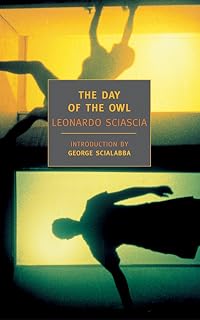
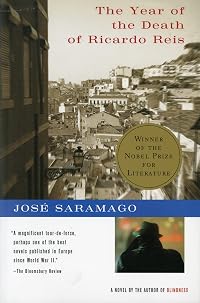
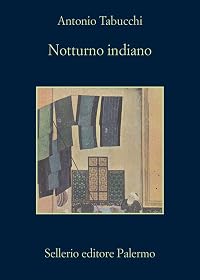
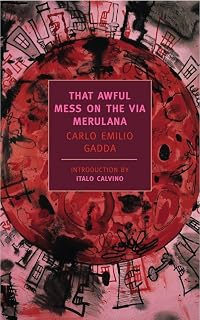








Member Recommendations
Member Reviews
Tabucchi declares that Pereira is a middle-age journalist working as the editor of the "culture" section of a Portuguese newspaper in 1938. As such, he mostly just translates 19th century French literature and runs it as serials along with the occasional obituary of some writer who's died. Tabucchi doesn't declare this in so many words, but it's obvious that Pereira is not really in touch with anything that might be happening right now - he's too busy drinking lemonade in the shade from the hot Lisbon sun and grieving for his dead wife to notice things like the Spanish civil war that's drawing to a close, the approaching world war, or the fact that his own country has turned into a fascist dictatorship... until he hires a young man to show more help him write the obits, and he starts delivering pieces on lots of controversial 20th-century writers - Lorca, Mayakovsky, etc - that Pereira declares he cannot print. Why? Well, because... um, not because he's scared of censorship or anything, surely Portugal is a free country, right? No, it's just...
...because there's power in literature in times of oppression, as he discovers when he starts re-reading his old Frenchmen in the light of what the young people he meets tell him of Spain, and of Europe. And the question is just how neutral it's possible to remain. Yes, it's a slightly clichéd story - a man forced to re-examine his every value in the light of something bigger - but it's excellently told, reminding me of Söderberg's Doctor Glas in the way it's introspective yet very easy to relate to.
Pereira Declares is short and deceptively lazy; it packs a punch. This is the second Tabucchi I've read, and while it tackles some similar subjects to his recent Tristano Dies, it does so much more accessibly and vitally. This reader declares that he liked this a lot. show less
...because there's power in literature in times of oppression, as he discovers when he starts re-reading his old Frenchmen in the light of what the young people he meets tell him of Spain, and of Europe. And the question is just how neutral it's possible to remain. Yes, it's a slightly clichéd story - a man forced to re-examine his every value in the light of something bigger - but it's excellently told, reminding me of Söderberg's Doctor Glas in the way it's introspective yet very easy to relate to.
Pereira Declares is short and deceptively lazy; it packs a punch. This is the second Tabucchi I've read, and while it tackles some similar subjects to his recent Tristano Dies, it does so much more accessibly and vitally. This reader declares that he liked this a lot. show less
Sostiene Pereira è l'elegia dell'uomo mite che si trova ad affrontare i cambiamenti della Storia. Può un uomo qualunque, malinconico e solitario, a tratti apolitico e disinteressato alla cosa pubblica, trovare se stesso e affermare la propria indipendenza nei confronti di una dittatura subdola come quella salazariana?
Parafrasando l'autore, sostiene Pereira che sì, si può, di fronte ai cambiamenti della Storia che non possono essere taciuti. Soprattutto se la propria confederazione delle anime, spinta da nuove conoscenze, si trova ad essere dominata da un nuovo io, forse quello vero.
Il romanzo di Tabucchi è uno di quei rari casi di letteratura che ti prende dolcemente, pagina dopo pagina e che diventa ogni nuovo capitolo sempre più show more un'esigenza.
Il malinconico Pereira è un personaggio straordinario perché in egli facilmente è possibile identificarsi: non un eroe, ma un uomo con una coscienza civile che gradualmente apre gli occhi di fronte alla realtà in divenire. Non è facile credere che chiunque al suo posto ne sarebbe in grado. Infatti, sinceramente ne dubito. E per questo, per la sua qualità di archetipo della possibilità, Pereira assume una rilevanza ancora maggiore, soprattutto in nuovi tempi subdoli e perniciosi come i nostri.
Lo stile dell'autore è squisitamente sublime: un italiano scorrevole, denso e puntuale. Un flusso di testo ininterrotto in cui i dialoghi, le descrizioni e le riflessioni sono un corpo unico. Molti nostri sedicenti scrittori avrebbero molto da imparare da Tabucchi. show less
Parafrasando l'autore, sostiene Pereira che sì, si può, di fronte ai cambiamenti della Storia che non possono essere taciuti. Soprattutto se la propria confederazione delle anime, spinta da nuove conoscenze, si trova ad essere dominata da un nuovo io, forse quello vero.
Il romanzo di Tabucchi è uno di quei rari casi di letteratura che ti prende dolcemente, pagina dopo pagina e che diventa ogni nuovo capitolo sempre più show more un'esigenza.
Il malinconico Pereira è un personaggio straordinario perché in egli facilmente è possibile identificarsi: non un eroe, ma un uomo con una coscienza civile che gradualmente apre gli occhi di fronte alla realtà in divenire. Non è facile credere che chiunque al suo posto ne sarebbe in grado. Infatti, sinceramente ne dubito. E per questo, per la sua qualità di archetipo della possibilità, Pereira assume una rilevanza ancora maggiore, soprattutto in nuovi tempi subdoli e perniciosi come i nostri.
Lo stile dell'autore è squisitamente sublime: un italiano scorrevole, denso e puntuale. Un flusso di testo ininterrotto in cui i dialoghi, le descrizioni e le riflessioni sono un corpo unico. Molti nostri sedicenti scrittori avrebbero molto da imparare da Tabucchi. show less
"Silva, we’re not in Europe, we're in Portugal."
With the rise of extreme right-wing European populism during the 1930s, Portugal sees itself under the corporatist regime of Salazar, staying neutral on the surface as the Spanish civil war wages while aiding Franco’s National Army furtively behind doors. In mere hundred pages, and newspaper and magazine articles relayed between characters, Tabucchi’s Pereira Maintains encapsulates the uncertainties and dangers of the era as the threat of the Second World War also brews far up the horizons. Through the protagonist Pereira—a middle-aged journalist stricken by grief from his wife’s death—his avoidant attitude is ever-resonant: this unspoken choice of indifference, this compliance show more by turning a blind eye to oppression, censorship, as long as one is not directly affected by them. He firmly holds onto apolitical sentiments, preferring instead the comfort of literature and its translation as he heads the Culture segment of a small, independent magazine. In vain, he tries to separate literature from politics. But isn’t literature political?
Not before long, and in need of an assistant, Pereira hires Monteiro Rossi, a young man of a radical disposition, who, instead of adhering to government regulations, persistently sends in articles reflecting his leftist political views. Pereira, agitated and worried, rejects these articles but nonetheless proceeds to keep them. Soon, he finds himself amidst the furore of outward resistance through Rossi and his comrades, where Pereira’s convictions slowly transform into his own definition of resistance. Previously fascinated by the thought of death, bereft and without purpose nor anchor other than his work, once he is pulled into a movement where he realises he can make a difference, where he is urged by his wife’s memories to be with people, to return to himself, mortality becomes a secondary thought, bereavement wields a strength. But this novel is not only about courage, no, it’s not even entirely about a search for purpose, I wouldn’t say so. It mirrors people’s tendency (perhaps, it’s my cynicism) to remain a bystander amidst their worsening surroundings if they knew to be uninvolved will save them from harm, even at the cost of losing their individuality and humanity. It is worth noting too that the word “maintains” appears several times in the book for Pereira to convince himself, to never waver, to stay firm opposite the self-transformation laving its pages. Tabucchi’s Pereira Maintains is not a novel on a revolutionary act ignited, though it ends with one, defiant and suitcase-in-hand. It is about carrying our principles with us, and recognising that life may be only truly meaningful when we genuinely care for another person, and most of all, when we “maintain” and never surrender our humanity despite the germinating cruelty and brutality in everyone and everything around us. show less
With the rise of extreme right-wing European populism during the 1930s, Portugal sees itself under the corporatist regime of Salazar, staying neutral on the surface as the Spanish civil war wages while aiding Franco’s National Army furtively behind doors. In mere hundred pages, and newspaper and magazine articles relayed between characters, Tabucchi’s Pereira Maintains encapsulates the uncertainties and dangers of the era as the threat of the Second World War also brews far up the horizons. Through the protagonist Pereira—a middle-aged journalist stricken by grief from his wife’s death—his avoidant attitude is ever-resonant: this unspoken choice of indifference, this compliance show more by turning a blind eye to oppression, censorship, as long as one is not directly affected by them. He firmly holds onto apolitical sentiments, preferring instead the comfort of literature and its translation as he heads the Culture segment of a small, independent magazine. In vain, he tries to separate literature from politics. But isn’t literature political?
Not before long, and in need of an assistant, Pereira hires Monteiro Rossi, a young man of a radical disposition, who, instead of adhering to government regulations, persistently sends in articles reflecting his leftist political views. Pereira, agitated and worried, rejects these articles but nonetheless proceeds to keep them. Soon, he finds himself amidst the furore of outward resistance through Rossi and his comrades, where Pereira’s convictions slowly transform into his own definition of resistance. Previously fascinated by the thought of death, bereft and without purpose nor anchor other than his work, once he is pulled into a movement where he realises he can make a difference, where he is urged by his wife’s memories to be with people, to return to himself, mortality becomes a secondary thought, bereavement wields a strength. But this novel is not only about courage, no, it’s not even entirely about a search for purpose, I wouldn’t say so. It mirrors people’s tendency (perhaps, it’s my cynicism) to remain a bystander amidst their worsening surroundings if they knew to be uninvolved will save them from harm, even at the cost of losing their individuality and humanity. It is worth noting too that the word “maintains” appears several times in the book for Pereira to convince himself, to never waver, to stay firm opposite the self-transformation laving its pages. Tabucchi’s Pereira Maintains is not a novel on a revolutionary act ignited, though it ends with one, defiant and suitcase-in-hand. It is about carrying our principles with us, and recognising that life may be only truly meaningful when we genuinely care for another person, and most of all, when we “maintain” and never surrender our humanity despite the germinating cruelty and brutality in everyone and everything around us. show less
We need each other more than ever
Pereira is every one of us, sad, tragic, melancholic, alone. Alone is the state we inhabit existentially, emotionally and politically when power is abused by a few for their own gain. It’s no accident that neo-liberal economics and freedom are the war cries of modern conservatives. Such ideologies bind us into thinking high and mighty ideas about our self-worth. We’re so individual, you know. Each and every one of us is so special, we have a wonderfully handmade self-delusional cloak of economic freedom to cocoon us. Such ideologies give us nothing but the anxiety that comes with the isolationist territory, not reliant on anyone, islands in anomie. This is the worse state we humans could live in, show more unable to ask for help, rely on others, or even to provide help. And if we lose this humanity and reliance on each other, what then are we? Once we are alone, isolated, we become like prey, easy to pick off. Today’s economic and political power players have us all right where they want us.
Faced with real threats to our safety, our individual freedom, most of us run towards power. We give up the values we had and hand them over to the powerful. Danger then lies ahead for those who still want to think clearly and critically. They must be silenced or eradicated. No wonder fascism takes hold, pretending to liberate us and rid us of thinkers, giving us easy options during times of uncertainty. We could be talking about 2020, when all around us we see the threats to liberty, health, welfare, sanity, social cohesion. These threats feel very real, yet we deal with them elusively, we brush them off, ignore them, have no time to examine them closely. After all, they might just originate in our own sordid decisions. Our self-worth is bound up in the fantasy that we are all highly skilled and capable of managing our own affairs, pay our way. The sweet messaging of fascists always aims to draw us to their bosom and offer us a new shared humanity. But it is a sham, based on sweet nothings. Words without meaning.
But Pereira Declares was written in the mid 1990s when one of the first of the recent threats to our humanity and liberty emerged in the form of Berlusconi in Italy. Berlusconi accumulate vast wealth and political power by owning most of Italy’s media. He was untouchable for a while – only his plastic surgeon got close. Tabucchi had a particular loathing for him. To explore this recurring phenomenon of fascist power, he goes further back, setting the novel in 1937, in Portugal when it was controlled by the dictator Salazar. Next door in Spain, fascist Franco was gaining ground, the Nazis were in full control in Germany and flexing their territorial muscles. The rich, like the Rockefellers in the USA and the aristocracy in England were also enamoured of these strong men. The world was turning. Democracy and freedom where under threat.
Pereira is self-absorbed in his grief, lonely, his wife passed, he habitually speaks to her daily through her photograph, seeking her counsel. He would like more than anything to be left alone, to carry on his work for the cultural page of the Lisboa, a newspaper whose politics he ignores so he doesn’t have to think too hard. He prepares his translations from the French, eats his daily omelette au fine herbes and drinks far too much sweet fresh lemonade. It’s a hot Lisbon summer, he can barely shift his large body around the place.
Pereira encounters a couple of young and politically motivated students, far too mixed up in socialist ideas in his mind. They get in trouble, yet they open his eyes to the world around him. He is reluctant, doesn’t want to cause trouble, perhaps he’s really too old for it. The fog he lives in slowly lifts.
Suddenly, his French translations are all a little too foreign. Portugal needs strong and virtuous local ideas. Not republican French ideas, anathema to ‘modern’ Portugal.
The politics of the day becomes clearer to Pereira. He must act. We are all faced with this need to act daily. Like Pereira. Are we clear about government policies? Is the world just and fair? Is it right that some people have less? Is it right that the environment and planet are degrading, that we objectify and deride the weakest and most desperate people around us?
How do we act, what propels us to act, to remind ourselves of shared humanity? Pereira simply acts. He must. It’s the right thing to do. We need literary Pereiras.
ADDIT. APRIL 2025
Mr Tabacchi keeps proving his worth. The the fascists are everywhere. Mild mannered, melancholic types need to step up. Nothing to lose except one's isolation. show less
Pereira is every one of us, sad, tragic, melancholic, alone. Alone is the state we inhabit existentially, emotionally and politically when power is abused by a few for their own gain. It’s no accident that neo-liberal economics and freedom are the war cries of modern conservatives. Such ideologies bind us into thinking high and mighty ideas about our self-worth. We’re so individual, you know. Each and every one of us is so special, we have a wonderfully handmade self-delusional cloak of economic freedom to cocoon us. Such ideologies give us nothing but the anxiety that comes with the isolationist territory, not reliant on anyone, islands in anomie. This is the worse state we humans could live in, show more unable to ask for help, rely on others, or even to provide help. And if we lose this humanity and reliance on each other, what then are we? Once we are alone, isolated, we become like prey, easy to pick off. Today’s economic and political power players have us all right where they want us.
Faced with real threats to our safety, our individual freedom, most of us run towards power. We give up the values we had and hand them over to the powerful. Danger then lies ahead for those who still want to think clearly and critically. They must be silenced or eradicated. No wonder fascism takes hold, pretending to liberate us and rid us of thinkers, giving us easy options during times of uncertainty. We could be talking about 2020, when all around us we see the threats to liberty, health, welfare, sanity, social cohesion. These threats feel very real, yet we deal with them elusively, we brush them off, ignore them, have no time to examine them closely. After all, they might just originate in our own sordid decisions. Our self-worth is bound up in the fantasy that we are all highly skilled and capable of managing our own affairs, pay our way. The sweet messaging of fascists always aims to draw us to their bosom and offer us a new shared humanity. But it is a sham, based on sweet nothings. Words without meaning.
But Pereira Declares was written in the mid 1990s when one of the first of the recent threats to our humanity and liberty emerged in the form of Berlusconi in Italy. Berlusconi accumulate vast wealth and political power by owning most of Italy’s media. He was untouchable for a while – only his plastic surgeon got close. Tabucchi had a particular loathing for him. To explore this recurring phenomenon of fascist power, he goes further back, setting the novel in 1937, in Portugal when it was controlled by the dictator Salazar. Next door in Spain, fascist Franco was gaining ground, the Nazis were in full control in Germany and flexing their territorial muscles. The rich, like the Rockefellers in the USA and the aristocracy in England were also enamoured of these strong men. The world was turning. Democracy and freedom where under threat.
Pereira is self-absorbed in his grief, lonely, his wife passed, he habitually speaks to her daily through her photograph, seeking her counsel. He would like more than anything to be left alone, to carry on his work for the cultural page of the Lisboa, a newspaper whose politics he ignores so he doesn’t have to think too hard. He prepares his translations from the French, eats his daily omelette au fine herbes and drinks far too much sweet fresh lemonade. It’s a hot Lisbon summer, he can barely shift his large body around the place.
Pereira encounters a couple of young and politically motivated students, far too mixed up in socialist ideas in his mind. They get in trouble, yet they open his eyes to the world around him. He is reluctant, doesn’t want to cause trouble, perhaps he’s really too old for it. The fog he lives in slowly lifts.
Suddenly, his French translations are all a little too foreign. Portugal needs strong and virtuous local ideas. Not republican French ideas, anathema to ‘modern’ Portugal.
The politics of the day becomes clearer to Pereira. He must act. We are all faced with this need to act daily. Like Pereira. Are we clear about government policies? Is the world just and fair? Is it right that some people have less? Is it right that the environment and planet are degrading, that we objectify and deride the weakest and most desperate people around us?
How do we act, what propels us to act, to remind ourselves of shared humanity? Pereira simply acts. He must. It’s the right thing to do. We need literary Pereiras.
ADDIT. APRIL 2025
Mr Tabacchi keeps proving his worth. The the fascists are everywhere. Mild mannered, melancholic types need to step up. Nothing to lose except one's isolation. show less
If one were to look for a 'feel-good' book set during one of the darkest periods of recent history, one should look no further. Antonio Tabucchi has written such a book. In many senses it is a perfect contemporary novel: it is short, it reads well - you can finish it in a day even if you are a slow reader like me, it is engaging, it gives you some hints along the way on what is to come but not enough to be predictable, it sits well with our moral choices, and the denouement is fit for a thriller movie script. What is there not to like?! To add insult to injury, the protagonist, Pereira, is a flawed but ultimately likable chap, an aging lonely intellectual, self-indulgent and somewhat naïve. It's nice to be him for a day, indulge in his show more omelettes and lemonades, partake in his loneliness and share his nostalgic reveries. It feels good to chuckle at his minor errors of judgement and nod approvingly at his big choices.
The style of the English translation by Patrick Creagh is quaint but very suitable to the main character and the setting - sweltering heat of Lisbon summer of 1938. Each chapter of the book starts and ends with 'Pereira maintains' phrase. It is clearly Pereira's story, he intends on telling it this way, and he asserts his authority on every page. The choice of the translation 'maintains' is a very fitting one, as Pereira not simply states the facts, he also manages to maintain his moral character and integrity despite the world that is slowly falling apart around him, unmaintained.
I have some minor complaints with the translation of some phrases, sadly I do not read in Italian, but some English sentences have jarred on my ears. My main issue though is not with Patrick but with Antonio, as the story is too perfect, it is almost a fairy tale, beautifully crafted and staged. It is a feel-good story, it is also too good to be true, Kovsky maintains. show less
The style of the English translation by Patrick Creagh is quaint but very suitable to the main character and the setting - sweltering heat of Lisbon summer of 1938. Each chapter of the book starts and ends with 'Pereira maintains' phrase. It is clearly Pereira's story, he intends on telling it this way, and he asserts his authority on every page. The choice of the translation 'maintains' is a very fitting one, as Pereira not simply states the facts, he also manages to maintain his moral character and integrity despite the world that is slowly falling apart around him, unmaintained.
I have some minor complaints with the translation of some phrases, sadly I do not read in Italian, but some English sentences have jarred on my ears. My main issue though is not with Patrick but with Antonio, as the story is too perfect, it is almost a fairy tale, beautifully crafted and staged. It is a feel-good story, it is also too good to be true, Kovsky maintains. show less
Sostiene Pereira is an absolute gem of a novel. It's set in Lisbon in the hot summer of 1938, and it is as drenched in lovely Lisbon atmosphere as any of Saramago's novels. Pereira is a recently-widowed, middle-aged literary journalist with a heart problem. He's got an undemanding job running the "culture" section of an undistinguished afternoon paper, and he is perfectly happy to lead a quiet, routine life, pursuing his interest in 19th century French literature and closing his eyes to all the nasty things that are going on in the world around him (and in Portugal in 1938, there's no shortage of those).
Of course, narrative inevitability dictates that he's going to be confronted with a situation where he has to make a choice whether to show more keep his eyes shut or to stand up and make an act of futile resistance. And we know from experience how easily that sort of story becomes crass and insensitive when it's written by someone who wasn't around at the time. But that's not the case here. Tabucchi establishes Pereira's character and the way that history challenges him with a vast amount of patience and subtlety. Tabucchi makes sure that we are drawn into engaging with Pereira and seeing what the world looks like from his point of view at the same time as we laugh at his little absurdities. Because there's so much repetition of settings, actions and phrases from chapter to chapter, this feels from the inside like a very slow-moving novel, but it actually packs a lot into a relatively small space (just over 200 pages).
There is a lot of discussion of the writers Pereira either talks about or doesn't talk about in his columns, and some more philosophical speculation about repentance, individuality and the nature of the soul (Pereira is dreadfully worried in the opening pages because he can't bring himself to believe in the resurrection of the body). All of which adds colour and humour as well as giving a bit more depth to the discussion of quietism vs. futile resistance. And there are also almost certainly more omelettes than I've ever come across in a single novel (which struck me, since I've spent a few holidays in Portugal where the only vegetarian dish anyone could offer me, day after day, was an omelette...).
Probably the most difficult thing about it is the word sostiene. It seems to mean so many things in Italian (holds, supports, affirms, undertakes, maintains, expresses, suffers,....), and Tabucchi uses it in just about every way he can think of, at least once or twice on every page of the book, to underscore everything Pereira does or says. It must be a big challenge for any translation. I looked at the opening pages of the translation by the British poet Patrick Creagh (thank you, Amazon!), who went for "declares": that seems to work pretty well in the text, but in the title it has the unfortunate effect of making it sound like a cricket novel. show less
Of course, narrative inevitability dictates that he's going to be confronted with a situation where he has to make a choice whether to show more keep his eyes shut or to stand up and make an act of futile resistance. And we know from experience how easily that sort of story becomes crass and insensitive when it's written by someone who wasn't around at the time. But that's not the case here. Tabucchi establishes Pereira's character and the way that history challenges him with a vast amount of patience and subtlety. Tabucchi makes sure that we are drawn into engaging with Pereira and seeing what the world looks like from his point of view at the same time as we laugh at his little absurdities. Because there's so much repetition of settings, actions and phrases from chapter to chapter, this feels from the inside like a very slow-moving novel, but it actually packs a lot into a relatively small space (just over 200 pages).
There is a lot of discussion of the writers Pereira either talks about or doesn't talk about in his columns, and some more philosophical speculation about repentance, individuality and the nature of the soul (Pereira is dreadfully worried in the opening pages because he can't bring himself to believe in the resurrection of the body). All of which adds colour and humour as well as giving a bit more depth to the discussion of quietism vs. futile resistance. And there are also almost certainly more omelettes than I've ever come across in a single novel (which struck me, since I've spent a few holidays in Portugal where the only vegetarian dish anyone could offer me, day after day, was an omelette...).
Probably the most difficult thing about it is the word sostiene. It seems to mean so many things in Italian (holds, supports, affirms, undertakes, maintains, expresses, suffers,....), and Tabucchi uses it in just about every way he can think of, at least once or twice on every page of the book, to underscore everything Pereira does or says. It must be a big challenge for any translation. I looked at the opening pages of the translation by the British poet Patrick Creagh (thank you, Amazon!), who went for "declares": that seems to work pretty well in the text, but in the title it has the unfortunate effect of making it sound like a cricket novel. show less
Livrinho absolutamente delicioso, trata de um tema tão pesado quanto a ditadura salazarista com um frescor e redenção maravilhosos e nos mostra que nunca é tarde para sair de cima do muro e de uma pretensa zona de conforto ilusória, especialmente em termos políticos.
O que mais impressiona aqui é ser um livro italiano de um escritor idem, ao ler a gente pode jurar que foi escrito por um português como o protagonista do livro, mesmo para além da nossa tradução brasileira, Pereira é muito próximo de um cidadão refinado de Portugal nos entre guerras.
Acho que quem está vivendo o bolsonarismo miliciano e ainda não caiu na real faria bem em ler esse livrinho, mas infelizmente as pessoas que menos leem esse tipo de livro são show more as que mais precisam.
Livro indicado pela Jhumpa Lahiri não tem erro. show less
O que mais impressiona aqui é ser um livro italiano de um escritor idem, ao ler a gente pode jurar que foi escrito por um português como o protagonista do livro, mesmo para além da nossa tradução brasileira, Pereira é muito próximo de um cidadão refinado de Portugal nos entre guerras.
Acho que quem está vivendo o bolsonarismo miliciano e ainda não caiu na real faria bem em ler esse livrinho, mas infelizmente as pessoas que menos leem esse tipo de livro são show more as que mais precisam.
Livro indicado pela Jhumpa Lahiri não tem erro. show less
Members
- Recently Added By
Lists

1001 Books You Must Read Before You Die
1,448 works; 1,134 members
501 Must-Read Books
529 works; 72 members

Best Contemporary Literary Fiction (Around the Last 30 Years)
388 works; 124 members

Italian Literature
556 works; 41 members

1990s
309 works; 17 members

Canon de la narrativa universal del siglo XX
254 works; 6 members

International IMPAC Dublin Literary Award
179 works; 6 members

1,001 BYMRBYD Concensus
723 works; 27 members

A Novel Cure
742 works; 23 members
Franklit
95 works; 1 member
Canon de la narrativa universal del s. XX (cicutadry)
499 works; 3 members
Lista dei 100 migliori libri italiani degli ultimi 200 anni
100 works; 1 member
Reading LIst
648 works; 1 member
Author Information

203+ Works 7,796 Members
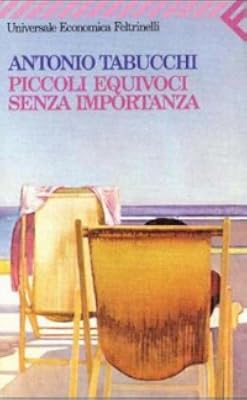
Antonio Tabucchi was born in Pisa, Italy on September 24, 1943. He studied literature and philosophy at the city's university. He was a writer and academic. He was professor of Portuguese literature at the University of Siena and the Italian Cultural Institute in Lisbon. His works include Piazza d'Italia, Piccoli Equivoci Senza Importanza (Little show more Misunderstandings of No Importance), Requiem, uma Alucinaçaõ (Requiem: A Hallucination), Tristano Muore (Tristan Is Dying), and Racconti con Figure. Many of his works were adapted into films including Sostiene Pereira (Pereira Maintains) and Notturno Indiano (Indian Nocturne). In addition to his fictional writing, he translated works by Fernando Pessoa and other Portuguese writers into Italian. He received numerous literary prizes including the Chevalier des Arts et des Lettres in France. In 1993, he was one of the founder members of the International Parliament of Writers and contributed articles to its journal, Autodafé. He died of cancer on March 25, 2012 at the age of 68. (Bowker Author Biography) show less
Some Editions
Awards and Honors
Awards
Distinctions
Notable Lists
Series
Belongs to Publisher Series
Brigitte-Edition (26)
Panorama de Narrativas (329)
Colecção Mil Folhas (26)
Иллюминатор (60)
El balancí [Edicions 62] (277)
Keltainen kirjasto (291)
dtv (12424)
Gallimard, Folio (5096)
Work Relationships
Inspired
Common Knowledge
- Canonical title
- Pereira Maintains
- Original title
- Sostiene Pereira
- Alternate titles
- Pereira Declares: A Testimony
- Original publication date
- 1994
- People/Characters*
- Pereira; Francesco Monteiro Rossi; Marta
- Important places
- Lisbon, Portugal; Coimbra, Portugal
- Important events
- Estado Novo (1933-1974)
- Related movies
- Sostiene Pereira (1995 | IMDb)
- First words
- Pereira maintains he met him one summer's day.
- Last words*
- (Click to show. Warning: May contain spoilers.)Era meglio affrettarsi, il "Lisboa" sarebbe uscito fra poco e non c'era tempo da perdere, sostiene Pereira.
- Blurbers
- Pullman, Philip; Hamid, Moshin; Athill, Diana; Carey, John; Hyland, M J
- Original language
- Italian
*Some information comes from Common Knowledge in other languages. Click "Edit" for more information.
Classifications
- Genres
- Fiction and Literature, General Fiction
- DDC/MDS
- 853.914 — Literature & rhetoric Italian, Romanian & related literatures Italian fiction 1900- 20th Century 1945-1999
- LCC
- PQ4880 .A24 .S6613 — Language and Literature French, Italian, Spanish and Portuguese literatures Italian literature Individual authors, 1961-2000
- BISAC
Statistics
- Members
- 2,534
- Popularity
- 7,549
- Reviews
- 89
- Rating
- (4.00)
- Languages
- 19 — Catalan, Czech, Danish, Dutch, English, Estonian, Finnish, French, German, Galician, Greek, Italian, Norwegian (Bokmål), Polish, Russian, Spanish, Swedish, Turkish, Portuguese (Portugal)
- Media
- Paper, Audiobook, Ebook
- ISBNs
- 93
- ASINs
- 25
